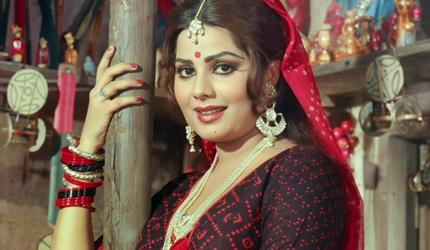
‘Kishoreda suggested to Sulakshana didi that she should become an actress and sing her own songs in her films.’
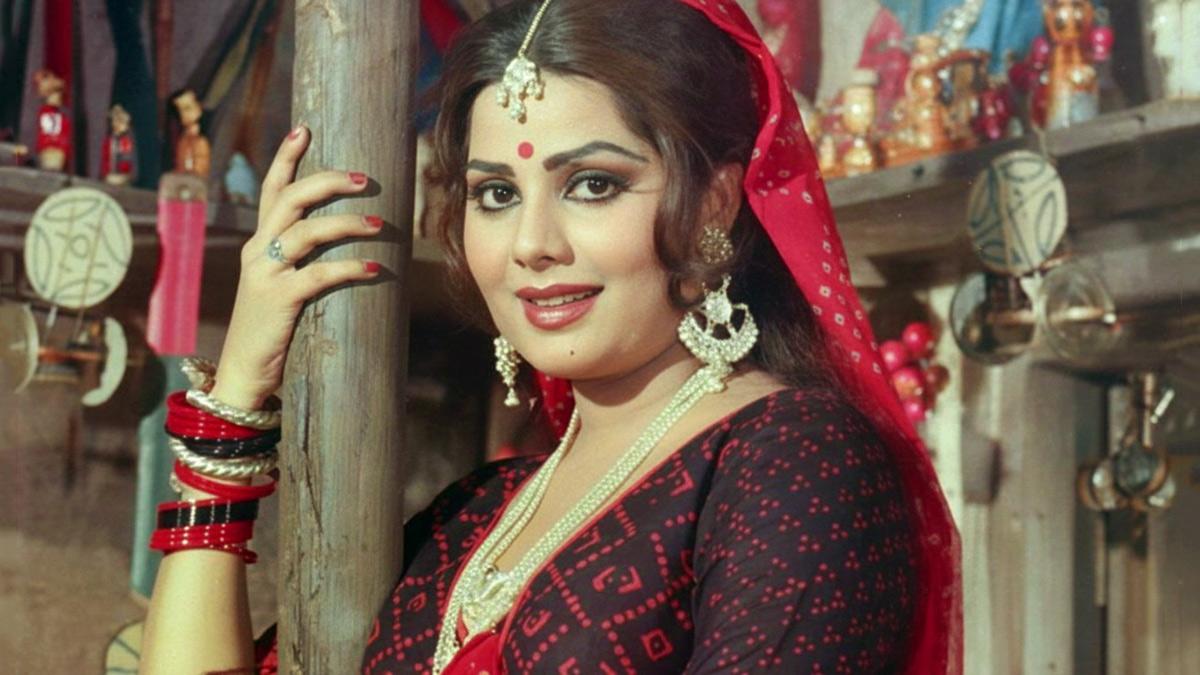
For 20 years, singer-actress Sulakshana Pandit, who passed away on November 6, led a reclusive life, hardly ever seen in public.
“To say something about Sulakshana Didi, I would really not know where to start,” her brother Lalit Pandit tells Subhash K Jha emotionally.
“She had such diverse dimensions to her life. She was a sister and mother to us, and had been a successful actor in the 1970s.”
Lalit is forever indebted to his older sister.
“She was the initial force that brought the family out from a difficult position and gave us a chance to move ahead in life. Had it not been for her, there would be no Vijeta, no Jatin-Lalit. It was her idea that we go to Majrooh Sultanpurisaab and team up with him. She got us to move into the film industry and become successful composers. She was also my early teacher in music,” Lalit says.
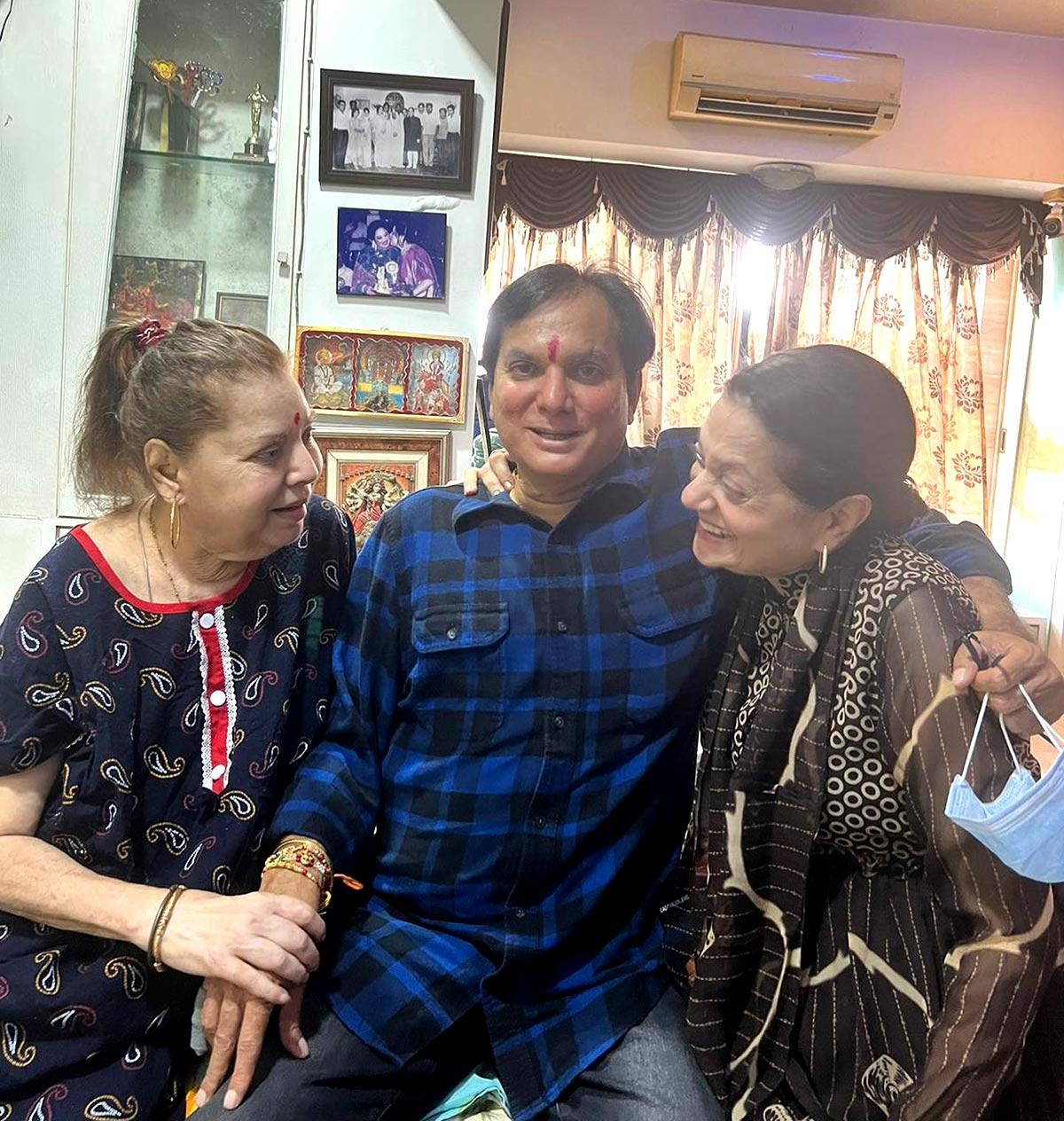
Sulakshana, reveals Lalit, was a trained singer.
“She was the only one among the us siblings, who was trained by our father Pandit Pratap Narayan. Sulakshana Didi must have been 9 or 10 when, at some function in Kolkata, she sang in front of Dilip Kumarsaab. He was very happy to hear this girl singing so well and advised our father to bring Sulakshana Didi to Mumbai for a better future. It was my father’s brave decision to take Sulakshana Didi and our eldest brother Mandheer Bhai to Mumbai. He had been trained by our father to play the tabla.”
This was during a time when the Pandit parivar was going through hard times.
“There was no place to stay in Mumbai and no money. My father took Sulakshana Didi and Mandheer Bhai to Dilipsaab‘s house and explained our tough times. He was most gracious and kept them in one of his homes.”
Dilip Kumar helped Sulakshana find a foothold in the Hindi film industry.
“He introduced her to powerful people and would take her to his shoots and make her sing songs there to the big producers and directors. Meanwhile, our father started earning by taking up classical singing lessons.”
Then began Sulakshana’s struggle.
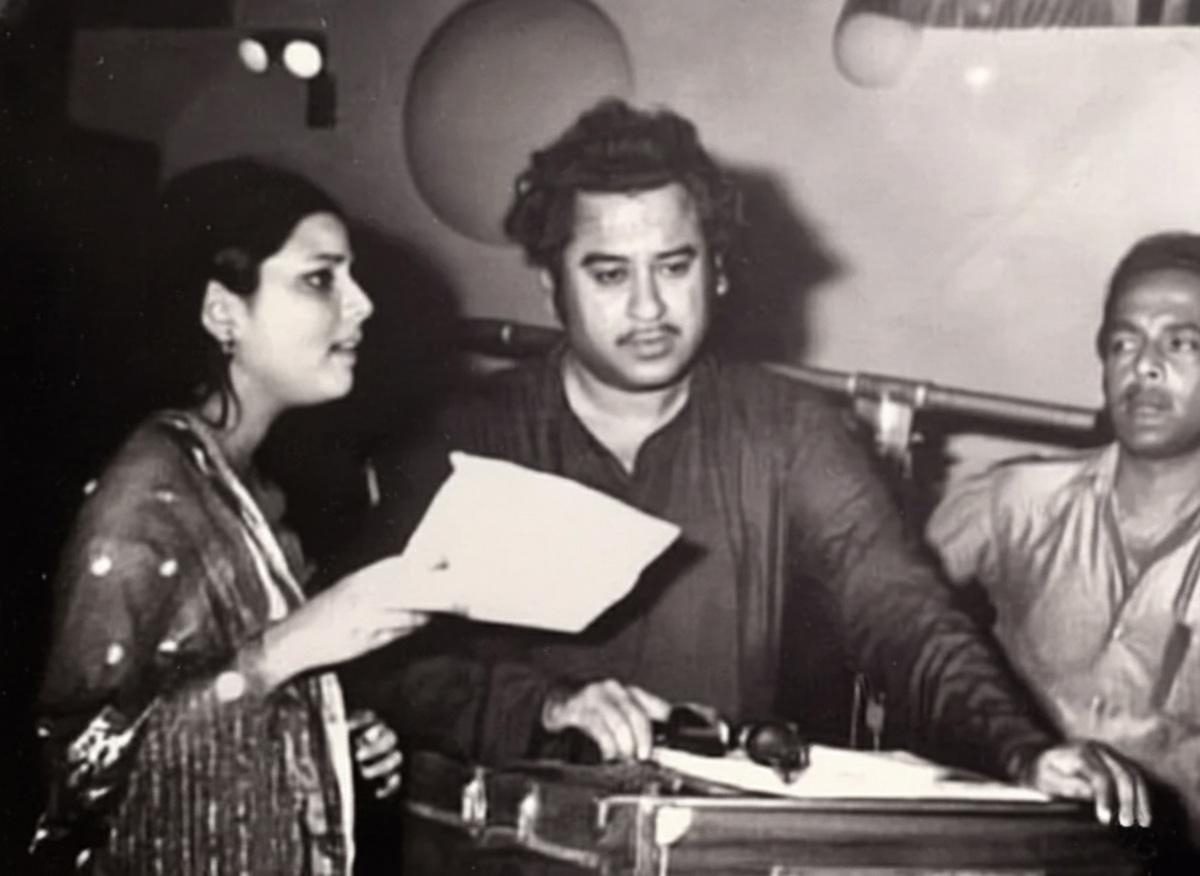
“Sulakshana Didi started getting shows but there was no way to break in the industry for playback singing. She would meet music directors but to no avail. She sang a few lines for a Laxmikant-Pyarelal song with Lata Mangeshkar (Saat Samundar Paar Se from the film Taqdeer),” Lalit says.
“Finally, composers began to notice Sulakshana.
“The struggle was on but she was gradually being noticed and liked by people. I must say here that Sulakshana Didi was very beautiful. She had a personality and though wasn’t educated beyond initial schooling in Hindi, she was intelligent.”
Then Kishore Kumar came into Sulakshana’s life.
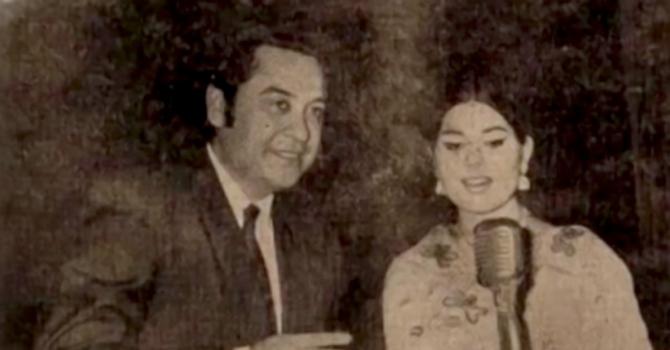
“Kishoreda gave my sister her first playback singing chance under his music direction for his film Door Ka Rahi. The song was Beqarar Dil Tu Gaye Ja. It was a beautiful composition. Kishoreda sang only one antara and made Sulakshana Didi sing two. The song was a big success,” Lalit says.
“He made her a part of his shows and tours. The monetary situation started to get better and Pitaji decided to get the rest of the family to Mumbai. With the earnings from the shows, Sulakshana managed to buy a small flat. It was here that I was born. Out of all my siblings, I am the only one born in Mumbai.”
After Lalit’s birth, Sulakshana attained renewed fame.
“She started touring with the top male artists. Mohammad Rafisaab met her at one of the recordings and took her to Bahrain and other places for his shows. She used to work very hard to make life better for us. It was Kishoreda who explained to her that it would be difficult to make a mark as a playback singer as long as the Mangeshkar sisters were there.
“This was an evident fact for all female singers who were trying to make it as playback singers then.
“Kishoreda suggested to Sulakshana Didi that she should become an actress and sing her own songs in her films. Sulakshana Didi took up the challenge She was first signed by Director Raghunath Jhalani for Uljhan (1974). This was a female-oriented film and it was a super hit with Sanjeev Kumar.
Sulakshana Didi sang her own song for the film. This transformed her life and career and she started getting many film offers.”
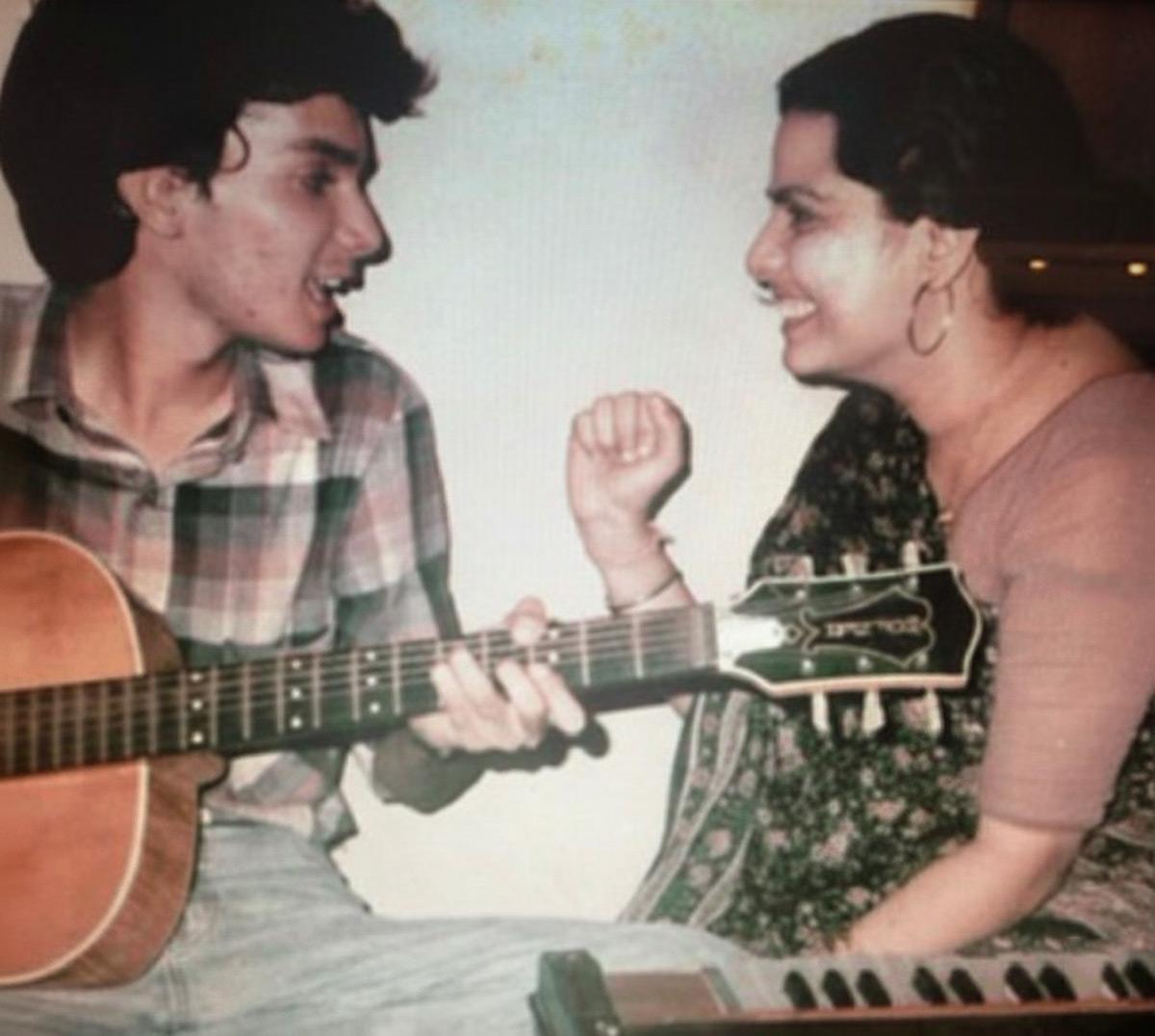
Suddenly, the Pandit family was affluent.
“We could see our life changing as Sulakshana Didi bought a house for my brother in Juhu (northwest Mumbai) and one for herself and the rest of the family. She enrolled her siblings in the best of schools at the time.
“She packed me off to a boarding school in Panchgani, which proved to be a boon. I am the only person in the family who managed to move ahead in education. I would read the papers in school and keep a check on how didi‘s films were doing.”
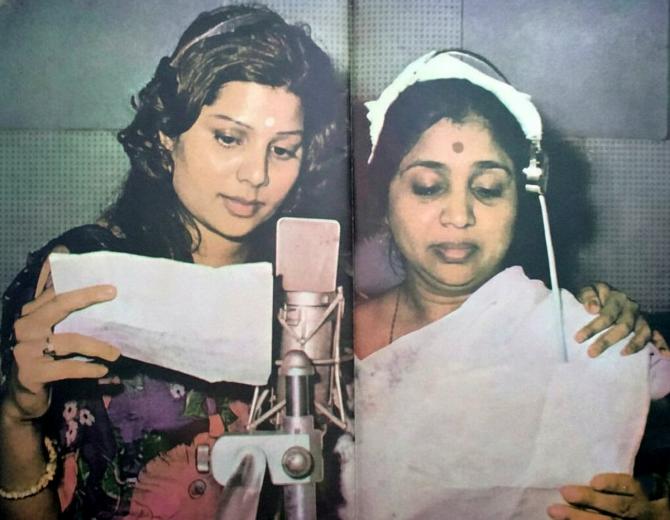
“SulakshanaDidi got the tag of being a lucky heroine, as all her films would be a jubilee hit. She would have it in her contract to sing all the songs picturised on her. At that time, the producers would willingly agree but one could see that the composers, though being okay to make her sing, were feeling pressurised. She was also singing for other films. She sang many popular songs for Bappida (Lahiri).
“She won a Filmfare award for the song Tu Hi Sagar Hai Tu Hi Kinara, composed by Khayyamsaab and written by Kaifi Azmi. She went on to do films with top actors like Rajesh Khanna, Rishi Kapoor, Sanjeev Kumar, Amitabh Bachchan, Vinod Khanna, Jeetendra, Shatrughan Sinha, Feroz Khan, Shashi Kapoor… and also worked with top directors of the time.”
Photographs curated by Manisha Kotian/Rediff