‘The
work
of
a
film-maker
is
going
out
and
making
films.’
‘And
if
you
are
in
prison
for
15
years,
you
can’t
make
films.’
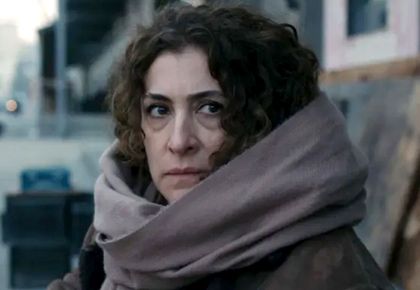
Vishka
Asayesh
in
Seven
Days.
Last
year,
the
Nobel
Peace
Prize
was
awarded
to
the
Iranian
human
rights
activist
Narges
Mohammadi,
who
is
imprisoned
for
her
fight
against
the
oppression
of
women
in
Iran.
Iranian-German
film-maker
Ali
Samadi
Ahadi
has
made
a
film
inspired
by
Mohammadi’s
story.
Seven
Days
recently
had
its
world
premiere
at
the
Toronto
International
Film
Festival.
The
film
narrates
the
story
of
Maryam,
a
jailed
human
rights
activist,
who
is
granted
rare
medical
leave,
has
a
chance
to
escape
from
Iran,
and
re-unite
with
her
two
kids
and
husband,
who
are
living
in
exile
in
Germany.
Gorgeously
shot,
Seven
Days
takes
Maryam
on
an
arduous
journey
through
snow
and
mountains.
Her
children
are
angry
because
of
her
choice
to
stay
in
prison,
instead
of
being
a
mother
to
them.
How
Maryam
balances
her
personal
and
public
life
is
the
key
theme
of
the
film.
Another
Iranian
film-maker
Mohammad
Rasoulof
(Berlinale
2020
Golden
Bear
winner,
There
is
No
Evil)
wrote
the
script
of
Seven
Days.
Rasoulof
himself
was
banned
from
making
films
in
Iran
because
of
his
political
activism.
But
like
many
other
Iranian
filmm-akers,
Rasoulof
has
been
managing
to
secretly
make
films.
His
latest
film
The
Seed
of
the
Sacred
Fig
won
the
Special
Jury
Prize
at
this
summer’s
Cannes
Film
Festival.
In
a
surprise
development
this
summer,
Rasoulof
managed
to
escape
from
Iran
by
foot
and
his
story
is
quite
similar
to
that
of
Maryam,
a
fictional
character.
Aseem
Chhabra
spoke
to
Ahadi
in
Toronto
about
the
making
of
Seven
Days
and
the
risks
that
many
Iranian
film-makers
have
taken
despite
attempts
by
the
authorities
to
restrict
their
works.
“We
have
so
many
brave
women,
who
are
imprisoned
and
separated
from
their
kids
and
husbands
for
years.
We
have
a
woman
with
a
seven-year-old
boy.
She
got
the
death
sentence
because
they
say
she
is
a
counter-revolutionary
and
against
the
system.
And
these
stories
are
happening
again
and
again.
People
like
Narges
Mohammadi
are
just
a
glimpse
of
the
whole
situation,”
Ahadi
says.
Ali,
your
story
is
so
current
since
it
is
inspired
by
Narges
Mohammadi’s
case.
Did
you
work
with
Mohammad
Rasoulof
on
the
script
after
she
won
the
Nobel
Peace
Prize?
Actually,
the
script
was
developed
in
the
last
seven
years.
Mohammad
Rasoulof
was
working
on
it
much
earlier.
Mohammad
and
Narges
know
each
other;
he
knew
about
her
circumstances.
The
government
has
been
putting
pressure
on
her
for
a
long
time
to
leave
the
country.
They
have
said,
don’t
stay
here
otherwise
we
cannot
guarantee
you
will
survive.
But
she
is
determined
to
stay
and
fight
back
in
Iran.
But
what
about
her
family?
Are
they
out
of
the
country?
They
are
in
France.
But
this
is
only
partly
her
story.
We
have
so
many
brave
women
who
are
imprisoned
and
separated
from
their
kids
and
husbands
for
years.
We
have
a
woman
with
a
seven-year-old
boy.
She
got
the
death
sentence
because
they
say
she
is
a
counter-revolutionary
and
against
the
system.
And
these
stories
are
happening
again
and
again.
People
like
Narges
Mohammadi
are
just
a
glimpse
of
the
whole
situation.
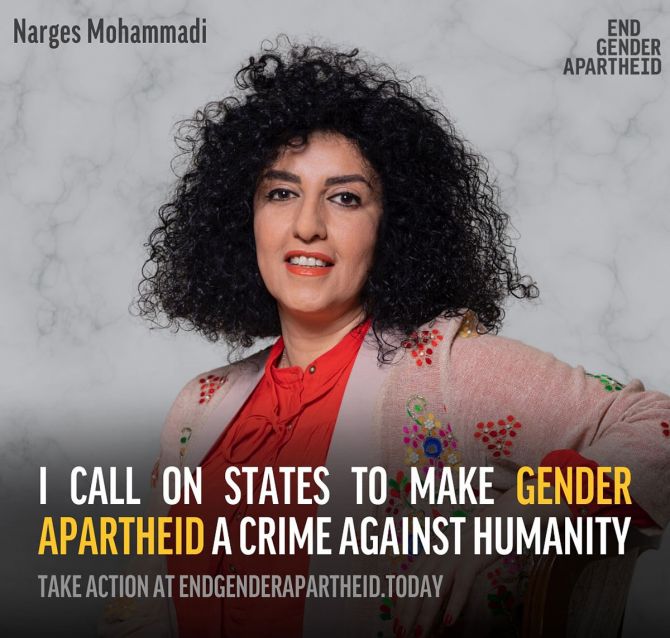
Narges
Mohammadi.
Photograph:
Kind
courtesy
Narges
Mohammadi
and
End
Gender
Apartheid/Instagram
Did
Narges
actually
receive
seven
days
off
and
did
she
cross
the
border?
No.
I
mean,
even
if
it
had
happened,
I
wouldn’t
show
it
in
the
film.
She
is
still
in
prison
and
any
such
mention
would
put
her
life
at
risk.
How’s
her
health?
Very
bad.
Just
last
week,
she
was
beaten
up
very
badly
because
they
are
protesting
against
death
sentences
given
to
men
and
women.
The
government
put
a
lot
of
pressure
on
the
women
to
end
the
protest.
But
when
they
didn’t,
the
soldiers
stormed
into
the
women’s
section
in
the
prison
last
week
and
started
to
beat
them
up.
Many
received
serious
injuries.
They
are
not
allowed
to
have
visits
from
their
lawyers.
They
would
like
to
open
up
cases
against
the
abuse
of
the
prisoners,
but
at
the
moment,
they
are
not
allowed.
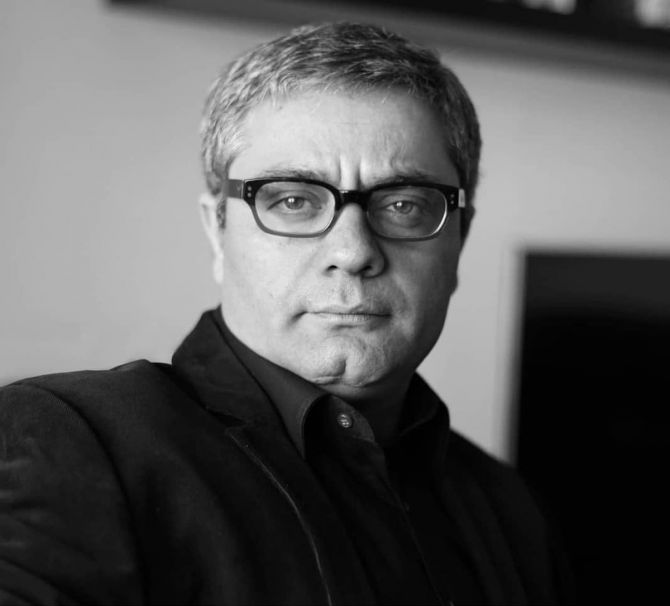
Writer
of
Seven
Days,
Mohammad
Rasoulof.
Photograph:
Kind
courtesy
Mohammad
Rasoulof/Instagram
The
other
coincidence
about
this
film
relates
to
Mohammad
Rasoulof.
He
managed
to
escape
from
Iran.
I
was
in
Cannes
this
summer
when
he
showed
up
for
the
world
premiere
of
his
film
The
Seed
of
the
Sacred
Fig
(Germany’s
official
entry
for
the
Best
International
Oscar
for
2025).
Yes,
true.
He
came
out
and
said,
‘Look,
Ali,
now,
this
has
happened
to
me
as
well.’
It
is
a
very
private
and
difficult
decision
to
make
but
fully
understandable,
especially
if
you
are
a
film-maker.
Your
work
is
to
make
films
and
not
stay
in
jail.
I
can
understand
the
situation
of
Narges
Mohammadi
or
Nelson
Mandela
or
Mahatma
Gandhi
to
say
I
will
resist,
I
will
stay
here.
And
may
the
whole
world
know
that
I
am
in
prison.
This
is
the
work
of
activists.
But
the
work
of
a
film-maker
is
going
out
and
making
films.
And
if
you
are
in
prison
for
15
years,
you
can’t
make
films.
Had
Rasulullah
left
Iran
by
the
time
you
started
to
make
the
film?
No,
he
was
still
in
Iran.
That
was
the
reason
why
we
kept
the
secret
that
he
was
the
scriptwriter
working
on
this
project.
I
just
watched
another
Iranian
film
The
Witness
which
played
at
Venice
this
year.
Jafar
Panahi
not
only
wrote
the
script,
but
also
edited
it.
He
was
also
arrested
and
then
banned
from
making
films.
He
is
out
of
the
country
now.
How
many
other
Iranian
film-makers
have
left
the
country?
You,
Ali
Abbasi
(Holy
Spider),
Mohsen
Makhmalbaf
(Kandahar)
all
live
out
of
Iran.
Well,
I
was
always
out
of
the
country.
I
moved
to
Germany
when
I
was
12,
so
I
have
been
living
there
for
a
long
time.
But
in
the
recent
times,
the
suppression
got
so
extreme
that
my
colleagues
are
not
able
to
work.
What
can
a
film-maker
do
when
he
or
she
is
not
allowed
to
make
films?
You
can
open
up
a
bar
or
a
coffee
shop
or
whatever,
but
it
is
not
your
passion.
Your
passion
is
to
make
films.
The
big
question
is
how
successful
can
they
be
living
outside
Iran?
Ali
Abbasi
and
me,
we
don’t
count
as
Iranians
anymore
because
we
were
too
young.
We
learned
about
the
society
we
are
living
in
at
a
very
early
age,
but
if
you
migrate
as
a
refugee
at
an
older
age,
it
is
difficult.
It’s
hard
to
learn
the
language
and
make
the
connection
with
a
new
country.
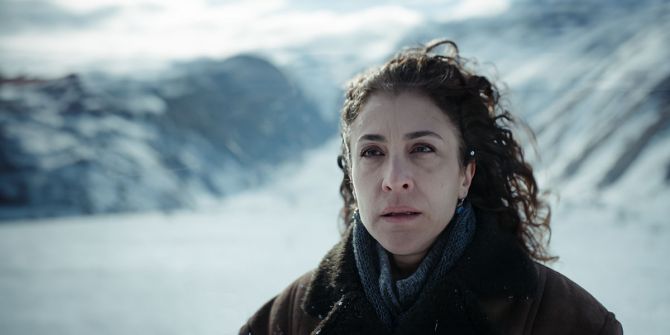
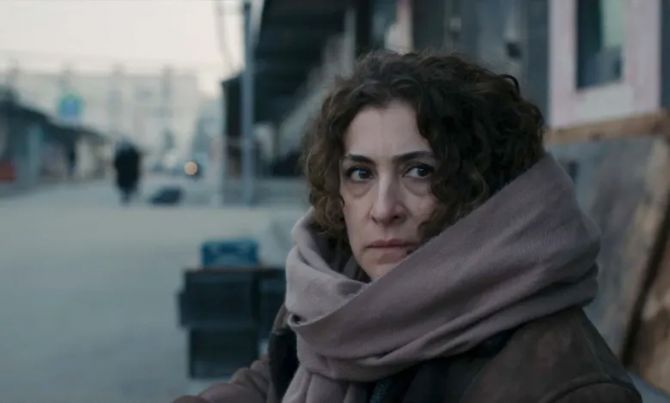
Vishka
Asayesh
in
Seven
Days.
The
actress
Golshifteh
Farahani
now
lives
in
Paris.
It
is
so
sad
that
so
many
talented
Iranian
film
personalities
live
outside
the
country.
Even
the
master
film-maker
Abbas
Kiarostami
lived
in
exile
and
made
films
in
Italy
and
in
Japan.
There
are
film-makers
who
are
banned
from
traveling
when
their
films
are
shown
at
film
festivals
outside
Iran.
That
was
the
case
of
Maryam
Moghadam
and
Behtash
Sanaeeha,
whose
new
film
My
Favorite
Cake
was
in
competition
at
Berlin
this
year.
But
most
of
my
Iranian
colleagues
in
exile
were
not
able
to
work
continuously,
like
Kiarostami,
Amir
Naderi
and
Asghar
Farhadi.
Farhadi
still
manages
to
stay
in
Iran.
But
when
he
decided
to
shoot
out
of
the
country,
the
quality
of
the
films
(The
Past
and
Everybody
Knows)
was
not
good.
This
happens
all
the
time.
I
always
bring
up
the
example
of
the
German
film-makers
during
the
Third
Reich
when
they
had
to
leave
Germany
or
Europe.
Germany
had
a
big
film
industry,
but
only
few
people
could
survive
in
America.
It
is
a
very
universal
problem.
You
have
populist
dictators
all
over
the
world.
The
question
then
is
how
much
we
are
willing
to
fight
for
our
values.
This
is
something
which
links
us
all
around
the
world.
Where
did
you
shoot
this
film?
It
is
partly
shot
in
Iran.
We
shot
some
scenes
in
Tehran
secretly.
We
organised
shooting
permissions
for
another
project
and
then
started
to
film,
smuggled
the
sequences
out
of
the
country.
We
thought
of
shooting
in
Turkey,
but
that’s
not
safe
for
Iranian
film-makers.
In
fact,
it
is
not
even
safe
for
us
when
we
hold
European
passports.
They
can
easily
arrest
you
and
send
you
to
Iran.
The
last
film
that
Jafar
Panahi
secretly
made,
No
Bears,
was
partly
shot
in
Turkey.
Where
did
you
shoot
your
film
then,
especially
that
gorgeous
village
where
Maryam
meets
her
family?
We
shot
in
Kaspiki.
It
is
in
northern
part
of
Georgia.
I
know
the
characters
who
play
the
husband
and
the
two
children
were
supposed
to
be
in
Germany.
But
the
lead
actress
Vishka
Asayesh,
was
she
in
Iran?
She
was
supposed
to
be
in
Iran,
but
actually,
we
recreated
the
scenes
elsewhere.
Well,
that’s
what
film-making
is
all
about.
True.
Making
a
fiction
film
doesn’t
mean
that
you
have
to
document
everything
to
tell
the
truth.
We
try
to
tell
the
reality
in
Iran,
but
not
every
single
thing
has
to
be
real.
Vishka
was
in
Iran,
but
she
left
the
country
two
months
before
we
started
to
shoot
the
film.
She
said
she
would
never
shoot
in
front
of
a
camera
with
a
scarf.
She’s
a
star
in
Iran,
but
she
said,
if
this
is
the
price
to
pay
so
be
it.
I
will
never
shoot
wearing
a
scarf.
But
will
she
be
able
to
go
back
to
Iran
now
that
she
has
made
this
film?
No.
She
is
in
Paris
at
the
moment.
I
hope
she
can
start
working
outside
Iran.
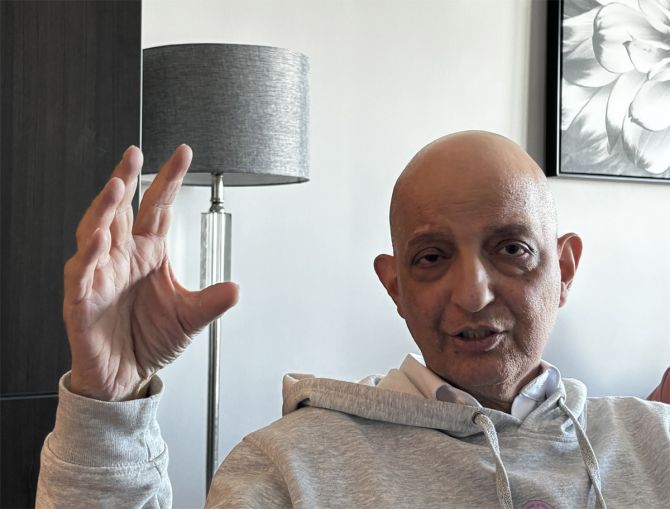
Seven
Days
Director
Ali
Samadi
Ahadi.
Photograph:
Aseem
Chhabra
In
your
case,
although
you
must
be
a
German
citizen,
I
don’t
think
you
will
ever
be
allowed
to
enter
Iran
also.
I
stopped
traveling
to
Iran
because
during
the
2009
Iranian
elections,
I
made
a
movie
called
The
Green
Wave.
After
that,
it
was
clear
that
I
will
never
be
able
to
go
back,
and
that
brings
the
similarity
in
my
family.
Just
like
Maryam’s
teenage
daughter,
my
daughter
was
also
angry
with
my
decision.
She
was
seven
at
that
time
and
I
never
asked
her.
Suddenly
I
took
her
away
from
her
grandparents,
her
second
homeland.
I
know
you
narrated
an
Iranian
story,
but
does
your
filmmaking
get
compromised
when
you
are
living
outside
Iran?
In
terms
of
the
texture,
the
narrative?
In
a
way,
yes.
I
tried
to
do
my
best
by
bringing
the
set
and
costume
designers
from
Iran.
They
gave
us
the
style
update
of
what
is
going
on
in
Iran,
what
people
are
wearing
and
how
the
streets
look.
But
you
are
right
that
since
I
live
outside
Iran,
my
rhythm
and
tempo
are
different.
My
DOP
(Director
Of
Photography)
Mathias
Neumann
is
a
very
German
guy,
who
fought
a
heroic
fight
for
this
project,
filming
in
minus
20-25
degrees
Celsius.
He
didn’t
understand
the
language,
but
was
behind
the
camera
and
crying
because
the
emotions
were
so
strong.
We
spoke
seven
languages
during
the
shoot:
Persian
German,
Georgian,
Russian,
Turkish,
Azari
and
Kurdish.
Actors
came
from
Paris,
Berlin
and
Austria.
We
were
in
the
middle
of
nowhere,
12
kilometres
away
from
the
Russian
border,
in
the
snow.
We
were
70
people
and
we
decided
to
make
this
film.