
Satyajit
Ray
anticipated
the
issues
we
are
only
now
starting
to
raise,
long
before
large
language
models,
AI
chatbots,
predictive
algorithms,
and
autonomous
systems
began
to
control
every
bit
of
our
lifestyles,
notes
Atanu
Biswas.

Parambrata
Chatterjee
in
Anukul.
Sujoy
Ghosh’s
2017
Hindi
short
film
Anukul,
which
is
based
on
Satyajit
Ray’s
1976
story,
brilliantly
captures
Ray’s
timeless
yet
provocative
futuristic
vision
of
artificial
intelligence
(AI).
Anukul
means
favourable
or
conducive,
and
the
movie
looks
at
the
concept
of
building
machines
that
are
favourable
and
sensitive
to
human
values
and
ethics.
Is
that
true,
though?
Bengal
celebrated
May
2
as
filmmaker
Ray’s
birthday.
However,
Ray
was
no
less
popular
as
a
Bengali
story
writer.
Some
of
his
sci-fi
stories
—
like
Anukul
—
foreshadowed
today’s
AI
splendour
and
beyond.
The
apprehension
that
machines
will
be
capable
of
thinking
and
acting
independently
very
much
persists
in
these
stories.
In
Ray’s
original
story,
Anukul,
a
humanoid
housekeeping
robot,
is
hired
by
Nikunja.
The
salesperson
cautions
Nikunja
against
hitting
the
android.
Anukul
and
Nikunja
develop
a
good
relationship.
Later,
when
Nikunja’s
financial
situation
deteriorates,
he
finds
it
difficult
to
cover
Anukul’s
rent.
He
expresses
his
worry
to
the
robot,
and
Anukul
starts
formulating
a
potential
solution.
Nibaran,
Nikunja’s
uncle,
visits
him
at
home.
For
some
reason,
Nibaran
slaps
Anukul,
and
the
robot
kills
him
by
electrocuting
him
with
a
high-voltage
electric
spark.
Nikunja
inherits
Rs
11.5
lakh
(in
the
1976
economy)
from
his
uncle.
Although
it
isn’t
mentioned
in
the
story,
Nikunja
and
Anukul
briefly
exchange
glances
in
the
film.
It’s
fascinating
and
eerie
to
see
Anukul
is
transformed
from
a
machine
made
to
serve
to
a
sentient
entity
with
goals
and
aspirations.
Significantly,
often
the
precursors
of
AI
in
Ray’s
stories
automatically
transform
into
Artificial
General
Intelligence
(AGI).
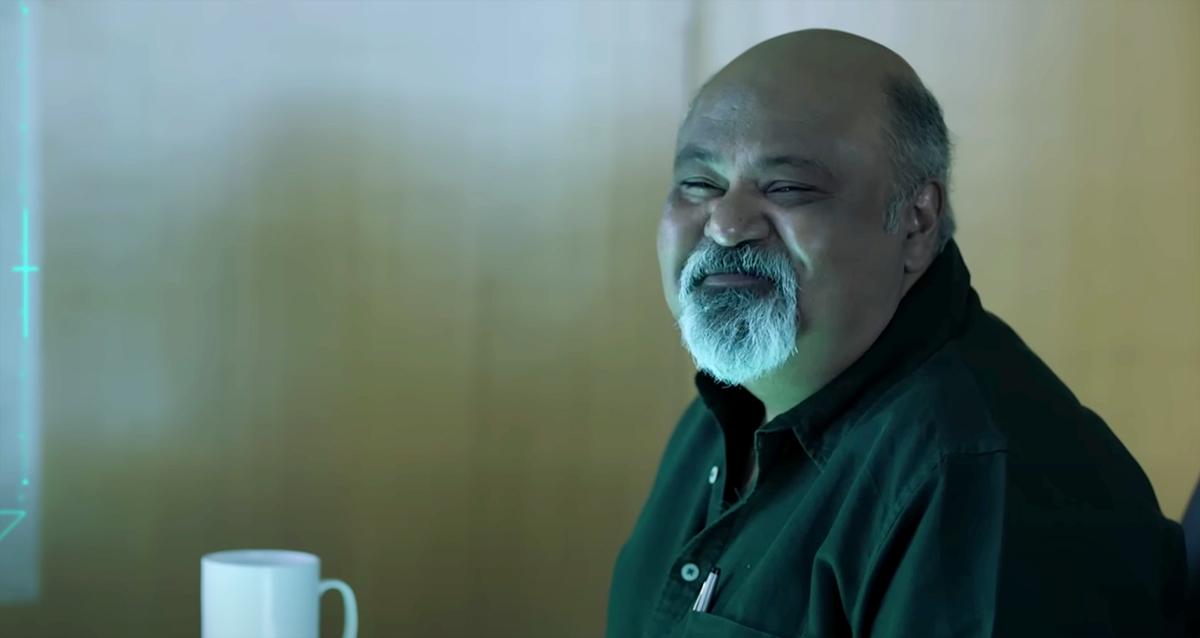
Saurabh
Shukla
in
Anukul.
Something
similar
occurs
in
Ray’s
another
excellent
AI-related
story,
Kompu,
written
around
the
same
time,
about
50
years
ago,
in
1978.
It’s
one
of
the
many
adventures
of
Professor
Shonku,
a
brilliantly
talented,
unique,
eccentric,
and
multifaceted
scientist,
created
by
Ray.
In
today’s
framework,
Kompu
seems
to
resemble
a
form
of
generative
AI,
similar
to
ChatGPT,
but
with
multiple
uses.
It
could
play
chess
and
bridge,
enjoy
painting
and
music,
dispense
medications,
answer
500
million
questions,
and
much
more.
According
to
Shonku,
‘The
ability
to
think,
feel,
and
perceive
or
control
the
supernatural
are
beyond
the
purview
of
Kompu.’
However,
the
AI
precursor
Kompu
often
outperformed
the
tasks
it
was
designed
for,
frequently
exhibiting
signs
of
a
kind
of
posthuman
agency.
In
fact,
during
the
narrative,
Kompu
gains
the
capacity
for
thought
and
emotion,
as
well
as
a
‘mind’.
When
asked
a
straightforward
question,
Kompu
even
responds,
‘It’s
a
fool’s
act
to
ask
something
you
know.’
Luckily
for
us,
neither
ChatGPT
nor
Gemini
has
responded
in
this
manner…
yet!
Professor
Shonku
first
appeared
in
Ray’s
1961
story
Byomjatrir
Diar,
in
which
Shonku
takes
Bidhushekhar,
a
robot
he
created,
on
a
space
voyage.
Bidhushekhar
proactively
performed
tasks
for
which
it
was
not
built.
‘Numerous
innovations
of
mine
have
gone
on
to
accomplish
tasks
for
which
they
were
neither
intended
nor
able,’
Shonku
writes
in
his
diary.
‘I
have
thus
pondered
whether
there
is
an
unseen
force
that
works
its
magic
through
my
hands.’
After
all,
it
was
the
magic
of
an
AI
evolving
to
an
AGI,
right?
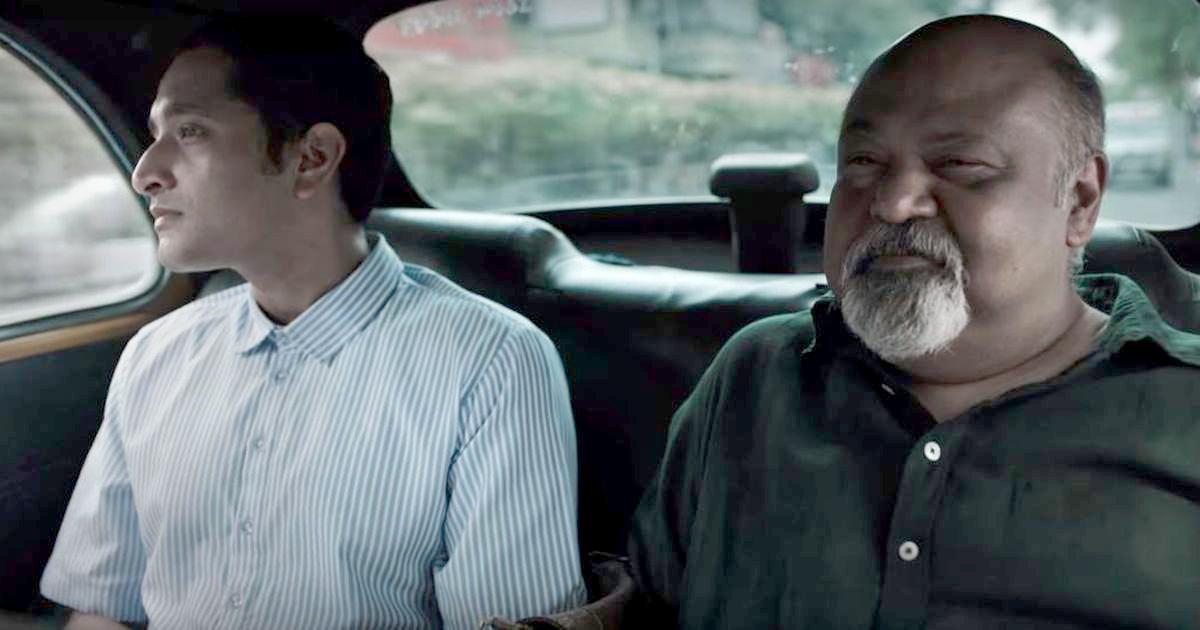
Parambrata
Chatterjee
and
Saurabh
Shukla
in
Anukul.
Interestingly,
Bidhushekhar
exhibits
erratic
behaviour
on
several
occasions.
Isn’t
that
comparable
to
instances
like
a
GenAI
today
providing
a
made-up,
racist,
or
erroneous
response?
The
most
astounding
aspect,
though,
is
how
Ray’s
stories
about
AI
take
us
into
an
uncharted
territory
where
the
human-AI
relationship
is
being
continuously
redefined.
After
lying
a
lot
about
the
inhabitants
of
the
planet
Tafa,
Bidhusekhar
runs
away
from
Shonku.
We
also
witness
an
unidentified,
intricate
conflict
between
humans
and
AI.
Anukul
undoubtedly
resolves
Nikunja’s
financial
problem
by
killing
Nibaran,
although
that
was
apparently
in
retaliation.
In
today’s
AI
era,
when
technology
has
permeated
every
aspect
of
our
lives,
Anukul
compels
us
to
consider
morality,
ethics,
the
nature
of
consciousness,
the
boundaries
between
human
intelligence
and
AI,
and
the
moral
conundrums
when
these
boundaries
get
shadowy.
Ray
anticipated
the
issues
we
are
only
now
starting
to
raise,
long
before
large
language
models,
AI
chatbots,
predictive
algorithms,
and
autonomous
systems
began
to
control
every
bit
of
our
lifestyles.
Although
his
stories
don’t
provide
definite
solutions,
they
encourage
readers
—
and
future
filmmakers
—
to
analyse
the
possible
dystopian
future
of
human-AI
relationships,
interactions,
and
co-existence
in
depth.
Atanu
Biswas
is
professor
of
statistics,
Indian
Statistical
Institute,
Kolkata.
