
‘But
when
we
actually
express
ourselves,
sometimes
our
parents
can
surprise
us,
because
they
just
love
their
children.’
‘Sometimes
it’s
just
that
simple.
That
is
what
I
wanted
to
show
in
this
film.’
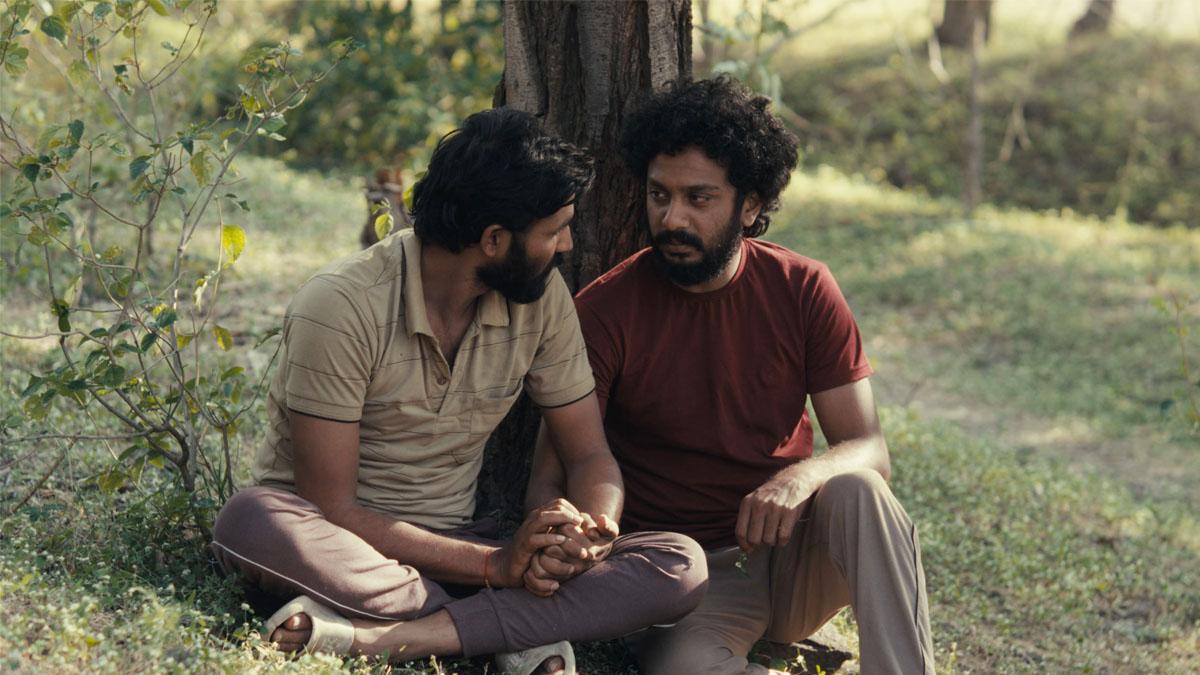
Suraaj
Suman
as
Balya
and
Bhushaan
Manoj
as
Anand
in
Sabar
Bonda,
which
won
the
World
Cinema
Grand
Jury
Prize:
Dramatic
at
the
Sundance
Film
Festival
last
week.
For
the
past
many
years
the
Sundance
Film
Festival
has
been
recognising
Indian
cinema,
from
narrative
films
(Girls
Will
Be
Girls,
2024)
to
documentaries
—
some
that
have
gone
on
to
receive
Oscar
nominations
(Writing
with
Fire,
2021
and
All
That
Breathes,
2022).
This
year
for
the
first
time
Sundance
programmed
a
Marathi
language
film
Sabar
Bonda
(Cactus
Pears),
that
explores
same
sex
love
between
Anand
(Bhushaan
Manoj),
a
man
working
in
Mumbai,
and
his
childhood
friend
Balya
(Suraaj
Suman),
a
farmer
in
a
village
in
Maharashtra.
Director
Rohan
Parashuram
Kanawade‘s
debut
film
is
a
quiet,
heartwarming
tale
of
two
men
who
give
comfort
to
each
other
during
a
10-day
mourning
period,
and
their
parents
who
accept
their
sexuality
without
creating
complications.
Kanawade
has
previously
directed
a
couple
of
short
films
—
U
for
Usha
and
Khidkee.
U
for
Usha
was
Kanawade’s
first
exploration
of
the
LGBTQ
narrative
where
a
single
mother
in
a
village
finds
herself
drawn
to
a
female
school
teacher.
Sabar
Bonda
has
a
number
of
producers
attached
to
it
including
actor
Jim
Sarbh,
music
composer
Naren
Chandavarkar
and
film
colorist
Sidharth
Meer.
London-based
Neeraj
Churi
is
the
film’s
lead
producer.
MPM
Premium,
based
in
Paris
has
signed
up
as
the
international
sales
agent
for
the
film,
ensuring
its
festival
run
and
also
theatrical
distribution.
Aseem
Chhabra
spoke
to
Kanawade
and
Churi
about
the
making
of
the
film
and
their
hopes
for
the
film’s
post-Sundance
festival
screenings
just
before
Sabar
Bonda
won
the
World
Cinema
Grand
Jury
Prize:
Dramatic
at
Sundance.
Rohan,
you
have
said
the
film
is
inspired
by
your
own
personal
story.
I
understand
there
was
pressure
on
you
to
get
married
and
it’s
really
beautiful
how
your
parents
were
so
understanding
about
your
sexuality.
But
how
easy
or
challenging
was
it
when
you
brought
your
own
story
to
the
screen?
Rohan:
Writing
this
story
was
actually
reimagining
the
whole
experience
of
grieving
my
father’s
death
in
2016.
When
I
was
in
his
village,
I
was
trying
to
find
escape
from
the
house.
That’s
when
I
thought,
what
if
I
had
a
friend
over
there
who
knew
about
me
and
I
could
just
sneak
out
for
a
while
the
way
Anand
does
with
Balya?
I
thought
of
exploring
this
idea
and
make
that
whole
journey
of
10
days
a
little
tender
and
warm
for
the
central
character.
Actually
90%
of
the
film
is
complete
fiction.
Only
the
setup
of
the
mourning
ritual
and
the
family
background
of
Anand
is
from
my
life.
But
the
romance
drama,
everything
is
fiction.
But
still
putting
some
of
your
personal
story
on
paper,
how
was
that
experience?
Rohan:
I
used
some
of
my
experience
because
I
wanted
to
tell
this
story
from
my
gaze
and
how
I
experienced
queer
life
in
the
city,
as
compared
to
whenever
I
was
in
the
village.
I
had
stopped
going
to
my
village
since
the
10th
standard
because
even
then
everyone
would
talk
about
my
marriage.
So
I
wanted
to
use
my
experiences,
to
normalise
queerness,
the
way
my
father
and
my
mother
accepted
my
sexuality,
it
felt
so
normal
for
them,
because
there
was
no
drama.
When
I
came
out
to
my
father
in
2013,
he
instantly
said
you
know
about
yourself,
that’s
most
important.
That’s
what
I
used
in
the
film.
Even
Anand
says
the
same
thing
to
Balya.
I
had
this
impression
of
the
coming
out
stories
that
I
had
heard
before,
and
I
was
so
scared.
My
father
couldn’t
finish
his
schooling.
My
mother
is
illiterate,
and
Usha’s
story
(from
his
short
film
U
for
Usha)
was
inspired
from
my
mom’s
story.
When
she
got
married
in
the
city,
my
father
taught
her
to
write
her
name,
and
that’s
when
she
practiced.
Since
then,
she’s
been
writing
her
name.
When
I
told
her
about
my
sexuality,
she
accepted
me
without
any
problem.
I
know
for
some
people
there
is
a
struggle.
But
there
is
this
other
aspect
also
wheresome
people
are
accepted,
even
when
they
arefrom
the
economically
lower-class
strata.
I
know
two
people
from
rural
areas
where
their
parents
accepted
their
sexuality
without
any
problems.
I
thought
why
don’t
we
see
these
stories?
When
we
start
from
these
stories,
that’s
when
we
will
change
and
start
feeling
it
normalising.
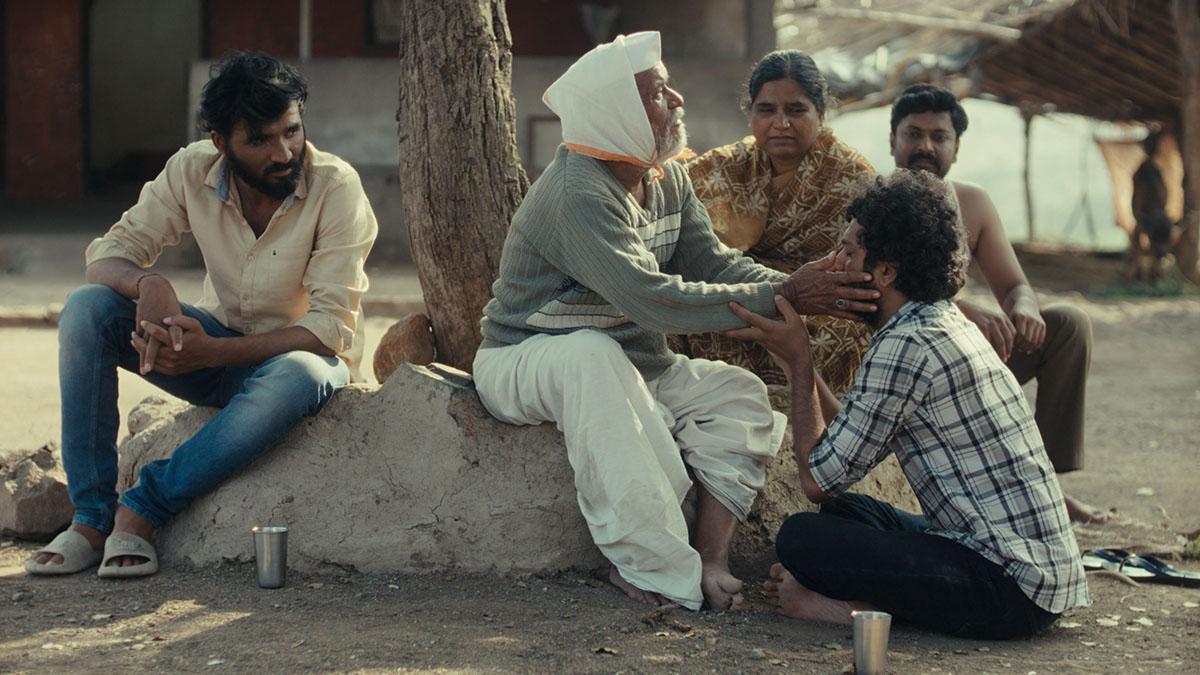
A
scene
from
Sabar
Bonda.
You
talked
about
life
in
rural
and
lower
income
background,
as
opposed
to
queer
life
in
urban
areas.
Tell
me
little
bit
more
about
that.
Why
do
you
think
things
are
easier
in
rural
areas
sometimes,
as
compared
to
bigger
cities?
Rohan:
I
don’t
think
it’s
easier.
I
think
in
both
areas
there
are
some
positive
stories
and
there
arestories
of
struggle.
But
when
I
was
talking
to
some
of
the
guys
while
I
was
writing
this
script
I
realized
that
most
people
had
not
imagined
that
two
men
could
stay
together.
For
them
being
gay
meant
two
men
having
sex.
Which
is
what
you
show
in
the
beginning
of
the
film
when
a
guy
comes
on
the
motorcycle
to
have
sex
with
Balya.
Rohan:
Yes.
But
now
there
are
some
guys
who
have
that
exposure
and
awareness.
One
guy
—
he’s
actually
from
the
same
area
where
we
shot
the
film
—
would
say
to
me
that
he
was
scared.
He
had
told
his
sister
and
Jeeju,
but
he
was
worried
his
parents
wouldn’t
accept
him.
He
went
home
one
Diwali
and
he
was
very
depressed.
When
his
parents
asked
why
he
was
so
sad
he
told
them
that
they
had
been
pressurising
him
to
get
married
for
a
long
time.
But
he
didn’t
want
to
get
married.
And
he
told
them
about
his
sexuality.
His
parents
response
was
“We
don’t
understand
what
all
of
this
is,
but
if
you
don’t
want
to
get
married,
you
don’t
like
girls,
it’s
fine.
We
will
not
pressurise
you
anymore.”
We
sometimes
underestimate
our
parents.
But
when
we
actually
express
ourselves,
sometimes
our
parents
can
surprise
us,
because
they
just
love
their
children.
Sometimes
it’s
just
that
simple.
That
is
what
I
wanted
to
show
in
this
film.
Neeraj:
If
I
may
add,
it’s
also
a
Catch
22
situation
right?
Since
we
don’t
hear
stories
like
this,
there
is
nothing
look
up
to.
And
since
there’s
nothing
for
people
to
look
up
to,
stories
like
these
don’t
get
made.
It
was
a
risk
in
that
we
put
the
story
outside
the
confines
of
a
big
city,
which
is
where
most
of
LGBTQ
stories
are
shown,
closer
to
the
Western
way
of
lifestyle.
The
fact
that
this
story
is
so
rooted
in
our
own
culture,
in
a
village,
with
day-to-day
routines,
we
hope
that
this
inspires
people
to
understand
that
there
is
a
possibility
and
it
helps
us
break
that
cycle
of
sorts.
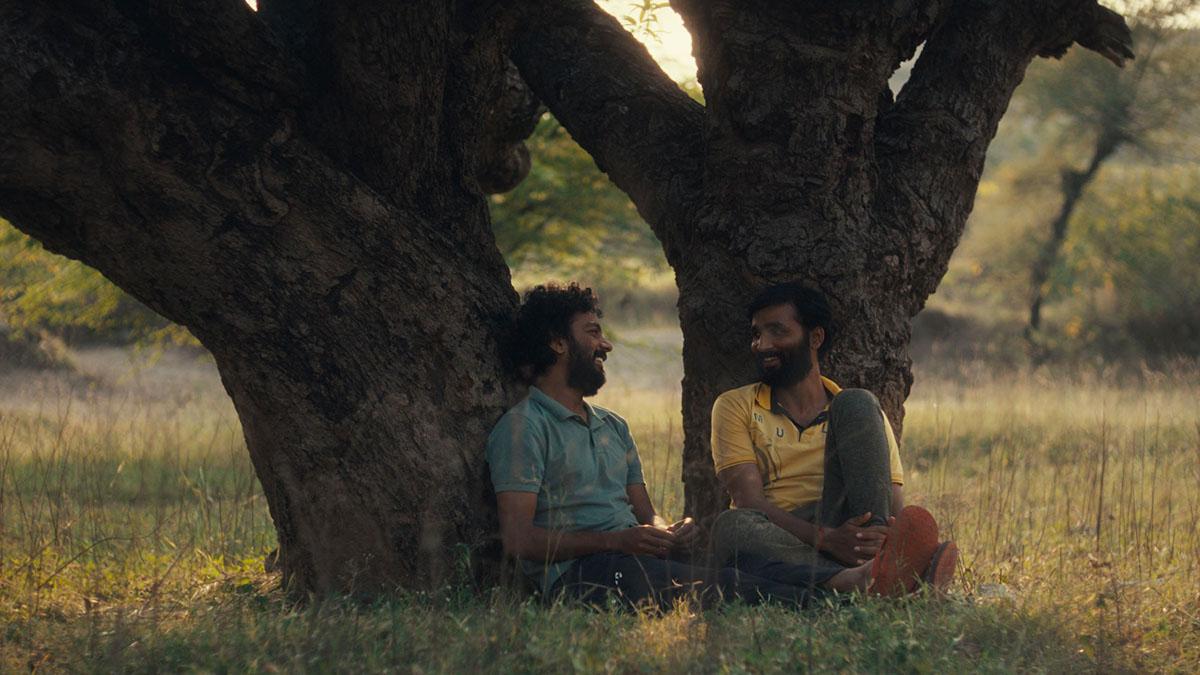
A
scene
from
Sabar
Bonda.
Rohan,
I
believe
it
was
hard
for
you
to
find
the
two
main
actors.
You
finally
found
two
theatre
actors.
There
are
very
quiet,
very
beautiful
and
tender
in
the
intimate
moments.
And
there
is
also
a
little
bit
of
nudity.
How
did
you
get
them
to
do
it?
Because
I
know,
nudity
is
something
which
is
very
tough,
especially
for
actors
who
have
not
never
done
something
like
it
before.
And
they
were
out
in
the
open
area.
It
was
not
like
the
scene
was
shot
in
a
room.
How
did
you
get
that
naturalism
in
their
performance?
Rohan:
As
you
say
I
was
going
for
naturalism.
That
scene
was
already
in
the
script
in
detail.
Whoever
would
read
it,
they
would
know
about
it.
There
was
no
hiding
it.
We
have
often
seen
two
men
fighting
with
each
other,
the
toxic
masculinity
that
many
films
show.
But
I
wanted
to
show
that
two
men
can
also
be
tender
with
each
other.
Showing
them
having
sex
was
not
important,
but
having
them
lie
in
each
other’s
arms,
looking
into
each
other’s
eyes,
that
was
important
for
me.
I
had
told
my
casting
director,
whenever
you
call
actors
for
this
film,
tell
them
everything.
Tell
them
there’s
going
to
be
nudity.
Because
I
didn’t
want
it
to
become
a
problem
later.
Only
if
they
were
okay,
then
they
could
come
for
the
audition.
Actually
very
few
people
came
for
the
audition.
And
on
top
of
that,
for
Balya
I
wanted
an
actor
from
that
region
because
his
language,
accent
and
look
was
important.
If
people
wouldn’t
believe
that
the
person
was
born
and
raised
in
the
village,
everything
would
collapse.
One
of
my
actor
friend
shared
Bhushaan’s
Instagram
profile
and
looks
wise,
we
liked
him.
That’s
when
we
called
him,
told
him
everything,
and
he
said
he
had
no
problems.
After
we
had
locked
Bhushaan,
I
met
Suraaj.
I
asked
Bhushaan
if
had
any
other
actor
friend
and
he
shared
Suraaj’s
photo.
And
we
cast
him
after
talking
a
lot
with
him.
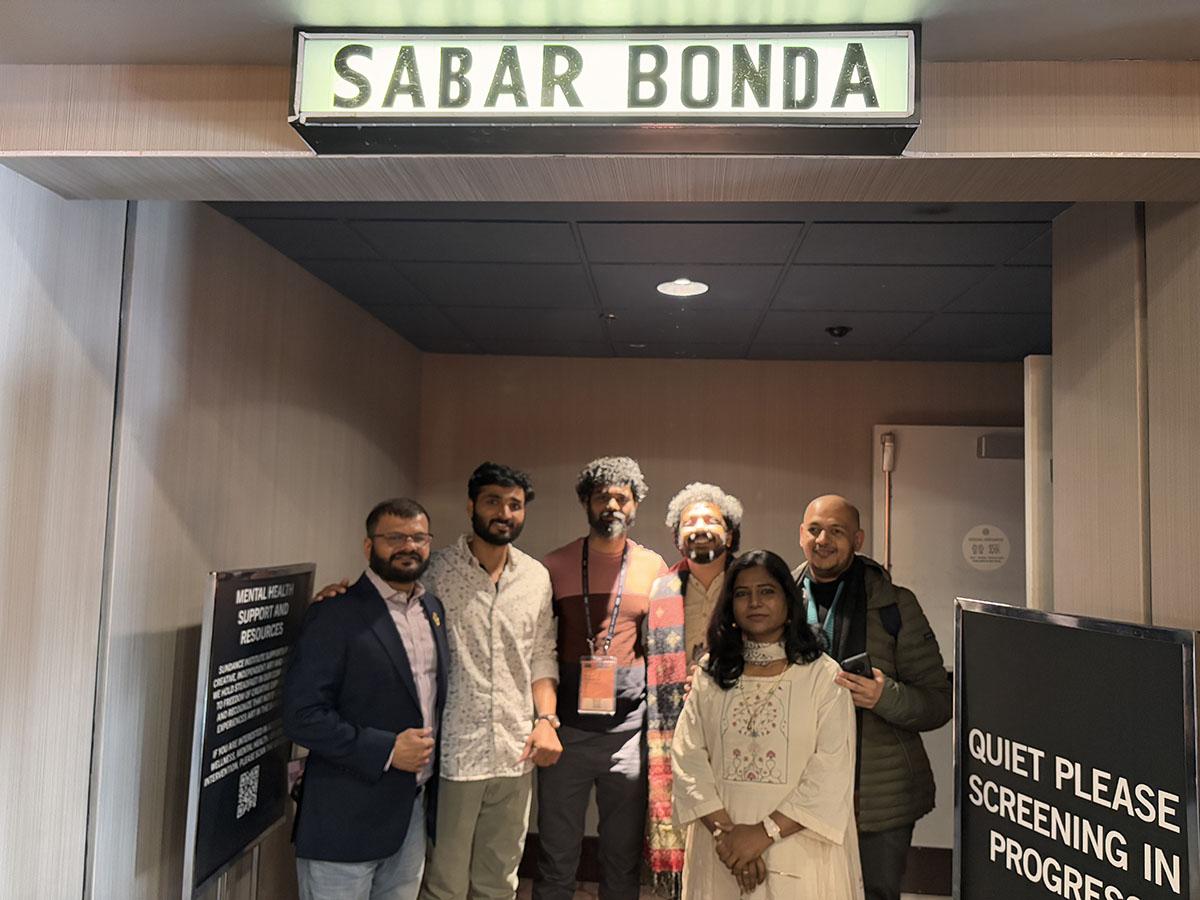
The
Sabar
Bonda
team
outside
a
theatre
in
Salt
Lake
City.
From
left
to
right:
Producer
Neeraj
Churi,
actor
Suraaj
Suman
(Balya),
Director
Rohan
Kanawade,
actor
Bhushaan
Manoj
(Anand),
Editor
Anandi
Athaley
and
actress
Jayshri
Jagtap
(she
plays
Anand’s
mother
Suman).
Neeraj,
as
a
producer,
you
were
obviously
involved
in
bringing
the
finances
and
putting
together
the
whole
package.
It’s
a
story
in
Marathi,
set
in
rural
India,
without
any
big
stars.
How
do
you
raise
money
for
a
project
like
this?
And
honestly
I
love
the
film,
but
beyond
the
film
festival
circuits
what
are
your
hopes
for
it?
I
know
that
in
Maharashtra,
a
lot
of
Marathi
films
get
released
because
they
get
tax
breaks.
Neeraj:
My
hope
is
that
this
film
is
riding
on
the
new
wave
of
some
amazing
Indian
talent
that
is
shining
internationally
like
Payal
(Kapadia)
and
Shuchi
(Talati).
We
hope
that
the
success
they
have
enjoyed
internationally
also
helps
us
all.
This
film
has
come
out
of
the
NFDC
Film
Bazaar
script
lab.
We
also
have
the
India
Cine
Hub
(run
by
the
ministry
of
information
and
broadcasting)
helping
us
for
our
Sundance
exposure.
We
do
hope
that
we
get
a
broader
audience.
Let’s
hope
the
international
reception
and
international
distribution
opportunities
that
we
get
amplifies
the
result
for
this
film
in
India.
At
the
heart
of
it
all,
it’s
about
how
the
death
of
a
loved
one
changes
the
relationships
between
all
of
us,
not
just
Anand
and
his
love
interest,
but
his
mother,
his
family
around
him,
his
perspective
of
seeing
the
world,
the
vulnerability
of
his
dream
about
meeting
someone.
These
are
common
themes
which
should
resonate
with
all
of
us.
All
of
us
have
loved
and
all
of
us
have
lost.
And
many
of
us
have
had
all
these
things
happen
at
the
same
time
as
well.
So
we
sincerely
hope
that
we
get
a
warm
reception
in
India
and
are
able
to
release
the
film
theatrically
and
then
bring
it
to
an
OTT
platform.
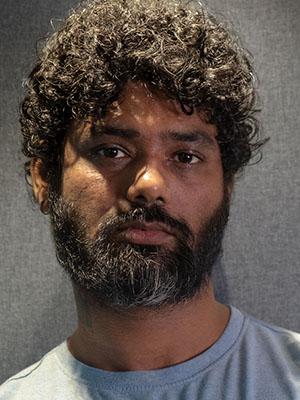 IMAGE:
Sabar
Bonda
Director
Rohan
Parashuram
Kanawade.
Photograph:
Kind
courtesy
Rohan
Parashuram
Kanawade
Rohan:
I
want
to
share
this
small
story.
When
we
were
shooting
in
the
village,
we
didn’t
tell
the
villagers
what
the
story
was.
When
we
finished
the
film,
we
had
a
private
screening
where
we
invited
the
villagers.
I
didn’t
know
how
they
would
react
to
the
film.
After
the
screening,
the
teacher
at
the
village
school
raised
his
hand
and
he
came
on
the
stage.
He
said
that
he
had
no
idea
what
we
were
making,
but
after
seeing
the
film,
he
said,
“Thank
you
for
shooting
this
in
our
village,
we
loved
it.”
He
was
so
sensitive
and
happy.
And
that’s
when
I
realised
how
you
tell
the
story
makes
a
difference.
If
I
had
made
Anand
a
victim
where
he
questioned
his
sexuality
they
could
have
reacted
differently.
So
no
matter
what
kind
of
story,
if
it’s
emotionally
engaging
and
impactful,
I
think
people
would
watch
it.
Feature
Presentation:
Ashish
Narsale/Rediff.com