Naga
Chaitanya
and
Sai
Pallavi’s
competent
performances
barely
elevate
this
romantic
drama,
which
prefers
patriotic
thrills,
observes
Arjun
Menon.
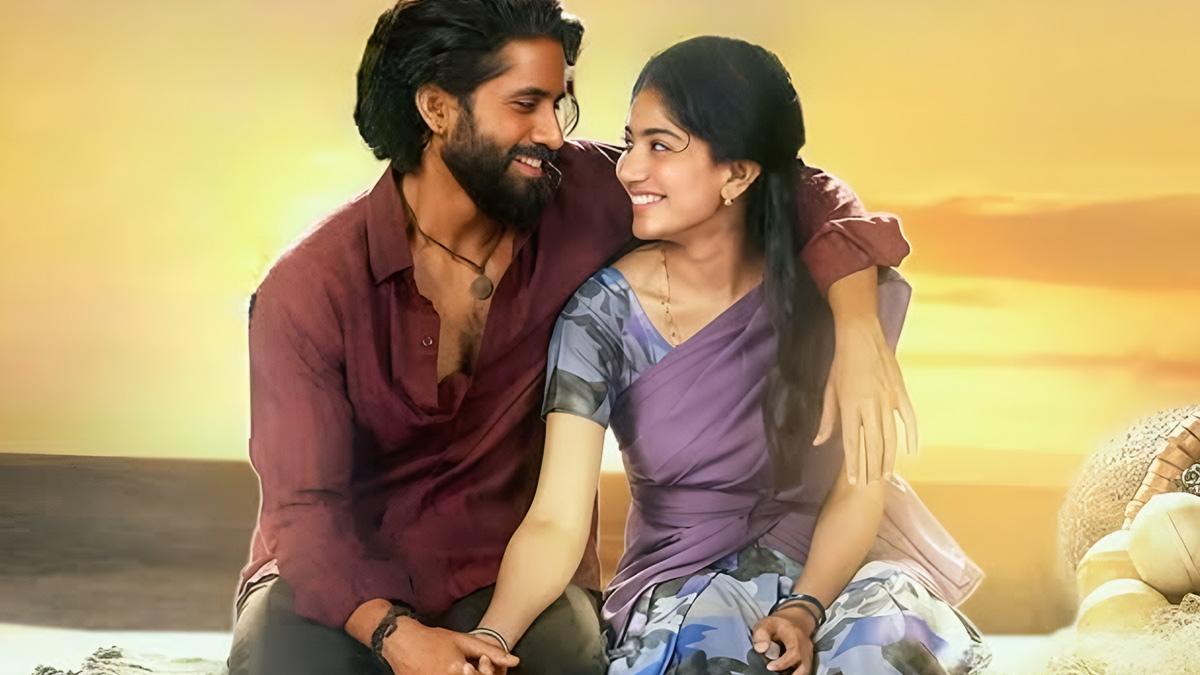
Thandel,
the
latest
from
commercial
genre
specialist
Chandoo
Mondeti,
is
too
caught
up
in
the
machinations
of
larger-than-life
implications,
as
opposed
to
fleeting
emotional
beats
at
the
heart
of
the
story.
The
film
is
clearly
a
reworking
of
the
core
idea
of
Mani
Ratnam’s
classic
Roja
(1992),
where
a
woman
struggled
against
the
system
to
free
her
captive
husband
in
a
foreign
land.
But
Thandel
is
too
broad
an
exercise
to
have
any
of
the
emotional
finesse
or
humanistic
impulse
of
Roja.
Thandel
is
as
mainstream
as
it
gets,
preferring
visceral
thrills
over
legitimate
drama.
Naga
Chaitanya
tries
his
luck
after
a
recent
rough
batch
of
flops,
collaborating
again
with
Geetha
Arts,
the
production
house
that
gave
him
the
blockbuster
100%
Love
(2011).
Thandel
is
a
film
in
a
constant
state
of
identity
crisis,
trying
to
be
bigger
and
dramatically
ambitious,
with
middling
results.
First,
we
have
the
romance
between
a
fisherman
and
his
wife
that
quickly
gives
way
to
a
tone
deaf
adventure
about
a
hero
getting
caught
by
Pakistani
forces
after
wandering
into
their
waters.
The
romantic
angle
is
weakly
conceived
and
there
is
an
air
of
awkwardness
in
the
way
Naga
Chaitanya
and
Sai
Pallavi
interact.
The
performances
hold
the
weight
of
the
charm
and
the
slow
revelations
about
their
bond
do
not
come
across.
There
is
a
functional
quality
to
this
half
of
the
narrative
and
the
writing
is
less
interested
in
exploring
the
central
romance,
which
just
seems
like
a
launchpad
for
the
film’s
bigger
ideas.
There
is
an
feeling
of
lost
potential
with
the
way
even
the
larger
ideas
are
squandered
away
due
to
muddled
writing.
Thandel
is
constantly
trying
to
upscale
and
be
a
bigger,
massier
commercial
film,
when
its
true
heart
lies
in
the
quieter
moments
that
go
unexplored.
Thandel
is
elevated
in
parts
by
the
conviction
in
the
performances
of
the
lead.
Naga
Chaitanya
has
come
a
long
way
in
his
ability
to
justify
the
weight
of
a
tentpole
outing
on
his
shoulders.
The
film
features
some
of
the
better
work
in
the
actor’s
recent
output
and
you
can
sense
a
beating
heart
in
the
way
he
surrenders
to
the
film,
without
over-selling
the
part.
Sai
Pallavi
too
gets
a
fairly
routine
‘wife’
archetype
that
she
lifts
beyond
the
blandness
on
paper.
The
film
would
have
easily
crumbled
if
not
for
her
sparse,
emotionally
attentive
performance
that
contrasts
the
unsubtle
pitch
of
the
filmmaking.
The
action
pieces
and
dramatic
construction
of
the
scenes
taking
place
in
Pakistan
feel
increasingly
redundant
and
clumsily
put
together.
There
is
no
sense
of
tension.
The
superficiality
in
the
writing
and
staging
undercuts
the
emotional
bigness
of
the
common
man
forced
to
turn
into
a
leader
trope
that
is
a
major
part
of
the
character’s
journey
(also
the
film’s
title).
The
interactions
between
the
secondary
characters
and
the
revolt,
intercut
with
the
romantic
longing
of
the
wife,
becomes
stale
beyond
a
point.
Thandel
is
effective
whenever
it
refocuses
its
fulcrum
around
the
longing
and
desire
of
the
couple,
who
is
forced
through
a
painful
ordeal
testing
the
extent
of
their
love.
Shamdat’s
visuals
are
not
flashy
and
keeps
the
tone
grounded
with
the
yellowish
hues
that
never
distract
from
the
central
conflict.
But
Devi
Sri
Prasad
ends
up
being
the
lifeblood
of
the
movie
and
delivers
a
highly
enjoyable
soundtrack.
The
music
never
overwhelms
and
DSP
manages
to
elevate
the
dull
stretches
with
his
trademark
pulsating
score.
The
film
never
stays
on
the
quieter,
romantic
encounters
between
the
couple
and
is
too
busy
to
move
on
to
the
high
octane,
market-friendly,
jingoistic
action.
The
image
of
the
hero
fighting
while
holding
an
Indian
national
flag
signifies
the
overtly
corny
patriotic
swings
the
film
is
going
for.
The
reluctance
to
own
the
romantic
tragedy
at
the
heart
for
superficial
thrills
prevents
Thandel
from
truly
rising.
Thandel
Review
Rediff
Rating: