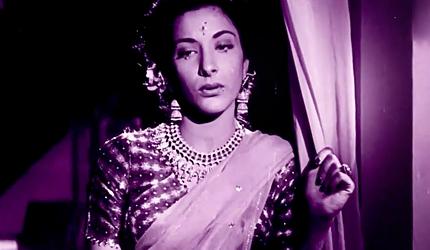
All
of
us
love
Lata
Mangeshkar’s
songs.
But
which
of
her
own
evergreen
melodies
did
she
love?
Lataji
had
once
picked
her
favourites,
albeit
reluctantly,
and
told
Subhash
K
Jha
just
why
they
were
so
close
to
her
heart.
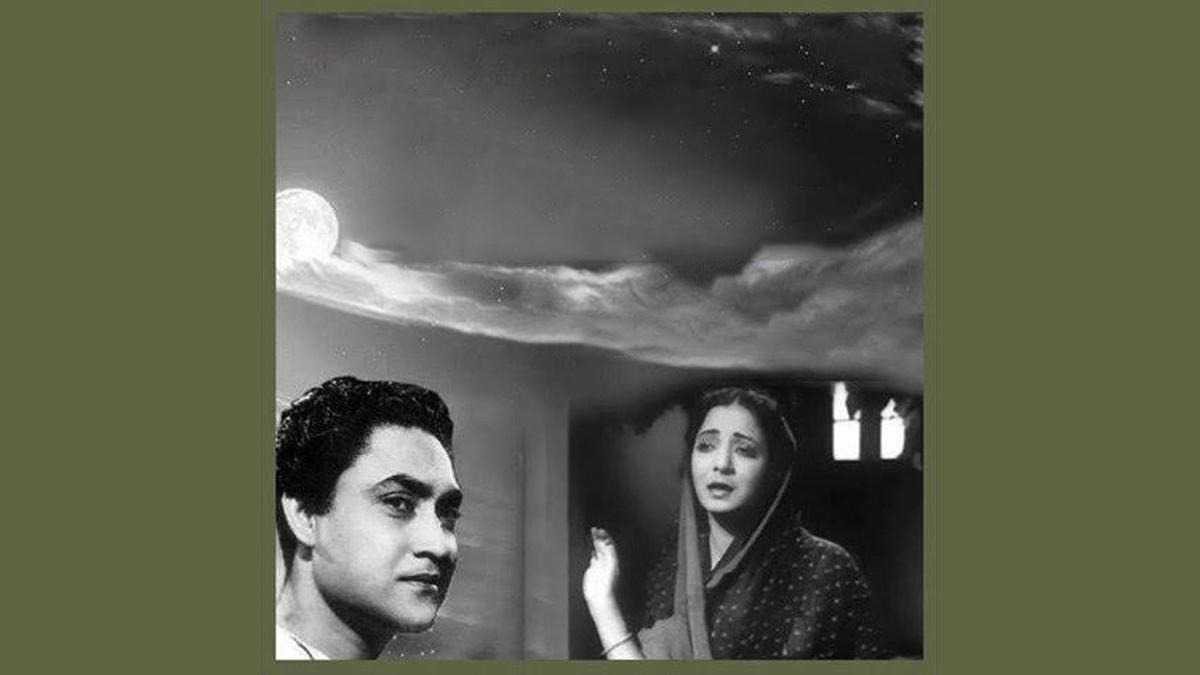
Bedard
Tere
Dard
Ko
from
Padmini
(1948)
Back
in
those
days,
we
had
to
record
every
song
twice:
Once
for
the
film
and
again,
for
the
disc.
As
you
know,
Ghulam
Haidersaab
was
the
first
major
composer
to
give
me
a
break.
One
night,
he
summoned
me.
I
went
immediately
with
my
sister.
While
Haidersaab
sat
at
the
piano
composing
the
song,
my
sister
and
I
waited
patiently
throughout
the
night.
At
7
am,
he
was
ready
with
the
tune
for
Bedard
Tere
Dard
Ko.
Within
a
couple
of
hours,
I
was
ready
for
the
take.
A
few
days
later,
I
went
back
to
the
HMV
studio
to
record
the
song. This
time
in
an
abridged
version.
Soon
after,
Ghulam
Haidersaab
migrated
to
Pakistan.
Aayega
Aanewala
from
Mahal
(1949)

This
is
a
hundred
percent
my
favourite.
I
had
done
a
number
of
rehearsals
for
the
song.
Khemchand
Prakashji
had
heard
me
sing
for
Anilda
(composer
Anil
Biswas).
He
composed
a
number
of
tunes
for
Aayega
Aanewala
before
the
final
tune
was
selected.
Since
the
song
was
very
important
to
the
film,
both
(Producer)
Ashok
Kumar
and
(Director)
Kamal
Amrohi
were
present
at
the
recording.
I
was
told
I
had
to
sing
as
though
the
girl
on
screen
was
approaching
from
a
distance.
Since
it
was
a
large
studio,
the
microphone
was
placed
at
the
centre
and
I
was
told
to
approach
the
mike
from
a
corner
of
the
studio
singing
the
prelude,
Khamosh
Hai
Zamana
Chup
Chap
Hai
Sitare.
Since
those
days,
there
was
no
dubbing
or
editing
we
had
to
do
it
all
in
one
go.
I
think
we
recorded
Aayega
Aanewala
the
whole
day.
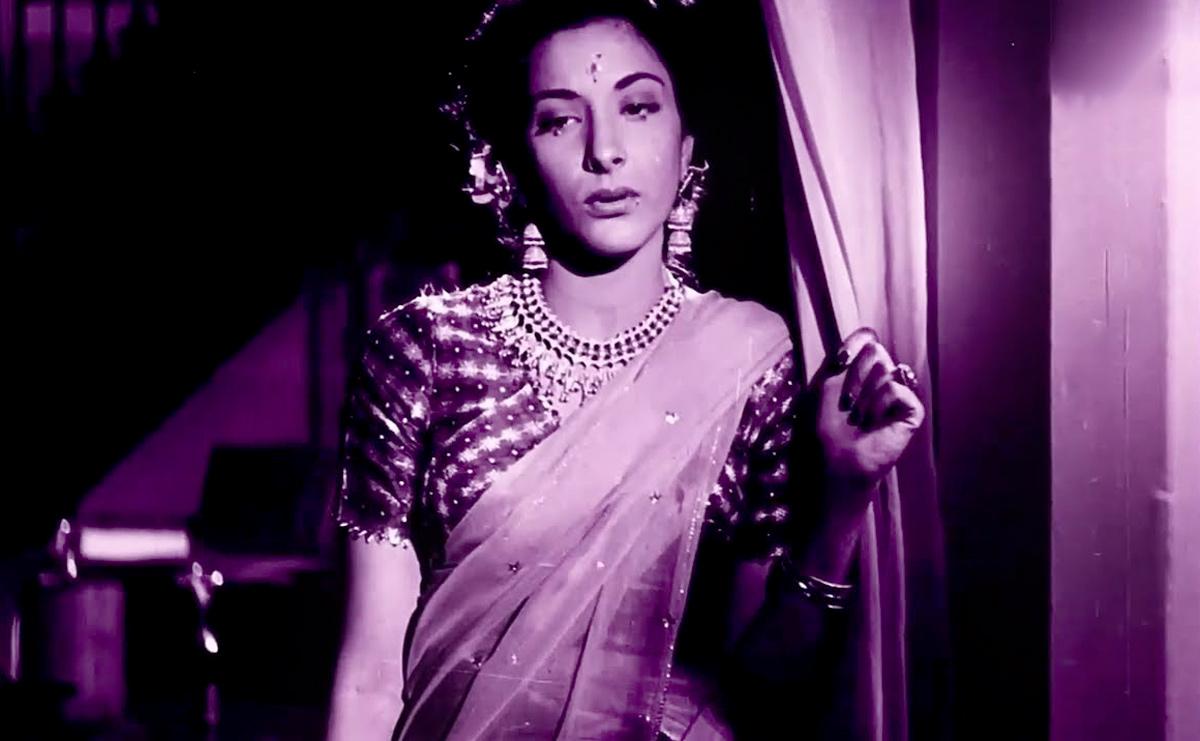
Aaj
Mere
Naseeb
Ne
Mujhko
Rula
Diya
from
Hulchul
(1951)
Ah,
I
really
like
this
one.
Sajjad
Husain’s
tunes
were
always
a
challenge.
I
was
always
scared
of
singing
his
songs.
He’d
come
really
close
to
explain
a
song.
That
made
me
nervous.
But
he
wasn’t
a
terror;
he
was
a
perfectionist.
He
taught
me
how
to
sing
an
alaap
in
a
subdued
voice.
Like
me,
he
was
from
Indore
and
he
always
reminded
me
of
this
fact.
Unfortunately,
Aaj
Mere
Naseeb
wasn’t
recorded
properly.
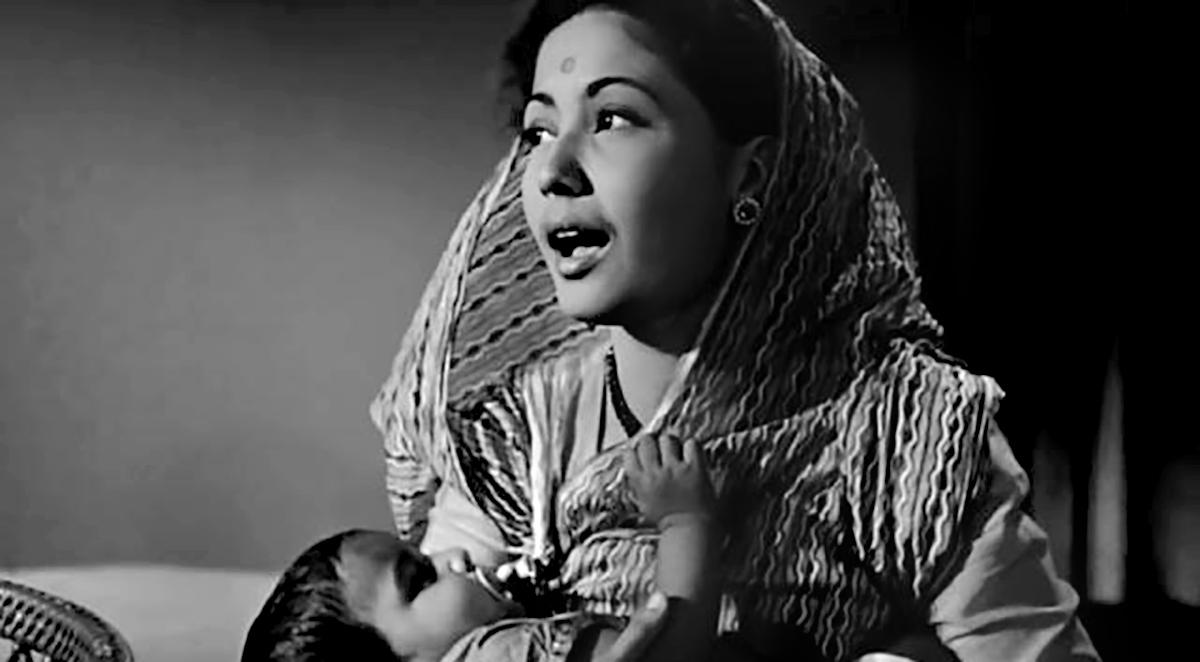
Aa
Ri
Aa
Nindiya
Tu
Aa
from
Do
Bigha
Zameen
(1953)
I
think
this
was
Salilda
(Salil
Chowdhary)’s
first
Hindi
score.
It
was
very
difficult
to
sing
this
number.
There
was
no
breathing
space
between
the
lines.
Salilda
recorded
two
versions
of
the
song,
one
with
no
orchestra.
He
wanted
to
create
the
feeling
of
solitude
as
Meena
Kumari
sat
singing
all
by
herself.
Phaili
Hui
Hai
Sapnon
Ki
Baahein
from
House
No
44
(1955)
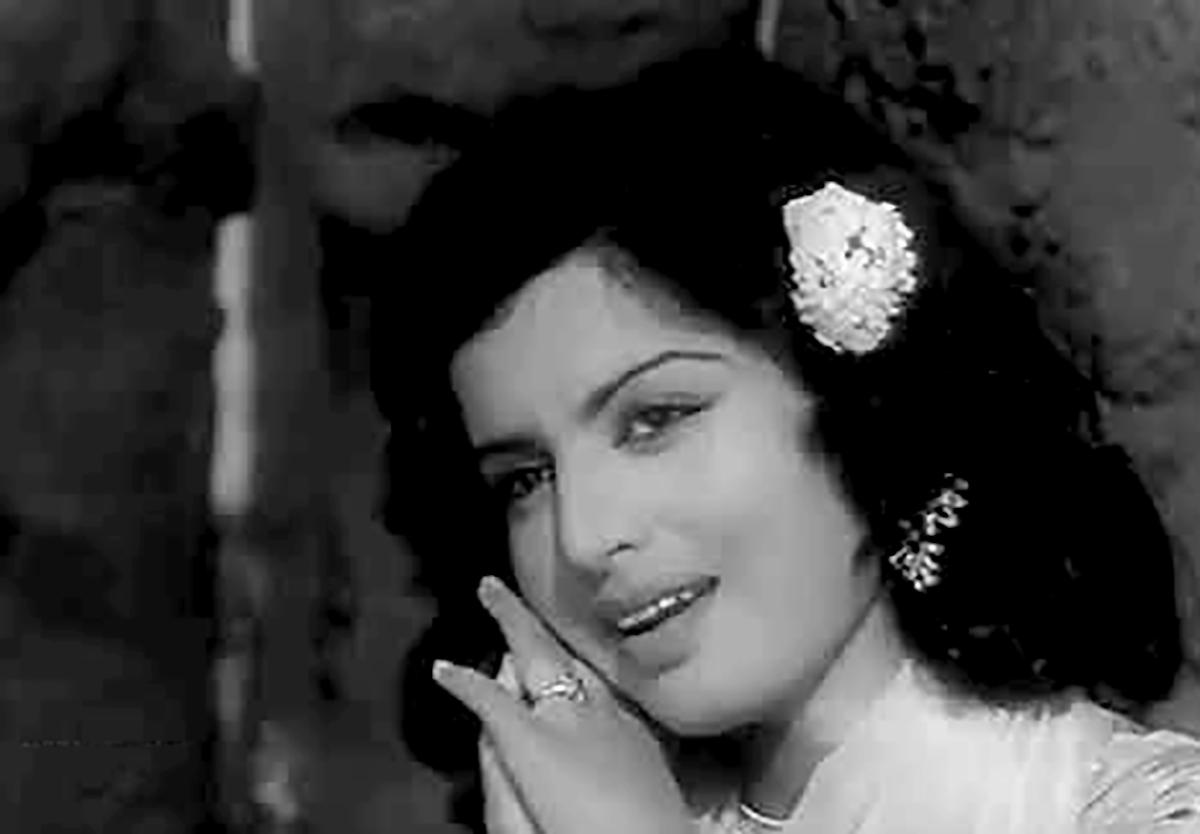
Sachinda
(Dev
Burman)
had
his
own
style
of
putting
across
a
composition
to
the
singer.
He
gave
me
the
freedom
to
make
suggestions.
He
had
a
deep
knowledge
of
folk
music.
He
used
to
be
very
particular
about
the
song
situation.
Being
a
singer,
he
could
get
exactly
what
he
wanted
from
my
voice.
If
he
was
pleased
with
my
singing,
he
offered
a
paan
which
I
happily
accepted.
I
love
paan.
O
Sajna
Barkha
Bahaar
Aaye
from
Parakh
(1960)
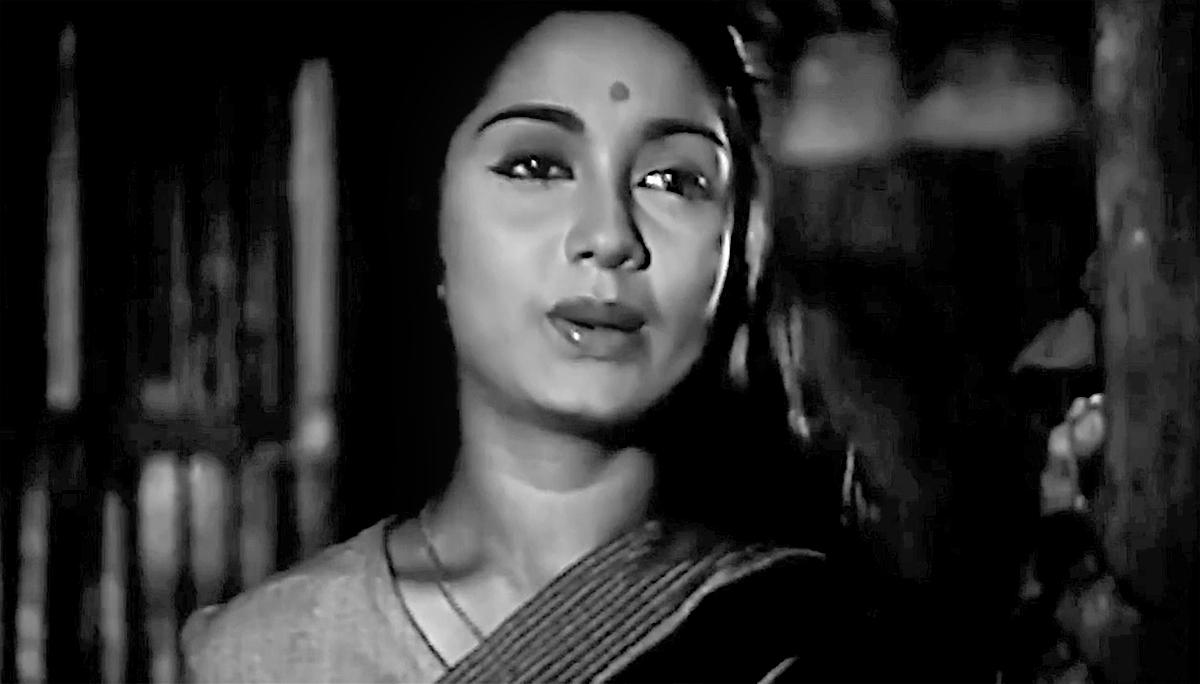
I
had
recorded
the
original
version
of
this
song
for
Salilda
(Chowdhary)
in
Bengali
as
a
Dussehra
Puja
number.
He
often
turned
his
Bengali
compositions
into
Hindi
numbers.
Not
just
me,
everyone
thinks
O
Sajna
to
be
among
Salilda‘s
best
creations.
Kaise
Din
Beete
Kaise
Beeti
Ratiyan
from
Anuradha
(1960)
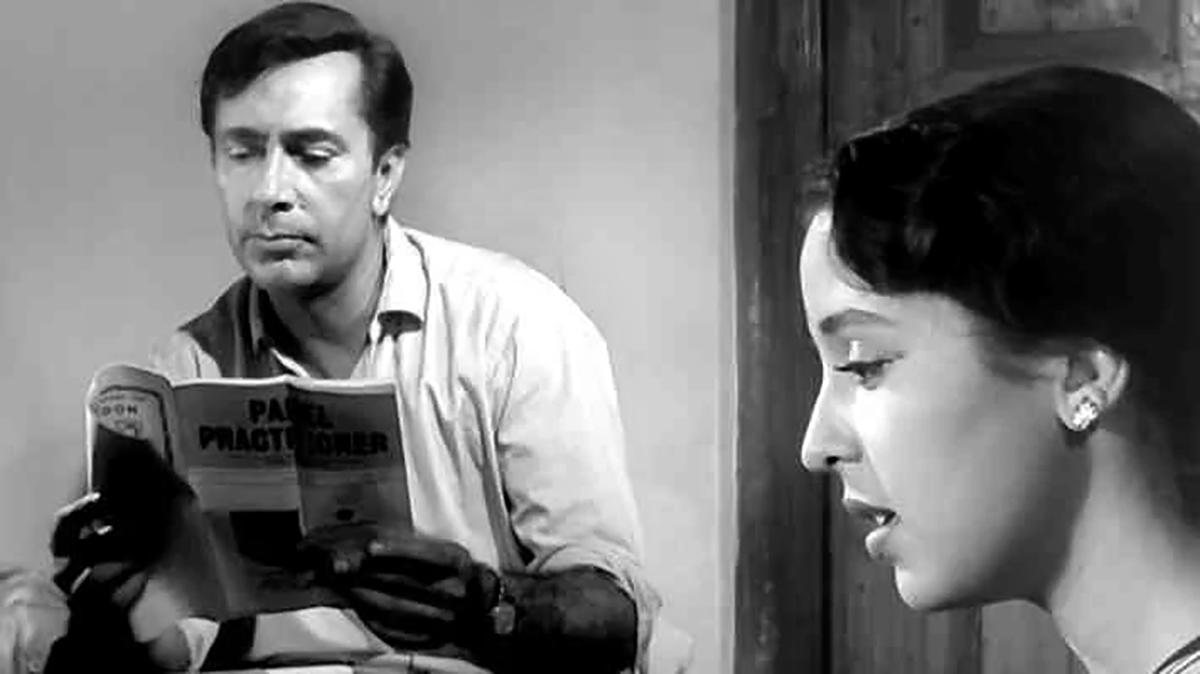
Hrishida
(Mukherjee)’s
Anuradha
was
special.
Pandit
Ravi
Shankar
composed
four
lovely
songs
for
me.
This
one
is
my
favourite.
To
sing
for
Panditji
was
a
big
event
for
me.
Woh
itne
bade
artiste
hain!
I
really
respect
him.
When
I
rehearsed
the
song
with
him,
I
was
apprehensive.
But
he
patiently
explained
what
he
wanted.
We
recorded
two
songs
of
Anuradha
in
one
day.
After
I
saw
the
film,
I
realised
how
well
they
had
been
composed.
Kahin
Deep
Jale
Kahin
Dil
from
Bees
Saal
Baad
(1962)
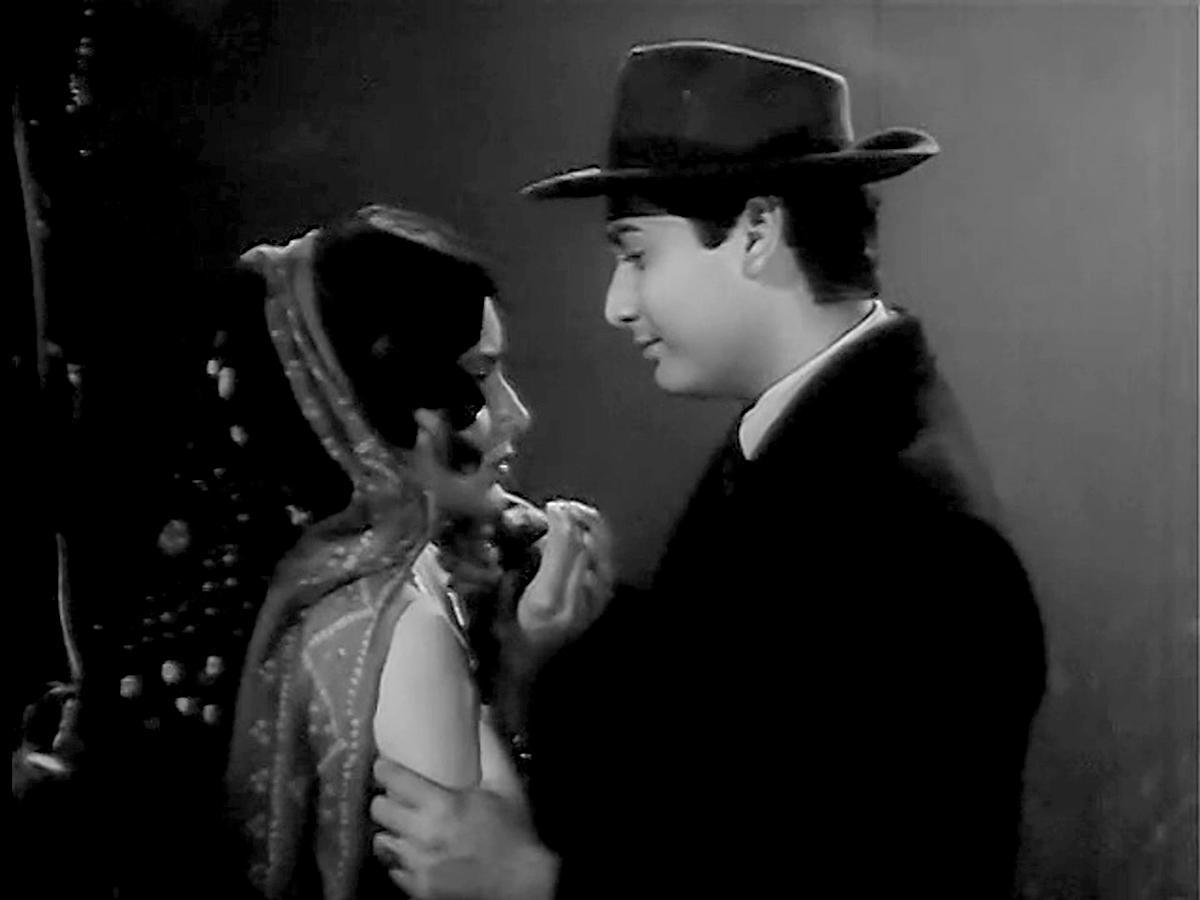
Before
the
recording
of
this
song,
I
had
fallen
seriously
ill.
I
thought
I’d
never
be
able
to
sing
again,
that
my
voice
was
gone.
But
by
God’s
grace,
I
recovered.
The
recording
went
very
well.
Hemantda
(Hemant
Kumar)
was
of
a
very
quiet
nature.
He
knew
exactly
what
and
how
to
compose
for
me.
I
was
very
comfortable
with
his
style.
Come
to
think
of
it,
I
was
comfortable
with
every
composer’s
style.
God
has
given
me
the
knack
to
comprehend
every
composer’s
requirement.
Woh
Chup
Rahen
To
Mere
from
Jahan
Ara
(1963)

It
was
a
classical
tune.
After
the
recording,
I
remember
Madanbhaiya
(Mohan)
came
inside
the
recording
room.
He
had
tears
in
his
eyes.
When
he
was
deeply
moved,
he
used
to
address
me
as
‘beta‘.
Jahan
Ara
was
Om
Prakash’s
film.
He
was
my
Raakhi
brother.
He
too
was
there
during
the
recording.
Actually,
every
song
by
Madanbhaiya
is
important.
Ae
Dilruba
from
Rostam
Sohrab
(1963)

No
list
of
my
favourites
can
be
complete
without
this
song.
Sajjad
Husainsaab
insisted
that
I
don’t
stress
any
sur
in
the
composition.
He
wanted
every
note
to
be
relaxed
and
unaccentuated.
I
agree
when
you
say
that
my
voice
sounds
completely
different
in
this
song.
As
usual,
I
was
very
scared
during
the
recording.
Like
his
songs,
Sajjadsaab
was
unique.