‘A
lot
of
people
are
famous.
But
for
how
long
will
you
be
there?’
‘It
changes
after
every
three
days
of
release,
Friday,
Saturday,
Sunday.’
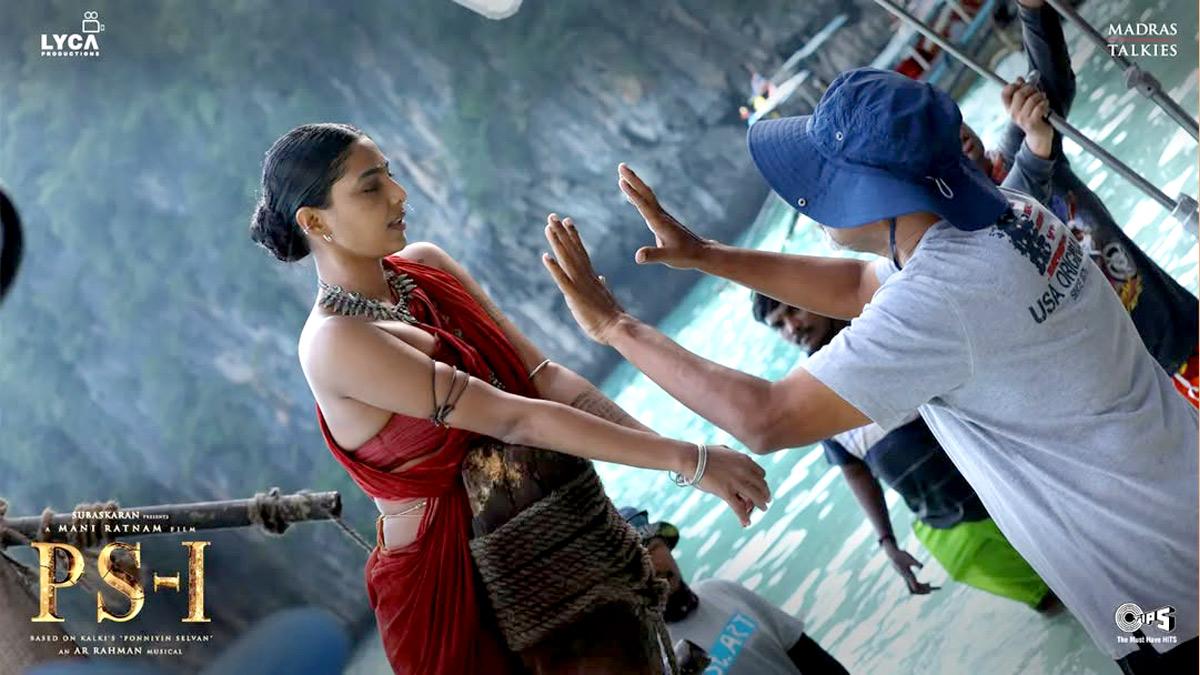
Aishwarya
Lekshmi
on
the
sets
of
Ponniyin
Selvan.
Photograph:
Kind
courtesy
Madras
Talkies/Instagram
Remember
the
dreamlike
visual
landscape
of
Barfi
and
Jagga
Jasoos?
Or
the
poetic
visual
language
of
Goliyon
Ki
Raasleela
Ram-Leela
and
Tamasha?
The
imagery
of
these
films
was
one
among
the
most
important
elements,
skillfully
put
together
by
Cinematographer
Ravi
Varman‘s
artistic
and
technical
brilliance,
also
seen
in
films
like
Anniyan,
Kaatru
Veliyidai,
Ponniyin
Selvan
I
and
II.
Leaving
behind
the
traces
of
his
rocky
childhood,
Varman
began
his
journey
into
cinema
at
a
very
tender
age.
Over
the
last
25
years
as
lensman,
he
built
an
illustrious
behind-the-camera
career
working
across
languages
in
film
and
advertising
world.
Varman’s
talent
gives
him
a
global
pedestal
as
he
becomes
the
member
of
the
prestigious
American
Society
of
Cinematographers,
putting
him
in
the
company
of
Roger
Deakins
(1917,
Blade
Runner
2049),
Wally
Pfister
(Inception,
The
Prestige),
Greig
Fraser
(Lion,
The
Batman,
Dune
series),
among
others.
Varman,
who
becomes
the
second
Indian
to
be
inducted
into
the
American
Society
of
Cinematographers
after
Santosh
Sivan,
hopes
that
this
recognition
will
inspire
many
budding
cinematographers
to
follow
in
his
footsteps.
“We
tell
everybody
that
cinema
is
art.
I
don’t
agree
that
cinema
is
only
for
art.
Cinema
is
a
business.
Within
that,
we
do
art,”
Varman
tells
Mayur
Sanap/Rediff.com.
What
does
this
honour
mean
to
you?
With
this
honour,
the
future
generation
will
get
a
lot
of
benefits.
Something
that
was
not
possible
before
is
possible
now.
It
is
not
a
community,
it’s
a
club
and
they
are
inviting
you
according
to
your
work
quality.
The
gate
will
open
for
the
young
generations
in
coming
years
and
hopefully,
there
will
be
more
members
from
India.
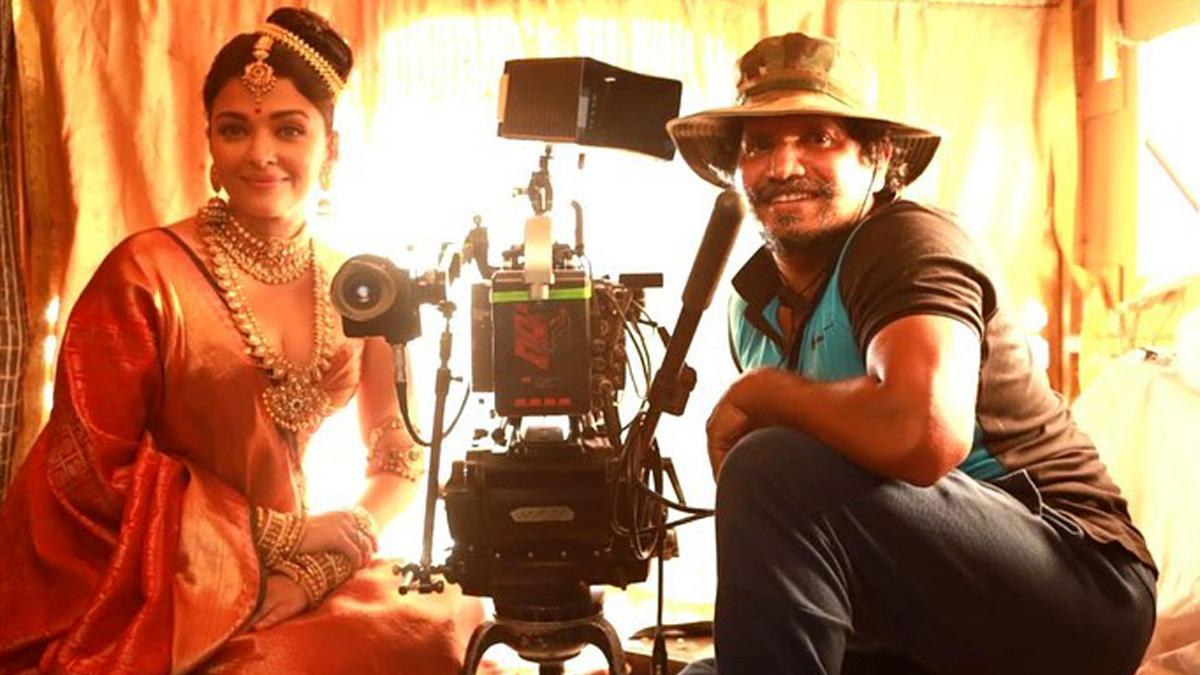
With
Aishwarya
Rai
Bachchan
on
the
sets
of
Ponniyin
Selvan.
Photograph:
Kind
courtesy
Ravi
Varman/Instagram
From
Jalamaram
to
Indian
2,
how
has
your
journey
been
so
far?
I
never
planned
anything
in
my
life.
I
never
planned
to
become
a
cinematographer
either.
I
wanted
to
become
rich,
that
was
my
only
intention.
I
came
to
the
industry
by
accident,
and
one
thing
led
to
another.
My
work
pushed
me
and
brought
me
credit.
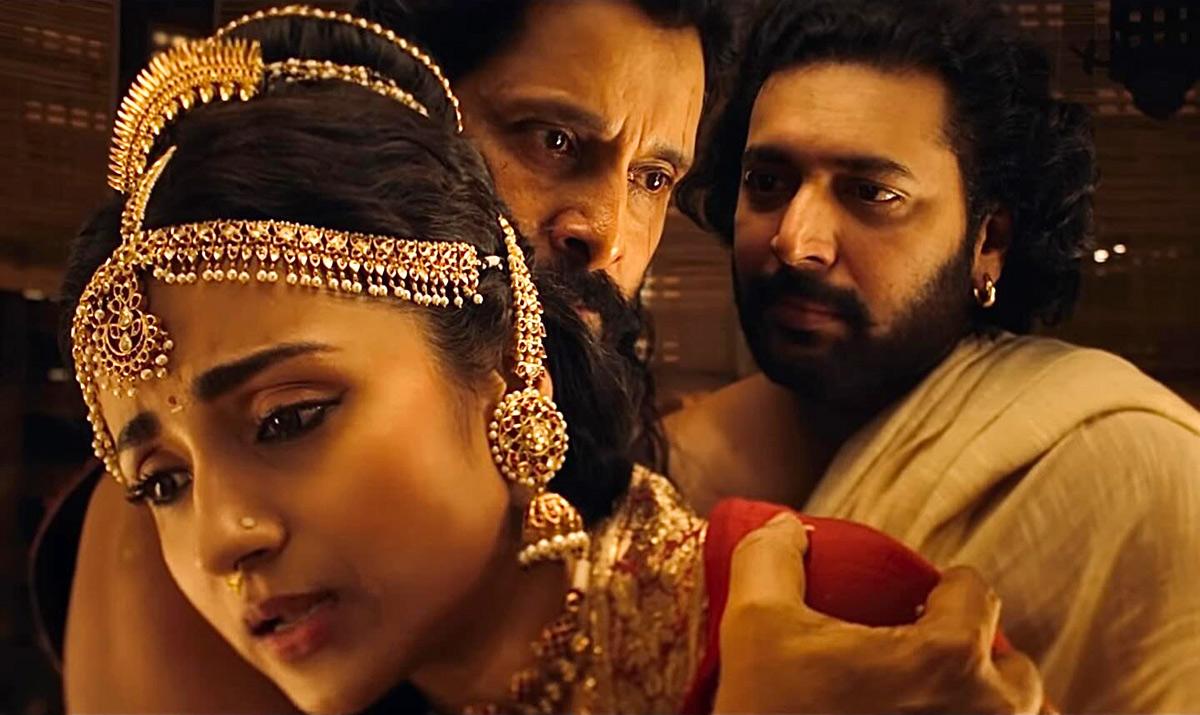
A
frame
from
Ponniyin
Selvan
featuring
Trisha,
Ravi
Mohan
(formerly
known
Jayam
Ravi)
and
Vikram.
Photograph:
Kind
courtesy
Ravi
Varman/Instagram
You
have
spent
25
years
in
the
industry.
That’s
25
years
only
as
a
cinematographer.
I
came
into
the
industry
in
1987
when
I
was
14.
Between
1987
and
1999,
I
did
so
many
jobs.
I
worked
as
a
car
washer,
cleaner,
hotel
server…
I
wanted
to
survive
in
a
city
like
Chennai.
I
became
a
cinematographer
when
I
was
26
(in
the
Malayalam
film,
Jalamarmaram).
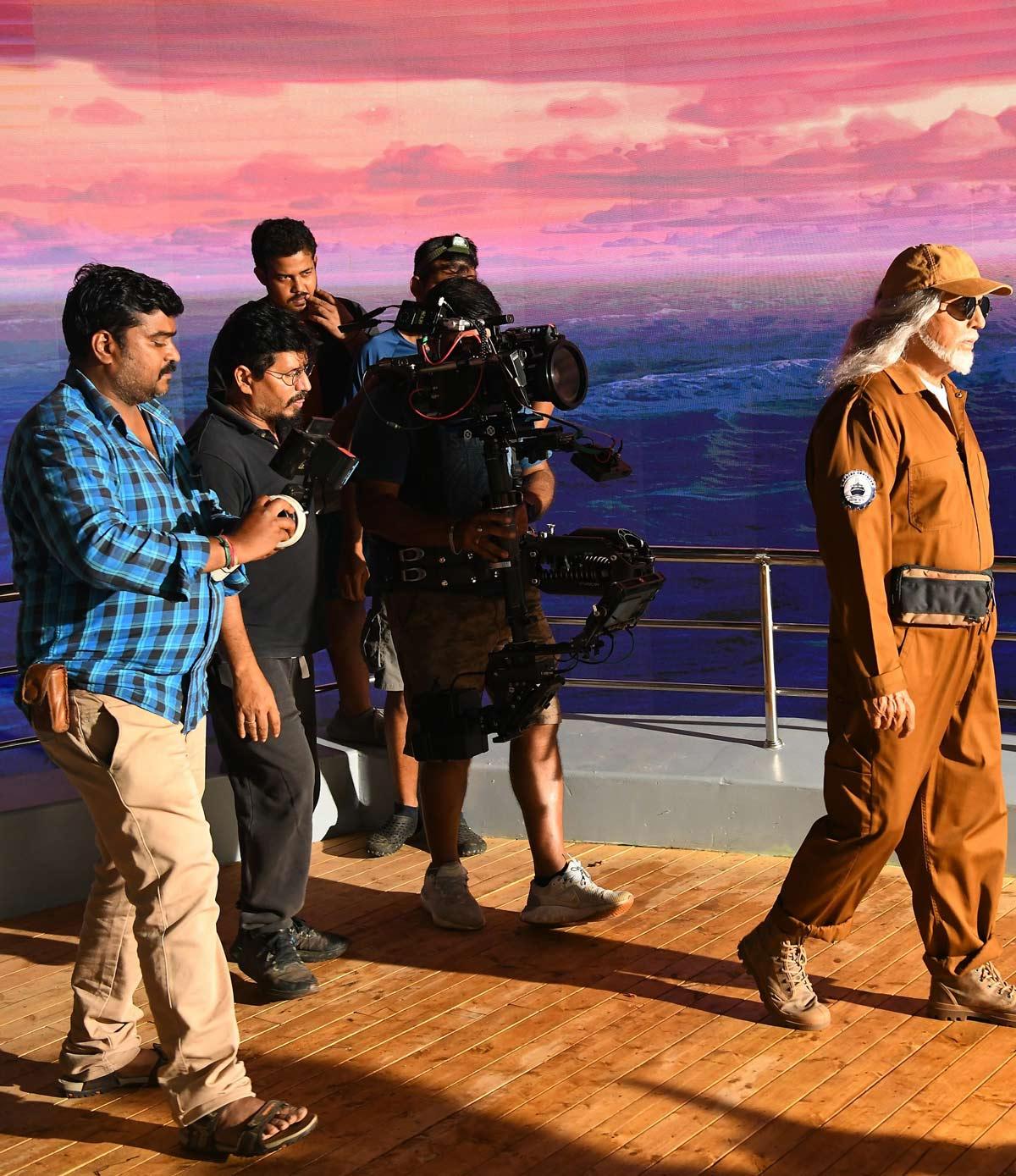
With
Kamal
Haasan
on
the
sets
of
Indian
2.
Photograph:
Kind
courtesy
Ravi
Varman/Instagram
There’s
a
beautiful
quote
from
celebrated
cinematographer
Roger
Deakins:
‘Your
whole
life
informs
your
eye’.
Similarly,
how
much
of
your
life
experiences
reflect
in
your
work?
So
many
things.
Growing
up,
I
wanted
to
see
it
as
bright,
dreamy,
colourful
and
rich
life.
This
is
all
I
can
see
through
my
inner
eye.
My
naked
eyes
search
for
that
kind
of
life.
So
finally,
when
I
made
it
to
the
film
world,
I’m
doing
the
same
thing.
That’s
why
my
film
world
is
mostly
colourful
like
a
fairy
tale.
Something
that
is
surreal.
That’s
a
part
of
my
inner
person.
What
was
the
first
time
you
held
a
camera?
I
remember
when
I
came
to
Chennai,
I
bought
a
Zenith
camera
for
myself.
I
didn’t
have
any
knowledge
about
this
camera.
I
studied
it.
I
still
remember
I
shot
the
sunrise
with
this
camera.
It
is
like
a
blurry
image.
It’s
not
the
exact
image.
That
was
my
first
shot.
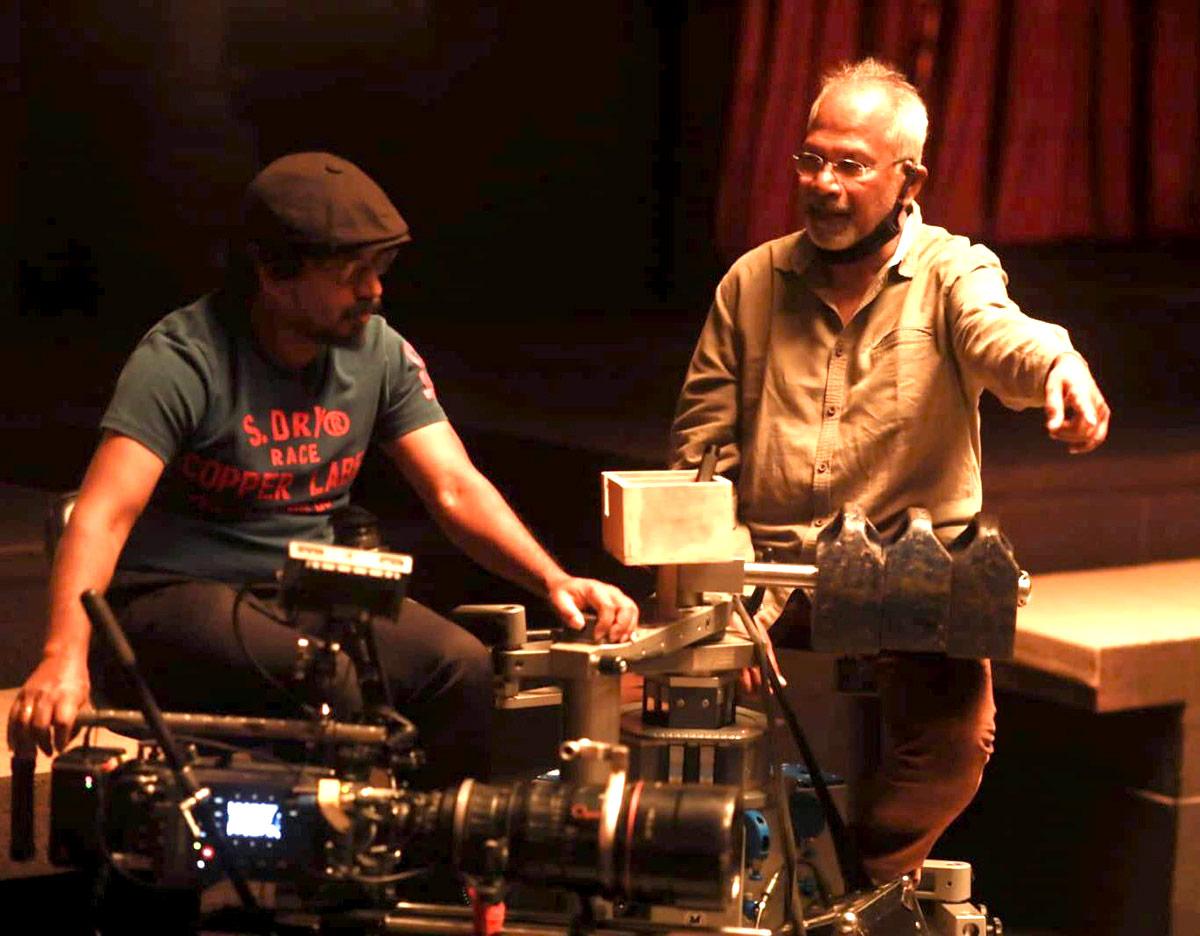
With
Director
Mani
Ratnam.
Photograph:
Kind
courtesy
Ravi
Varman/Instagram
Your
collaboration
with
Mani
Ratnam
yielded
some
of
your
best
work.
Tell
us
about
your
creative
partnership
with
him.
I
am
a
big
fan
of
his.
Every
aspiring
cinematographer
wants
to
work
with
him.
Luckily,
I
have
worked
with
him
on
three
films.
He
is
not
just
a
great
filmmaker,
he
is
also
a
wonderful
human
being.
He’s
very
encouraging
and
knows
how
to
bring
out
your
knowledge.
He
gives
a
lot
of
freedom
to
every
technician.
He
always
has
a
bound
script
and
will
give
references
about
how
he
wants.
Even
(Sanjay
Leela)
Bhansali,
Anurag
Basu
and
Imtiaz
Ali
are
like
that.
They
are
very
special
directors
for
me.
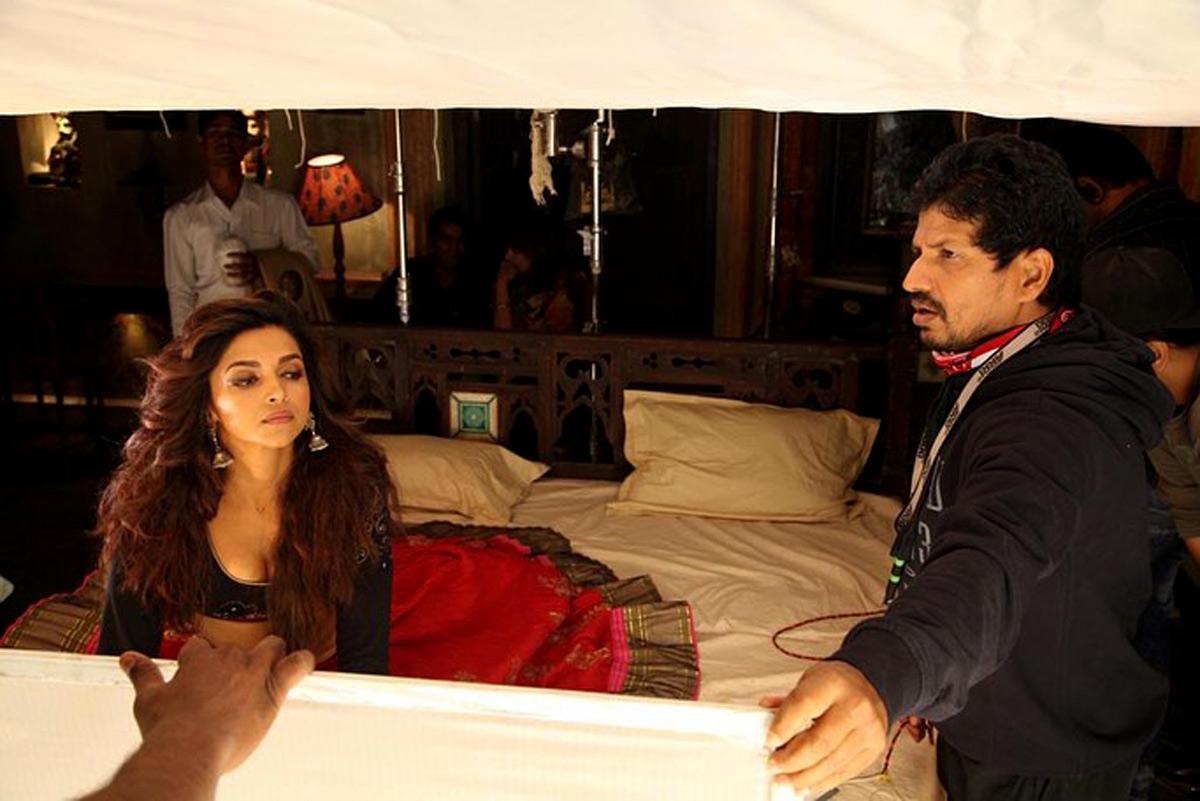
With
Deepika
Padukone
on
the
sets
of
Goliyon
Ki
Raasleela
Ram-Leela.
Photograph:
Kind
courtesy
Ravi
Varman/Instagram
Is
language
a
hindrance
when
you
work
with
Hindi
filmmakers?
No.
You
see,
the
picture
has
no
language.
How
do
I
work
with
all
these
big
directors?
Because
they
understand
my
images.
After
our
discussion,
I
make
my
process.
When
the
frame
is
lit
up,
they
understand.
Who
are
your
favourite
filmmakers
to
work
with?
I
worked
in
35
films,
with
almost
33
directors.
Each
one
is
unique.
I
cannot
pick
who
is
the
best.
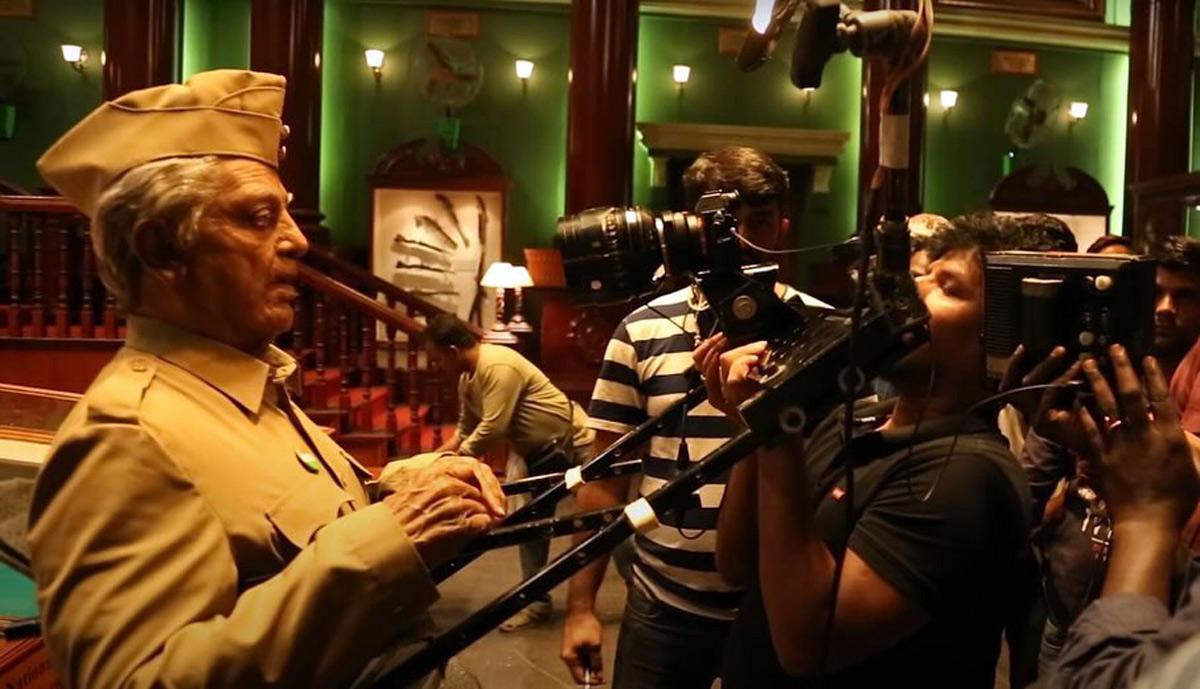
With
Kamal
Haasan
on
the
sets
of
Indian
2.
Photograph:
Kind
courtesy
Ravi
Varman/Instagram
What
about
the
actors?
My
all-time
favourite
actor
is
Kamal
Haasan.
He
brought
me
to
the
commercial
format.
Till
then,
I
was
an
art
filmmaker.
I
also
like
Ranbir
Kapoor
and
Ranveer
Singh.
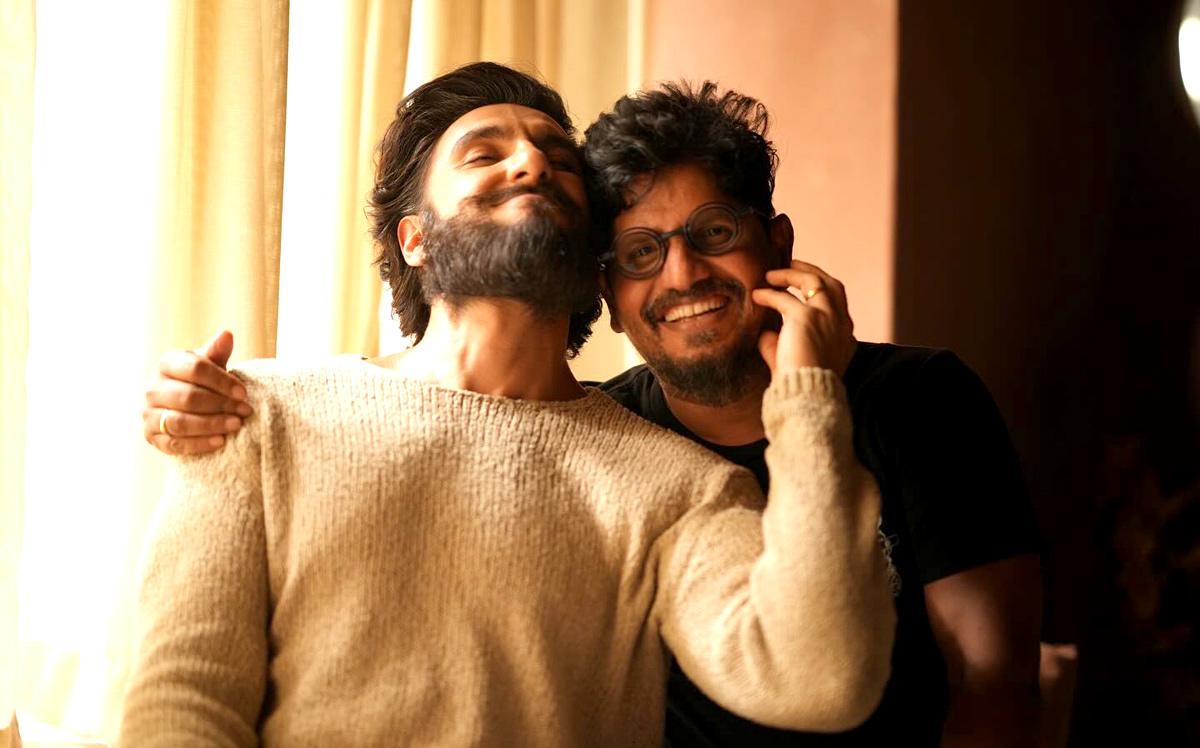
With
Ranveer
Singh.
Photograph:
Kind
courtesy
Ravi
Varman/Instagram
You
once
said
that
you
never
feel
like
you
are
famous.
What’s
your
equation
with
fame
and
money?
Fame
is
important
because
if
you
have
that,
you
can
make
money.
If
money
is
there,
you
can
survive
because
your
life
will
not
be
difficult.
It
will
not
be
a
bad
situation
like
my
sufferings
during
my
childhood.
We
tell
everybody
that
cinema
is
art.
I
don’t
agree
that
cinema
is
only
for
art.
Cinema
is
a
business.
Within
that,
we
do
art.
When
you
feel
you
are
an
artist,
you
won’t
bother
about
the
fame
sometimes.
A
lot
of
people
are
famous.
But
for
how
long
will
you
be
there?
It
changes
after
every
three
days
of
release,
Friday,
Saturday,
Sunday.
Nowadays,
you
don’t
even
know
many
technicians.
They
won’t
give
credit
to
any
technician
other
than
director
and
actor.
I
don’t
want
to
be
famous.
I
want
a
happy
and
peaceful
life.
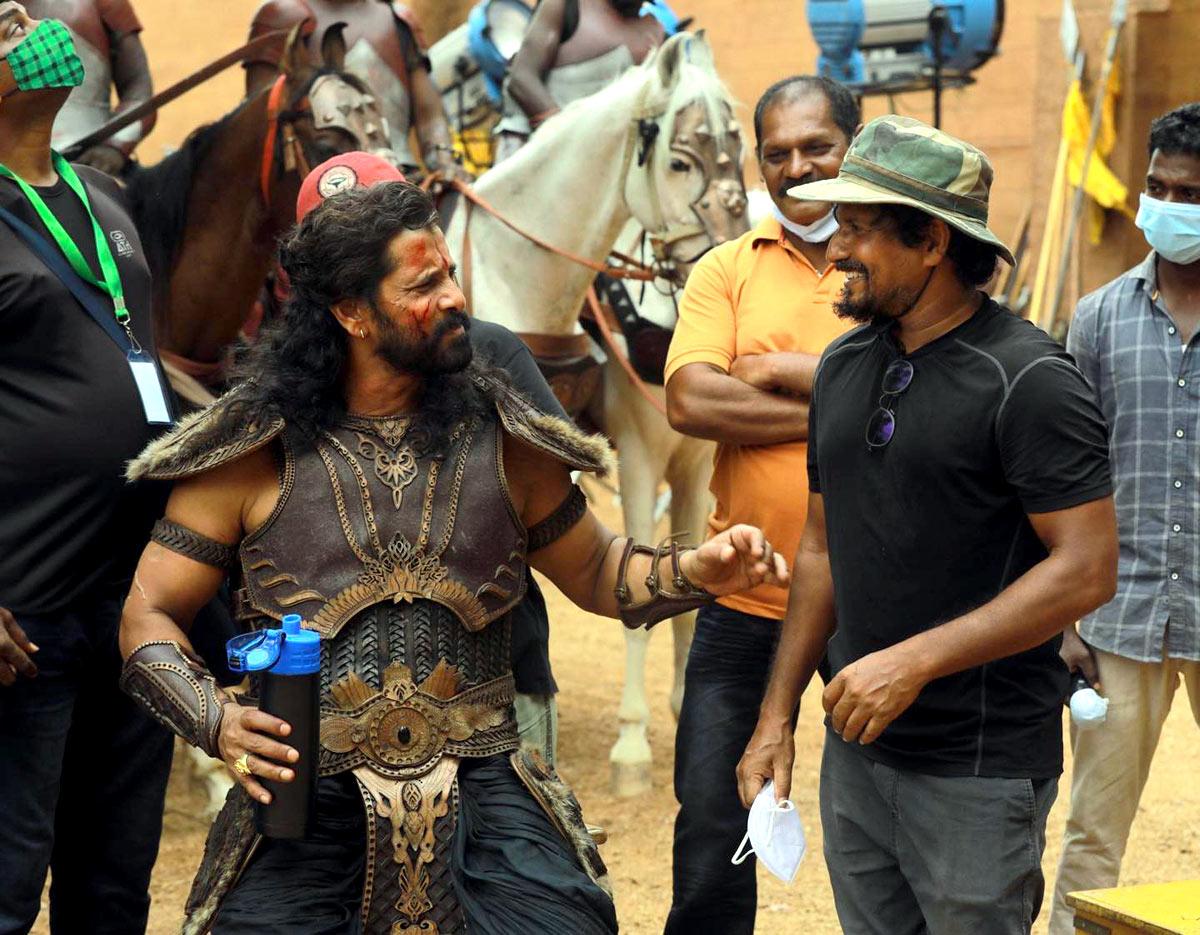
With
Vikram
on
the
sets
of
Ponniyin
Selvan.
Photograph:
Kind
courtesy
Ravi
Varman/Instagram
Did
you
watch
a
lot
of
cinema
while
growing
up?
Yeah,
of
course.
I
am
here
today
because
of
my
cinema-watching
experience.
It
taught
me
so
much.
I
used
to
watch
a
lot
of
MGR
films.
His
were
very
happy
films.
After
you
come
out
of
the
theatre,
you
feel
happy
and
positive.
During
my
childhood,
I
would
watch
four
films
every
week.
There
was
a
cinema
theatre
10-12
km
away
from
my
village.
That
experience
has
brought
me
to
this
level
today.
Cinema
has
made
me
everything.

On
sets
with
Janhvi
Kapoor
during
the
making
of
the
ad
for
Manyavar.
Photograph:
Kind
courtesy
Ravi
Varman/Instagram
Cinematography
is
a
visual
art
that’s
best
experienced
on
the
big
screen.
How
do
you
look
at
the
change
that
OTT
has
brought
in?
That
is
also
very
good
for
cinematography.
The
medium
has
changed,
but
whatever
you
see
on
your
TV,
cellphone,
laptop,
everything
is
cinematography.
Technology
is
helping
you
to
connect
with
each
other.
Maybe
theatre
nowadays
is
like
a
festival,
when
a
lot
of
people
go
out
and
watch
something.
Technology
will
change,
but
the
viewer
will
not.
A
lot
of
cinematographers
would
consider
film
direction
as
their
next
step.
Do
you
see
yourself
getting
there?
Yes.
I
have
written
the
story.
I’m
looking
for
an
actor
and
producer.