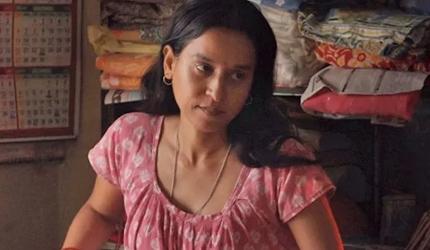
‘I
have
always
looked
at
people
and
said,
‘You
just
have
to
accept.
You
just
have
to
love.
You
just
have
to
let
this
person
be
and
the
trouble
would
be
less’.’
‘But
we
keep
complicating
things,
and
that
is
the
tragedy
—
our
desire
not
to
understand.’
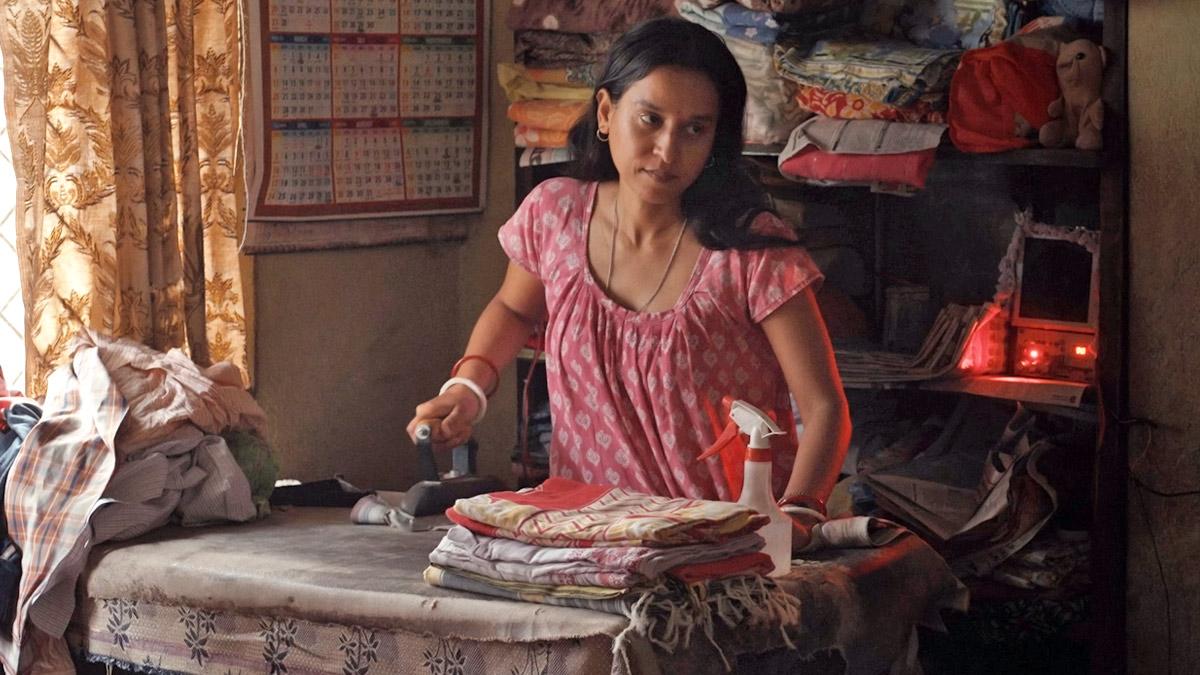
Tillotama
Shome
in
Baksho
Bondi.
Tanushree
Das
(Film
Editor,
Eeb
Alley
Ooo)
and
her
husband
Saumyananda
Sahi
(Cinematographer,
All
That
Breathes,
Black
Warrant))
worked
together
on
a
couple
of
films
until
they
decided
to
direct
their
first
feature,
inspired
by
the
story
of
Das’
parents.
The
Bengali
film
Baksho
Bondi
(Shadowbox)
premiered
at
the
Berlinale
last
month
and
stars
Tillotama
Shome
(in
one
of
her
best
performances)
as
Maya,
a
woman
struggling
to
keep
her
family
afloat,
despite
a
lot
of
stress,
including
that
her
husband
Sundar
(Chandan
Bisht)
is
suffering
from
PTSD.
Maya’s
family
does
not
approve
of
Sundar
since
he
is
not
Bengali.
What
makes
Baksho
Bondi
stand
apart
is
that
the
film
has
19
producers
on
board.
It
started
with
Composer
Naren
Chandavarkar
(who
also
produced
this
year’s
Sundance
award-winning
film
Sabar
Bonda).
Slowly,
an
eclectic
mix
of
filmmakers
and
actors
joined
the
team;
names
like
Nikkhil
Advani,
Vikramditya
Motwane,
Shaunak
Sen,
Aman
Mann
(producer
of
Sen’s
Oscar
nominated
documentary
All
That
Breathes),
Prashant
Nair,
Dar
Gai,
Anu
Rangachar,
Shruti
Ganguli,
Sidharth
Meer,
Jim
Sarbh
(also
a
producer
on
Sabar
Bonda),
Anjali
Patil
and
Shome
herself.
Das
and
Sahi
tell
Aseem
Chhabra,
“People
like
Shaunak
and
Prashant
were
there
when
we
were
writing
the
script
and
doing
the
edit.
So
they
were
also
mentors,
so
we
could
sound
ideas
with
them
and
they
were
very
good
with
feedback.”
Tanushree,
how
did
you
bring
so
much
of
your
own
personal,
your
parents’
story
in
this
film?
Tanushree:
I
think
I
treated
Somo
as
my
first
audience,
when
I
was
telling
the
story,
which
is
also
sharing
my
life.
During
that
process,
we
understood
that
it
is
one
thing
to
share
your
story
with
your
partner,
and
another
to
make
a
film.
Did
you
share
the
story
with
the
intent
of
making
the
film
itself,
or
you
first
told
him
about
your
life?
Tanushree:
I
only
had
a
dream
and
said
that
I
feel
there
is
a
film
there.
I
shared
my
life
truthfully,
since
we
were
a
couple.
But
the
story
in
the
film
is
not
of
my
parents’
life.
Okay,
the
essence,
the
emotion
of
it,
yes.
The
character
of
Maya
is
like
my
mother
in
many
ways.
Her
love
for
her
husband
is
non-negotiable.
It
was
the
same
with
Maya.
Your
parents
also
had
—
pardon
this
odd
expression
—
a
love
marriage?
Tanushree:
Yes,
in
the
1980s.
It
was
taboo
in
many
families.
They
were
both
Bengali?
Tanushree:
Yes.
This
outsider
came
from
a
desire
to
communicate
or
to
understand
something
which
is
not
personal.
Saumyananda:
We
wanted
the
audience
to
have
a
visual
cue
as
well,
to
understand
that
the
husband
is
not
from
the
community.
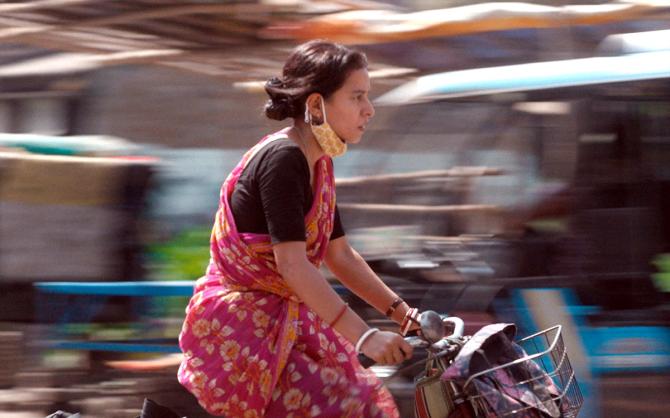
Tillotama
Shome
in
Baksho
Bondi.
So
this
outsider
element,
you
thought
of
a
Pahadi
man,
because
North
Bengal
has
hills
and
cities
like
Darjeeling?
Tanushree:
It
was
interesting
to
put
these
little
pointers
which
are
very
culture-specific.
As
Indians,
we
actually
get
these
connections
which
we
don’t
have
to
spell
out.
I
wanted
Maya’s
story
to
be
many
people’s
story,
not
just
my
mother’s
story.
Saumyananda:
While
we
were
writing
the
screenplay,
we
made
the
choice
of
shifting
the
story
eight
years
after
the
more
dramatic
moments
of
Maya’s
life.
A
lot
of
the
past
is
left
unsaid,
but
has
to
be
evoked
with
small
things,
like
the
house
they
live
in.
Maya’s
coming
down
the
social
ladder
is
visible
in
the
different
house
than
the
one
her
brother
lives
in
with
her
mother.
There’s
no
scene
to
spell
it
out.
We
use
the
house
itself
as
a
way
to
understand
that
she
had
a
love
marriage
and
it
was
outside
her
community.
We
decided
for
her
to
marry
someone
from
Uttrakhand
who
looks
different.
Do
you
think
Maya’s
brother
would
have
been
more
accepting
of
her
husband
had
it
not
been
for
the
fact
that
the
man
had
mental
health
issues,
or
was
it
more
of
the
fact
that
she
married
an
outsider?
Tanushree:
I
think
it
wouldn’t
matter.
What
I
am
trying
to
pinpoint
is
that
in
our
middle-class
society,
we
exist
because
the
other
exists.
But
as
a
kid,
I
would
find
it
strange
to
see
these
frictions
between
grown-ups.
I
have
always
looked
at
people
and
said,
‘You
just
have
to
accept.
You
just
have
to
love.
You
just
have
to
let
this
person
be
and
the
trouble
would
be
less.’
But
we
keep
complicating
things,
like
a
jalebi,
and
that
is
the
tragedy
—
our
desire
not
to
understand.
It’s
like
an
ego
play.
So
the
fact
that
she
married
someone
of
her
own
choice
is
the
bigger
problem.
Saumyananda:
The
mental
health
issue
just
amplifies
the
problems.
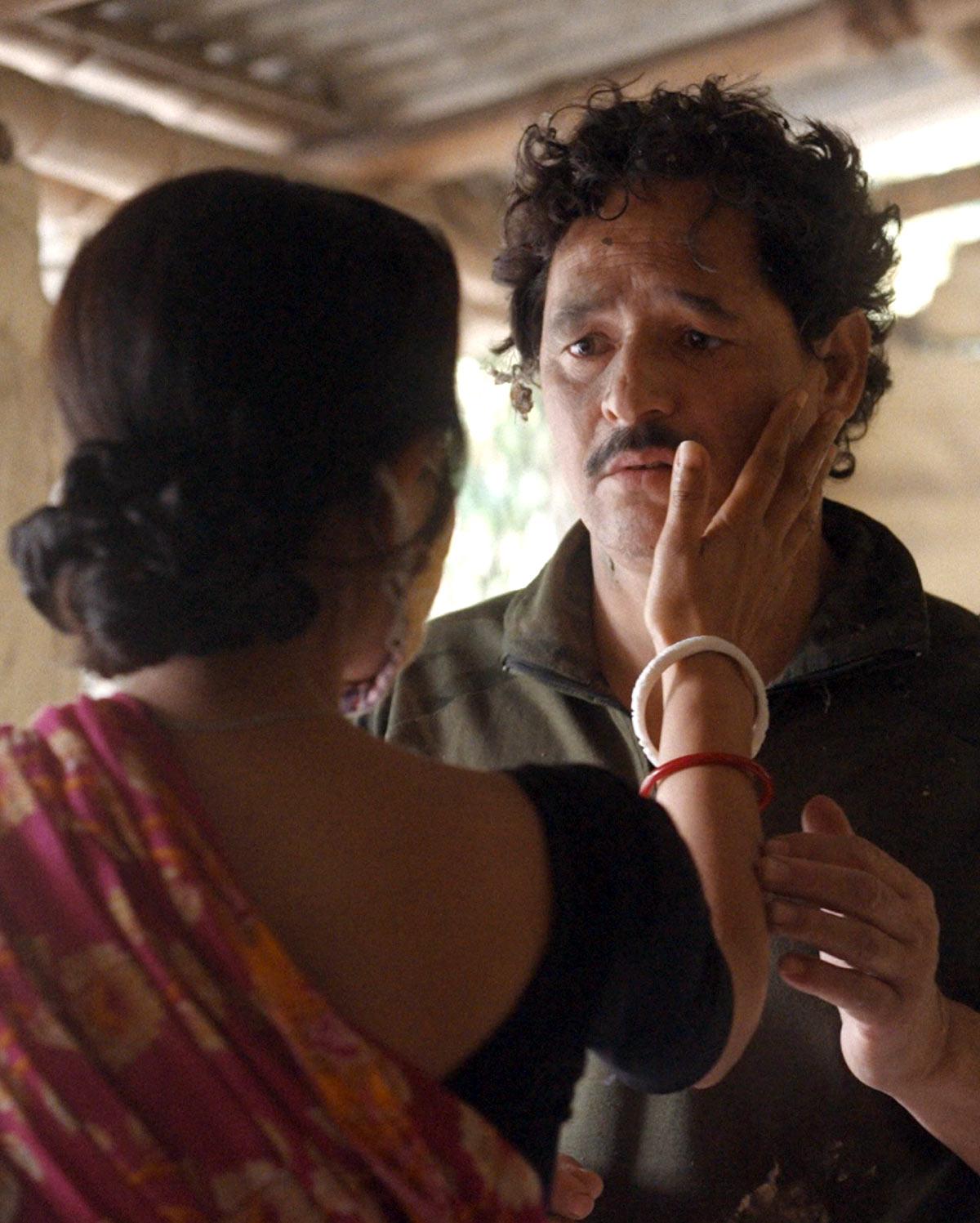
Chandan
Bisht
and
Tillotama
Shome
in
Baksho
Bondi.
When
I
was
watching
the
film,
the
actor
who
plays
the
husband
looked
familiar.
Then
I
realised
Chandan
Bist
was
in
Fire
in
the
Mountains.
His
role
here
is
very
different.
Saumyananda:
I
was
the
cinematographer
on
Trial
by
Fire.
Chandan
plays
a
very
small
role
in
that.
I
had
not
seen
Fire
in
the
Mountains
at
that
point.
I
saw
him
through
the
camera
and
found
something
captivating
about
his
eyes.
There
was
a
mystery
to
him,
which
is
why
I
cast
him.
How
did
you
think
about
casting
Tillotama,
who
is
wonderful
in
the
film?
Saumyananda:
We
wrote
the
script
thinking
of
her.
Tanushree:
We
didn’t
dare
to
ask
her
in
the
beginning.
She
was
not
our
friend
then.
Naren
was
a
primary
producer.
Naren
and
Tillotama
are
friends.
So
through
Naren,
we
asked
her
to
read
the
script
for
feedback.
That’s
how
the
conversation
started.
How
did
you
work
with
your
actors?
Saumyananda:
We
are
very
taken
in
by
the
works
of
Mike
Leigh
and
excited
by
his
process
with
actors,
how
he
uses
improvisation
in
workshops,
and
how
that
fits
into
the
creation
of
the
characters.
While
we
couldn’t
imitate
Mike
Leigh,
we
tried
to
take
that
spirit
to
our
writing
room.
For
each
character
of
our
film,
we
did
improvisations,
not
with
actors
first,
but
between
the
two
of
us.
We
brought
multiple
references
from
our
lives,
literature,
acquaintances
and
so
on.
A
lot
of
the
writing
process
was
actually
bringing
together
objects,
stories,
and
making
a
conglomerate
of
multiple
references
for
the
characters.
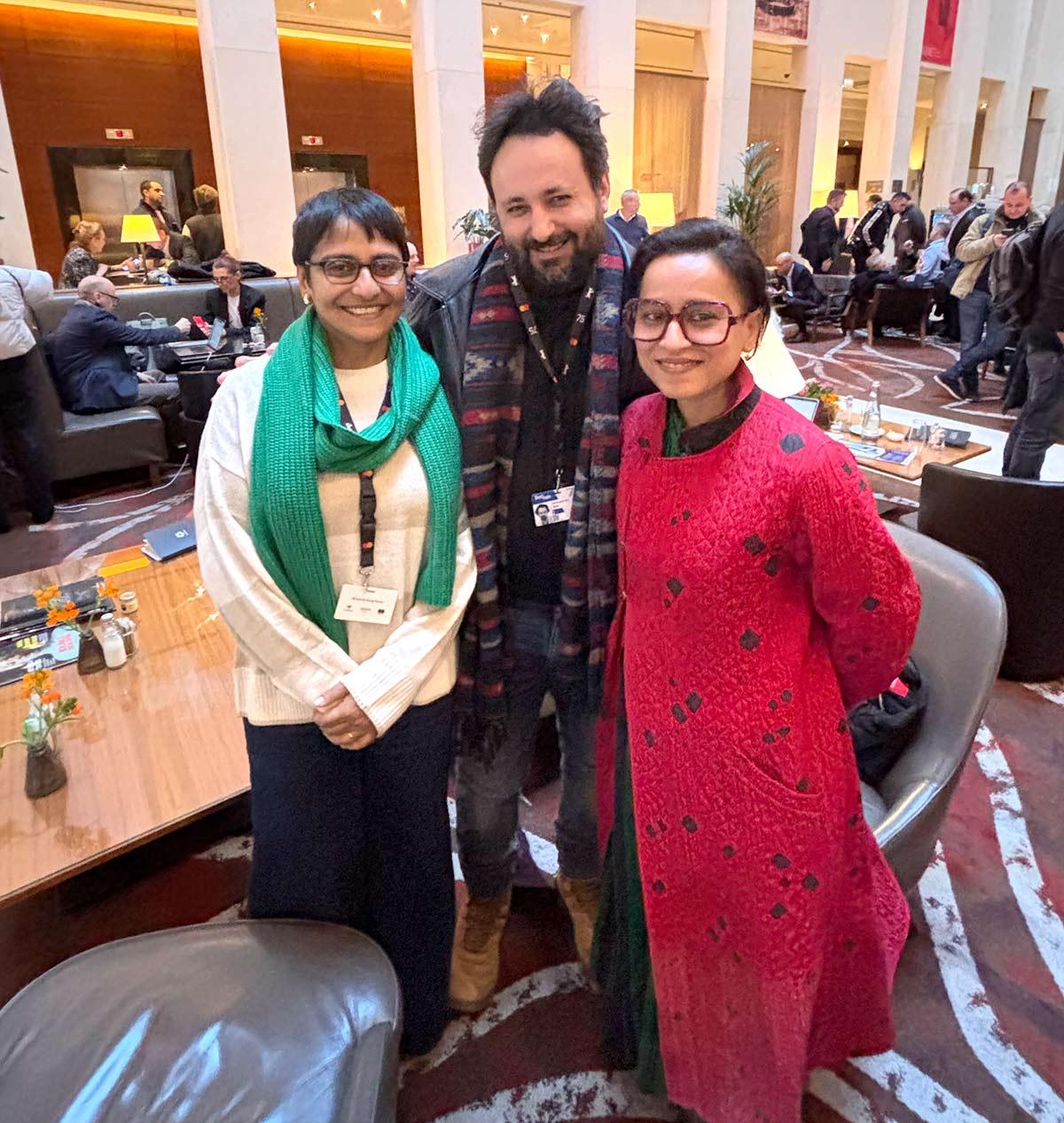
Tanushree
Das
and
Saumyananda
Sahi
along
with
Tillotama
Shome.
Photograph:
Aseem
Chhabra
You
both
worked
together
on
two
films
as
editors
and
cinematographers,
Eeb
Allay
Ooo!
and
Aise
Hee.
Tanushree:
I
used
to
do
gaffer
work
for
him
before
our
son
was
born.
How
did
you
discover
each
other’s
talent?
Did
you,
Somo,
see
a
new
side
of
her
as
an
editor
or
you,
Tanushree,
did
you
see
his
eye
for
detail
when
you
were
cutting
scenes
he
had
shot?
Tanushree:
I
know
I
will
sound
cheesy
but
I
fell
in
love
with
him
because
the
first
film
we
worked
on
together
was
a
Malayalam
language
documentary
called
Have
You
Seen
the
Arana?
I
remember
seeing
how
he
would
frame,
the
compassion
I
would
see
in
his
gaze.
I
remember
thinking
if
this
man
can
look
at
me
like
this,
it’s
worth
living
with
him
for
rest
of
my
life.
What
I
am
trying
to
say
is
that
our
films
and
our
lives
are
not
separate
things.
I
think
we
have
found
work-life
balance.
For
us,
a
good
evening
would
be
him
making
an
amazing
bowl
of
Maggi
noodles.
He
makes
a
good
bowl
of
Maggi?
Tanushree:
Yes.
Saumyananda:
It
is
very
difficult
to
make.
Tanushree:
Those
are
our
nostalgia
times
from
FTII
(Film
and
Television
Institute
Of
India).
With
a
good
bowl
of
Maggi,
we
would
discuss
work.
For
us,
there
is
romance
in
that.
Going
to
the
movies
or
making
movies,
there
is
the
same
amount
of
love.
We
are
friends
too.
I
can
see
it
is
a
happy
partnership.
But
I
am
sure
there
were
arguments,
especially
during
the
making
of
this
film.
Were
there
disagreements
in
terms
of
the
narrative
structure,
the
script
or
did
you
disagree
on
other
issues?
Saumyananda:
During
the
writing,
we
didn’t
have
many
disagreements
because
I
would
look
to
Tanushree
for
the
authenticity,
and
she
would
always
look
to
me
to
bring
a
distance.
In
that
sense,
we
complimented
each
other.
The
tougher
thing
was
how
to
make
the
film,
where
to
put
people
up,
how
to
make
them
work
on
very
practical
level.
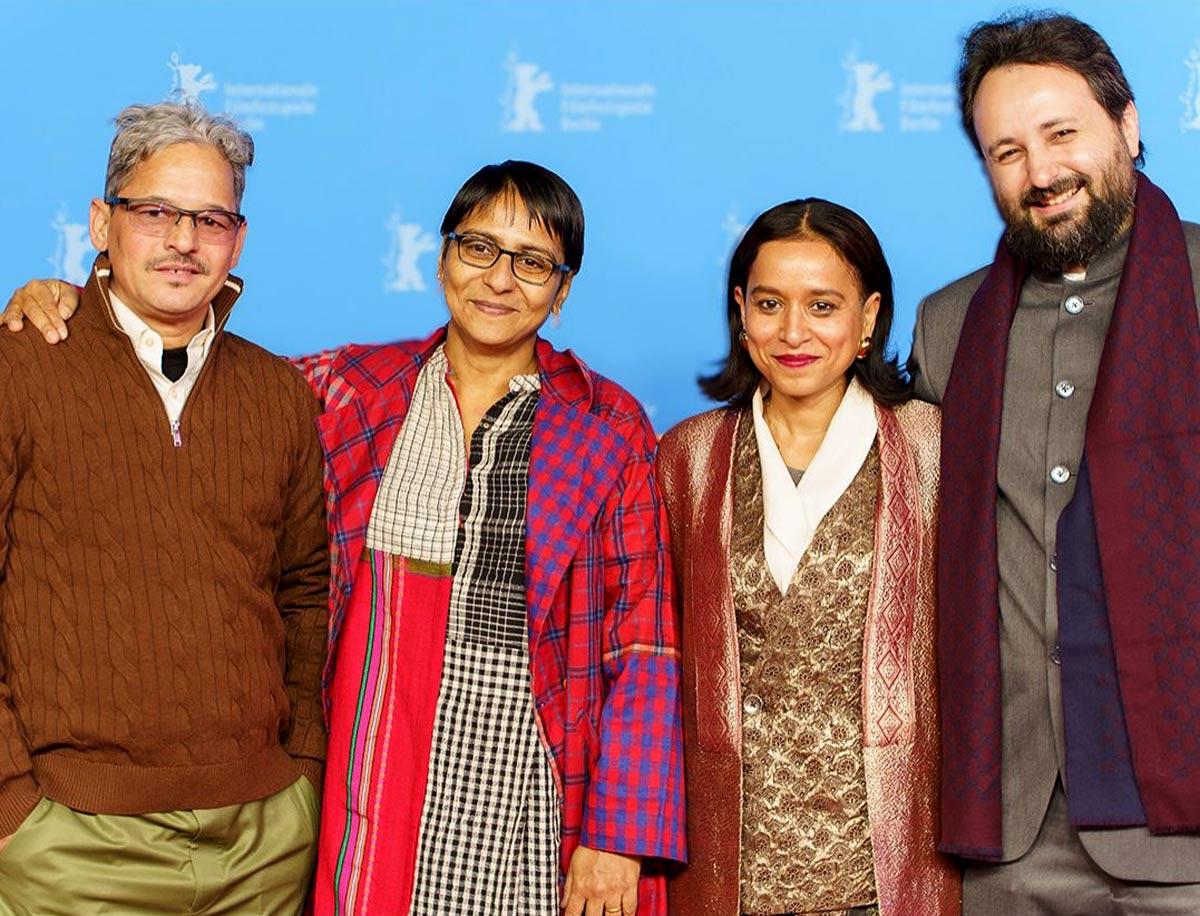
Tanushree
Das
and
Saumyananda
Sahi
with
Tillotama
Shome
and
Chandan
Bisht
at
the
Berlin
International
Film
Festival.
Photograph:
Kind
courtesy
Tanushree
Das/Instagram
I
am
always
interested
in
how
two
people
direct
one
film.
Tell
us
more
about
the
disagreements.
Tanushree:
We
had
interesting
disagreements
in
the
edit.
I
have
edited
other
people’s
films.
For
the
first
time,
I
understood
what
lack
of
objectivity
really
means.
I
understood
the
pain
of
a
director
because
here
I
am.
Also,
because
it’s
a
personal
story.
So
I
was
grabbing
every
scene,
and
then
he
would
say,
‘No,
if
we
can
take
this
out
and
keep
that
in.’
And
I
would
say,
‘No,
this
is
also
important.’
It
got
easier
as
time
passed.
Taking
a
long
time
to
make
film
is
not
such
a
bad
thing,
especially
if
one
can
survive
as
an
artist.
He
is
very
patient
man
in
life.
I
am
the
impatient
one.
We
would
say,
‘Okay,
let’s
come
back
to
it,
revisit
it.’
So
then
I
started
seeing
the
light
of
what
he
was
trying
to
say.
At
which
juncture
did
you
decide
to
make
this
story
into
a
film,
since
you
both
had
never
directed
a
film
before?
Saumyananda:
Tanushree
began
as
a
theatre
director.
Her
passion
was
always
directing.
I
came
to
the
Berlinale
Talent
programme
20
years
ago
as
a
director
but
chose
not
to
direct
for
some
time.
You
talked
about
Naren
being
the
primary
producer
but
what
a
collection
of
producers
you
guys
have
now!
How
did
they
all
come
together?
Saumyananda:
It
began
with
Naren.
Then
I
was
working
with
Shaunak
and
Aman
(on
All
That
Breathes)
and
discussed
with
them
and
they
came
on
board.
The
list
of
producers
grew
along
the
way
out
of
necessity
because
there
was
only
a
certain
amount
that
each
person
could
put
in.
The
risks
involved
with
doing
an
independent
film
is
that
the
returns
cannot
be
counted
on.
Naren
devised
a
model
of
sharing
that
risk,
creating
an
equitable
model
of
where
people
joined.
But
the
point
at
which
each
producer
came
on
board
was
also
very
important
because
they
were
answering
a
necessity
at
that
point
of
time.
So
we
didn’t
have
19
producers
to
begin
with.
We
only
had
one.
Tillotama:
Whatever
the
final
number
is,
all
these
people
knew
each
other
as
colleagues.
But
we
never
found
a
common
ground
to
come
together,
even
though
we
liked
each
other
a
lot.
We
have
managed
to
come
together
because
of
them.
There
is
something
about
them,
they
created
the
space,
a
bridge
that
got
us
to
collaborate.
It
is
a
lovely
way
of
indie
filmmaking
because
you
are
not
crowdfunding.
Tillotama:
Yes,
not
crowdfunding,
but
funding
from
a
very
interesting
group
of
people
who
wanted
to
work
together.
It’s
because
no
one
could
refuse
the
charm
that
both
of
them
have
and
the
power
of
who
they
are,
the
story
they
wanted
to
tell.
Saumyananda:
People
like
Shaunak
and
Prashant
were
there
when
we
were
writing
the
script
and
doing
the
edit.
So
they
were
also
mentors,
so
we
could
sound
ideas
with
them
and
they
were
very
good
with
feedback.
We
were
blessed
with
the
non-producorial
aspect
of
the
producers.
They
really
cared
for
the
project.