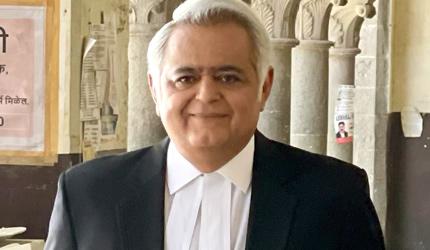
‘Twenty-five
years
ago,
loyalists
of
the
same
(then
undivided)
political
party
stormed
into
my
office.’
‘They
vandalised
it,
physically
assaulted
me,
blackened
my
face,
and
forced
me
to
apologise
publicly
—
by
falling
at
the
feet
of
an
elderly
woman
—
for
a
single
line
of
dialogue
in
my
film.’
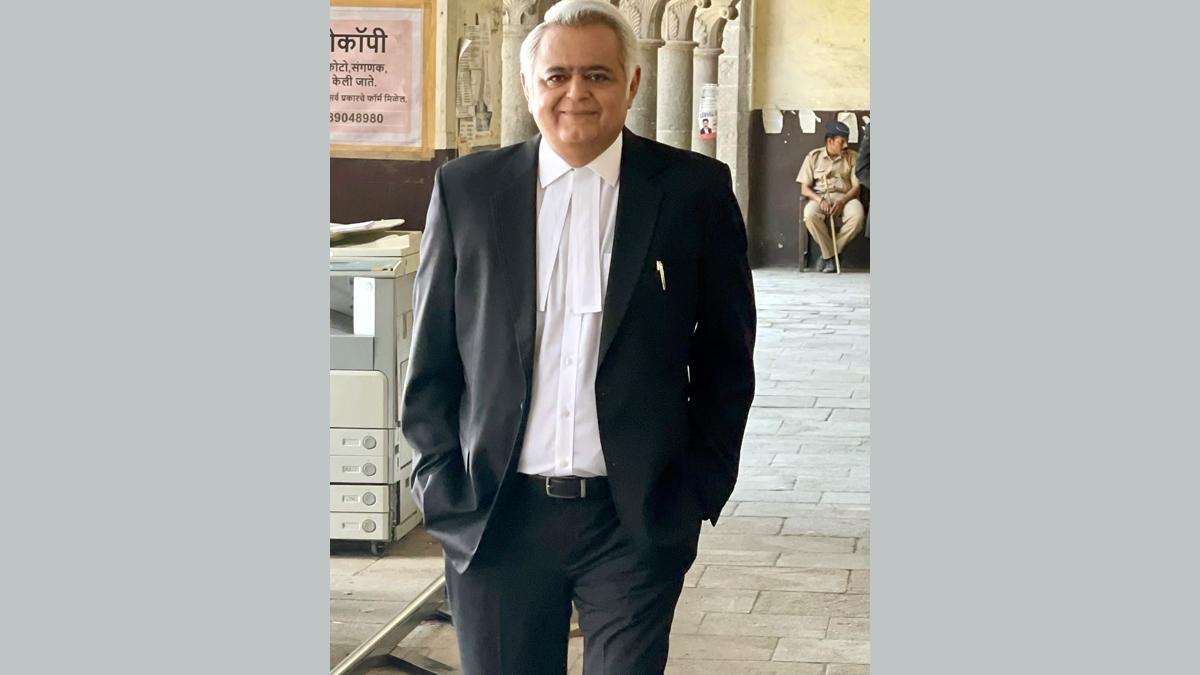
Photograph:
Kind
courtesy
Hansal
Mehta/Instagram
Filmmaker
Hansal
Mehta
has
voiced
his
support
for
stand-up
artiste
Kunal
Kamra
amid
the
controversy
that
erupted
after
the
latter
allegedly
passed
disparaging
remarks
against
Maharashtra
Deputy
Chief
Minister
Eknath
Shinde
in
his
latest
standup
act.
The
director,
who
is
known
for
films
like
Shahid,
Citylights
and
the
series
Scam
1992,
strongly
condemned
the
vandalisation
of
the
venue
in
Mumbai
where
Kamra
had
performed
his
show.
Hansal
recalled
a
similar
experience
he
faced
25
years
ago
when
some
people
from
the
Shiv
Sena
vandalised
his
office
and
forcefully
made
him
apologise
to
an
older
woman
for
a
single
line
of
dialogue
in
his
film.
In
a
social
media
post
on
Instagram,
Mehta
wrote:
‘What
happened
with
Kamra
is,
sadly,
not
new
to
Maharashtra.
I’ve
lived
through
it
myself.
Twenty-five
years
ago,
loyalists
of
the
same
(then
undivided)
political
party
stormed
into
my
office.
They
vandalised
it,
physically
assaulted
me,
blackened
my
face,
and
forced
me
to
apologise
publicly
—
by
falling
at
the
feet
of
an
elderly
woman
—
for
a
single
line
of
dialogue
in
my
film.’
Hansal
was
referring
to
the
Manoj
Bajpayee-Tabu
2000
starrer
Dil
Pe
Mat
Le
Yaar.
Here’s
Hansal
speaking
about
Dil
Pe
Mat
Le
Yaar
in
a
2000
interview
with
Rediff.
At
least
’20
political
figures
arrived
at
full
strength’,
Hansal
recalled,
at
the
venue
to
shame
him
publicly
while
members
from
the
Mumbai
police
watched
the
incident
without
taking
any
action.
‘The
line
was
harmless,
almost
trivial.
The
film
had
already
been
cleared
by
the
Censor
Board
with
27
other
cuts.
But
that
didn’t
matter.
At
the
so-called
‘apology’
venue,
at
least
20
political
figures
arrived
in
full
strength
to
oversee
what
can
only
be
described
as
a
public
shaming
with
10,000
onlookers
and
the
Mumbai
police
watching
in
silence.’
The
filmmaker
reflected
on
the
past
incident
and
condemned
‘violence,
intimidation
and
humiliation’
for
an
expression
of
disagreement.
‘That
incident
didn’t
just
bruise
my
body.
It
bruised
my
spirit.
It
blunted
my
filmmaking,
muted
my
courage,
and
silenced
parts
of
me
that
took
years
to
reclaim.
‘No
matter
how
deep
the
disagreement,
no
matter
how
sharp
the
provocation,
violence,
intimidation,
and
humiliation
can
never
be
justified.
‘We
owe
ourselves,
and
each
other,
better.
We
owe
ourselves
dialogue,
dissent,
and
dignity.’