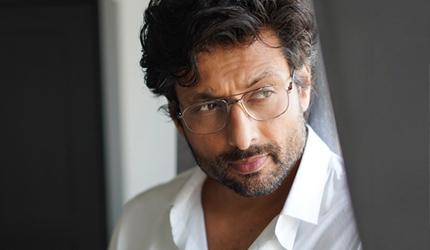
‘Once
I
started
acting,
I
gradually
started
liking
it
and
the
perks
that
come
with
it.’
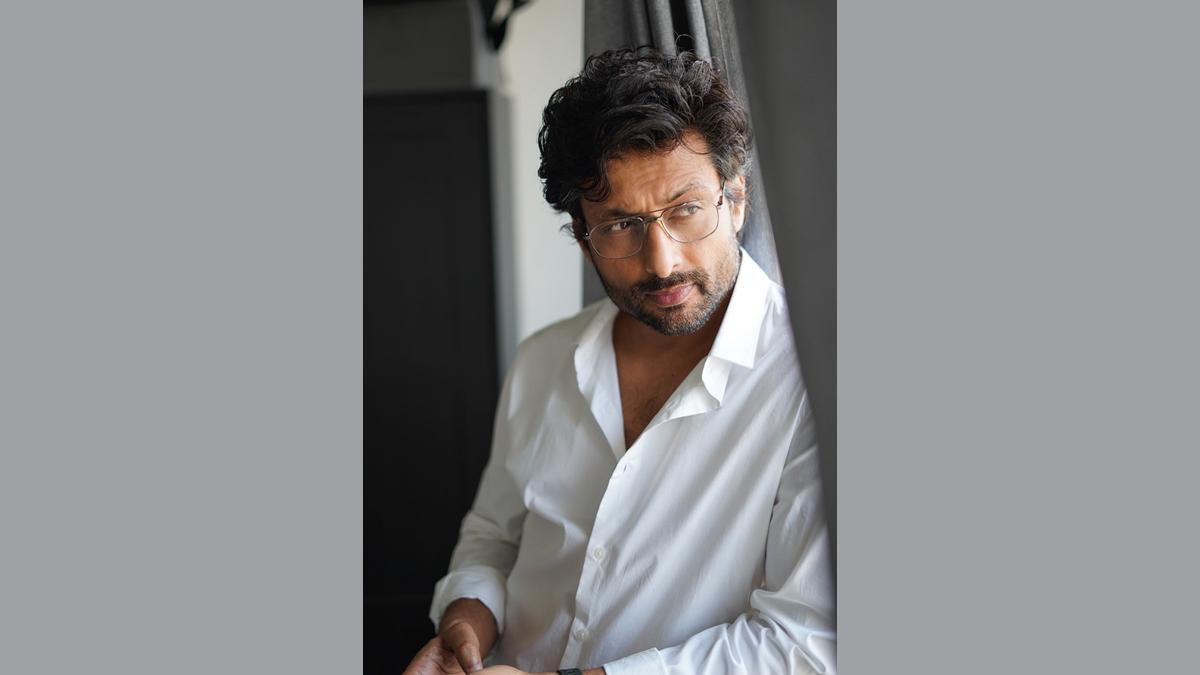
Photograph:
Kind
courtesy
Indraneil
Sengupta/Instagram
There
has
been
a
lot
of
talk
lately
about
Indraneil
Sengupta
and
his
divorce
from
his
wife
of
14
years,
Barkha
Bisht.
But
the
actor
chooses
not
to
focus
on
that
and
instead,
look
at
his
latest
film,
the
Bengali
release
Puratawn,
which
co-stars
Sharmila
Tagore.
“When
I
went
on
the
set
and
met
Sharmilaji
for
the
first
time,
I
was
a
little
apprehensive.
But
she’s
such
a
warm
person
and
that
whole
aura
about
her…
she
made
everyone
feel
comfortable,
so
it
was
very
easy
working
with
her,”
Indraneil
tells
Subhash
K
Jha.
You
have
been
in
the
news
for
a
very
public
divorce.
My
divorce
is
in
court
right
now;
it’s
a
sub
judice
case,
so
I
would
prefer
not
to
talk
about
it.
I
do
not
believe
in
being
vocal
about
things
because
I
do
not
understand
the
concept
of
a
public
trial.
I
choose
to
keep
quiet.

Siddhanth
Kapoor,
Barkha
Bisht,
Indraneil
Sengupta
and
Manjari
Fadnnis
in
Chalti
Rahe
Zindagi.
How
do
you
view
your
journey
as
an
actor
so
far?
I
love
my
journey
in
this
industry
because
I
have
gradually
grown.
I
started
off
as
a
model,
then
I
got
into
acting
because
that
was
the
logical
thing
to
do.
I
never
wanted
to
become
an
actor
but
once
I
started
acting,
I
gradually
started
liking
it
and
the
perks
that
come
with
it.
But
I
was
not
really
into
the
craft
of
acting
till
a
very
later
stage
in
life.
I
guess
in
the
last
five-six
years,
I
have
really
got
hooked
on
to
the
art
and
have
been
exploring
it
much
more.
I
am
loving
this
phase
of
my
life.
I
get
to
explore
so
much;
I
am
at
the
best
stage
of
my
life
now.
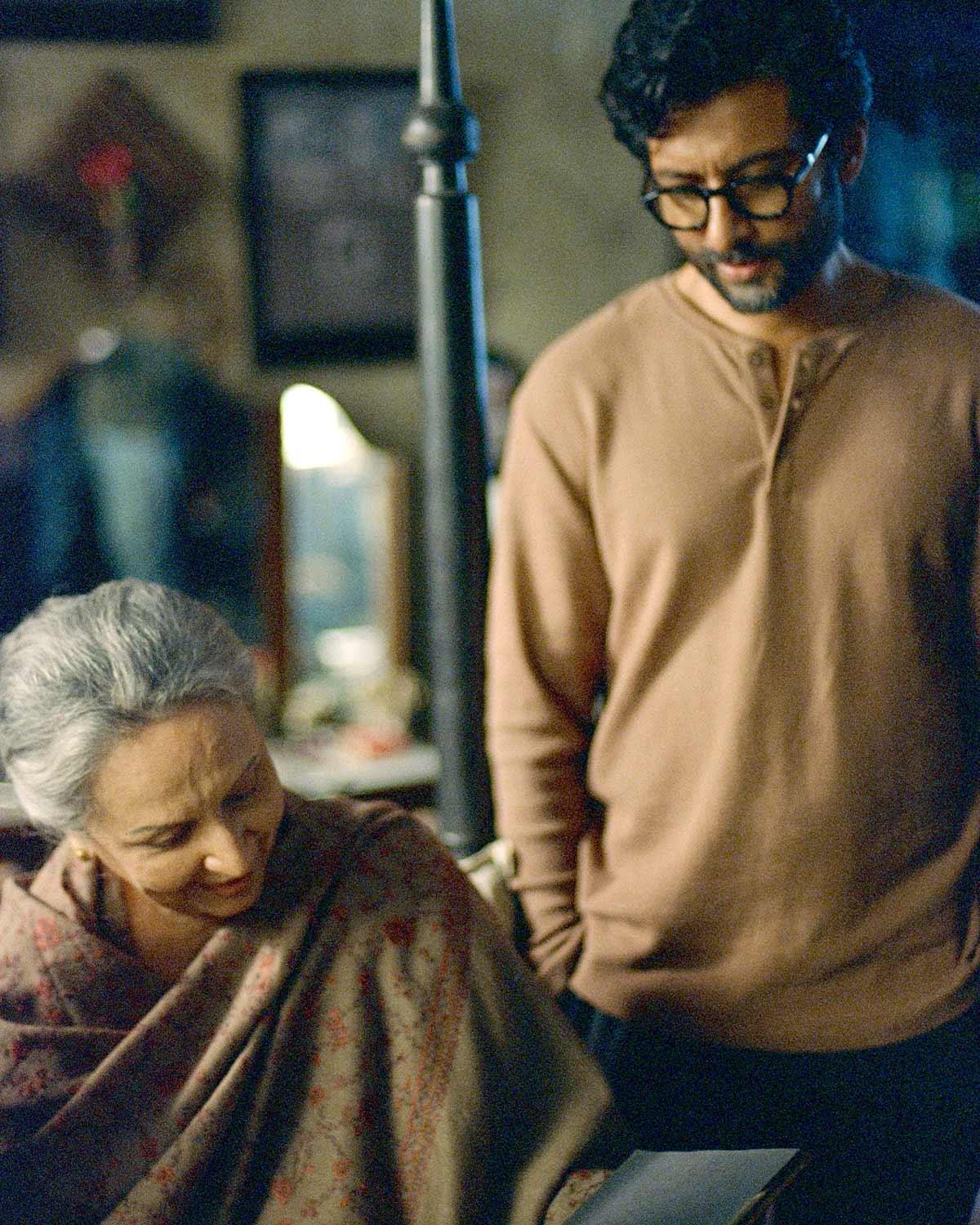
Indraneil
Sengupta
with
Sharmila
Tagore
in
Puratawn.
Photograph:
Kind
courtesy
Indraneil
Sengupta/Instagram
How
did
you
bag
this
role
in
Puratawn?
Director
Suman
Ghosh
called
and
said
that
he
wanted
to
narrate
a
script
to
me.
I
landed
up
at
his
place
and
then
he
narrated
this
beautiful
script,
which
had
this
amazing
character
called
Rajeev.
I
thought
I
would
fit
into
this
role.
In
addition
to
that,
he
told
me
that
Rituparna
Sengupta’s
company
is
producing
it.
I
was
excited
about
that
too
because
I
have
collaborated
with
Ritu
on
about
six
films
and
it
has
always
been
a
pleasant
experience
to
work
with
her.
How
was
the
experience
of
working
with
Sharmila
Tagore?
The
final
‘carrot’
came
my
way
when
he
told
me
that
Sharmilaji
will
be
making
a
comeback
into
Bengali
films
after
14
years
with
this.
I
was
thrilled
to
know
that
I
would
be
a
part
of
her
comeback
film.
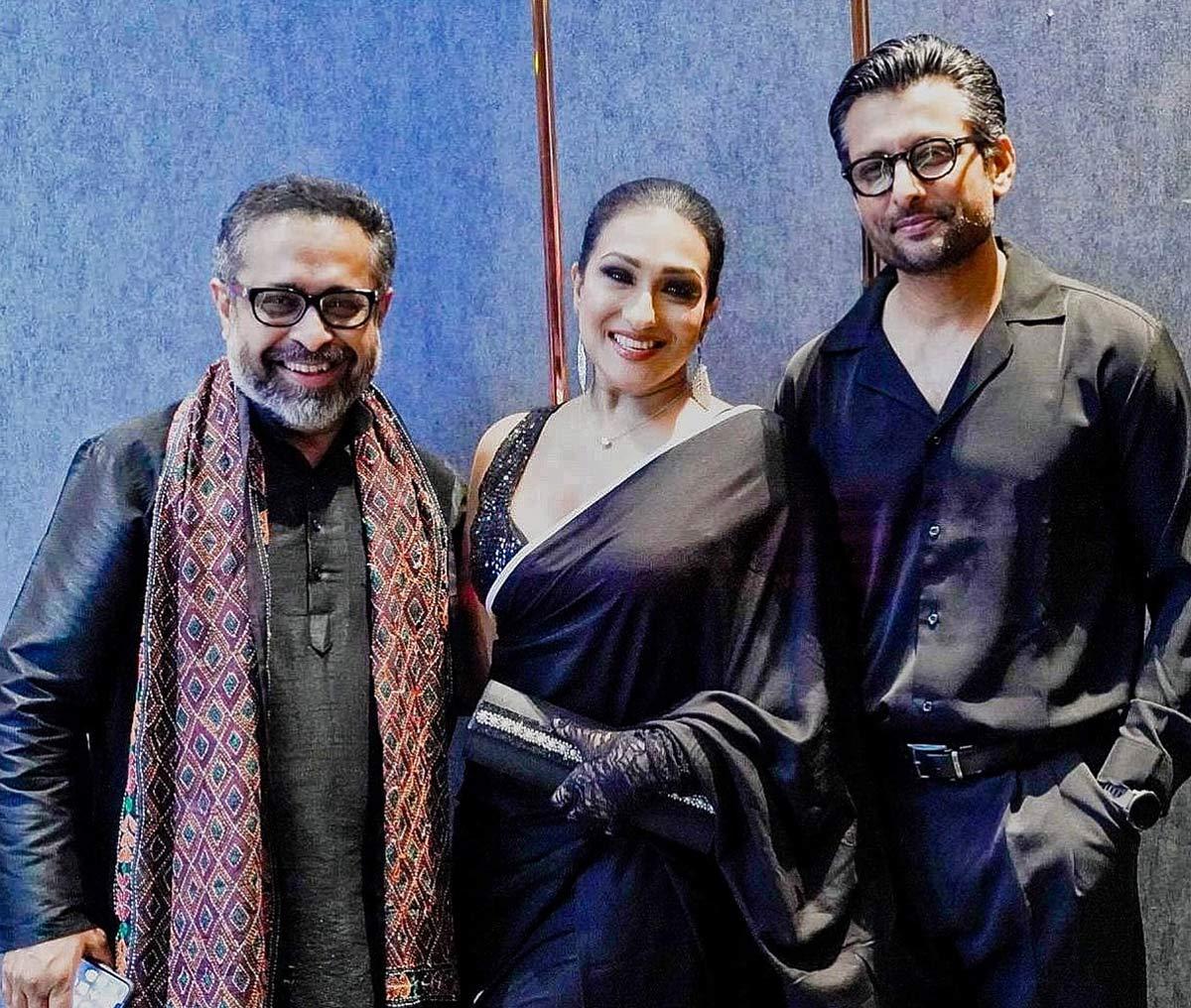
Indraneil
Sengupta
with
Rituparna
Sengupta
and
Director
Suman
Ghosh.
Photograph:
Kind
courtesy
Indraneil
Sengupta/Instagram
Most
of
your
scenes
are
with
Sharmilaji
and
Rituparna.
That
must
have
made
Puratawan
a
happy
experience?
Yes.
When
I
went
on
set
and
met
Sharmilaji
for
the
first
time,
I
was
a
little
apprehensive.
But
she’s
such
a
warm
person
and
that
whole
aura
about
her…
she
made
everyone
feel
comfortable,
so
it
was
very
easy
working
with
her.
I
think
actors
thrive
in
that
environment
which
Sharmilaji
provides
by
being
so
nice.
Which
of
your
projects
so
far
do
you
consider
to
be
important?
I
have
done
quite
a
few
projects
in
Hindi
and
Bengali,
one
in
Marathi
as
well.
The
Hindi
projects
that
I
have
been
associated
with
and
would
be
most
remembered
are
Sujoy
Ghosh’s
Kahaani
and
Anubhuti
Kashyap’s
Dr
G.
Vikram
Bhatt’s
1920
was
one
of
the
earlier
films
that
I
did.
I
have
done
quite
a
bit
of
OTT
like
Human
on
JioHotstar,
Aranyak
on
Netflix,
Broken
News
on
ZEE5,
Aarya
on
JioHotstar
and
a
few
more.
These
are
the
memorable
ones
that
I
have
really
enjoyed.
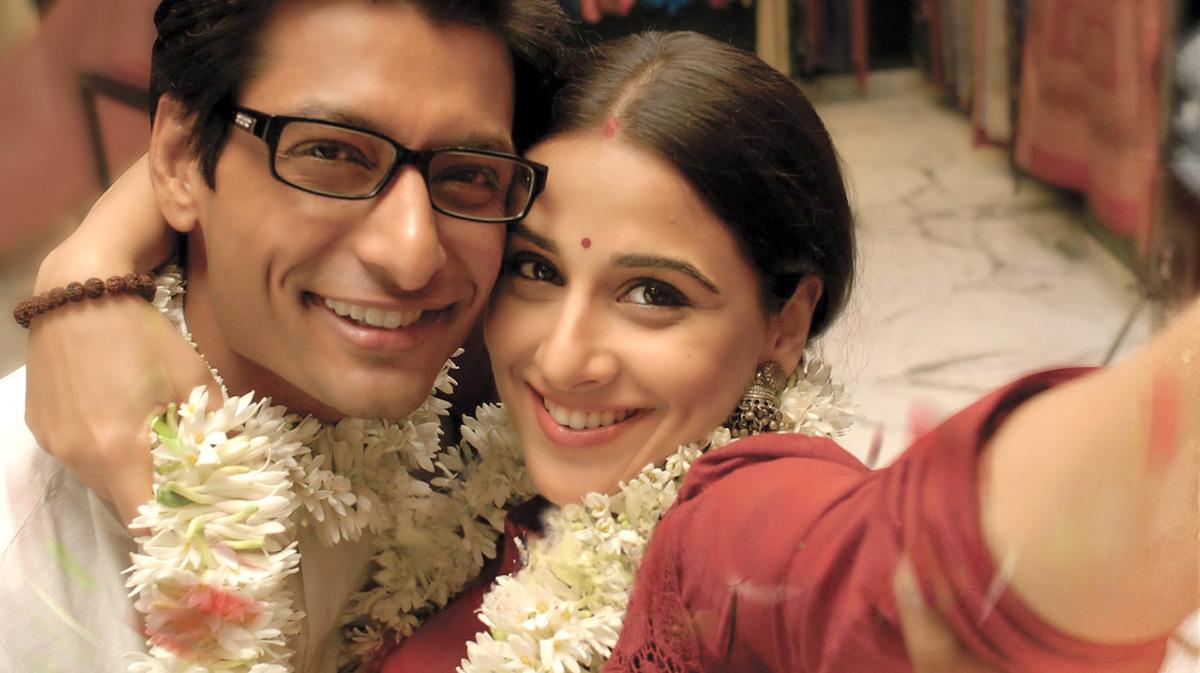
Indraneil
Sengupta
with
Vidya
Balan
in
Kahaani.
And
in
Bengali?
In
Bengali,
I
have
done
a
lot
of
good
films.
The
ones
really
mentionable
would
be
Arekti
Premer
Golpo,
directed
by
Kaushik
Ganguly
and
co-starring
Ritupurno
Ghosh.
Then
there
was
Srijit
Mukherjee’s
Autograph
and
Mishor
Rohoshyo
as
well
as
Buddhadev
Dasgupta’s
Janala.
Purawatan
is
one
of
the
biggest
films
I
have
been
a
part
of.
It’s
a
very
important
film
for
me
in
terms
of
the
performance
that
Suman
Ghosh
has
been
able
to
extract
out
of
me,
plus
the
space
the
film
has
given
me,
the
audience
it
has
reached
out
to.
Tell
us
about
your
forthcoming
projects.
I
have
done
a
film
directed
by
Tannishtha
Chatterjee,
co-starring
Kirti
Kulhari,
Sharib
Hashmi
and
Monica
Dogra.
The
post-production
is
over
and
now
they
are
looking
at
a
festival
release.
I
am
keen
on
seeing
how
the
audience
takes
it.
I
have
a
film
with
Ajay
Devgn
Production,
which
will
probably
release
in
a
month
or
two.
It’s
called
Maa
and
Kajol
is
the
protagonist.
There
is
a
Bengali
film
called
Goodbye
Mountain,
with
Rituparna.
It
may
be
out
in
a
month
or
so.
I
did
a
Netflix
film
called
Chor
Nikal
Ke
Bhaaga
a
couple
of
years
back.
There
will
be
a
sequel
to
it;
we
will
start
shooting
in
September-October.
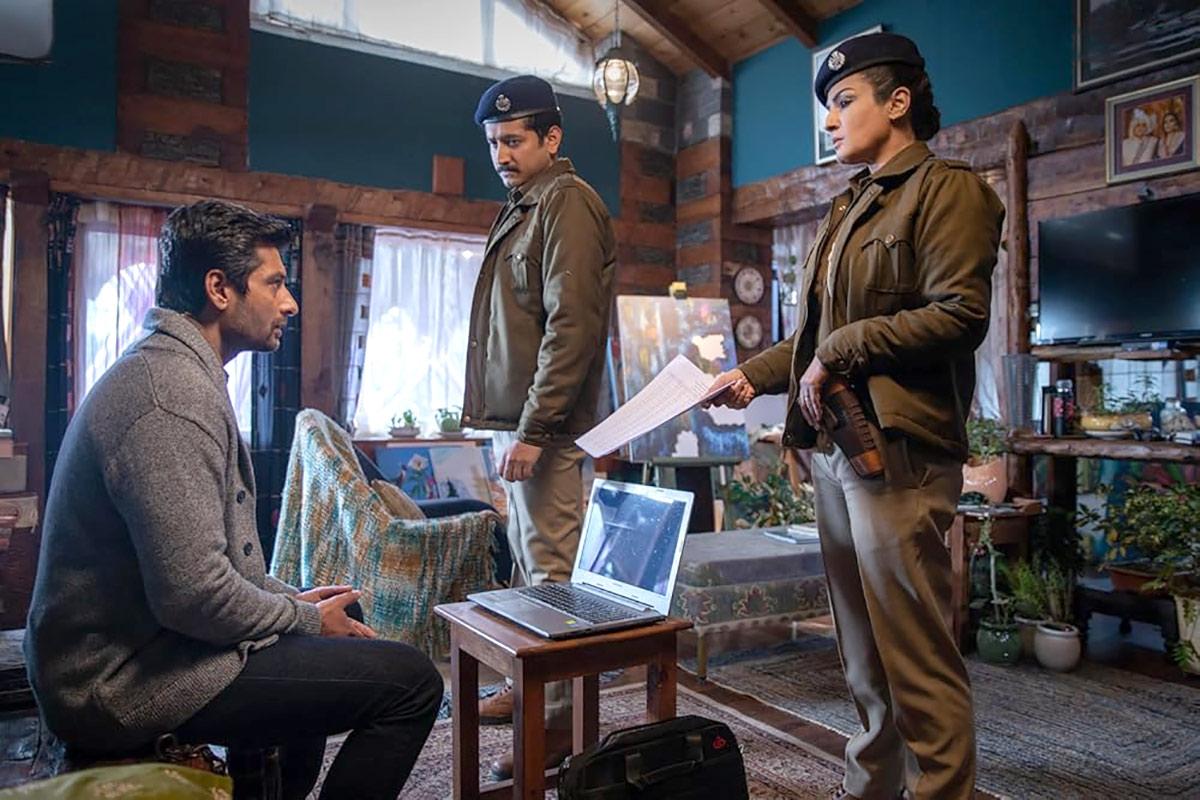
Indraneil
Sengupta
with
Parambrata
Chatterjee
and
Raveena
Tandon
in
Aranyak.
You
have
been
a
part
of
television,
cinema
and
OTT.
Which
platform
do
you
enjoy
the
most?
Every
platform
that
I
have
worked
on
has
given
me
something,
be
it
television,
cinema
or
OTT.
But
I
have
always
maintained
that
I
liked
cinema
the
most
because
it
provides
you
with
that
space
and
that
luxury
of
time
to
delve
into
characters,
to
work
on
roles
more,
to
get
into
the
nuances
of
a
character
or
a
scene.
Television
doesn’t
give
you
that
because
it
is
constrained
by
deadlines
and
budgets.
You
have
to
churn
out
episodes,
so
you
do
not
get
much
time
to
get
into
details.
But
cinema
also
has
limited
scope
because
there
are
so
many
actors
but
only
a
particular
number
of
films
are
being
made
in
a
year.
So
the
number
of
actors
getting
absorbed
may
be
a
little
lesser
than
how
much
television
absorbs
throughout
the
year.
I
guess
OTT
gives
you
the
best
of
both
the
worlds?
OTT
is
the
saving
grace.
It
has
great
content
and
is
comparable
to
cinema
at
times.
There
is
some
OTT
content
that
is
better
than
cinema.
All
the
good
actors
are
doing
it,
so
there
are
good
makers
and
good
quality
work
happening.
I
love
being
an
actor
on
OTT
because
I
get
to
work
with
brilliant
makers,
brilliant
actors
and
learn
everyday.
So
OTT
is
the
most
practical
and
promising
medium
for
me
now.
At
the
same
time,
if
something
nice
and
relevant
in
cinema
is
offered
to
me,
I
would
jump
at
it.
I’m
not
looking
at
television
for
the
time
being
because
I
enjoy
the
other
two
mediums
more.