‘K
Asifsaab
was
very
definite
that
‘woh
Hindustan
ka
honewala
Badshah
hai
—
woh
gana
nahin
gayega.’
Dinesh
Raheja
recalls
a
memorable
encounter
with
Naushad
on
the
legendary
composer’s
19th
death
anniversary
on
May
5.
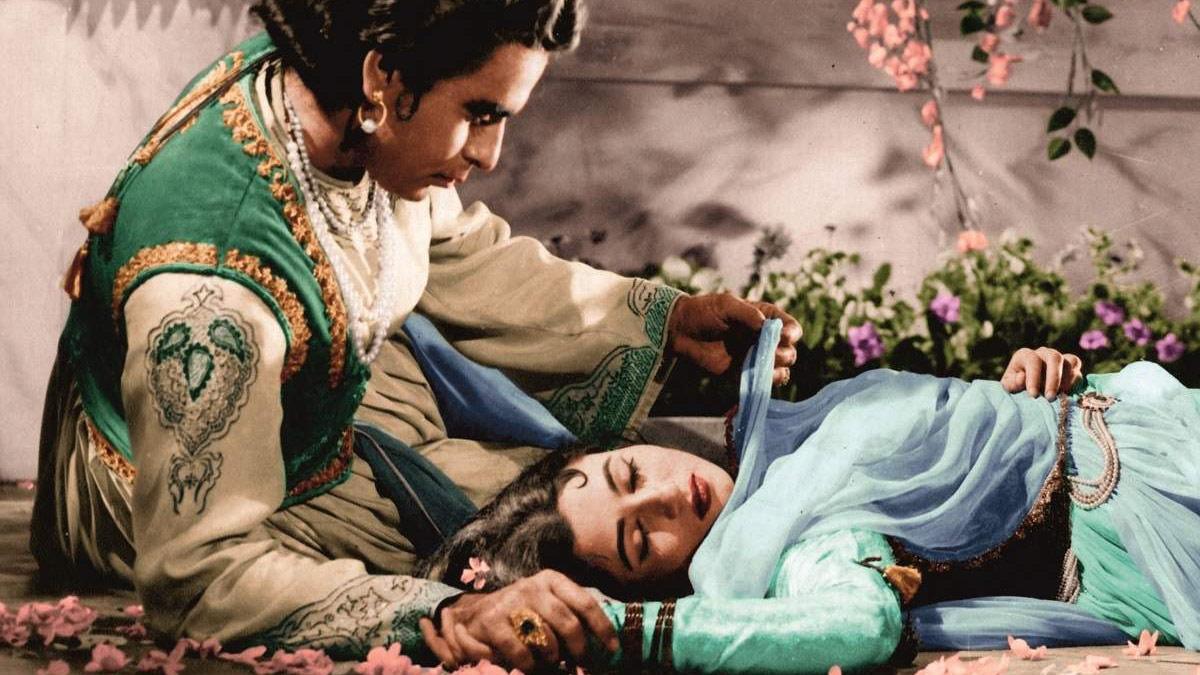
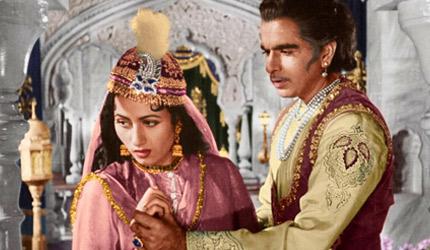
Madhubala
and
Dilip
Kumar
in
Mughal-e-Azam.
When
I
visited
Naushad
at
his
green-fringed
Bandra
bungalow
in
northwest
Mumbai,
circa
2000,
he
was
around
80
years
old.
But
the
life
force
coursed
strongly
through
the
maestro’s
veins.
The
composer
of
landmark
classics
like
Mughal-e-Azam,
Mere
Mehboob,
Mother
India
and
Baiju
Bawra
was
sitting
with
his
harmonium,
trying
out
tunes
and
singing
to
himself.
“I
recorded
some
15,
20
songs
for
Mughal-e-Azam
and
not
all
of
them
were
used
in
the
film.
K
Asifsaab
said,
‘Bhai,
jo
tumhara
dil
chahe
karo.’
Today,
there
are
no
such
producers.
The
one
who
arranges
the
money
feels
he
knows
about
music
too,”
Naushad
said.
At
80,
what
drives
you
to
sit
in
your
music
room
and
compose
tunes
on
your
harmonium?
A
kalakaar
lives
as
long
as
he
is
engrossed
in
creation.
That’s
my
message
for
everybody:
Talaash
mein
raho.
The
day
your
search
ends,
that’s
the
end
of
your
life.
If
you
ask
me
to
name
my
favourite
film
scores
or
my
favourite
songs,
I
will
say
that
it
has
yet
to
come.
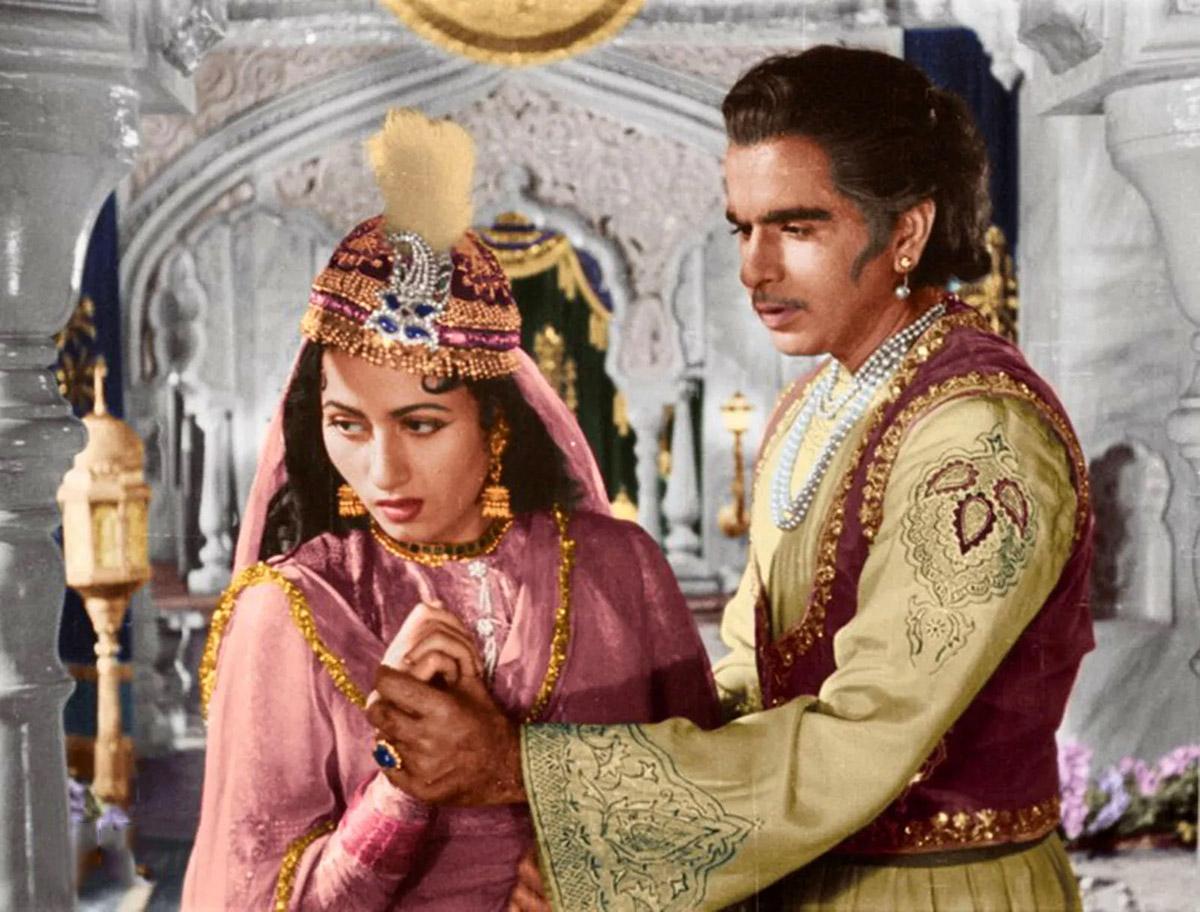
Madhubala
and
Dilip
Kumar
in
Mughal-e-Azam.
Your
body
of
work
is
renowned.
But
why
were
you
so
selective?
I
have
composed
music
for
only
66
films
in
60
years.
Of
these,
26
were
silver
jubilees,
six
were
golden
jubilees
and
four
were
diamond
jubilees.
Today,
composers
work
on
10,
20
films
at
a
time.
I
used
to
devote
15,
20
days
for
each
song
—
sochna,
banana,
mitaana,
phir
banana,
phir
mitaana.
Till
I
was
satisfied.
I
recorded
some
15,
20
songs
for
Mughal-e-Azam
and
not
all
of
them
were
used
in
the
film.
K
Asifsaab
said,
‘Bhai,
jo
tumhara
dil
chahe
karo.’
Today,
there
are
no
such
producers.
The
one
who
arranges
the
money
feels
he
knows
about
music
too.
Were
any
of
the
unused
Mughal-e-Azam
songs
to
be
sung
by
Dilip
Kumar’s
character?
No.
K
Asifsaab
was
very
definite
that
‘woh
Hindustan
ka
honewala
Badshah
hai
—
woh
gana
nahin
gayega.’
I
remember
while
creating
the
song
Jab
Pyar
Kiya
Toh
Darna
Kya,
lyricist
Shakeelsaab
(Shakeel
Badayuni)
and
I
were
locked
in
discussion
in
this
very
bungalow’s
terrace
from
six
in
the
evening
till
the
next
morning
—
without
food.
K
Asifsaab‘s
challenge
was
clear:
Anarkali
has
to
sing
something
which
will
make
Badshah
Akbar
look
like
the
Badshah
from
a
deck
of
playing
cards.
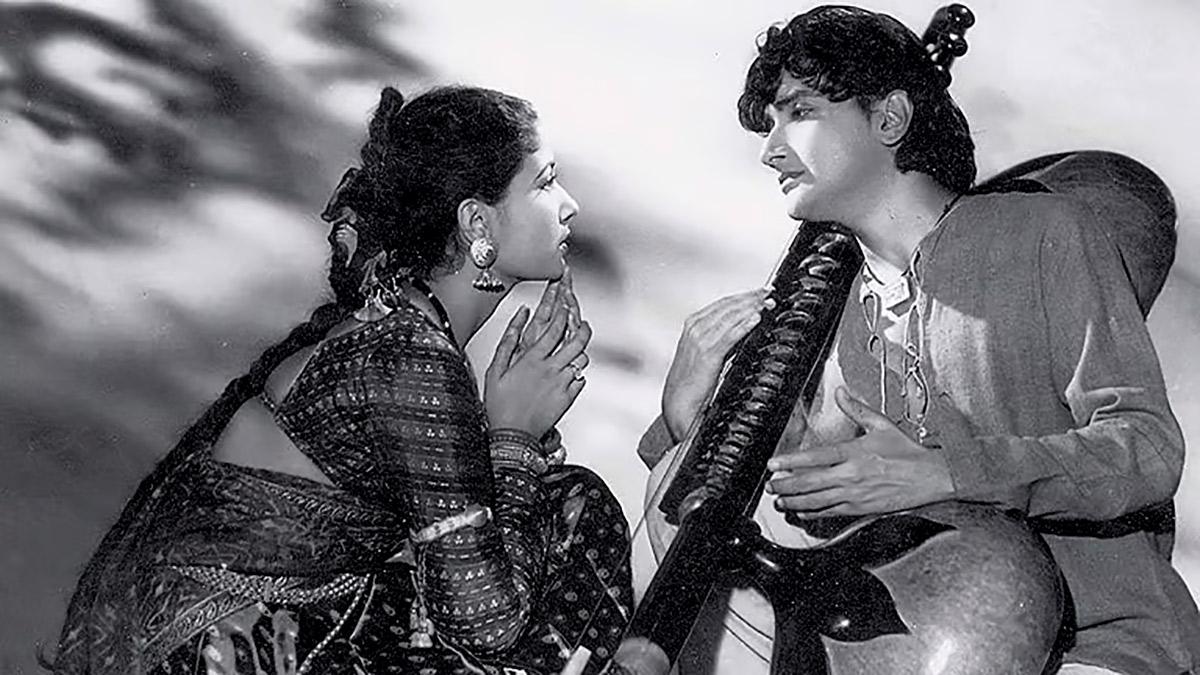
Meena
Kumari
and
Bharat
Bhushan
in
Baiju
Bawra.
Did
you
compose
additional
songs
only
for
the
famously
lavish
Mughal-e-Azam
or
for
other
films
too?
Even
for
Baiju
Bawra,
I
recorded
so
many
songs.
When
Baijnath
(Bharat
Bhushan)
is
leaving
Akbar’s
darbar,
the
latter
offers
to
make
him
the
court
singer
but
he
refuses
because
Gauri
(Meena
Kumari)
is
waiting
for
him
back
in
the
village.
That’s
when
Akbar
asks
Tansen
to
stop
Baijnath
with
a
song.
It
was
a
very
difficult
piece
of
music
and
I
had
it
sung
by
Amir
Khansaab.
But
the
film
had
to
be
trimmed
and
it
was
deleted.
Have
you
kept
a
recording
of
that
song?
No.
At
that
time,
it
was
directly
on
film.
There
was
no
recording,
no
tape.
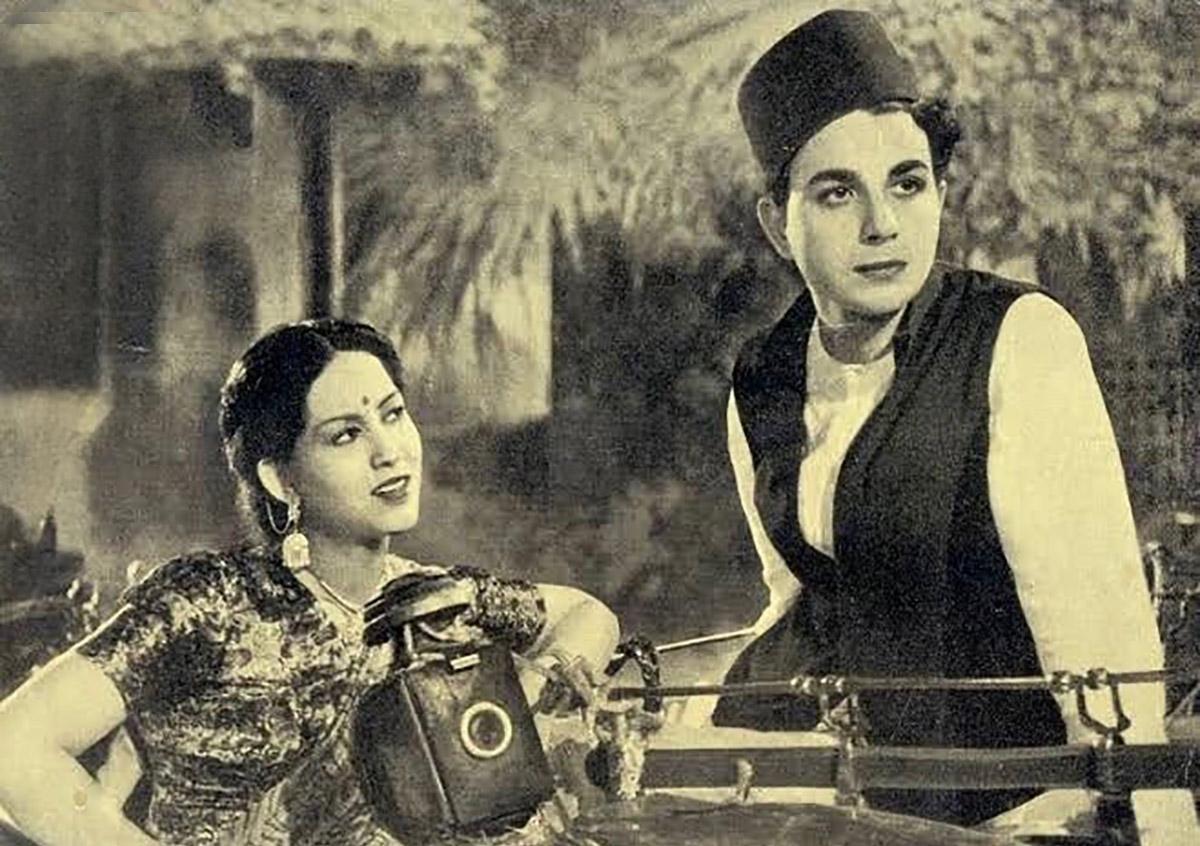
Swaran
Lata
and
Karan
Dewan
in
Rattan.
Photograph:
Kind
courtesy
Film
History
Pics/X
That’s
such
a
loss.
Your
association
with
Prakash
Studios
goes
back
from
the
Station
Master
(1942)
days
till
Baiju
Bawra.
Jee.
Vijay
Bhattsaab
and
I
sat
together
for
six
months
discussing
the
story
of
Baiju
Bawra,
the
situations
for
the
songs
so
that
they
appeared
integral
to
the
story.
Some
characters
like
the
dacoit
ladki
(played
by
Kuldeep
Kaur)
were
created.
We
worked
hard
not
because
we
wanted
to
make
enormous
amounts
of
money
but
because
of
our
desire
to
create
something
worthwhile.
Let’s
rewind
even
further.
I
believe
the
1944
blockbuster
Rattan
was
the
first
turning
point
in
your
career.
Yes,
Rattan‘s
music
was
very
popular.
But
I
had
already
scored
for
jubilees
like
Kardar
Productions’
Sharda
and
Prakash
Studios’
Station
Master.
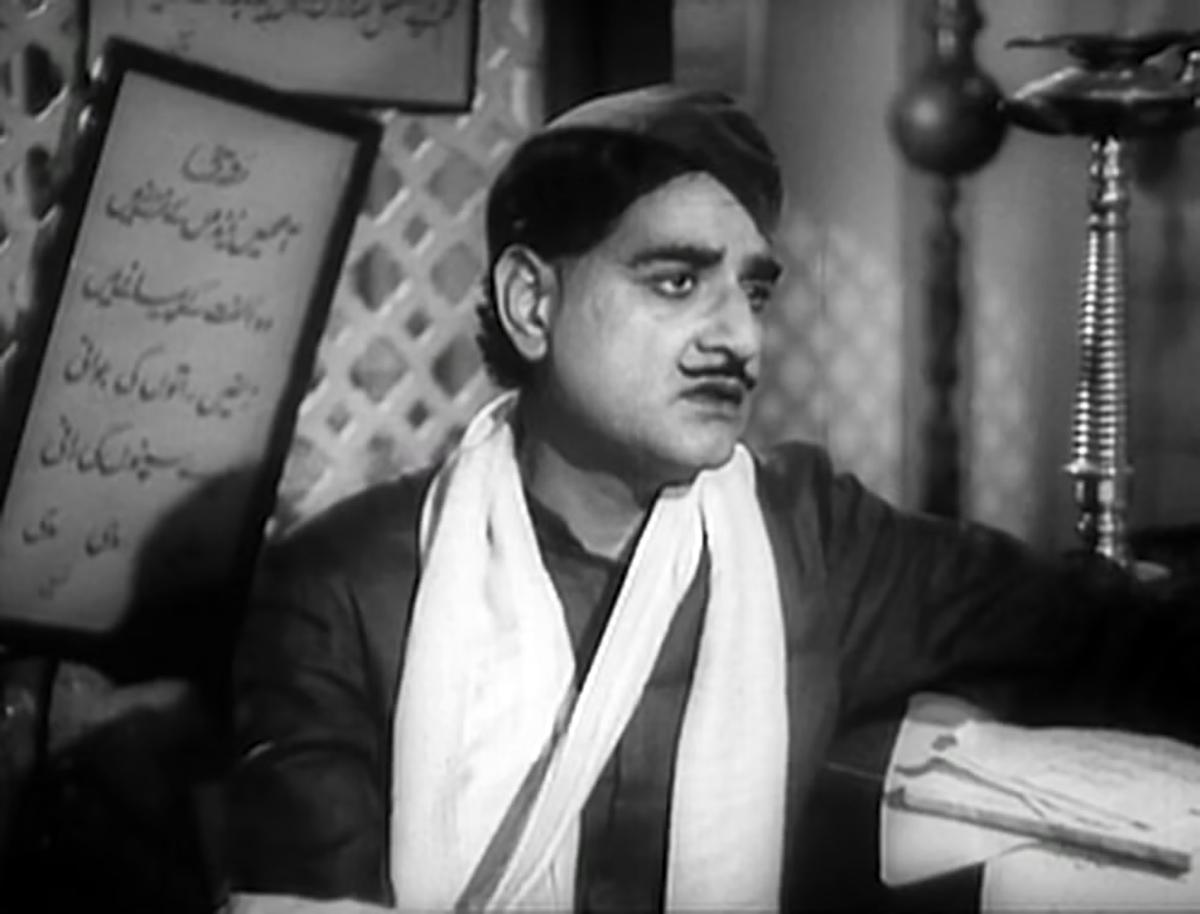
K
L
Saigal
in
the
song
Jab
Dil
Hi
Toot
Gaya
from
Shahjehan.
Tell
us
about
K
L
Saigal
singing
your
immortal
Shahjehan
(1946)
composition,
Jab
Dil
Hi
Toot
Gaya.
I
did
just
one
film
with
Saigalsaab
and
he
died
soon
thereafter.
Aur
doosra
Saigal
paida
nahin
hua.
I
had
seen
his
performance
in
Devdas
(1935)
when
I
was
growing
up
in
Lucknow.
Saigalsaab
had
an
individualistic
style
of
singing.
Lage
ke
hum
kahin
baithe
ga
rahe
hai,
yeh
nahin
ke
cheekh
rahe
hai.
Low
octave
mein.
At
the
same
time,
he
had
a
very
extensive
range
and
could
go
high
as
well.
Woh
itne
popular
huey,
ke
Saigal
amar
ho
gaye.
When
Saigal
met
me,
he
was
very
ill
and
there
was
a
doctor
constantly
attending
to
him.
One
day,
at
rehearsals,
he
told
me
that
an
industrialist
had
offered
him
Rs
25,000
to
sing
for
an
hour
at
a
function.
I
said,
‘Kundanlalji,
mubarak
ho.’
Those
days
hero-heroines
were
not
paid
Rs
25,000
for
a
whole
film.
Just
then,
one
lightman
came
and
invited
him
to
his
daughter’s
wedding.
That
evening,
Saigal
didn’t
go
and
collect
Rs
25,000
but
went
instead
to
the
wedding
function
of
that
poor
man
and
sang
Babul
Mora
Nahiyar
Chhuto
Hi
Jaaye.
Yeh
Saigal
ki
insaniyat
thi.
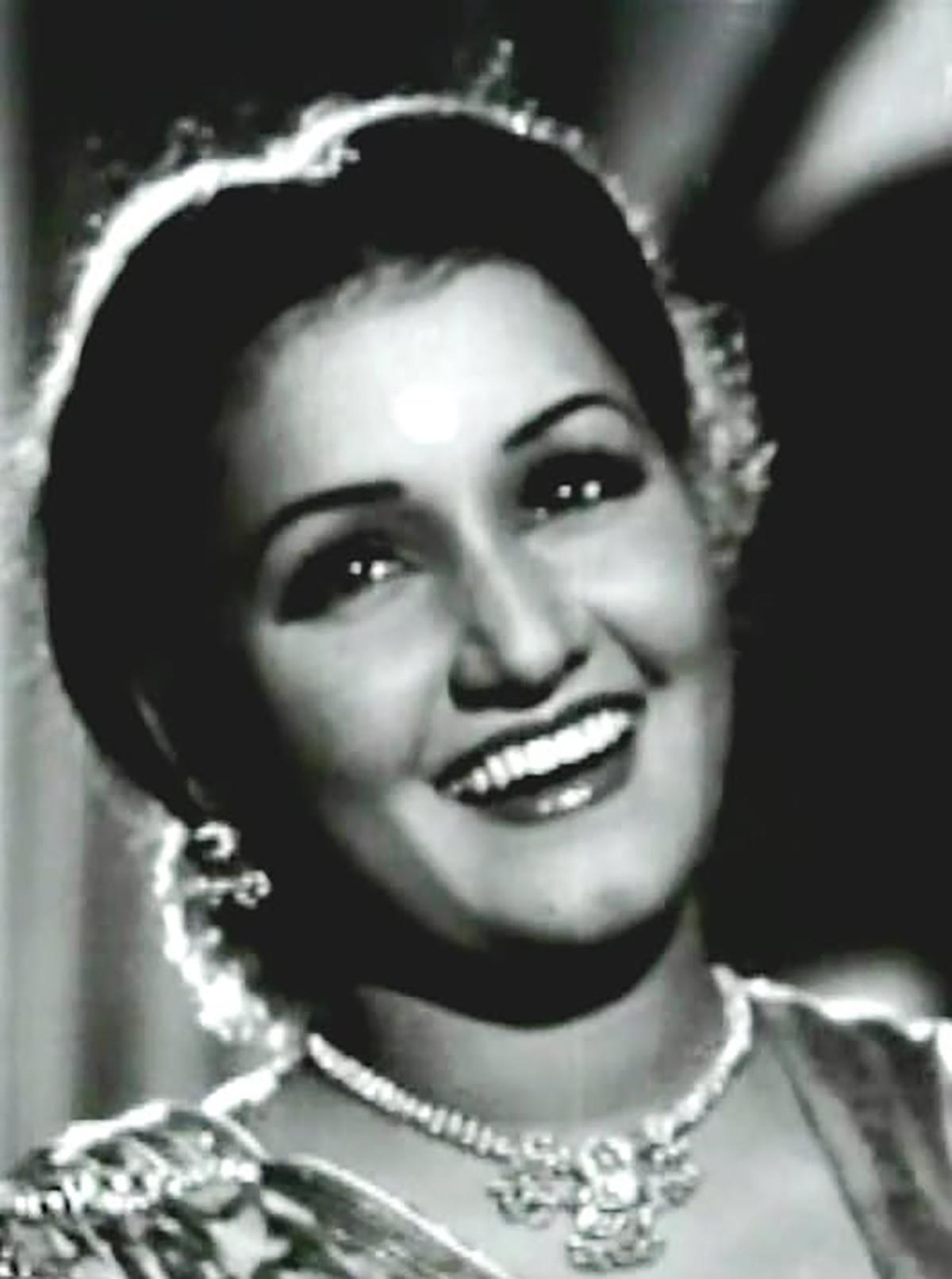
Noor
Jehan
in
Anmol
Ghadi.
Another
1940s
singer
you
created
memorable
songs
with
was
Noor
Jehan
in
Anmol
Ghadi
(1946).
She
had
magic
in
her
voice.
Whenever
she
used
to
do
stage
shows,
she
would
begin
with
my
Anmol
Ghadi
composition,
Awaaz
De
Kahan
Hai.
Wasn’t
Anmol
Ghadi‘s
other
singer-actress,
Suraiya,
introduced
by
you?
Suraiya
ko
hum
laaye.
She
did
a
small
girl’s
role
in
Station
Master
and
then
lent
her
voice
to
a
children’
s
song
about
bootpolishwaale.
She
was
so
young,
she
had
to
stand
on
a
stool
and
sing.
I
also
got
Latabai‘s
brother
Hridayanath
Mangeshkar
to
sing
his
first
songs
in
Deewana
(1952)
and
for
the
young
Baiju
in
Baiju
Bawra.
He
too
had
to
stand
on
a
stool
and
sing.
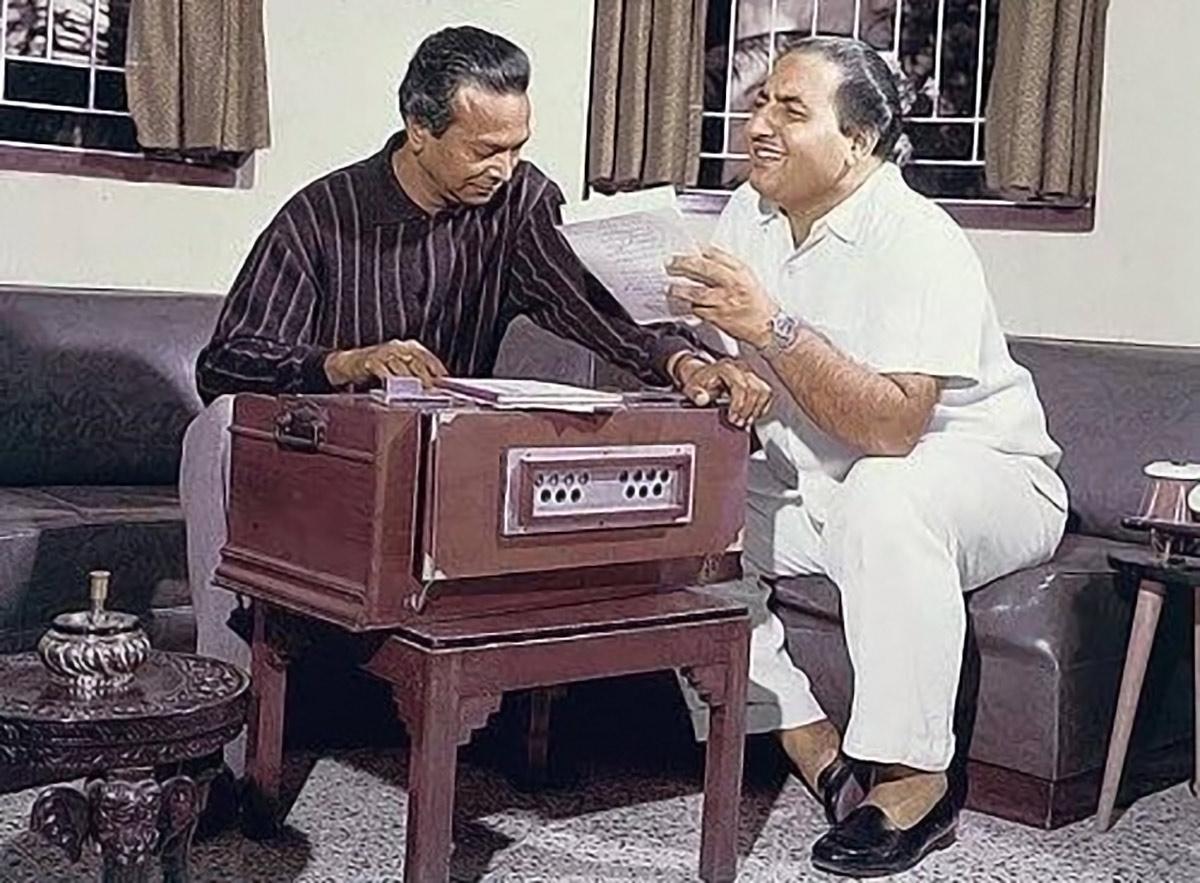
Naushad
and
Mohammed
Rafi
at
a
music
session.
Photograph:
Kind
courtesy
Film
History
Pics/X
Mohammed
Rafi
was
a
long-time
favourite
of
yours.
Mohammed
Rafi
sang
his
first
film
song
with
me,
in
a
chorus.
He
was
paid
Rs
10
for
that.
The
film
was
Pehle
Aap
(1944).
Bahut
sharmile
the.
Bahut
shareef
aadmi
the.
I
said
your
voice
is
good
but
right
now,
I
can
offer
you
only
a
chorus
song.
The
song
Hindustan
Ke
Hum
Hai
Hindustan
Hamara
was
a
military
song
and
we
needed
the
sound
of
the
marching.
Those
days,
there
was
no
re-recording
or
mixing.
So
we
bought
old
shoes
from
Chor
Bazaar
and
made
all
the
singers,
including
Rafi,
wear
them.
And
then
we
did
the
rehearsals,
pairon
mein
chale
pad
gaye
the
unke.
Later,
I
gave
him
a
solo
song
in
Anmol
Ghadi,
Tera
Khilona
Toota.
For
that,
he
got
paid
Rs
15.
Thereafter,
we
continued.
Rafi
can
never
be
forgotten.
You
made
Rafi
sing
for
Raj
Kapoor
and
Mukesh
sing
for
Dilip
Kumar
in
Andaaz
(1949).
Yes.
But
that
time,
the
insistence
on
a
certain
playback
had
not
started.
It
started
later;
take
only
Mukesh
or
Rafi
or
Lata.
When
that
happened,
new
singers
stopped
getting
breaks.
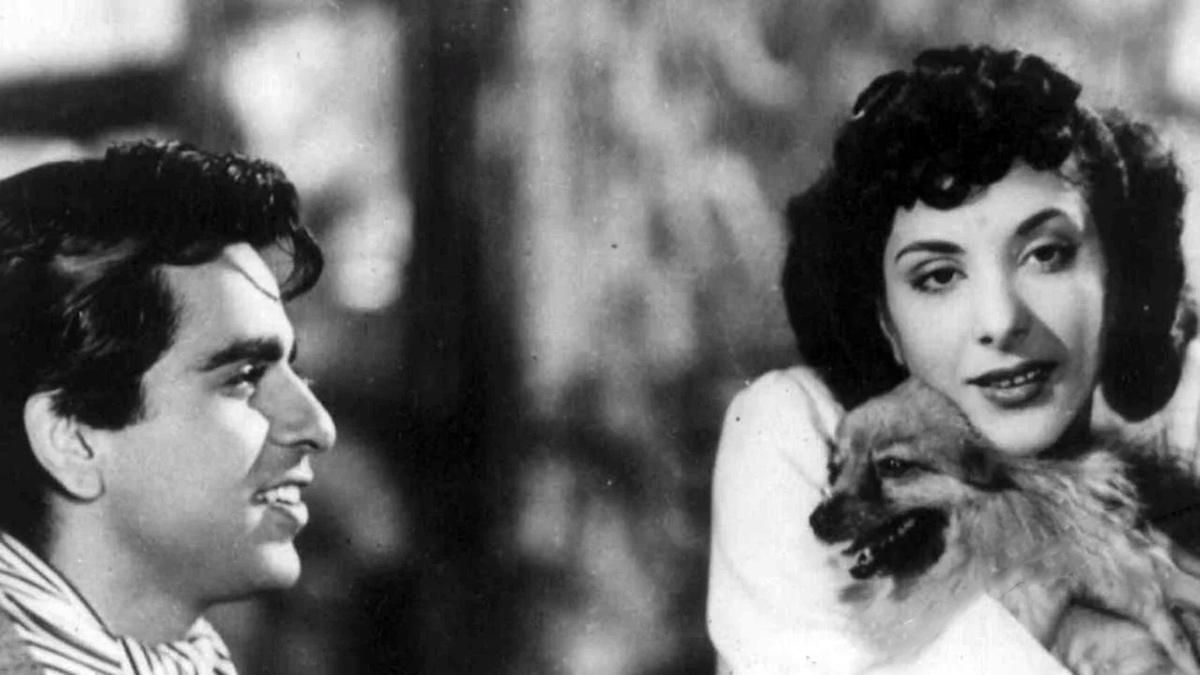
Dilip
Kumar
and
Nargis
in
Babul.
Talat
Mehmood
sang
some
wonderful
songs
for
you
in
Babul
(1950).
Why
didn’t
you
utilise
his
voice
subsequently?
That’s
because
stars
started
insisting
on
certain
singers.
I
had
even
recorded
Talat’s
voice
in
a
couple
of
films
in
the
1960s
but
thereafter,
the
hero
and
the
producer
insisted
we
use
Rafi’s
voice.
I
was
majboor
and
Talatsaab
was
a
little
cross
with
me.
But
I
explained
that
I
wasn’t
the
producer
of
the
film.
I
was
the
producer
of
Babul,
so
I
could
insist
on
using
his
voice.
You
witnessed
Lata
Mangeshkar’s
ascent.
Did
her
creative
zeal
continue
even
after
she
became
immensely
famous?
You
know,
during
the
recording
of
the
Amar
(1954)
song,
Na
Milta
Gham,
Lata
couldn’t
get
one
antara
exactly
right
and
she
insisted
on
trying
again
and
again
for
17
takes
till
she
finally
fainted
in
exhaustion.
When
she
regained
consciousness,
the
first
thing
she
wanted
was
to
sing
again.
And
she
did,
till
she
got
it
right.