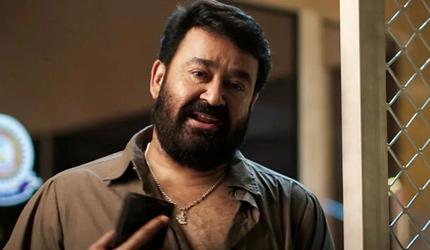
The
similarities
between
the
two
movies
may
be
striking
but
where
there
differ
is
in
the
way
each
focuses
your
curiosity,
observes
Sreehari
Nair.
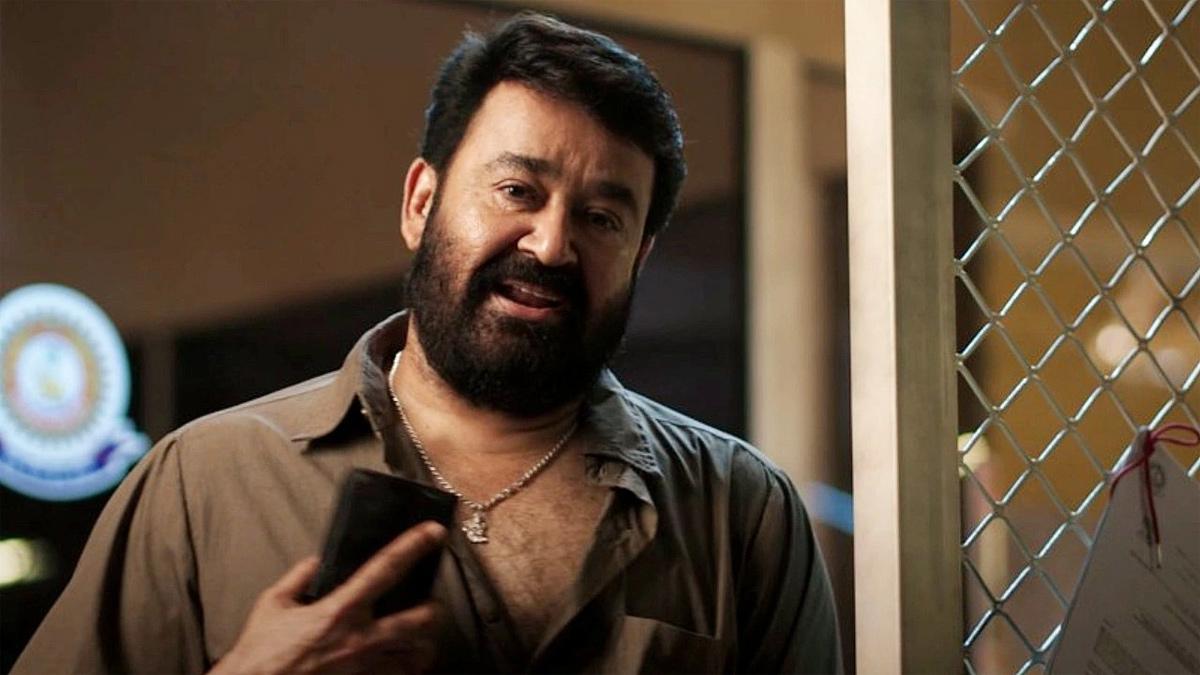
Mohanlal
in
Thudarum.
While
you
may
be
tempted
to
think
of
Drishyam
and
Thudarum
as
‘blood
brothers’,
there’s
a
crucial
difference
between
the
two
movies
that
makes
them
genealogically
distinct.
But
before
I
get
to
that,
let
us
first
try
to
understand
why
you
may
feel
the
urge
to
bundle
them
together,
and
let
us
enquire
beyond
the
modest
observation
that
both
movies
involve
Mohanlal,
a
family
in
crisis,
a
crime
and
the
treacherous
hand
of
the
law.
It’s
fair
to
say
that
Drishyam
and
Thudarum
work
on
us
in
the
same
insidious
fashion.
They
are
carefully
constructed
so
that
we
start
replaying
their
little
moments
in
our
heads
as
soon
as
their
final
frames
have
faded
to
black.
Once
you
have
been
released
from
their
vice-like
grips,
you
think
back
to
a
stare
or
a
smile,
to
a
seemingly
harmless
remark
or
an
innocent
question.
(The
civil
contractor
in
Drishyam
had
no
idea
what
he
was
getting
into,
did
he?)
The
significance
of
certain
asides
comes
to
you
belatedly.
Only
in
retrospect
do
you
grasp
that
a
character’s
bizarre
reactions
were
indicative
of
a
larger
narrative
point.
(In
Thudarum,
Binu
Pappu
serves
up
at
least
half
a
dozen
such
reactions.)
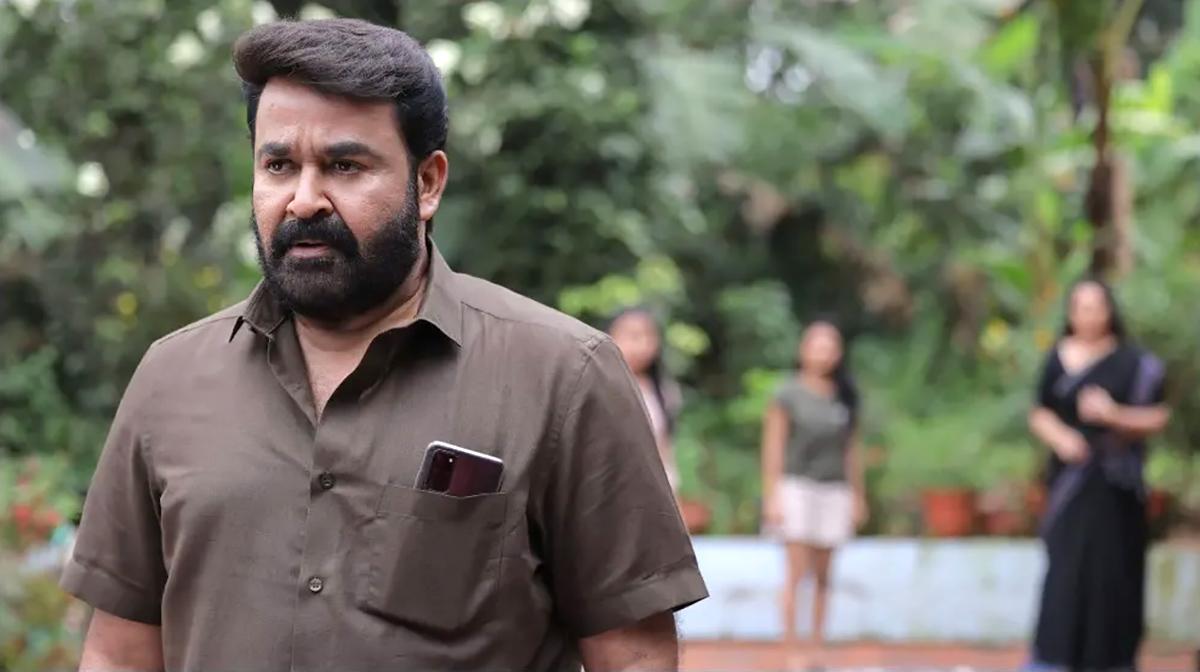
Mohanlal
in
Drishyam.
Yes,
Drishyam
and
Thudarum
are
both
plot-heavy
contraptions.
In
fact,
I
would
go
so
far
as
to
say
that
the
complete
lack
of
visual
sophistication
in
these
movies
is
a
big
reason
for
their
success.
Give
the
audience
something
resembling
a
‘true
crime’
story,
allow
them
the
freedom
to
put
two
and
two
together,
and
who
cares
if
your
movie
looks
like
a
movie
or
one
of
them
afternoon
soaps?
Though
such
slapdashery
may
be
expected
of
Jeethu
Joseph,
I
doubt
if
admirers
of
Tharun
Moorthy’s
first
two
films
can
ignore
the
anomaly
on
display
here.
Fans
of
Operation
Java
and
Saudi
Vellakka
would
recall
that
the
distinctive
look
of
those
movies
(the
mellow
streetlights,
the
briny
confessional
sessions,
the
wash
of
spontaneous
faces)
was
part
of
their
feeling
tone.
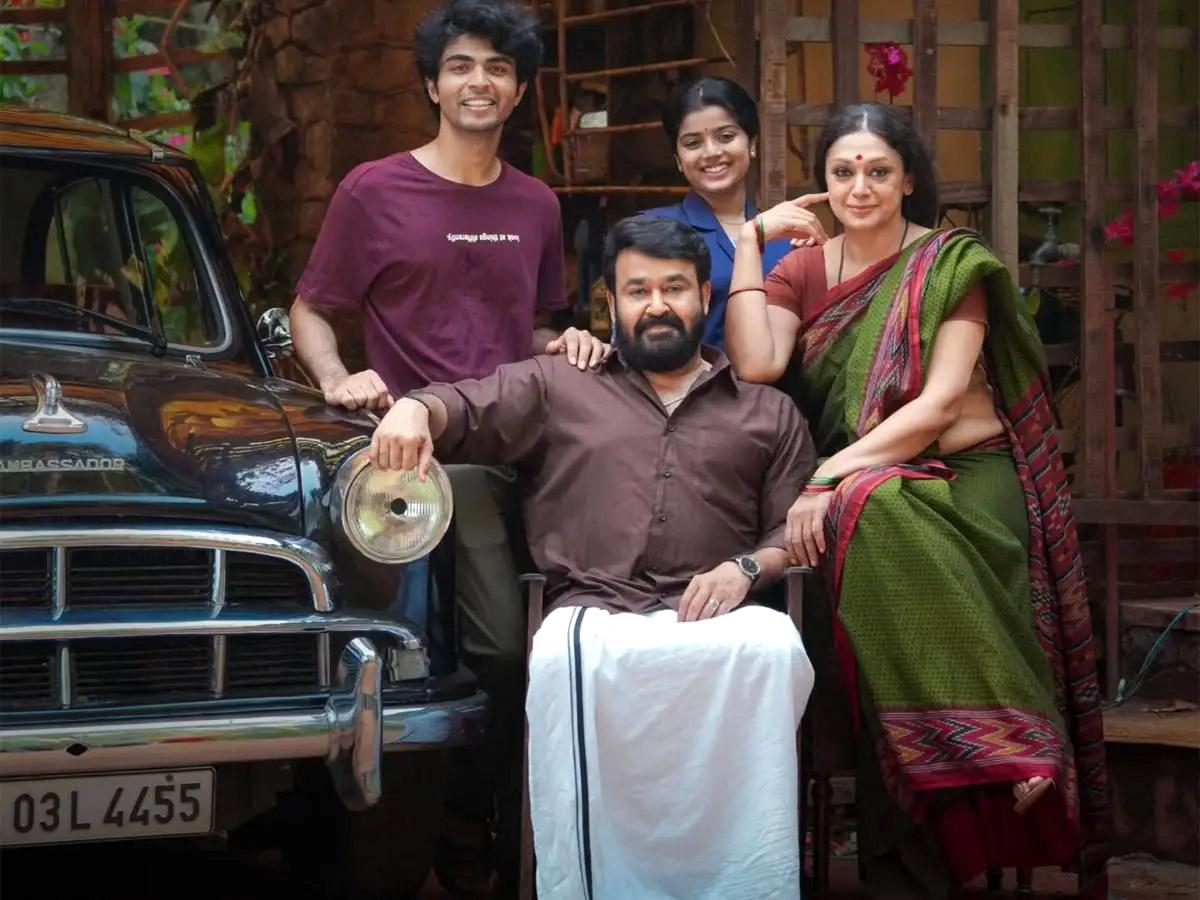
Mohanlal,
Shobhana,
Thomas
Mathew,
Amritha
Varshini
in
Thudarum.
This
time,
however,
Moorthy
has
concocted
a
movie
in
which
his
cinematographer
and
his
production
designer
seem
utterly
dispensable
in
the
face
of
the
big
twists,
the
dark
reveals,
and
those
67
or
so
references
that
the
story
is
stuffed
with.
Even
the
manner
in
which
certain
shots
are
spliced
together
suggests
that
‘absence
of
imagination’
can
be
overlooked
so
long
as
‘Mohanlal’s
plight’
is
effectively
underscored.
(There
are
very
few
Indian
actors
who
enjoy
the
kind
of
goodwill
that
our
dearest
Lalettan
does
—
let’s
bow
down
to
his
‘stardom’,
and
shed
tears
for
the
‘artist’!).
These
similarities
may
be
striking
but
where
the
two
movies
differ
from
each
other
is
in
the
way
each
focuses
your
curiosity.
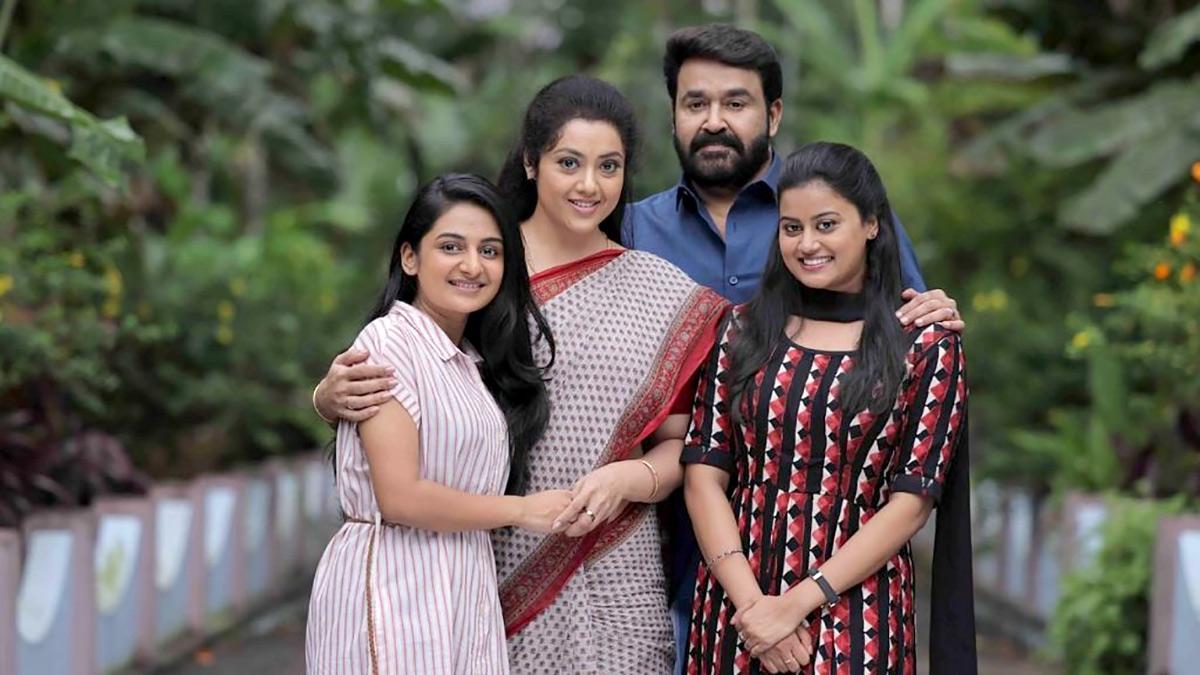
Mohanlal,
Meena,
Esther
Anil,
Ansiba
in
Drishyam.
When
you
walk
out
of
Drishyam,
you
walk
out
thinking
about
the
character
played
by
Mohanlal.
You
wonder
how
the
illiterate
orphan
came
to
be
such
a
crafty
fox,
how
he
must
have
developed
his
circuitous
mind
and
his
resources
of
cunning,
and
all
this
through
his
love
of
cinema.
When
you
mull
over
the
origins
of
such
a
character,
it
feels
no
more
disagreeable
than
going
on
the
trail
of
a
raffish
hero
who
lives
by
his
wits.
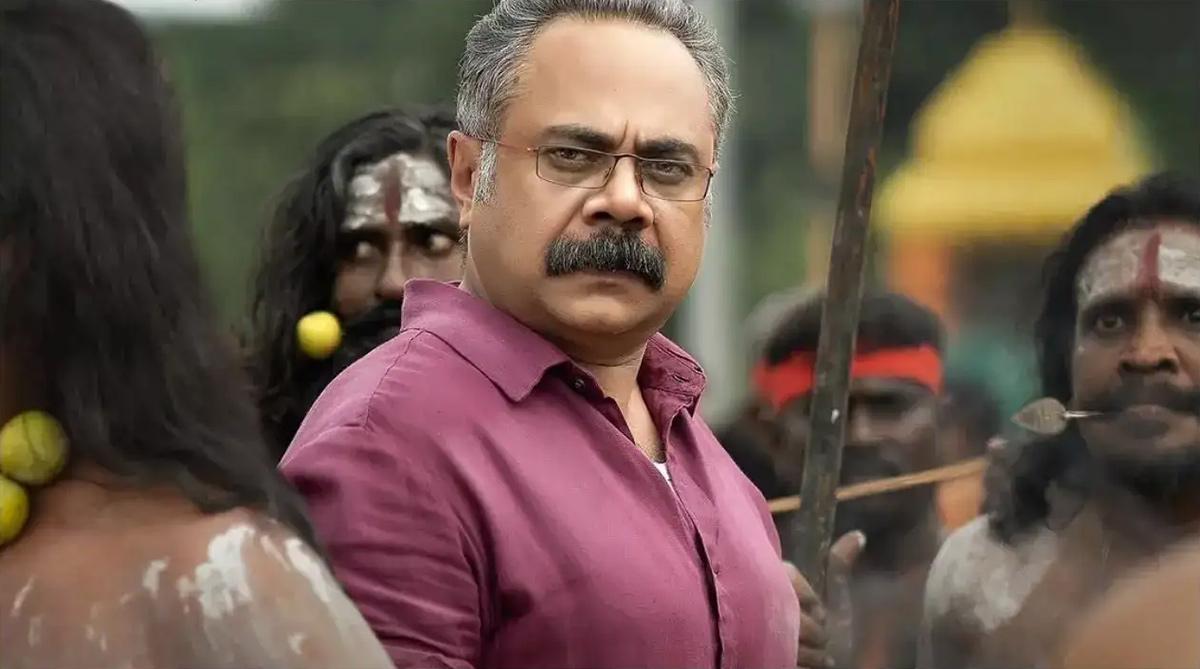
Prakash
Varma
in
Thudarum.
On
the
other
hand,
when
I
walked
out
of
Thudarum,
I
walked
out
thinking
about
its
villain
and
intrigued
about
his
backstory.
Yes,
this
is
Inspector
George’s
movie,
it
is
Prakash
Varma’s
movie.
Thanks
to
Varma’s
charismatic
performance,
we
now
know
what
a
smiling
adder
looks
like.
Here’s
one
of
the
most
conscienceless
sadists
to
have
ever
graced
the
big
screen,
and
he
comes
equipped
with
one
of
the
most
pleasant-sounding
hellos.
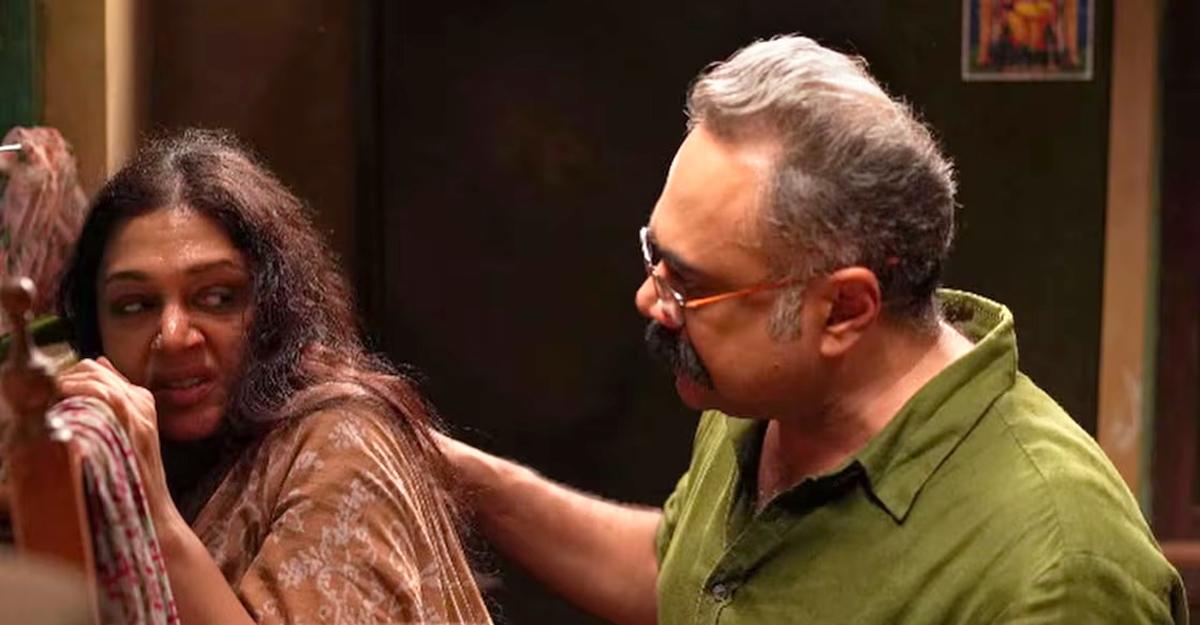
Shobana
and
Prakash
Varma
in
Thudarum.
Two
days
into
watching
Thudarum,
I
am
still
trying
to
visualise
the
map
of
George’s
police
career:
The
precincts
he
must
have
poisoned
by
his
very
presence,
the
judicial
killings
presided
over,
the
voices
ruthlessly
silenced.
Varma’s
performance
generates
so
many
ripples
that
when
Tharun
Moorthy
gives
us
a
scene
of
the
policeman’s
retirement
speech,
we
realise
that
the
filmmaker
has
missed
a
trick
or
two
by
not
cutting
to
the
smirk-filled
expressions
of
his
old
colleagues.
The
sordid
curiosity
we
feel
for
the
villain
of
Thudarum
is
very
different
from
the
human
curiosity
we
felt
for
the
hero
of
Drishyam.
And
you
have
to
be
some
sort
of
a
cultural
Pollyanna
to
not
recognise
that
this
shift
points
to
a
decline
—
both
in
our
approach
to
cinema
and
in
our
audience’s
tastes.
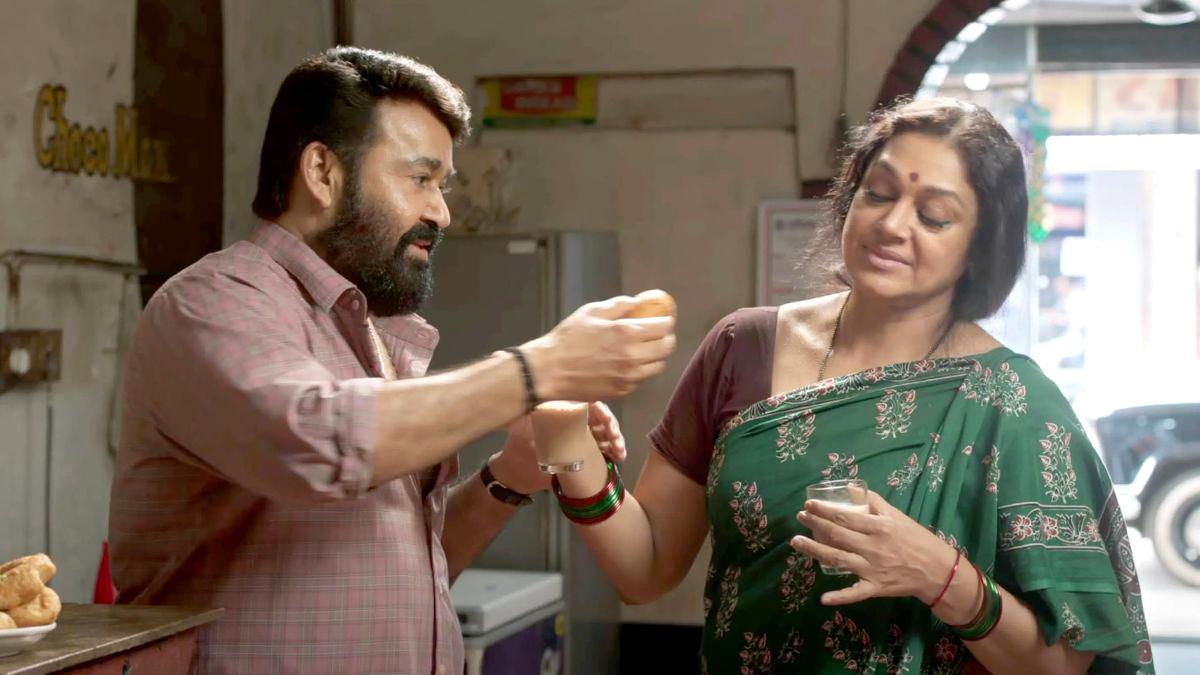
Mohanlal
and
Shobana
in
Thudarum.
As
arresting
as
the
character
is,
Prakash
Varma’s
George
is
yet
another
manifestation
of
a
trend
that
has
taken
over
our
cinematic
landscape.
This
trend
has
it
that
the
villain
must
be
made
ultra-cruel
for
his
final
comeuppance
to
feel
valid.
He’s
not
villain
enough
if
he
shoots
down
innocents
in
a
state
of
frenzy;
he
has
to
be
far
more
calculating
and
primitive.
That
is
to
say,
he
has
to
slash,
cut,
behead
or
inflict
terrible
viciousness
upon
children.
And
therein
lies
the
crux
of
the
decline.
For
when
your
villains
have
to
resort
to
this
degree
of
violence
to
emphasise
their
evil,
you
are
doing
more
than
just
desensitising
your
audience
—
you
are
also
reducing
your
heroes’
range
of
meaning,
you
are
making
them
less
memorable.