At
250
million
unique
visitors
a
month,
MX
Player
has
for
long
been
in
the
same
bracket
as
YouTube
(454
million)
and
Meta
(324
million)
in
reach.
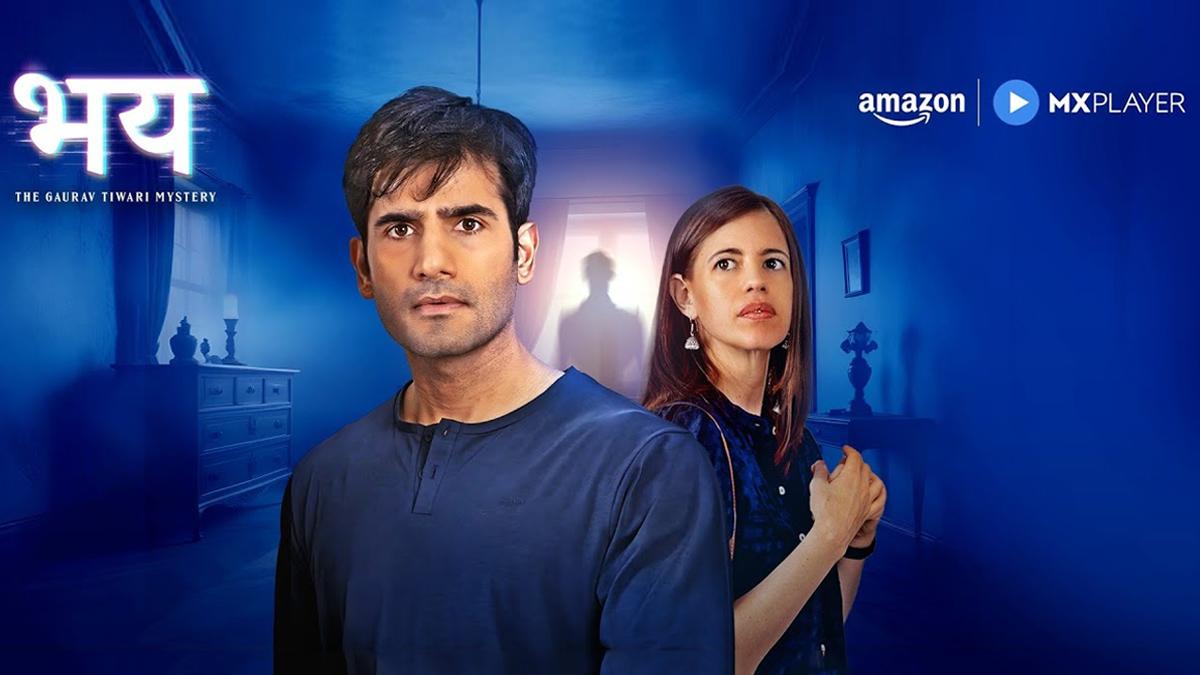
Bhay
traces
the
life
and
mysterious
death
of
Gaurav
Tiwari,
a
paranormal
explorer.
It
is
—
along
with
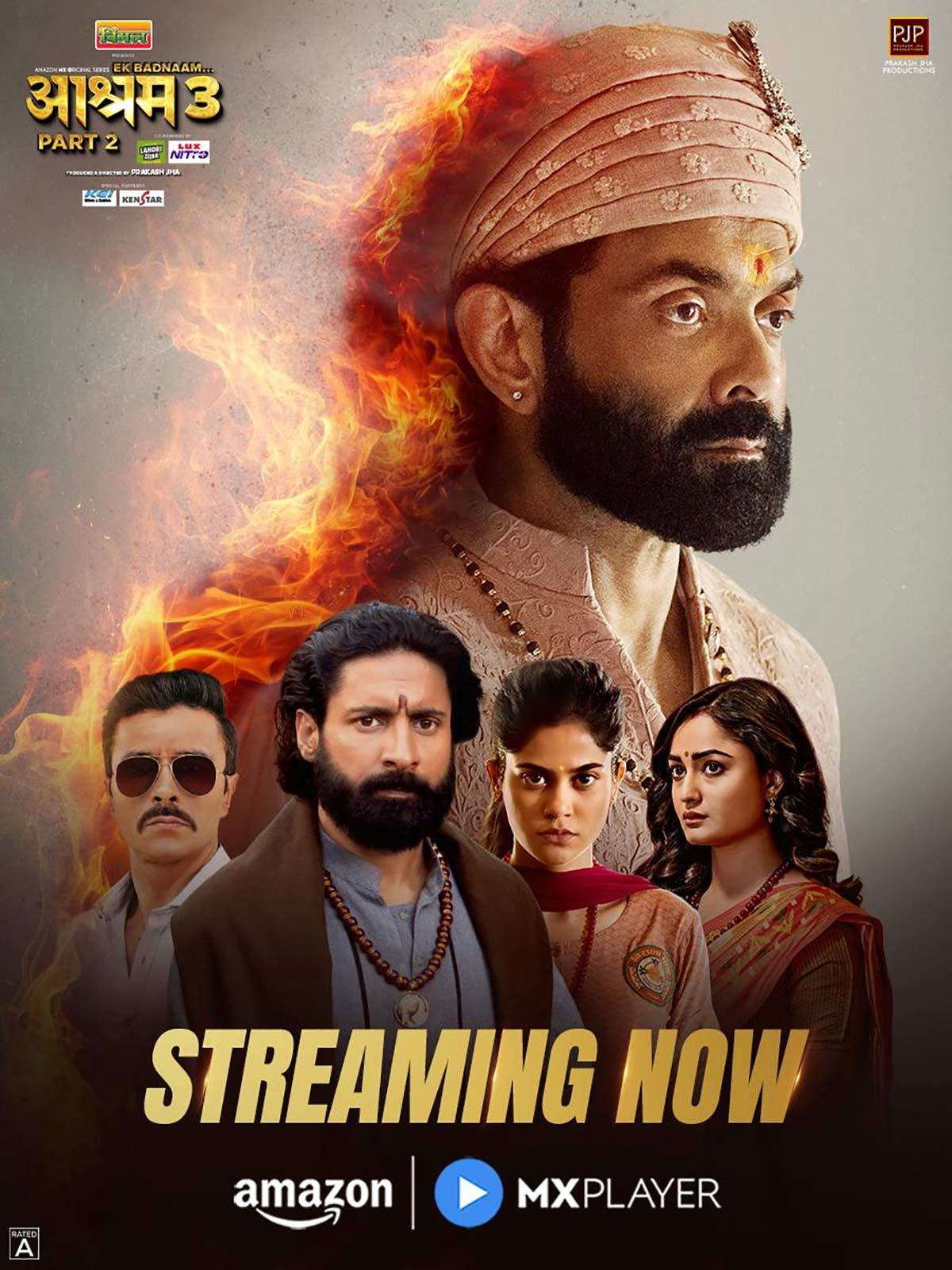
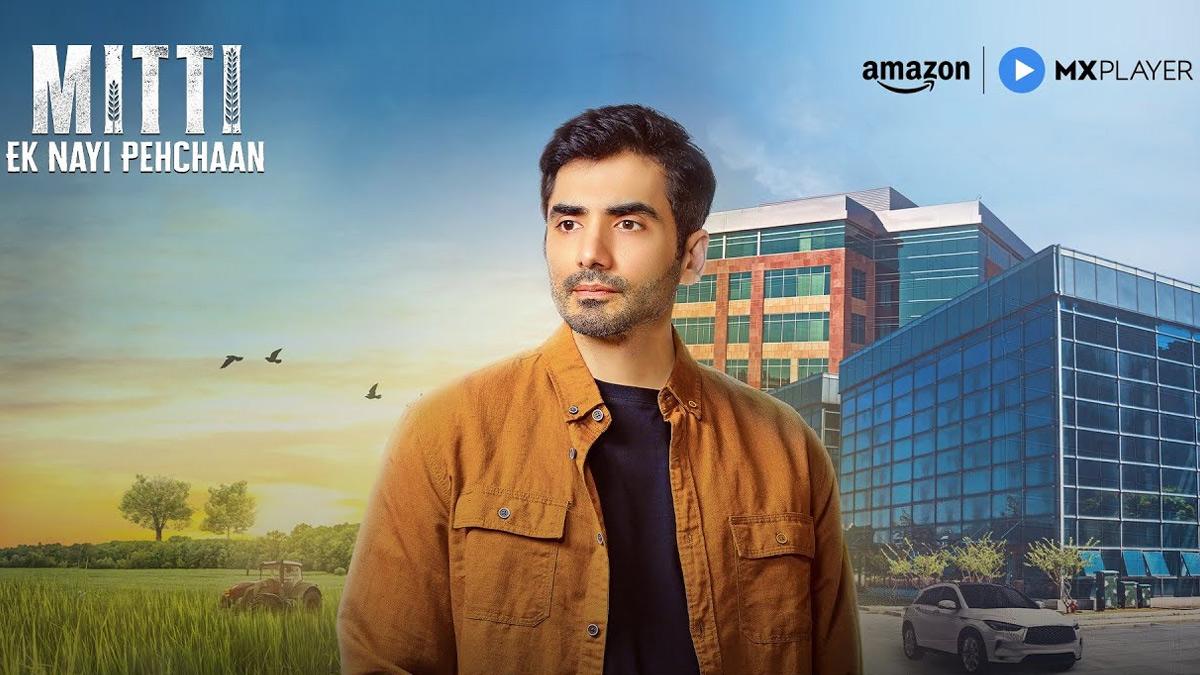
Mitti,
Aashram
(season
3),
Half
CA,
and
Who’s
Your
Gynac
(all
second
seasons),
as
well
as
dubbed
Turkish
and
Korean
dramas
—
among
the
100
shows
Amazon
MX
Player
is
dropping
through
the
year.
“We
are
the
only
premium,
AVOD
(advertising-based
video
on
demand)
service,”
says
Karan
Bedi,
director
and
head
of
Amazon
MX
Player.
The
service
will
always
be
free,
says
its
promos.
At
250
million
unique
visitors
a
month,
MX
Player
has
for
long
been
in
the
same
bracket
as
YouTube
(454
million)
and
Meta
(324
million)
in
reach.
However,
unlike
the
user-generated
videos
from
YouTube
and
Instagram,
MX
relies
on
originals,
a
la
any
subscription
over-the-top
(OTT)
media
platform.
Its
audience
size
is
roughly
five
times
Prime
Video’s,
Amazon’s
pay
service.
Not
surprisingly,
Amazon
paid
a
(reported)
$100
million
to
buy
MX
Player
from
the
Times
Group
in
2024.
It
then
merged
it
with
its
miniTV
service.
“We
had
an
interesting
play
with
miniTV
when
the
MX
opportunity
came,”
says
Gaurav
Gandhi,
vice-president,
Asia
Pacific
and
MENA
(Middle
East
and
North
Africa),
Prime
Video,
adding,
“It
made
sense
for
us
to
get
into
the
pure
AVOD
space.
It
brings
large
reach
for
us
overall.”
Daoud
Jackson,
senior
analyst,
media,
entertainment
and
advertising,
MENA,
Turkey
and
India,
at
UK-based
Informa
TechTarget,
feels
MX
is
Amazon’s
way
of
shortcutting
to
a
large
audience.
That
is
the
first
thing
that
MX
brings
to
Amazon
in
India.
As
the
decade-old
streaming
business
enters
its
next
phase
of
growth,
almost
every
OTT
is
trying
to
get
a
larger
audience.
Most
offer
their
shows
in
six
or
more
Indian
languages.
Netflix
has
brought
WWE
(World
Wrestling
Entertainment)
to
India.
JioHotstar
is
pushing
cricket
for
more
than
half
the
year,
and
SonyLIV
is
using
unscripted
shows
such
as
Shark
Tank
India.
Prime
Video
has
been
building
itself
up
as
an
entertainment
hub.
It
aggregates
25
other
OTT
brands
such
as
Lionsgate,
Crunchyroll
etc,
and
offers
over
8,500
movies
on
rental.
MX
Player
is,
arguably,
its
biggest
bet
for
reach
in
India.
The
rush
for
reach
The
Rs
35,600
crore/Rs
356
billion
(ad
plus
pay)
streaming
video
business
grew
to
125
million
subscribers
last
year.
That
is
an
audience
of
roughly
375
million
Indians.
But
if
JioHotstar,
SonyLIV,
Netflix
or
Prime
Video,
among
others,
want
to
grow,
they
have
to
plug
into
the
vastness
and
diversity
of
India,
much
like
TV,
which
reaches
900
million
Indians.
The
top-end,
metro
game
has
been
played.
Now
the
middle-
and
lower-tiers,
across
geographies
and
audiences,
need
to
be
tackled.
This
means
getting
into
the
free,
ad-supported,
and
user-generated
territory
where
Google
(YouTube),
Meta
(Instagram,
WhatsApp,
and
Facebook),
and
DD
Freedish
(Dangal,
Goldmines,
etc)
rule.
It
means
more
popular
programming,
more
sports,
movies,
and
gaming
content.
“We
were
looking
at
how
customers
move
from
television
into
the
ad-supported
space
online,”
says
Gandhi.
That
is
a
space
MX
Player,
along
with
YouTube,
has
long
occupied.
When
the
Times
Group
bought
MX
Player
in
June
2018
from
South
Korea-based
J2
Interactive,
for
$140
million
(about
Rs
1,000
crore/Rs
10
billion),
it
was
just
a
video
player.
About
half
its
350
million
users
(then)
were
from
India.
Times
managed
to
migrate
a
chunk
of
the
users
from
the
basic
player
to
the
OTT.
Bedi
has
been
a
part
of
that
journey
since
it
began.
“We
were
the
only
people
on
this
(AVOD)
boat.
Now,
most
of
the
market
has
coalesced
around
the
thought
that
the
market
needs
a
combo
of
pay
plus
free,”
he
says.
“In
the
last
five
years,
all
the
growth
in
TV
has
been
in
FTA
(free-to-air).”
Note
that
MX’s
viewership
is
roughly
the
same
as
that
of
DD
Freedish.
The
State-operated
free
DTH
service
has
been
one
of
the
biggest
successes
in
the
video
business
in
recent
times.
In
2019,
MX
raised
$110.8
million
(under
Rs
800
crore/Rs
8
billion)
from
Chinese
Internet
giant
Tencent.
Five
years
later,
it
was
sold
to
Amazon,
the
world’s
(and
India’s)
largest
retail
site.
Commerce
meets
video
Open
the
Amazon
app,
and
you
find
MX
directly
integrated
into
it.
It
is
not
under
Prime
Video
but
a
separate
brand.
The
idea
is
to
drive
both
retail
sales
and
ad
revenues
across
smaller
towns.
This
is
the
second
thing
that
MX
does
for
Amazon.
Video
has
for
long
been
the
glue
that
brought
consumers
to
retail
sites.
It
is
the
premise
on
which
Amazon
launched
Prime
Video
in
2006.
Over
the
last
few
years,
another
layer
of
revenues
got
added.
“Advertising
on
retail
platforms
(or
retail
media)
is
driving
50
per
cent
of
overall
advertising
growth
in
the
top
six
APAC
(Asia-Pacific)
markets,
including
China,
Japan,
and
India,”
says
Vivek
Couto,
executive
director,
Media
Partners
Asia,
a
Singapore-based
media
consultancy.
Globally,
Amazon
made
over
$56
billion
in
ad
revenue
on
its
shopping
site.
It
has,
along
with
Meta
and
YouTube,
become
a
major
force
in
the
online
ad
game.
In
India,
advertisers
spent
Rs
14,700
crore
(Rs
147
billion),
or
a
fifth
of
all
the
digital
ad
money,
on
retail
media
to
catch
consumers
at
the
point-of-sale
in
2024.
Add
this
figure
to
the
Rs
26,500
crore
(Rs
265
billion)
spent
on
video
advertising,
plus
the
nudge
MX
will
give
to
small-town
sales,
and
the
picture
becomes
clearer.
“The
challenge
will
be
to
bring
on
board
more
female
audiences,”
says
Jackson.
“(In
terms
of
users)
Amazon
is
very
male
and
MX
is
incredibly
male
(on
mobile).
Linear
(TV)
is
strong
with
female
audiences,
and
that
gets
advertisers.”
Video
app
usage
on
the
mobile,
across
OTTs,
is
overwhelmingly
dominated
by
men.
“The
viewership
split
on
Amazon
MX
Player
is
70
per
cent
male
and
30
per
cent
female
across
various
distribution
platforms.
That
is
in
line
with
the
general
skew
in
India’s
digital
landscape,”
says
Bedi.
He
points
out
that
given
MX’s
scale,
this
viewership
is
significant.
“On
the
back
of
this,
we
have
seen
success
with
several
beauty
brands
like
Mamaearth,
Aqualogica,
Sugar
Cosmetics,
and
many
more.
These
brands
have
seen
CTRs
(click-through
rates)
of
5-6
times
the
industry
average,”
he
says.
That
is
because
MX’s
ad
offerings
are
integrated
with
multiple
Amazon
services,
and
leverage
its
shopping
signals.
The
behavioural
analysis
they
provide
leads
to
better
targeting.
The
simple
business
of
telling
stories
to
audiences
is
turning
bigger
and
increasingly
strategic.