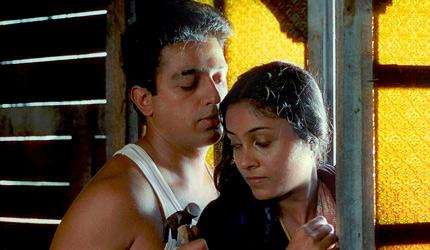
The
gangster
saga
Nayakan
not
only
earned
Mani
Ratnam’s
reputation
as
a
great
director,
the
dubbed
version
of
the
film
also
did
well
in
Mumbai,
so
much
so
that
Feroz
Khan’s
Hindi
remake,
Dayavan,
starring
Vinod
Khanna,
could
not
compare,
recalls
Deepa
Gahlot.
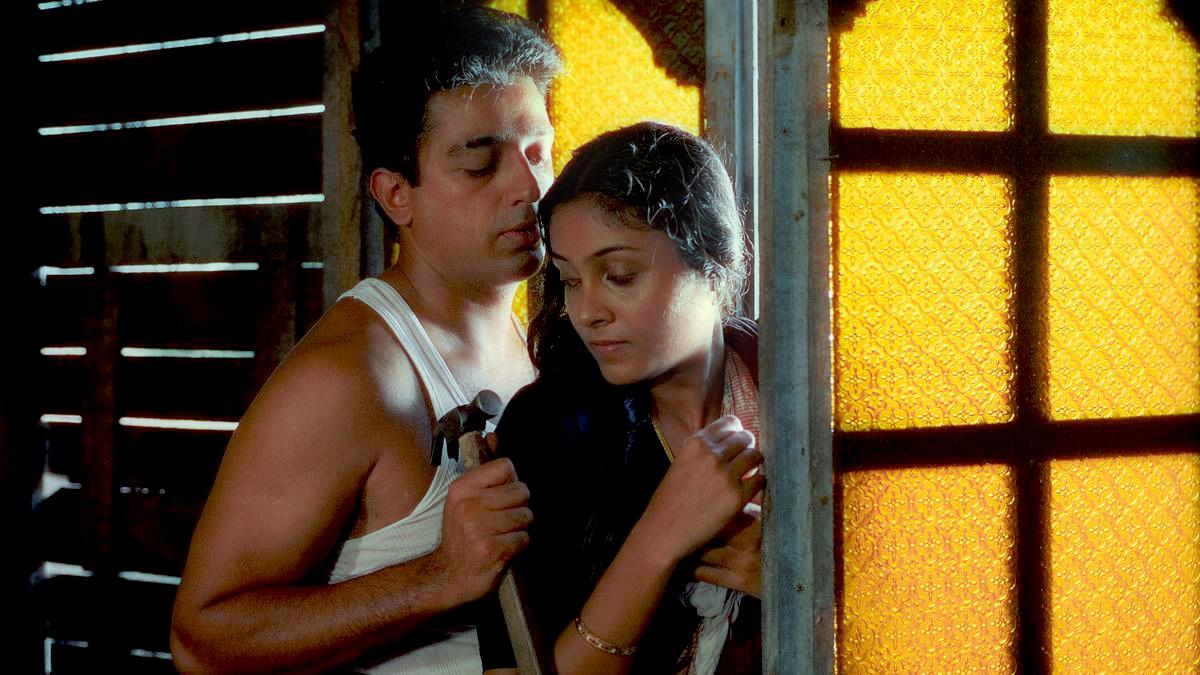
Saranya
Ponvannan
and
Kamal
Haasan
in
Nayakan.
Nearly
four
decades
have
passed
between
the
release
of
Nayakan
(1987)
and
Thug
Life
(2025).
This
small
fact
is
noteworthy
because
Mani
Ratnam
has
teamed
up
with
Kamal
Haasan
after
so
many
years,
and
again
for
a
gangster
film.
It
had
been
over
a
decade
since
the
Hollywood
classic
The
Godfather
(1972),
but
the
Francis
Ford
Coppola
film,
based
on
the
best
selling
Mario
Puzo
novel,
had
left
a
deep
impact,
not
just
on
American
movies,
but
all
over
the
world.
Ratnam
took
plot
points
and
a
few
scenes
from
that
film,
and
placed
it
so
deeply
and
authentically
into
Tamil
culture
that
the
source
did
not
matter.
That
was
also
the
time
when
the
media
had
made
heroes
out
of
underworld
dons.
Names
like
Haji
Mastan,
Karim
Lala,
Varadarajan
Mudaliar,
Sukur
Narayan
Bakhia,
Bada
Rajan,
Chhota
Rajan,
Manya
Surve,
Arun
Gawli
and
that
young
upstart
Dawood
Ibrahim
were
household
names.
Their
flamboyant
lifestyles
and
Robin
Hood
pretensions
were
glamourised.
Crime
reporters
boasted
of
access
and
exclusivity
with
the
‘Bhais’;
their
lives
—
or
at
least
the
true
or
embellished
stories
about
them
—
can
be
seen
in
several
movies.
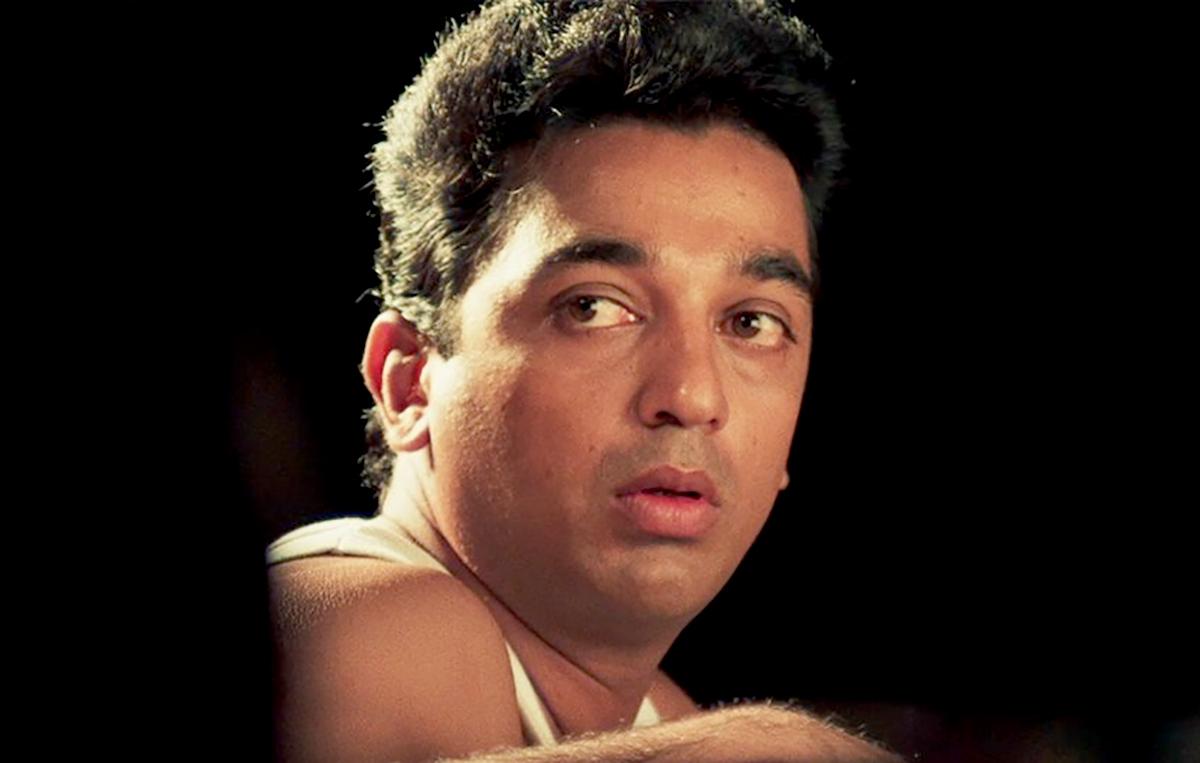
Kamal
Haasan
in
Nayakan.
Ratnam
picked
Vardadarajan
Mudaliar
as
his
inspiration
because
he
was
Tamil-speaking,
ruled
out
of
Dharavi
in
central
Mumbai,
which
had
a
large
population
of
migrants
from
Tamil
Nadu,
and,
when
he
did
start
his
own
kangaroo
courts
to
settle
disputes
and
acquired
political
power,
his
legend
grew.
Unemployed
young
men,
who
were
attracted
to
the
world
of
crime,
were
easily
absorbed
into
extortion,
gambling,
land
grabbing,
smuggling
and
bootlegging
rackets.
Unlike
terrorism
and
drug
trafficking
today,
these
crimes
did
not
directly
affect
law-abiding
middle
class
readers
of
newspapers
and
magazines,
and
the
benevolent
don
legends
easily
took
root.
Mudaliar’s
lavish
Ganpati
pandal
was
a
major
attraction
every
year.
These
gang
leaders’
influence
snaked
into
politics
and
Bollywood.
The
biggest
stars
had
to
dance
at
the
gangsters’
parties,
or
have
their
careers
wrecked.
At
some
point,
the
cops
were
woken
out
of
their
lethargy.
Till
then,
with
organised
crime
running
mostly
unchecked,
it
was
easy
to
portray
cops
as
corrupt
hoodlums.
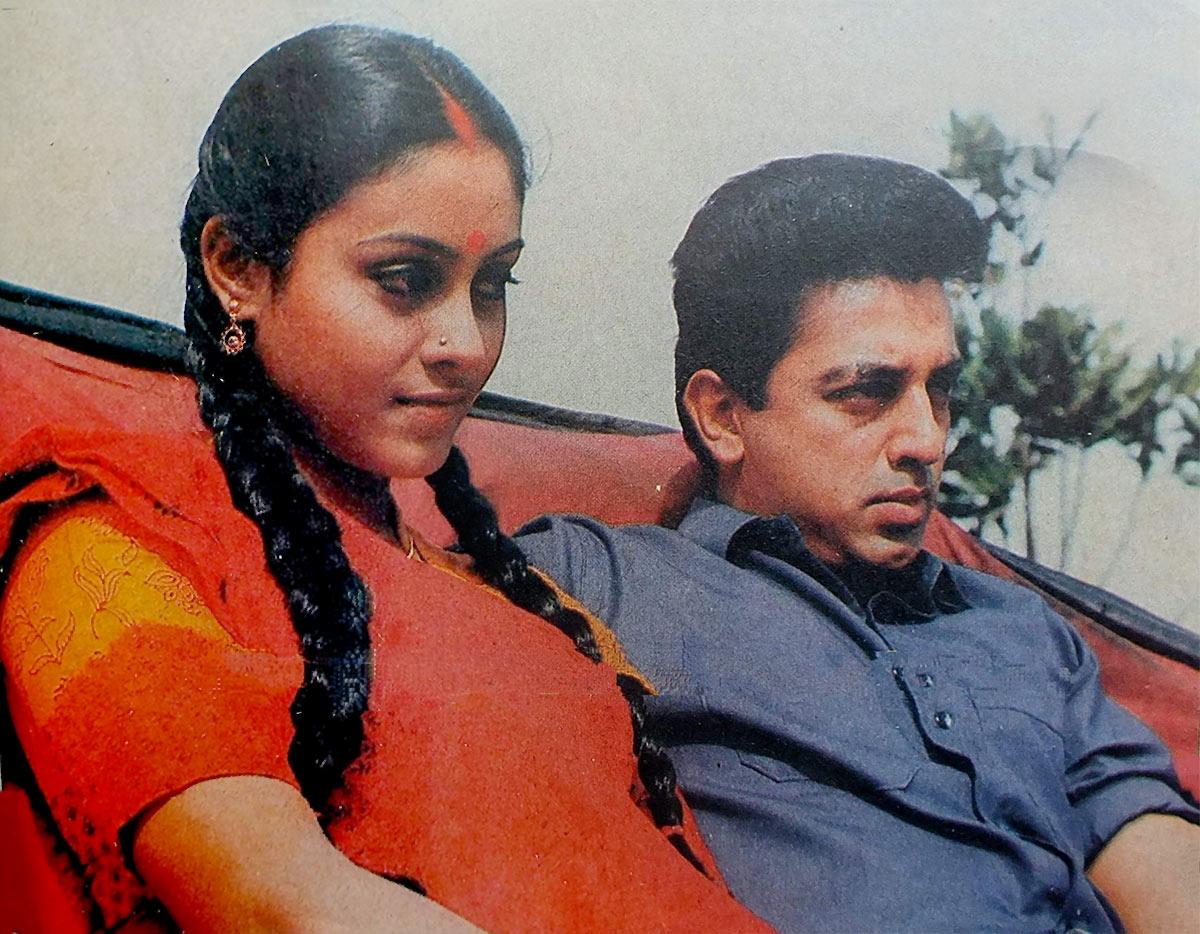
Saranya
Ponvannan
and
Kamal
Haasan
in
Nayakan.
Ratnam’s
character
Sakthivel
‘Velu’
Naikar
runs
away
from
Tamil
Nadu
after
killing
an
evil
cop,
and
finds
shelter
in
the
teeming
shanty
town
of
Dharavi,
where
it
is
possible
for
a
kid
to
vanish.
He
is
given
shelter
by
a
smuggler,
Hussain,
who
is
arrested
by
a
corrupt
cop
and
killed
in
jail.
His
death
is
passed
off
as
suicide.
A
furious
Velu
murders
the
cop,
Kelkar
(Pradeep
Shakthi)
and
in
a
powerful
scene
in
the
film,
none
of
the
witnesses
come
forward
to
name
him.
He
later
looks
after
Kelkar’s
wife
and
mentally-challenged
son,
Ajit.
His
power
grows
over
time.
He
cares
for
his
people,
and
runs
a
parallel
system
of
governance
to
solve
their
problems.
The
scene
in
which
he
forces
a
doctor
to
treat
a
patient,
who
was
being
ignored
by
the
hospital,
was
copied
in
many
films.
Such
a
rapid
rise
brings
out
rivals
and
in
an
attack
on
Velu,
his
wife,
Neela
(Saranya)
is
killed,
which
leads
to
Velu
running
a
savage
reprisal.
Velu
sends
away
his
children
Surya
and
Charumathi
to
safety
in
Chennai.
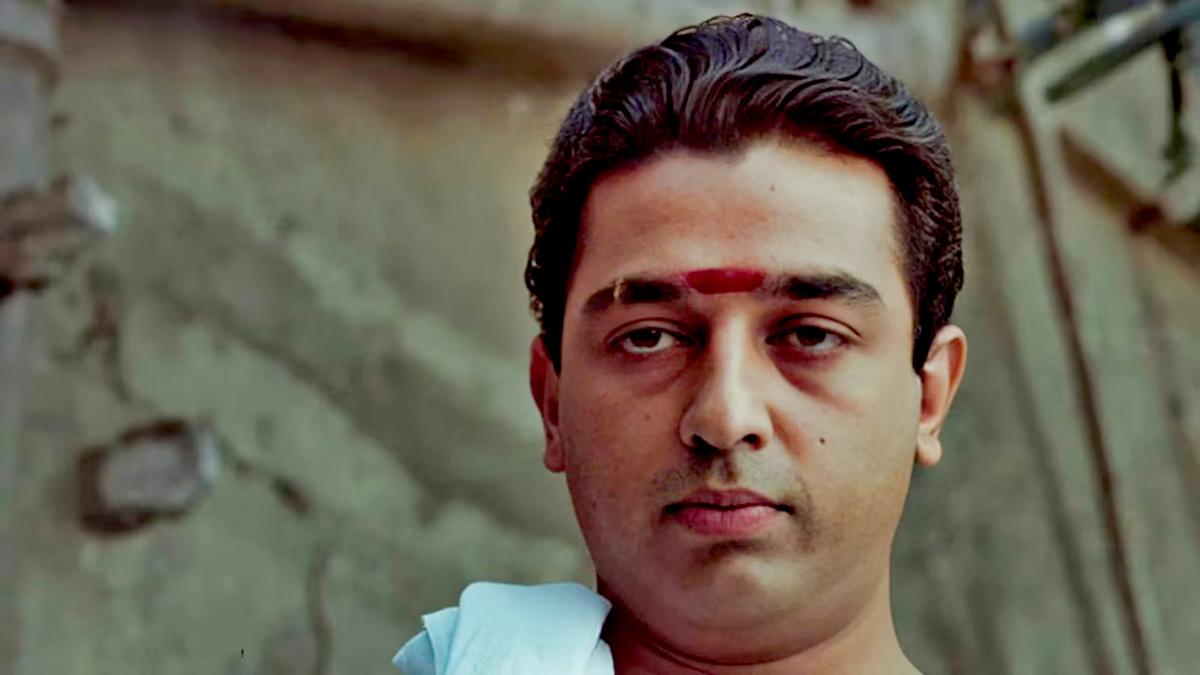
Kamal
Hassan
in
Nayakan.
Velu
becomes
one
of
the
more
feared
as
well
as
the
most
popular
gangsters
in
Mumbai.
A
grown-up
Surya
(Nizhalgal
Ravi)
and
Charumathi
(Karthika)
return
home,
and
Surya
follows
in
his
father’s
footsteps,
which
leads
to
his
death.
Charumati
blames
Velu
and
leaves
home.
A
new
ACP
Patil
(Nasser)
takes
on
a
mission
to
eliminate
organised
crime,
which
brings
him
into
direct
conflict
with
Velu.
Velu
is
surprised
to
learn
that
his
daughter
is
married
to
the
cop,
and
has
a
son,
Sakthivel,
named
after
her
father.
When
Velu’s
allies
are
arrested,
he
surrenders
to
the
cops,
to
save
them
from
torture.
But
no
evidence
is
found
against
Velu,
because
nobody
—
not
even
Kelkar’s
wife
—
comes
forward
to
testify
against
him.
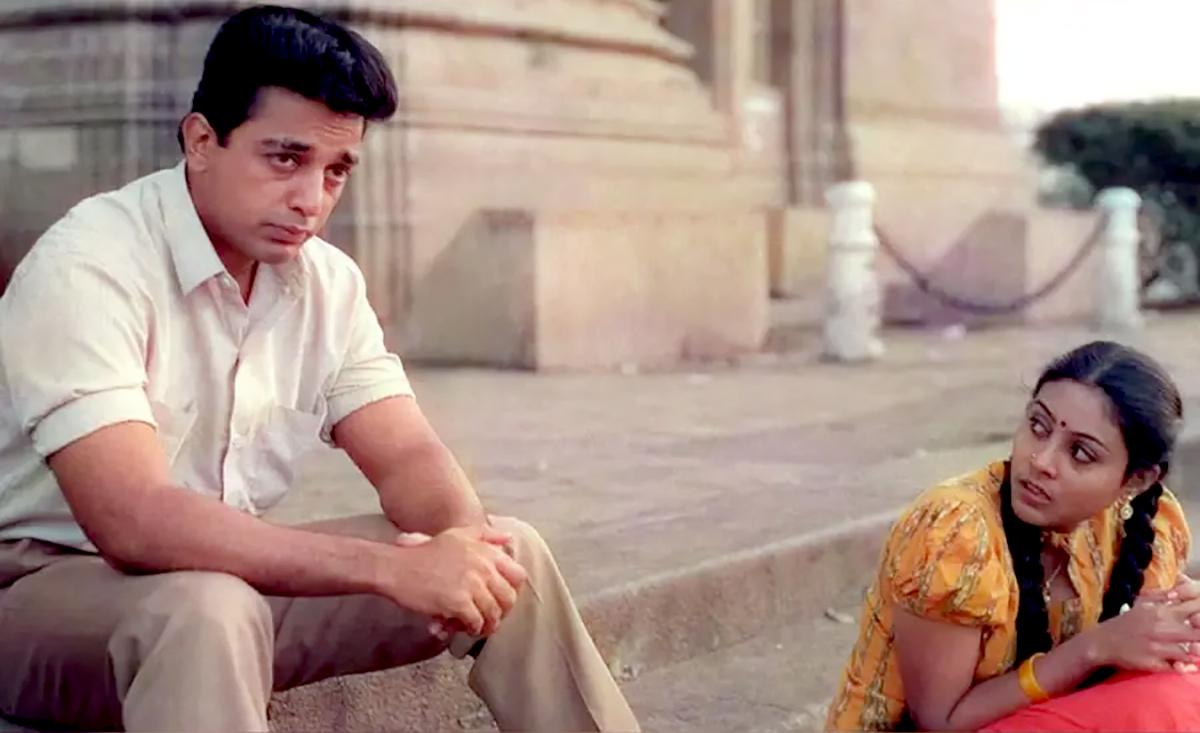
Saranya
Ponvannan
and
Kamal
Haasan
in
Nayakan.
In
real
life,
the
cops
had
shut
down
Varadarajan’s
criminal
business,
which
drove
him
out
of
Mumbai,
to
Tamil
Nadu.
For
a
Mani
Ratnam
film
that
built
the
character
of
Velu
Nayakan
to
mythic
proportions,
this
ending
would
be
downbeat.
Velu’s
death
is
dramatic
and
in
the
end,
he
pays
for
his
crimes,
one
way
or
another.
Before
Nayakan,
Ratnam
had
made
five
films.
But
this
gangster
saga
not
only
earned
him
his
reputation
as
a
great
director,
the
dubbed
version
of
the
film
also
did
well
in
Mumbai,
so
much
so
that
Feroz
Khan’s
Hindi
remake,
Dayavan,
starring
Vinod
Khanna,
could
not
compare.
Now
years
later,
Kamal
Haasan
is
back
in
Mani
Ratnam’s
Thug
Life,
playing
a
gangster
called
Sakthivel.
The
profile
of
the
criminal
has
changed,
and
urban
life
has
changed.
Has
the
audience
changed
too?