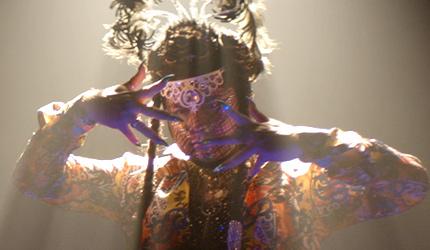
In
Transit
attempts
to
correct
the
misconceptions
about
transgenders,
notes
Deepa
Gahlot.
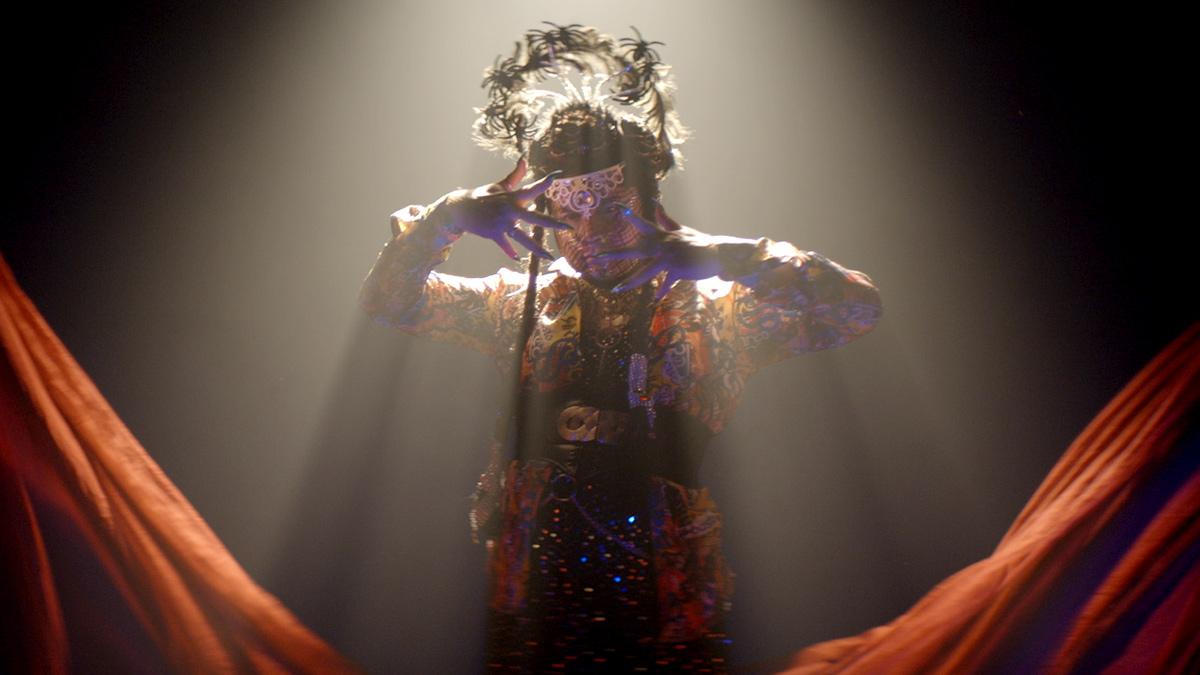
Those
who
have
never
suffered
from
gender
dysmorphia
would
probably
not
be
able
to
understand
what
trans
people
go
through.
In
Transit,
the
four-part
documentary
series,
created
and
produced
by
Zoya
Akhtar
and
Reema
Kagti
and
directed
by
Ayesha
Sood,
attempts
to
correct
the
misconceptions
about
transgenders.
Like
an
earlier
show,
Rainbow
Rishta,
about
the
LGBTQ
community,
this
one
too
has
trans
men
and
women
talking
about
their
lives.
The
nine
interviewees
—
Aryan,
Rie,
Anubhuti,
Teena,
Madhuri,
Patruni,
Rumi,
Saher
and
Siddharth
—
are
chosen
from
different
regions
and
social
backgrounds.
They
are
honest
and
articulate,
not
afraid
to
show
their
pain
or
share
their
triumphs.
As
one
of
them
says,
there
are
so
many
shades
of
gender
identity
between
female
and
male
that
they
defy
easy
categorisation.
When
society,
including
family,
cannot
comprehend
why
the
son
they
so
desperately
wanted
is
not
masculine
or
their
daughter
has
no
feminine
traits,
their
confusion
often
results
in
cruelty.
In
the
once
popular
comedy
series,
Hum
Paanch
(1995),
there
was
the
character
of
a
young
woman,
who
dressed
in
male
outfits
and
liked
to
be
called
Kajalbhai
(played
by
Bhairavi
Raichura).
Back
then,
audiences,
even
more
clueless
about
gender
identity,
laughed
at
the
‘tomboy’.
But
for
a
girl
growing
up
hating
the
femininity
imposed
on
her,
Kajalbhai
was
a
hero.
Now
a
male,
after
transitioning,
Aryan,
works
as
a
clinical
psychologist
and
is
in
a
relationship
with
a
woman.
A
transwoman,
Madhuri,
who
weeps
when
she
says
how
she
suffered
for
a
sari
—
in
the
hijra
community
where
she
found
kindred
souls,
the
sari
is
a
badge
of
identity
—
has
married
a
man.
But
she
is
unable
to
get
a
marriage
certificate
and
is
not
allowed
to
adopt
a
child.
Even
after
the
Supreme
Court’s
landmark
NALSA
judgment
in
2014,
that
recognised
the
legal
rights
of
transgender
individuals,
Madhuri
says
the
law
is
50
percent
on
paper
but
there
is
also
a
50
percent
change.
Patruni,
who
dances
in
drag,
is
married
and
has
a
child.
She
picks
the
identity
of
‘gender
fluid’
and
seems
to
be
well
adjusted.
Singer
Rumi,
a
trans
man,
who
hated
singing
in
a
female
voice
or
wearing
a
sari
that
felt
like
‘cockroaches
were
running
over
his
body’
talks
of
terrible
loneliness,
and
also
the
surprising
discovery
that
his
mother
did
not
much
like
being
a
woman
either.
For
most
of
them,
rejection
by
parents
is
heartbreaking,
just
as
much
as
acceptance
and
support
is
encouraging.
They
went
through
the
usual
forms
of
‘treatment’
from
thrashing
to
electric
shocks
and
jaadu
tona,
in
the
mistaken
belief
that
they
had
a
condition
that
could
be
cured.
Outside
the
home,
there
is
the
trauma
of
bullying,
molestation,
violence
and,
unfortunately,
ridicule.
Still,
these
nine
have
found
ways
of
rising
above
it
all
(one
of
them
admits
to
considering
suicide)
and
many
are
attached
to
organisations
that
work
with
the
trans
community,
hoping
to
impart
the
wisdom
gained
by
their
own
experiences,
to
help
others.
Anubhuti,
a
transwoman,
managed
to
get
the
large
corporate
house
she
works
with,
become
inclusive
at
the
HR
level.
Teena,
from
the
Van
Gujjar
community,
has
become
a
teacher
working
with
children
in
a
rural
area.
Rie,
once
attacked
the
streets
in
an
obvious
hate
crime,
went
to
London
to
do
a
course
in
human
rights.
Not
all
have
been
able
to
undergo
the
expensive
and
arduous
gender
reassignment
surgery,
but
they
have
learnt
to
accept
themselves
and
live
with
courage
and
hope.
In
Transit
streams
on
Amazon
Prime
Video.
In
Transit
Review
Rediff
Rating: