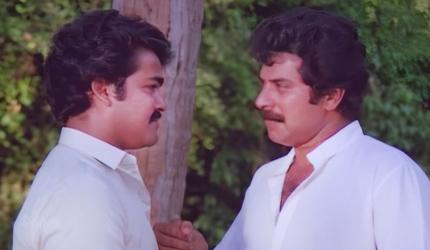
No
author
in
the
Malayalam
literary
canon
has
influenced
and
profoundly
changed
the
way
normal
people
interact
with
each
other
than
the
ever-relevant,
eclectic
yet
elusive
body
of
work
left
behind
by
M
T
Vasudevan
Nair,
who
would
turned
92
today,
July
15,
notes
Arjun
Menon.
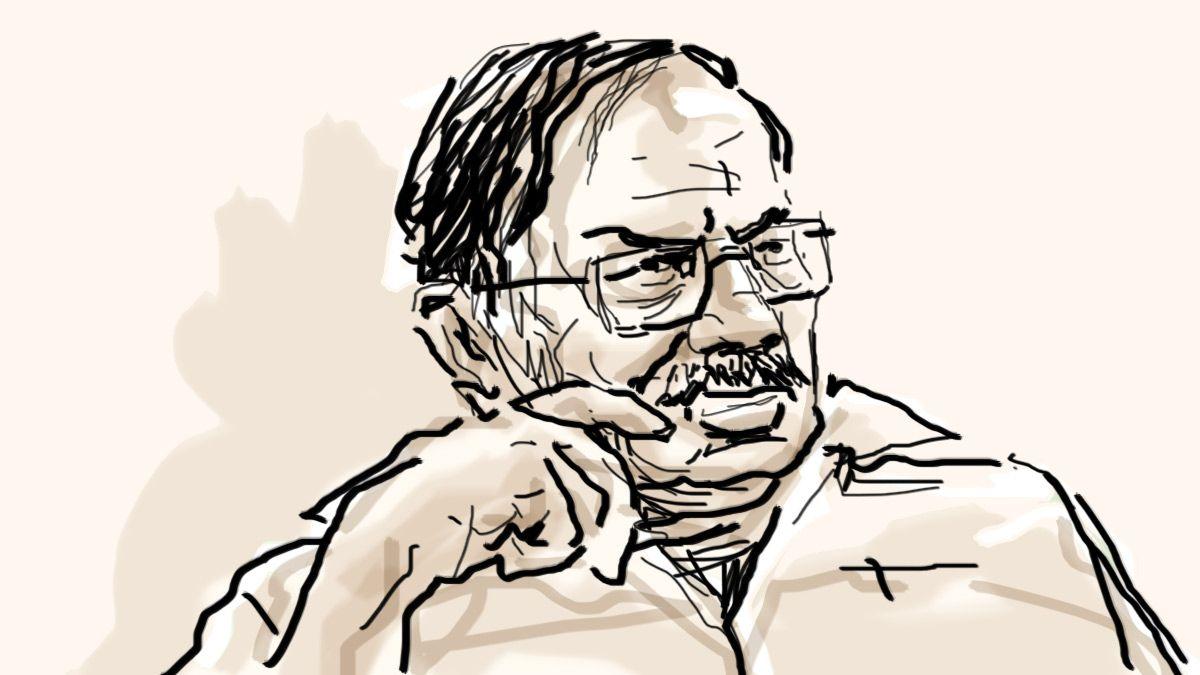
The
legendary
writer
M
T
Vasudevan
Nair.
Illustrator:
Dominic
Xavier/Rediff
M
T
Vasudevan
Nair
was
‘a
complete
unknown’.
The
title
of
the
Bob
Dylan
biopic
easily
fits
the
literary
giant
of
Malayalam’s
cultural
history.
There
is
a
shape-shifting
unknowability
to
MT’s
works,
who
can
be
what
you
want
him
to
be
at
any
point
in
time,
based
on
where
you
stand.
Born
and
brought
up
in
Kudallur,
a
village
hamlet
in
Palakkad,
in
a
family
of
four,
MT
had
a
fairly
mundane
upbringing.
It
took
him
some
time
to
figure
out
his
literary
ambitions.
His
journey
began
with
his
stint
as
a
sub-editor
with
the
Mathrubhumi
Weekly
newspaper
in
the
late
1950s.
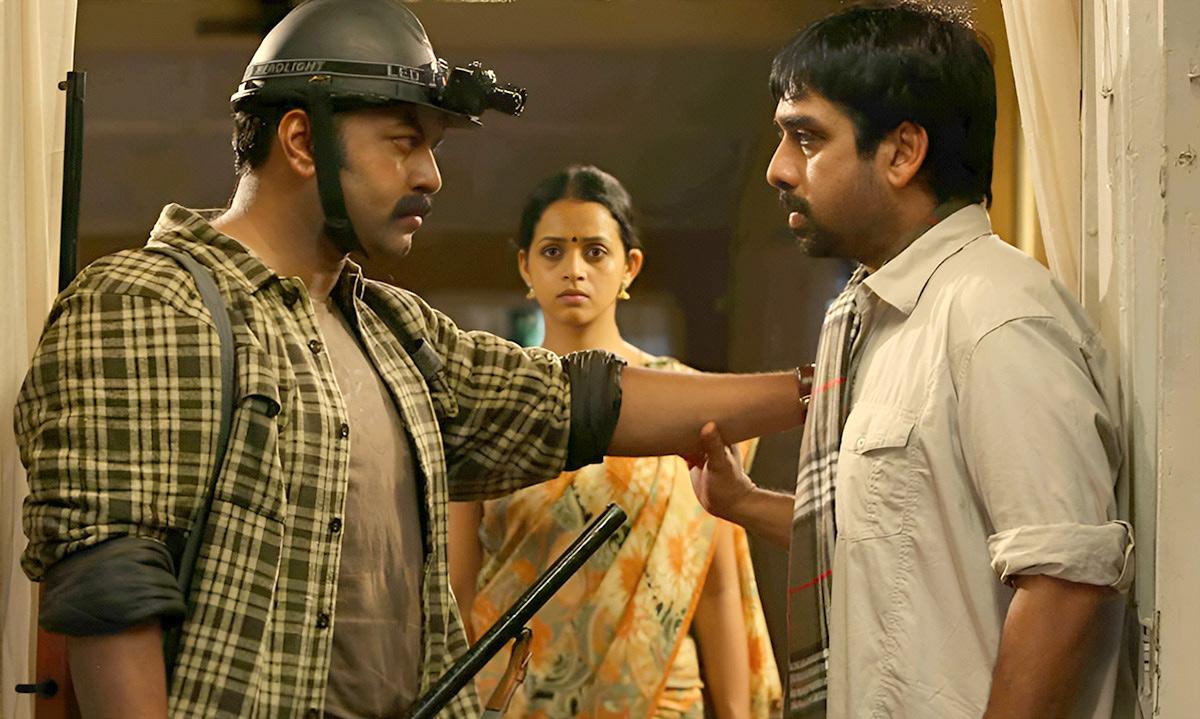
Indrajith
Sukumaran,
Bhavana
and
Vineeth
in
Ezhamathe
Varavu.
Unlike
many
artists
of
his
time,
MT
arrived
in
the
scene
fully
formed,
and
established
a
good
body
of
work
as
a
fiction
writer
before
he
made
his
way
into
films.
The
stalwart
is
known
for
his
contribution
to
Indian
literature
through
seminal
works
like
Asuravithu,
Kaalam,
Randamoozham,
Manju
and
many
other
novels,
essays,
and
short
stories.
His
journey
in
films
began
on
a
sour
note
with
the
yet
unreleased
feature
Evideyo
Oru
Shathru,
starring
Sukumaran
and
Venu
Nagavalli,
directed
by
Hariharan,
that
got
buried
after
some
production
issues.
This
creative
partnership
with
Hariharan
would
be
a
major
touchstone
in
MT’s
filmmaking
life.
Coincidentally,
M
T
reworked
the
script
Ezhamathe
Varavu,
which
was
also
directed
by
Hariharan,
and
released
in
2013.
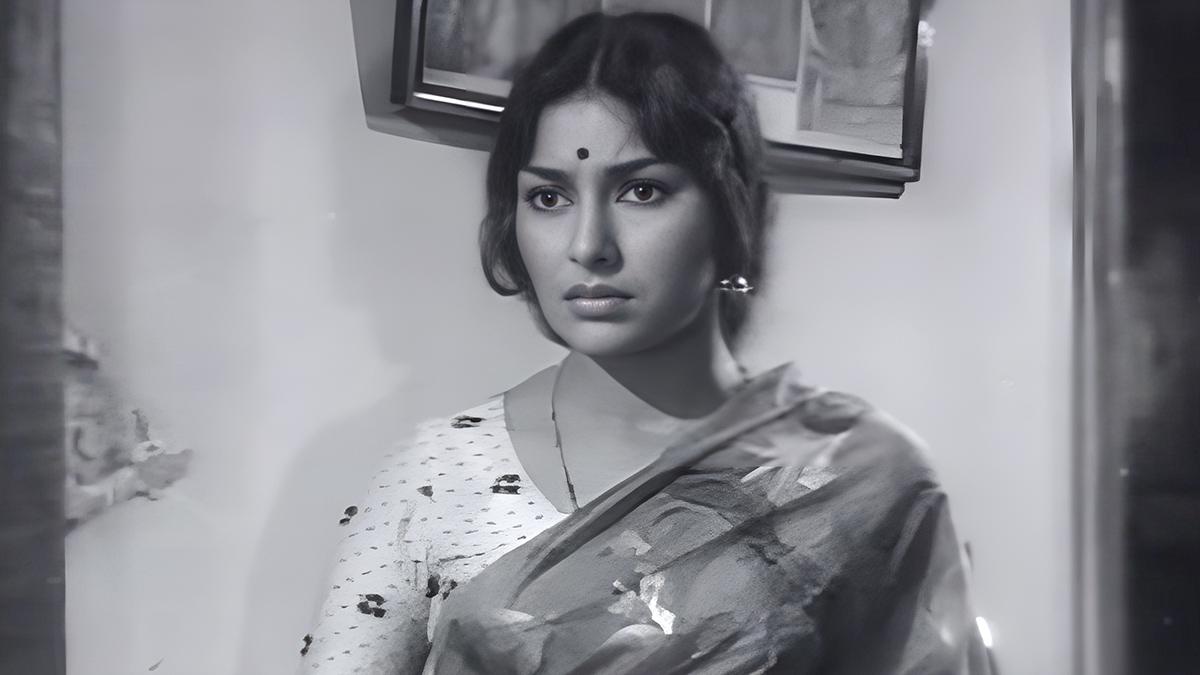
Sarada
in
Murappennu.
MT
was
coerced
into
the
world
of
screenwriting
by
another
icon
of
Kerala’s
cultural
history
Shobana
Parameswaran
Nair,
who
produced
Murappennu
(1965)
and
convinced
MT
to
adapt
his
own
short
story
Snehathinte
Mukhangal
for
the
big
screen.
The
film,
directed
by
A
Vincent,
was
a
seemingly
simple
melodrama
that
dealt
with
a
complex
chain
of
romances
and
a
feuding
family
at
its
centre.
It
exposed
facets
of
the
joint
family
structure
prevalent
in
Kerala
then.
He
also
went
to
gift
Prem
Nazeer,
one
of
Malayalam
cinema’s
evergreen
matinee
idols,
with
one
of
the
most
complicated
and
nuanced
of
his
filmic
performances
with
the
classic
Iruttinte
Athmavu.
It
saw
the
actor
playing
a
mentally
challenged
youngster,
who
is
chained
into
a
life
of
seclusion
and
social
denial
for
his
condition,
with
only
his
uncle’s
daughter
showing
him
humanity.
Directed
by
P
Bhaskaran,
the
film
gave
MT
a
big
break,
and
the
industry
took
note
of
the
already
famous
novelist.
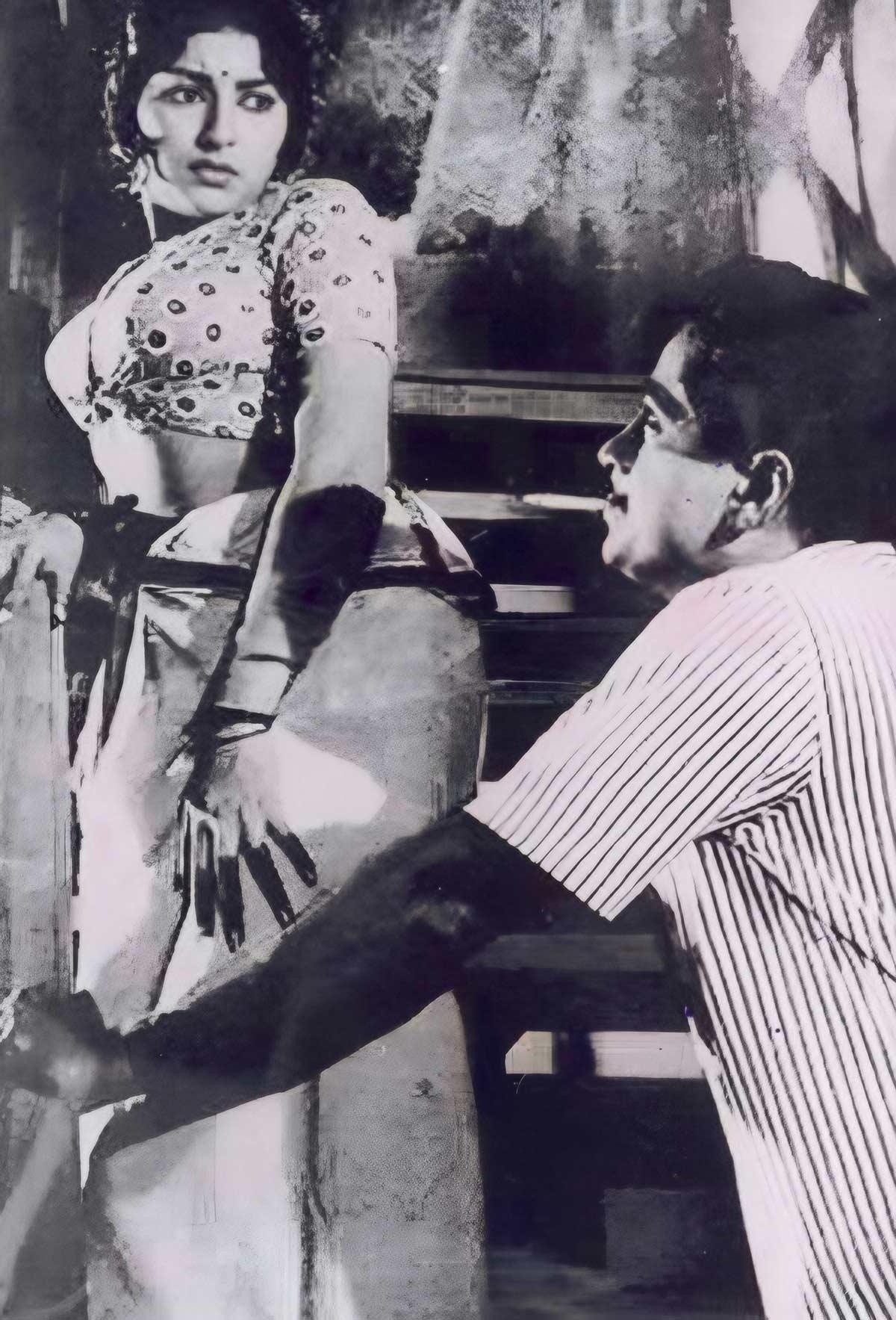
Sarada
and
Prem
Nazir
in Iruttinte
Athmavu.
In
1968,
MT
adapted
his
best-selling
novel
Asuravithu
for
the
film
of
the
same
name.
The
film
was
the
end
of
a
loose-thematically
aligned
trilogy
of
Sirkian
melodramas
penned
by
MT,
following
Murappenu
and
Iruttinte
Athmavu
that
pushed
the
envelope
for
its
take
on
the
socially
inclusive,
religious
harmony
messaging
in
an
era
when
the
Hindu-Muslim
communal
divide
was
at
its
height.
The
defiance
and
ambition
of
the
writing
were
evident
as
MT
carefully
adapted
his
works
of
fiction
with
political
underpinnings,
without
letting
go
of
the
populist
notions
of
mainstream
films.
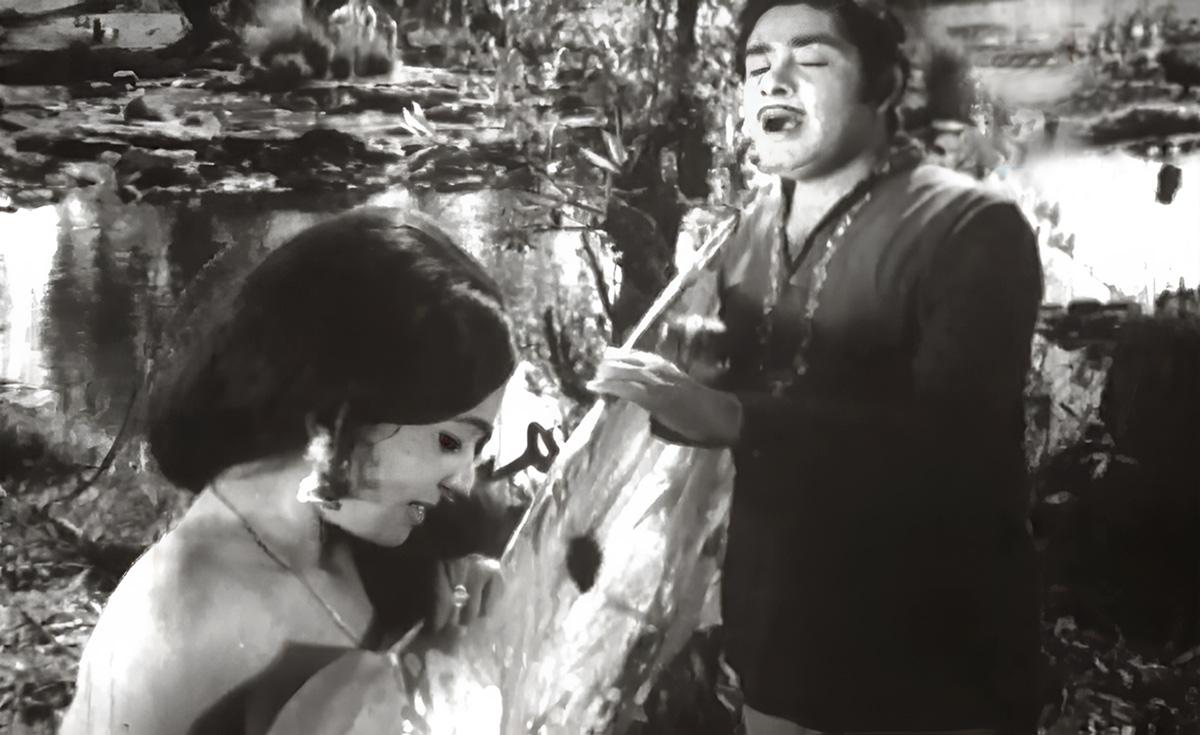
Usha
Nandini
and
Madhu
in
Olavum
Theeravum.
In
1970,
MT
adapted
Olavum
Theeravum
from
his
short
story
of
the
same
name.
Helmed
by
art-house
icon
P
N
Menon
and
starring
Madhu
and
Usha
Nandhini,
it
steered
MT’s
rooted
grammar
into
the
world
of
Menon’s
transcendent
imagery,
with
the
story
of
a
fisherman
who
falls
in
love
with
the
village
concubine’s
daughter.
It
rendered
with
the
much-needed
empathy,
unusual
for
the
times.
The
film
was
lauded
for
its
inclusive
worldview
and
intuitive
understanding
of
complex
human
interaction
and
rural
life
in
Kerala.
The
film
in
a
way
cemented
his
credentials
as
a
bankable
screenwriter.
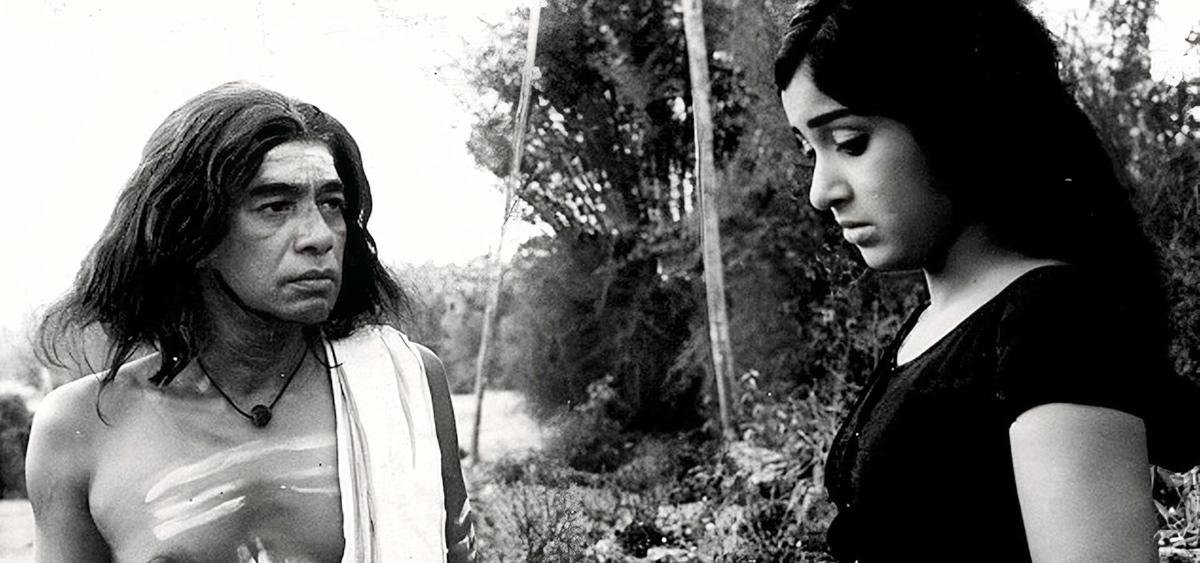
P
J
Anthony
and
Sumitra
from
Nirmalyam.
MT
went
on
to
make
his
directorial
debut
with
the
social
drama
Nirmalyam
(1979),
featuring
theatre
veteran
P
J
Anthony
and
Sumithra
in
the
lead
roles.
Framed
against
the
backdrop
of
a
neglected
temple
and
the
lives
of
the
people
surrounding
it,
it
was
clear
that
MT
was
critiquing
the
class
consciousness
and
fundamentalism,
like
he
did
in
all
his
works.
The
black-and-white
imagery
was
made
even
more
potent
with
controversies
surrounding
the
film’s
subject
matter.
There
was
no
holding
back
for
MT,
who
wasted
no
time
in
making
his
intentions
clear
on
where
he
stands
about
societal
norms
and
age-old
belief
systems.
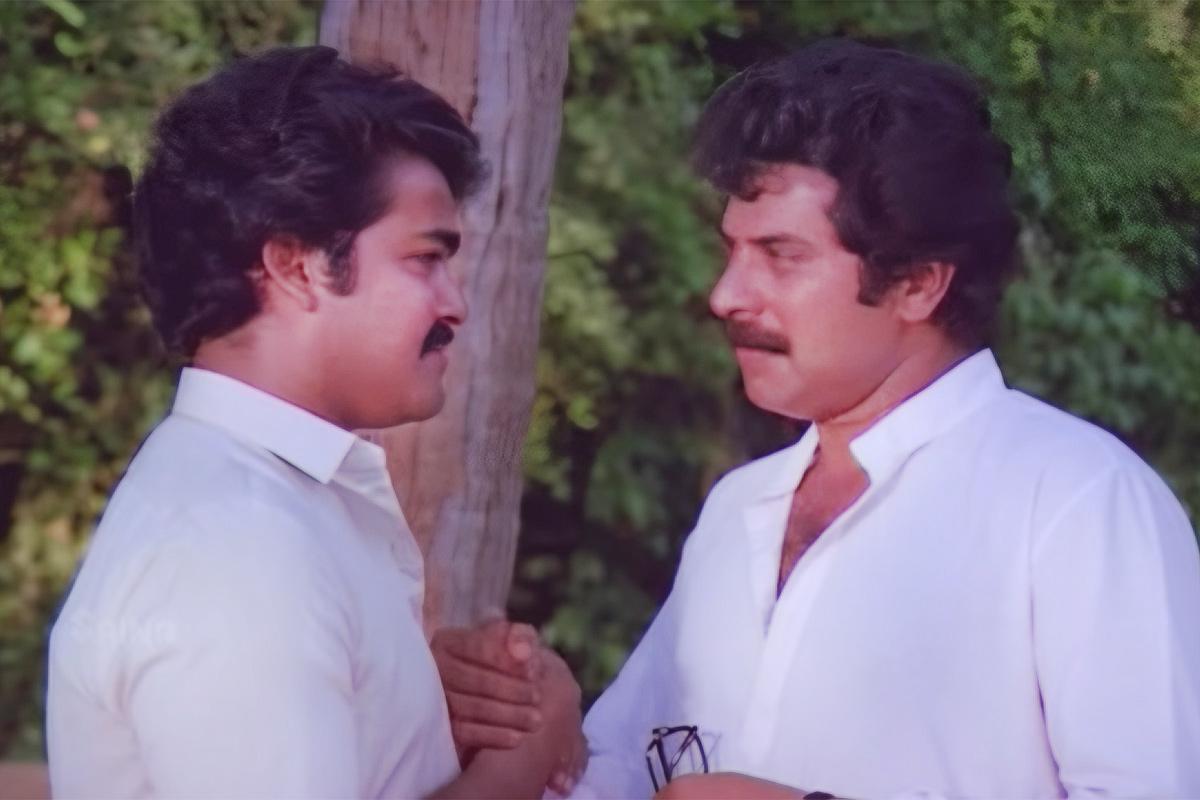
Mohanlal
and
Mammootty
in
Anubandam.
MT
went
on
to
pen
many
more
memorable
dramas
like
Kanyakumari
(1974),
Neelathamara
(1979)
and
Oppol
(1980),
all
of
which
examined
the
rural
realities
of
Malayalee
life
with
the
intensity
and
detachment,
emblematic
of
his
objective
and
realistic
writing.
In
the
1980’s,
MT
found
himself
at
the
centre
of
mainstream
Malayalam
cinema
with
arguably
his
most
prolific
period
as
a
screenwriter,
churning
out
hit
after
hit
in
quick
succession.
He
came
up
with
complicated
anti-hero
archetypes
for
his
collaboration
with
legendary
filmmaker
IV
Sasi
with
films
like
Uyarangalil
(1984)
and
Adiyozhukkukal
(1984),
and
also
continued
his
stream
of
melodramas
with
the
more
lowkey
yet
poignant
small
town
tales
Aalkkoottathil
Thaniye
(1984)
and
Anubandam
(1985).
All
these
films
stand
tall
among
the
best
performances
of
Mammootty
and
Mohanlal.
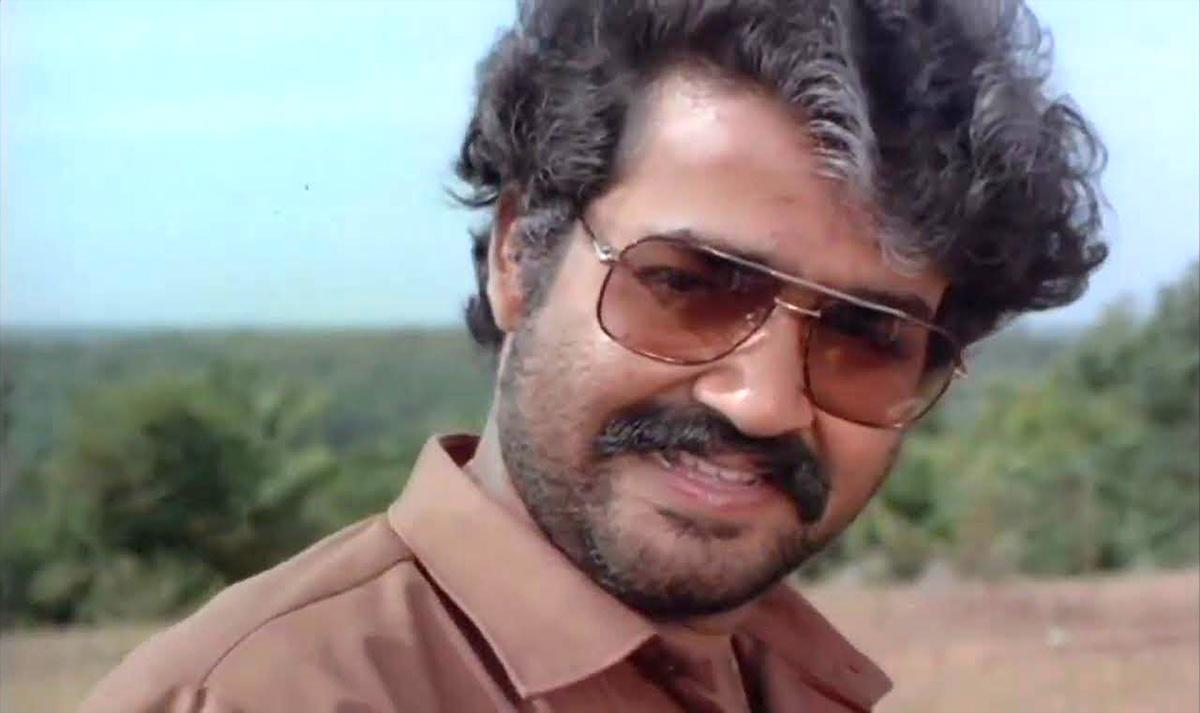
Mohanlal
in
Amrutham
Gamaya.
MT
bloomed
in
his
collaboration
with
director
Hariharan,
who
moulded
his
sensitive
empathy
into
a
series
of
startling,
emphatic
masterpieces
of
middle-of-the-road
classics.
These
films
bridged
the
ever-expanding
gap
between
mainstream
and
art
house
cinema,
with
its
nuanced
examination
of
human
frailties
and
societal
expectations.
Panchagni
(1986)
and
Amrutham
Gamaya
(1987)
dealt
with
central
figures
haunted
by
their
past
that
lead
them
on
a
quest
for
spiritual
and
personal
redemption.
Panchagni
still
amazes
you
with
its
narrative
conviction
and
poignant
exploration
of
the
life
of
a
female
revolutionary,
without
the
limitations
of
the
‘male
gaze’
in
its
telling.
MT
and
Hariharan
found
a
way
to
ground
the
emotional
journeys
of
women
in
their
cinema.
In
Panchagni,
Geetha
plays
the
fiercely
independent,
ideology-driven
yet
tender
lead,
who
is
detested
for
her
fervour
by
family
and
foes
alike.
Amrutham
Gamaya
tells
the
story
of
a
doctor,
who
is
reeling
from
the
guilt
of
a
murder
he
committed
in
his
college
days
and
tries
to
make
up
for
the
family
of
the
deceased
in
his
older
days.
The
film
is
heavily
inspired
by
Ingmar
Bergman’s
Wild
Strawberries
in
its
episodic
flashback
structure
and
kaleidoscopic
view
of
a
man
recounting
his
past.
Mohanlal
delivered
one
of
his
highlight
performances
in
this
seething
drama.
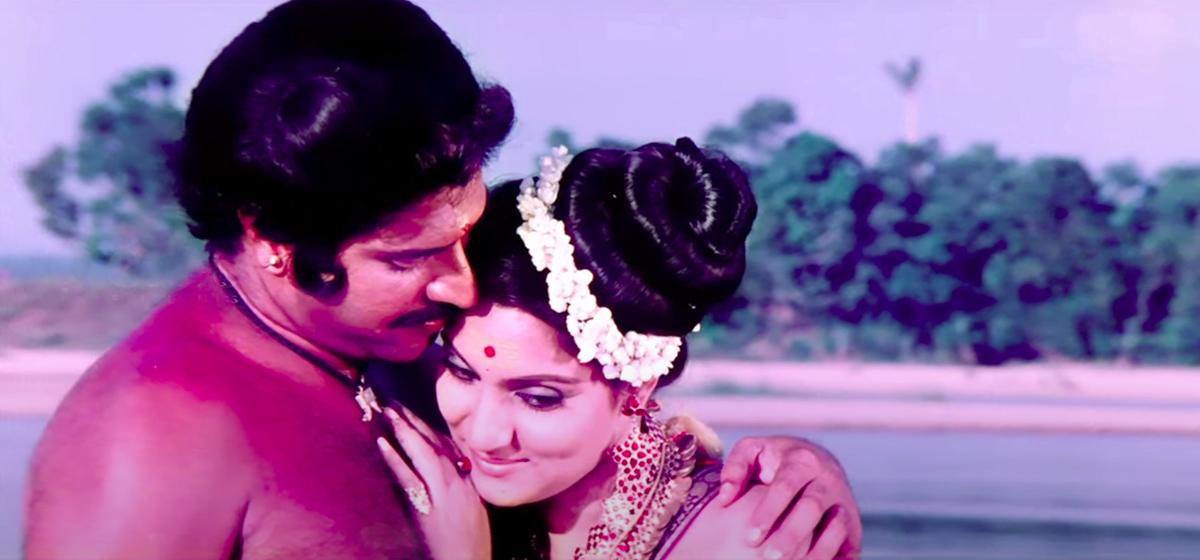
Mammootty
and
Maadhavi
in
Oru
Vadakkan
Veeragatha.
After
penning
the
unparalleled
historical
fiction
period
piece
Vaishali
(1988)
for
Bharathan,
one
of
the
canon
classics
of
Malayalam
cinema,
MT
re-interpreted
the
folklore
surrounding
the
ballad
of
Vadakkan
Pattu
from
Kerala’s
history.
Like
his
efforts
in
Randamoozham,
a
novel
that
narrated
the
Mahabharata
from
the
point
of
Bheema,
MT
experimented
with
perspective
again
in
Oru
Vadakkan
Veeragatha
(1989),
which
told
the
story
of
Kerala’s
ballads
reframing
the
traditional
villain
Chandu
as
the
hero.
The
film
featured
a
towering
performance
from
Mammootty,
and
is
one
of
the
rare
instances
where
alternate
history
worked
its
wonders
in
Malayalam
cinema.
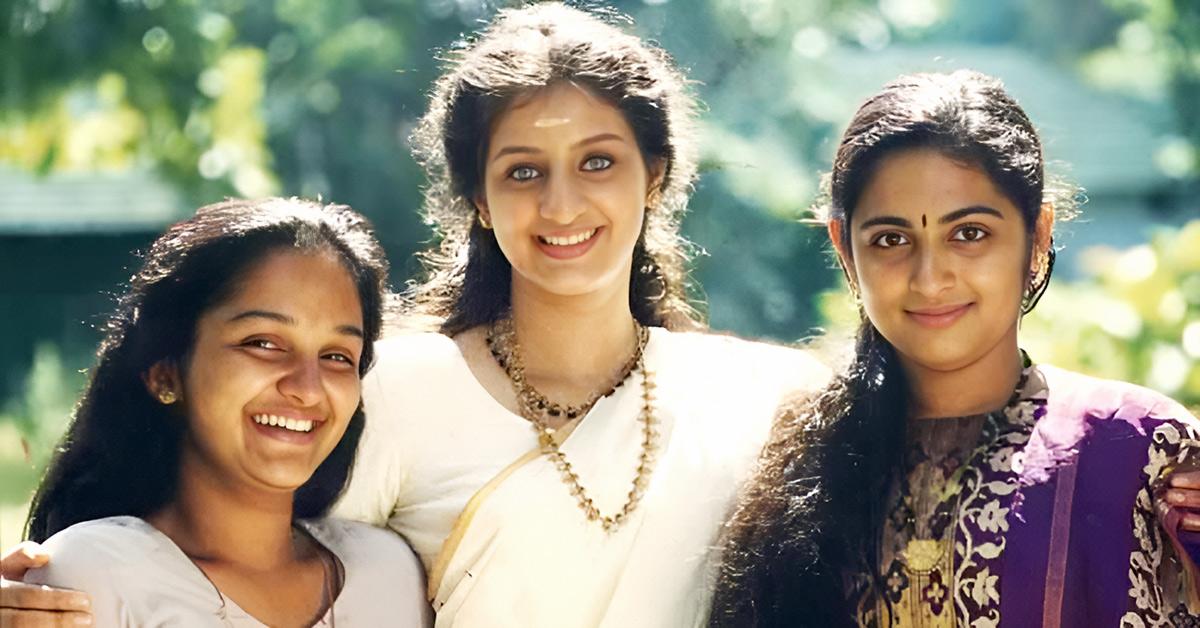
Jomol,
Chanchal
and
Reshmi
Soman
in
Ennu
Swantham
Janakikutty.
After
upending
expectations
again
with
the
intriguing
whodunit
Utharam
(1989),
MT
penned
yet
another
landmark
film,
Thazvaram
(1990).
Mohanlal
played
a
battered
hero,
patiently
waiting
to
murder
a
former
friend
who
betrayed
his
loyalties.
The
film,
directed
with
artistic
flourishes
by
Bharathan,
is
now
known
more
for
its
painterly
images
and
Sergio
Leone-inspired
tonal
high
jinks,
but
the
lines
and
the
specific
genre
swings
of
MT’s
screenplay.
The
unknowability
chased
MT
around
in
this
period,
where
he
flung
himself
from
one
genre
to
another,
juggling
screenplay
conventions,
cinematic
grammar
and
remodelling
the
existing
modes
of
storytelling.
He
joined
Hariharan
again
for
a
series
of
female
lead
dramas
that
examined
the
changing
societal
and
political
conditions
in
Kerala,
with
Aranyakam
(1988),
Parinayam
(1994)
and
Ennu
Swantham
Janakikutty
(1998).
MT
internalised
the
plight
of
young
women
who
find
themselves
in
extraordinary
situations,
left
to
fight
for
their
agency.
All
these
films
showcased
a
tender,
emotionally
mature
side
of
MT
that
was
previously
unknown
to
viewers.
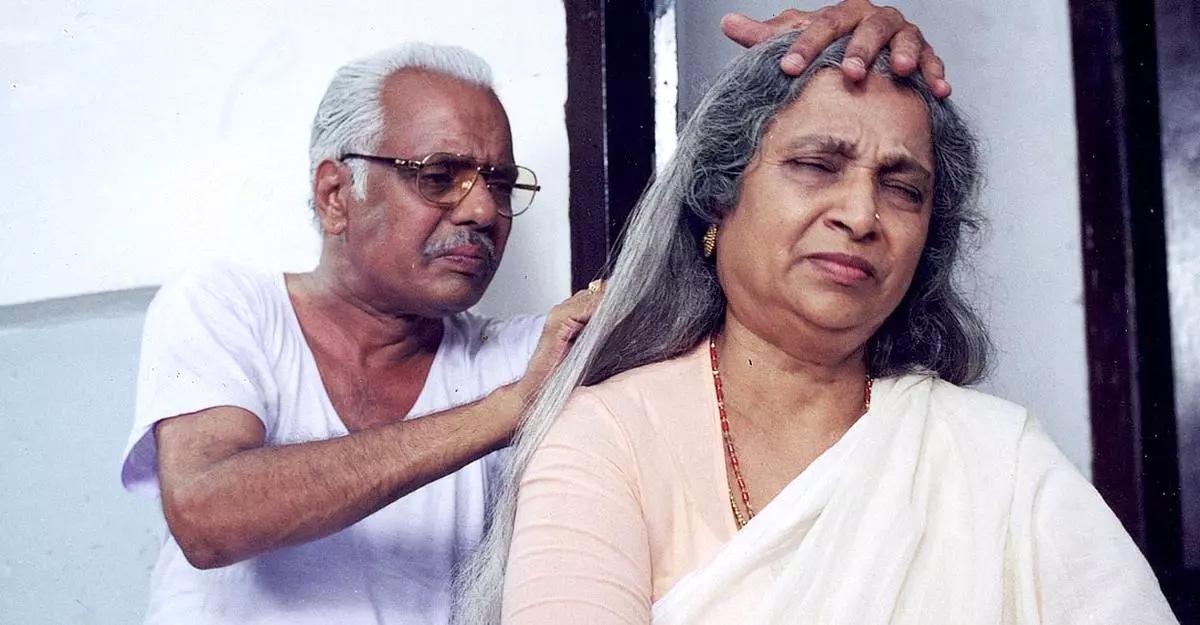
Nirmala
Sreenivasan
and
Oduvil
Unnikrishnan
in
Oru
Cheru
Punchiri.
In
between
this
run,
his
low-key
second
directorial
Kadavu
(1991)
came
out,
which
saw
him
adapting
another
legendary
author
S
K
Pottekkatt’s
short
story
Kadathuthoni.
The
story
revolved
around
a
boy,
who
was
brought
up
around
a
ferry.
In
the
mid
1990s
he
also
wrote
one
of
his
everlasting
works
Sukrutham
(1994),
which
was
borne
out
of
a
personal
experience
he
had
faced
during
his
journalism
years.
In
2000,
MT
came
out
with
his
final
directorial
venture,
Oru
Cheru
Punchiri.
It
told
a
self-contained
love
story
about
a
retired
estate
manager
and
his
wife,
going
through
their
retirement
days
with
the
joys
of
elderly
couples.
This
might
be
his
most
assured
work
as
a
filmmaker.
The
deftness
with
which
MT
handled
the
matured
romance
and
the
day-to-day
life
of
the
senior
couple
stands
out
for
its
poetic
authenticity.
The
following
years
saw
MT
move
away
from
the
spotlight
and
concentrate
on
his
literary
pursuits.

M
T
Vasudevan
Nair
hands
Rahul
Gandhi
a
pen
as
a
gift
when
the
Congressman
visited
his
home
in
Malappuram
on
MT’s
90th
birthday
on
July
26,
2023.
Photograph:
ANI
Photo
His
post-2000
output
saw
only
two
screenplays
in
the
form
of
Theerthadanam
(2002)
and
Kerala
Varma
Pazhassi
Raja
(2009),
the
latter
once
again
directed
by
Hariharan
and
starring
Mammootty.
The
writer
showed
that
age
was
never
an
impediment
to
his
creative
output.
The
latest
cinematic
offering
from
the
MT
literary
estate
was
Manorathangal,
the
nine-part
anthology
film,
based
on
nine
of
his
stories
that
revived
his
work
for
a
new
generation.
MT
played
an
important
part
in
the
formation
of
taste
and
general
literary
awareness
in
Kerala
over
decades.
The
Jnanpith
Award-winning
author
defined
the
way
authors
look,
speak
and
exist
in
Kerala
for
more
than
50
years.