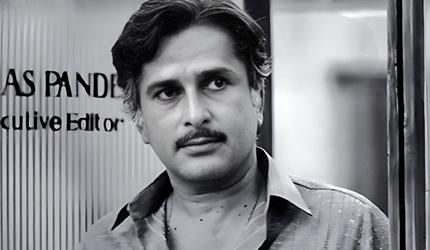
By today’s standards, when the cynicism about the corrupt system is rampant, New Delhi Times seems mild.
But it was upsetting enough to have problems with film distributors. Even television refused to run it.
Deepa Gahlot re-introduces you to this 1986 classic.

The press has seldom been portrayed with any degree of authenticity in Bollywood.
But there was Ramesh Sharma’s New Delhi Times (1986), which probed the world of newspaper journalism with complete veracity.
The director gathered together a plethora of the finest talent on offer — Gulzar as scriptwriter, the legendary Subrata Mitra as cinematographer, Louis Banks as composer, Renu Saluja as editor and Nitish Roy as art director.
Plus, Shashi Kapoor in his National Award-winning turn as journalist Vikas Pande. He played the pipe-smoking executive editor of New Delhi Times, with Sharmila Tagore as his lawyer wife.
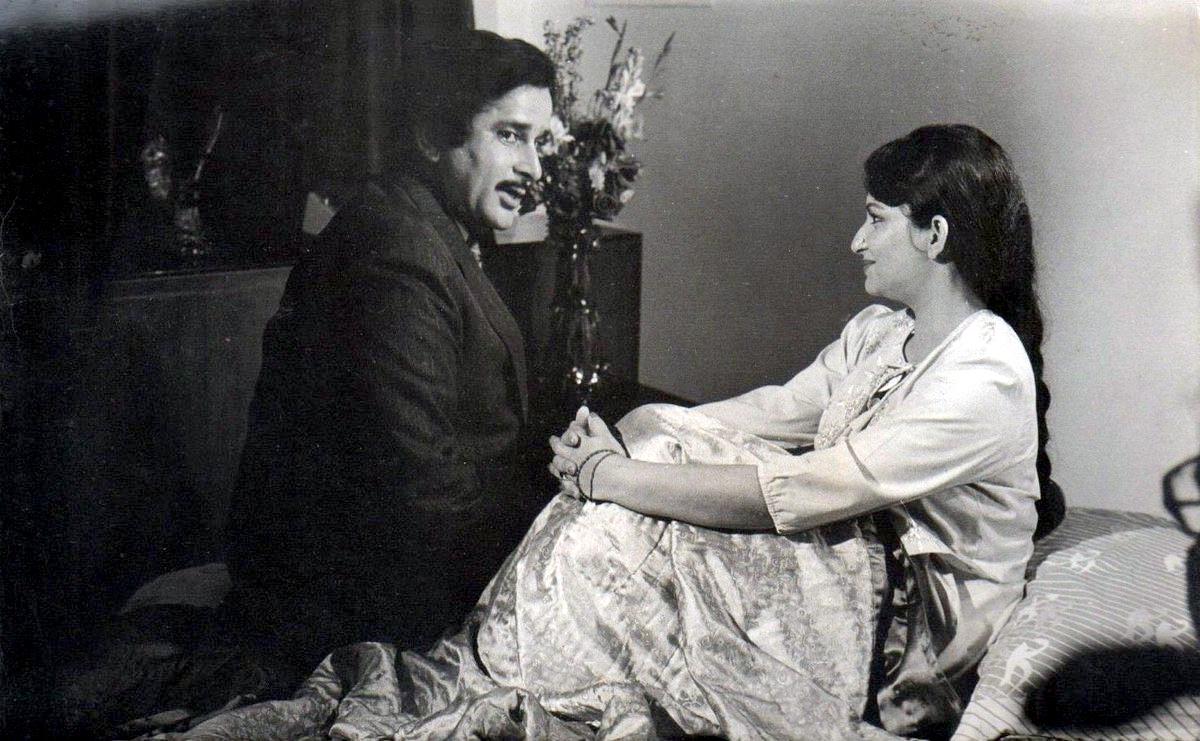
Apart from the lack of modern technology, like computers and cell phones, New Delhi Times could well have been made today — the same politician-criminal-media nexus still exists and is even more virulent.
Delhi, then as now, is the hub of power politics and full of fixers, wheeler-dealers and social climbers.
The media cannot but become a pawn in the game. Only back then, the print medium was all powerful, with television still taking second place, in the pre-satellite era.
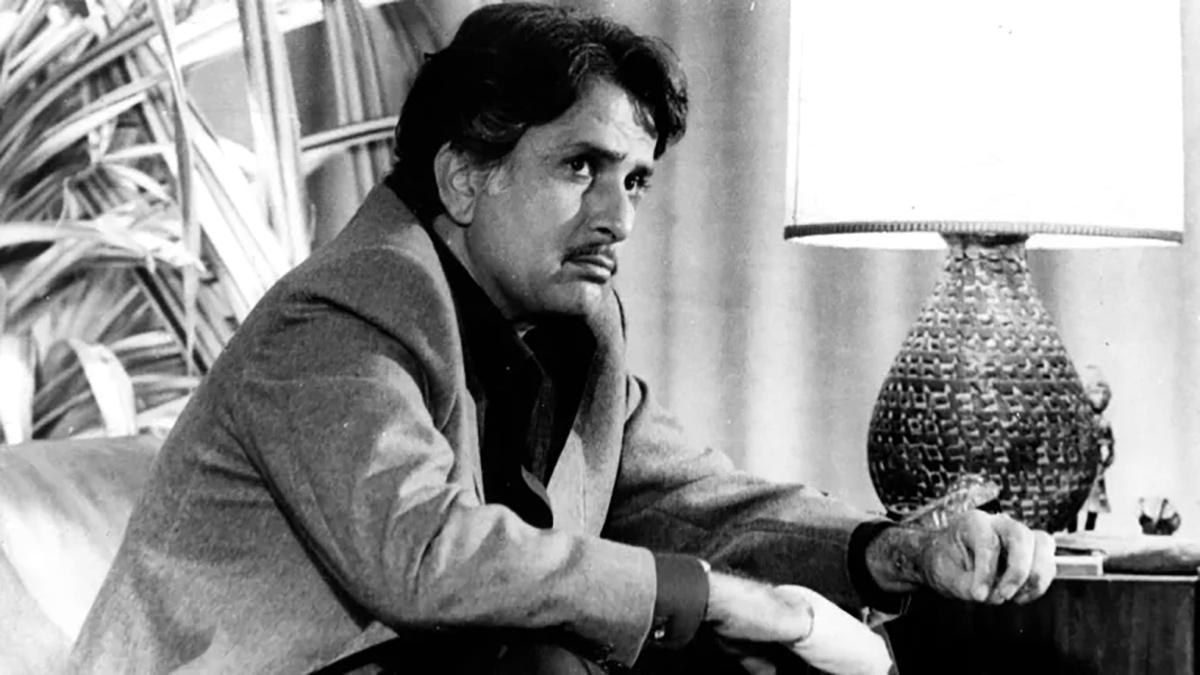
The newspaper is owned by Jagannath Poddar (Manohar Singh) with his brash son JK (Kulbhushan Kharbanda) snapping at his heels, interested in the privilege the newspaper affords him, but has none of his father’s commitment.
In one of the media-political pow wows in a swank farm house, a young leader Ajay Singh (Om Puri) threatens to upset the ‘system’ as it is run by Chief Minister Trivedi (Panchanan Pathak).
An MLA Bhaleram is murdered in the small town of Ghazipur on the outskirts of Delhi, there are deaths due to spurious liquor and riots break out-all jostling for space in the newspaper.
One of Pande’s reporters who had an inside track on the murder is run over by a truck and killed.
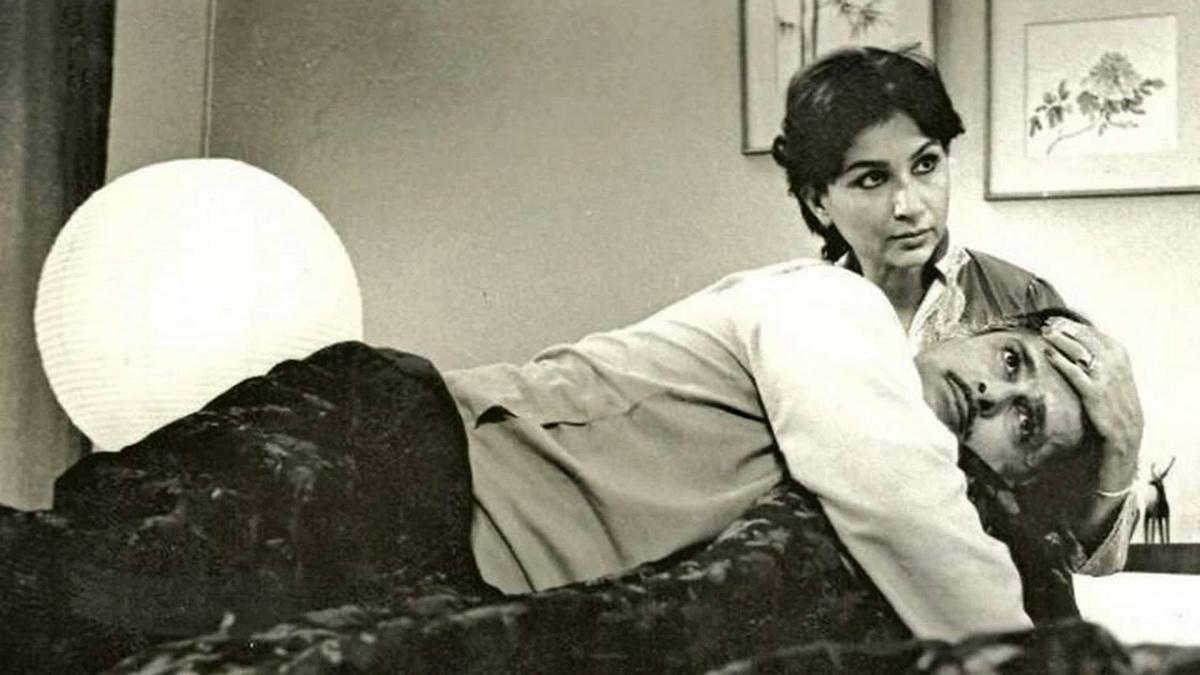
Vikas visits his father (A K Hangal) in Ghazipur, and right into the troubled, curfew zone.
In court, the man accused of Bhaleram’s murder accuses Ajay Singh of the crime and instigates another round of violence.
Vikas gets vital information from a local scribe, who knows his limitations and expects an important journalist to be the one to do an expose of what is going on.
A photographer (M K Raina), who fearlessly walks everywhere to take pictures, makes the film’s most significant statement: That journalism is mere entertainment.
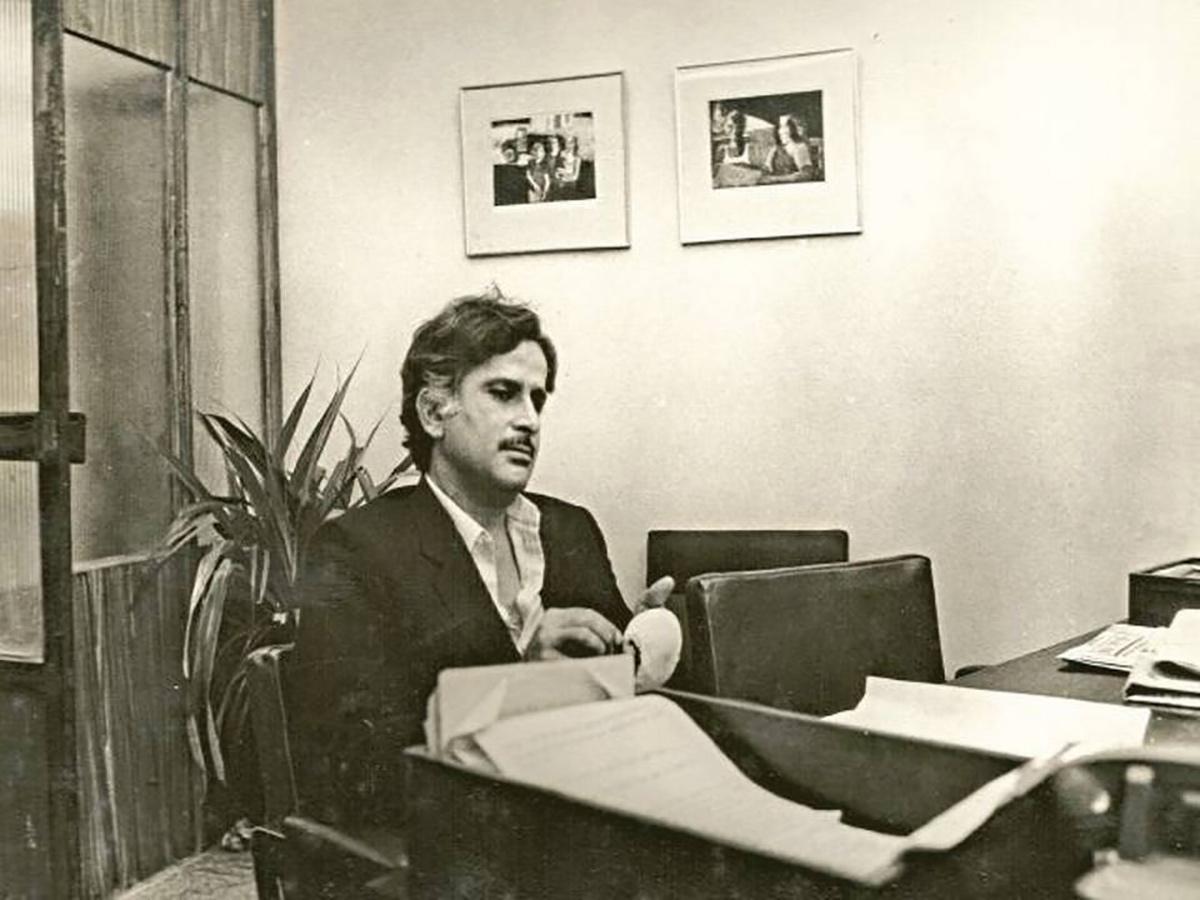
By today’s standards, when the cynicism about the corrupt system is rampant, the film seems mild.
But it was upsetting enough to have problems with film distributors. Even television refused to run it.
It went on to win three National Awards, for Shashi Kapoor, Subrata Mitra, and for Best First Film Of A Director.
But it is a mystery — and a pity — that Ramesh Sharma never made another film.