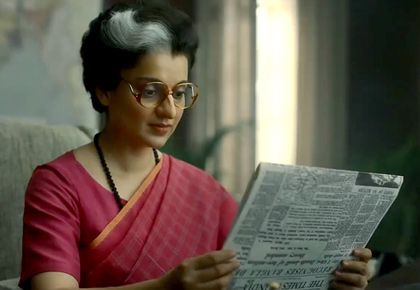
As
with
biopics
these
days,
Kangana
Ranaut’s
films
may
be
less
about
telling
the
story
of
a
dark
chapter
of
Indian
history
and
more
about
giving
fodder
to
those
who
seek
to
defend
or
justify
government
highhandedness
today,
observes
Utkarsh
Mishra.
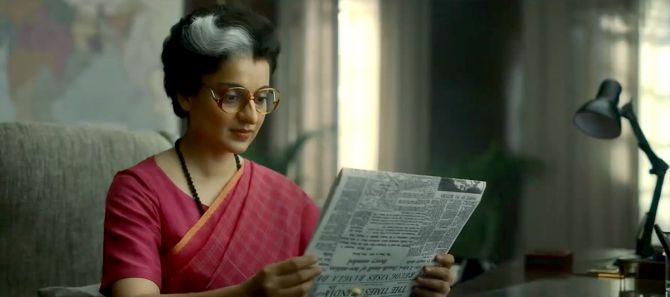
Of
late,
the
recipe
for
a
Bollywood
period
drama
has
been
thus.
Take
up
a
historical
figure
or
incident,
mix
it
with
a
flavour
of
today’s
politics,
make
those
characters
say
or
do
something
they
never
said
or
did
to
convince
the
audience
that
they
were
exactly
like
how
they
are
being
portrayed.
Kangana
Ranaut’s
latest
film,
Emergency,
seems
little
different.
The
trailer
is
on
expected
lines.
By
the
trailer,
it
looks
like
the
film
is
not
just
about
the
Emergency
and
its
excesses
but
also
contains
Indira
Gandhi’s
political
journey
to
the
prime
minister’s
post
and
her
role
as
head
of
government.
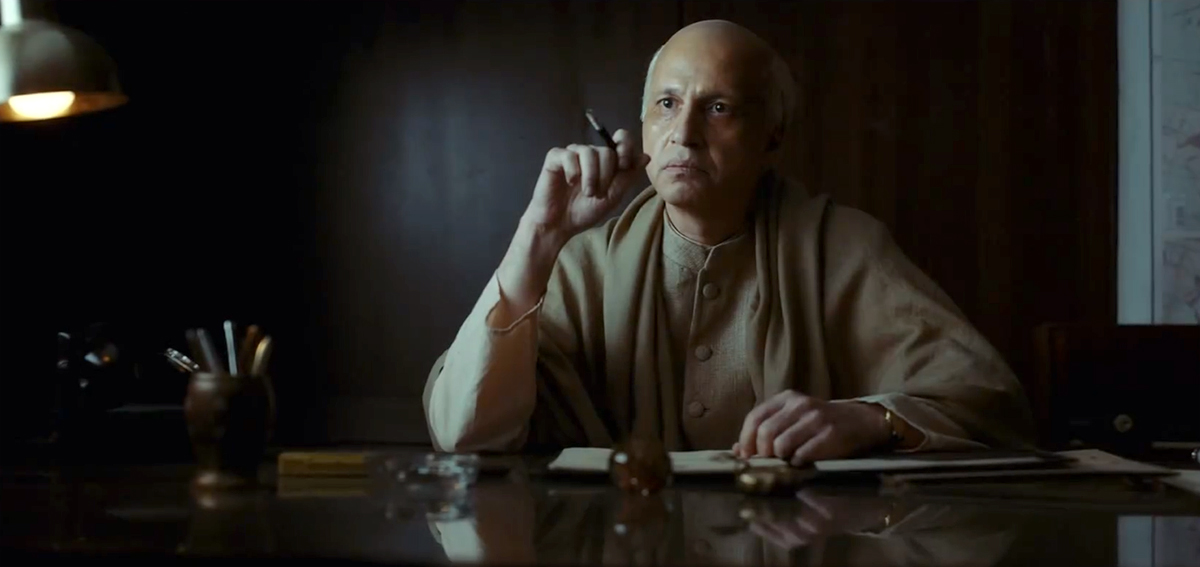
The
initial
few
seconds
give
a
glimpse
of
a
man,
supposedly
playing
Jawaharlal
Nehru,
asking
his
daughter,
‘You
once
learned
from
me,
now
you
want
to
teach
me?’
Another
background
voice
says
‘isne
to
apne
baap
ko
neeche
gira
kar
kursi
cheen
li
(she
trounced
her
father
and
usurped
his
chair)’,
implying
that
Indira
Gandhi
led
a
coup
d’état
against
her
father.
While
it
is
generally
accepted
that
Indira
didn’t
much
like
her
father’s
democratic
attitude,
it
would
be
stretching
it
too
far
to
say
that
she
usurped
his
chair
for
this
reason.
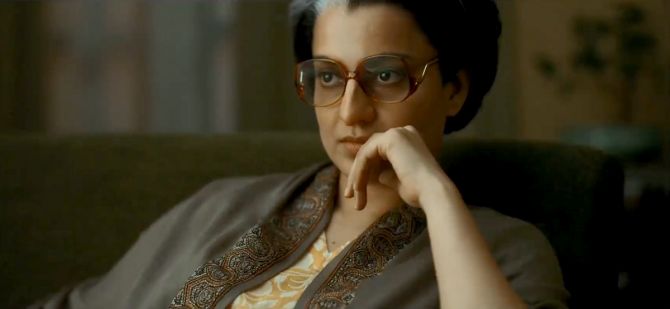
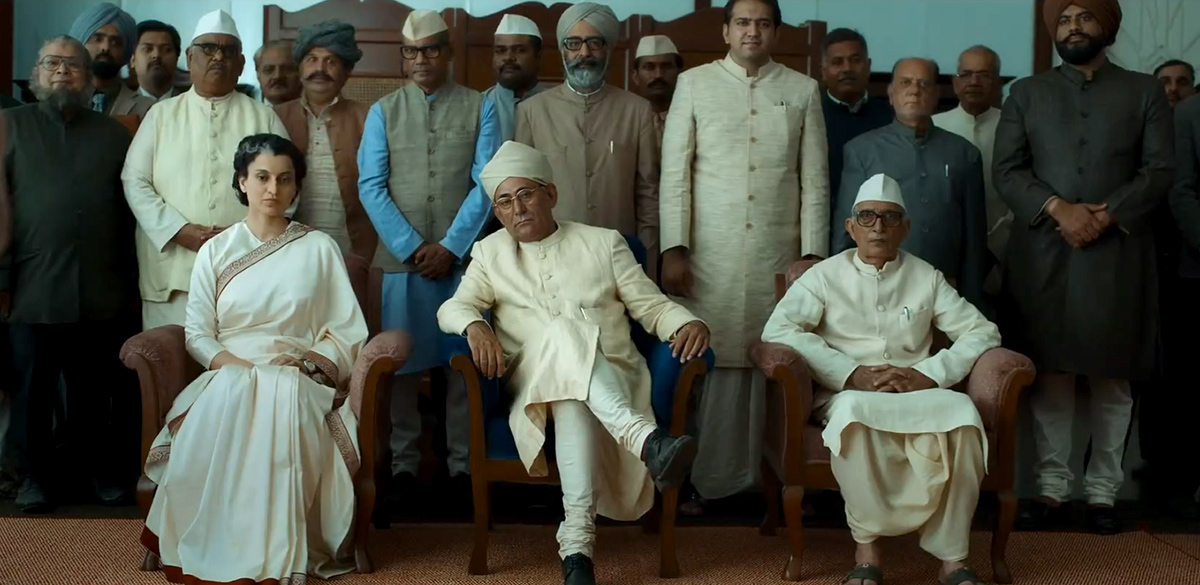
A
snippet
in
the
trailer
also
shows
a
female
voice
(supposedly
of
her
friend
and
biographer
Pupul
Jayakar)
telling
Mrs
Gandhi
that
‘They
would
hate
her
for
this
(Emergency)’,
to
which
she
replies,
with
tears
in
her
eyes,
‘What
else
I
have
got
from
this
country?’
Now
it
is
true,
as
her
letters
reveal,
that
Mrs
Gandhi
had
little
admiration
for
leaders
of
the
Opposition
parties
and
actually
believed
that
they
do
what
they
do
with
the
sole
purpose
of
ousting
her
from
power.
Jayakar’s
book
does
contain
a
reference
of
such
a
meeting
she
had
with
Mrs
Gandhi
shortly
after
the
proclamation
of
the
Emergency,
when
the
latter
was
‘shocked’
by
her
old
friend
tersely
asking
her,
‘How
could
Nehru’s
daughter
allow
this?’
Jayakar
recalled
that
Mrs
Gandhi’s
eyes
turned
moist
while
replying
to
her,
but
her
reply
was
more
about
‘saving
the
country
from’
Jayaprakash
Narayan
and
Morarji
Desai,
and
less
about
‘the
country
hating
her’.
In
fact,
she
believed,
at
least
in
the
initial
days
of
the
Emergency,
as
do
several
historians
and
political
commentators
even
now,
that
the
common
people
didn’t
really
care
about
curtailed
freedom,
and
instead
‘appeared
content
with
the
fact
that
buses
and
trains
plied
on
time,
government
employees
were
punctual
and
prompt,
and
crime
rates
had
fallen.’
This
is
believed
to
be
a
reason
for
both
Mrs
Gandhi
lifting
the
Emergency
and
declaring
elections
15
months
before
she
legally
had
to;
and
jailed
Opposition
leaders
like
Charan
Singh
and
Atal
Bihari
Vajpayee
adopting
a
more
conciliatory
attitude
towards
her.
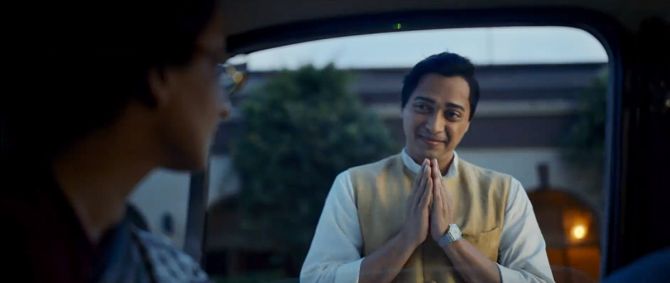
In
the
trailer,
we
see
more
of
Vajpayee,
played
by
Shreyas
Talpade,
than
other
Opposition
leaders
equally
or
more
prominent
than
him
at
that
time.
It
shows
Mrs
Gandhi
going
to
meet
Vajpayee,
and
telling
him,
‘I
came
to
bargain
with
an
Opposition
leader
but
I
met
a
true
patriot.’
While
it’s
true
that
she
sent
feelers,
through
her
aides
like
then
minister
of
state
Om
Mehta,
to
jailed
Opposition
leaders,
including
Vajpayee,
before
lifting
the
Emergency,
there’s
no
record
of
her
meeting
any
of
them,
much
less
of
her
calling
Vajpayee
a
‘true
patriot’.
(We
shouldn’t
mind
it
though.
In
fact,
at
this
point,
we
should
be
thankful
that
the
movie
doesn’t
show
someone
else
—
we
know
who
—
getting
these
accolades
from
Indira
Gandhi.)
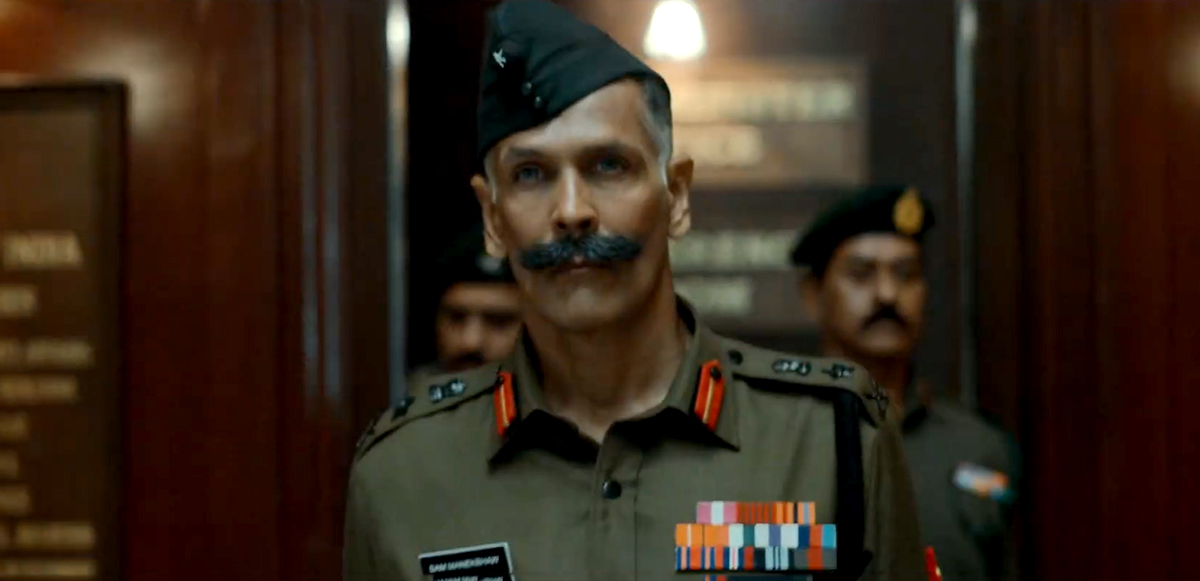
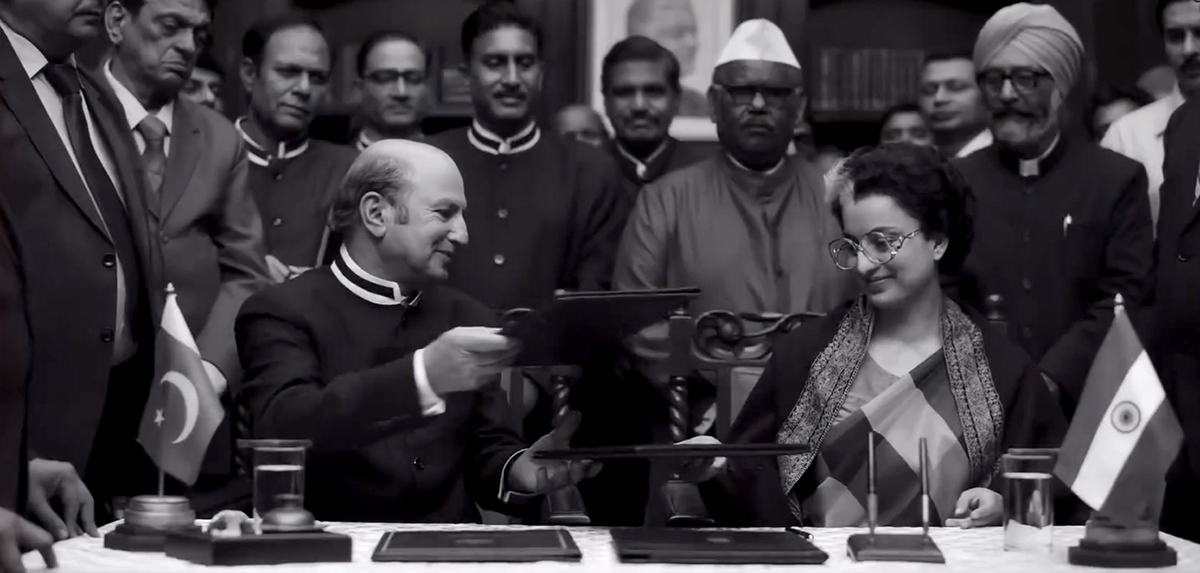
The
trailer
shows
Milind
Soman
in
the
role
of
the
legendary
Field
Marshal
S
H
F
J
Manekshaw,
followed
by
a
few
visuals
of
the
1971
War
(not
without
immediately
juxtaposing
it
with
a
reference
to
the
Simla
Agreement
of
1972).
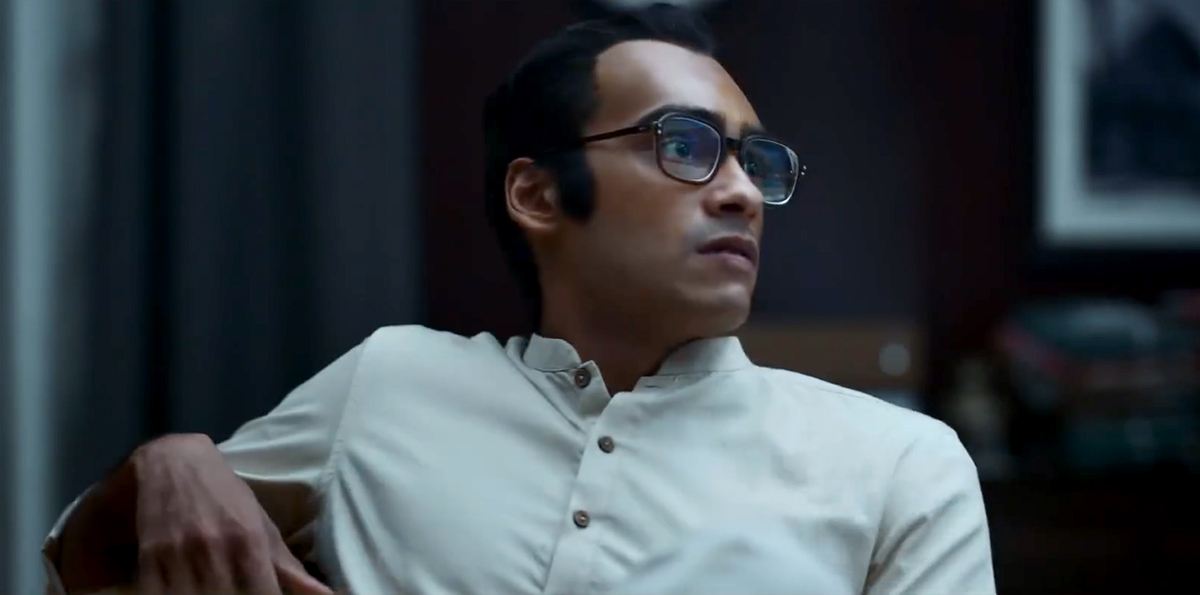
The
most
appropriate,
however,
seems
to
be
the
portrayal
of
Sanjay
Gandhi;
as
eccentric,
as
unpredictable,
and
as
temperamental
as
one
finds
him
in
history
books.
But
the
most
glaring
inconsistency
is
Ranaut’s
Indira
saying,
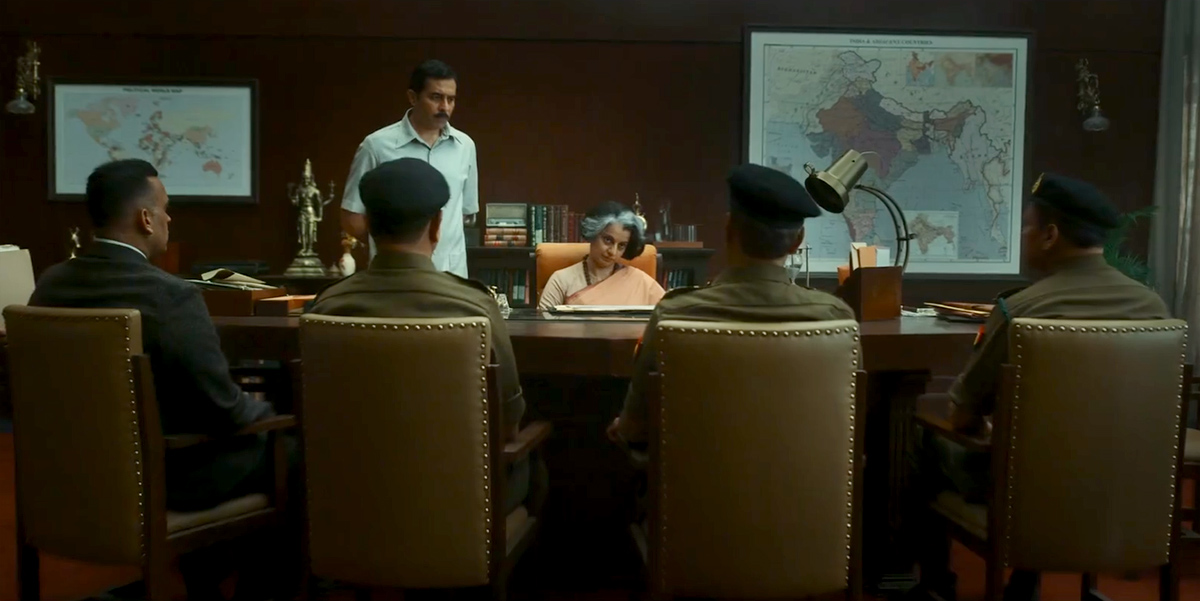
‘India
is
Indira,
and
Indira
is
India’.
It
was
never
said
by
Mrs
Gandhi
herself,
but
by
the
then
Congress
president
D
K
Borooah.
In
conclusion,
I
must
say
that
there
can
never
be
a
defence
of
the
Emergency
and
all
criticism
of
Mrs
Gandhi
with
respect
to
it
is
justified.
So
it
cannot
be
said
that
any
portrayal
of
her
as
a
despot
is
out
of
place.
However,
as
with
biopics
and
period
dramas
these
days,
Ranaut’s
films
may
be
less
about
telling
the
story
of
a
dark
chapter
of
Indian
history
and
more
about
giving
fodder
to
those
who
seek
to
defend
or
justify
government
highhandedness
today.
Although,
hoping
against
hope,
if
it
turns
out
to
be
otherwise
—
borrowing
from
Justice
C
N
Broomfield’s
sentence
during
the
trial
of
Mahatma
Gandhi
in
1922
—
no
one
will
be
better
pleased
than
I.