‘In
anything
in
life,
privilege
helps.’
‘Privilege
means
access.
Access
means
connections.’
‘Does
it
help?
Of
course,
it
does.
In
whatever
you
do.’
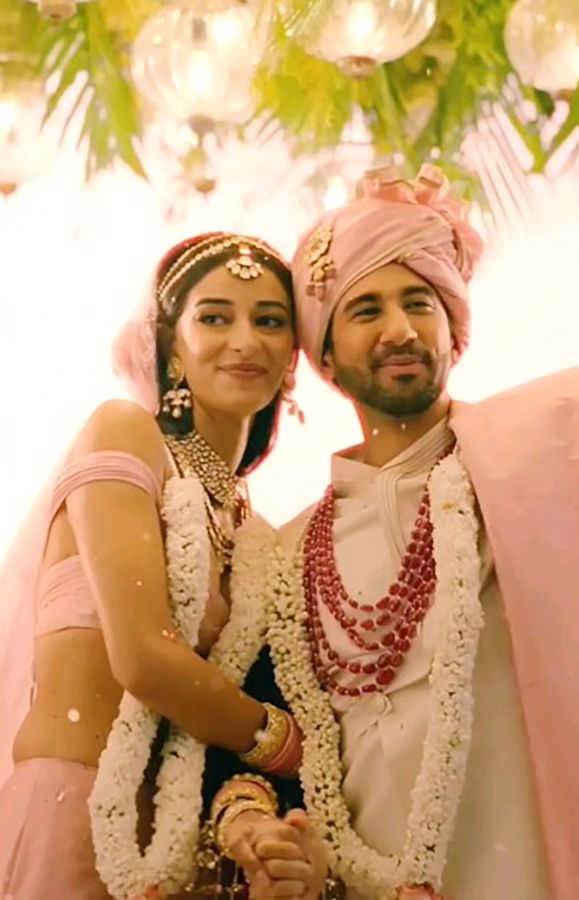
Ananya
Panday
and
Vihaan
Samat
in
Call
Me
Bae.
Mumbai
boy
Vihaan
Samat
got
a
taste
of
Hollywood
when
he
played
a
fleeting
role
in
the
Michael
Keaton-starrer
political
drama
Worth,
while
he
was
studying
in
the
US.
He
found
recognition
in
India
for
his
work
in
streaming
shows
Mismatched
and
Eternally
Confused
and
Eager
for
Love.
The
latest
is
Call
Me
Bae,
where
Vihaan
plays
Ananya
Panday’s
wealthy
husband.
“Since
the
time
I
started,
I’ve
been
very
clear
that
this
is
what
I
want
to
do,
so
I
don’t
think
I
will
quit,”
Vihaan
tells
Mayur
Sanap/Rediff.com.
What’s
the
joy
of
being
a
part
of
a
Karan
Johar
production?
Somewhere
along
the
line,
it
feels
like
your
dream
has
come
true.
While
growing
up,
you
see
all
his
films
—
big
stars,
lavish
sets
—
and
he
is
also
one
of
the
biggest
figures
in
the
industry
today.
Just
like
many
others,
I
also
hoped
to
work
with
him.
Also,
out
of
all
the
places
I’ve
worked
so
far,
I
will
say
Dharma
treats
its
actors
very
well.
They
really
care
about
you,
make
you
feel
valued,
and
make
you
happy
about
what
you
do.
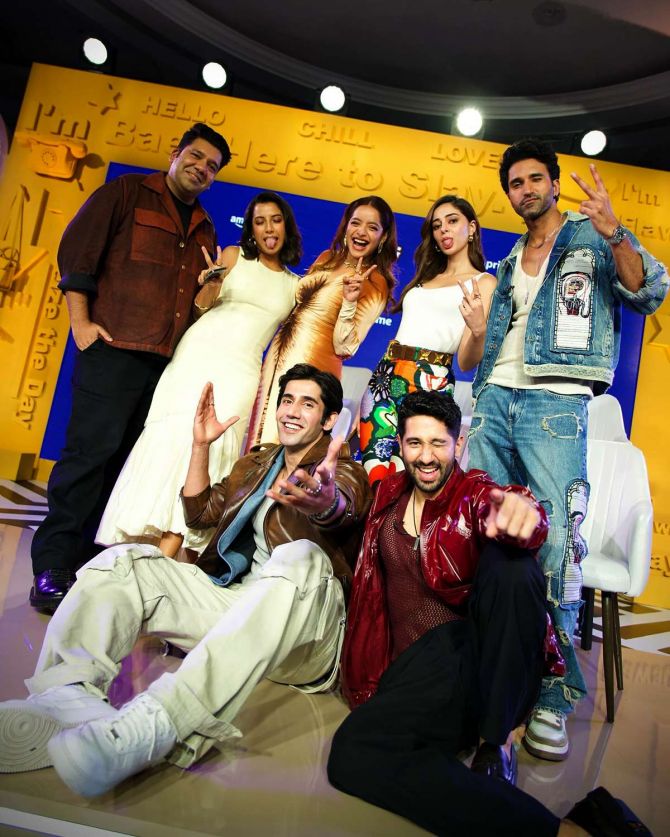
Vihaan
with
team
Call
Me
Bae.
Photograph:
Kind
courtesy
Vihaan
Samat/Instagram
This
is
your
second
outing
with
Ananya,
if
we
count
Vikramaditya
Motwane’s
upcoming
project
Control.
What
amazes
you
about
Ananya,
both
as
a
person
and
co-star?
We
went
to
school
together,
so
I’ve
seen
us
from
a
young
age.
we
weren’t
friends
then,
we
were
in
different
classes.
I
would
definitely
call
her
a
friend
now.
It’s
not
like
we
hang
out
every
single
day
,but
she’s
very
friendly
and
warm.
Around
the
time
when
we
were
discussing
Call
Me
Bae
and
Control,
I
think
there
were
discussions
of
Kho
Gaya
Hum
Kahan.
It
had
not
come
out
yet,
so
I
was
really
looking
forward
to
seeing
her
act.
From
the
very
first
day
on
set,
I
was
very
happy
to
understand
that
she’s
completely
present.
Like
100
per
cent.
She’s
focused.
She’s
a
professional.
She
gives
it
her
all.
She
really,
really,
loves
what
she
does
and
does
not
care
about
the
rest.
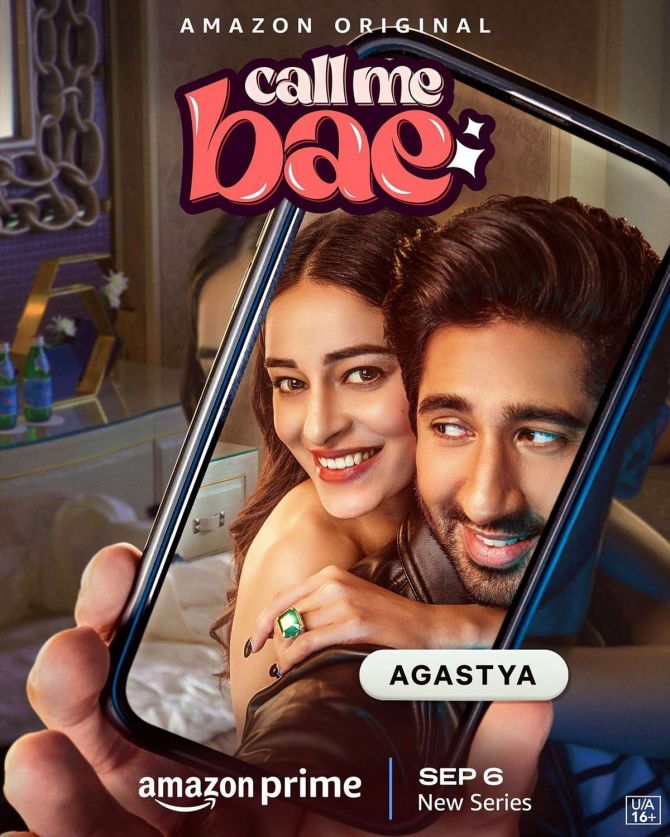
Ananya
and
Vihaan
in
Call
Me
Bae.
Photograph:
Kind
courtesy
Vihaan
Samat/Instagram
How
much
did
you
identify
with
your
character
in
Call
Me
Bae?
He’s
very
wealthy
and
privileged.
He’s
a
South
Delhi
billionaire.
So,
this
billionaire
angle,
I
didn’t
really
identify
with
to
be
honest
(laughs),
but
you
see
certain
people
and
you
can
pick
out
certain
attributes
and
behaviors
from
them.
Each
person
is
capable
of
all
the
emotions
available
to
human
beings.
It’s
simply
a
matter
of
accessing
it
when
it
is
required.
I
brought
out
this
alpha
male
sort
of
personality
in
me.
I
might
not
choose
to
be
in
it
every
single
day
of
my
life
but
you
have
to
be
comfortable
bringing
out
that
part
on
screen.
I’ll
admit
it
was
fun.
It’s
interesting
how
you
started
your
career
with
the
Hollywood
production
Worth.
How
did
that
film
happen
to
you?
It’s
a
funny
story,
actually.
I
was
in
the
US
after
my
college
and
was
one
of
the
finalists
for
ABC
Talent
Showcase
which
is
done
by
this
channel
ABC
every
year.
They
choose
10
people
out
of
20,000
entries
each
year.
It
allowed
me
to
perform
on
Broadway
for
two
days
as
a
showcase
for
the
industry.
Then
I
got
my
first
agent
in
the
US
and
started
auditioning
for
movies
and
shows.
At
that
time,
I
was
going
for
four-five
auditions
a
week.
There
used
to
be
long
scripts
at
these
auditions.
Looking
back,
that
really
trained
me
to
handle
demands
and
pressures
of
going
into
each
room
and
giving
it
your
one
shot.
And
these
were
some
big
projects
like
Marvel
films,
channel
shows,
different
seasons
of
existing
shows,
and
new
launches.
I
landed
this
small
audition
for
Worth
and
just
went
in.
I
didn’t
take
it
too
seriously.
I
did
my
take
and
remember
the
casting
member
was
like
laughing
and
saying,
‘Yeah,
yeah,
that’s
it.
That
was
fine.’
Then
I
got
the
call.
I
realised
my
scene
was
with
Michael
Keaton.
It
was
a
classroom
scene
and
Michael
Keaton
was
coming
there
as
a
guest
lecturer,
and
he’s
talking
to
all
the
students.
I
remember
during
the
shot,
I
was
thinking
that
I
never
really
wanted
to
become
an
actor
but
here,
I
was
doing
lines
with
Batman!
I’m
doing
lines
with
a
Golden
Globe
winner.
Life
hits
you
and
you’re
like,
yeh
kya
chal
raha
hai?
(what’s
happening?)
And
it’s
really
nice.
I
was
like,
well,
this
is
not
a
bad
start.
Did
you
get
to
interact
with
Michael
Keaton
on
the
sets?
No,
because
I
wasn’t
that
prominent
in
the
movie.
It
was
a
one-day
job.
They’re
usually
very
professional
and
segmented.
I
remember
sitting
in
that
chair
and
he
came
in
wearing
headphones
and
a
down
jacket.
He
was
getting
into
his
zone.
Once
he
was
done,
he
spoke
to
the
director
for
two
minutes,
looked
at
the
classroom
and
then
started
saying
his
lines.
We
didn’t
realise
that
the
scene
had
started.
There
was
no
rehearsal
or
anything
like
that.
It
was
interesting
to
see
his
process.
How
did
Bollywood
happen
to
you
after
this
brief
stint
in
Hollywood?
After
a
point,
you
realise
you
need
to
go
back
home.
If
you
want
to
do
stories
and
work
in
a
place
where
you
have
to
connect
emotionally,
those
stories
should
be
stories
you
relate
to.
I’m
happy
to
work
in
Hollywood
and
I
can
perform
there,
but
the
end
of
the
day,
the
stories
are
not
Indian.
They’re
American.
There
is
a
certain
kind
of
relatability
in
India
and
a
home
wali
feeling
that
I
really
love.
I’m
really
happy
that
I’m
here.
What
were
you
studying
in
America?
I
was
at
the
NYU
Tisch
School
of
the
Arts.
I
was
studying
theatre.
I
have
a
Bachelor’s
of
Fine
Arts
degree
in
theatre.
I
also
have
an
Economics
minor
because
Indian
parents
insist
on
a
backup.
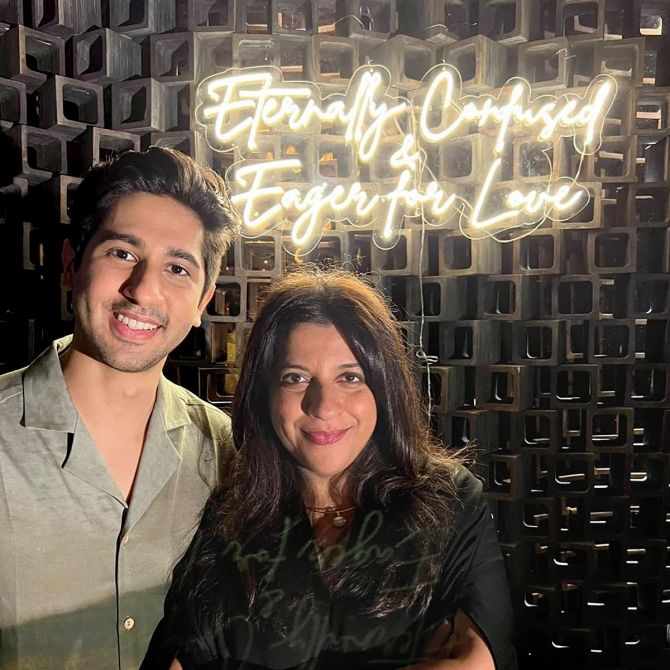
With
Zoya
Akhtar,
who
co-produced
Eternally
Confused
and
Eager
for
Love.
Photograph:
Kind
courtesy
Vihaan
Samat/Instagram
What
are
your
earliest
memories
of
watching
films?
Growing
up,
I
used
to
say
I
want
to
be
actor,
singer,
dancer,
producer,
stand-up
comedian.
Over
time,
I
realised
you
have
to
pick
one.
So
every
year
I
dropped
one.
Finally,
by
Standard
10,
I
decided
that
yes,
I
want
to
become
an
actor.
The
thing
is,
you
grow
up
seeing
a
lot
of
Bollywood
around
you,
especially
in
Bombay.
I
was
always
fascinated
by
story-telling
and
stars.
My
school
had
a
very
strict
environment.
There
was
a
huge
focus
on
subjects,
other
than
anything
creative.
For
a
child,
it
is
important
to
give
them
creative
liberty
and
I
think
that’s
what
I
was
looking
for.
We
used
to
do
school
plays
and
that
was
very
enjoyable
for
me.
I
used
to
be
very
excited
performing
on
stage.
Since
then,
I
had
that
keeda
(inclination).
College
was
a
very
different
environment
for
me.
It
was
in
a
different
country.
You’re
exposed
to
so
many
things
that
you
have
never
been
exposed
to.
In
the
US,
I
was
exposed
to
teachers
who
had
worked
in
Oscar-winning
films
and
who
had
won
Oscars
themselves.
One
of
my
teachers
had
an
Academy
Award
for
documentary
film-making
in
the
’70s.
I
watched
the
craziest
documentaries
in
college,
like
a
documentary
called
Dark
Days,
which
is
about
people
living
in
the
New
York
subway
in
the
’80s.
Then
we
watched
documentaries
about
Syria.
I
really
appreciate
that
time
because
it
opened
my
eyes
to
so
many
possibilities.
In
my
method
acting
classes,
we
studied
American
writers
like
Tennessee
Williams
and
Arthur
Miller
and
newer
playwrights
like
Jesse
Eisenberg,
the
actor
from
The
Social
Network.
He
has
written
some
fantastic
plays,
really
funny
and
quirky.
Then
when
I
graduated
at
22,
I
thought
I
should
start
finding
work.
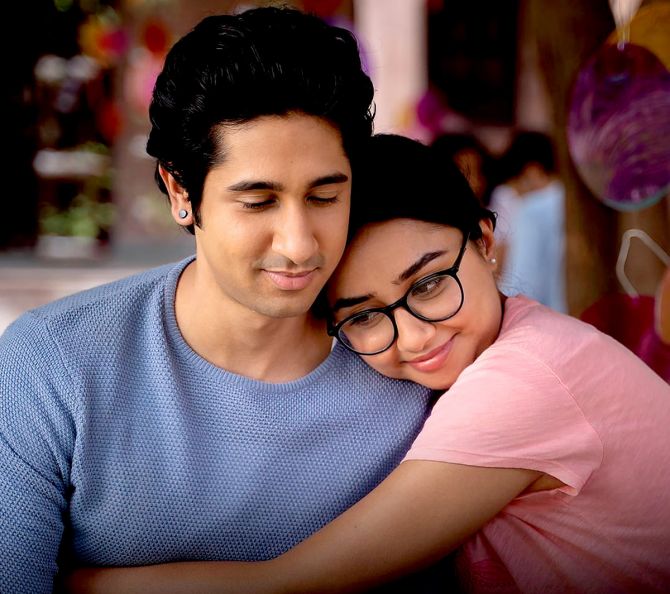
With
Prajakta
Koli
in
Mismatched.
Photograph:
Kind
courtesy
Vihaan
Samat/Instagram
How
different
was
the
working
environment
when
you
moved
back
to
India?
I
came
back
to
India
when
I
was
23.
I
shot
Mismatched
when
I
was
24.
I
think
the
environment
is
pretty
casual
here.
People
do
casting
on
WhatsApp.
It’s
not
that
they
e-mail
you
and
fix
an
appointment.
Also,
the
actor
gets
a
lot
more
leeway
in
terms
of
what
he
would
like
to
like
to
do
with
costumes
and
hair
and
how
you’d
like
to
take
the
lines.
It
depends
on
your
seniority,
of
course.
How
much
does
it
help
to
have
connections
in
the
industry?
What
does
it
take
to
find
your
footing
without
that
kind
of
assistance?
In
anything
in
life,
privilege
helps.
Privilege
means
access.
Access
means
connections.
Does
it
help?
Of
course,
it
does.
In
whatever
you
do.
I
am
privileged
in
the
sense
that
I
have
a
roof
over
my
head.
I
could
go
to
a
foreign
university.
I
didn’t
have
to
worry
about
food
on
the
table.
I
can
live
with
my
parents.
But
I
don’t
have
an
insider
in
the
industry.
I
asked
whoever
worked
in
entertainment
around
me
to
introduce
me
to
casting
directors.
I
started
from
there.
I
got
in
touch
with
assistants
of
these
casting
directors,
and
I
started
auditioning.
I
got
work
through
auditions
only.
I
wish
I
could
reach
out
to
a
producer
and
ask
for
a
film.
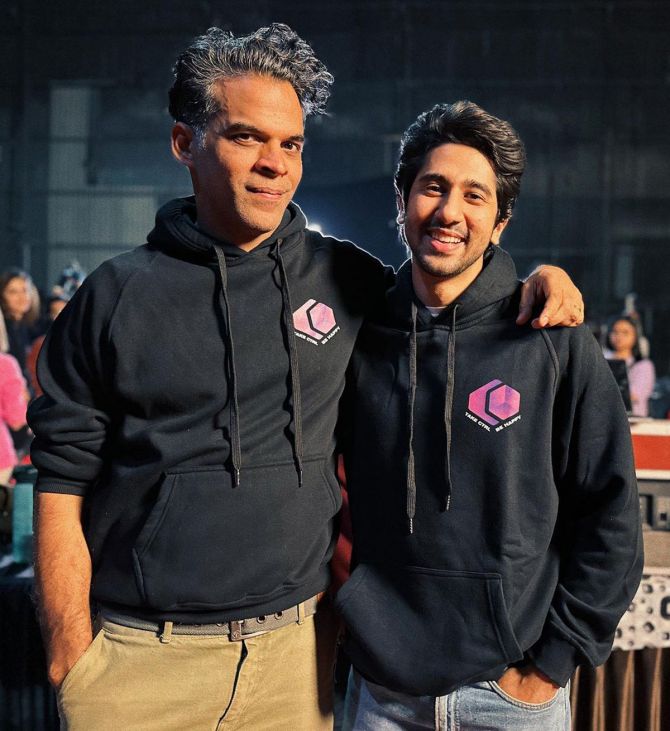
With
Control
Director
Vikramaditya
Motwane.
Photograph:
Kind
courtesy
Vihaan
Samat/Instagram
You
once
mentioned
that
you
would
let
things
affect
you
initially.
Do
you
think
you
have
a
better
understanding
now
of
how
the
industry
functions?
Oh
yeah,
definitely.
When
you
spend
more
time
in
something,
there
is
a
broader
perspective.
I
understand
that
there
are
periods
of
rain
and
periods
of
drought,
and
they
will
come
and
go.
And
when
it
rains,
it
pours.
Since
the
time
I
started,
I’ve
been
very
clear
that
this
is
what
I
want
to
do,
so
I
don’t
think
I
will
quit.
When
there
are
low
days,
I
just
say
today
is
a
low
day
and
I’ll
accept
it.
I’ll
go
to
sleep,
wake
up
tomorrow
and
it
should
be
different.
And
most
often,
it
is
different.
All
your
projects
have
been
on
OTT
so
far.
Are
you
on
a
lookout
for
your
big
screen
debut?
Every
actor
would
like
to
do
mainstream
films,
but
they
should
be
offered.
A
lot
of
actors’
careers
is
not
that
much
in
their
control.
What
is
in
their
control
is
what
comes
to
them
or
what
they
say
no
to.
I’ve
been
actively
auditioning
for
a
lot
of
things
and
my
priorities
are
simply
to
tell
a
good
story
well.
Whenever
a
good
story
comes
my
way
and
if
it
is
a
mainstream
film,
I’m
more
than
happy
to
do
it.
In
fact,
conversations
have
already
happened.
But
when
there
is
an
update,
I
will
share
it.
What
are
your
forthcoming
assignments?
Control
is
releasing
on
October
4.
We
have
a
show
called
The
Royals
and
the
third
season
of
Mismatched.