
‘Whenever
people
say
to
me
that
all
my
work
looks
unique,
I
say
to
them
originality
is
the
art
of
concealing
your
source.’
‘You
can’t
see
the
sources
that
I
take
from
because
usually,
they
are
Indian.’
‘But
then
Indians
don’t
find
my
work
Indian.’
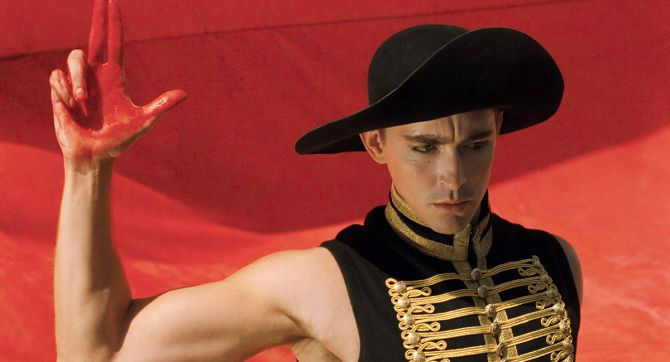
Lee
Pace
in
The
Fall.
Indian
American
film-maker
Tarsem
Singh‘s
visual
style
is
so
unique
that
it
often
overtakes
the
narrative
of
his
films.
For
his
style
alone,
Singh
is
often
hired
to
make
music
videos
(Lady
Gaga,
for
instance)
and
commercials
for
giant
companies
like
Nike
and
Coca
Cola.
People
first
noticed
his
style
of
filmmaking
when
he
directed
the
award-winning
music
video
for
R.E.M.’s
song
Losing
My
Religion
and
then
Deep
Forrest’s
Sweet
Lullaby.
After
directing
his
first
feature
film
The
Cell
(2000)
with
Jennifer
Lopez,
Vince
Vaughn
and
Vincent
D’Onofrio,
Singh
decided
to
take
on
his
dream
project:
A
gorgeous
fantasy
called
The
Fall
(2006).
Critics
were
divided
over
The
Fall
when
it
was
originally
released.
The
late
Roger
Ebert
called
the
film
‘magnificent’,
but
The
New
York
Times
critic
Nathan
Lee
called
it
‘a
real
bore.’
Time
Out,
New
York
gave
The
Fall
a
rating
of
five
stars
on
a
scale
of
six
saying
that
‘so
much
of
it
is
more
virtuoso
than
anything
else
out
there.’
The
Fall
is
based
on
a
Bulgarian
film
called
Yo
Ho
Ho.
Singh
bought
the
rights
to
the
film,
but
barely
saw
it
again.
Instead,
he
built
a
hallucinatory
story
about
an
injured
stuntman
(Lee
Pace)
in
a
hospital
in
Los
Angeles
(the
hospital
scenes
were
actually
shot
in
South
Africa),
who
narrates
a
fabulous
story
to
a
young
girl
(played
by
a
delightful
Romanian
non-actor
Catinca
Untaru).
So
we
meet
with
an
assorted
mix
of
characters,
including
Alexander
the
Great
and
Charles
Darwin
and
his
monkey
in
search
of
an
elusive
butterfly.
Towards
the
middle,
Singh
shows
us
one
of
the
most
magical
moments
every
filmed:
An
underwater
shot
of
an
elephant
swimming.
Singh
broke
one
of
Hollywood’s
cardinal
rules
and
self-financed
The
Fall,
since
no
one
in
the
industry
would
buy
his
dream
of
travels
to
over
20
countries
and
sumptuous
exotic
locations.
Some
of
the
best
scenes
in
The
Fall
were
filmed
in
India.
Despite
the
tepid
box
response,
The
Fall
had
become
a
cult
film.
But
while
people
would
talk
about
it,
few
had
actually
seen
it.
Now
a
4K
restored
version
of
the
film
is
available
on
MUBI.
The
new
version
is
a
treat
for
the
film’s
fans
and
it
will
surely
win
many
new
admirers.
Aseem
Chhabra
spoke
to
Singh
after
the
restored
film’s
premiere
at
this
summer’s
Locarno
Film
Festival
where
it
was
screened
in
the
town’s
Piazza
Grande.
Tarsem,
congratulations
on
the
Locarno
screening.
What
was
it
like?
It
was
quite
a
visceral
and
different
experience.
I
watched
The
Fall
on
the
big
screen
when
it
was
first
released
in
New
York
City
—
I
think
it
was
in
2006
—
and
I
remember
how
stunning
it
looked.
I
recently
watched
the
film
again
on
a
screener.
Oh,
wonderful.
So
you
were
one
of
the
eight
people
who
originally
saw
the
film.
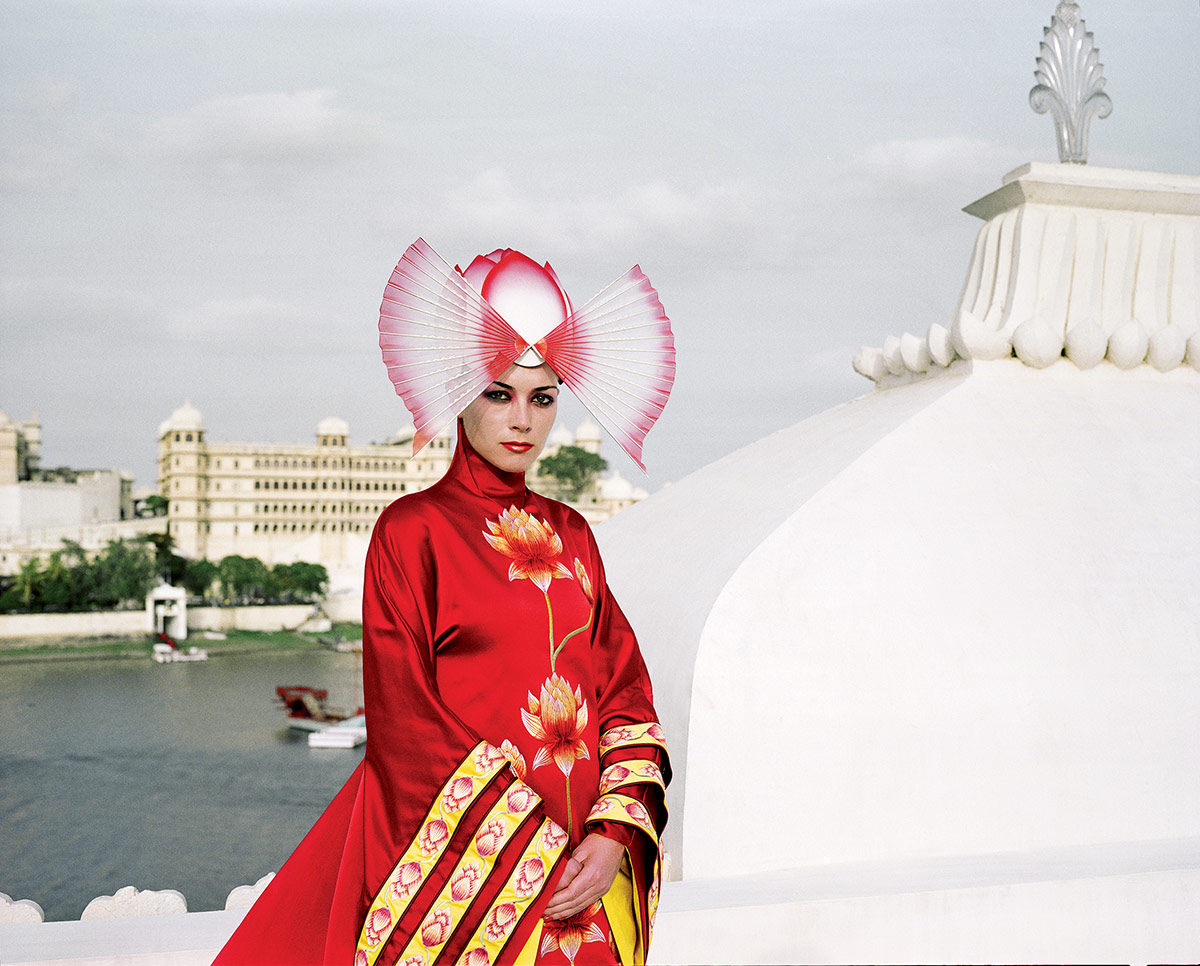
Justine
Waddell
in
The
Fall.
Well,
that’s
not
exactly
true.
You
know
the
film
always
had
a
fan
base.
So
let’s
talk
about
the
restoration.
And
this
was
a
self-financed
project
from
the
beginning.
Yes.
I
spent
all
the
money,
in
fact,
a
lot
of
money
that
I
made
in
advertising
on
this
personal
project.
Once
it
was
done,
I
thought
that’s
all
we
had
to
do.
But
nobody
wanted
it
even
for
free.
Then
I
realised
that
I
had
to
work
for
another
two
years
just
to
get
it
exactly
where
you
saw
it.
I
wanted
it
to
be
seen
on
screen.
I
think
it
was
released
perhaps
on
12
screens
across
the
US.
But
I
didn’t
realise
that
eventually,
all
the
licenses
ran
out.
There
was
just
no
way
people
could
see
the
film,
unless
they
accessed
it
on
really
bad
illegal
sites
from
China.
Surprisingly,
the
film’s
fan
base
kept
growing
despite
the
restrictions.
I
had
no
idea
since
I
am
not
the
kind
of
a
guy
who
searches
stuff
on
the
Internet
or
has
a
social
media
presence.
Last
year
when
I
began
to
travel
with
Dear
Jassi
(his
2023
tragic
love
story
set
in
Punjab),
people
would
keep
bringing
this
up.
They
wanted
to
see
The
Fall.
I
heard
some
people
had
paid
up
to
300
bucks
for
poor
quality
DVDs.
That
is
when
I
said
to
my
brother
‘Let’s
just
get
it
out
there,
so
it
doesn’t
disappear.’
I
spent
about
three
months
to
find
out
how
to
exactly
put
it
together
because
the
original
film
was
also
done
in
4K.
The
only
film
on
4K
at
that
time
was
a
small
indie
film
called
Ironman,
which
cost
$280
million
(laughs).
Then
this
arrogant
little
Indian
who
thought
that
his
film
should
have
the
same
finish.
But
we
could
not
find
the
original
elements.
So
we
had
to
go
back
to
ground
zero
because
I
found
a
Blu-ray
in
4K,
but
there
were
some
scenes
missing.
A
lot
of
cleaning
up
had
to
be
done.
Most
of
the
work
was
done
in
Montreal
and
I
think
the
results
are
pretty
fantastic.
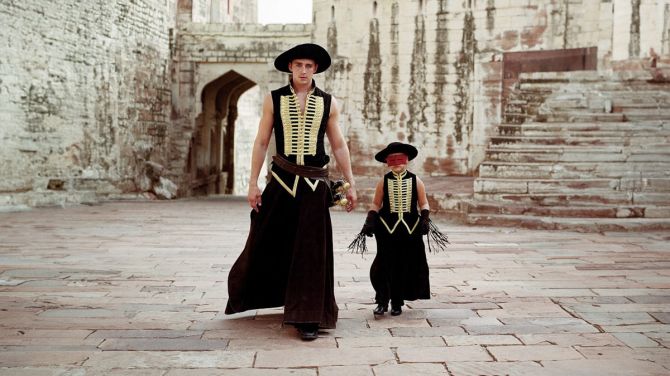
Lee
Pace
and
Catinca
Untaru
in
The
Fall.
It
is
absolutely
stunning
to
look
at.
Every
frame
is
a
visual
treat.
After
I
saw
The
Fall
again,
I
revisited
The
Cell.
That’s
going
to
be
restored
next.
But
while
watching
The
Cell,
I
began
to
wonder
how
your
style
of
film=making
emerged.
There
are
moments
which
were
similar
to
the
shots
in
Losing
My
Religion
like
the
shot
of
the
window
and
water
falling.
It’s
called
self-cannibalisation.
But
how
did
you
develop
your
style?
That’s
a
very
good
compliment
because
whenever
people
say
to
me
that
all
my
work
looks
unique,
I
say
to
them
originality
is
the
art
of
concealing
your
source.
You
can’t
see
the
sources
that
I
take
from
because
usually,
they
are
Indian.
But
then
Indians
don’t
find
my
work
Indian.
It
is
from
the
other
places
as
well
and
I
realised
that
it’s
kind
of
a
mishmash.
I
grew
up
in
Iran,
watched
a
lot
of
old
films
and
television
shows
that
were
dubbed
and
I
didn’t
understand
the
language.
I
also
traveled
a
lot
because
my
dad
was
an
aircraft
maintenance
engineer,
and
we
would
travel
free.
My
sources
were
from
various
places;
I
was
stealing
or
getting
inspired
by
places
that
people
can’t
put
their
finger
on.
When
I
was
young,
I
would
envy
photographers
who
would
just
get
up
and
take
pictures.
And
you
could
see
the
photographer
in
the
picture.
I
would
think
that
was
so
cool.
You
actually
look
at
a
picture
or
a
film
and
people
can
see
that
is
your
eye.
I
think
over
time,
I
might
have
overcompensated.
That’s
why
some
critics
criticise
me
for
not
putting
story
ahead
of
the
visuals.
It’s
almost
like
James
Earl
Jones
who
used
to
have
a
speech
impediment,
and
then
he
worked
so
hard
to
articulate
his
voice
that
he
became
Darth
Vader.
I
got
my
first
still
camera
when
I
was
24
years
old.
I
had
no
idea
how
it
worked.
So
I
started
so
late
that
I
overcompensated
and
suddenly
my
references
came
from
different
areas.
People
sometimes
confuse
that
with
originality.
Now
I
get
up
and
things
come
out
naturally.
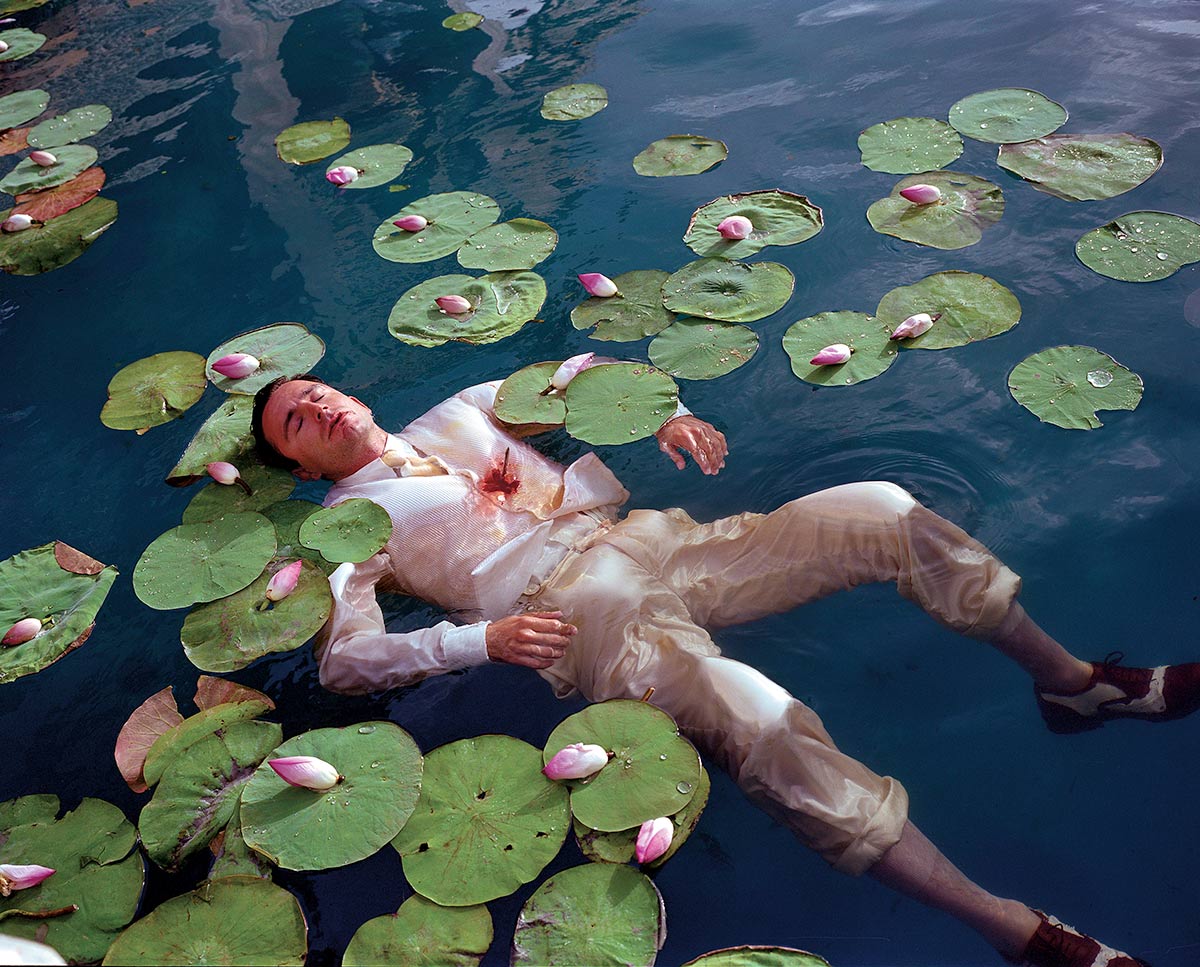
Daniel
Caltagirone
in
The
Fall.
One
of
your
key
collaborators,
Eiko
Ishioko
passed
away
in
2012.
What
a
huge
contribution
she
made
in
costume
designs
for
many
of
your
films!
I
think
she
worked
exclusively
with
you
after
she
designed
the
costumes
for
Francis
Ford
Coppola’s
Bram
Stoker’s
Dracula,
That
must
have
been
such
a
loss
for
you.
Actually,
she
did
a
couple
of
operas.
Basically,
the
reason
she
ended
up
working
with
me
all
the
time
is
that
my
best
friend
in
school
Nico
Soultanakis
(producer
of
The
Cell,
The
Fall,
Dear
Jassi)
and
I
loved
her
advertising
work
in
the
’70s
in
Japan.
When
she
won
the
Oscar
for
Dracula,
I
first
thought
I
would
never
be
able
to
afford
her.
But
when
I
was
working
on
The
Cell,
I
bent
everything
to
get
a
meeting
with
her.
People
discouraged
me
saying
she
will
not
be
interested
and
that
she
doesn’t
work
at
the
speed
we
would
want
her
to.
But
when
we
talked,
we
got
along
so
well.
During
that
time,
she
and
Nico
fell
in
love.
She
was
probably
30
years
senior
to
him.
They
got
married
and
from
then
on,
I
had
her
for
free!
She
would
be
at
my
place
all
the
time
in
London
or
in
LA
or
wherever.
We
would
talk
about
my
script
and
the
characters
I
was
developing
and
she
would
fill
up
the
floor
with
illustrations.
It
was
such
a
two-way
street.
I
would
tell
her
what
I
wanted,
and
she
would
take
it
from
there
and
the
characters
would
evolve.
I
would
sometimes
change
the
characters
based
on
her
costume
designs.
She
would
joke
that
I
was
made
for
filming
costumes.
To
that
I
would
respond,
‘Yeah,
now
let’s
see
if
we
can
put
actors
in
there.’
Often,
the
costumes
would
be
so
heavy
for
the
actors,
but
her
designs
ruled.
The
idea
was
to
rein
her
in,
to
make
it
as
practical
as
you
can.
But
also
let
her
be
as
wild
as
she
wants
to
be.
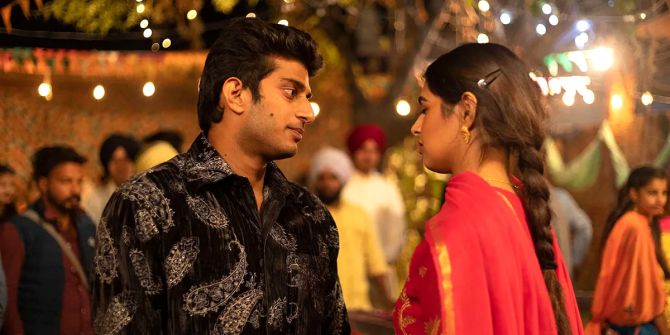
Pavia
Sidhu
and
Yugam
Sood
in
Dear
Jassi.
Your
last
film
Dear
Jassi
opened
in
2023
at
the
Toronto
International
Film
Festival.
It
has
traveled
to
other
festivals,
but
what
are
the
plans
to
bring
it
to
India?
I
hope
reporters
like
you
get
a
chance
to
see
it.
I
have
already
seen
it
a
couple
of
times
and
love
the
film,
especially
how
you
have
filmed
Punjab.
I
hope
it’s
not
like
The
Fall,
where
20
years
later,
people
say
they
haven’t
seen
it.
At
least
with
The
Fall,
I
owned
it.
I
could
dictate
where
it
goes.
With
Dear
Jassi,
my
hands
are
tied.
I
want
to
come
to
India.
Hopefully
soon.
I
want
to
hold
three
screenings,
in
Bombay,
Delhi
and
Chandigarh.
Some
people
discouraged
me
from
taking
the
film
to
Punjab,
but
I
want
to
show
it
to
the
crew.
It
is
my
only
film
that
critics
have
liked.
Critics
disliked
all
my
other
films.
Then
they
wait
20
years
to
like
them.