‘There’s
a
very
strong
feeling
of
sisterhood
that
I
feel
is
missing
in
Indian
households.’
‘I
genuinely
advocate
the
feeling
of
sisterhood
because
I
feel
that
some
of
the
strongest
bonds,
friendships
and
support
groups
could
be
our
immediate
relatives.’
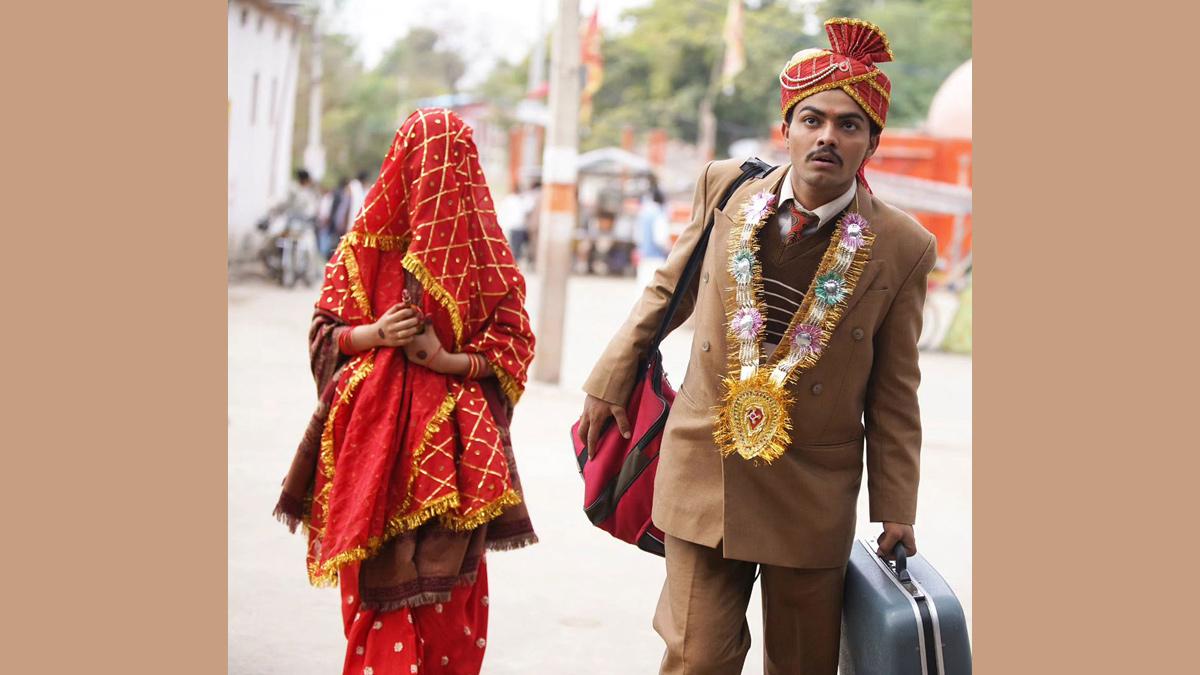
A
scene
from
Lapatta
Ladies.
Photograph:
Kind
courtesy
Kiran
Rao/Instagram
As
Lapatta
Ladies
races
towards
a
possible
Oscar
nomination
or
better
still,
the
award
itself
at
the
Academy
Awards
2025,
its
team
is
waking
up
to
success
too.
There’s
Nitanshi
Goel,
who
dreams
of
being
a
lady
Shah
Rukh
Khan.
There’s
Pratibha
Ranta,
who
went,
wide-eyed,
from
the
sets
of
Lapatta
Ladies
to
Heeramandi.
There’s
Sparsh
Shrivastava,
who
dreams
even
bigger
and
wants
to
romance
Rekha.
Then,
there’s
Kiran
Rao
who
wants
to
tell
the
stories
that
others
perhaps
may
not
want
to.
But
the
film’s
biggest
star
is
its
writer,
Sneha
Desai.
She
tells
Ronjita
Kulkarni/Rediff.com,
“So
much
content
is
being
consumed
every
day
that
we
cannot
afford
to
relegate
girls
to
just
dancing
around
trees.”
You
weaved
such
interesting
characters
like
Phool,
Jaya,
Deepak.
How
were
they
born?
I’m
a
middle-class
girl,
born
and
brought
up
in
Mumbai.
Right
around
us,
we
see
so
many
women
—
and
even
men
—
who
are
trying
to
balance
their
traditional
roles
with
their
personal
aspirations.
People
are
trying
to
prioritise,
compromise,
strike
some
sort
of
balance
and
take
baby
steps
to
realising
their
dreams.
I
have
seen
my
mother
and
my
mother-in-law
who
have
succumbed
to
societal
conditions.
Women
like
Phool
and
Jaya
came
from
a
lot
of
subconscious
characters
that
I
have
known.
As
we
started
chalking
them
out,
Kiran
and
I
started
setting
boundaries
that
yeh
itna
hi
kar
payengi.
We
did
not
want
Jaya
to
become
a
hyper
feminist
or
Phool
to
be
a
doormat.
They
should
not
look
out
of
the
milieu
that
they
were
set
in,
so
their
rebellion
had
to
be
measured.
Manjumai’s
character
was
not
even
there
in
the
story.
She
was
Kiran’s
brainchild.
Kiran
felt
that
we
needed
somebody
who
would
strike
a
balance
between
Phool’s
submissiveness
and
Jaya’s
dynamism.
It
had
to
be
a
different
age
group,
a
different
texture,
a
little
rough,
a
little
scruffy,
somebody
who
has
had
bittersweet
experiences
in
her
life
and
come
out
of
them.
So
it
was
a
very
different
representation
of
women
that
we
wanted
to
do
through
Manjumai.
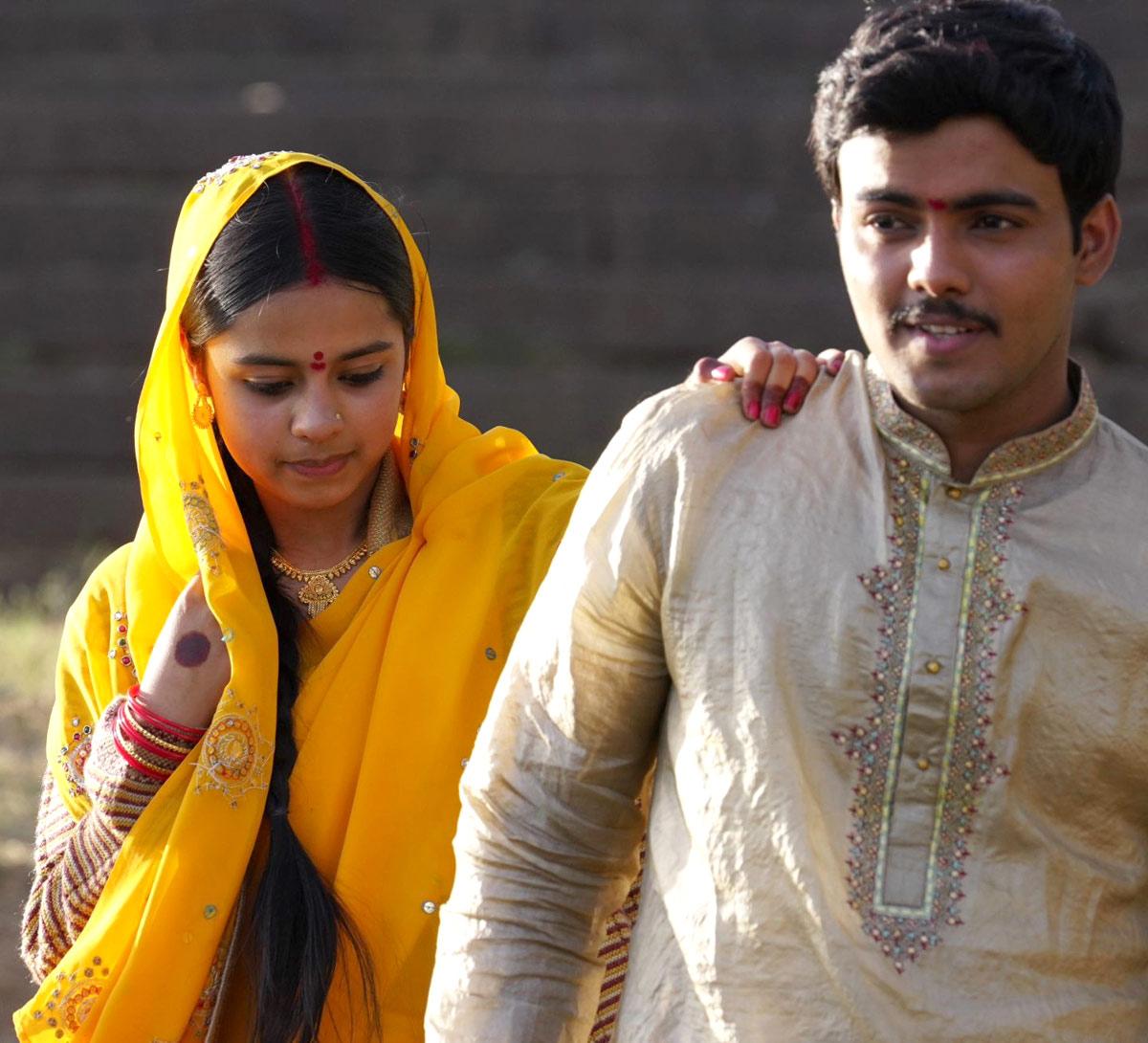
Nitanshi
Goel
and
Sparsh
Shrivastava
in
Lapatta
Ladies.
Photograph:
Kind
courtesy
Kiran
Rao/Instagram
You
have
said
that
Deepak
was
your
weakest
character.
Yes,
on
paper.
If
you
see,
Deepak
has
no
real
agency.
He
is
not
making
any
difference
to
the
narrative.
He
is
someone
who
is
waiting
on
the
sidelines
and
watching
it
all
unfold.
But
the
kind
of
dimension
that
Sparsh
brought
to
his
character
and
the
way
he
embodied
Deepak,
a
reluctant
hero,
who
is
so
loyal
to
a
girl
he
has
met
for
just
two
or
three
days
in
his
life,
and
how
helpful
and
respectful
he
is
towards
Jaya…
Full
marks
to
Sparsh
for
taking
Deepak
into
a
very
different
league.
Ravi
Kishan’s
character
started
grey
but
ended
on
such
a
beautiful
note.
Ravi
Kishan’s
character
had
one
of
the
finest
arcs.
At
no
point
in
the
film
can
you
predict
that
he
will
make
this
switch.
Even
while
we
were
writing,
we
were
extremely
conscious
so
that
we
don’t
give
out
the
fact
that
the
character
will
flip
in
the
climax.
Divyanidhi
Sharma,
the
additional
dialogue
writer,
belongs
to
the
heartland
and
gave
some
wonderful
shades
to
Ravi
Kishan’s
character.
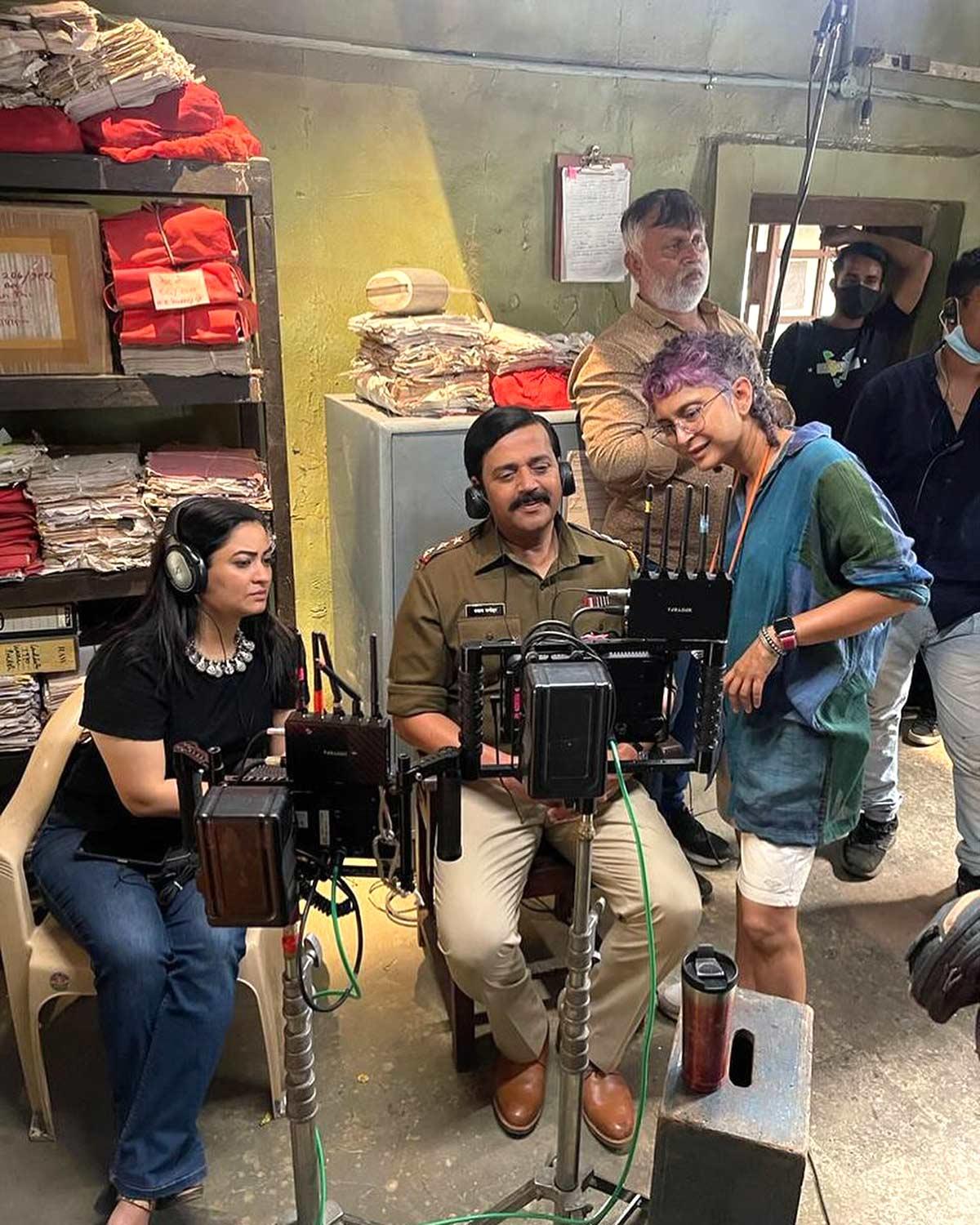
Sneha
Desai
with
Ravi
Kishan
and
Kiran
Rao
on
the
sets
of
Lapatta
Ladies.
Photograph:
Kind
courtesy
Sneha
Desai/Instagram
This
is
one
of
the
rare
women-empowering
films
that
does
not
resort
to
male-bashing.
Some
of
my
finest
friendships
have
been
with
men.
Some
of
my
greatest
cheerleaders
have
been
men.
So
I
was
very
sure
that
I
did
not
want
to
go
into
male-bashing.
I
wanted
the
men
—
Deepak,
Deepak’s
father,
his
grandfather,
his
friends
—
to
be
supportive
within
their
limitations
and
halka
sa
progressive
also.
Do
you
think
that
female
characters
are
finally
getting
the
importance
they
should
in
Hindi
films
and
are
rising
above
the
arm
candy/
damsel-in-distress
roles?
Yes,
most
certainly.
I
think
everybody
is
evolving
—
the
audiences,
the
writers,
the
makers…
So
much
content
is
being
consumed
every
day
that
we
cannot
afford
to
relegate
girls
to
just
dancing
around
trees.
There
are
so
many
beautiful
narratives
that
come
out
of
women-oriented
subjects.
We
have
such
wonderful
actors
who
can
perform
them
so
beautifully.
Also,
I
think
more
and
more
representation
of
women
in
the
writers’
room
as
well
as
in
the
production
studios
is
certainly
helping.
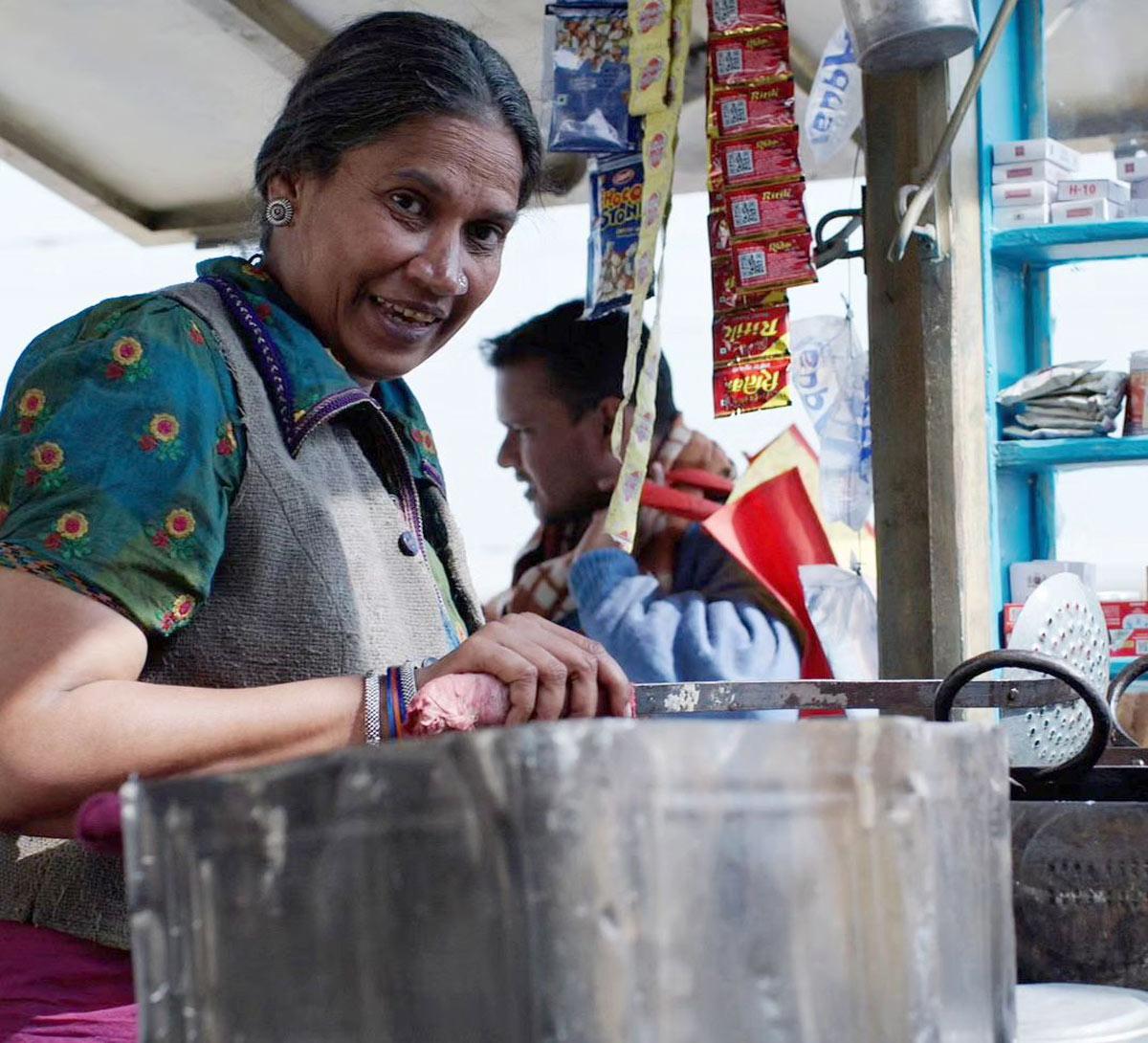
Chhaya
Kadam
plays
Manjumai
in
Lapatta
Ladies.
Photograph:
Kind
courtesy
Kiran
Rao/Instagram
Was
there
any
scene
that
made
you
emotional
while
writing
it?
Yes,
the
moment
when
Manjumai
has
that
morsel
of
Kalakand
in
the
end.
I
felt
that
if
I
felt
so
strongly
about
it,
it
would
work
across
audiences.
What
is
your
favourite
line
in
the
film?
A
couple
of
them
but
the
foremost
would
be
hum
aurate
saas,
bahu,
nanand,
jaithani
toh
ban
jaati
hai
par
ek
doosre
ke
saheliyaa
nahin.
There’s
a
very
strong
feeling
of
sisterhood
that
I
feel
is
missing
in
Indian
households.
I
genuinely
advocate
the
feeling
of
sisterhood
because
I
feel
that
some
of
the
strongest
bonds,
friendships
and
support
groups
could
be
our
immediate
relatives.
And
that
scene
almost
got
edited
out
because
the
story
wasn’t
really
moving
ahead.
It
was
just
a
talkie
scene.
We
had
ear-marked
it
that
if
we
needed
some
further
edits,
this
scene
would
go.

Sneha
Desai’s
favourite
scene
in
Lapatta
Ladies.
Photograph:
Kind
courtesy
Kiran
Rao/Instagram
Which
scene
did
go?
Oh,
there
were
a
couple.
There
was
a
wonderful
scene
right
at
the
beginning
of
the
film,
when
Phool
is
on
the
way
to
her
in-laws
and
is
waiting
at
a
bus
stop
while
Deepak
has
gone
to
buy
a
train
ticket.
Some
boys
there
eve-tease
her
but
she
can’t
even
see
through
her
ghoonghat
and
see
who’s
doing
it.
It
was
a
hilarious
scene.
You’re
a
Mumbai
girl.
How
much
of
that
rural
life
were
you
acquainted
with?
How
much
research
did
you
do
to
know
that
life
better?
See,
there
was
no
research
into
the
rural
life
as
such.
But
yes,
we
had
a
consultant
who
helped
us.
But
if
you
go
to
see,
it’s
pretty
universal,
it’s
just
that
you
see
the
women
dressed
in
a
certain
way,
with
the
sari
and
ghoonghat.
Their
problems
and
aspirations
are
pretty
universal.
All
of
us,
at
some
point,
have
faced
these
problems
in
some
form.
The
flavour
eventually
came
out
with
the
casting,
the
dialects,
the
production
design
and
shooting
in
Madhya
Pradesh.
What
is
Kiran
Rao
like
as
a
director?
Extremely
affable,
extremely
accessible.
She’s
very
intuitive
and
clear
about
what
she
wants.
She’s
a
wonderful
collaborator.
She
doesn’t
assign
work,
she’s
with
you
while
you’re
working.
She’s
very
happy
to
discuss
things,
to
brainstorm,
to
tweak
things
and
get
that
right
sur.
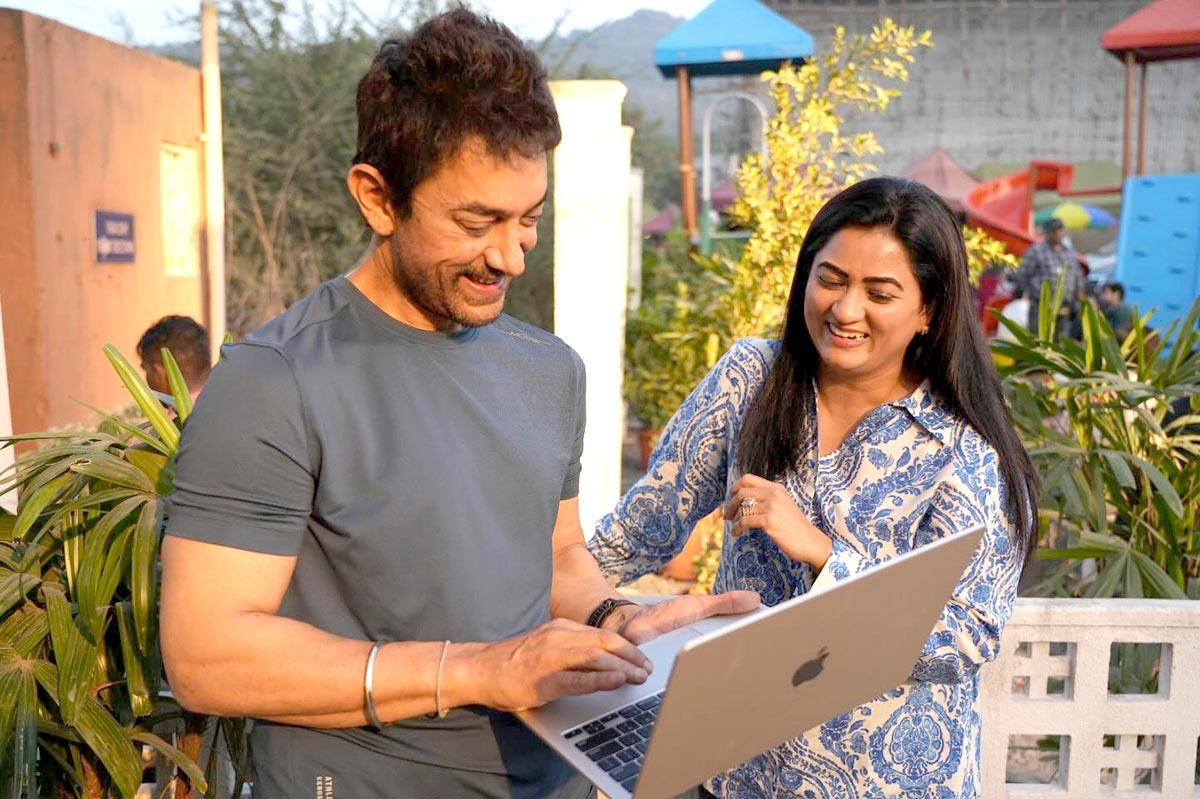
Sneha
Desai
with
Aamir
Khan.
Photograph:
Kind
courtesy
Sneha
Desai/Instagram
How
involved
was
Aamir
Khan?
He
was
involved
throughout,
but
not
in
the
day-to-day
nitty-gritties.
He
would
enter
the
room
at
very
opportune
moments.
Like,
he
was
there
for
the
first
draft
and
then
he
let
us
brainstorm
on
it.
After
we
were
ready
with
the
second
draft,
he
heard
it
again.
He
was
there
hands-on
during
the
pre-production
and
casting.
He’s
got
a
wonderful
eye
for
edits.
But
he
also
let
us
have
that
kind
of
space.
What
were
his
suggestions
like?
Like,
how
a
scene
would
be
perceived,
where
a
character
should
get
a
little
arc,
kahaan
par
yeh
scene
edit
karlo
toh
suspense
rahega…
things
like
that.
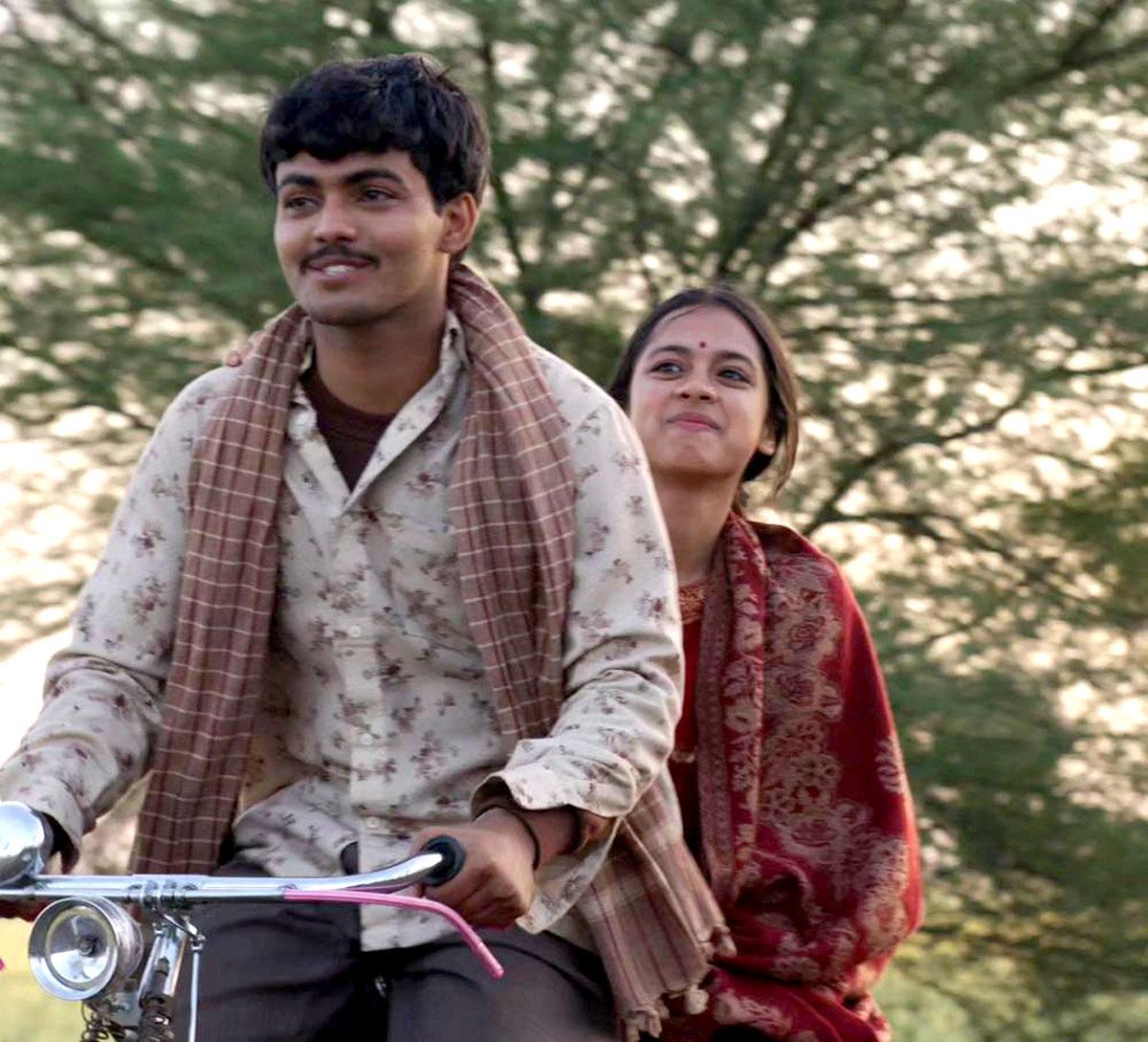
Sparsh
Shrivastava
and
Nitanshi
Goel
in
Lapatta
Ladies.
Photograph:
Kind
courtesy
Kiran
Rao/Instagram
How
did
you
become
a
writer?
It
was
completely
unplanned.
I
was,
I
still
am
actually,
an
actress
on
the
Gujarati
stage.
I’ve
done
about
1,200
to
1,800
shows
on
Gujarati
stage.
After
I
had
my
son,
going
for
shows
and
tours
became
difficult.
That’s
how
writing
started.
So
the
writer
in
me
is
as
old
as
my
son
is:
14!
I
started
writing
in
2010
with
Gujarati
theatre,
then
Gujarati
television,
Hindi
television,
and
then
Hindi
films
was
the
natural
transition.
Your
first
story
was
the
Junaid
Khan-starrer
Maharaj.
How
did
you
get
that?
Maharaj
had
a
Gujarati
backdrop.
The
director,
Siddharth
Malhotra
was
aware
of
the
work
I
was
doing
on
the
Gujarati
stage,
and
brought
me
on
because
of
that.
Since
the
film
was
Junaid
Khan
(Aamir
Khan’s
son)’s
debut
film,
when
I
went
to
meet
him
for
the
narration,
Aamir
sir
and
Kiran
ma’am
also
sat
for
it.
That’s
how
I
got
to
meet
them,
and
they
got
to
judge
my
work.
Lapatta
Ladies
was
written
by
Biplab
Goswami,
who
had
entered
in
a
competition
that
Aamir
sir
was
judging.
During
the
first
lockdown,
they
asked
me
to
write
the
screenplay.
Television
is
known
for
its
regressive
shows.
How
did
you
work
around
that
when
you
wrote
for
TV?
I
tried
to
create
characters
that
were
not
regressive
in
the
kind
of
proportion
that
you
see
on
television,
be
it
Wagle
Ki
Duniya
or
be
it
Pushpa
Impossible.
I
did
not
want
to
write
something
that
I
did
not
agree
or
identify
with.
So
whatever
little
success
that
I’ve
achieved
on
television
has
been
because
I
have
tried
to
break
away
from
those
stereotypes.
Having
said
that,
one
must
also
understand
that
the
target
audience
of
the
medium
is
such
that
the
kind
of
content
you
dish
out
has
to
be
palatable.
It
has
to
agree
with
the
audience’s
taste,
so
one
has
to
tone
the
narrative
down.

Pratibha
Ranta
and
Sparsh
Shrivastava
in
Lapatta
Ladies.
Photograph:
Kind
courtesy
Kiran
Rao/Instagram
How
different
is
the
writing
for
the
three
mediums,
theatre,
television
and
films?
Very
different.
Theatre
needs
a
lot
of
spoken
words,
television
needs
a
lot
of
spoon-feeding
and
films
need
an
economy
of
the
spoken
words,
maximum
visuals
mein
minimum
expression
ke
saath
convey
karna
chaiye.
On
stage,
it’s
a
three-hour
play,
so
if
you
say
something
just
once,
it’s
enough.
Television
is
a
repetitive
medium.
You
have
to
constantly
keep
hammering
what
the
story
progression
is,
so
that
people
who
are
dining
at
the
same
time
or
talking
on
the
phone
at
the
same
time,
or
having
a
passive
view
of
what
is
going
on
TV
can
keep
remembering
what
is
going
on
in
the
protagonist’s
life.
These
three
mediums
are
very
difficult
to
shuffle
and
I’m
not
sure
if
there
are
many
writers
who
have
successfully
dabbled
in
all
three.
It
took
me
a
little
while
to
adapt
to
films.
Full
marks
to
Aamir
sir
and
Kiran
ma’am
for
that
because
wherever
the
scene
felt
lengthy
or
too
verbose,
they
would
tell
me
so.
Itne
mein
hi
kitna
convey
ho
jaata
hai.
I
learnt
the
art
of
economy
here.
Content
has
become
king,
but
has
the
importance
of
a
writer
improved?
I
think
writers
were
always
important
and
will
continue
to
remain
important
as
long
as
people
want
sensible
stuff.
There
is
still
a
lot
of
nonsensical
stuff
that
is
coming
out
that
audiences
are
enjoying,
and
it’s
making
a
lot
of
money
also.
I
feel
people
need
some
sort
of
balance.
When
you
constantly
dish
out
mindless
stuff,
you
are
dumbing
down
the
audience
and
limiting
their
palate.
The
onus
is
on
the
maker
to
celebrate
different
kinds
of
content.
Yes,
I
understand
that
there
are
commercial
requisites
and
limitations
but
it’s
very
difficult
to
make
a
bad
film
if
what
you
have
on
paper
is
strong.
Photograph:
Kind
courtesy
Kiran
Rao/Instagram
Do
writers
get
better
paid
now?
Do
they
get
more
respect
now?
Well,
I
am
just
two
films
old
so
am
in
no
position
to
comment
but
the
respect
and
money
that
you
get
is
in
direct
proportion
to
the
work
that
you’re
churning
out.
You
are
as
good
as
your
script.
But
yes,
writers
know
their
rights
now
and
production
houses
are
becoming
more
flexible,
the
contracts
are
in
place.
The
corporate
structure
is
certainly
helping
the
writers.
What
are
the
things
writers
bitch
about
when
they
get
together?
(Laughs)
Paise
kum
mil
rahe
hai,
hamare
kaam
sabse
pehle
shuru
hota
hai
and
sabse
end
khatam
hota
hai.
The
writer
is
the
first
one
to
start
work
on
the
project
and
has
to
be
on
standby
right
till
the
dubbing
gets
over
in
case
there’s
a
last
minute
change
in
a
line.
Which
Bollywood
writers
do
you
like?
Juhi
Chaturvedi
is
a
great
writer.
I
have
enjoyed
films
written
by
Salim-Javed,
Honey
Irani
has
been
a
wonderful
writer.
The
way
Vishal
Bhardwaj
adapts
is
fantastic.