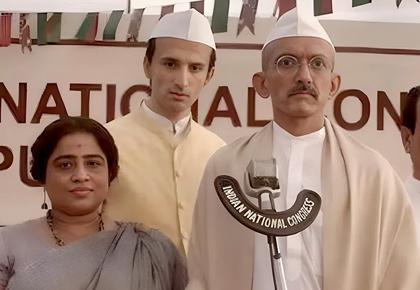
‘When
you
watch
Freedom
At
Midnight,
I
want
you
to
feel
like
you
are
sitting
on
a
ticking
time
bomb.’

RJ
Malishka
as
Sarojini
Naidu,
Sidhant
Gupta
as
Jawaharlal
Nehru,
Chirag
Vora
as
Mahatma
Gandhi
and
Rajendra
Chawla
as
Sardar
Vallabhbhai
Patel
in
Nikkhl
Advani’s
Freedom
at
Midnight.
Nikkhil
Advani
takes
up
a
new
challenge
to
show
Indians
how
their
country
attained
independence
through
his
Web
series,
Freedom
At
Midnight.
It
is
an
adaptation
of
the
book
by
the
same
name
by
Larry
Collins
and
Dominique
Lapierre,
and
takes
a
closer
look
at
the last
few
year
of
the
British
Raj.
Starring
Chirag
Vohra
as
Monhandas
Karamchand
Gandhi,
Sidhant
Gupta
as
Jawaharlal
Nehru,
Arif
Zakaria
as
Muhammad
Ali
Jinnah,
Ira
Dubey
as
his
sister
Fatima
Jinnah,
RJ
Malishka
as
Sarojini
Naidu
and
Rajendra
Chawla
as
Sardar
Vallabhai
Patel,
the
series
is
streaming
on
SonyLIV.
Nikkhil
tells
Rediff.com
Senior
Contributor
Roshmila
Bhattacharya,
“What
I
understood
from
my
reading
and
research
is
that
Gandhi
was
madly
principled
and
ideological.
Sardar
Patel
was
pragmatic
and
realistic,
with
a
clear
understanding
of
what
was
happening
on
the
ground.
Nehru
was
caught
between
an
ideological
Gandhi
and
the
pragmatism
of
Sardar
Patel.”
The
global
political
climate
is
very
volatile
today
with
two
wars
raging
and
several
more
which
can
start
any
day.
Would
you
say
this
the
right
time
for
a
show
that
takes
us
back
to
a
volatile
period
in
history
and
make
world
leaders
think?
I
don’t
think
Freedom
at
Midnight
as
a
show
will
stop
anyone
from
taking
any
decisions
globally.
But
to
quote
from
William
L
Shirer’s
The
Rise
and
Fall
of
the
Third
Reich,
those
who
cannot
remember
the
past
are
condemned
to
repeat
it.
That’s
why
I’m
drawn
to
projects
like
Airlift,
Rocket
Boys,
Mrs
Chatterjee
vs
Norway,
Mumbai
Diaries
and
Freedom
at
Midnight
that
document
a
period,
whether
it
happened
years
ago
or
is
more
contemporary.
So,
we
don’t
forget
and
can
learn
from
it
in
the
future.
For
me
personally,
this
show
was
too
big
an
opportunity
to
pass
up.
Despite
Partition,
religion
differences
are
being
magnified
again
across
the
globe.
What
is
your
take
on
it?
I
grew
up
in
a
home
which
celebrates
every
single
Hindu
festival,
including
Navratri
twice
a
year.
One
half
of
my
family
are
Sindhis,
second
generation
refugees
who
came
from
an
undivided
India.
The
other
half
are
Maharashtrians
who
were
celebrating
Ganesh
Chaturthi
long
before
it
became
fashionable
to
do
so.
I
went
to
the
temple
with
father
every
Sunday,
but
he
took
me
to
the
dargah
too.
My
grandparents
wrote
in
Arabic.
My
grandmother,
a
beautiful
Sindhi
woman,
mother
of
five
and
grandmother
of
13,
would
often
exclaim,
‘Hai
Allah!’
That’s
the
religion
I
know.
That’s
what
was
expected
from
this
country
by
Mahatma
Gandhi.
That’s
the
story
I
want
to
tell.
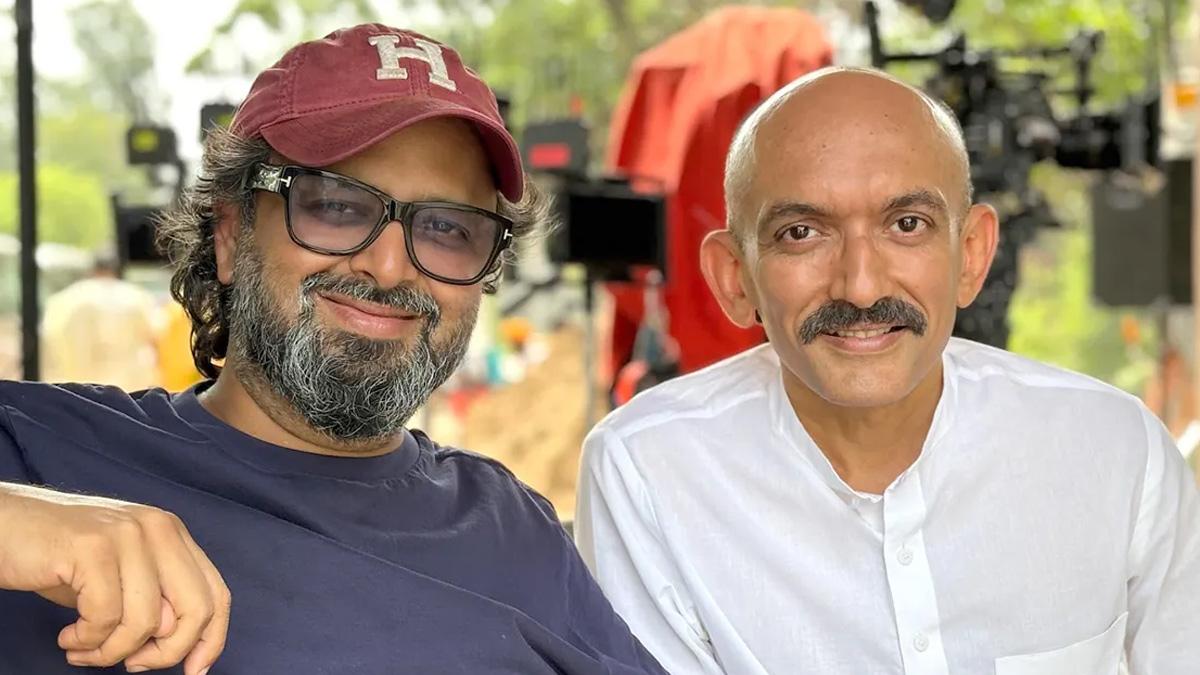
Nikkhil
Advani
with
Chirag
Vora
who
plays
Gandhi.
Photograph:
Kind
courtesy
Chirag
Vora/Instagram
But
you
come
from
a
generation
that
has
only
heard
and
seen
images
of
Partition,
not
experienced
it
firsthand.
Was
that
a
handicap
while
directing
Freedom
At
Midnight?
My
grandmother
who
came
down
from
Karachi
would
often
speak,
proudly
and
sadly,
of
all
that
they
had
to
leave
behind
when
they
migrated.
She
never
let
us
forget
it.
She
made
sure
that
all
her
children
and
grandchildren
were
well
educated.
While
documenting
those
turbulent
times
in
my
own
humble
way,
I
found
myself
reliving
her
stories.
I
also
watched
Richard
Attenborough’s
Gandhi
and
Govind
Nihalani’s
Tamas,
found
myself
going
back
to
the
devastating
photographs
of
1947
taken
by
American
photographer
Margaret
Bourke
White,
also
those
from
Henri
Cartier-Bresson’s
India
in
Full
Frame.
You
have
used
a
lot
of
archival
footage.
Was
that
difficult
to
get?
Not
at
all
because
by
1946-1947,
when
it
was
evident
that
the
British
were
leaving
and
India
would
finally
get
its
independence,
the
BBC
and
other
news
agencies,
along
with
renowned
photographers
and
documentary
film-makers
from
across
the
world,
arrived
here
and
were
covering
every
single
moment
of
history.
All
that
footage
was
available
to
us,
it’s
just
that
in
a
world
of
intellectual
property,
you
had
to
be
sure
you
had
all
the
rights
and
permissions.
We
shot
wherever
we
wanted
and
got
all
footage
we
needed
from
the
BBC
and
Film
Division.
We
also
had
access
to
all
the
books
of
the
period.
The
idea
was
that
the
more
information
we
got,
the
more
clarity
we
would
have
on
events,
be
able
to
look
at
them
from
different
perspectives,
which
would
help
us
propagate
what
is
there
in
the
book.
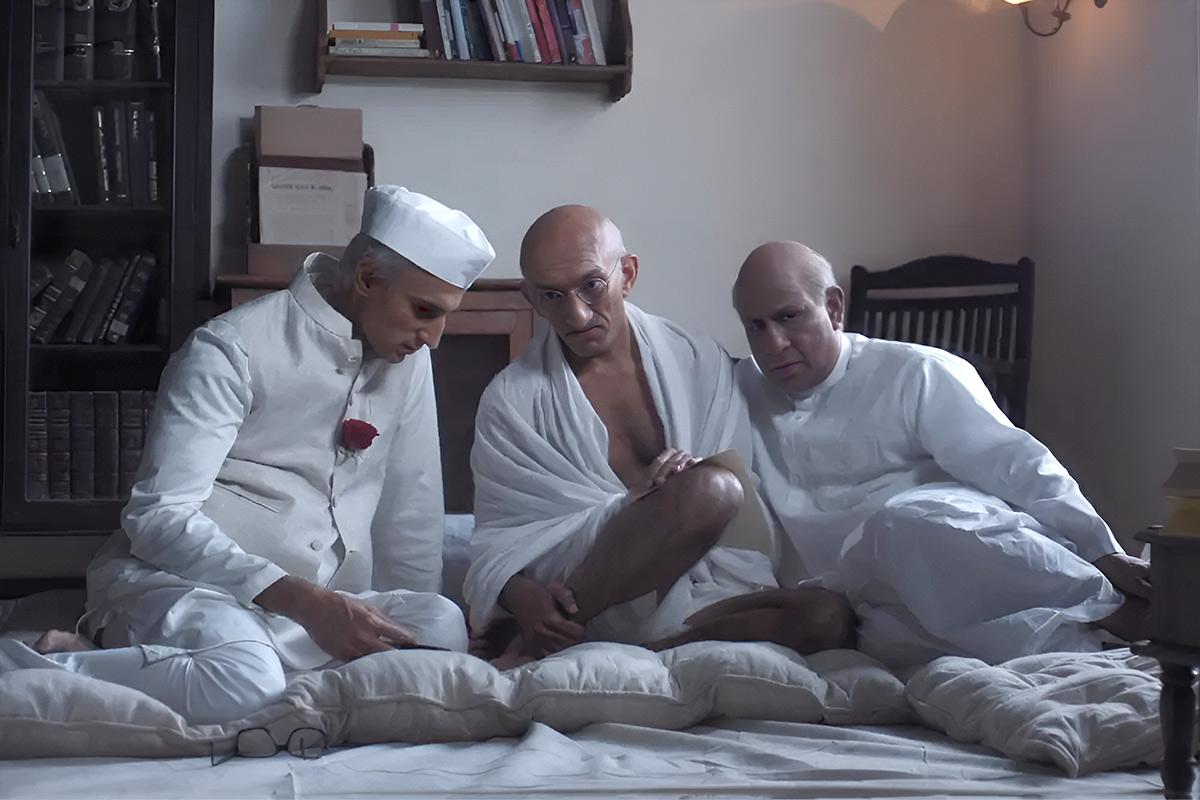
Sidhant
Gupta,
Chirag
Vora
and
Rajendra
Chawla
in
Freedom
At
Midnight.
You
must
have
taken
some
creative
liberties
too?
Of
course,
I
did.
My
whole
attempt
is
to
make
the
viewer
privy
to
the
private
conversations
between
Gandhi
and
Nehru,
Gandhi
and
Sardar
Patel,
Nehru
and
Jinnah
and
so
on.
While
Louis
Mountbatten
opened
his
diaries
and
journals
to
Larry
Colins
and
Dominique
Lapierre,
he
was
privy
to
conversations
between
our
Indian
leaders
only
till
August
15,
1947.
After
that,
his
role
as
the
last
viceroy
of
India
changed
to
that
of
the
first
governor-general
of
the
Dominion
of
India
and
he
then
had
limited
access
to
them.
So
I
had
to
pick
the
event
we
were
chronicling,
consider
the
overall
stand
of
those
participating
in
the
discussion
or
argument
on
it,
and
create
a
scene
from
it
since
I
too
was
not
privy
to
these
conversations.
What
I
understood
from
my
reading
and
research
is
that
Gandhi
was
madly
principled
and
ideological.
Sardar
Patel
was
pragmatic
and
realistic,
with
a
clear
understanding
of
what
was
happening
on
the
ground.
Nehru
was
caught
between
an
ideological
Gandhi
and
the
pragmatism
of
Sardar
Patel.
There
are
people
who
believed
Nehru
and
Gandhi
gave
their
nod
to
Partition,
but
in
your
show,
they
seem
completely
opposed
to
it.
Gandhi
was
completely
opposed
to
it,
the
others
accepted
it
at
various
points
during
that
last
year
of
the
British
Raj.
Gandhi
believed
that
the
violence
would
not
stop
with
the
division
of
the
country.
He
would
point
that
when
you
cut
the
roots
of
a
tree,
pedon
ko
hosh
nahin
rahta
ki
woh
kahan
gir
raha
hai.
He
insisted
it
would
be
the
same
with
people
when
they
were
uprooted.
And
he
was
right.
From
Bengal
to
Punjab,
Lahore
and
Rawalpindi,
the
whole
country
was
like
a
ticking
time
bomb.
You
cut
off
one
fuse
and
another
went
off
somewhere
else.
My
editor
Shweta
Venkat
would
wail
that
after
seven
months,
the
ticking
sound
was
coming
out
of
her
ears.
When
you
watch
the
series,
I
want
you
to
feel
like
you
are
sitting
on
a
ticking
time
bomb
too.
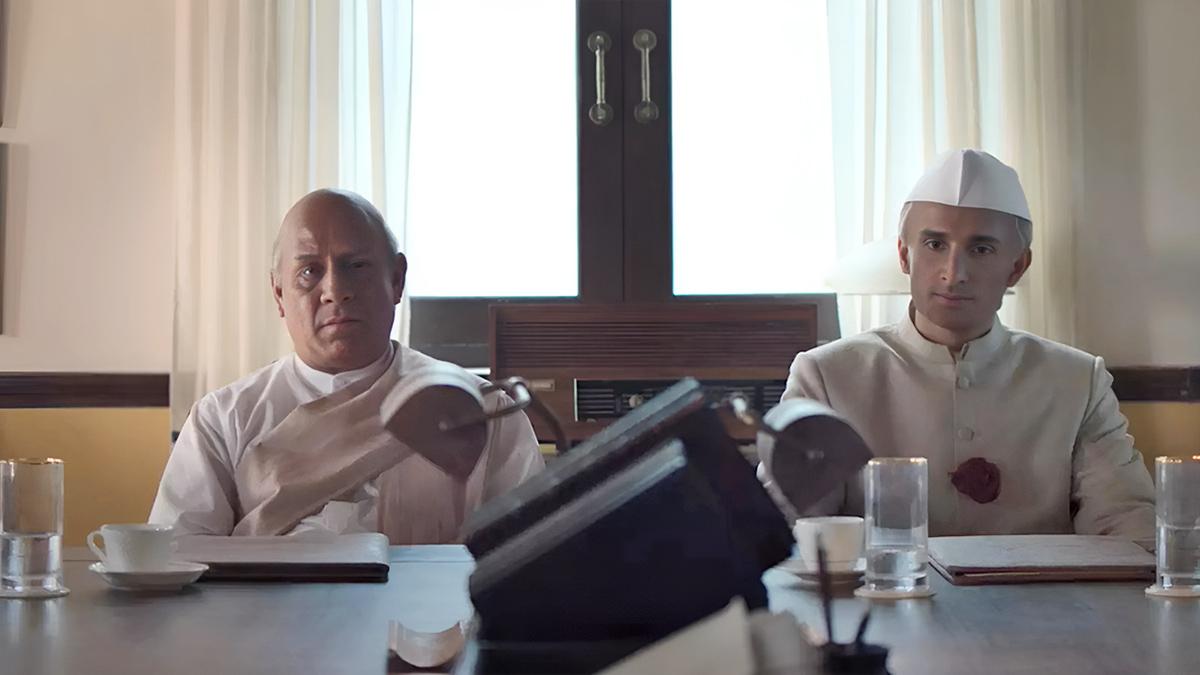
Rajendra
Chawla
and
Sidhant
Gupta
in
Freedom
At
Midnight.
How
long
was
the
Freedom
At
Midnight
shoot?
We
shot
both
seasons
of
the
show
together
over
120
days.
With
turnarounds
and
travel,
it
extended
to
150
to
160
days.
It
was
like
running
a
marathon,
you
had
to
pace
yourself
so
you
had
the
stamina
to
keep
going.
Also,
you
had
to
be
able
to
show
your
unit
the
same
level
of
enthusiasm,
from
day
one
right
up
to
day
120.
When
you
hit
the
set
running
on
such
a
mammoth
production,
you
have
to
be
well
prepared.
The
direction
and
shot-taking
were
as
per
the
conversations
we
had
had
during
the
many
workshops.
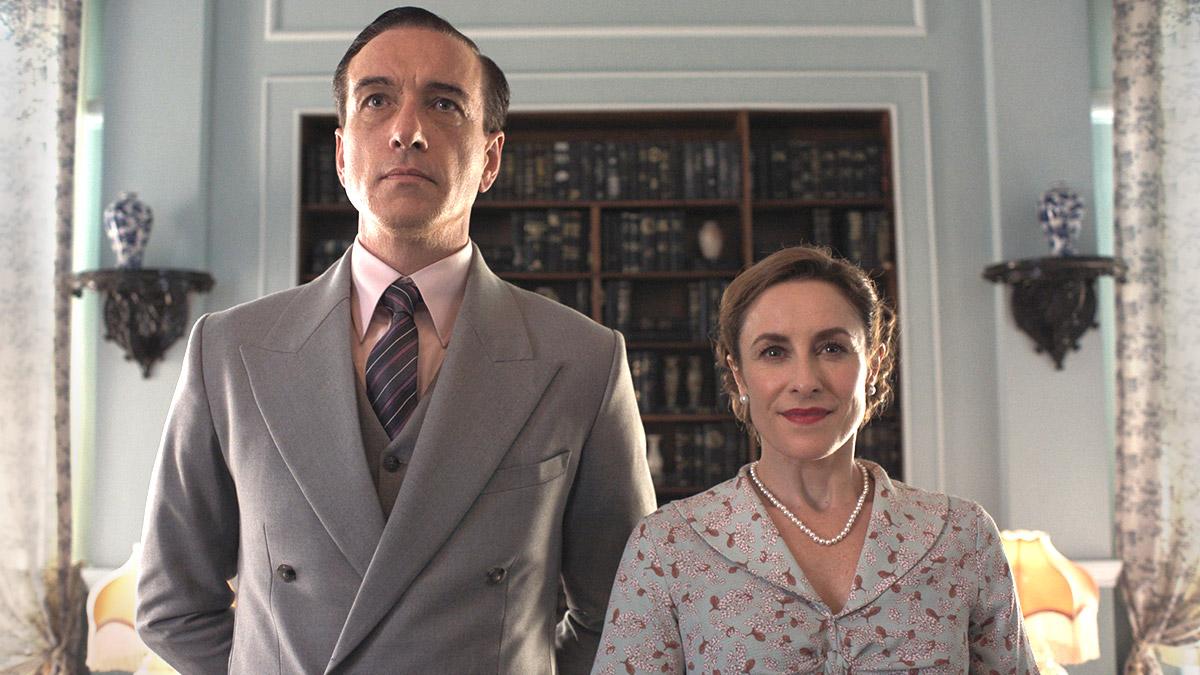
Luke
McGibney
as
Lord
Mountbatten
and
Cordelia
Bugeja
as
Lady
Edwina
Mountbatten
in
Freedom
At
Midnight.
At
times,
you
must
have
had
to
improvise
on
the
spot?
I
improvise
every
day
and
am
not
known
to
stick
to
the
script.
In
this
case,
I
had
to
be
a
little
more
structured
because
of
the
language
and
characters
I
was
dealing
with.
But
all
my
actors
had
read
a
lot
too
and
when
one
of
them
came
to
me
with
a
great
suggestion,
I
had
to
assess
if
it
fell
within
the
larger
graph
of
the
storytelling,
then
allow
them
to
fly
with
it.
Give
us
an
example.
Well,
Sidhant
once
came
with
a
quote
of
Nehru’s
that
he
had
read
and
wondered
if
we
could
incorporate
it
in
a
particular
scene.
Luke
McGibney,
who
plays
Mountbatten,
also
wanted
to
deliver
certain
lines
in
a
different
way.
We
had
broken
the
Lahore
burning
scenes
into
several
days
of
shoot
but
finally
did
it
in
a
single
day
after
a
lot
of
rehearsals.
When
you
shooting
in
temperatures
rising
to
48
to
50
degrees
Celsius,
all
your
planning
goes
out
of
the
window
and
you
have
to
figure
out
how
to
improvise
that
day
without
wasting
time
or
resources.
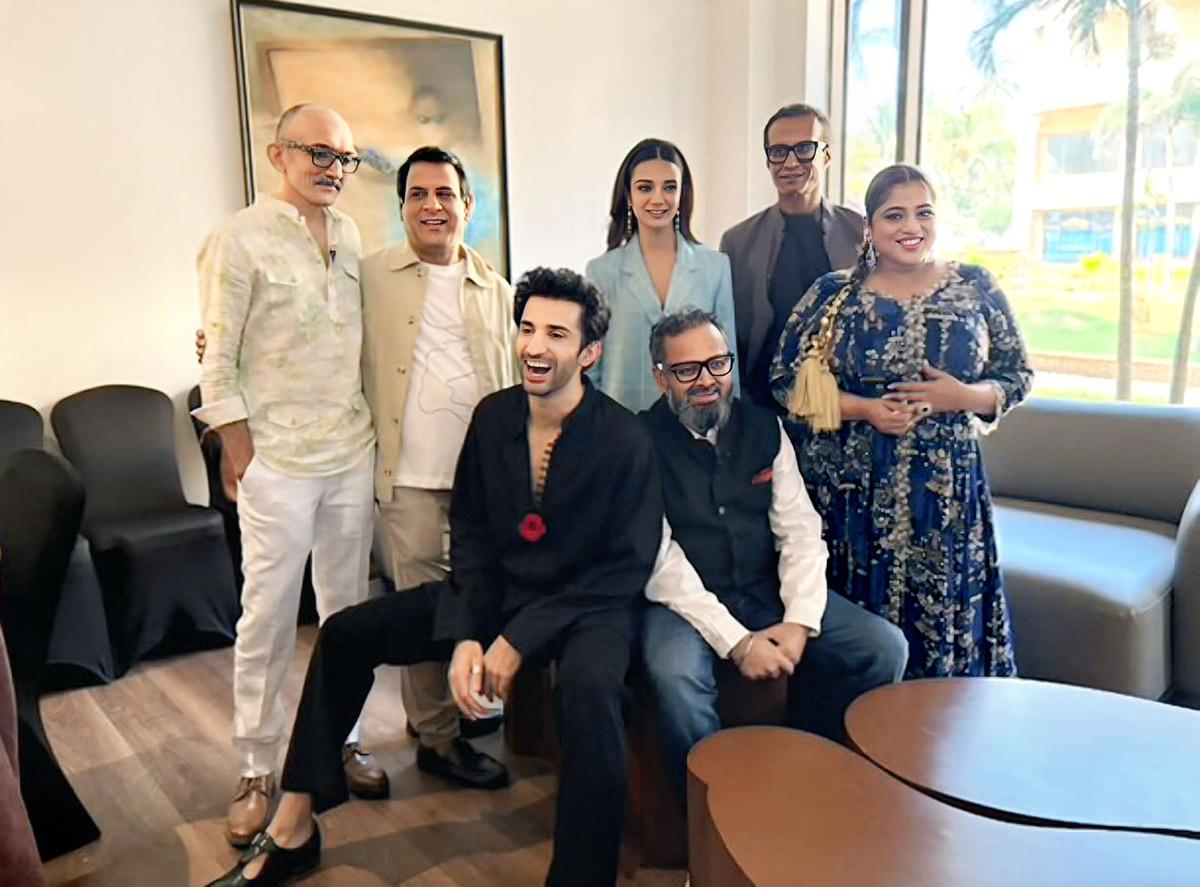
Nikkhil
Advani
with
Sidhant
Gupta,
Chirag
Vora,
Rajendra
Chawla,
Ira
Dubey,
Arif
Zakaria
and
RJ
Malishka.
Photograph:
Kind
courtesy
Chirag
Vora/Instagram
Today,
when
you
look
back
on
the
series,
what
is
it
that
you
will
remember
of
Freedom
At
Midnight
five
years
from
now?
I’m
happy
that
my
daughter
Keya,
who
is
18
and
worked
on
the
show
for
a
couple
of
months,
is
reading
more
books
on
Nehru,
Gandhi
and
Patel.
I
just
hope
that
all
those
who
turned
to
science
after
Rocket
Boys
will
now
start
reading
history
thanks
to
Freedom
At
Midnight.
We
at
Emmay
Entertainment
are
constantly
punching
above
our
weight
category.
Airlift,
Rocket
Boys,
Mrs
Chatterjee
vs
Norway,
Freedom
At
Midnight
were
all
difficult
stories
and
we
will
keep
telling
such
stories.
(Laughs)
Many
believe
that
after
Rocket
Boys
and
Freedom
At
Midnight,
we
have
enough
props
and
costumes
to
save
on
the
budget
of
our
next
film
or
show.
There
are
many
exciting
things
on
the
anvil
and
you
can
expect
some
announcements
soon.
But
before
your
next
you
will
surely
be
taking
a
much-needed
vacation.
What
vacation?
I
have
to
start
on
the
post
production
of
Season
2
of
Freedom
At
Midnight
immediately.
Vedaa,
your
last
film
as
director
with
John
Abraham
as
lead
actor
and
co-producer,
opened
on
Independence
Day
this
year,
along
with
Stree
2.
Given
that
the
horror-comedy
has
gone
on
to
become
Hindi
cinema’s
biggest
blockbuster,
do
you
think
it
would
have
been
wiser
to
push
forward
Vedaa‘s
release
by
a
few
weeks?
Satyamev
Jayate
and
Batla
House
also
released
on
August
15,
2018
and
2019,
along
with
other
films,
and
still
did
well.
(Laughs)
What
I
could
have
done
was
made
sure
Stree
2
was
not
such
a
good
film,
but
that
was
not
in
my
hands.