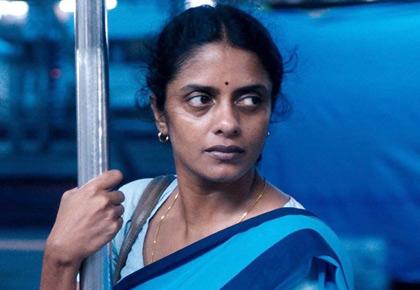
Payal
Kapadia’s
understanding
of
what
it
means
to
be
a
woman
is
as
poignant
as
her
authentic
portrait
of
Mumbai’s
hoi
polloi,
observes
Sukanya
Verma.
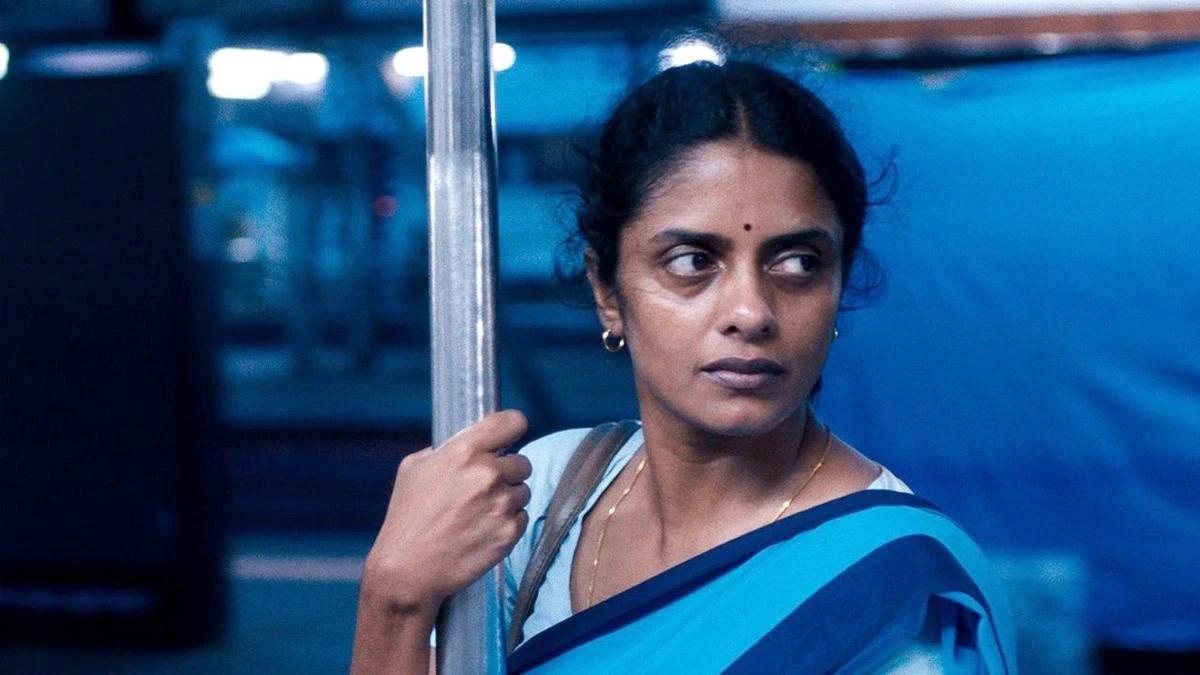
Three
immigrant
women
from
different
generations
experience
varying
stages
of
disquiet
against
the
ebbs
and
flows
of
Mumbai.
Caught
in
an
endless
grasp
of
loneliness
and
long-distance
marriage,
Prabha
(Kani
Kusruti)
is
on
the
cusp
of
longing
and
losing
heart.
Her
husband’s
job
in
Germany
has
kept
them
apart
for
far
too
long.
And
then
arrives
his
gift:
A
pressure
cooker.
Could
it
be
more
symbolic?
Parvati
(Chhaya
Kadam)
fights
the
fear
of
displacement
as
builders
breathe
down
her
neck
to
vacate
her
modest
home
and
make
room
for
redevelopment
by
the
privileged,
for
the
privileged.
Lawyers
cannot
help
because,
too
often,
dead
husbands
have
not
kept
their
wives
in
the
know
about
their
financial
affairs.
Anu
(Divya
Prabha)
is
in
love
and
if
that
isn’t
terrifying
in
itself,
the
guy
(Hridhu
Haroon,
an
endearing
presence)
happens
to
be
a
Muslim,
which
means
disapproval
of
both
families
is
inevitable.
The
more
pressing
issue
at
hand
though
is
finding
a
private
corner
within
a
packed
city
to
make
out.
Film-maker
Payal
Kapadia’s
Grand
Prix
recipient
at
the
Cannes
Film
Festival
this
year
touches
on
the
ramifications
of
patriarchy,
gentrification,
religion
without
straying
away
from
the
stories
of
these
women
or
the
warm
friendship
they
share.
Released
in
theatres
across
India
today,
All
We
Imagine
As
Light‘s
extraordinary
insight
into
ordinary
lives
is
one
of
the
most
rewarding
and
riveting
works
of
Indian
(and
International)
cinema
you’ll
see
this
year.
There’s
a
universality
and
familiarity
in
the
afore-mentioned
sisterhood,
the
seamless
weaving
of
one
woman’s
life
into
another,
whether
a
few
years
older
or
younger,
inspiring
each
other
to
keep
going.
‘Hum
dono
ka
same
hai
sister,
ekta
jeev
Sadashiv,’
sighs
Parvati,
employed
as
a
cook
in
the
same
hospital
Prabha
is
a
senior
nurse.
Both
Prabha
and
Anu,
her
younger
roommate
and
fellow
nurse,
are
Kerala
natives
making
a
living
in
Mumbai.
Anu’s
plucky
charm
—
she’s
the
heroine
of
her
story,
you
can
tell
in
the
way
she
tries
on
a
bunch
of
sunglasses
—
is
in
contrast
to
Prabha’s
docile
demeanour
in
how
she
politely
turns
down
a
doctor’s
awkward
proposal.
Except
their
differences
do
not
cloud
their
judgement
—
not
for
long
anyway
—
as
highlighted
in
Prabha’s
tender
apology
to
an
easily
pacified
Anu.
Payal’s
understanding
of
what
it
means
to
be
a
woman
is
as
poignant
as
her
authentic
portrait
of
Mumbai’s
hoi
polloi.
It’s
something
I
appreciated
even
more
in
my
second
viewing,
how
she
gives
a
visual
as
profound
as
painting
to
all
those
voices
that
live
within
or
get
subdued
in
a
crowd
and
seldom
find
expression.
She
has
some
exceptional
leading
ladies
at
her
disposal
too.
Kani
Kusruti
is
a
striking
picture
of
compassion
and
heartbreak.
The
weight
of
dried
tears
in
her
resigned
eyes
amply
brings
out
the
ache,
especially
when
she
holds
the
bright
red
pressure
cooker
tightly
against
her
chest.
Chhaya
Kadam’s
chutzpah
is
always
on
point
but
it
sure
wouldn’t
hurt
to
see
her
take
a
break
from
the
kitchen
for
a
while.
Divya
Prabha’s
a
real
revelation.
Whether
slipping
a
complimentary
contraceptive
in
a
patient’s
direction,
going
burqa-shopping
in
stuffy
markets
for
a
clandestine
date
to
no
avail
or
seeking
physical
pleasure
on
her
terms,
Divya
colours
Anu
in
the
purest
shades
of
passion.
Named
after
a
painting
by
her
artist
mother
Nalini
Malani
(and
dedicated
to
her
grandmother
Satni
Malani
and
her
nurse
Sister
Lovely),
All
We
Imagine
As
Light
is
one
of
those
rare
films
you
cannot
only
see
and
hear
but
also
smell
and
touch.
Every
thump
and
thwack
of
its
train
tracks
is
as
significant
as
the
restless
heart
of
its
protagonists
every
time
they
look
out
of
the
windows
racing
past
shiny
skyscrapers,
both
aspiring
and
mocking
in
their
looming
presence.
Mumbai
means
many
things
to
many
people
—
a
land
of
dreams,
illusions,
opportunities,
distractions
and
desperate
thoughts
floating
away
into
the
midnight
skies
like
unheard
prayers
only
to
crash
against
the
tall
buildings
and
unbearable
dazzle
of
the
always
alive,
always
awake
city.
Shot
across
the
pulsating
neighbourhoods
of
Mumbai’s
bustling
areas,
of
which
Dadar,
Charni
Road,
Sion
are
most
conspicuous,
its
cramped
indoors
lay
bare
the
claustrophobia
endured
by
the
working-class,
be
it
the
matchbox
homes,
congested
railway
stations
or
claustrophobic
hospital
rooms.
A
lyricism
imbues
the
frames
of
its
strictly
blue
palette,
which
finds
its
truth
somewhere
between
the
shades
of
medical
blue
and
Mumbai’s
blues.
Even
the
sight
of
a
sari
hung
to
dry
gently
moving
towards
the
breeze
or
spontaneous
pitter
patter
interrupting
a
pair
of
lovers
canoodling
behind
a
football
game
acquires
the
rhythm
of
a
love
song
in
cinematographer
Ranabir
Das’
poetic
eye.
And
yet,
there’s
not
a
shred
of
romanticism
for
the
city’s
paradoxes
in
Payal’s
vision.
Bookended
in
documentary-like
opinions
of
its
diverse
population,
its
Mumbai
segment
and
slice-of-survival
has
quotable
bits
offered
from
the
migrant
voices
inhabiting
its
bitterest
spaces.
Between
‘This
city
takes
time
away
from
you.
You
better
get
used
to
impermanence’
and
‘Even
if
you
live
in
a
gutter,
you
aren’t
allowed
to
feel
any
anger,’
a
world
of
angst
and
anger
comes
through.
Just
when
you
think
this
is
a
purely
Mumbai
story,
Payal
and
her
girls
escape
its
frantic
air
and
flurry
to
catch
a
breather
in
the
coastal
town
of
Ratnagiri.
Its
open
skies,
endless
ocean,
lush
spaces
and
emotional
miracles
helps
them
gain
closure
and
clarity
to
their
past,
present
and
future
culminating
in
a
final
scene,
bolstered
by
Topshe’s
triumphant
music,
that’s
befitting
of
the
hope
and
humanity
in
its
gorgeous
title.
Previously
awarded
at
Cannes
for
her
politically-charged,
anti-establishment
2021
documentary
A
Night
of
Knowing
Nothing,
Payal’s
veteran-like
ease
in
arthouse
aesthetics
illuminates
All
We
Imagine
As
Light‘s
uncompromised
ideals
as
it
speaks
to
its
audience
in
Malayalam,
Hindi
and
a
sprinkling
of
Marathi.
But
it’s
the
wisdom
of
her
sparkling
mind
and
mastery
of
her
layered
writing
that
promoted
her
right
away
in
the
big
league.
With
this
just
one
115-minutes
long
film,
she
packs
in
days
of
reflection,
hours
of
insight
and
moments
of
joy.
And
light.
All
We
Imagine
As
Light
Review
Rediff
Rating: