Pushpa
2
is
a
badly
misjudged,
doubtful
sequel
that
can’t
capitalise
on
the
wealth
of
the
story
world
set
up
in
the
first
film,
observes
Arjun
Menon.
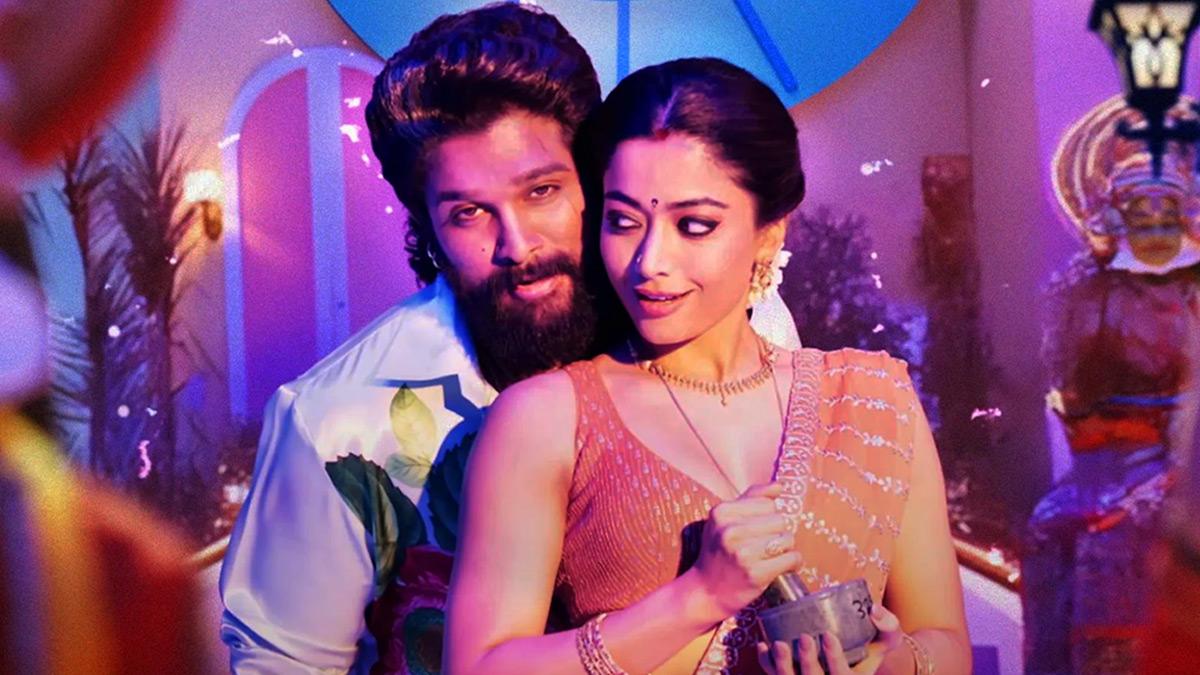
Pushpa:
The
Rule,
the
much
anticipated
sequel
to
Allu
Arjun’s
juggernaut
Pan
Indian
sensation
Pushpa:
The
Rise,
hits
theatres
after
prolonged
production
delays.
The
passion
project
helmed
by
Sukumar
is
a
major
step
down
from
the
first
installment,
that
stalls
the
momentous
ending
of
its
predecessor
by
way
of
its
unfocused
writing.
Pushpa
2
is
a
badly
misjudged,
doubtful
sequel
that
can’t
capitalise
on
the
wealth
of
the
story
world
set
up
in
the
first
film.
The
world
of
Pushpa,
for
all
its
scale
and
massive
world
building,
is
strangely
a
world
of
off
handed
denials
that
scar
egos
and
topple
empires.
Like,
how
the
hero’s
paternal
heritage
being
questioned
by
a
cocksure,
eccentric
cop
during
the
infamous
face-off
scene,
strokes
the
hero’s
masculinity
into
declaring
war
on
the
cranky
police
officer.
Or
the
way
a
denied
photograph
becomes
the
inciting
incident
for
Sukumar
to
string
together
some
of
his
character
moments.
Or
the
way
Sukumar
uses
phallic
imagery
and
allusions
to
underline
the
hero’s
demi
god
like
figure.
The
film’s
opening
action
set
piece
in
a
harbour
in
Japan
is
abruptly
bookended
as
being
an
extension
of
a
bad
dream
from
Pushpa’s
childhood,
both
involving
him
sinking
into
the
depths
of
water.
It’s
wild
that
the
film
never
addresses
that
jarring
jump
anytime
later.
That
pretty
much
sums
up
the
hotchpotch,
strapped
on
nature
of
this
film
in
a
nutshell.
Pushpa
2
is
at
its
best
when
Sukumar
leans
into
the
weird,
hyper
fixating
aspects
of
his
lead
character,
whose
trigger
for
violence
are
absurdly
costly
games
of
self
righteous
one
upmanship
against
anyone
he
thinks
is
challenging
his
position
in
the
social
hierarchy.
For
instance,
in
a
moment’s
reverie,
the
now
rich
and
influential
Pushpa
offers
the
chief
minister
position
to
an
ally,
just
out
of
spite.
There
is
an
innate
volatility
and
unpredictableness
that
goes
along
with
this
kind
of
character
design.
But
this
interesting
note
is
just
thrown
in
there
with
the
other
umpteen
half
backed
ideas
that
populate
this
double
guessing,
narratively
shabby
misfire
of
epic
proportions.
The
groundwork
was
laid
in
the
first
part,
which
balanced
the
‘Masala
Cinema’
trappings
of
a
tentpole
Allu
Arjun
vehicle,
set
in
the
world
of
sandalwood
trafficking.
Sukumar
always
had
the
tone
of
the
first
film
in
control,
even
when
the
‘crassness’
on
display
sometimes
overshadowed
the
novelty
of
the
story.
But
this
time,
the
‘curse
of
the
sequel’
phenomena
seems
to
have
caught
up
with
the
makers,
who
can
be
seen
breathlessly
nosediving
into
a
barrage
of
stale,
lacklustre
set
pieces,
that
is
aimed
at
somehow
re-capturing
the
magic
of
the
first
film.
Even
Allu
Arjun’s
slightly
self-congratulatory
performance
this
time
(the
first
film
having
fetched
him
the
National
Award
for
Best
Actor)
seems
less
impactful
as
he
rarely
gets
any
meat
to
chew
on
in
terms
of
a
finite
arc
and
emotional
revelations
and
leans
on
the
physical
ticks
of
the
character.
But
the
star
pulls
this
raggedy,
bad
faith
sequel
debacle
from
being
an
absolute
pointless
exercise
by
the
sheer
will
of
his
stardom
and
onscreen
charm.
Srivalli
(Rashmika
Mandanna)
continues
where
we
left
off
with
the
first
installment,
leading
a
weirdly
co-dependent
marriage
with
Pushpa.
The
way
Sukumar
fleshes
out
their
scantily
development
encounters
is
indicative
of
the
myriad
of
problems
plaguing
this
project.
Rashmika
is
exceptionally
adept
at
playing
the
devoted
partner,
who
is
a
mouthpiece
for
the
generous
spirit
and
goodwill
of
her
husband.
These
films
are
not
beating
the
‘casually
misogynistic’
allegations
when
it
comes
to
its
treatment
of
women,
as
all
lines
and
the
better
part
of
the
screen
space
relegated
to
her
is
only
in
times
when
she
either
supports
her
husband
or
marvels
at
his
loyalty
towards
his
family.
The
problem
lies
not
with
the
outright
dismissal
of
any
interiority
but
the
projection
of
a
male
gaze
into
her
character
type
that
jumps
between
saucy
and
wide
eyed
naivete,
in
quick
succession,
with
nothing
else
going
on
under
the
surface.
But
Rashmika
makes
a
meal
out
of
a
monologue
in
the
latter
half,
and
adds
some
texture
to
the
material
that
is
not
in
the
writing.
Fahadh
Faasil
gets
some
of
the
finer
moments
in
this
film
though
the
character’s
explosive
streak
that
we
saw
in
the
first
film
is
not
carried
over
with
the
same
intensity.
Still,
the
actor
relishes
playing
the
enigmatic
bad
guy.
But
the
film’s
juggling
between
modes
of
one
upmanship,
an
overdone
family
drama
angle,
and
a
random
kidnapping
subplot
never
lets
any
of
these
moments
breathe.
We
get
a
greatly
conceived
scene
between
Bhanwar
Singh
Shekhawat
(Fahadh
Faasil)
and
Pushpa
engaging
in
a
pissing
contest
of
sorts,
standing
at
a
distance
from
each
other
with
their
respective
entourages,
dolling
out
threats
with
a
serving
of
the
classic
wry
humour,
in
one
of
those
rare
moments
that
click
with
what
we
have
all
come
to
expect
and
like
from
Sukumar’s
visually
imaginative
storytelling
chops.
Devi
Sri
Prasad’s
songs
are
largely
hit
and
miss,
and
fail
to
land
the
impact
of
his
own
iconic
soundtrack
from
the
first
film.
Mirosław
Kuba
Brożek
manages
to
evoke
the
first
film
with
his
colourfully
exuberant
frames
and
keeps
the
slickness,
without
falling
back
to
forceful,
sepia
and
black
drenched
contrast
lighting
that
has
become
a
staple
of
recent
mainstream
action
cinema.
Pushpa
2
is
afraid
to
be
its
own
beast
even
though
it
aspires
for
more
spectacle,
and
wants
so
badly
to
please
the
fans
of
the
original
film.
This
worrying
duality
doesn’t
split
the
difference
and
we
end
up
with
a
namesake,
watered
down
adventure
that
is
not
a
patch
on
the
first
film.
We
will
have
to
wait
for
the
third
installment,
Pushpa
3:
The
Rampage,
which
the
makers
announce
at
the
tail
end
of
this
film
to
see
if
Sukumar
and
team
will
be
able
to
bring
back
the
‘wildness’
of
the
original
film.
Pushpa:
The
Rule
Review
Rediff
Rating: