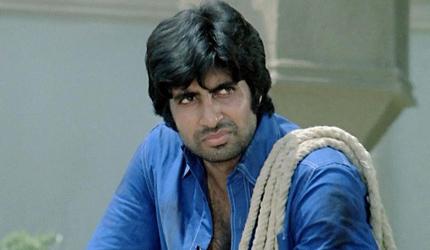
‘Do
films
today
even
have
the
courage
to
question
the
establishment?’
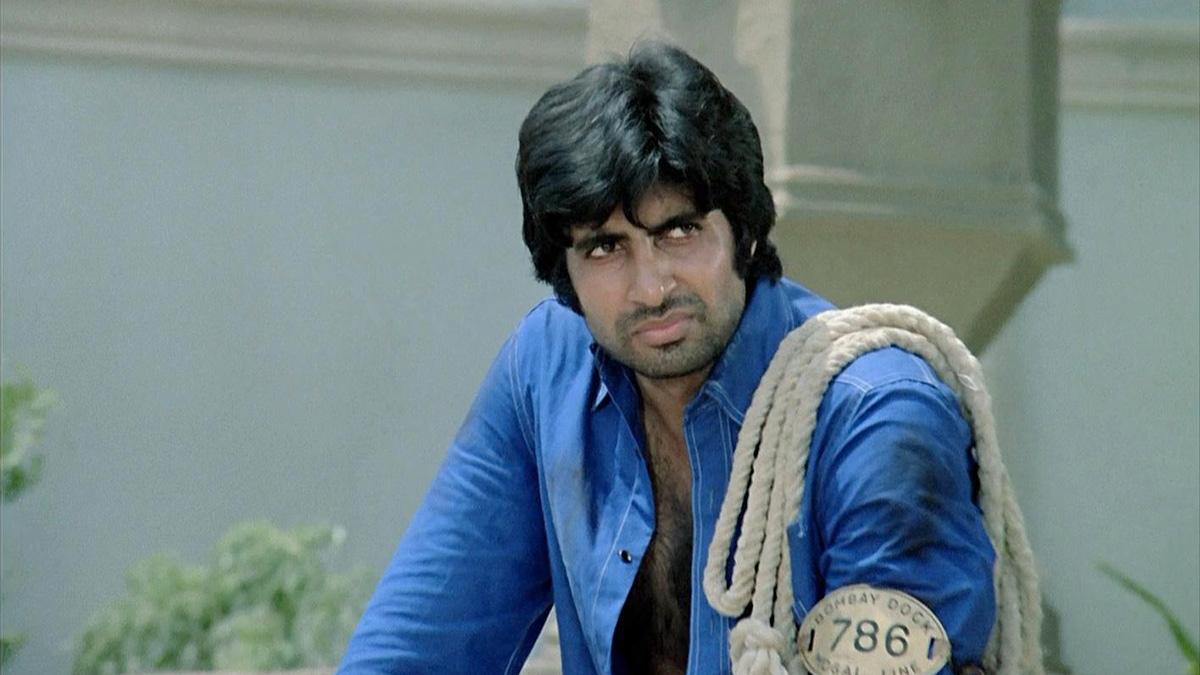
Amitabh
Bachchan
in
Deewar.
It
was
a
standout
year,
and
not
just
in
Indian
politics.
1975,
the
year
of
the
Emergency,
spelt
gold
for
Hindi
cinema
with
memorable
films
such
as
Sholay,
Deewar,
Aandhi
and
Nishant
making
their
way
to
theatres.
Fifty
years
on,
they
live
on
in
public
memory,
each
a
classic
in
different
genres
and
in
different
moods.
It
was
also
the
year
of
Chupke
Chupke,
Mili,
Julie,
Chhoti
Si
Baat
and
Jai
Santoshi
Ma.
A
happy
confluence
of
talent,
a
projection
of
simmering
public
discontent
or
simply
a
time
when
writers-directors
were
true
creators?
Actually,
1975
was
all
of
these.
If
Sholay
and
Deewar
cemented
Amitabh
Bachchan’s
image
as
the
‘Angry
Young
Man’
and
gave
play
to
working
class
angst
of
the
time,
Aandhi
was
the
lyrical
lament
of
love
that
was
not
to
be
and
Nishant,
a
parallel
cinema
pioneer,
was
an
angry
exploration
of
feudalism
in
rural
India.
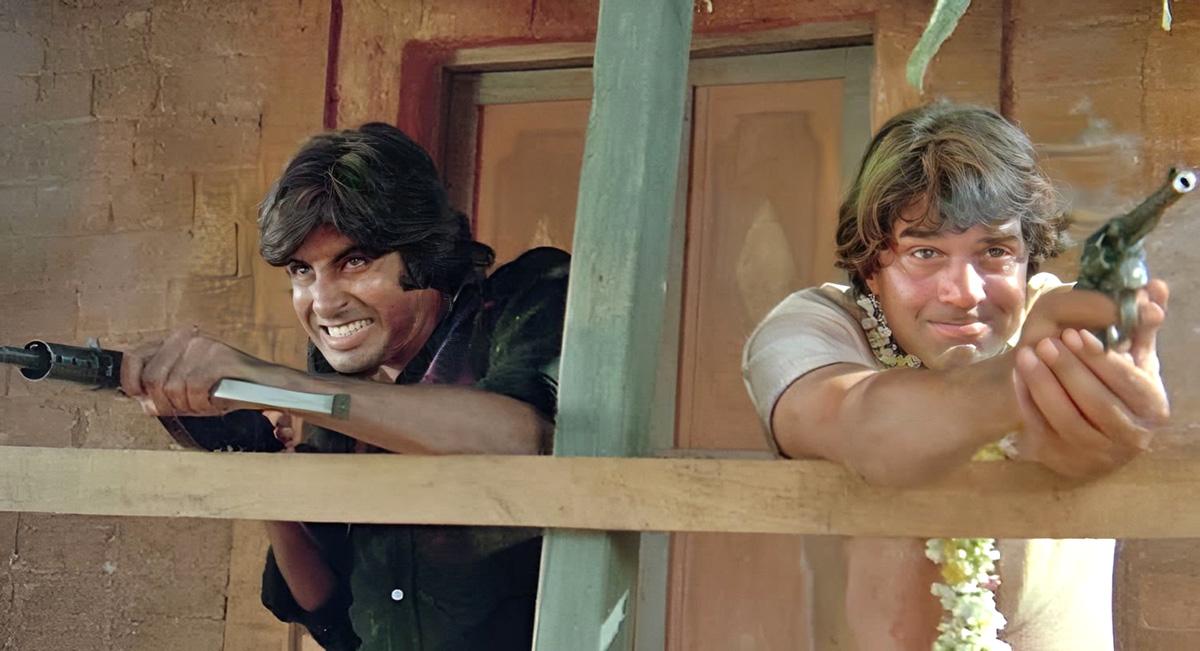
Amitabh
Bachchan
and
Dharmendra
in
Sholay.
It
was
not
just
about
the
actors
but
also
blossoming
of
writers
and
directors
like
Salim
Khan-Javed
Akhtar
(who
scripted
Sholay
and
Deewar),
Gulzar
(directed
Aandhi)
and
Shyam
Benegal
(directed
Nishant).
So
what
propelled
this
creative
surge
in
a
landmark
year?
“It
was
really
a
happy
confluence
of
writers,
directors
and
actors
blooming
in
the
era
but
particularly
in
1975,”
Anjum
Rajabali,
known
for
writing
the
screenplays
of
films
such
as
Rajneeti
and
Drohkaal,
told
PTI
in
an
interview.
“There
were
so
many
great
films
one
after
the
other.
Writers
Salim-Javed,
filmmakers
Ramesh
Sippy
and
Yash
Chopra
were
coming
of
age.
And
the
spectrum
is
so
different.
On
one
hand,
you
have
an
intense
action
drama
like
Deewar
and
then
you
have
Sholay,
a
perfect
comic
book
story,
and
then
Aandhi
which
explores
the
relationship
in
the
political
context.
I
will
use
the
term
loosely
but
they
are
all
the
classics
of
popular
cinema.”
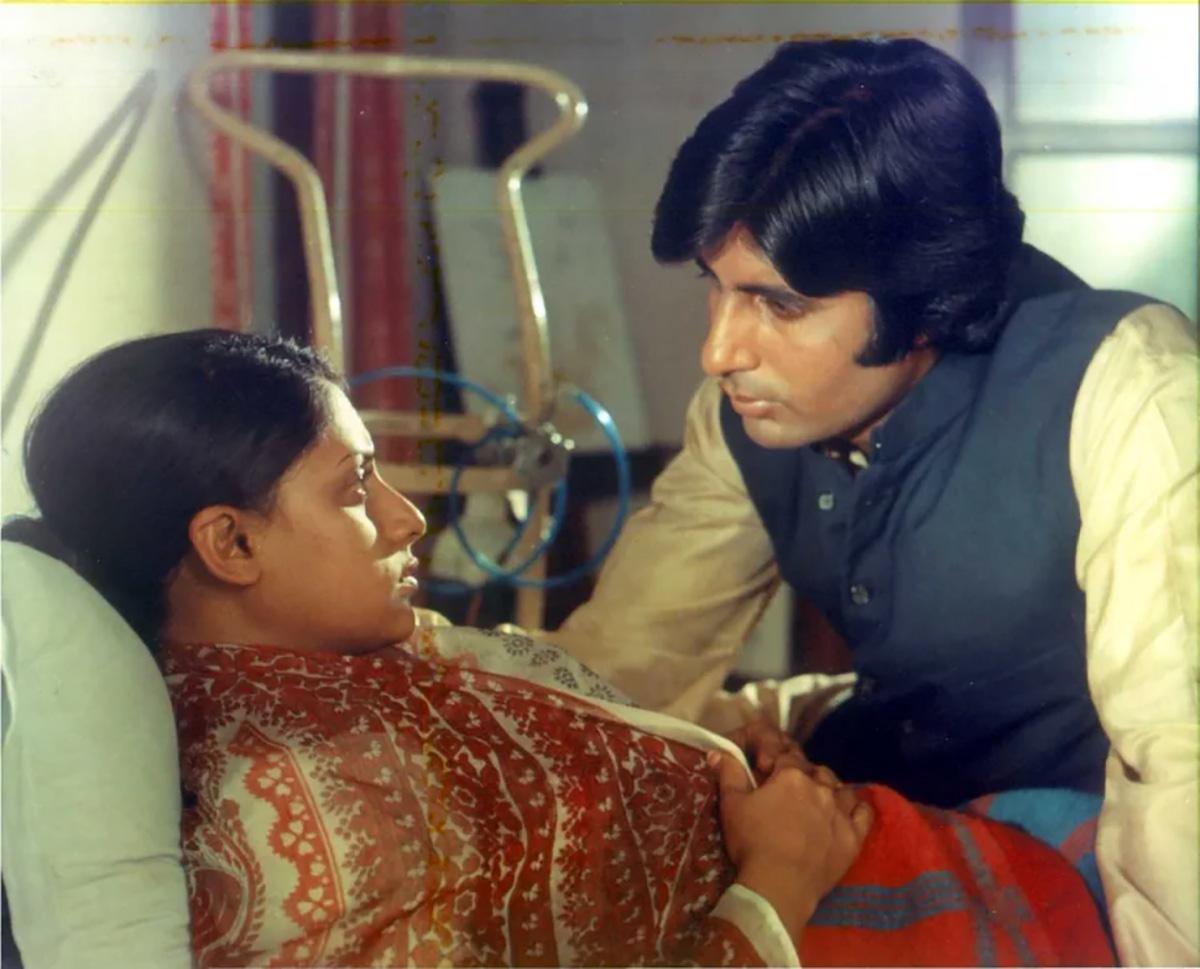
Jaya
Bachchan
and
Amitabh
Bachchan
in
Mili.
Film
historian,
author
and
archivist
S
M
M
Ausaja
added
that
many
things
got
balanced
in
1975.
It
was
a
year
when
commercial
cinema
was
at
its
peak
(Deewar,
Sholay),
parallel
cinema
(Nishant)
was
rising
and
middle-of-the-road
films
(Aandhi,
Mili
and
Chupke
Chupke)
were
thriving.
“And
what
a
remarkable
variety
Amitabh
Bachchan
showed
with
both
Deewar
and
Sholay
and
then
in
Chupke
Chupke
and
Mili.
It
is
also
the
celebration
of
50
years
of
Amitabh
Bachchan’s
stardom.
No
superstar
has
ruled
for
so
many
years
because
Deewar
and
Sholay
established
the
‘Angry
Young
Man’
persona,”
Ausaja
said.
In
his
view,
Deewar,
widely
considered
the
best
work
of
Salim-Javed,
is
a
screenplay
textbook
of
how
commercial
cinema
should
be
written.
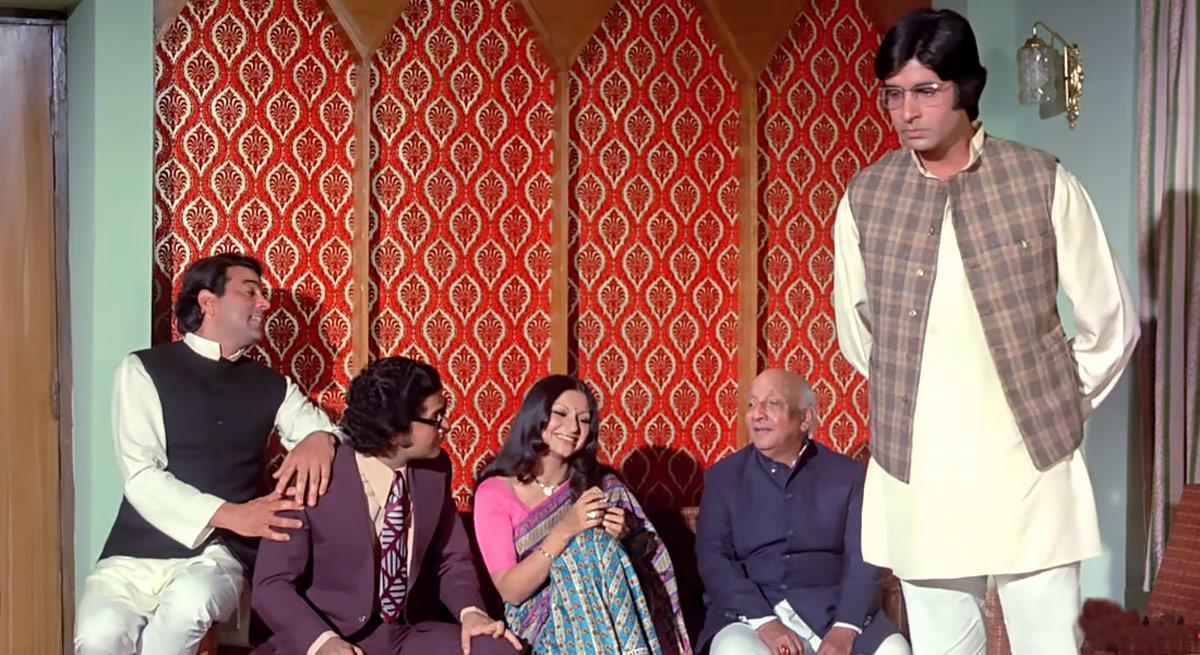
Dharmendra,
Asrani,
Sharmila
Tagore,
David
Abraham
and
Amitabh
Bachchan
in
Chupke
Chupke.
“Writing
played
a
big
role
in
the
success
of
these
films.
Whether
it
was
the
winning
pair
of
Salim-Javed,
Gulzar
or
Rahi
Masoom
Raza,
who
wrote
many
films
for
Hrishikesh
Mukherjee,
writers
had
their
ear
to
the
ground
and
understood
the
public,”
Ausaja
said.
“The
public
sentiment
was
anti-establishment
and
they
instantly
connected
with
a
protagonist
that
was
questioning
the
system
(in
Deewar).
It
is
ironic
that
Hindi
cinema
today
has
no
connection
with
the
masses.
The
question
today
is:
Do
films
today
even
have
the
courage
to
question
the
establishment?”
Stree
2
writer
Niren
Bhatt
agreed.
“Writing
was
very
strong
in
those
days.
There
was
no
PR,
social
media
or
any
other
things.
There
were
only
films
and
if
the
public
liked
them,
they
became
massively
popular.
Writers
became
big.
“You
realise
how
detailed
everyday
humour
was
in
Chupke
Chupke,
the
language
was
literary
and
not
slapstick.
It
is
your
textbook
cinema
dialogues
written
by
Gulzar.
Similarly,
there
has
never
been
a
political
love
story
after
Aandhi,
which
is
a
film
made
by
a
poet,
not
a
filmmaker,”
he
said.
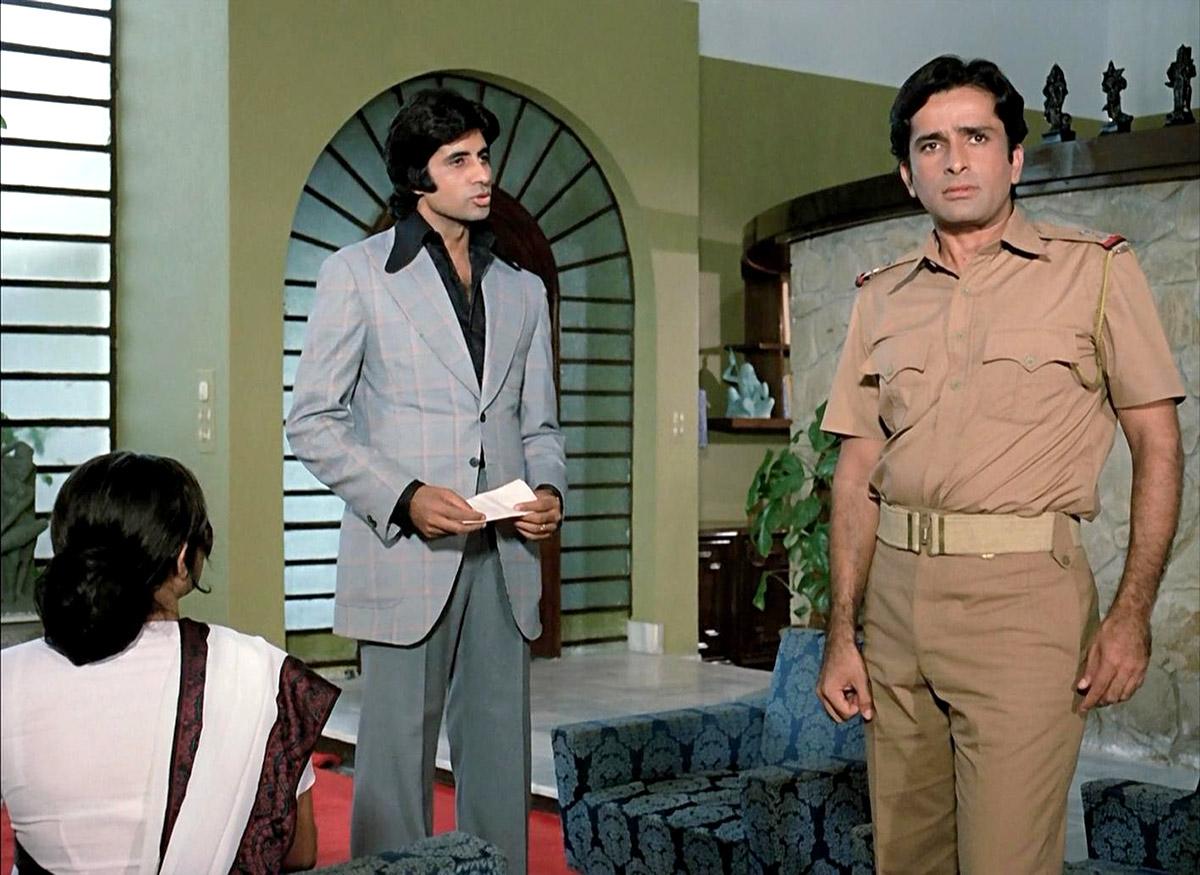
Nirupa
Roy,
Amitabh
Bachchan
and
Shashi
Kapoor
in
Deewar.
While
Hindi
cinema
was
churning
out
great
stories,
other
languages
and
documentaries
were
also
contextualising
the
times
through
their
stories.
“On
the
timeline
of
India’s
political
and
cultural
history,
which
includes
cinema,
the
year
1975
distinguishes
itself
—
imposition
of
emergency
and
the
emergence
of
the
Angry
Young
Man
on
screen,
that
is
Amitabh
Bachchan
in
Deewar,
which
had
its
roots
in
Zanjeer
of
1973,”
said
Amrit
Gangar,
film
scholar,
historian
and
curator.
“Indian
youth’s
anger
was
simmering
in
both
real
and
reel
life,
reflected
in
the
pan-Indian
cinema.
Even
after
half
a
century
in
2025,
the
year
1975
is
remembered
not
only
for
the
national
political
Emergency
but
also
for
its
iconic
Hindi
mainstream
cinema
which
was
taking
a
turn,”
Gangar
added.
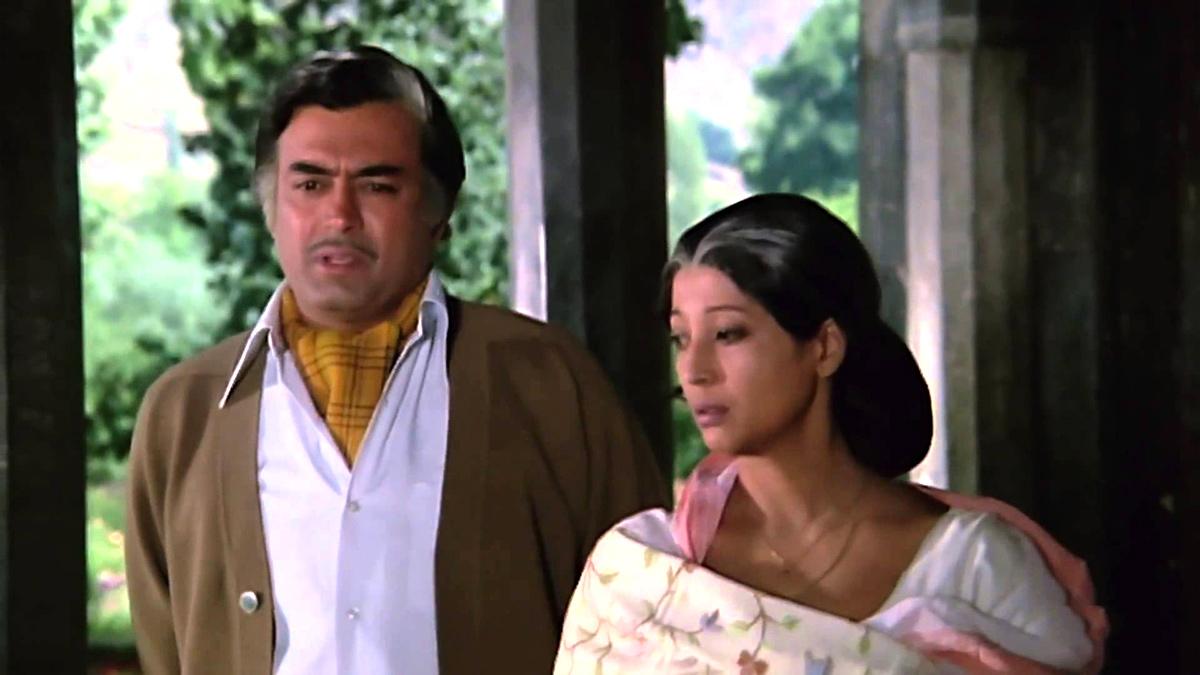
Sanjeev
Kumar
and
Suchitra
Sen
in
Aandhi.
Rajabali
said
it
is
interesting
how
Hindi
cinema
keeps
changing
through
the
decades.
“In
the
50s,
you
have
filmmakers
telling
stories
of
nation
building
and
there
are
also
fissures
that
start
to
appear
in
their
cinema
where
they
start
posing
questions
to
the
public
about
the
idealism
of
the
early
days.
And
then
you
immediately
come
to
the
breezy
60s
with
Shammi
Kapoor
and
Nasir
Hussain.
“From
the
60s,
you
dovetail
into
the
dramatic
intensity
of
the
70s
where
the
whole
‘Angry
Young
Man’
persona
starts
to
take
shape
and
Salim-Javed
burst
on
the
screen.
And
then
you
go
back
to
the
80s,
the
dark
ages
of
Hindi
cinema.
It
makes
for
an
interesting
study,”
Rajabali
said.
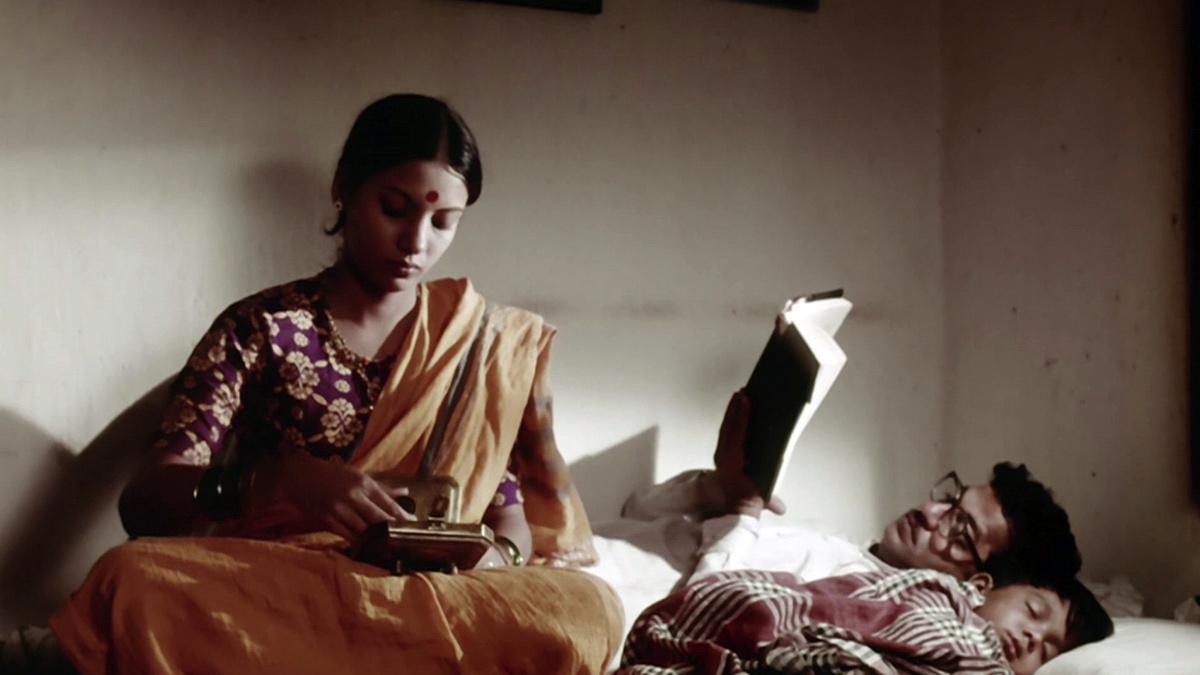
Shabana
Azmi,
Girish
Karnad
and
Master
Altaf
in
Nishant.
Today,
Hindi
cinema
is
searching
for
a
new
identity
as
films,
many
led
by
big
stars
and
with
big
ideas,
are
failing
at
the
box
office.
It
happens
when
a
storytelling
industry
loses
faith
in
its
narratives
and
shifts
its
focus
to
packaging,
according
to
Rajabali.
“Popular
cinema,
unfortunately,
is
driven
by
precedent
because
it
costs
a
lot
and
then
there
are
high
star
fees
that
drive
the
cost
and
producers
need
to
play
safe
so
the
scripts
become
monotonous.
Now,
Stree
2
has
worked
so
everybody
wants
to
make
horror-comedy.”