
‘There
is
simply
too
much
to
watch,
read
and
absorb.’
‘Just
online
consumption
(news,
entertainment,
social
media)
in
India
was
2.5
hours
a
day
in
November
2024.’
‘Add
TV
(just
under
4
hours),
other
media,
and
the
figure
is
closer
to
7
to
8
hours
a
day
for
over
one-third
of
Indians,’
points
out
Vanita
Kohli-Khandekar.
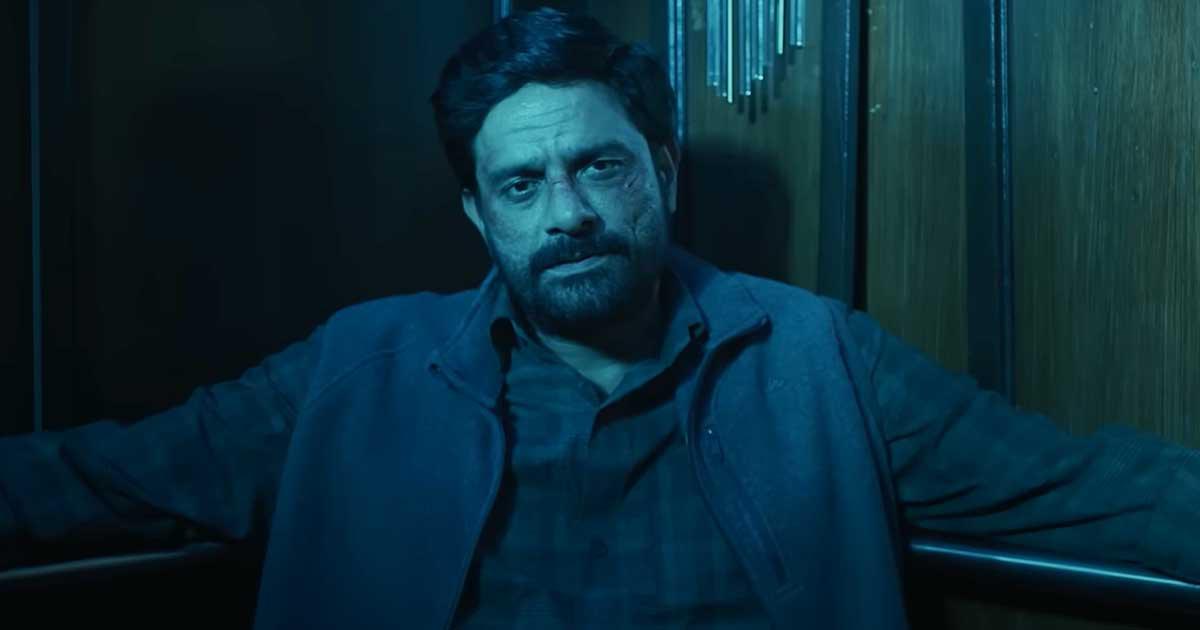
Jaideep
Ahlawat
makes
a
triumphant
return
as
Inspector
Hathiram
Chaudhary
in
Pataal
Lok
Season
2
streaming
on
Amazon
Prime.
Slow
Horses
is
set
in
Slough
House,
home
to
all
the
rejects
from
MI5.
These
Slow
Horses,
however,
see
more
action
and
cause
more
mayhem
than
the
regular
agents
sitting
in
the
posh
Regent’s
Park
office.
As
their
obnoxious,
dishevelled
boss,
Gary
Oldman
is
brilliant
in
this
spy
caper,
now
into
its
fourth
season
on
Apple
TV+,
a
service
I
have
discovered
rather
belatedly.
Barry
Jenkins’
Mufasa
(Disney),
on
the
other
hand,
is
the
sweet
story
of
the
The
Lion
King’s
origins.
I
saw
it
in
an
almost
empty
IMAX
theatre
on
a
weekday
night.
In
the
same
week
came
Gaurav
Bhhardwaj’s
opulently
mounted
play,
Humaare
Ram.
This
re-telling
of
the
Ramayan
in
verse
has
some
sparkling
conversations
between
Ram
and
Raavan,
both
played
by
the
pitch
perfect
Rahull
R
Bhuchar
and
Ashutosh
Rana,
respectively.
Those
are
just
some
of
the
stories
that
I
saw
on
streaming,
in
cinema,
and
on
stage
in
the
last
two
weeks.
To
this,
add
three
seasons
of
Jason
Sudeikis’
Ted
Lasso
(AppleTV+)
and
Christopher
McQuarrie’s
Mission
Impossible:
Dead
Reckoning,
Part
One
(Netflix).
Then
there
are
hundreds
of
reels
and
short
videos
of
cooking,
Shah
Rukh
Khan,
Zakir
Khan,
Kapil
Sharma,
Graham
Norton,
among
others.
There
are
three
newspapers
a
day,
four
magazines
a
month,
and
books.
(I
am
discovering
Nordic
authors
with
a
vengeance
these
days)
And
in
between
all
of
this,
there
is
work
and
online
scrabble.
The
films,
shows,
books
and
plays
you
watch
may
be
different
but
the
story
is
the
same
for
most
of
523
million
Indians,
who
use
broadband
Internet
connected
laptops,
TVs
or
phones.
There
is
simply
too
much
to
watch,
read
and
absorb.
Just
online
consumption
(news,
entertainment
and
social
media)
in
India
was
2.5
hours
a
day
in
November
2024,
going
by
Comscore
data.
Add
TV
(just
under
4
hours),
other
media,
and
the
figure
is
closer
to
7
to
8
hours
a
day
for
over
one-third
of
Indians.
Note
—
this
column
is
largely
about
the
523
million
Indians
who
are
part
of
an
over-served,
pampered
market.
There
is
a
huge
not-yet-fully-penetrated
market
that
awaits
cheaper
smartphones
and
connected
TVs.
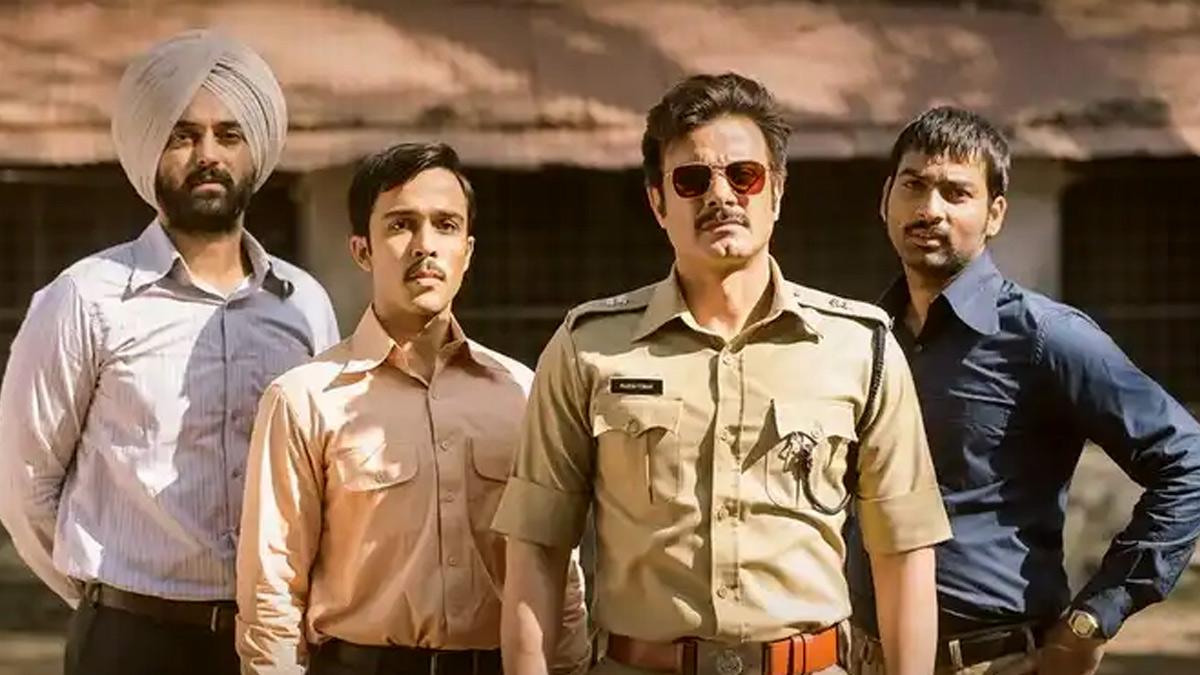
A
scene
from
the
critically
well
received
series
Black
Warrant
streaming
on
Netflix.
For
someone
who
grew
up
with
the
State-owned
Doordarshan
and
a
single
newspaper,
this
post-liberalisation
deluge
has
been
wonderful.
India
now
has
over
900
channels,
thousands
of
newspapers,
and
over
860
radio
channels.
We
make
more
than
1,600
films
in
a
normal
year.
Then
streaming
took
off
in
2018.
The
deluge
became
a
flood.
With
more
than
60
video
streaming
apps
and
a
dozen
music
streaming
ones,
there
is
now
an
obscenely
rich
spread
on
tap.
Artificial
intelligence
or
AI
threatens
to
hasten
the
process
of
dubbing
and
sub-titling
to
help
media
firms
make
shows,
films
and
text
at
lower
costs.
That
means
more
content
in
a
world
that
is
already
drowning
in
it.
This
raises
three
questions.
One,
where
does
it
all
end?
When
human
beings
don’t
have
stories
to
share,
perhaps.
Two,
what
does
it
mean?
The
most
distracted
consumer
in
the
history
of
humanity.
One
piece
of
research
says
that
heavy
screen
users
have
an
attention
span
of
8
seconds.
That
is
less
than
that
of
a
goldfish,
which
is
famous
for
its
9-second
attention
span.
How
could
you
possibly
tell
any
story
or
sell
any
product
to
this
consumer?
That
is
a
battle
that
broadcasters,
streamers,
publishers,
marketers
and
now
influencers
are
fighting
in
a
market
with
billions
of
choices
and
rising
exponentially
even
as
you
read.
To
get
a
sense
of
the
scale,
consider
this:
YouTube
alone
uploads
500
hours
of
video
every
minute.
The
neurological
damage
this
glut
of
content
and
our
own
gluttony
is
doing
is
something
researchers
across
the
world
are
studying.

Azaad
opened
in
movie
halls
to
a
less
than
enthusiastic
response.
Not
surprisingly,
our
ability
to
savour,
appreciate,
and
discuss
things
goes
down.
That
explains
why
stardom
is
fleeting,
why
hits
are
elusive,
and
why
platforms
(read
that
as
Google
and
Meta)
rule.
Earlier,
the
whole
economics
of
media
was
based
on
the
repeat
value
of
a
piece
of
content.
A
successful
film,
show
or
piece
of
music
had
a
really
long
life,
giving
the
creating
firm
the
windows
to
make
money
on
it.
Now,
Google
and
Meta
offer
audiences
across
genres
and
geographies
at
one-fourth
the
price
of,
say,
broadcast
content.
Forget
repeating
something;
it
would
be
a
wonder
if
many
overdosed
consumers
remember
a
book
or
a
show.
The
democratisation
that
first
the
Internet
and
then
the
rise
of
social
media
brought
has
meant
the
boundaries
between
the
entertainer
and
the
entertained,
the
informed
and
the
informer,
the
writer
and
the
reader,
the
listener
and
musician
have
collapsed.
The
online
world
is
an
open,
global,
audition
theatre
for
anyone
who
wants
to
showcase
anything.
It
could
be
about
your
babies,
cooking
skills,
or
how
well
you
mimic
a
celebrity.
When
everybody
is
a
creator,
who
is
the
audience?
That
is
the
third
question.
This
gluttony
has
led
to
a
deepening
crisis
in
the
media
business.
As
expectations
on
quality
rise,
costs
have
risen
by
anywhere
from
two
to
four
times.
Streamers
struggling
to
make
money
are
increasingly
becoming
more
like
TV
—
adding
ad
tiers,
sports,
games
and
popular
programming
—
to
get
the
numbers.
Filmmakers
struggle
to
understand
their
audience.
In
an
interview
with
this
reporter
last
year,
writer
and
adman
Prasoon
Joshi
referred
to
this
phase
as
one
of
‘Content
Indigestion’.
It
is
a
chaotic
time
that
will
eventually
help
churn
out
some
nectar,
he
hopes.
Amen
to
that.
Feature
Presentation:
Aslam
Hunani/Rediff.com