‘In
Mumbai,
isolation
is
a
very
different
isolation.’
‘It’s
not
about
actual
physical
loneliness.’
‘It’s
the
loneliness
in
the
company
of
others,
and
I
felt
that
that
is
a
very
Mumbai
thing.’
‘You
can
be
travelling
in
the
ladies
compartment
squashed
against
everybody’s
armpits
and
still
be
really,
really
sad
and
alone.’
Payal
Kapadia,
the
acclaimed
director
of
All
We
Imagine
As
Light,
speaks
to
Raja
Sen,
the
well-known
film
critic.
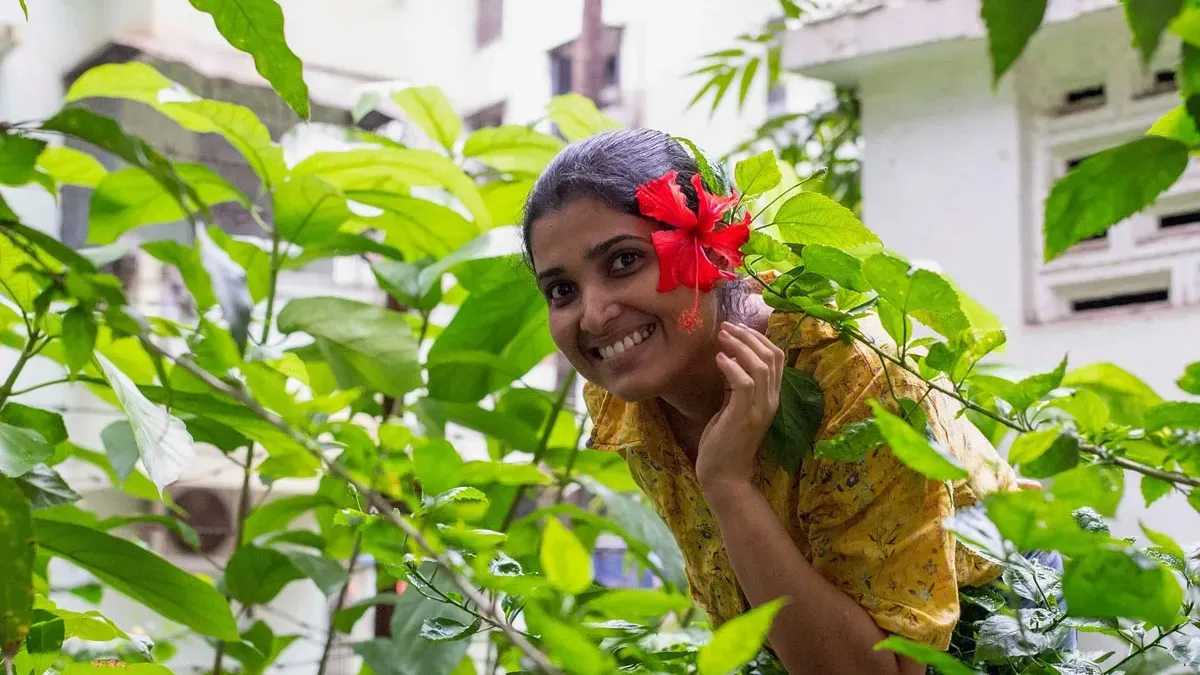
Divya
Prabha
in
All
We
Imagine
As
Light.
Photograph:
Kind
courtesy
Chhaya
Kadam/Instagram
Speaking
with
Payal
Kapadia
is
even
better
than
watching
her
film.
The
director
of
All
We
Imagine
As
Light
is
fizzy,
excitable
and,
even
when
her
acclaimed
film
is
conquering
the
world,
disarmingly
down
to
earth.
I
can’t
think
of
a
better
ambassador
for
modern
Indian
cinema.
I
spoke
with
the
filmmaker
about
the
specific
creative
decisions
behind
her
film.
Where
does
the
rice
cooker
come
from?
Why
the
film
seems
to
have
been
made
in
two
distinct
halves?
Why
is
the
aesthetic
the
way
it
is?
Does
she
see
herself
as
a
romantic
filmmaker?
Here
is
Kapadia’s
spoiler-y
conversation
about
why
All
We
Imagine
As
Light
is
the
way
it
is
with
Raja
Sen.
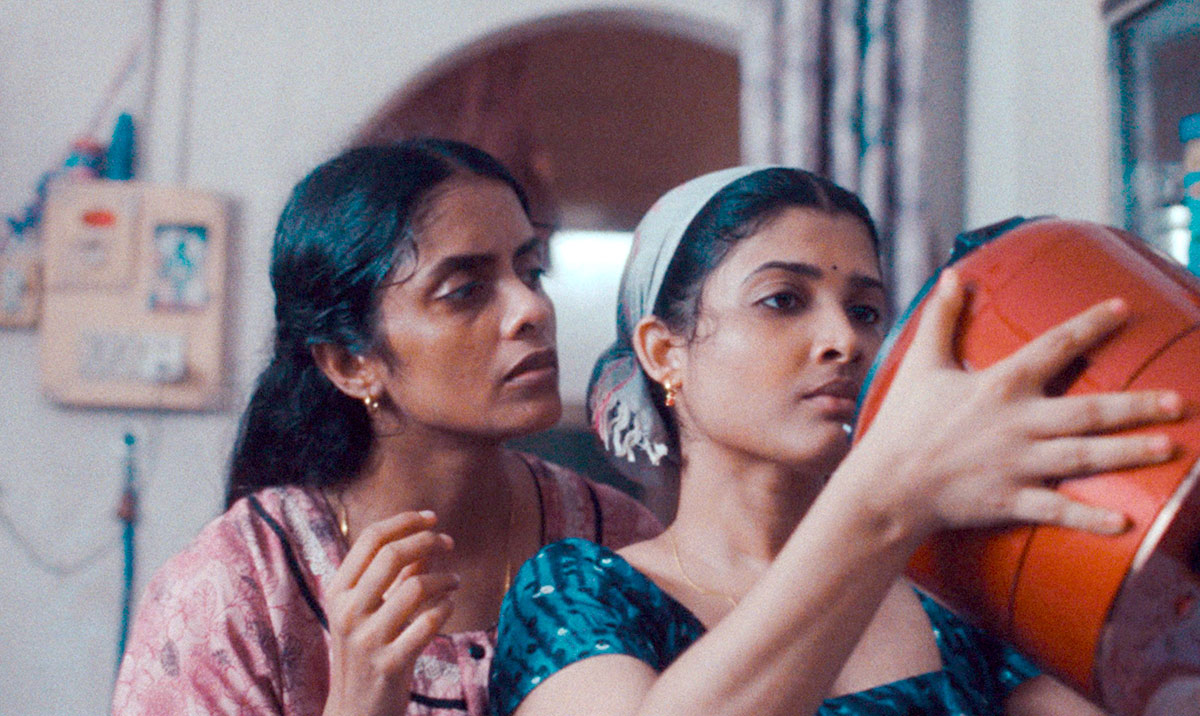
Kani
Kusruti
and
Divya
Prabha
in
All
We
Imagine
As
Light.
Let’s
start
with
the
rice
cooker.
When
it
appears
in
their
life,
it’s
this
shiny,
totemic
instrument.
It
reminded
me
of
the
bottle
of
Coca
Cola
in
The
Gods
Must
Be
Crazy.
Oh!
Interesting
ref
(erence)!
I
guess
it’s
similar
because
of
the
context.
Yes,
and
it
is
so
new
to
them.
A
completely
alien
and
consumerist
device
landing
up
without
warning.
I
actually
really
liked
this
movie
when
I
was
a
kid.
It
was
a
great
film,
no?
(Laughs)
Thanks
for
reminding
me
of
it.
So
yeah,
this
cooker
was
like
that
only.
I
was
trying
to
think
about
this
kitchen
appliance
where
this
‘family
life’
of
ladies
is
sold
to
her.
We
eat
a
lot
of
rice
(in
India)
but
the
rice
cooker
is
still
a
little
higher
level.
If
you
have
that
money,
then
you
can
get
a
rice
cooker.
And
then
the
woman’s
life
is
easier
because
she
can
make
more
rice
for
other
people.
But
she
doesn’t
have
a
family.
So,
for
whom
will
she
make
rice?
She
doesn’t
need
such
a
big
cooker
for
herself.
So
I
was
thinking
about
that,
like,
the
rice
cooker
as
a
feeling
of
this
family
unit.
And
also
this,
like,
this
consumerism
and
capitalism
that
is
mixed
so
nicely
in
India
—
not
nicely
but
violently,
with
patriarchal
feelings
that
are
sold
to
women.
I
was
thinking
about
that
what
could
it
be
that
it
embodies
all
these
different
dots
in
my
head,
but
it
can
be
something
really
normal,
like
something
so
banal,
like
a
cooker.
Right.
And
like
you
said,
it’s
something
you
don’t
necessarily
need.
Yeah.
But
you
think
that
your
life
will
be
better
and
I
will
be
a
better
mother,
wife,
all
these
things
because
of
a
cooker.
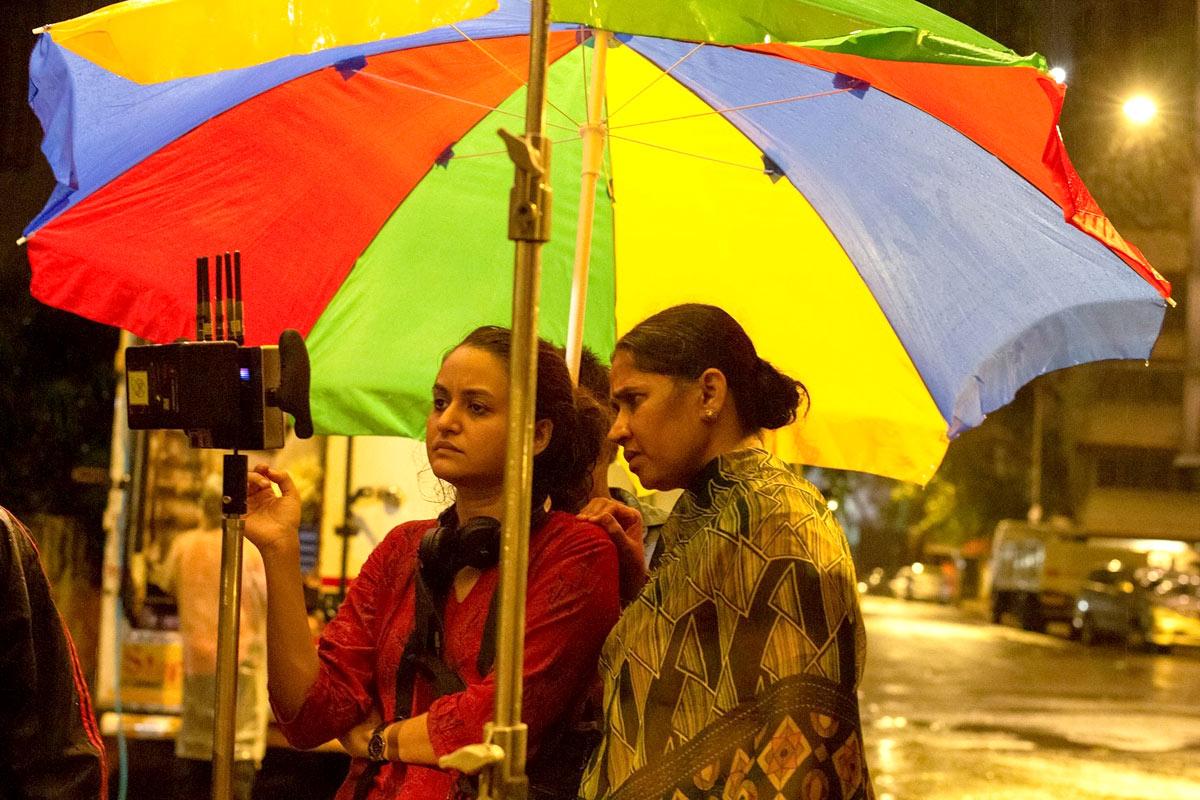
Payal
Kapadia
and
Chhaya
Kadam
on
the
sets
of
All
We
Imagine
As
Light.
Photograph:
Kind
courtesy
Chhaya
Kadam/Instagram
Let’s
talk
about
the
genesis
of
the
story
itself.
Where
did
this
begin
for
you?
I
started
writing
this
film
in
my
final
year
at
FTII,
doing
my
diploma
film.
At
that
time,
I
didn’t
have
a
script.
There
were
six
months
to
make
the
film,
and
I
had
two
family
members
who
were
in
different
medical
situations.
I
was
the
only
one
in
my
family
who
was
going
from
one
to
the
other
place.
I
was
spending
a
lot
of
time
in
waiting
rooms
basically
and
with
nurses
at
this
time.
And
because
you’re
a
student
and
every
mise
en
scene
becomes,
like,
interesting.
So
I
said
I’ll
make
this
film.
It
will
be
in
a
hospital
and
it
will
be
about
nurses
because
it’s
a
space
where
a
lot
of
women
work.
And
in
our
country,
places
where
a
lot
of
women
work
are
not
that
many.
I
started
meeting
people.
I
started
doing
research.
I
made
pals
with
the
nursing
ladies,
and
heard
a
lot
of
their
stories
about
training
and
leaving
home.
I
realised
I
could
actually
make
a
much
longer
film.
That
20-minute
diploma
film
would
have
been
neither
here
nor
there.
One
of
my
main
focuses
or
obsessions
was
this
contradiction
that
exists
in
India
like
it
comes
from,
let’s
say,
even
(Ritwik
Ghatak’s
1960
classic)
Meghe
Dhaka
Tara
of
a
woman
who
is
supporting
the
entire
family
but
nobody
is
there
for
her.
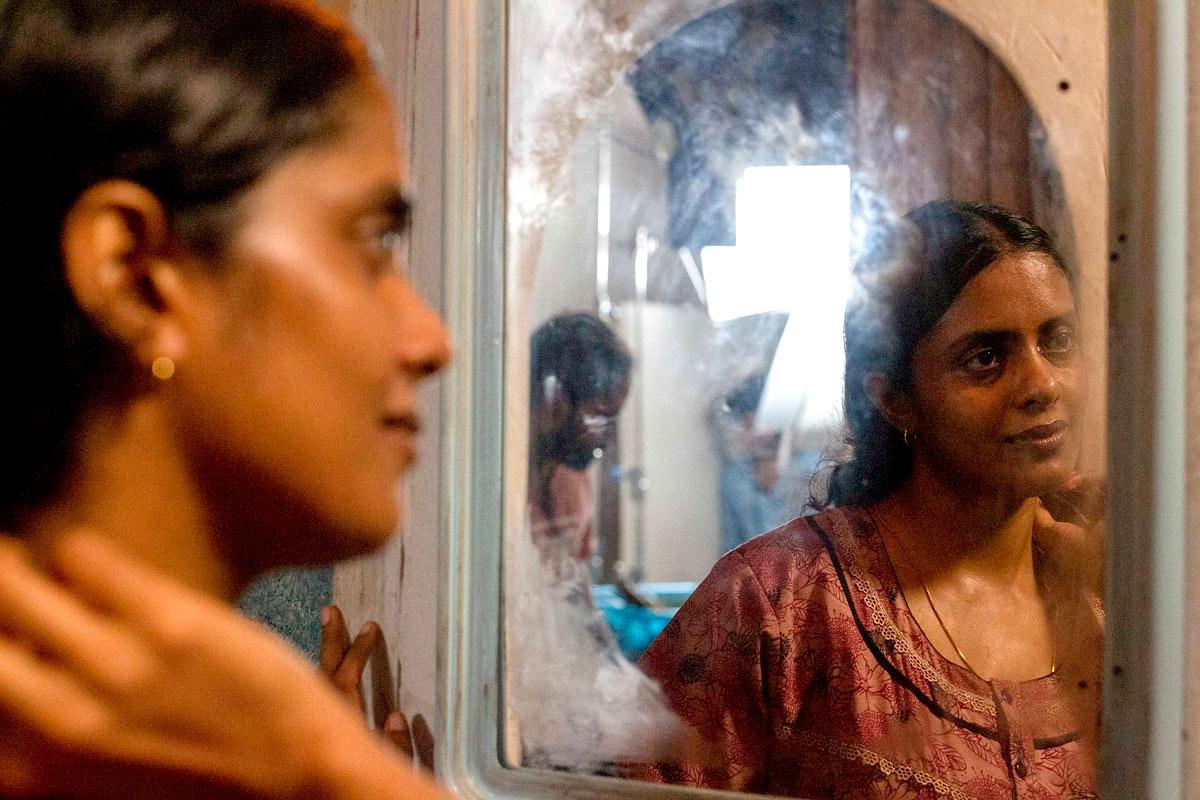
Kani
Kusruti
in
All
We
Imagine
As
Light.
Photograph:
Kind
courtesy
Chhaya
Kadam/Instagram
Yes,
the
love
for
that
film
comes
through.
In
fact,
I
even
wanted
to
put
a
reference
of
a
chappal
breaking.
But
I
didn’t
do
it.
I
love
this
movie
so
much.
I’m
a
big
Ghatak
fan.
And
just
think
from
that
time
to
now,
things
are
not
that
different.
You
met
many
nurses,
heard
many
stories.
When
did
it
become
clear
to
you
that
you
wanted
to
tell
the
story
of
an
older
nurse
and
a
younger
nurse?
That
dynamic
that
drives
the
film.
When
I
started
writing
the
film,
I
was
younger.
For
me,
that
time,
I
was
looking
a
bit
at
the
older
nurse.
The
film
is
through
the
younger
nurse
looking
at
the
older
nurse.
Then
I
grew
older.
Now,
I’m
38.
So,
I’m
closer
to
the
older
nurse.
When
did
you
start
working
on
the
film?
I
was
maybe
31,
32.
So
I
was
younger
then
and
my
preoccupations
were
different.
Later,
I
became
more
empathetic
towards
the
older
nurse.
I
think
my
allegiance
has
shifted.
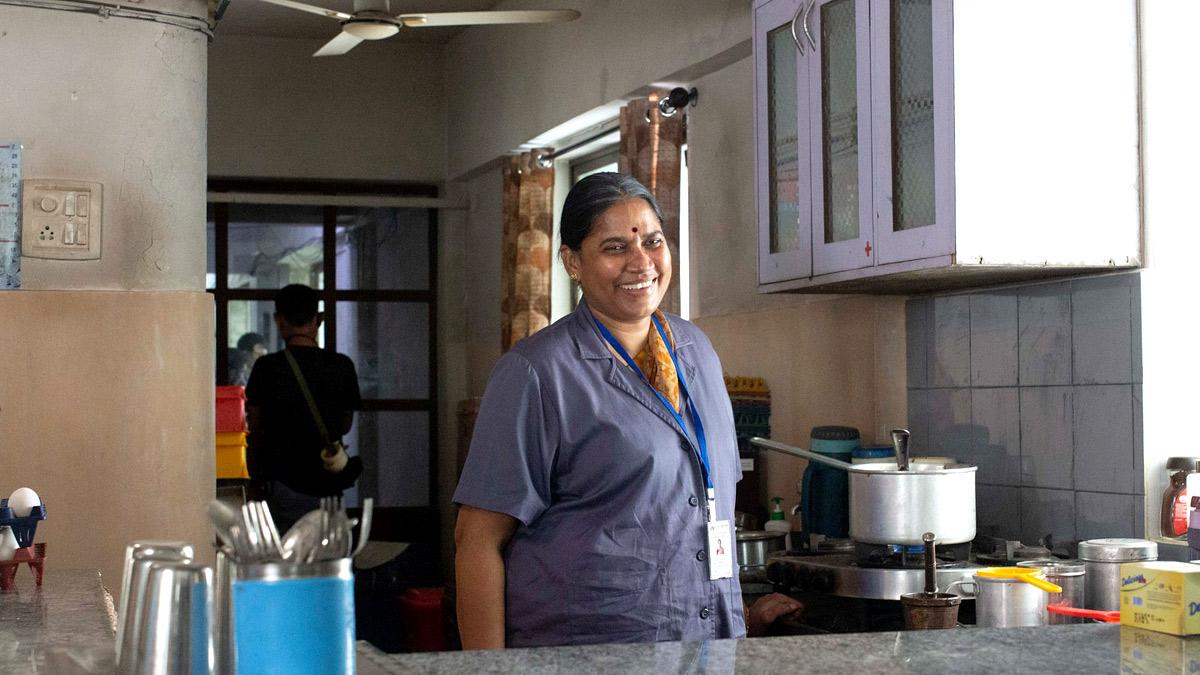
Chhaya
Kadam
as
Parvathy
in
All
We
Imagine
As
Light.
Photograph:
Kind
courtesy
Chhaya
Kadam/Instagram
What
about
Parvathy?
Parvathy
wasn’t
a
major
character
before.
But
when
I
started
doing
pre-production,
I
had
this
stupid
idea
that
I
will
cast
actual
Konkani
ladies
who
are
from
Mumbai
and
are
working.
I
met
some
200
women,
and
they
were
like,
we
are
not
taking
a
holiday
from
our
job
to
work
with
you.
Who
will
give
us
a
job
back
after
this?
Are
you
going
to
employ
us?
So
I
realised
I
can’t
do
that.
But
that
process
made
me
meet
a
lot
of
interesting
women
from
the
region
who
have
a
history
with
the
mills,
have
a
history
with
displacement
in
Mumbai.
This
kind
of
opened
up
a
world
for
me
and
Parvathy
became
a
much
bigger
character
than
she
initially
was.
I
felt
she
is
kind
of
like
a
reflection
of
Mumbai,
of
the
Maharashtrian
women
who
had
to
kind
of
pull
up
their
socks
and
replace
the
men
in
their
families
because
of
the
mill
strikes.
As
a
non-fiction
filmmaker,
do
you
find
that
these
processes
like
casting
become
exploratory
for
you?
That
instead
of
just
casting,
you
are
listening
to
their
stories
and
letting
all
of
that
develop
your
overall
narrative.
Yeah,
that
helps
me
a
lot.
Even
while
writing
the
script,
(I
like)
meeting
a
lot
of
people
just
for
the
sake
of
meeting.
Because
life
is
interesting,
it’s
more
interesting
than
one
can
imagine,
what
imagination
can
do.
Photograph:
Kind
courtesy
Chhaya
Kadam/Instagram
What
about
the
visuals?
Did
they
come
alongside
the
writing?
Yes.
When
I
was
working
with
my
DOP
(Director
of
Photography
Ranabir
Das),
we
would
shoot
a
lot
of
Mumbai,
over
many
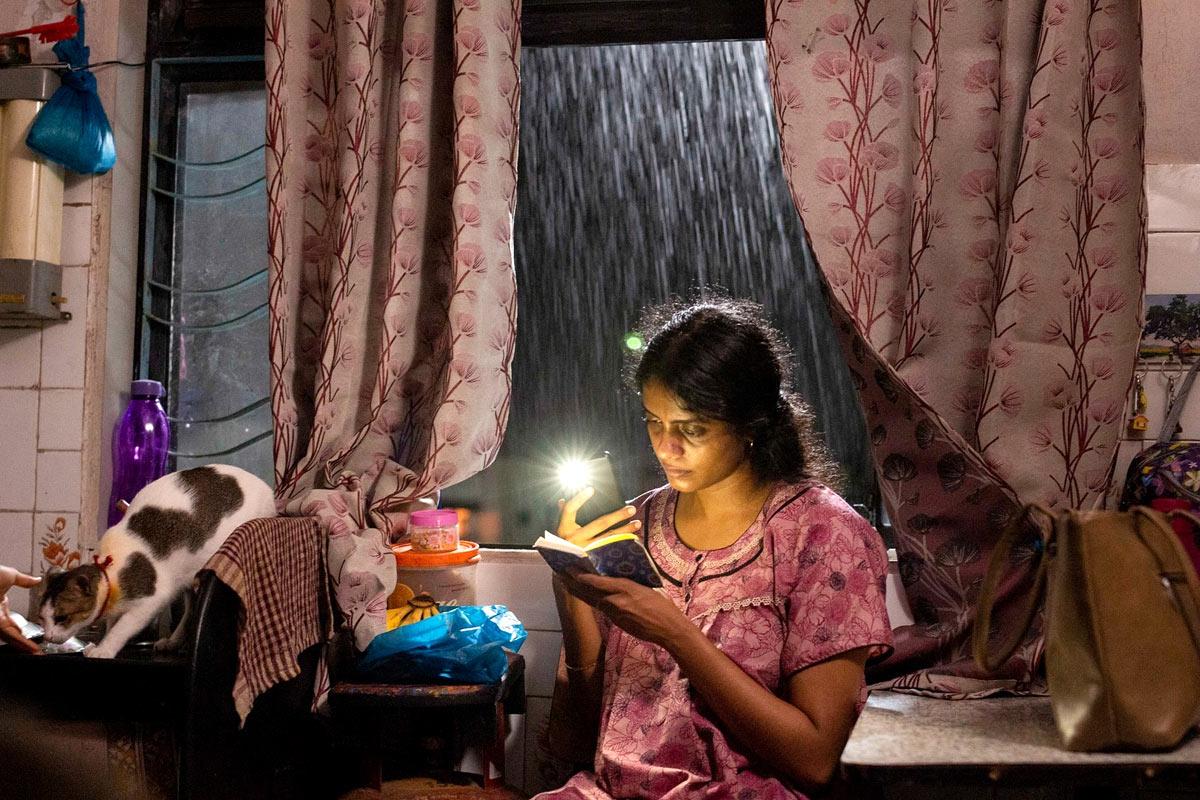
monsoons.
Like
without
that
script,
let’s
see
how
it
is.
How
does
red
look
in
the
monsoon?
How
does
a
BEST
bus
look?
How
does
a
skywalk
look?
Doston
ko
bulaate
the
kabhi
kabhi
ki
can
you
all
just
go
in
the
metro
and
be
our
actors?
I
have
a
lot
of
weird
footage
from
this
time.
I
think,
yeah,
maybe
that
comes
from
non-fiction.
It’s
what
I
enjoy.
You
can
shoot
a
bit,
you
can
edit,
then
you
can
say,
let’s
do
it
again.
In
fiction,
that
doesn’t
happen.
I
was
a
bit
nervous
also,
I
think,
that
I
wanted
to
have
everything
inside
me
internalised
so
that
I
could
approach
the
fiction
somehow.
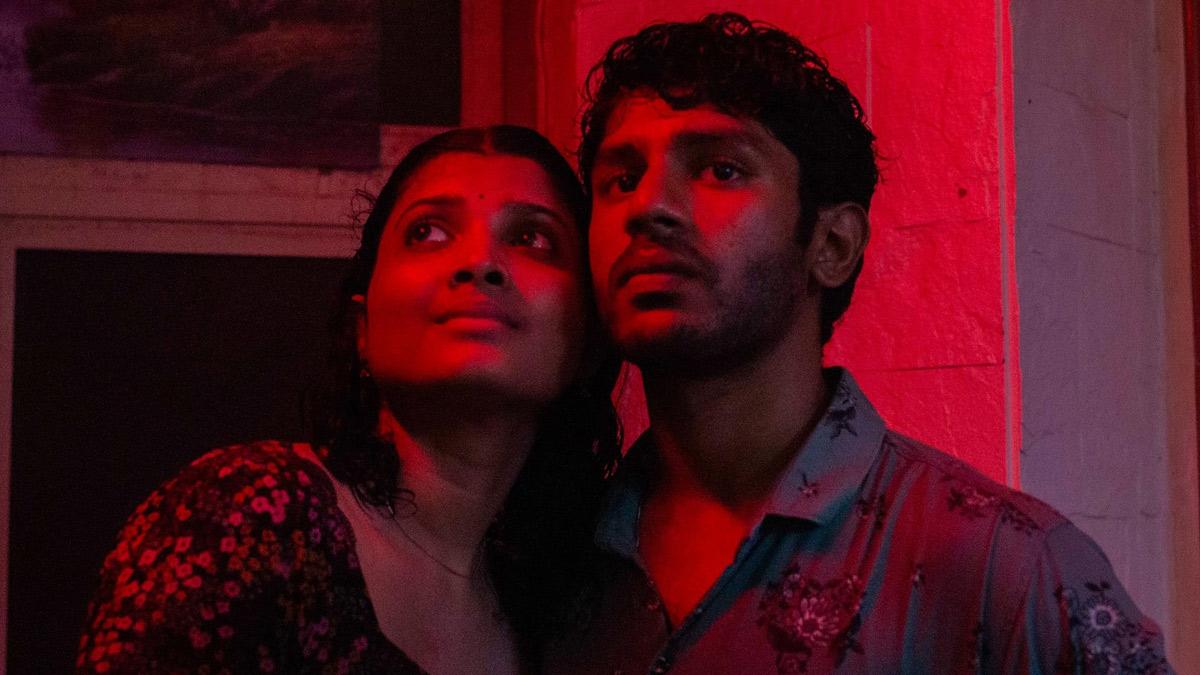
Divya
Prabha
and
Hridhu
Haroon
in
All
We
Imagine
As
Light.
Fair.
And
what
was
the
most
challenging
bit
in
terms
of
fiction?
Was
it
the
act
of
writing?
Because
while
your
documentary,
A
Night
Of
Knowing
Nothing,
had
a
fictional
romance
over
real
events,
it
must
be
different
to
create
characters
and
narratives
from
scratch.
Yeah.
It
took
a
long
time
honestly,
like,
writing
it
and
changing
because
as
you
grow
older,
like
I
said,
your
relationship
with
the
material
changes.
I
think
that’s
true
of
non-fiction
also,
like,
when
I
started
making
I
Don’t
Know
Nothing,
it
took
five
years.
So
how
we
were
shooting
in
the
beginning
and
how
we
were
looking
at
that
footage
five
years
later
was
so
different.
And
I
think
that’s
also
good,
like,
you’re
changing
all
the
time,
and
that’s
life.
So
I
think
writing
was
hard.
I’ve
written
shorts
before
but
that
is
a
whole
different
thing,
and
features
are
a
whole
different
mindset
because
at
the
end
of
the
day,
you
have
to
sustain
it
for
that
long.
Here,
the
script
has
to
hold.
It
can’t
just
be
like,
oh,
nice
feelings.
Is
that
why
the
film
is
structured
like
two
films?
Yes.
What
I
did
for
myself
and
something
that
I
was
very
keen
to
do
was
to
make
a
two-part
film
because
I
felt
I
could
handle,
even
if
I
wasn’t
doing
non-fiction,
maybe
I
could
shoot
in
a
non-fiction
way
—
so
that
if
I
shoot
the
first
part,
I
get
two
months
to
edit,
and
then
I
can
do
my
recce
again
and
then
shoot
the
next
part
after
a
few
months.
That
is
a
non-fiction
process.
I
sneaked
it
into
the
script
just
to
know
the
kind
of
person
I
am,
my
temperament
to
protect
that.
But
I
also
wanted
the
season
to
change.
And
I
wanted
to
work
with
time.
So
the
first
part
of
the
film
is
very
much
more
montage,
the
scenes
are
shorter.
But
the
second
part
is
one
day.
I
think
cinema
is
a
medium
where
we
can
do
a
lot
of
things
and
that
excites
me
a
lot.
So,
I
wanted
to
try
it.
When
I
was
writing
it,
I
realised
that
it’s
nice
to
make
these
theories,
but
when
you’re
practically
doing
it,
how
does
time
feel?
It
became
a
bit
hard
for
me
and
was
a
lot
of
trial
and
error
that
finally
the
film
is
what
it
is.
But
I
like
that
also.
I
think
that
the
joy
of
filmmaking
is
also
not
knowing.
Absolutely.
To
put
yourself
out
there
and
see
what
turns
out.
I
really
like
the
films
of
Miguel
Gomes.
I
don’t
know
if
you
know
him
as
a
filmmaker,
but
every
film,
he’s
made
a
lot
of
films,
is
like
an
experiment.
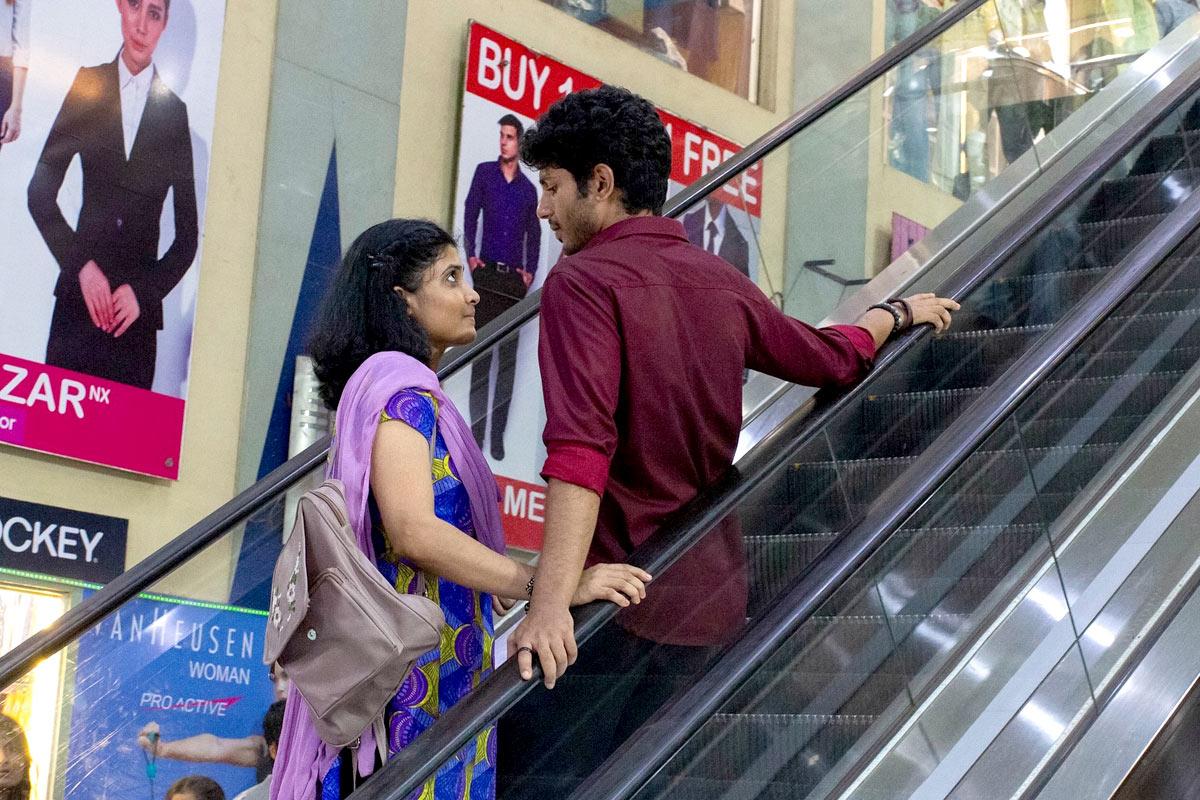
Photograph:
Kind
courtesy
Chhaya
Kadam/Instagram
Given
your
last
film
and
this
one,
is
romance
a
big
theme
for
you?
Are
you
a
romantic
filmmaker
in
that
sense?
Yeah,
I’m
very
romantic.
But
I
started
making
both
films
in
my
early
30s.
At
that
time,
the
romance
was
all
my
friends
were
in
that
stage,
like
should
I
be
with
this
person,
should
I
not
be?
I
went
to
FTII
a
bit
older,
so
most
of
my
friends
were
younger
than
me.
So
maybe
I
was
always
listening
to
the
two
themes
that
were
moving
to
Mumbai,
and
can
I
be
with
this
person,
will
my
parents
accept
them.
Now
things
have
changed.
So
maybe
in
the
next
film,
I
won’t
have
the
same
preoccupations.
This
time
I
think
it
was
very
much
part
of
my
immediate
zeitgeist.
So
I
think
that’s
why.
But
I
am
very
romantic.
I
love
romantic
movies.
Because
in
terms
of
romance,
it’s
not
just
the
young
nurse
and
her
spy
vibe
in
the
burkha
on
the
train.
It’s
also
the
missing
husband
and
the
fable
we
end
up
with.
I
like
romance,
you’re
right,
I
shouldn’t
shy
away
from
it.
It’s
so
nice
yaar,
romance.
I
think
I’m
a
bit
of
a
cheesy
person.
I
want
to
make
serious
films
that
are
also
cheesy.
If
you
can
find
a
balance
like
that…
I
think
Apichatpong
(Weerasethakul,
Thai
director)
is
like
that.
He’s
serious,
but
also
really
cheesy:
‘I
can’t
sleep,
I
can’t
eat.’
I
think
that’s
poetry,
right?
If
you’re
trying
to
go
with
a
certain
lyrical
or
poetic
style,
you
have
to
embrace
a
certain
cheesiness
as
well.
Yeah,
I
guess
so.
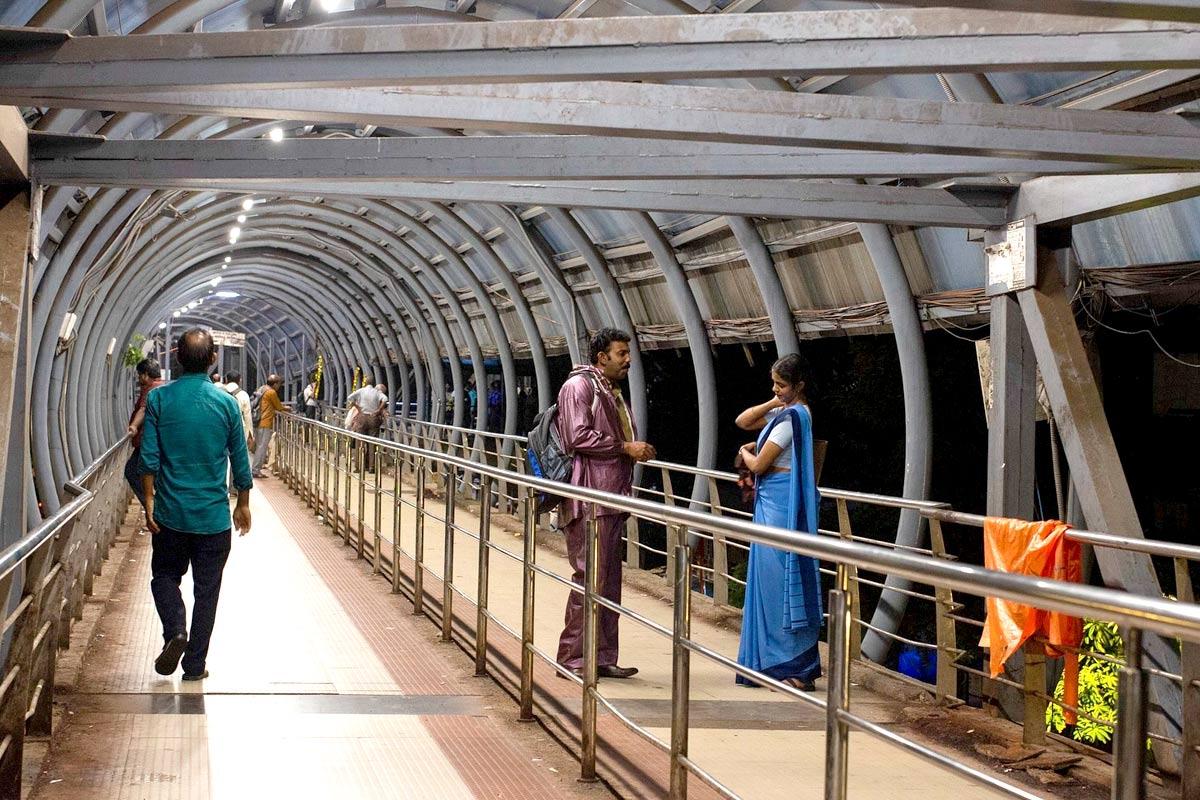
Anees
Nedumangad
and
Kani
Kusruti
in
All
We
Imagine
As
Light.
Photograph:
Kind
courtesy
Chhaya
Kadam/Instagram
Aesthetically,
you’ve
shot
both
halves
so
differently.
In
the
first
half,
there’s
a
washed
out,
diffused,
almost
dreamlike
quality
to
the
way
Mumbai
is
shot,
especially
that
shot
where
you
see
the
train
in
the
background
through
a
window
and
a
character
talking
on
the
phone
in
the
foreground.
The
other
part
outside
the
city
is
very
spare,
it
becomes
all
about
room
to
breathe,
and
the
fact
that
the
characters
finally
have
space
is
the
dream
itself.
So
the
Mumbai
part,
we
wanted
it
to
be
like
a
lot
of
planes,
so
you
always
see
somebody
in
a
relationship
to
a
background.
So
if
she’s
in
her
house
also
through
the
window
you’re
seeing
the
train
passing.
Or
if
Parvati’s
talking,
behind
her
is
the
hospital.
Many
layers
of
things.
Because
in
Mumbai,
isolation
is
a
very
different
isolation.
It’s
not
about
actual
physical
loneliness.
It’s
the
loneliness
in
the
company
of
others,
and
I
felt
that
that
is
a
very
Mumbai
thing
or
actually
any
big
city
thing.
You
can
be
travelling
in
the
ladies
compartment
squashed
against
everybody’s
armpits
and
still
be
really,
really
sad
and
alone.
So
I
was
thinking
a
lot
about
all
the
characters,
the
space,
everything
being
interconnected,
not
separate.
But
in
the
second
half,
it
was
more
like
a
funnel
where
it’s
just
these
three
characters
and
their
internal
landscape
becomes
more
important.
Their
dreams,
their
desires,
their
close
ups.
Because
in
no
way
do
I
want
to
say
that
the
countryside
is
better.
That’s
also
going
to
be
really
hard.
It
starts
with
Anu
coming
into
the
house
saying
there’s
no
electricity
here.
It’s
not
going
to
be
easy
for
her.
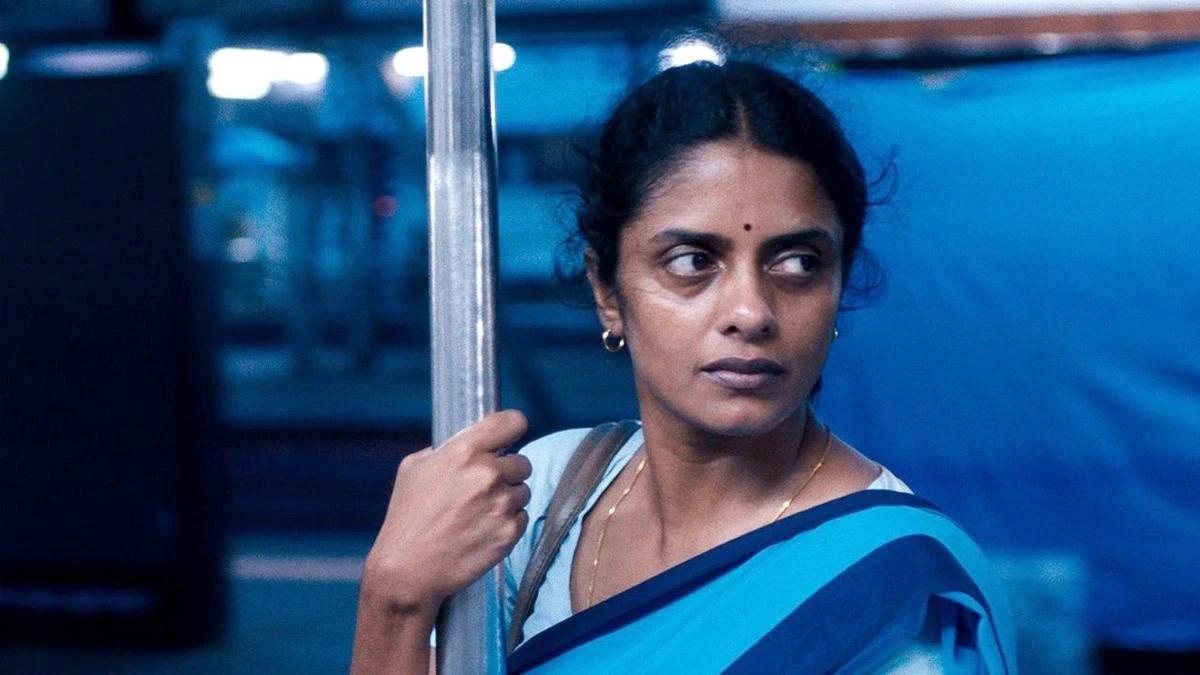
Kani
Kusruti
in
All
We
Imagine
As
Light.
The
film
is
very
blue,
very
cool.
The
city
sections,
especially.
Cooler
in
the
first
half,
yes,
but
also
dank.
That
was
the
intention,
trying
to
get
how
the
city
is
this
kind
of
yucky
wet
sometimes.
You
don’t
like
it.
Like
in
Mumbai
rains,
if
you
travel
by
train,
your
pant
is
wet
up
to
here
(gestures
to
knee)
and
then
you’re
just
suffering.
You’re
wearing
those
horrible
fake
Crocs,
those
Bata
ones,
and
your
feet
are…
(shudders)
Anyway,
so
I
wanted
to
capture
that
feeling
also.
Let’s
talk
about
your
actors,
who
are
fantastic.
Did
you
workshop
a
lot?
Because
they
seem
so
easy
around
each
other
and
they
play
off
each
other
so
well
and
so
effortlessly,
especially
the
two
of
them
sharing
a
home.
Yeah,
yeah.
With
Anu
and
Prabha,
we
lived
together
for
three
weeks.
They
were
staying
with
me
and
every
day
we
would
be
doing
in
the
kitchen,
things,
we
would
be
doing
in
my
bedroom,
things.
The
DOP
was
also
there
in
the
workshops,
so
it
was
nice
because
that
way,
we
could
we
could
really
feed
off
them
as
actors.
I
don’t
speak
Malayalam,
so
for
me
to
internalise
the
language
it
took
a
long
time
to
be
able
to
direct
in
that
language.
I
had
an
associate
director
who
is
Malayali
and
we
had
worked
together
for
two
years
for
the
cadence
of
the
language
to
work
out.
We
gave
each
of
them
a
regional
identity
also,
like
Anu’s
from
Palakkad,
Prabha’s
from
Kollam,
so
how
their
slang
will
be
and
all
these
kind
of
things
we
had
worked
out
beforehand.
So
I
needed
time
in
the
workshops.
It
wasn’t
just
for
the
actors,
it
was
for
me
as
well.
With
Chhaya,
it
took
fewer
days
because
I
speak
Marathi
and
Hindi.
Also,
Divya
(Prabha)
and
Kani
(Kusruti)
are
very
old
friends
but
in
the
film,
they
are
roommates
and
a
little
weird
with
each
other.
So
how
to
bring
that
in
as
well.
They
are
very
different
from
their
characters
in
the
film.
Kani
is
not
at
all
this
person,
and
Divya
is
very
jovial
but
Anu
is
ridiculous
—
no
one
can
be
like
that
at
all
times.
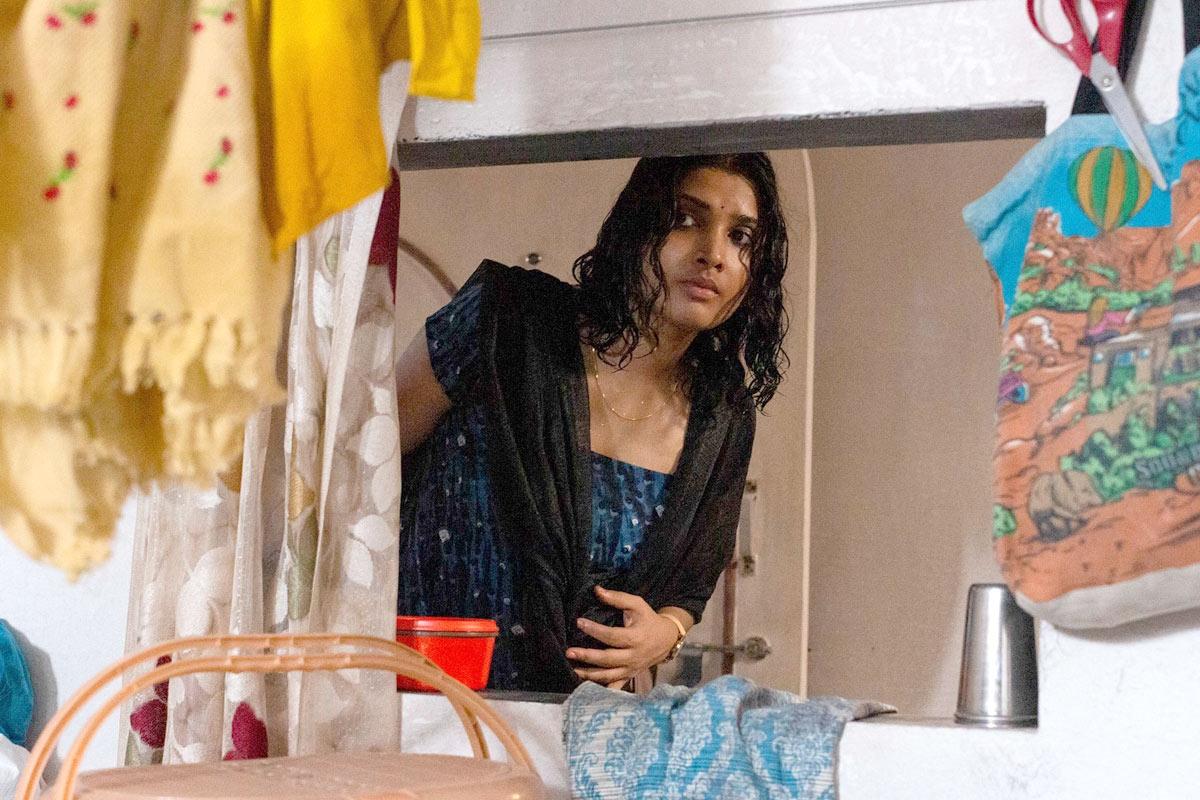
Divya
Prabha
in
All
We
Imagine
As
Light.
Sounds
like
you
had
a
blast.
Yeah.
We
took
a
long
time
to
work
together
but
because
I
am
a
process
person,
I
enjoyed
this.
It
was
like
documenting,
and
we
were
watching
a
lot
of
those
rushes.
We
would
shoot,
we
would
watch
it
in
the
evening,
and
see
what
is
interesting.
We
added
scenes
because
some
of
the
chemistry
was
so
nice.
It’s
good
that
you
find
people
who
are
willing
to
give
you
that
time.
Critics
have
loved
the
film.
Have
you
heard
any
bad
reviews?
Have
you
seen
my
Letterboxd?
One
or
two
will
come
‘I
went
to
sleep.’
It’s
okay
for
a
film
with
a
dream-like
quality
to
make
you
sleep.
(Laughs)
Oh,
I
should
start
using
this
profound
answer,
like
Apichatpong!
Mostly
it’s
been
quite
positive,
thankfully,
and
that’s
all
one
can
hope
for
while
making
a
film.
In
our
profession,
anyone
can
say
anything
and
you
have
to
be
okay
with
it.
Slowly,
slowly
I’m
trying
my
best
to
be
okay.
(At
this
point,
we
hear
an
agitation
outside
the
window.
Women
are
raising
their
voices.
We
step
to
the
window
and
see
that
this
is
a
rally
of
schoolgirls,
encouraging
citizens
of
Mumbai
to
cast
their
votes.
Kapadia
is
instantly
ecstatic.)
(Laughs)
Awesome.
So
good!
What
a
sight!
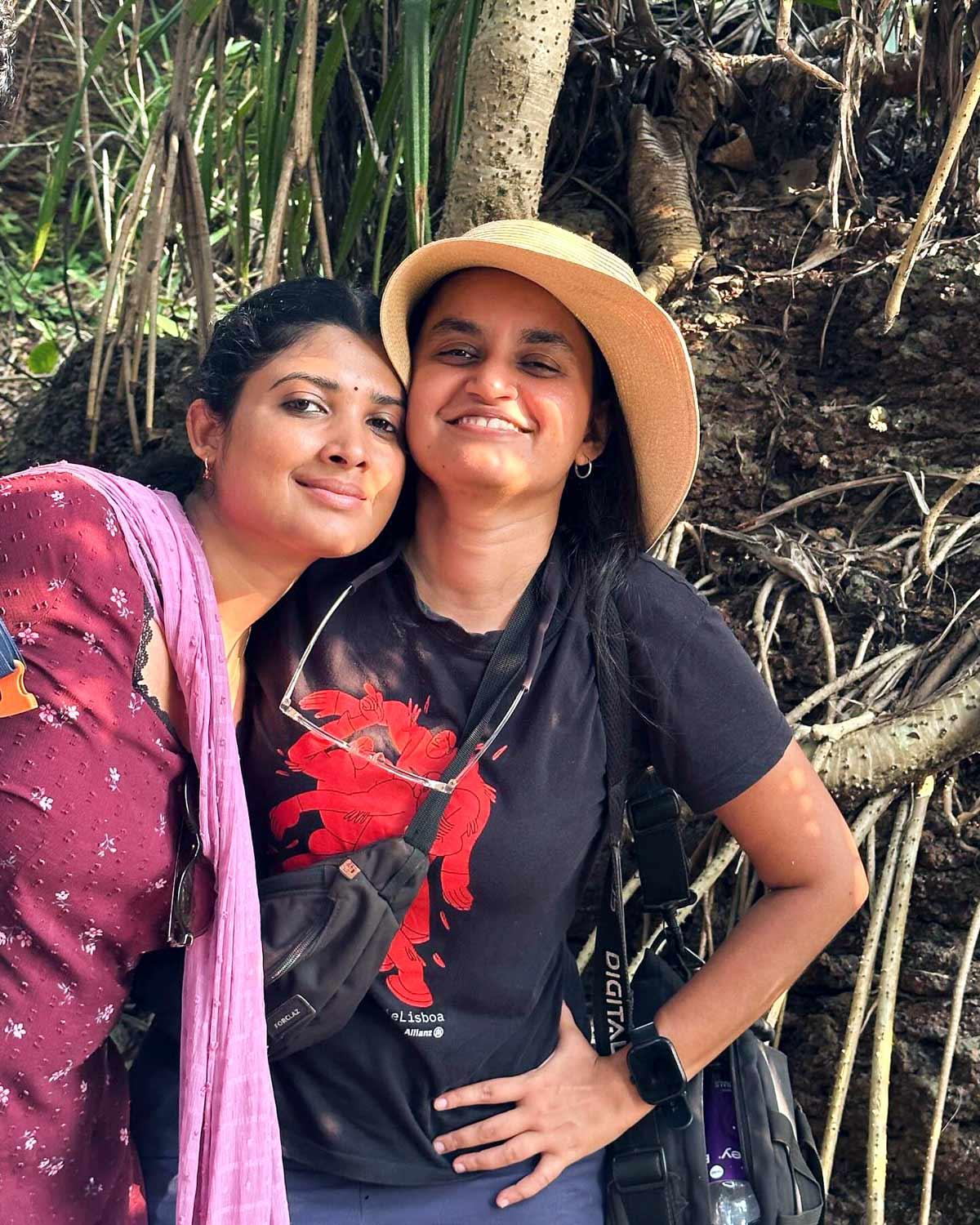
Divya
Prabha
and
Payal
Kapadia.
Photograph:
Kind
courtesy
Divya
Prabha/Instagram
Yes,
young
women
making
themselves
heard.
Young
women.
This
is
fully
apt,
no?
See?
Life
is
more
interesting,
yeh
hum
script
mein
nahin
likh
paate.
I
love
it.
(Thrilled
laugh)
These
are
the
kids
who
will
watch
my
films!