‘In
a
world
which
is
full
of
categories,
hatred
and
ideologies,
there
was
this
basic
decency.’

Ishaan
Khatter
and
Vishal
Jethwa
in
Homebound.
In
the
summer
of
2020,
Basharat
Peer,
who
was
working
with
The
New
York
Times,
saw
a
photograph
that
was
being
shared
on
social
media.
In
the
photograph,
a
young
man
was
seated
next
to
a
highway.
He
was
holding
another
man,
who
appeared
to
have
fainted,
in
his
lap.
The
two
men
were
part
of
the
millions
of
Indians,
who
trekked
across
the
country
to
head
back
to
their
homes
during
the
first
wave
of
COVID
and
lockdown.
Basharat
was
so
moved
by
the
photograph
that
he
decided
to
travel
through
Uttar
Pradesh
in
search
of
the
two
men,
Mohammad
Saiyub,
and
his
childhood
friend
Amrit
Kumar,
who
had
collapsed
from
heatstroke
when
the
picture
was
taken.
What
made
the
story
even
more
compelling
was
that
Saiyub
was
Muslim
and
Kumar
a
Dalit.
Eventually,
Basharat
wrote
a
story
about
his
journey
and
the
tragic
circumstances
connected
with
the
photograph.
His
piece
Taking
Amrit
Home
ran
in
The
New
York
Times‘
Sunday
Opinion
section
on
July
31,
2020.
A
year
later,
Basharat
met
his
friend
Somen
Mishra,
head
of
creative
development
at
Dharma
Productions,
in
Mumbai.
During
the
conversation,
Mishra
asked
Basharat
if
the
rights
to
the
article
were
available.
Basharat
was
intrigued,
since
Dharma
—
under
the
leadership
of
Karan
Johar
—
was
known
for
big
budget
Bollywood
films
such
as
Kuch
Kuch
Hota
Hai
and
Kabhi
Khushi
Kabhie
Gham.
But
Mishra
informed
him
that
filmmaker
Neeraj
Ghaywan
(Masaan)
was
moved
by
the
story
and
wanted
to
make
it
into
a
film.
Basharat
visited
the
Dharma
office
in
Mumbai
and
met
with
Apoorva
Mehta,
CEO
of
the
production
house.
Later,
he
also
met
with
Ghaywan
in
Delhi.
The
rights
for
Basharat’s
story
were
with
The
New
York
Times;
he
had
left
the
newspaper
by
then.
So
Dharma
negotiated
with
the
company
directly
to
secure
the
rights.
The
Times‘
rules
state
they
would
not
share
royalty
with
a
former
employee,
even
if
he
had
written
a
piece.
So
Basharat
got
no
compensation
from
the
deal.
Ghyawan’s
film
Homebound
inspired
by
Basharat’s
article,
and
starring
Ishaan
Khatter,
Vishal
Jethwa
and
Jahnvi
Kapoor,
premieres
in
the
Un
Certain
Regard
section
at
the
Cannes
film
festival
on
May
21.
In
addition
to
Johar
and
Mishra,
the
film
has
the
backing
of
Martin
Scorsese,
who
has
come
on
board
as
an
executive
producer
of
the
film.
Basharat,
who
earlier
co-wrote
the
screenplay
of
Haider
(2014)
with
Vishal
Bhardwaj,
is
not
planning
to
travel
to
Cannes.
But
he
is
glad
that
a
film
has
been
made
inspired
by
his
article.
It
should
help
him
with
his
future
film
writing
projects.
“It
was
the
dignity
of
the
journey
that
moved
me,”
Basharat
tells
Aseem
Chhabra.
“When
a
truckwalla
saw
Amrit
was
coughing,
he
said,
‘He
is
sick,
so
it
is
best
to
leave
him
behind.’
Saiyub
said,
‘No,
I
cannot
leave
him
behind.’
When
he
told
me
that
story,
I
said
to
him,
‘In
this
mad
world,
you’re
a
hero’.”
Basharat,
while
working
on
the
story,
did
you
ever
think
that
it
could
get
made
into
a
film?
I
wouldn’t
have
thought
of
it.
I
just
wrote
a
story;
I
wasn’t
trying
to
write
a
screenplay.
I
saw
this
hazy
photograph
on
Twitter
of
two
young
men,
and
one
is
holding
the
other,
cradling
him,
almost
like
a
mother,
on
some
highway
in
the
middle
of
nowhere.
It
was
such
an
arresting
image.
I
was
working
as
the
international
opinion
editor
at
the
Times.
I
first
thought
of
commissioning
someone
to
do
a
piece
on
this.
Then
I
thought
I
had
to
do
it
myself.
I
had
to
meet
the
families
and
get
a
sense
of
the
world
the
two
men
came
from.
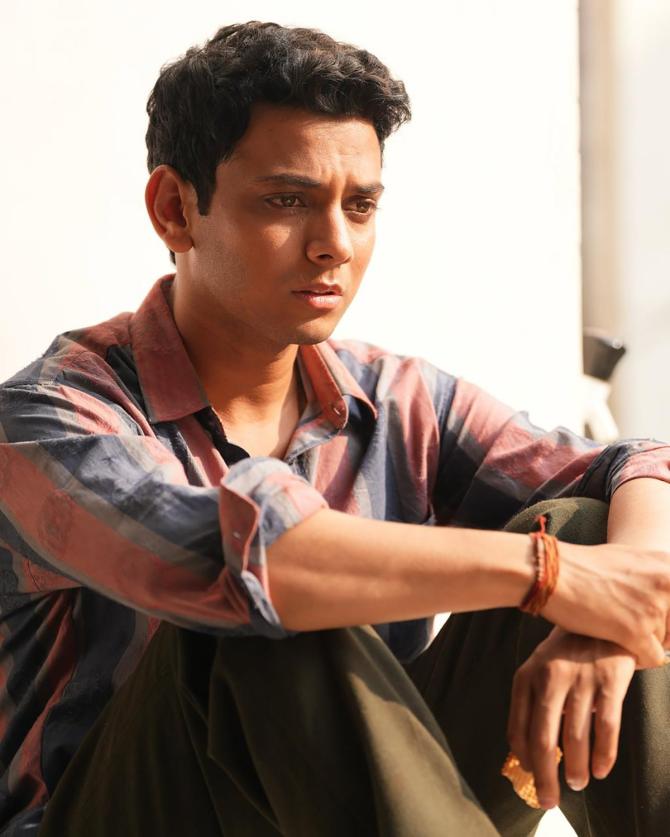
Vishal
Jethwa
in
Homebound.
Where
were
you
based
at
that
time?
London.
But
the
office
had
shut
down
during
COVID,
so
I
had
come
to
Delhi.
Did
you
find
out
who
took
the
photograph?
Nobody
knows
that.
Some
stranger
took
a
cell
phone
photograph
and
put
it
online.
The
poor
guy
(Saiyub)
was
stressed.
He
had
no
idea
someone
took
the
picture.
But
in
a
world
which
is
full
of
categories,
hatred
and
ideologies,
there
was
this
basic
decency.
There
was
something
beautiful
about
the
two
people.
It
reminded
me
of
John
Steinbeck’s
Of
Mice
And
Men.
I
called
a
few
people,
a
couple
of
reporters
helped
and
found
out
the
village
the
two
were
from.
The
photograph
was
taken
in
Madhya
Pradesh.
The
two
men
were
traveling
from
Surat
to
their
village
Devari,
which
is
in
UP,
half
an
hour
away
from
Ayodhya.
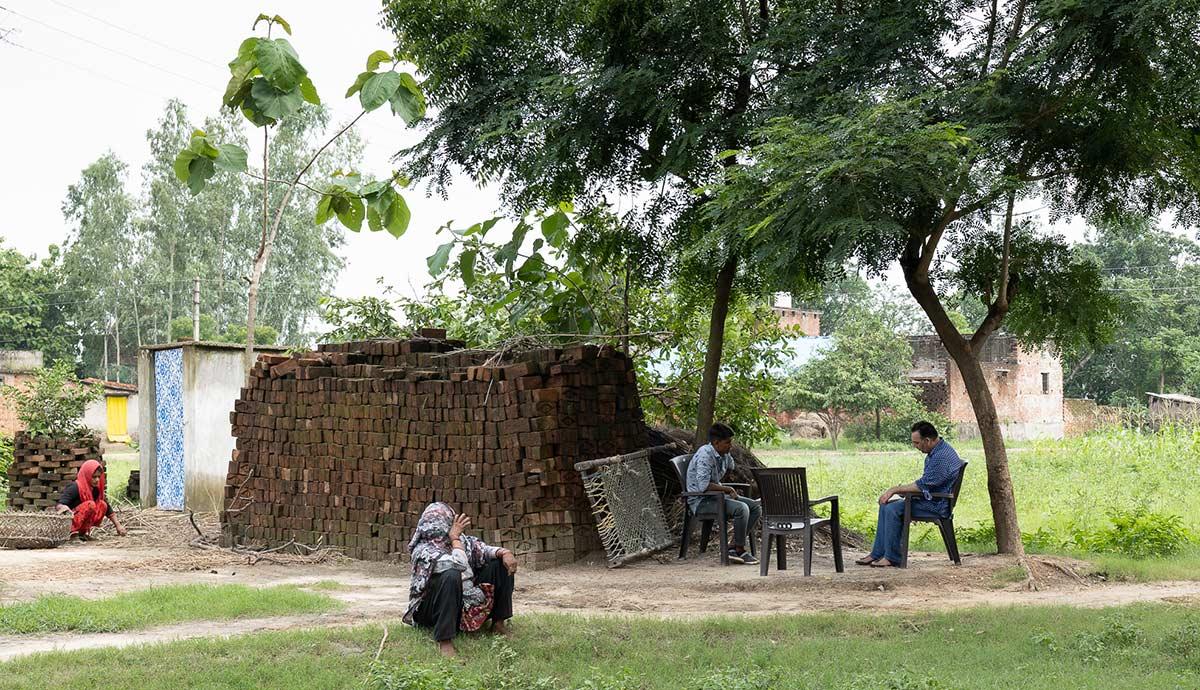
Basharat
Peer
interviews
Mohammad
Saiyub,
who
is
played
by
Ishaan
Khatter
in
Homebound.
Photograph:
Kind
courtesy
Basharat
Peer
As
a
journalist,
did
you
know
the
area
well?
I
went
to
college
in
UP
(Aligarh
Muslim
University).
I
had
traveled,
reported
all
across
North
India.
But
this
situation
was
not
about
one
particular
government.
Okay,
the
lockdown
was
Modi’s
decision,
but
one
can’t
blame
him
for
the
reason
millions
of
people
had
to
walk
back
home.
That’s
a
structural
problem
that
goes
way
deeper
in
India.
Every
government
that
has
ever
run
India
is
responsible
for
that.
That
is
why
going
to
the
village
and
spending
time
there
was
important
for
me.
In
every
city
across
India,
you
will
find
chowkidars,
construction
workers
and
rickshaw
wallas
from
UP
and
Bihar.
The
bulk
of
India’s
economic
engine,
all
your
industries,
are
by
the
coasts,
whether
it
is
the
southern
states
or
Maharashtra.
Then
there’s
this
Delhi/NCR
pocket
in
the
middle.
North
India
is
essentially
deindustrialised.
My
story
was
a
reminder
of
this
fact.
You
have
a
massive
youth
dividend,
but
where
does
a
young
person
go?
Education
may
be
a
way
out,
but
the
kind
of
education
and
training
they
have
is
so
limited.
Kya
karega
bechara?
Mazdoor
hi
to
banega,
na?
I
had
watched
Muzaffar
Ali’s
Gaman
when
I
was
writing
this
article.
It
is
because
of
the
deindustrialisation
of
North
and
Central
India
that
these
people
have
to
leave
their
homes
and
live
in
these
Dickensian
tenements
all
across
Gujarat
and
Bombay.
The
COVID
crisis
showed
us
that
the
investments
we
made
in
health
need
to
be
ramped
up
in
a
big
way.
These
are
far
bigger
issues
than
the
Hindu-Muslim
narratives,
since
this
affects
everyone.
One
person
falls
sick
and
the
entire
family
sinks.
In
writing
this
story,
all
the
concerns
I
had
about
India,
things
I
had
thought
about
for
years
came
together
in
that
one
week.
But
the
story
of
those
two
boys
was
the
engine,
their
relationship
and
the
love.
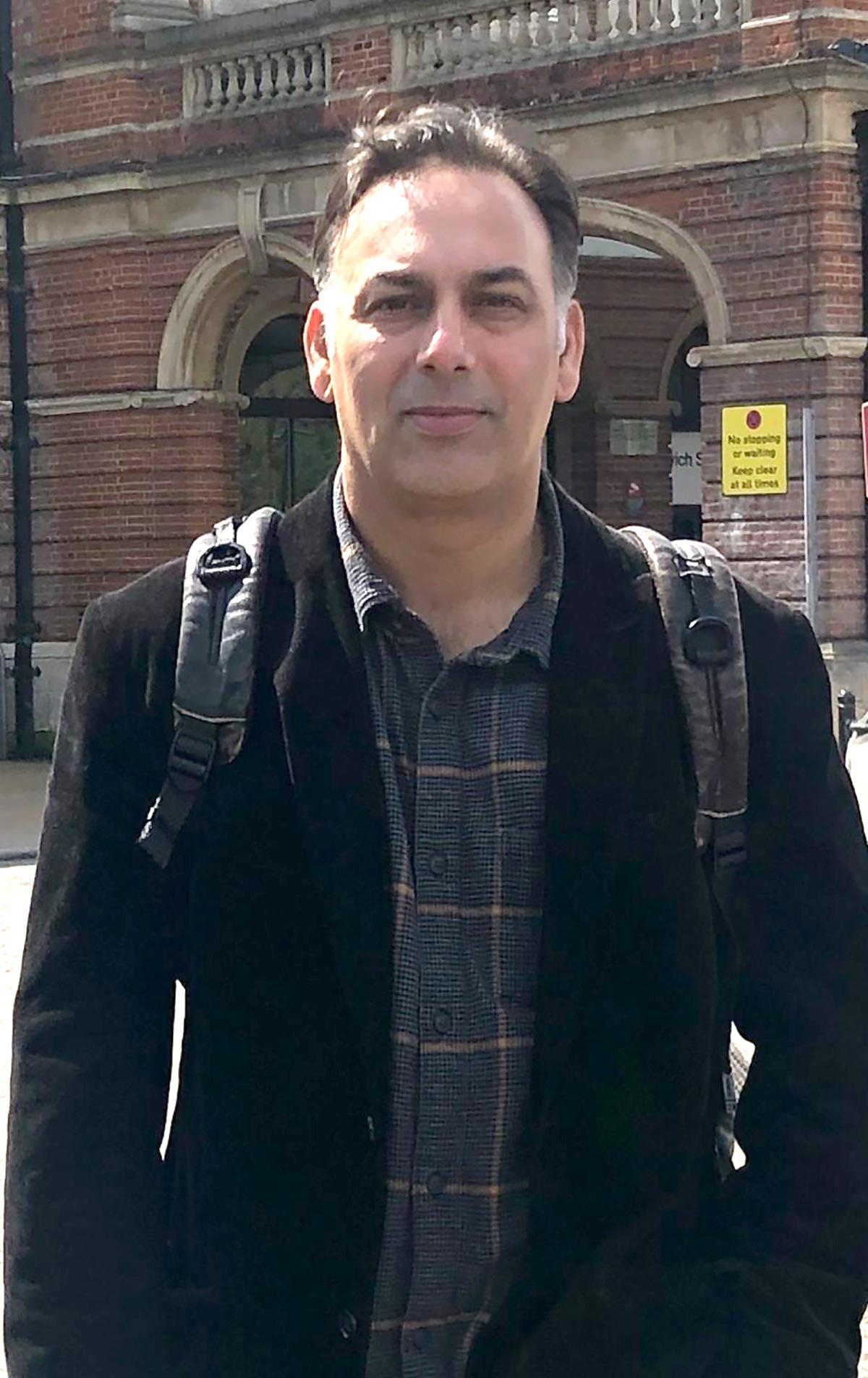
Basharat
Peer.
Photograph:
Kind
courtesy
Basharat
Peer
In
the
summer
of
2020,
the
vaccines
were
not
out.
Were
you
not
concerned
about
your
health
when
you
traveled
to
the
village?
It
was
quite
bad
at
that
time
when
I
went
reporting.
I
talked
to
my
editor
in
New
York
and
told
him
I
would
need
space,
at
least
3,000
to
4,000
words,
maybe
more.
He
said,
‘Go,
just
be
careful.’
I
coordinated
with
The
New
York
Times
Delhi
bureau.
They
had
the
protective
equipment.
I
had
to
go
with
a
photographer
Vivek
Singh,
and
we
hired
a
car.
To
be
honest,
I
was
scared.
But
we
had
our
masks
and
gloves
on.
All
the
time?
Yes.
But
when
I
reached
the
village,
I
noticed
no
one
was
wearing
masks
there.
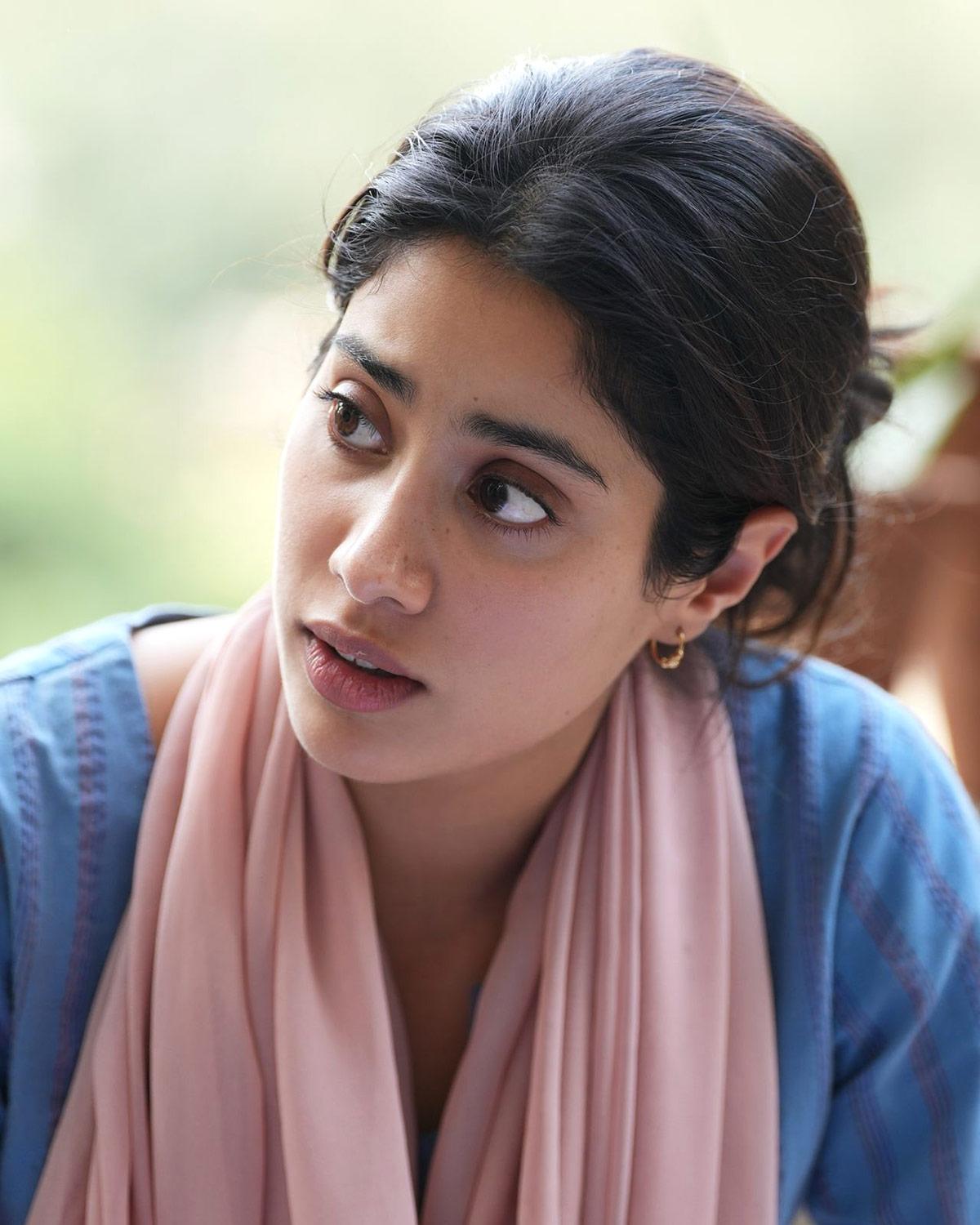
Janhvi
Kapoor
in
Homebound.
Had
COVID
reached
there?
Yes,
COVID
was
everywhere.
But
in
the
village,
everyone
was
out
and
no
one
was
wearing
a
mask.
So
I
had
to
leave
everything,
including
the
face
shield
in
the
car.
I
was
visiting
a
poor
family,
so
I
just
couldn’t
wear
the
protective
gears.
If
you
had
worn
the
mask
and
shield,
that
would
have
reflected
your
privileged
background.
Yes.
I
sat
on
the
floor
and
they
offered
me
chai.
I
spent
two
days
talking
to
everyone.
Luckily,
I
didn’t
catch
COVID.
I
got
COVID
much
later.
I
know
rationally
it
was
wrong
to
interview
people
without
a
mask.
But
looking
into
their
eyes,
I
just
couldn’t
do
it.
They
knew
nothing
about
The
New
York
Times
or
the
world
I
came
from.
I
was
another
human
being
sitting
with
them.
It
was
heartbreaking
what
these
families
had
endured.
Tell
us
about
the
friendship
between
the
two
men,
a
Muslim
and
a
Dalit.
Was
that
normal,
given
the
fact
that
both
were
minorities,
looked
down
upon,
especially
in
the
village
where
probably
the
upper
caste
people
ruled?
I
think
it
was
a
friendship
formed
in
the
village.
The
fact
that
human
relations
took
precedence
over
particular
identities
was
a
part
of
the
Indian
way
of
life.
I
don’t
think
they
went
about
it
in
a
kind
of
self-conscious,
intellectual
way,
believing
they
were
doing
the
right
thing
by
creating
a
coalition
of
the
disenfranchised.
Now,
in
the
media
and
the
social
media
discourse,
everything
has
been
poisoned
by
an
exaggerated
emphasis
on
categories
and
placing
people
in
terms
of
their
religious
or
ethnic
identities
but
human
beings
are
complicated.
But
it
was
the
dignity
of
the
journey
that
moved
me.
When
a
truckwalla
saw
Amrit
was
coughing,
he
said,
‘He
is
sick,
so
it
is
best
to
leave
him
behind.’
Saiyub
said,
‘No,
I
cannot
leave
him
behind.’
When
he
told
me
that
story,
I
said
to
him,
‘In
this
mad
world,
you’re
a
hero.’
To
have
the
decency
and
care
about
friendship
in
this
way.
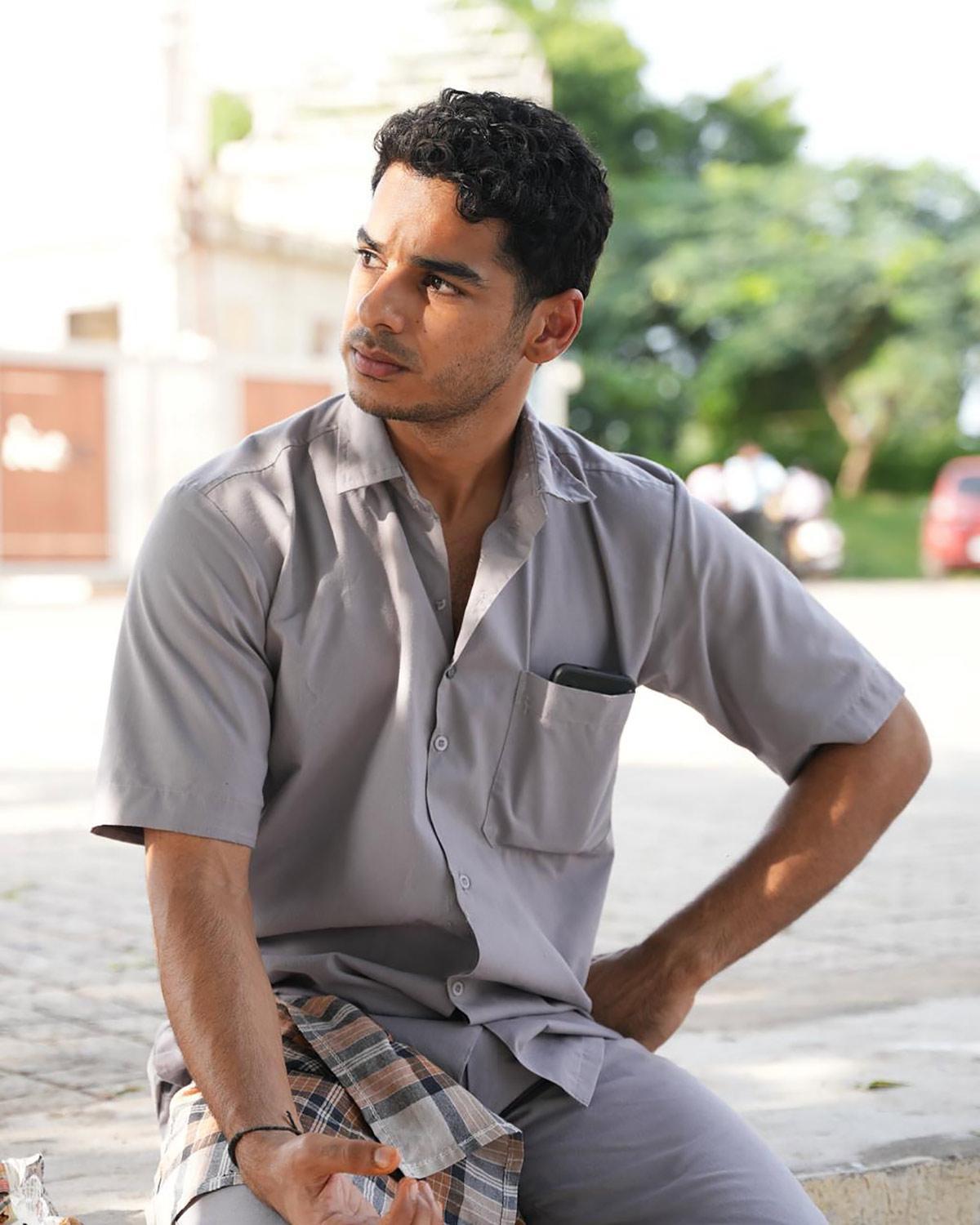
Ishaan
Khatter
in
Homebound.
Have
you
seen
the
film?
No.
But
I
have
heard
great
things.
I
heard
Ishaan
Khatter,
who
plays
Saiyub,
has
done
a
great
job.
He’s
a
very
fine
actor
right
from
the
time
he
acted
opposite
Tabu
in
A
Suitable
Boy.
Did
you
read
the
script?
Is
it
faithful
to
your
reporting?
I
did
read
the
script.
I
wasn’t
formally
writing
it
but
informally,
I
helped
Neeraj
with
various
things.
He
had
to
build
characters,
the
early
lives
of
Saiyub
and
Amrit,
which
is
fictional.
I
was
not
writing
the
script,
nor
was
I
directing
the
film,
so
it
was
his
prerogative.