‘Thankfully,
as
Indians,
we
have
a
long
history
of
trans
people
in
our
culture,
in
our
religions,
in
our
mythology.’
‘It’s
not
a
fad
which
has
suddenly
come
into
existence,
the
way
that
a
lot
of
Americans
treat
it.’

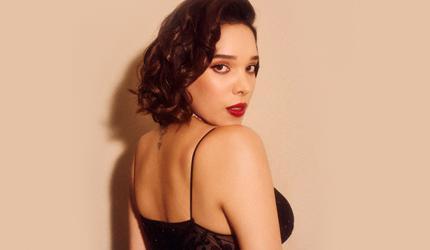
As
a
transgender
and
a
doctor-turned-actor,
Trinetra
Haldar
Gummaraju
says
she
has
experienced
transformation
“on
a
very
intimate
level”.
She
relishes
the
idea
of
becoming
a
different
person
with
each
new
character
and
considers
this
as
the
most
“interesting
part”
of
the
acting
process.
If
Made
In
Heaven
2
got
her
through
the
door,
Trinetra
is
now
building
on
her
acting
portfolio
with
Kankhajura,
her
latest
OTT
show
co-starring
Roshan
Mathew
and
Mohit
Raina.
“I
have
seen
people
being
insensitive,
ignorant,
uneducated
and
uninterested
about
the
topic.
Thankfully,
nothing
extremely
bad
has
happened,
but
there
is
a
certain
apathy
that
many
people
have
towards
the
community.
How
many
people
really
care
about
these
things?”
Trinetra
asks
Mayur
Sanap/Rediff.
What’s
keeping
you
busy
these
days?
The
promotions
of
Kankhajura.
Apart
from
that,
many
other
things.
I
am
trying
to
focus
on
my
physical
fitness.
That’s
something
that
I’ve
neglected
for
very
long.
I
finally
started
going
to
the
gym.
I
finally
got
a
nutritionist
on
board,
and
we’re
trying
to
figure
out
how
to
make
me
healthy.
It’s
funny
that
we,
as
MBBS
students
and
doctors,
have
advice
to
give
everybody
but
our
own
personal
lives
are
an
absolute
mess.
Besides
this,
there’s
been
a
lot
of
reading,
traveling
and
spending
time
with
family.
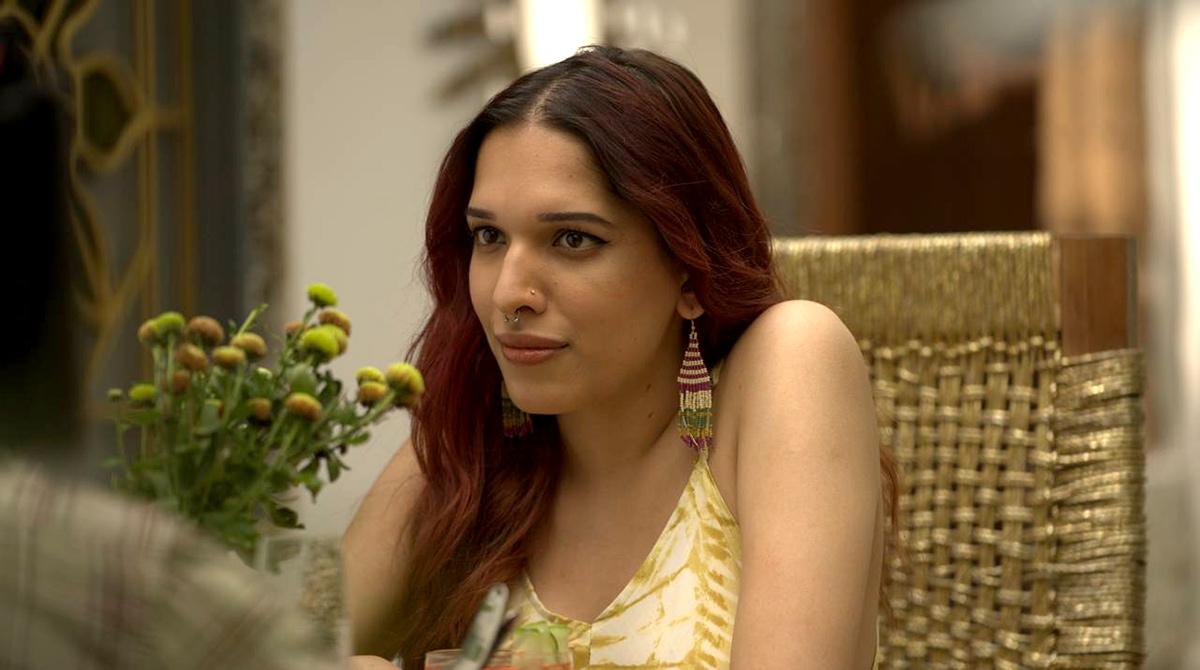
Trinetra
in
Kankhajura.
What
are
you
playing
in
Kankhajura?
I
play
Amy,
a
Goan
girl.
She
used
to
be
called
Amey
when
she
was
growing
up,
but
now
she
is
Amy.
Ashu
(Roshan
Mathew’s
character)
and
Amey
were
friends
as
children,
but
now
when
he’s
come
out
of
prison,
Ashu
is
getting
to
meet
his
long
lost
friend
who
is
now
Amy.
The
show
is
about
Ashu
who
uses
his
way
of
manipulations
to
get
what
he
wants
and
gets
trapped
in
that.
Their
track
adds
a
romantic
angle,
but
it
involves
using
somebody
in
an
emotional
way.
How
do
you
look
at
your
transformation
from
a
medical
professional
to
an
actor?
When
I
first
started
auditioning
in
2021,
it
was
very
new
to
me.
I
remember
being
on
the
set
of
Made
in
Heaven
and
feeling
lost.
After
that,
I
did
this
beautiful
workshop
with
(acting
coach)
Atul
Mongia.
I
did
some
work
with
Puja
Sarup
and
Sheena
Khalid,
amazing
theatre
actors.
I
also
did
this
amazing
workshop
with
Helena
Walsh.
I
feel
like
the
process
of
learning
my
craft
started
with
that.
By
the
time
Kankhajura
came
my
way,
I
was
far
more
prepared
than
I
was
during
Made
In
Heaven.
The
most
interesting
part
about
acting
is
that
you
get
to
step
away
from
yourself
and
inhabit
somebody
else.
Being
a
trans
person,
I
have
experienced
transformation
on
a
very
intimate
level.
The
greatest
joy
for
me
is
this
transformation,
both
personally
and
professionally.
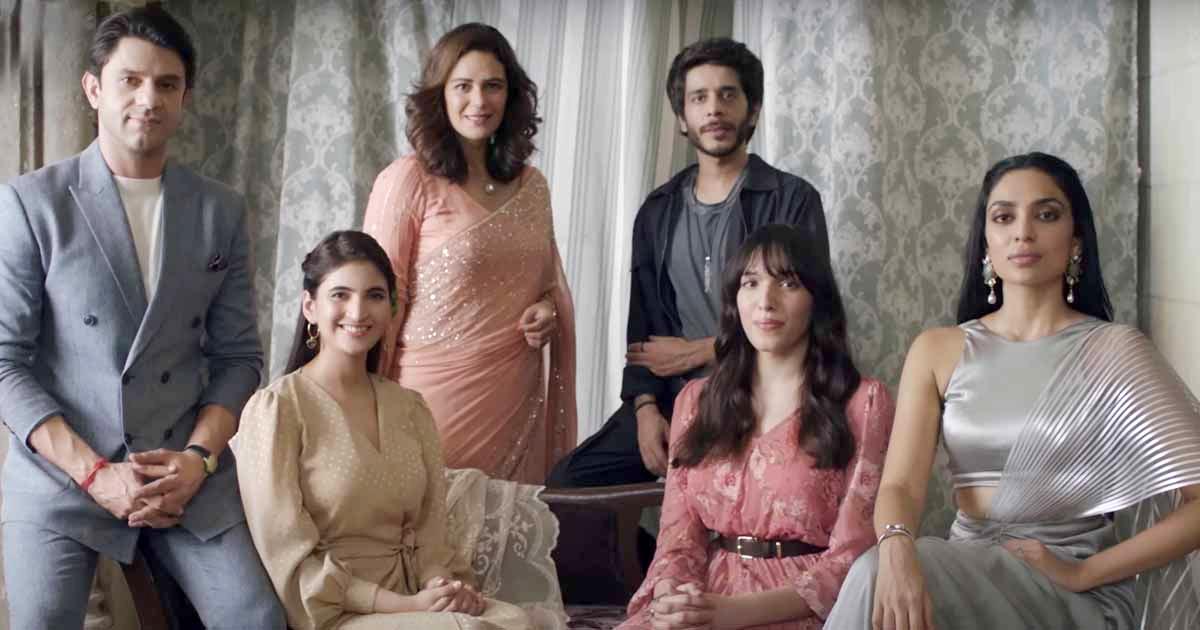
(Left
to
right)
Shivani
Raghuvanshi,
Arjun
Mathur,
Mona
Singh,
Shashank
Arora,
Trinetra
Haldar
Gummaraju
and
Sobhita
Dhulipala
in
Made
In
Heaven
2.
Did
the
praise
for
your
role
in
Made
in
Heaven
translate
into
more
work
opportunities?
I
was
sceptical.
The
thing
is
I
have
seen
how
trans
representation
has
played
out
in
different
countries
because
I
have
trans
actor
friends
in
the
States
and
the
UK.
They’re
a
little
ahead
of
us,
in
the
sense,
this
wave
of
representation
has
already
happened
there.
But
all
of
them
said
the
same
thing,
that
when
we
did
our
one
or
two
shows,
we
thought
the
entire
industry
had
changed.
But
it’s
not
true.
I
felt
the
exact
same
way.
Made
In
Heaven
came
out
and
got
a
lot
of
praise.
A
lot
of
filmmakers
and
actors
said
wonderful
things.
But
I’ll
tell
you
what
happened
after
that.
Bollywood
went
into
a
strange
period
of
recession,
which
is
continuing
to
this
day.
A
lot
of
filmmakers
are
suddenly
unsure
about
what
is
working
at
the
box
office.
As
a
result,
a
lot
of
makers
are
doing
formulaic
work.
Unfortunately,
even
OTT
is
becoming
a
little
Bollywood-ised
in
that
sense.
After
Made
In
Heaven,
I
didn’t
expect
magic
to
happen
overnight
but
I
do
see
change
happen
in
small
but
significant
ways.
There
are
certain
filmmakers
who
are
really
committed
to
telling
stories
that
are
impactful
and
beyond
your
basic
formula.
Kiran
Rao
has
done
a
Laapataa
Ladies
without
any
A-lister
actor.
Zoya
(Akhtar)
is
doing
incredible
work.
Superboys
of
Malegaon
is
an
incredible
film
that
Reema
Kagti
directed.
So
while
we’re
creating
a
film
like
Animal,
we’re
also
making
All
We
Imagine
As
Light.
Interesting
work
is
happening
but
it’s
all
scattered.
I
think
everyone
is
confused
because
nobody
knows
what
is
working
anymore.
As
a
trans
actor,
it’s
an
interesting
time
to
stick
around
and
see
who
is
committed
to
telling
honest
stories.
How
do
you
look
at
the
representation
of
the
trans
community
in
the
current
scenario
of
Bollywood?
We
talk
about
Bollywood
as
if
it’s
this
singular
entity,
but
it’s
really
not.
It’s
a
collection
of
multiple
groups
of
people,
families
and
businesses,
right?
If
we
look
at
acceptance
and
what
LGBTQ
inclusion
looks
like,
it’s
going
to
be
very
different
from
one
group
of
people
to
another.
It’s
not
like
I
have
only
seen
great
experiences
just
because
I
started
with
Made
In
Heaven.
I’ve
had
bad
experiences
also.
I
have
seen
people
being
insensitive,
ignorant,
uneducated
and
uninterested
about
the
topic.
Thankfully,
nothing
extremely
bad
has
happened,
but
there
is
a
certain
apathy
that
many
people
have
towards
the
community.
How
many
people
really
care
about
these
things?
Only
when
something
trends
on
social
media
does
it
become
something
we
want
to
talk
about.
The
most
important
thing
is
not
even
representation
because
we
have
had
representation
of
trans
characters
for
a
long
time.
It’s
just
that
we’ve
not
had
good
representation.
It’s
always
been
a
man
or
even
woman
playing
the
character.
But
that
doesn’t
necessarily
make
a
good
movie
or
show.
This
is
beyond
just
basic
inclusion
and
representation.
There
has
to
be
a
good
story
and
a
good
character.
That’s
what
I’m
interested
in.

Who
do
you
consider
as
your
friends
in
the
industry?
One
of
my
closest
friends
in
the
industry
is
Gazal
Dhaliwal.
She’s
a
trans
writer,
who’s
been
in
this
industry
for
a
very
long
time.
She’s
responsible
for
some
incredible
projects
like
Lipstick
Under
My
Burkha
and
Mismatched.
She
is
my
biggest
inspiration
and
my
biggest
supporter.
I
first
watched
her
on
an
episode
of
Satyamev
Jayate
many
years
ago.
There
was
one
episode
on
gender
and
sexuality
and
Gazal
was
part
of
that.
I
was
just
12
or
13
years
old
when
I
showed
that
episode
to
my
parents.
That
was
their
first
exposure
to
seeing
a
trans
woman,
who
was
actually
in
the
industry.
She
had
hardships
but
also
the
support
of
her
parents.
She
was
the
first
person
who
inspired
me
to
transition
and
become
myself.
While
efforts
are
being
made
to
integrate
trans
individuals
in
all
aspects
of
the
society,
we
also
have
someone
as
influential
and
powerful
as
Donald
Trump
running
an
anti-trans
campaign
in
the
US.
Do
you
think
it
adds
to
fear-mongering
against
the
trans
community?
Yes,
absolutely.
As
a
country,
we
are
better
off
when
it
comes
to
trans
rights.
We’ve
had
the
NALSA
(National
Legal
Services
Authority)
judgment.
We’ve
got
the
Transgender
Persons
Protection
of
Rights
Act,
which
gives
trans
people
a
fair
number
of
rights.
I’m
not
saying
that
we
are
perfect
as
a
legal
system
and
for
the
rights
that
we
as
trans
individuals
need
and
the
welfare
schemes
that
we
need.
There’s
a
long
way
to
go
on
that
front.
But
I’m
just
glad
that
we
don’t
have
a
political
lobby
against
us,
trying
actively
to
take
away
our
rights.
This
is
something
that’s
unfortunately
happening
globally,
in
the
UK
and
the
US.
It’s
a
really
bad
time
for
say,
abortion
rights,
which
is
very
concerning
for
me
as
a
doctor
as
well
because
you
could
get
into
trouble
for
normal
medical
practices.
It’s
terrifying
that
on
a
global
level,
trans
people
are
being
targeted
so
specifically
by
people
who
don’t
have
the
information
or
are
using
disinformation
as
a
way
of
fear-mongering.
That’s
the
easiest
thing
to
do
politically
to
gain
votes,
right?
Vote
banks
are
built
on
the
unfounded
fears
of
large
groups
of
people.
All
you
have
to
do
is
to
stoke
the
embers
to
get
people
scared
of
something.
Unfortunately,
trans
people
fall
in
that
category
of
people
where
it’s
very
easy
to
fear-monger
around.
Thankfully,
as
Indians,
we
have
a
long
history
of
trans
people
in
our
culture,
in
our
religions,
in
our
mythology.
It’s
not
a
fad
which
has
suddenly
come
into
existence,
the
way
that
a
lot
of
Americans
treat
it.
Even
if
we
don’t
have
complete
integration,
acceptance
and
opportunity,
at
least
there
is
awareness.
We
have
a
concept
of
Tritiya
Prakriti
and
Ardhanarishwar.
I
am
grateful
that
I’m
Indian.
But
I
would
say
that
it’s
also
on
us
as
trans
people,
who
have
some
degree
of
privilege
and
education
to
use
our
privilege
and
do
as
much
as
we
can.
As
an
actor,
my
responsibility
is
to
increase
representation
of
trans
people
in
popular
culture
because
entertainment
is
a
part
of
everybody’s
life.
My
purpose
in
life
is
to
normalise
conversations
around
trans
people
so
that
it
doesn’t
become
such
a
big
deal
for
trans
people
to
have
basic
rights.
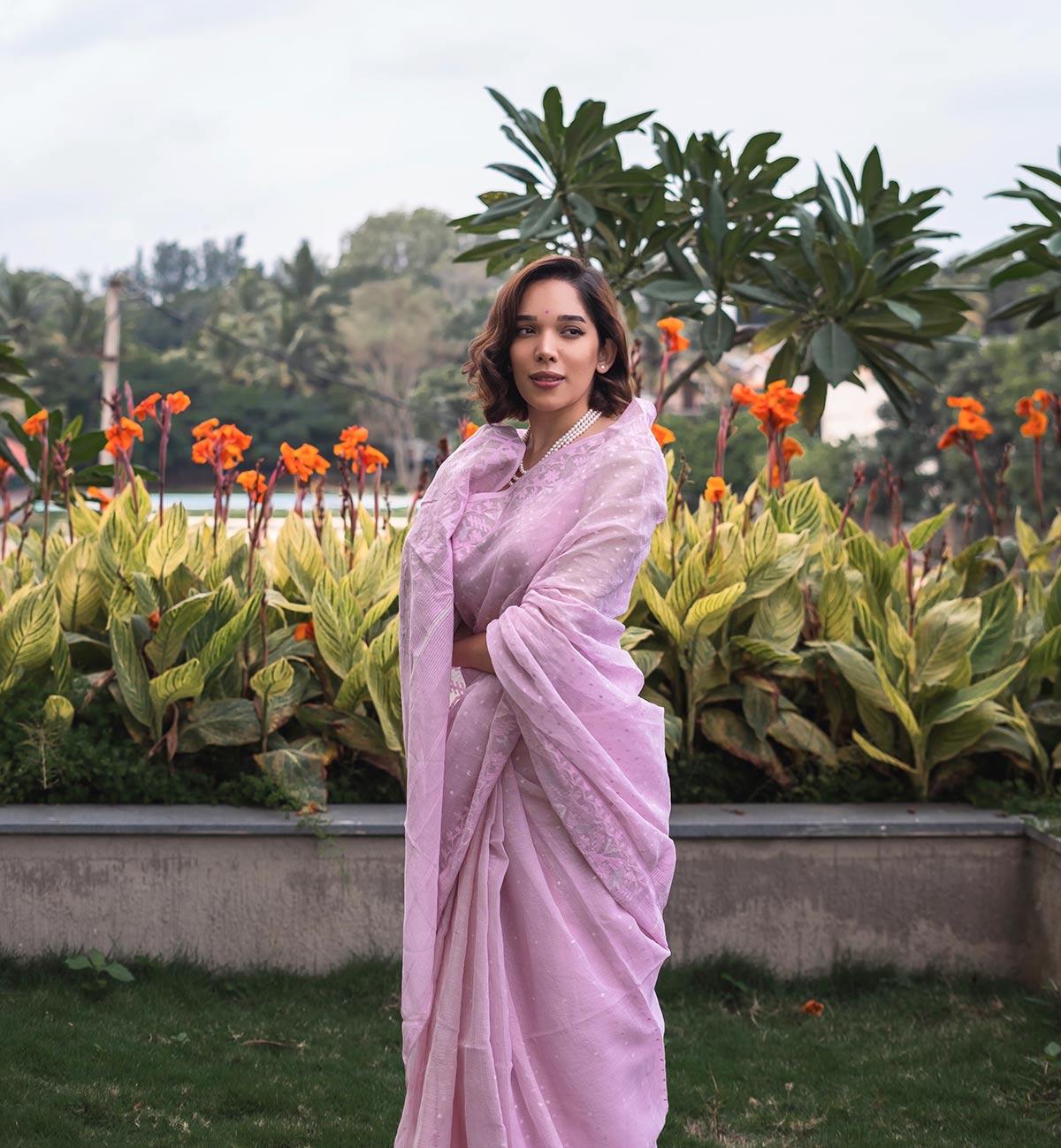
What
makes
you
feel
proudest
about
your
journey
so
far?
It
is
to
see
queer
and
trans
people
reaching
out
to
me
on
social
media
and
saying
thank
you
for
putting
our
journey
out
there.
I
think
every
queer
individual
needs
to
see
another
succeed
in
some
way.
That
gives
you
a
lot
of
confidence
and
motivation
to
move
forward
in
your
life
and
do
your
thing.
When
parents
of
queer
people
or
queer
children
or
queer
adolescents
reach
out
and
express
that
gratitude,
it
really
makes
me
feel
like
I’ve
done
something
legitimate.
I
know
some
of
them
closely
but
I
will
never
know
the
full
impact
of
that.
It
is
something
that
we
will
only
know
in
retrospect,
maybe
50
years
from
now.