‘I
believe
India
is
very
different
from
Bombay,
Delhi
and
Kolkata.’

Ritik
Ghanshani
and
Ayesha
Kaduskar
in
Bada
Naam
Karenge.
Sooraj
Barjatya
enters
the
OTT
space
with
Bada
Naam
Karenge.
Directed
by
Palash
Vaswani
of
Gullak
fame,
the
show
tells
the
story
of
a
small
town
romance.
Barjatya
tells
Patcy
N/Rediff.com,
“We
are
not
showing
youngsters
who
are
just
here
to
party
and
get
into
bad
habits.
Our
youngsters
are
driven
souls,
they
want
to
do
something,
they
want
to
make
the
family
proud.”
OTT
has
been
around
for
a
while
but
you
ventured
only
now,
with
Bada
Naam
Karenge.
We
wanted
to
do
an
OTT
series
for
some
time
now
but
the
kind
of
stories
we
want
to
tell,
especially
wholesome
family
dramas,
whenever
we
went
to
various
platforms,
they
would
tell
us,
‘SooraJji,
this
(platform)
is
for
the
younger,
urban
audience.
This
belongs
to
thrillers
and
action,’
and
that’s
very
true.
Then
I
got
a
call
from
SonyLIV
and
they
told
us
post-pandemic,
there
is
a
new
audience
of
middle-aged
and
aged
people,
who
are
not
too
comfortable
with
the
language
and
subtitles.
They
said,
‘We
want
a
show
which
will
take
people
out
of
their
individual
rooms
and
which
they
can
watch
together.’
They
wanted
the
Hum
Saath
Saath
Hai,
Vivah
audience
to
get
on
the
platform.
I
am
grateful
for
this
experiment
because
I
feel
there
is
a
need
for
a
Bharat
story,
a
rooted,
family
story,
which
can
work
in
the
interiors,
where
the
Rajshris
actually
belong.
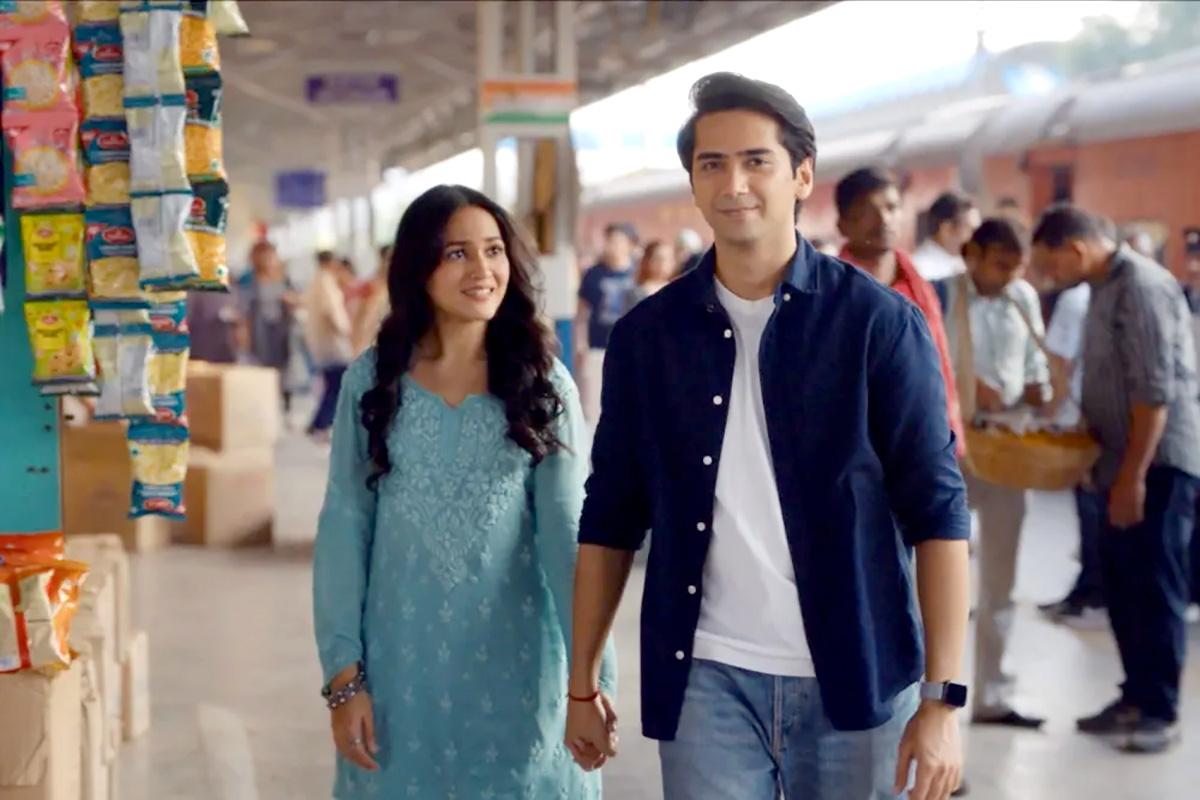
Ritik
Ghanshani
and
Ayesha
Kaduskar
in
Bada
Naam
Karenge.
With
so
much
modernity,
the
meaning
of
love
has
changed,
values
have
changed.
Will
a
show
with
traditional
values
and
old
charm
work?
We
have
a
young
crew,
like
Palash
and
(Writer)
S
Manasvi.
The
technicians
are
young
too.
I
believe
India
is
very
different
from
Bombay,
Delhi
and
Kolkata.
We
don’t
know
India.
I
have
lived
and
moved
in
India
as
a
director.
My
job
is
to
observe.
I
find
youngsters
are
as
connected
to
their
parents
as
they
are
to
their
modern
lives.
Our
story
speaks
about
today’s
kids.
They
have
to
move
out
of
the
house,
go
out,
fit
into
a
big
city
and
yet
remain
rooted.
I
don’t
need
to
look
outside,
I
can
see
it
in
my
own
family.
We
are
not
showing
youngsters
who
are
just
here
to
party
and
get
into
bad
habits.
Our
youngsters
are
driven
souls,
they
want
to
do
something,
they
want
to
make
the
family
proud.
How
did
Gullak
Director
Palash
Vaswani
come
on
board?
Because
of
Gullak.
The
world
that
we
show
in
Rajshri
is
a
very
typical
one
that
not
many
people
are
in
sync
with,
especially
in
today’s
scenario.
So
when
I
saw
Gullak,
I
felt
this
maker
was
so
grounded.
He
was
just
what
we
wanted.
We
contacted
Palash
and
told
him
the
story,
I
was
so
happy
when
he
connected.
He
is
from
Raipur,
he
knows
this
world.
All
credit
to
him
that
he’s
been
able
to
take
our
world
to
the
younger
audience.
My
only
pitch
to
him
was
don’t
show
youngsters
who
only
want
to
party.
Let
there
be
bholapan,
and
that
feeling
of
wanting
to
make
their
families
proud.
Our
lead
character’s
family
is
in
Ratlam,
Indore.
They
have
a
mithaai
ki
dulkan.
He
is
restless
and
wants
to
take
the
franchise
to
Mumbai
and
Dubai.
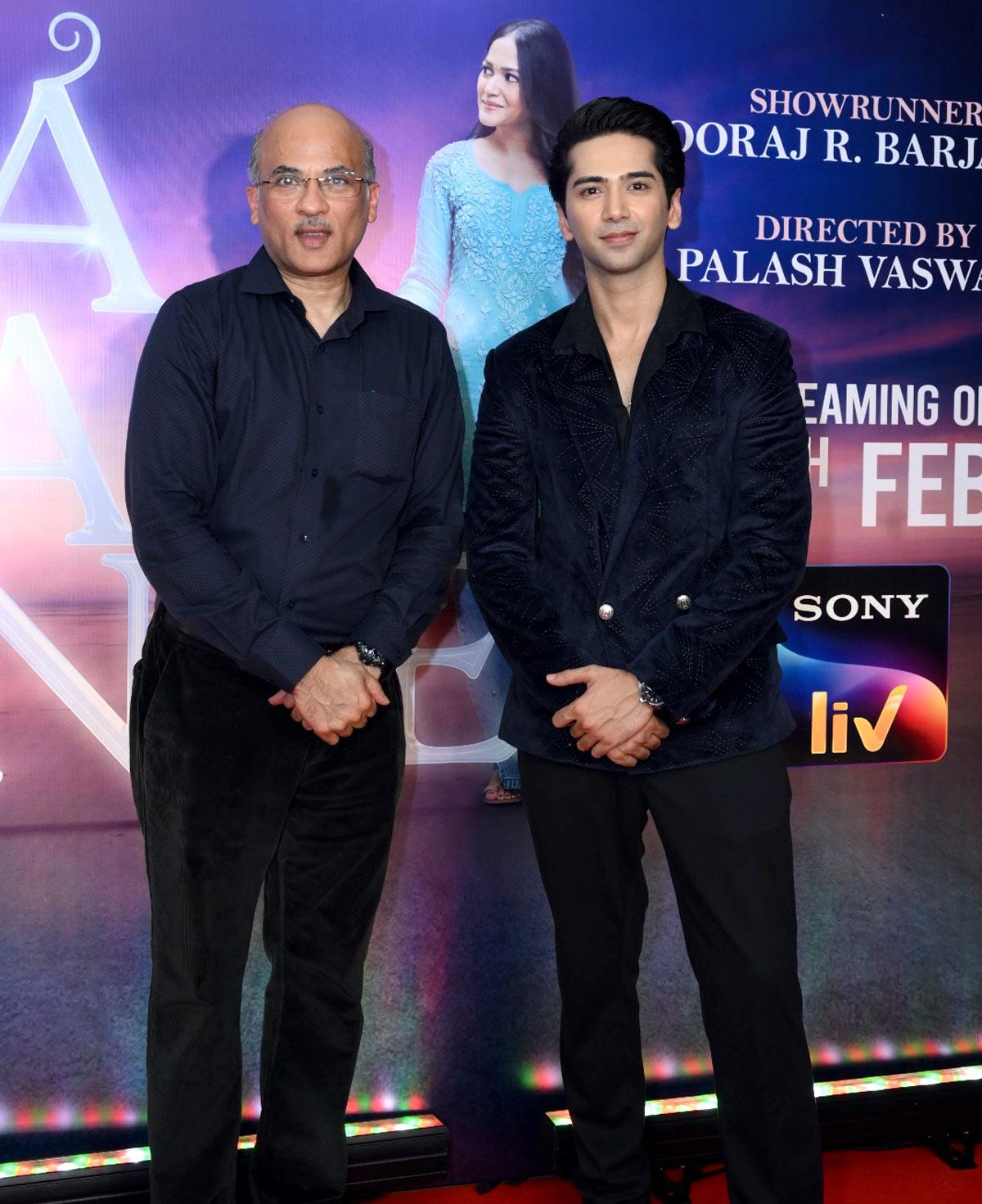
Ritik
Ghanshani
and
Sooraj
Barjatya
at
the
launch
of
Bada
Naam
Karenge.
Lead
actors
Ritik
Ghanshani
and
Ayesha
Kaduskar
are
fairly
new
while
the
supporting
cast
includes
seniors
like
Kanwaljit
Singh,
Alka
Amin,
Rajesh
Jais,
Jameel
Khan,
Rajesh
Tailang
and
Anjana
Sukhani.
Tell
us
about
the
casting
process.
I
was
there
throughout
but
the
credit
goes
to
Palash
and
our
casting
team
at
Rajshri,
Rakhi
Luthra
and
Valentyna
Chopraa.
They
worked
for
six
months
on
it.
My
son
Devansh,
who
heads
the
OTT
platform,
and
I
decided
that
we
must
cast
a
new
pair.
This
is
a
love
story
which
requires
saadghi
and
bholapan
(simplicity
and
innocence).
A
lot
of
kids
were
auditioned
and
finally,
Ritik
and
Ayesha
were
chosen.
Like
any
Rajshri
show,
this
is
full
of
supporting
actors.
They
are
experienced
and
such
good
human
beings,
that’s
where
the
spice
comes
in.
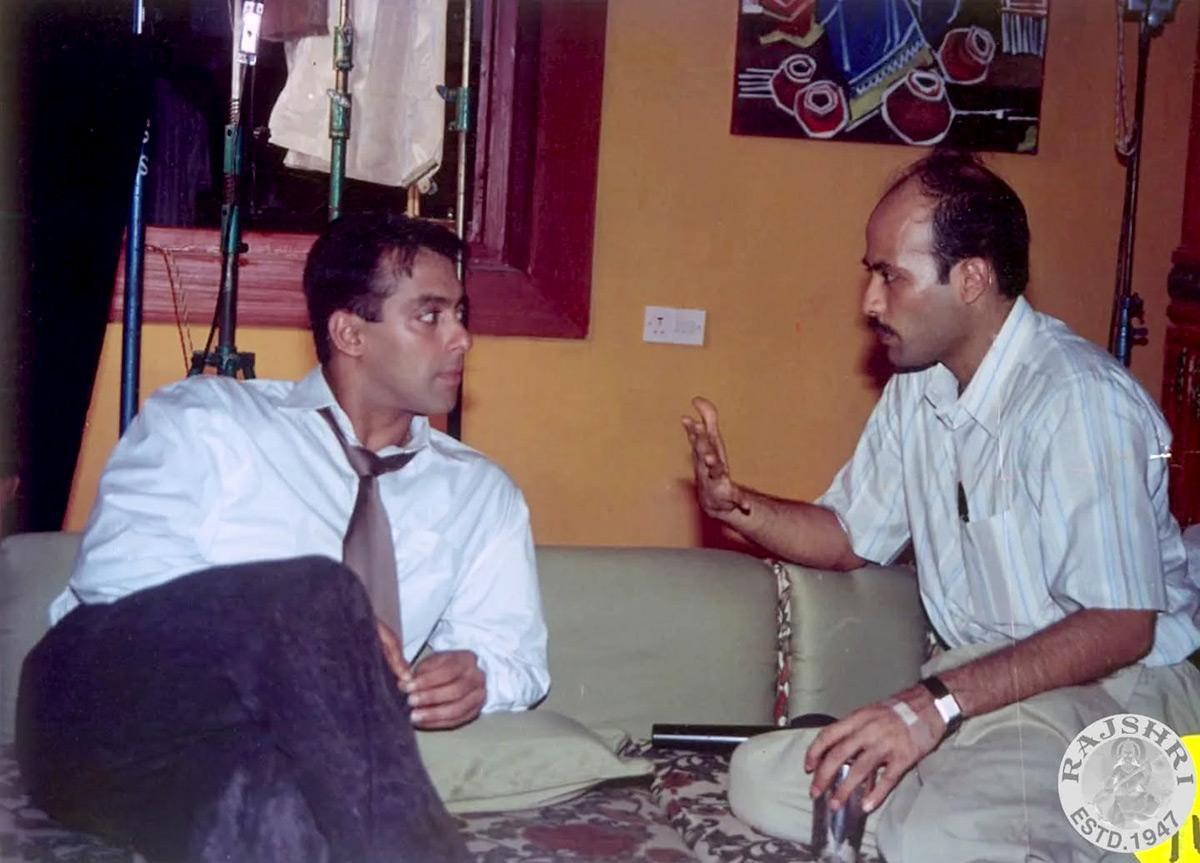
Director
Sooraj
Barjatya
with
Salman
Khan
on
the
sets
of
Hum
Saath
Saath
Hain.
Photograph:
Kind
courtesy
Rajshri/Instagram
You
started
your
career
with
Maine
Pyaar
Kiya
in
1989.
How
would
you
describe
your
career
as
well
as
Salman
Khan’s
who
starred
in
it?
We
have
only
grown
in
age,
otherwise
we
are
the
same.
Even
then,
we
were
the
elders
of
the
family
and
felt
responsible
for
everyone.
We
had
no
airs.
You
will
find
him
sitting
outside
his
van
even
today.
The
AC
didn’t
suit
him
then,
it
doesn’t
suit
him
now.
But
you
work
a
little
more
on
yourself,
understand
the
world
a
little
deeper.
That’s
part
of
ageing.
In
an
interview,
you
said
you
did
not
take
Salman
in
Vivah
because
he
looked
older
and
not
innocent.
Did
that
upset
him?
No.
My
relation
with
him
is
beyond
cinema.
He
understands
that
as
a
director,
I
have
to
go
by
what
I
want
to
make
at
that
time.
When
we
were
doing
Vivah,
the
marketing
people
told
me,
‘Salman
bhai
is
there,
make
the
film
with
him.’
But
I
have
never
thought
that
I
have
a
script
and
will
make
with
Salmanbhai.
It’s
wrong
because
it’s
not
fair
to
him,
not
fair
to
us
either.
Every
director
has
to
listen
to
his
soul.
I
tried
to
come
up
with
various
stories
but
nothing
really
touched
me.
Vivah‘s
story
was
given
by
my
father.
When
we
wrote
it,
we
realised
Salmanbhai
doesn’t
fit
in.
I
spoke
to
him
and
he
said,
‘Make
a
good
film,
that
is
most
important.’
Shahid
Kapoor
had
just
started.
He
was
young,
there
was
innocence,
and
he
fitted
in.
This
is
the
process
of
working,
which
doesn’t
bind
me
and
Salmanbhai.
Photographs
curated
by
Satish
Bodas/Rediff.com