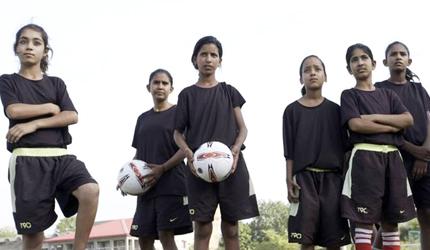
‘When
the
girls
said
they
want
to
play
football,
the
mothers
were
encouraging.’
‘It
was
the
fathers
who
were
against
the
idea.’
documentary
filmmaker
Vijayeta
Kumar,
Kicking
Balls
tackles
the
subject
that
stuck
with
her
while
growing
up
in
Ajmer,
Rajasthan.
The
film
tells
the
story
of
young
village
girls,
who
tackle
their
way
out
of
forced
child
marriages
by
playing
football.
Kicking
Balls
is
backed
by
Guneet
Monga’s
Sikhya
Entertainment,
the
same
production
house
that
has
produced
the
Oscar-nominated
film,
Anuja,
about
two
orphaned
sisters
from
Delhi’s
slums.
“I
used
to
think
child
marriage
is
a
North
Indian
thing
but
even
in
Tamil
Nadu,
it
happens.
It
even
happens
in
America.
It’s
a
huge
problem
worldwide.
There
are
states
where
the
legal
marriage
age
is
13,”
Vijayeta
tells
Mayur
Sanap/Rediff.com.
Following
its
India
premiere
at
IFFI
Goa,
Kicking
Balls
was
screened
at
the
New
York
Indian
Film
Festival,
where
it
won
Best
Documentary
Short.
The
film
is
currently
available
on
Prasar
Bharti’s
newly
launched
OTT
platform,
Waves.
Kicking
Balls
is
such
a
catchy
title.
There’s
an
interesting
wordplay
there.
It’s
not
just
about
young
girls
playing
a
football
game
but
also
them
hurting
the
male
ego
by
rebelling
against
patriarchy.
It’s
not
about
hurting
the
male
ego,
as
such.
It’s
just
patriarchy,
in
general.
We
thought
it’s
a
cheeky
title.
It
drives
home
the
point.
How
did
you
come
across
the
subject?
I
am
from
Ajmer
and
visit
the
city
every
year.
In
2018,
I
was
passing
by
my
old
school
and
saw
these
girls
playing
football
there.
I
got
curious
because
my
school
didn’t
have
a
football
camp.
I
met
them
and
spent
some
time
there
to
hear
their
stories.
I
created
a
pitch
which
I
then
took
to
Guneet
(Monga).
Guneet
was
on
board
from
the
beginning
as
she
loved
the
idea.
She
loved
the
pictures
I
showed
her
of
the
girls.
Soon
after,
Ashwini
Yardi
came
on
board
and
we
started
shooting.
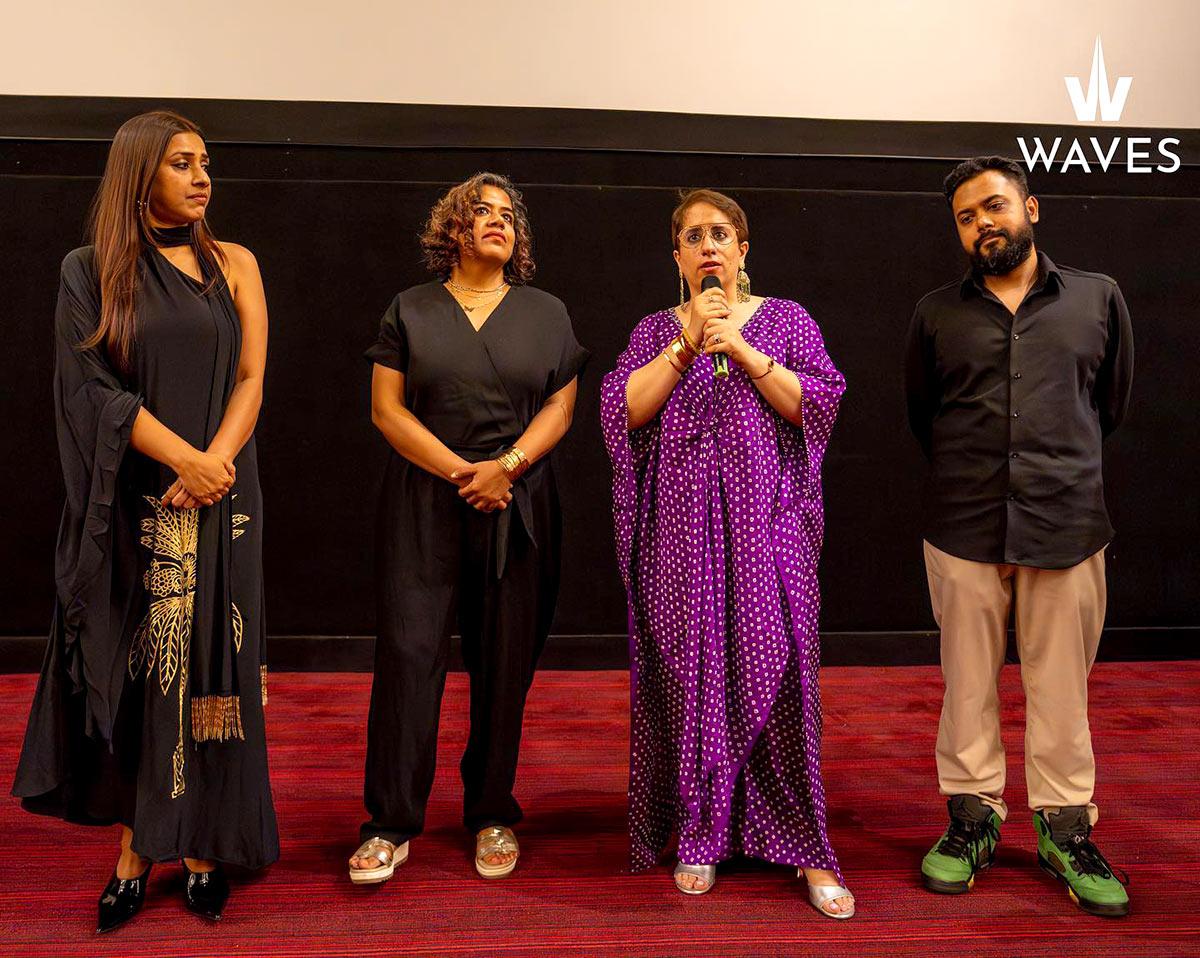
Ashwini
Yardi,
Vijayeta
Kumar,
Guneet
Monga
and
Achin
Jain
of
Sikhya
Entertainment
at
IFFI
2024.
Photograph:
Kind
courtesy
Vijayeta
Kumar/Instagram
Since
you
are
from
Ajmer,
have
you
seen
these
girls
up
close?
Have
you
always
known
their
stories?
While
growing
up,
you
would
hear
these
stories
all
the
time.
I
must
have
been
10
when
one
of
our
maid’s
daughters
got
married.
I
used
to
be
confused
because
she
was
the
same
age
as
me.
I
had
only
seen
adults
and
older
people
getting
married
and
here,
she
was
somebody
who
used
to
come
to
our
house
and
I
used
to
play
with
her.
And
suddenly,
she’s
getting
married.
As
I
grew
older,
I
got
to
know
why
they
do
it
and
the
reasons
behind
it.
But
it’s
still
a
very
oppressive
and
bad
practice.
It’s
still
going
on.
In
fact,
it
has
increased
after
COVID.
Do
you
see
this
issue
being
prevalent
in
other
parts
of
the
country
as
well?
When
I
was
doing
my
research,
I
found
out
that
child
marriage
is
everywhere.
I
used
to
think
it’s
a
North
Indian
thing
but
it
happens
in
Tamil
Nadu
too.
It
happens
in
America
too.
There
are
states
where
the
legal
marriage
age
is
13.
It’s
a
huge
problem
worldwide
but
happens
most
in
India.
In
the
North
East,
in
West
Bengal
—
you
hear
about
child
marriage
in
almost
every
state.
Rajasthan
and
Haryana
have
the
largest
numbers.
Did
you
face
opposition
from
the
villagers
while
filming
this
project?
There
were
a
few
people
who
didn’t
want
us
to
shoot.
We
didn’t
want
to
hurt
anyone,
we
didn’t
want
to
antagonise
or
fight
with
people
because
that’s
not
our
job
as
filmmakers.
We
are
not
police
nor
are
we
telling
them,
don’t
do
this.
I
am
just
looking
into
their
world
and
telling
their
story.
Also,
I
wanted
make
these
girls
feel
comfortable
in
front
of
the
camera
and
be
open
about
their
lives.
We
had
an
all-women
crew,
and
that
really
helped.
There
is
a
lot
of
segregation
in
villages.
If
I
went
with
a
male
crew,
it
wouldn’t
have
been
easy.
They
would
have
been
shy,
and
not
so
forthcoming.
But
having
women
around,
we
created
a
safe
space
for
them
so
that
they
could
talk
to
us.
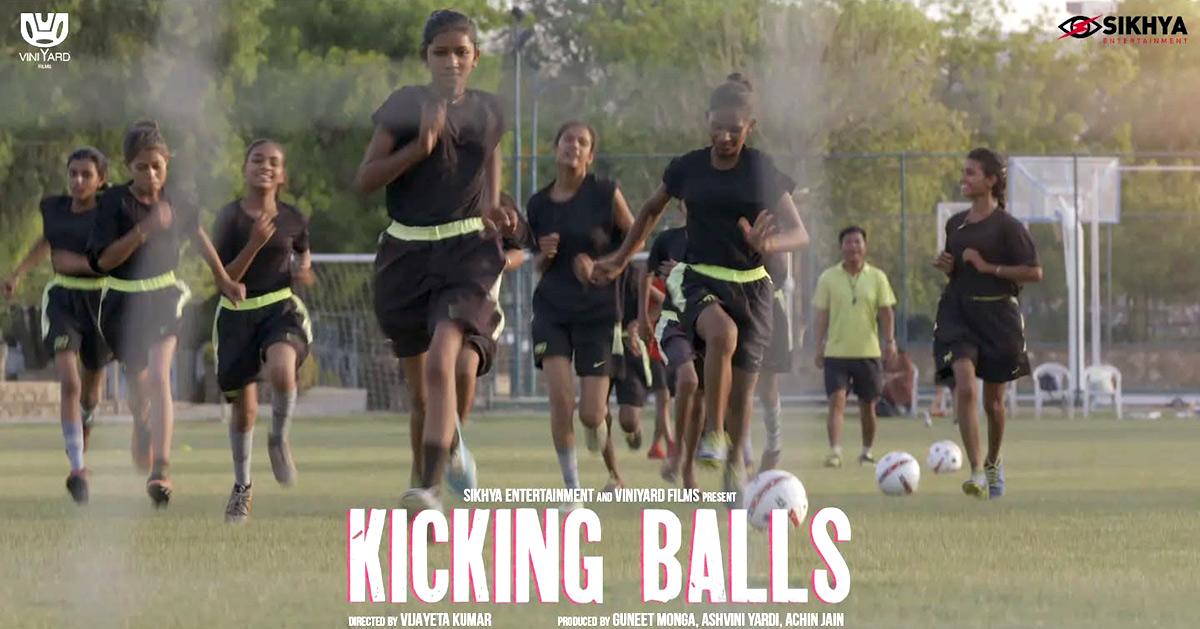
The
Kicking
Balls
poster.
Photograph:
Kind
courtesy
Vijayeta
Kumar/Instagram
There
is
a
moment
in
the
film
where
a
young
girl
tears
up
while
narrating
her
story.
How
did
you
make
sure
they
felt
safe
and
confident
enough
to
share
their
stories?
I
spent
six
months
with
them
before
we
shot
the
film.
I
wasn’t
talking
to
them
like
a
filmmaker.
Because
they
knew
I’m
from
Ajmer,
we
developed
a
bond
and
they
were
open
about
their
stories.
The
NGO
plays
a
great
role,
as
they
tell
them
that
whatever
is
happening
to
you
is
not
your
fault,
it’s
basically
the
system.
I
think
you’re
talking
about
Sumitra.
Her
parents
refused
to
talk
to
us,
but
she
did.
What
kind
of
convincing
did
it
take
to
make
the
parents
speak
up?
Actually,
the
mothers
were
very,
very
supportive,
which
is
what
they
are
in
real
life.
When
the
girls
went
to
them
the
first
time
with
the
idea
that
they
want
to
play
football,
the
mothers
were
encouraging.
It
was
the
fathers
who
were
against
the
idea.
So
mothers
were
not
a
problem,
we
have
shot
with
so
many
mothers
in
the
film.
They
were
very
happy
to
talk
to
us
and
were
happy
to
see
their
daughters
in
front
of
the
camera,
that
they
are
able
to
bring
their
story
to
the
world.
Some
parents
were
against
the
idea,
but
the
girls
fought.
The
girls
said
it’s
okay,
I
want
to
do
it,
I
don’t
care
what
my
dad
is
saying.
It
worked
out.
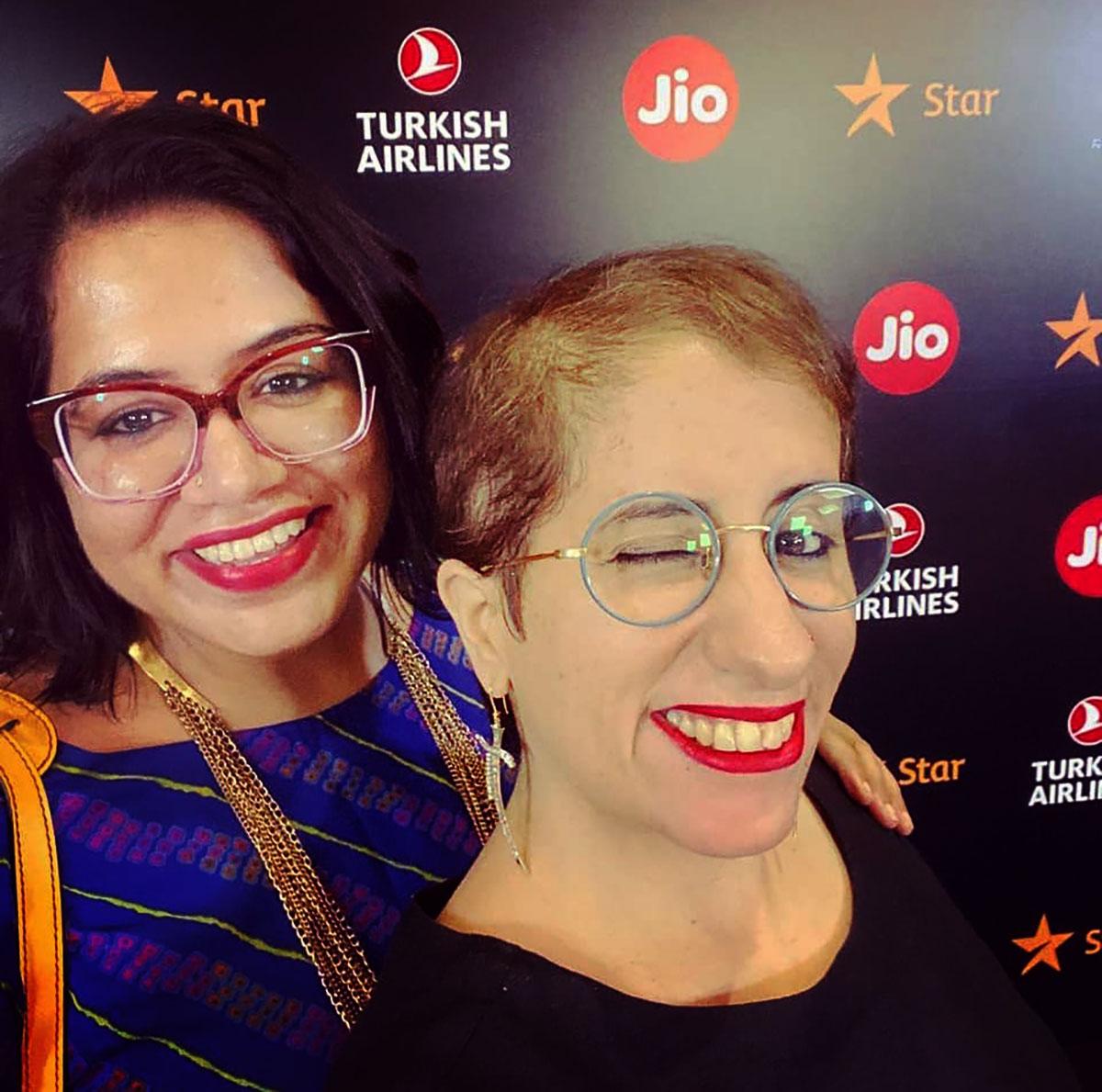
With
Guneet
Monga.
Photograph:
Kind
courtesy
Vijayeta
Kumar/Instagram
What
are
the
financial
hurdles
that
an
indie
filmmaker
faces
while
making
a
project
like
this?
See,
budget
is
always
an
issue.
We
did
have
a
very,
very,
tight
budget.
But
thanks
to
my
producers
like
Guneet
and
Ashwini,
I
had
the
funds
I
needed.
I
shot
the
way
I
did,
but
these
projects
are
not
commercial.
There
is
no
way
of
knowing
how
are
you
going
to
recover
that
money,
so
I
had
to
work
within
a
certain
budget.
We
shot
this
in
June
in
Rajasthan.
It
was
very,
very
hard
because
it
was
peak
summer.
And
it
was
fully
outdoors
for
shooting
the
football
matches.
Those
things
were
very,
very,
hard
to
do.
Budget-wise,
I’m
happy
with
the
way
the
film
shaped
up.
As
a
filmmaker,
I
got
everything
I
needed.
I
got
to
hire
the
crew
I
wanted,
the
cameras
I
wanted.
Technically,
everything
was
sorted
for
me.

Vijayeta
during
the
shoot
in
Rajasthan.
Photograph:
Kind
courtesy
Vijayeta
Kumar/Instagram
How
long
have
you
been
working
on
this
film?
It
took
almost
three
years
to
make
because
we
also
got
stuck.
The
last
schedule
we
shot
was
just
before
the
lockdown
in
2020.
Then
we
got
stuck
because
of
the
lockdown
so
our
edits
became
very
painful
because
we
couldn’t
physically
meet
to
edit.
It
was
all
online.
That
slowed
us
down
a
bit.
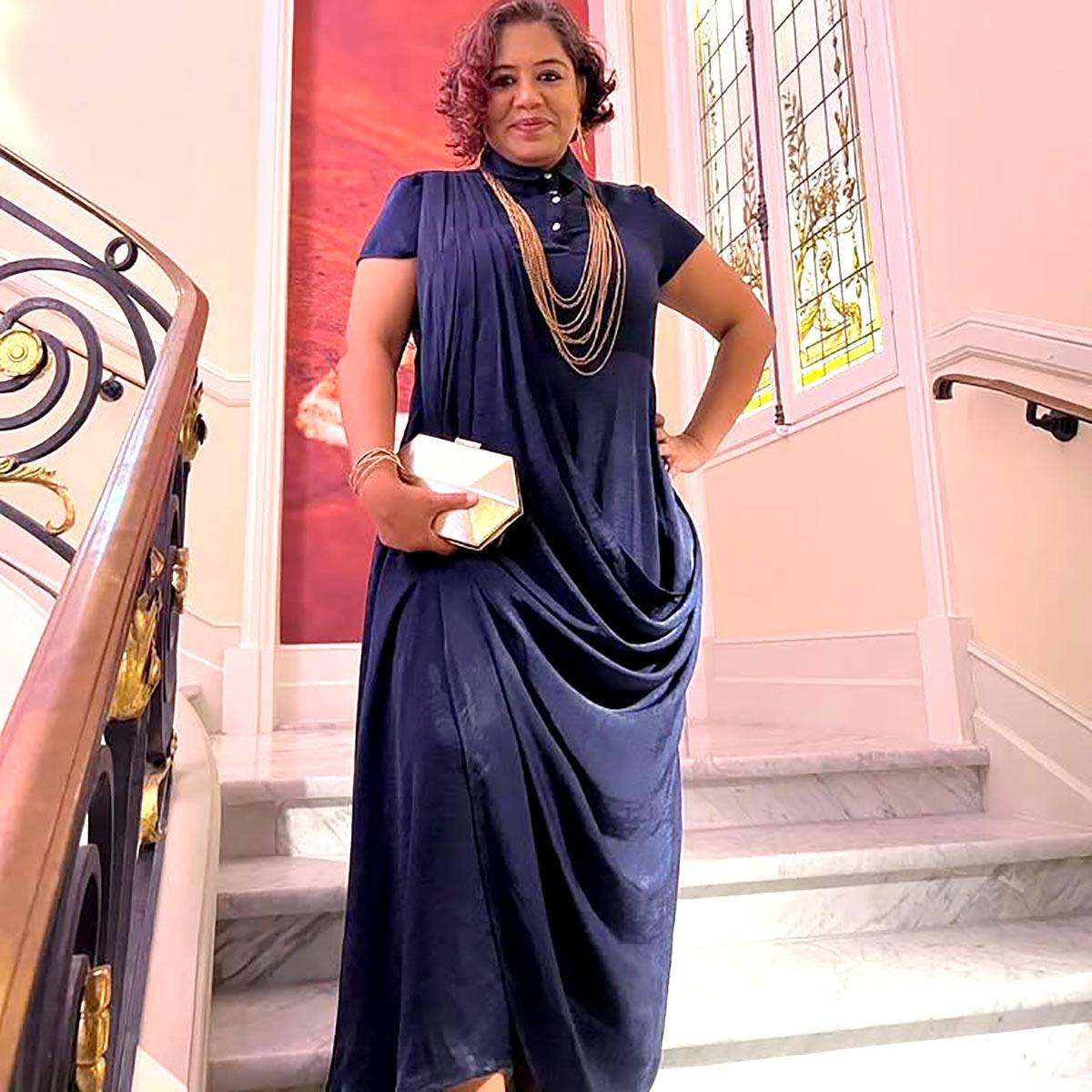
Photograph:
Kind
courtesy
Vijayeta
Kumar/Instagram
Do
you
wish
to
direct
a
feature
film
in
future?
I
am
already
working
on
a
feature
right
now.
We
are
in
the
casting
stage
for
it.
I
have
made
like
three
fiction
short
films
before
this.
This
was
my
first
non-fiction
project.
What
do
you
find
yourself
reflecting
on
most
now
that
the
film
is
out
for
people
to
see?
What
changes
do
you
hope
it
brings?
I
hope
a
lot
of
people
watch
the
film
and
understand
the
reality.
I
feel
in
urban
areas,
we
are
not
fully
aware
of
what
goes
on
in
the
villages
and
smaller
towns
in
India.
A
lot
of
these
problems
don’t
exist
for
us.
I
just
feel
a
certain
awareness
comes
when
people
support
causes
like
this,
like
donate
money,
help
these
girls
with
further
studies,
whatever.
Waves,
I
feel,
is
a
great
platform
for
that
because
it
is
available
to
everyone.
Have
you
shown
this
film
to
the
girls?
What
was
their
reaction?
Of
course,
I
did.
When
we
locked
the
edit,
the
first
people
to
see
the
film
was
the
NGO
and
all
the
girls.
I
took
it
to
them
because
I
needed
their
approval
if
I
have
told
their
story
well.
They
were
thrilled.
They
loved
watching
themselves
on
screen.
Sunil
Chhetri
shared
the
trailer
sometime
ago,
and
they
were
ecstatic
because
they
are
huge
fans
of
his.
That
was
like
another
big
moment
for
them.
Are
you
seeing
any
real
changes
in
their
lives,
or
is
it
too
soon
to
expect
that?
Yes.
For
example,
Payal
is
a
FIFA-certified
coach
now.
There
are
four
girls
who
are
part
of
the
under
17
football
Rajasthan
state
women’s
team.
They
are
doing
well.
Some
girls,
like
Pooja,
have
just
started
college
this
year.
One
of
them
is
trying
to
be
a
YouTuber.
This
football
programme
has
more
than
500
girls,
and
they
are
all
thriving
in
a
way.
I
was
in
Ajmer
in
December,
so
I
met
a
few
of
them.
I
was
really
happy
to
see
how
they
have
grown
over
the
last
few
years.
Of
course,
there
are
always
people
who
are
still
going
for
child
marriage
and
all,
but
I
feel
these
girls
and
what
the
NGO
is
doing,
they
have
done
a
great
job.