‘The
country
that
does
most
of
the
visual
effects,
more
than
any
other
country,
is
India.’
‘There
are
more
Indians
working
on
VFX
in
any
major
Hollywood
film
than
there
are
in
Indian
films.’
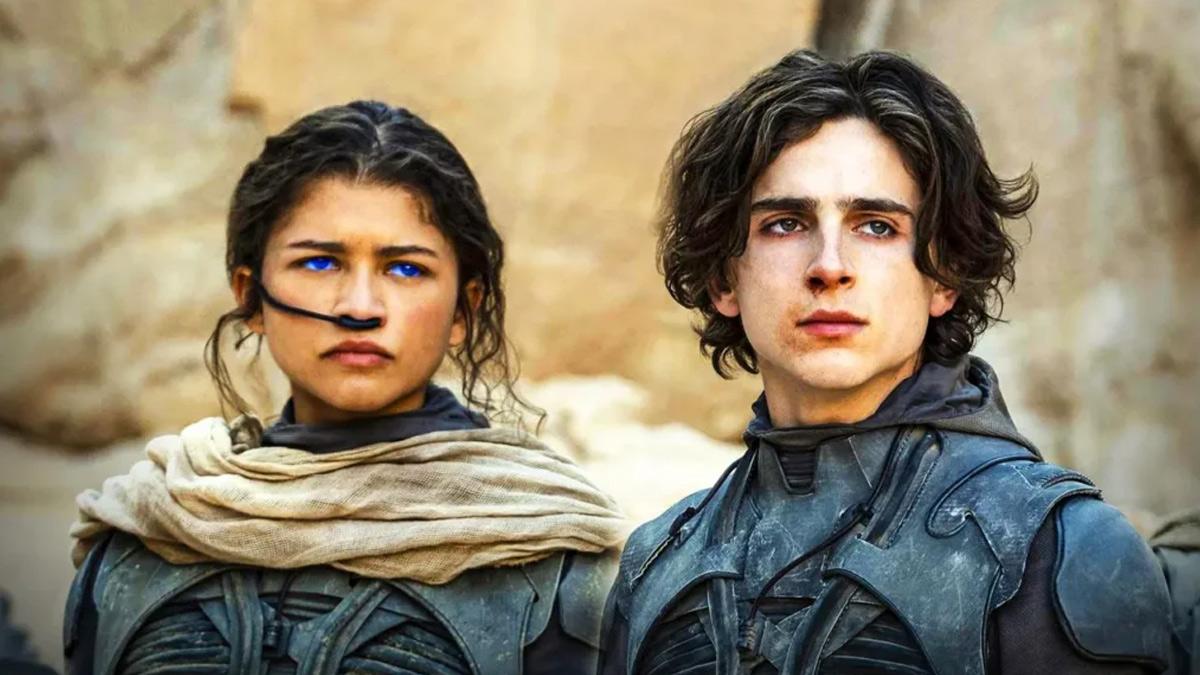
Timothée
Chalamet
and
Zendaya
in
Dune:
Part
Two.
The
Oscars
this
year
had
an
India
connect
that
few
knew
about
—
Mumbai-based
Double
Negative
(DNEG)
played
a
critical
role
in
creating
the
VFX
for
Dune:
Part
Two.
which
won
an
Academy
Award
for
Visual
Effects.
And
this,
says
CEO
Namit
Malhotra,
is
one
more
evidence
of
India’s
growing
power
in
the
sector.
“The
country
that
does
most
of
the
visual
effects,
more
than
any
other
country,
is
India.
There
are
more
Indians
working
(on
VFX)
in
any
major
Hollywood
film
than
there
are
in
Indian
films.
That
is
a
unique
reality
we
are
already
in,”
Malhotra
said
shortly
after
the
Oscar
announcement.

Paul
Lambert,
Stephen
James,
Rhys
Salcombe
and
Gerd
Nefzer
win
the
Oscar
for
Best
Visual
Effects
for
Dune:
Part
Two.
Photograph:
Carlos
Barria/Reuters
Paul
Lambert,
Stephen
James,
Rhys
Salcombe
and
Gerd
Nefzer
won
the
Oscar
in
the
category
for
the
Denis
Villeneuve-directed
sci-fi
classic.
Lambert,
in
his
speech,
acknowledged
VFX
vendors
DNEG
and
Wylie
Co,
who
helped
make
the
land
of
Arrakis,
a
fictional
desert
planet
in
which
the
film
is
set,
a
reality.
Malhotra,
whose
company
has
worked
on
the
VFX
of
Oscar
winners
such
as
Ex
Machina,
Blade
Runner
2049,
First
Man
and
Tenet
in
the
category,
hopes
Indian
films
open
up
in
a
big
way
in
the
area.
“Our
artists
and
our
capabilities
are
already
ahead
of
what
Indian
filmmakers
are
using…
We
don’t
have
enough
big
visual
led
effects
projects
here
and
that
is
where
we
are
hoping
to
get
to
the
next
level.”
Malhotra
is
hopeful
there
will
soon
be
a
time
when
Indian
audiences
and
filmmakers
“start
to
make
visual
effects
a
big
part
of
their
storytelling
and
vision”.
“It’s
a
matter
of
time…
We
will
find
that
opportunity
very
soon.”
The
Academy
Award
win
for
Dune:
Part
Two
brought
a
feeling
of
validation
because
it
comes
from
a
“competitive
group
of
the
people
who
all
have
done
incredible
work”,
he
said.
“To
win
these
awards
is
pretty
complicated.
It’s
a
feeling
of
relief
and
excitement
because
we
have
been
validated
yet
again.
There
is
a
lot
of
joy
and
positive
feeling
among
the
teams
across
the
world.”
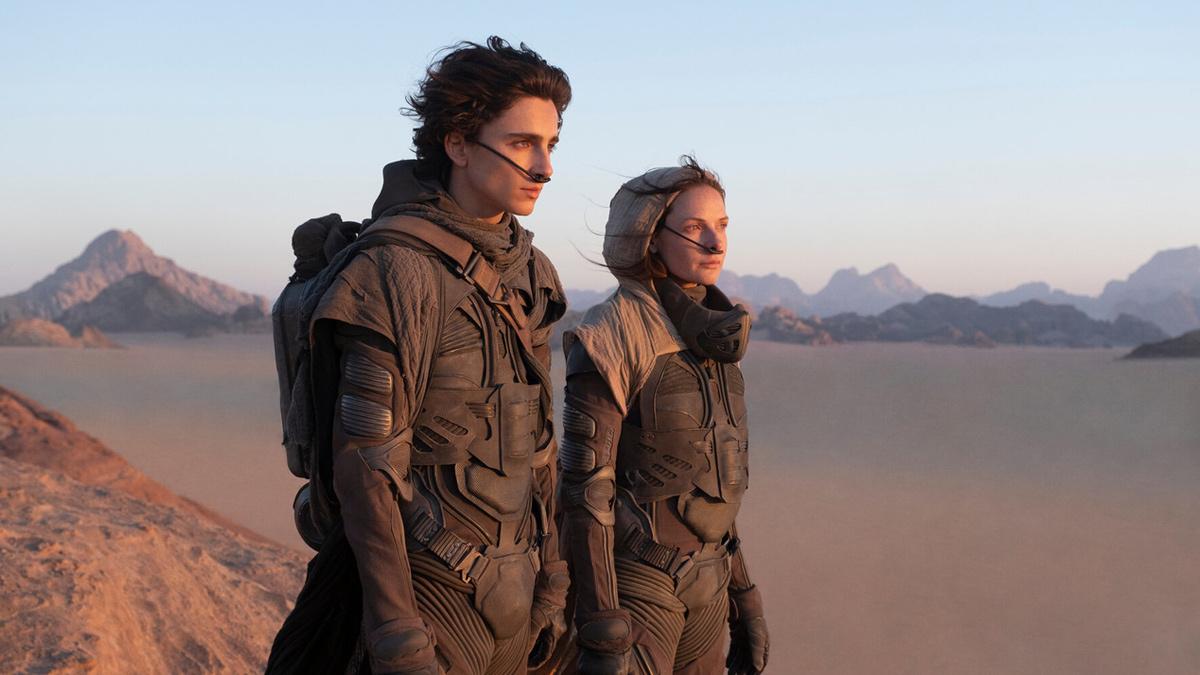
Timothée
Chalamet
and
Rebecca
Ferguson
in
Dune:
Part
Two.
Malhotra
said
he
holds
Villeneuve
in
high
regard.
They
have
earlier
collaborated
with
the
director
in
films,
including
the
first
part
of
Dune.
“We
also
worked
very
closely
with
him
on
Blade
Runner
that
also
got
us
an
Oscar.
And
when
he
went
on
to
make
Dune…
from
the
first
initial
phase
itself,
we
collaborated
very
closely
and
really
sort
of
took
his
vision
on
board
and
the
world
he
was
trying
to
create,”
he
said,
adding
that
his
job
is
to
align
the
talent
and
technologies
with
the
vision
of
the
filmmaker.
Asked
about
Lambert’s
shout
out
to
DNEG
at
the
Oscars,
Malhotra
said
he
and
the
artist
go
back
a
long
way.
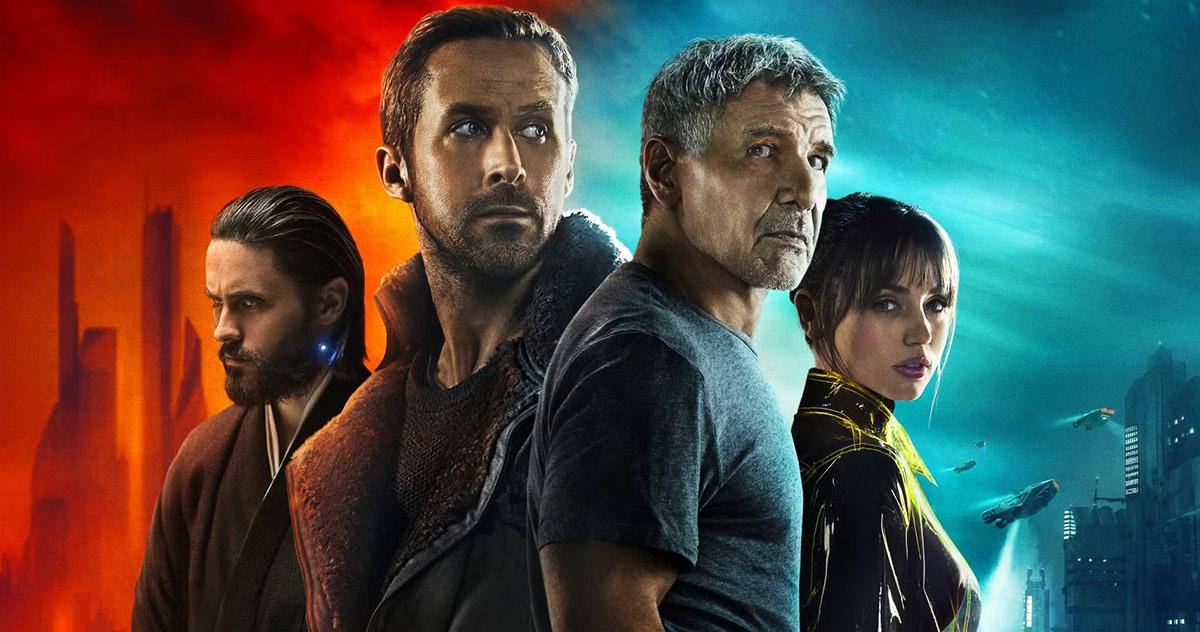
Jared
Leto,
Ryan
Gosling,
Harrison
Ford
and
Ana
de
Armas
in
Blade
Runner
2049.
“When
he
got
the
Oscar
(Blade
Runner)
he
was
a
DNEG
representative
and
he
worked
with
us
for
few
years
and
we
have
done
some
incredible
work
including
films
like
First
Man…
He
continues
to
amaze
in
terms
of
his
imagination
and
ability
to
execute
these
very
diverse
types
of
projects
in
absolute
high
quality
outcomes.”
Discussing
the
AI
impact
on
the
industry,
Malhotra
said
it
is
just
another
type
of
technology
that
is
going
to
power
up
applications
and
tech
in
the
way
we
have
done
it
in
the
past.
“We
see
AI
as
an
opportunity
because
we
believe
that
the
ability
to
create
greater
efficiency
or
outcome
faster,”
he
said.
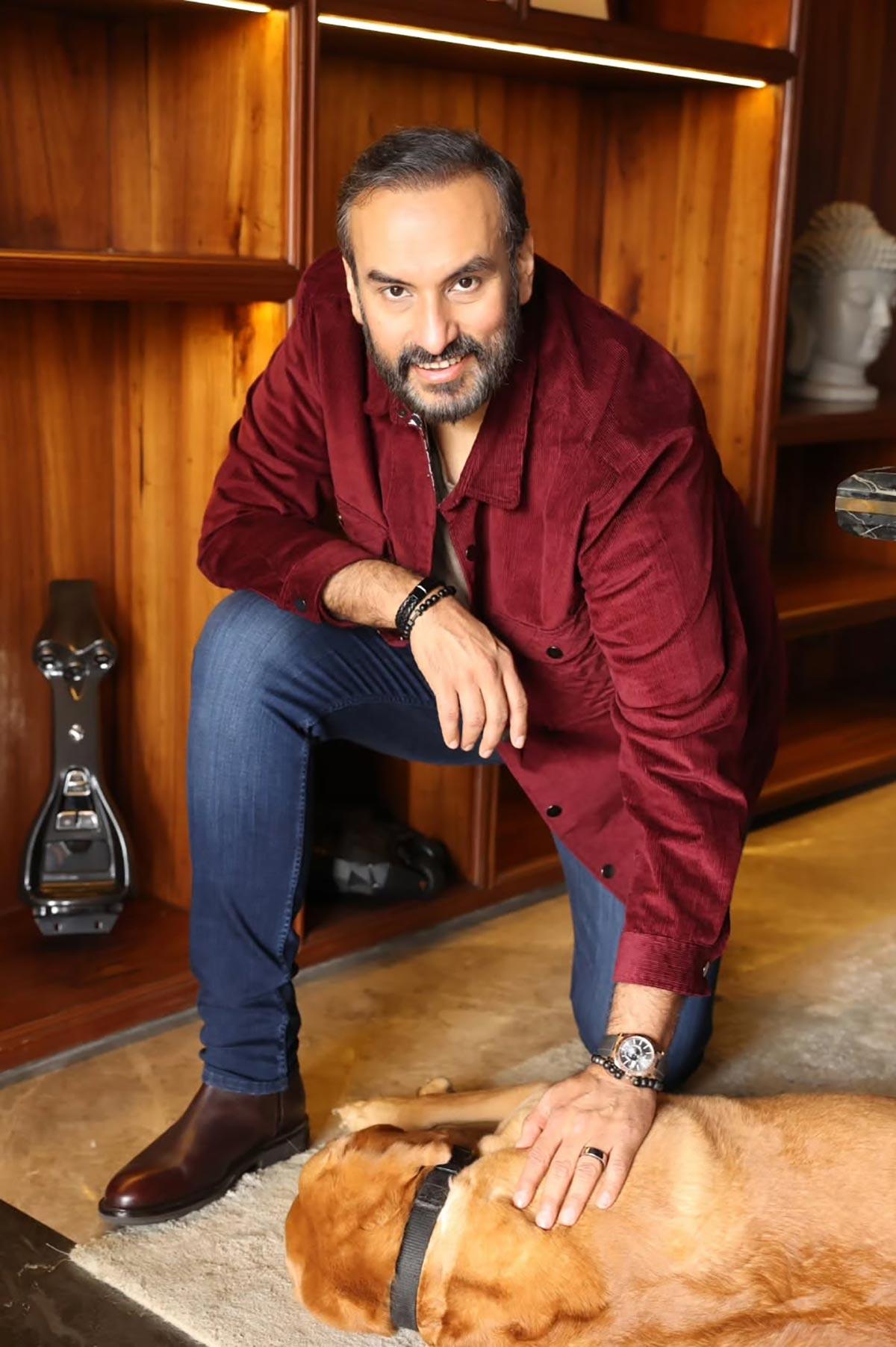
Namit
Malhotra.
Photograph:
Kind
courtesy
Namit
Malhotra/Instagram
Asked
about
the
trouble
faced
by
the
Technicolour
group
that
led
to
job
losses
in
the
Indian
VFX
branch
of
the
company,
Malhotra
said
he
would
not
like
to
comment
on
their
problems
but
would
acknowledge
the
“artistry
and
talent”.
“From
their
standpoint,
I
am
sure
they
had
some
issues
with
pandemic
and
strikes
that
happened
which
have
caused
some
issue
just
between
them,
their
investors
and
their
backers.
As
far
as
DNEG
is
concerned,
our
prime
focus
is
a
relentless
pursuit
of
what
we
do
on
day
to
day
basis.
“Developing
new
talent,
investing
in
new
technology.
It’s
going
to
be
30
years
since
I
have
started
this.
You
have
to
play
the
marathon
and
if
you
train
for
the
marathon,
you
will
go
much
longer
and
build
yourself
better,”
he
said.
“Having
a
great
group
of
people
that
you
can
trust
and
rely
on
is
critical
to
the
success
of
any
business
and
any
sport.
That
obviously
shows
the
way
our
company
has
been
able
to
navigate
all
these
challenges
and
been
successful
at
that
ride.”