The
possibilities
of
this
serviceable
thriller
are
immense
but
the
makers
prefer
to
play
it
safe
and
hold
back
the
daredevil
in
the
diplomat’s
clothing,
observes
Sukanya
Verma.
The
Diplomat
begins
with
a
disclaimer
so
lengthy,
someone
at
the
press
show
quipped
‘interval’
at
the
end.
Among
many,
many,
MANY
things,
it
makes
a
point
to
mention
that
the
movie,
which
is
based
on
the
true
story
of
Indian
citizen
Uzma
Ahmed,
is
neither
a
biopic
nor
a
documentary,
neither
condones
nor
endorses
the
views
put
forward
and
so
on
and
so
forth.
In
2017,
Uzma
became
national
news
when
she
sought
the
Indian
high
commission’s
help
to
get
her
out
of
Pakistan.
The
media
documented
her
tears,
trauma
and
thank
you
on
television
as
she
sat
between
then
external
affairs
minister
Sushma
Swaraj
and
then
deputy
high
commissioner
in
Islamabad
J
P
Singh
recounting
her
story.
There’s
significant
cinematic
value
to
her
harrowing
experiences
and
Writer
Ritesh
Shah
and
Director
Shivam
Nair
dig
into
it
to
recreate
the
drama,
if
not
the
danger.
Searching
for
jobs
in
Malaysia,
Uzma
(Sadia
Khateeb)
meets
a
Pakistani
national
called
Tahir
(Jagjeet
Sandhu)
whose
sympathetic
ways
and
concern
for
her
thalassemia-diagnosed
daughter
from
a
previous
marriage
make
her
believe
they
could
have
a
future
together.
On
reaching
Buner,
located
in
Khyber
Pakhtunkhwa
region
of
Pakistan,
where
Tahir
invites
her
under
the
pretext
of
the
child’s
treatment,
Uzma
—
traveling
without
her
daughter
—
discovers
he’s
an
altogether
different
man
quite
like
Sally
Fields
discovered
in
Not
Without
My
Daughter.
He
belongs
to
a
Taliban-like
ultraconservative
community
and
is
already
married.
A
forced
nikaah
as
well
as
endless
episodes
of
violence
on
her
sexual,
physical
and
mental
being
compel
Uzma
to
plan
her
escape
as
guided
by
a
relative
in
Malaysia.
Considering
the
horror
she’s
experiencing,
the
said
relative’s
dispassionate
tone
towards
her
SOS
call
telling
her
to
contact
the
Indian
embassy
as
if
it’s
as
simple
as
taking
a
U-turn
from
Nariman
Point
is
one
of
the
few
bewildering
moments
in
an
otherwise
subdued
thriller.
The
other
is
a
subplot
involving
random
phone
calls
made
by
the
deputy
high
commission’s
alarmingly
curious
son,
perhaps,
to
underscore
how
little
time
he
has
for
daddy
duties
when
preoccupied
saving
Bharat
Ki
Beti.
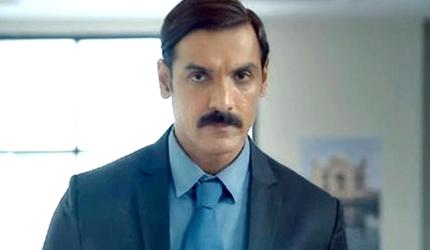
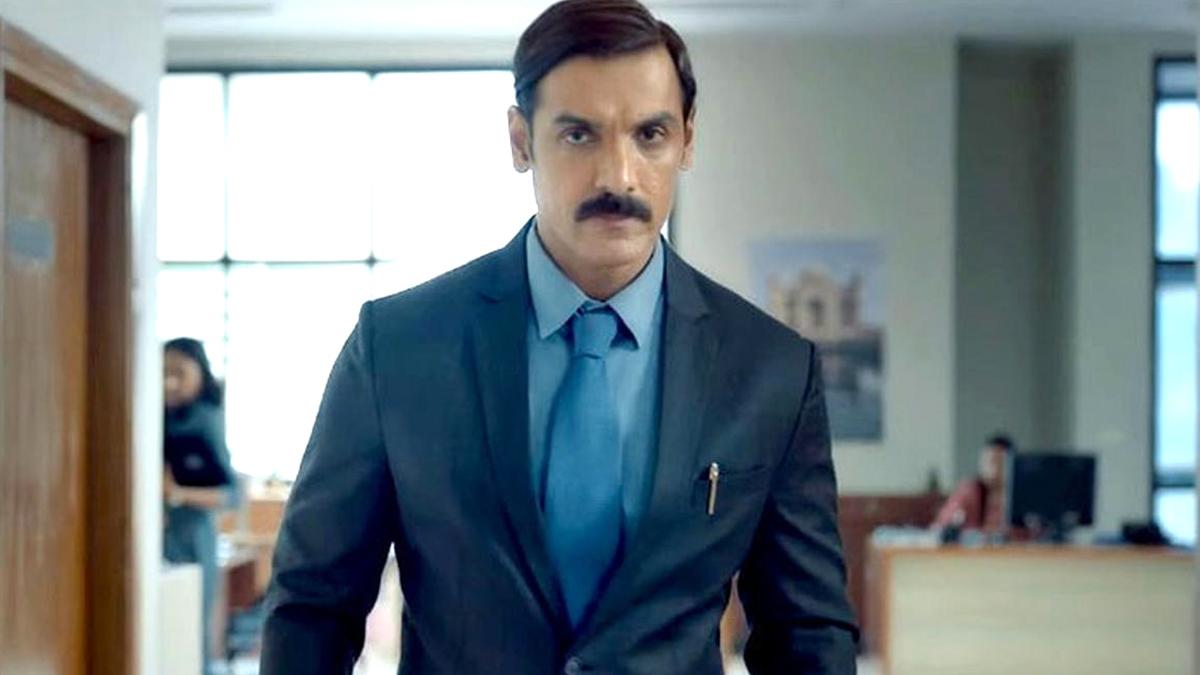
John
Abraham
plays
Jitender
Pal
Singh
aka
JP
with
a
prim
moustache
and
pecs
poking
through
his
crisply
ironed
slim
fit
formal
shirt
but
the
only
action
he
delivers
is
a
smile
and
some
snark.
Careful
not
to
ruffle
the
feathers
of
ISI
or
ministry
of
foreign
affairs
on
foreign
soil,
creating
a
rapport
with
its
friendlier
magistrates,
saying
it
like
it
is
to
a
supportive
boss
(a
maternalistic
Revathy
as
Sushma
Swaraj),
leading
a
bunch
of
colleagues
reassured
by
his
solid
governance
or
taking
a
politically
correct
route
to
protect
a
young
woman
from
a
hellish
fate,
John
meets
The
Diplomat‘s
expectations
with
firmness
and
charm.
As
Uzma,
Sadia
Khateeb
portrays
the
dread
and
distrust
of
a
wounded
figure
as
crushingly
as
her
desperation.
There’s
a
glimpse
of
Vidya
Balan’s
genuineness
in
her
intensity
that
makes
her
safe
return
home
a
cause
worth
rooting
for.
Every
time
India
and
Pakistan
are
in
the
same
frame,
one’s
patriotism
and
another’s
punching
becomes
the
norm.
But
the
makers
insist
on
seeing
a
humanitarian
side
to
the
conflict
instead
of
a
Indo-Pak
clash.
‘Woh
ek
alag
behas
hai‘,
The
Diplomat
insists.
It’s
not
always
true.
The
mandatory
kohl-eyed
men
across
the
border
are
inevitable.
Not
to
mention
a
foreboding
Ashwath
Bhatt
as
Bollywood’s
go-to
actor
for
pestering
Pakistani
parts
(Mission
Majnu,
Raazi)
acting
like
a
perennial
spoke
in
the
wheel.
But
the
higher
ups
in
the
ministry
of
foreign
affairs
and
Islamabad’s
high
courts
are
regular
professionals
guided
by
sense
not
politics.
At
the
heart
of
it,
it’s
Pakistan
fighting
Pakistan
to
help
India.
Except
The
Diplomat
has
picked
a
side
and
slyly
declares
its
one-upmanship
at
any
opportunity.
‘Diplomacy
aur
deshon
ke
saath
chalti
hai,
yahan
pe
hamesha
ice
skating,’
explains
JP.
It’s
one
of
his
better
argued
opinions
as
opposed
to
the
usual
patronising
tone
and
one-sided
nonk-jhonk.
There
are
several
sides
to
the
story
woven
around
this
Bharat
Ki
Beti,
which
as
on
the
nose
it
may
sound
is
exactly
how
it
was
phrased
by
the
government
and
media.
But
The
Diplomat
wants
to
focus
purely
on
the
gritty
and
glorious
bits.
And
so
retired
Indian
navy
officer
Kulbhushan
Jadhav,
sentenced
to
death
by
the
Pakistani
military
court
on
charges
of
espionage
and
terrorism,
is
mentioned
in
passing
but
speculation
finding
loopholes
in
Uzma’s
account
are
omitted
as
is
Pakistani
media
coverage.
The
possibilities
of
this
serviceable
thriller
are
immense
but
the
makers
prefer
to
play
it
safe
and
hold
back
the
daredevil
in
the
diplomat’s
clothing.
The
Diplomat
Review
Rediff
Rating: