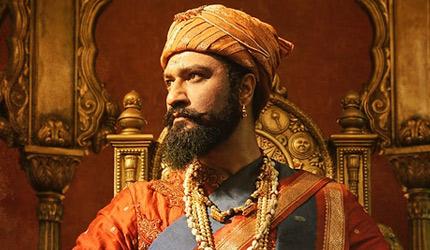
‘With
Chhaava,
we
had
to
look
from
a
different
lens.’
‘We
had
to
write
it
in
such
a
way
that
apart
from
the
sacrifice,
the
fight
and
the
war,
there’s
a
lot
more
to
understand
about
the
history
of
Marathas.’
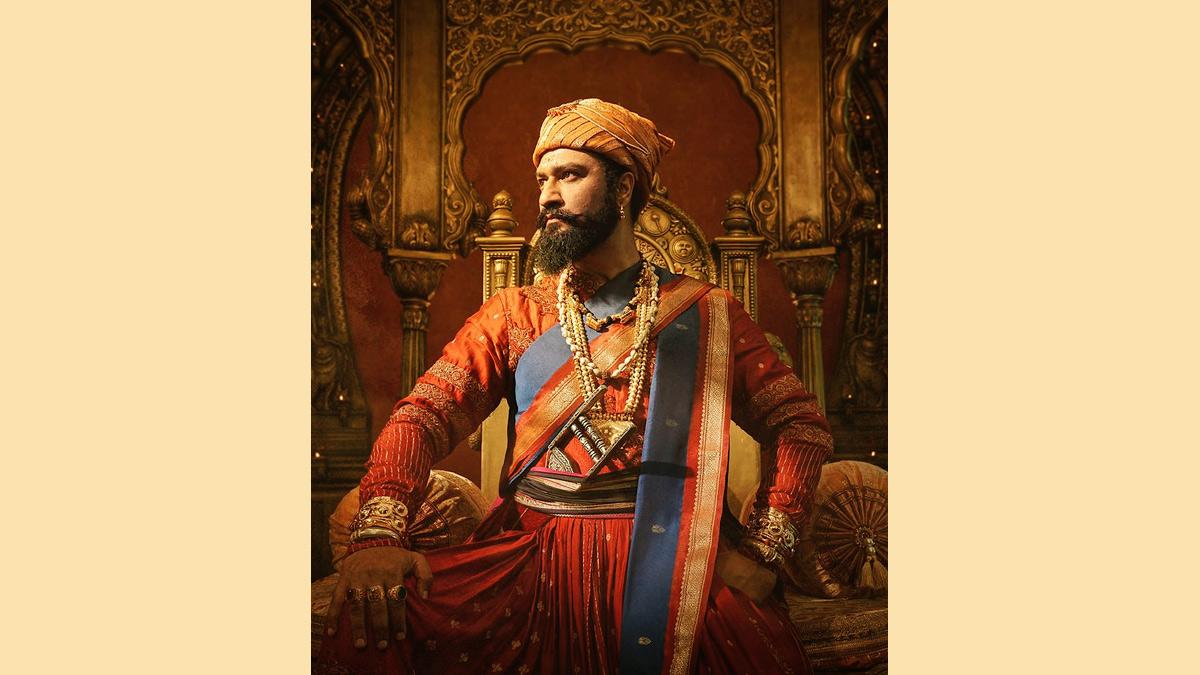
Vicky
Kaushal
in
Chhaava.
Photograph:
Kind
courtesy
Vicky
Kaushal/Instagram
Chhaava
continues
to
rake
in
big
numbers
at
the
box
office
but
not
without
a
fair
share
of
controversy.
The
Vicky
Kaushal-starrer
once
again
ran
into
troubled
waters
when
Maharashtra
Chief
Minister
Devendra
Fadnavis
held
the
film
liable
for
Aurangzeb
anger
that
ignited
unrest
in
Nagpur.
Co-writer
Rishi
Virmani,
who
calls
Chhaava
his
“biggest
success”,
defends
the
film.
“I
have
spent
my
whole
life
trying
to
understand
why
communal
rights
happen.
I
don’t
know
whether
a
film
is
responsible
for
it
or
a
person
or
a
politician…
or
whether
it’s
in
the
hearts
of
the
people
itself,”
Rishi
tells
Mayur
Sanap/Rediff.com.
Maharashtra
Chief
Minister
Devendra
Fadnavis
blamed
Chhaava
for
the
Nagpur
violence
and
said
the
film
reignited
people’s
emotions
against
Aurangzeb.
How
do
you
address
this
criticism?
What
happened
in
Nagpur?
A
communal
riot
broke
out,
centred
around
Aurangzeb’s
tomb…
Okay.
I
did
see
a
bit
of
it
today.
(Takes
a
pause)
I
have
spent
my
whole
life
trying
to
understand
why
communal
rights
happen.
I
don’t
know
whether
a
film
is
responsible
for
it
or
a
person
or
a
politician…
or
whether
it’s
in
the
hearts
of
the
people
itself.
Both
Hindus
and
Muslims
worked
on
the
film
very
happily.
Did
you
anticipate
such
massive
success
for
Chhaava?
No
yaar,
no
one
expected
that.
We
knew
it
will
be
received
well,
but
the
kind
of
love
we
got
from
the
people
is
quite
unprecedented.
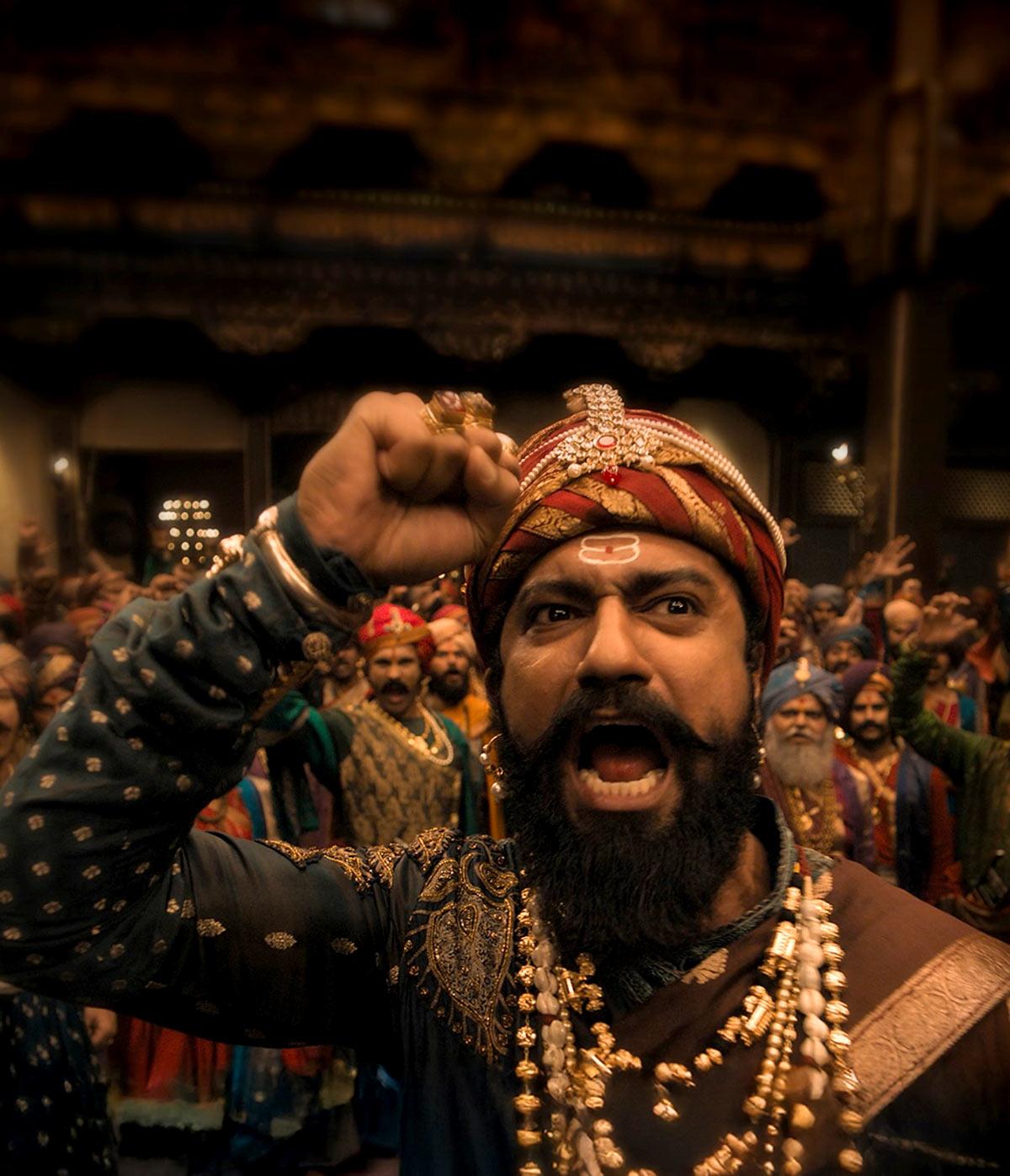
Vicky
Kaushal
in
Chhaava.
There
have
been
films
made
on
Sambhaji
Maharaj
in
the
past.
What,
according
to
you,
connected
with
the
audience
about
Chhaava?
Actually,
I’ve
not
seen
any
of
those
movies,
so
it
won’t
be
easy
for
me
to
say
why.
But
I
think
our
film
covers
more
about
the
legend
than
what
the
other
stories
have.
Whatever
little
I
have
heard
of
about
those
films,
I
think
they
are
based
on
a
few
chapters
here
and
there.
For
people
who
are
not
from
Maharashtra,
who
don’t
really
have
much
of
an
idea,
you
need
to
offer
more
information.
Regional
films
cater
to
a
particular
region,
right?
So
they
can
assume
that
the
audiences
already
know
more
about
the
subject
and
they
don’t
need
to
show
everything.
With
Chhaava,
we
had
to
look
from
a
different
lens.
We
had
to
write
it
in
such
a
way
that
apart
from
the
sacrifice,
the
fight
and
the
war,
there’s
a
lot
more
to
understand
about
the
history
of
the
Marathas.
You
are
one
of
the
five
writers
who
worked
on
the
film
(alongside
Laxman
Utekar,
Kaustubh
Savarkar,
Unman
Bankar
and
Omkar
Mahajan).
What
was
the
process
of
writing
like?
In
these
five
writers,
four
are
Maharashtrians.
I
was
the
odd
one
out.
They
knew
the
world
more
than
me.
My
job
primarily
was
to
make
sure
that
every
scene
should
work
and
connect.
Everybody
was
a
big
help
in
terms
of
making
me
understand
the
world
because
they
have
been
reading
and
talking
about
this
since
childhood.
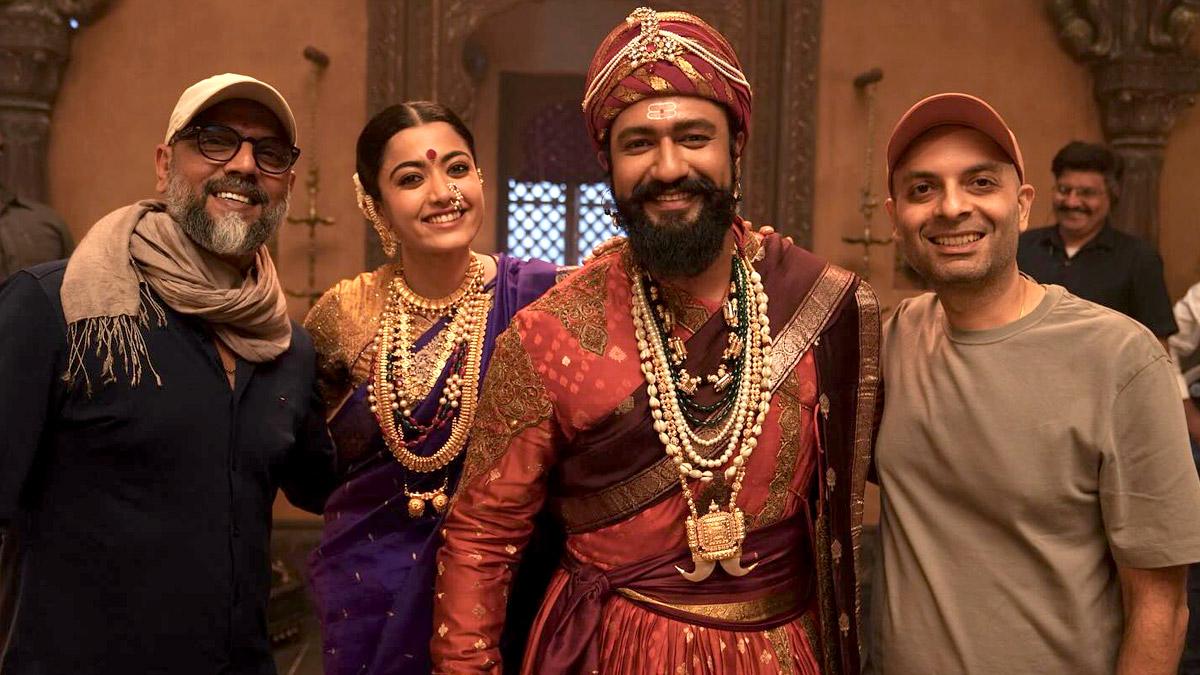
Laxman
Utekar,
Rashmika
Mandanna,
Vickya
Kaushal
and
Rishi
Virmani
on
the
sets
of
Chhaava.
Photograph:
Kind
courtesy
Rishi
Virmani/Instagram
You
had
an
up-close
view
of
Vicky
Kaushal’s
prep
for
the
role.
How
did
he
transform
into
Chhatrapati
Sambhaji
Maharaj?
We
just
did
one
narration
in
the
beginning
with
Vicky
and
then
he
got
busy
with
other
stuff.
He
got
into
the
film
right
after
Sam
Bahadur.
He
did
six
to
eight
months
of
prep,
and
did
a
lot
of
things
like
readings,
horse
riding,
sword
fighting…
Even
in
terms
of
language,
nowadays
we
speak
in
short
forms,
abbreviations
and
Gen
Z
slang.
To
speak
comfortably
in
good
Hindi
was
an
exercise
on
its
own.
A
lot
of
training
went
into
it.
Both
Rashmika
(Mandanna)
and
Vicky
are
really
hard
working,
and
they
had
also
done
their
own
research.
Laxman
sir
spent
a
lot
of
time
with
them.
They
had
a
lot
of
questions
(about
their
characters)
but
whatever
they
had,
we
cleared
it
out
for
them.
Even
Akshaye
Khanna
(who
plays
Aurangzeb)
did
a
lot
of
reading.
By
the
time
we
had
met
for
the
second
or
third
time,
he
had
more
things
to
tell
you
than
what
you
had
already
researched
because
he
had
gone
into
the
character
so
much.
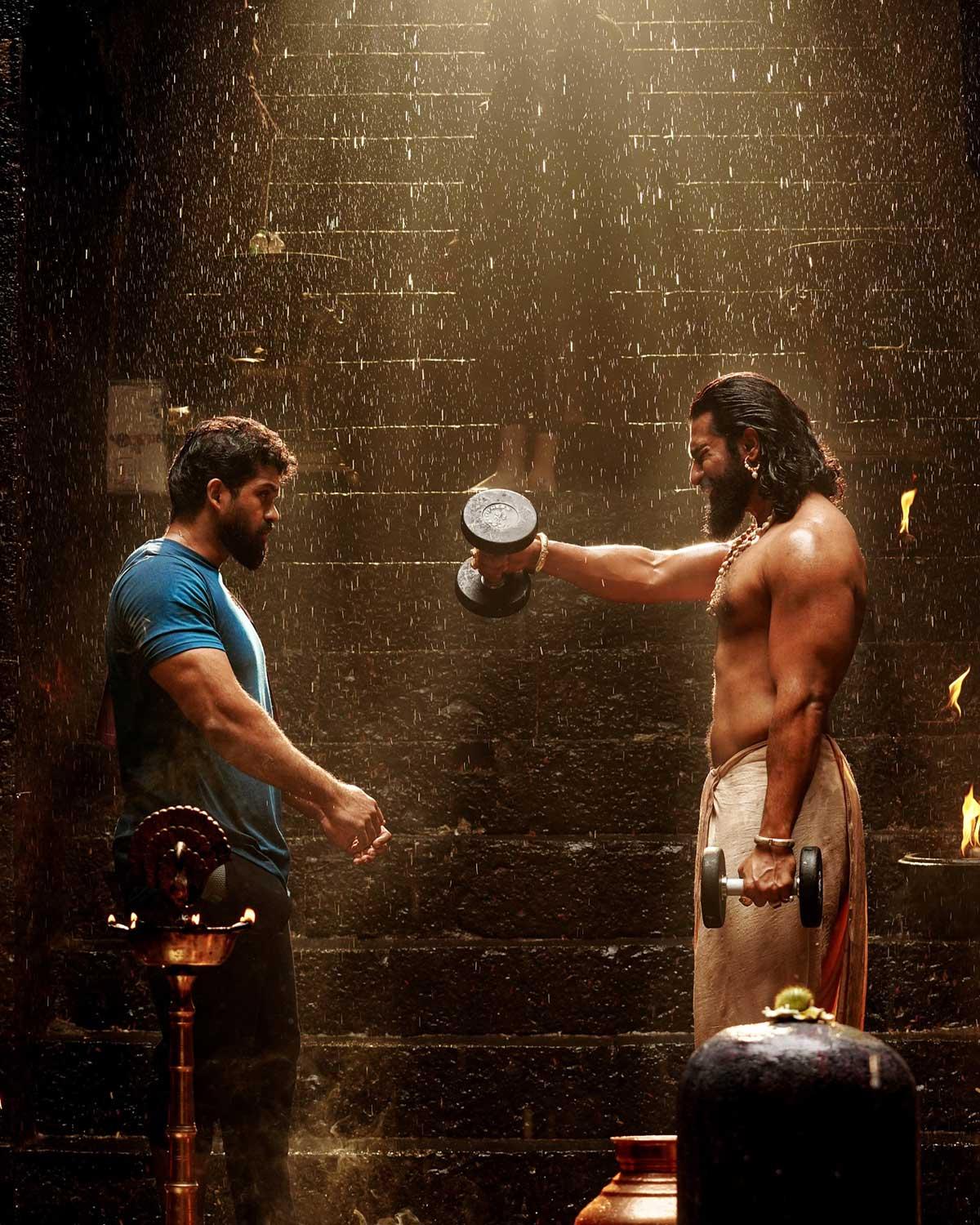
Vicky
trains
on
the
sets
of
Chhaava.
Photograph:
Kind
courtesy
Vicky
Kaushal/Instagram
A
video
went
viral
recently
showing
a
large
number
of
people
digging
near
Asirgarh
Fort
in
Burhanpur
in
the
search
of
Mughal
era
treasure
as
mentioned
in
the
film.
Did
you
find
it
bizarre?
Yes.
I
definitely
did
not
expect
that!
If
I
knew,
I
would
have
been
the
first
one
to
go
there!
It’s
bizarre.
But
it’s
good
to
see
that
even
now,
people
are
influenced
by
movies
like
how
they
used
to
be
in
the
past.
I
used
to
hear
stories
of
when
Rajesh
Khanna
was
unwell,
people
would
feed
medicines
to
his
photographs
and
pray.
That
kind
of
craze
disappeared
when
the
world
became
smaller
because
of
phones
and
social
media.
It’s
good
to
see
that
that
even
now,
cinema
has
that
impact
on
people.
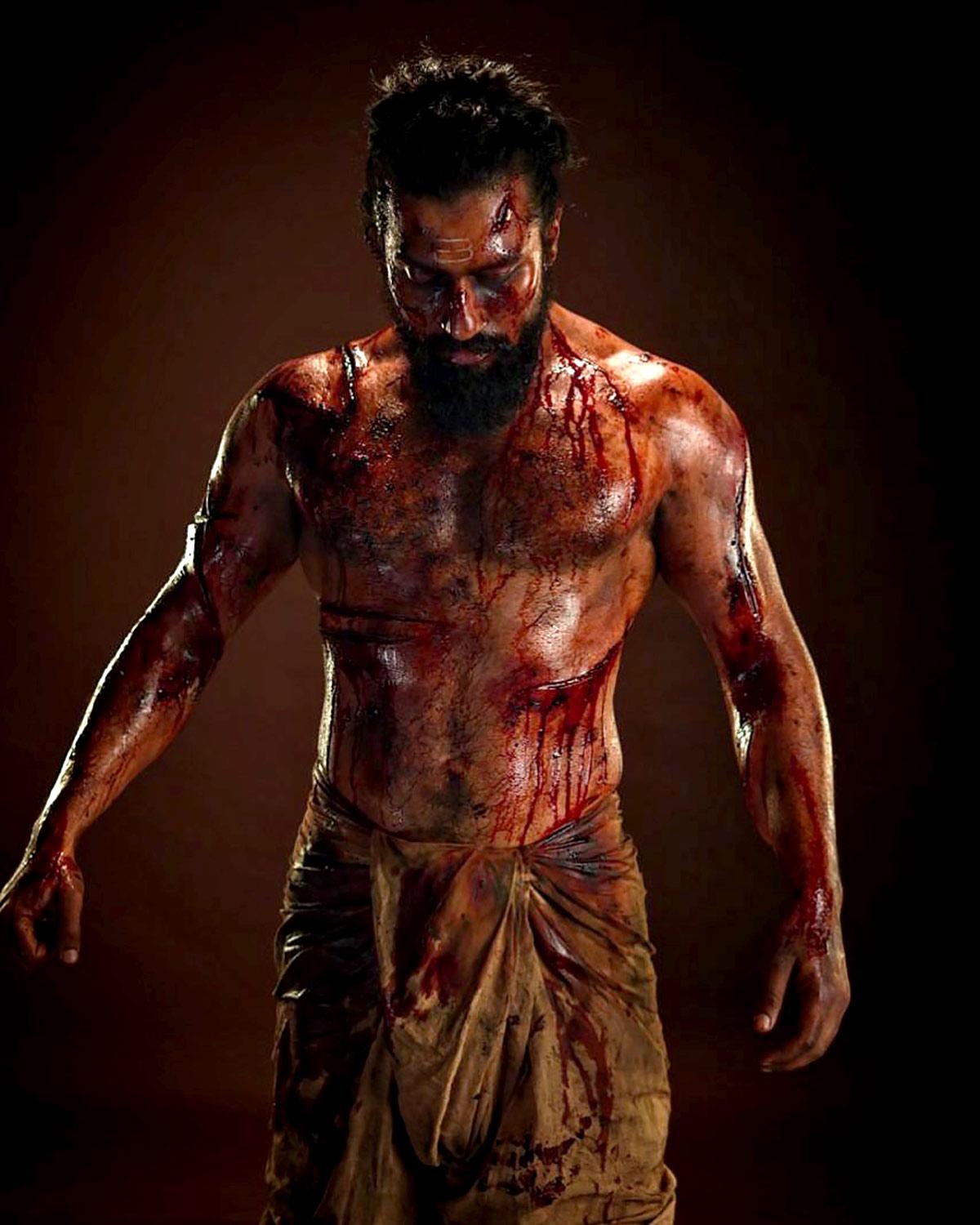
Vicky
Kaushal
in
Chhaava.
Photograph:
Kind
courtesy
Vicky
Kaushal/Instagram
Vicky
Kaushal’s
performance
is
unanimously
praised
in
the
film
but
there
is
a
section
that
criticised
his
over-the-top
action
avatar.
I
have
not
really
heard
or
read
too
much
about
people
criticising
the
film.
But
to
each
its
own.
See,
the
times
are
different.
When
it’s
a
war-like
situation,
there
will
be
no
peace.
You
will
not
have
people
sitting
quietly
in
a
corner
and
having
a
cup
of
tea.
It’s
a
matter
of
life
and
death.
It’s
a
matter
of
saving
your
land,
your
future,
your
people.
So
when
it
comes
to
these
things,
aggression
is
a
very
big
part
of
the
story.
Without
it,
I
don’t
see
the
film
making
sense.
The
final
40
minutes
of
the
film
are
devoted
to
the
gruesome
torture
that
is
inflicted
on
Chhatrapati
Sambhaji
Maharaj.
Was
it
by
design?
You
can
say
that.
Whoever
knew
about
the
subject
wanted
to
know
how
we
are
going
to
show
that
part.
Everybody
has
read
about
it
in
various
books
but
nobody
has
any
idea
of
how
it
can
look.
We
felt
the
pressure
of
making
sure
that
that
portion
should
be
the
biggest
takeaway
for
the
film.
Everybody
is
anticipating
that
part
to
come,
so
we
had
to
spend
some
time
on
it
for
people
to
connect
with
it.
It
couldn’t
have
been
quick.
When
the
script
was
being
crafted,
we
had
to
design
the
film
in
such
a
way
that
the
climax
is
more
than
half
of
the
second
half.
Do
you
see
Chhaava
as
a
turning
point
in
your
career?
It
is
my
biggest
film
so
far.
But
as
far
as
my
career
is
concerned,
you
have
to
keep
doing
good
work.
One
film
can
give
you
a
few
months
of
mileage.
Ultimately,
you
have
to
work
hard
and
put
in
the
same
effort
for
every
project.
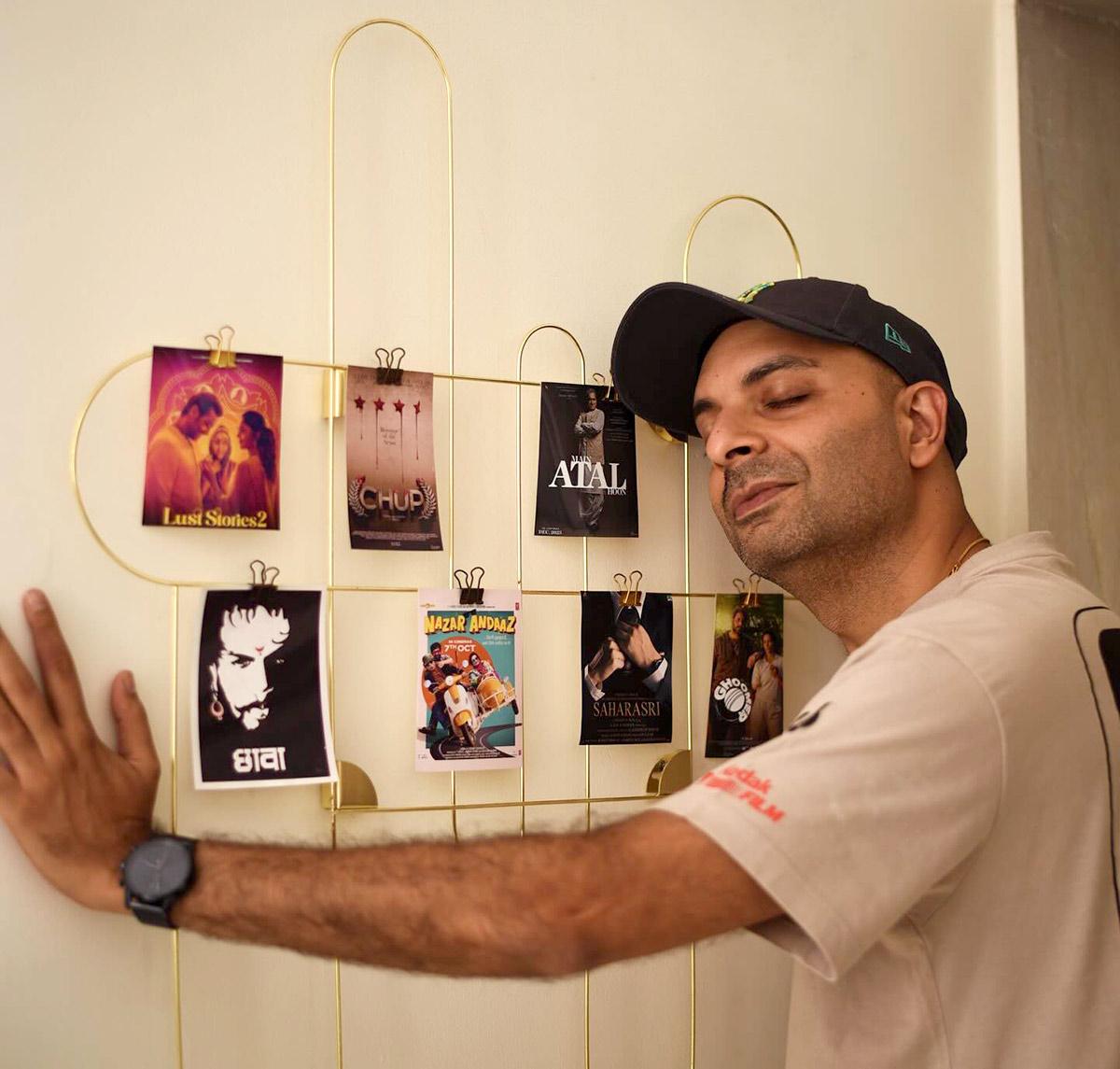
Photograph:
Kind
courtesy
Rishi
Virmani/Instagram
What
was
your
starting
point
in
screenwriting?
I
assisted
on
a
couple
of
films.
There
was
a
film
called
James
made
by
Ramu
(2005,
Ram
Gopal
Varma).
I
was
an
AD
(Assistant
Director)
on
that
film.
But
I
was
keen
on
writing.
I
used
to
rewrite
the
scenes
of
those
films.
The
director
used
to
love
bits
of
it
and
add
it
in
his
draft.
That
encouraged
me
to
write
(more).
Then
I
met
R
Balki,
who
was
writing
Paa
and
he
asked
me
to
co-write
with
him.
Then
from
there
on
there
was
no
looking
back.
I
started
writing.
I
did
Shamitabh,
Ki
&
Ka
and
Ghoomer
with
him.
There
was
also
Faaltu,
Main
Atal
Hoon.
A
couple
of
things
with
Laxman
sir
like
Nazar
Andaaz
and
now
Chhaava.
I’m
still
discovering
how
to
write
a
film,
if
you
ask
me
very
honestly.
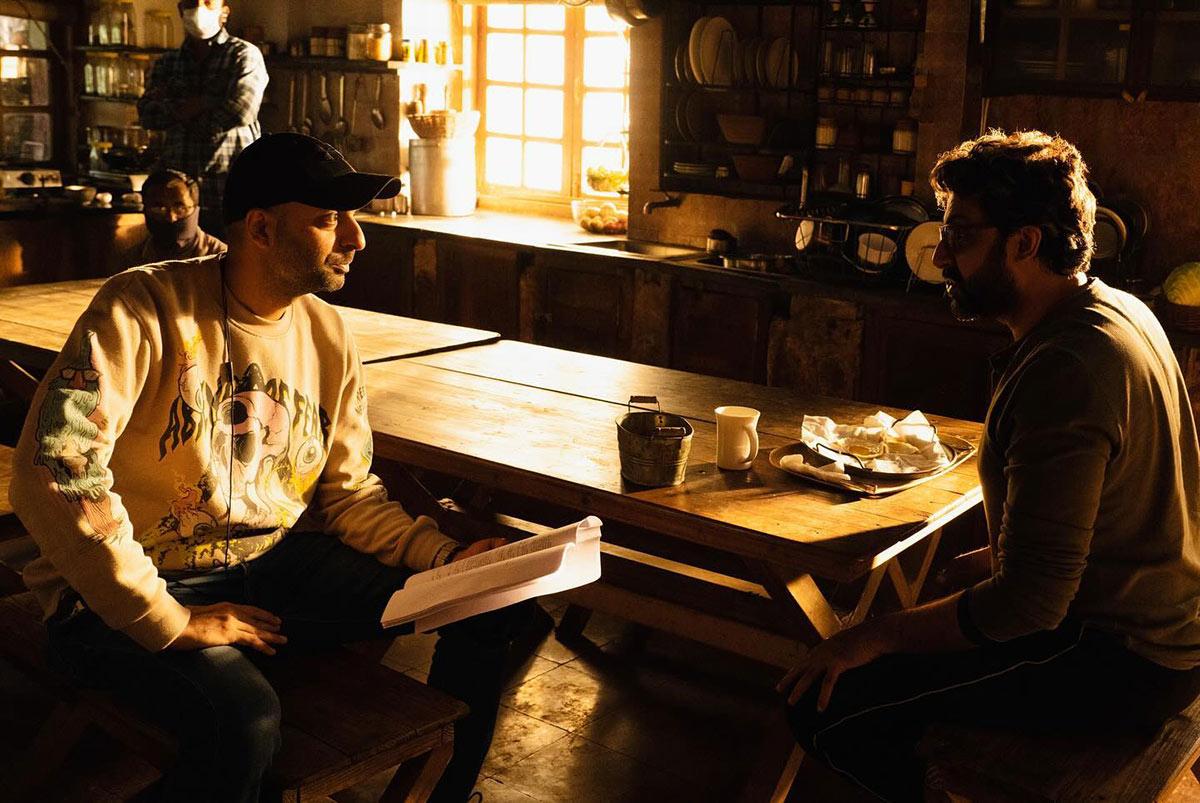
Rishi
Virmani
with
Abhishek
Bachchan
on
the
sets
of
Ghoomer.
Photograph:
Kind
courtesy
Rishi
Virmani/Instagram
You
have
been
around
for
a
long
time
and
have
probably
seen
that
the
writers
were
not
given
the
attention
and
respect
like
the
way
they
are
given
today.
What’s
been
your
experience
on
this
front?
A
lot
of
writers
feel
that
they
are
the
best
because
it’s
their
profession.
But
a
film
is
always
a
director’s
medium,
so
you
have
to
also
be
a
good
receiver.
You
should
know
what
the
director
wants.
Once
you
understand
that,
it
becomes
easy
for
you
to
write
a
film.
Despite
many
writers
not
getting
so
much
attention
and
respect,
I
think
I
was
able
to
provide
what
the
directors
wanted
from
me.
So
I
never
really
felt
that
so
much.
Right
now,
because
original
content
is
being
celebrated
more
and
lesser
remakes
and
uninspired
films
are
being
made,
the
makers
are
probably
searching
for
writers
more.
Earlier,
DVDs
were
the
source
of
inspiration.
Now,
we
have
writers.
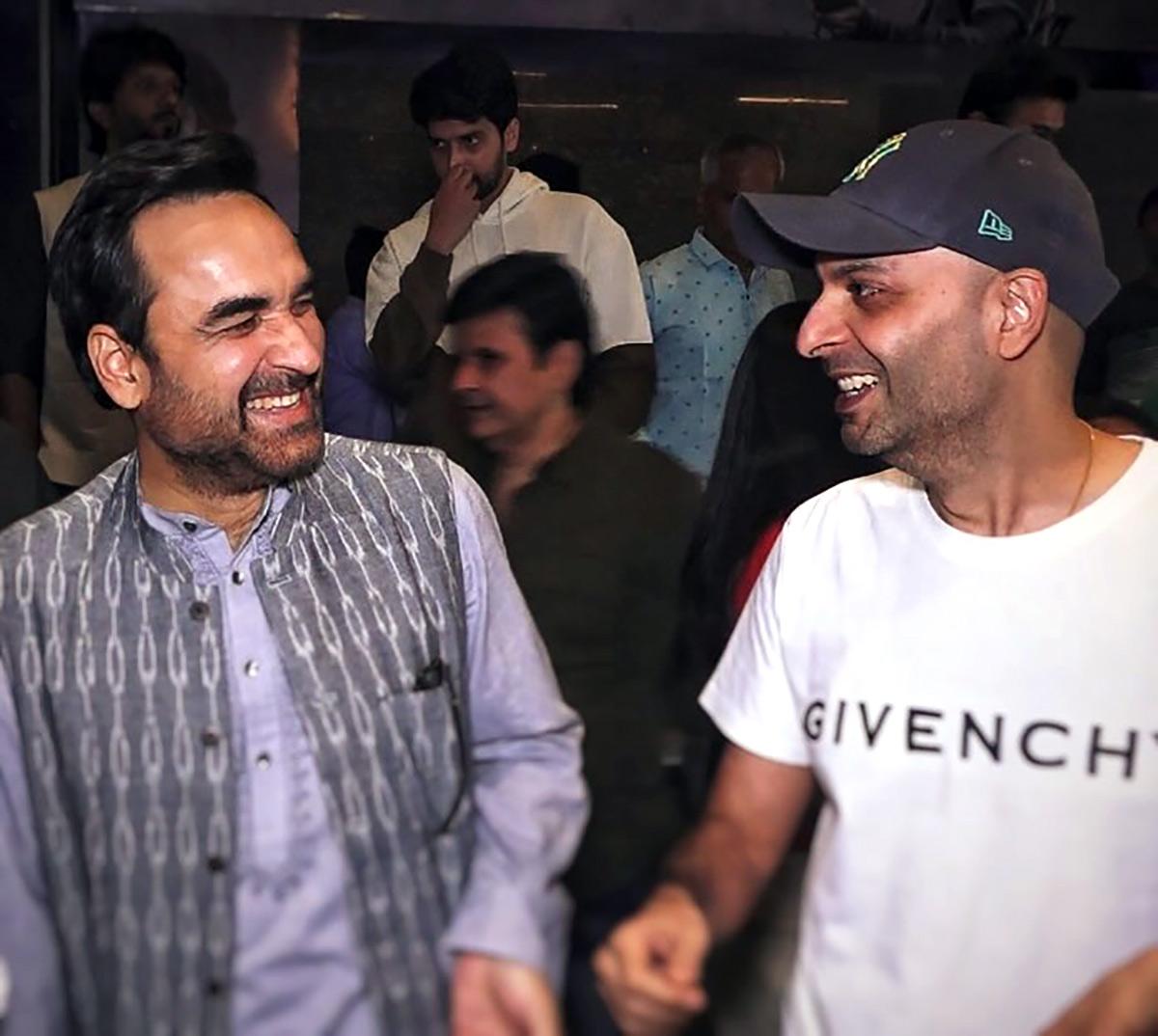
Rishi
Virmani
with
Pankaj
Tripathi
during
Main
Atal
Hoon
promotions.
Photograph:
Kind
courtesy
Rishi
Virmani/Instagram
Stree
2
writer
Niren
Bhatt
said
this
is
the
worst
time
for
writers
in
the
film
industry
because
there
is
a
dearth
of
original
stories.
Do
you
agree?
More
than
the
dearth
of
original
stories,
people
should
also
be
in
search
of
original
stories.
I
mean,
if
the
director
or
producer
has
a
copyright
of
a
Malayalam
film,
I
will
be
forced
to
write
that
film
because
he
is
more
interested
in
making
that
movie.
So
there
is
a
need
for
story
takers
probably.