Patrick
Graham’s
crime
documentary
The
Dupatta
Killer
gives
all
sides
of
the
story
and
leaves
it
to
the
viewer
to
fill
in
the
blanks,
notes
Deepa
Gahlot.
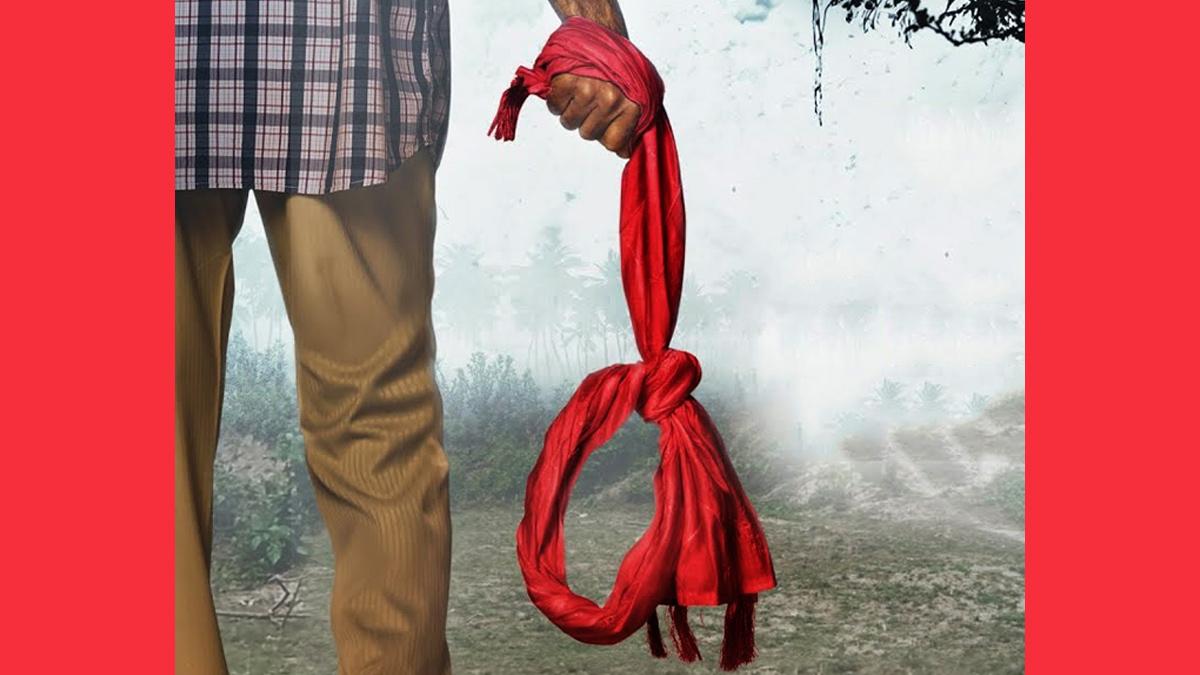
Crime
documentary
The
Dupatta
Killer
bears
an
uncanny
resemblance
to
Reema
Kagti’s
Web
seriesDahaad.
Both
shows
bring
out
the
misogyny
embedded
in
Indian
society.
In
both,
a
number
of
women
go
missing
and
their
families
do
not
even
file
a
report
with
the
police,
either
because
of
shame
or
indifference
towards
the
daughter.
In
both,
the
serial
killer
lures
women
with
promises
of
marriage,
then
robs,
rapes
and
kills
them.
He
is
able
to
take
advantage
of
the
fact
that
familial
and
social
judgment
causes
women
to
fear
being
unmarried.
They
are
willing
to
trust
a
stranger
—
one
of
them
after
just
a
single
chance
meeting
—
and
go
off
with
him,
wearing
their
gold
jewellery
as
instructed
by
him.
Written
and
directed
by
Patrick
Graham,
with
excellent
research
by
crime
reporter
Mukesh
Kumar,
The
Dupatta
Killer
is
set
in
a
bucolic
part
of
Goa,
where
Mahanand
Naik
could
get
away
with
16
murders
over
many
years,
perhaps
because
even
the
cops
cannot
imagine
such
brutality.
He
strangled
the
women
with
their
own
dupattas
and
dumped
the
corpses.
The
terror
he
evoked
was
such
that
women
were
afraid
to
wear
dupattas.
It
is
surprising
that
the
bodies
of
the
missing
women
were
not
recovered
till
the
killer
himself
took
the
cops
to
the
spots
where
he
left
them.
The
format
of
the
documentary
is
standard
by
now,
with
interviews
with
those
involved
with
the
cases,
reenactments
of
the
crimes
and
ominous
background
music.
What
is
shocking
is
that
Naik
was
acquitted
of
most
of
the
crimes
and
convicted
of
just
one
murder
and
rape
because
the
survivor
finally
gathered
up
the
courage
to
report
him.
That
expectedly
went
against
her,
as
well
as
the
photograph
in
which
she
is
looking
directly
at
the
camera,
which
was
construed
as
consent
by
the
‘learned’
judge
of
the
high
court.
Sensitising
the
law
enforcement
system
is
a
painfully
gradual
process.
Graham
has
interviewed
the
police
officer
in
charge
of
the
case,
the
NGOs
who
helped
the
rape
survivor,
the
mother
of
one
of
the
victims,
and
Naik’s
neigbours,
who
are
aghast
that
he
might
be
set
free
after
serving
a
14
year
sentence.
Mukesh
Kumar
gets
to
interview
him
in
prison,
where
he
is
considered
a
model
prisoner,
who
denies
that
he
committed
any
of
the
crimes.
Strangely,
he
is
not
asked
about
his
detailed
confession.
Forensic
evidence
may
have
been
destroyed
over
a
period
of
time
but
was
the
owner
of
the
shop
that
bought
the
stolen
jewellery
spared
any
blame?
Another
oversight
—
understandable
in
this
case
—
is
the
absence
of
the
wife’s
voice.
Was
she
aware
of
his
crimes?
What
happened
to
her
when
he
went
to
prison?
A
Catholic
priest,
believing
in
the
power
of
reformation,
had
actually
stood
guarantee
for
Naik
when
he
was
released
on
parole.
As
it
usually
happens,
the
priest’s
sympathy
is
for
the
man,
not
for
the
rape
survivor,
whom
he
allegedly
harassed
and
threatened
on
the
phone,
even
when
incarcerated.
Giving
a
psychopathic
murderer
a
cute
name
like
The
Dupatta
Killer
does
not
reflect
well
on
the
sensitivity
of
the
media.
Perhaps
between
2009
when
Naik
was
convicted
and
today,
social
attitudes
towards
crimes
against
women
have
changed.
Graham’s
documentary
gives
all
sides
of
the
story
and
leaves
it
to
the
viewer
to
fill
in
the
blanks.
The
tears
of
a
mother,
and
the
shot
of
another
holding
the
photograph
of
her
dead
daughter
are
testimony
—
vague
as
it
is
—
of
the
short
lives
of
the
women,
who
were
murdered
for
being
foolishly
hopeful.
Sadly,
the
killer
is
seen
as
a
human
being,
the
women
are
just
statistics
in
a
police
ledger.
The
Dupatta
Killer
streams
on
Docubay.
The
Dupatta
Killer
Review
Rediff
Rating: