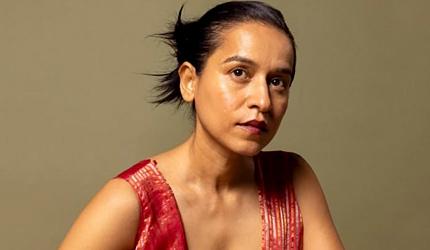
‘I
hadn’t
worked
for
three-and-a-half
years.
I
felt
the
industry
was
based
on
who
you
knew.’
‘I
didn’t
belong
to
a
network.’
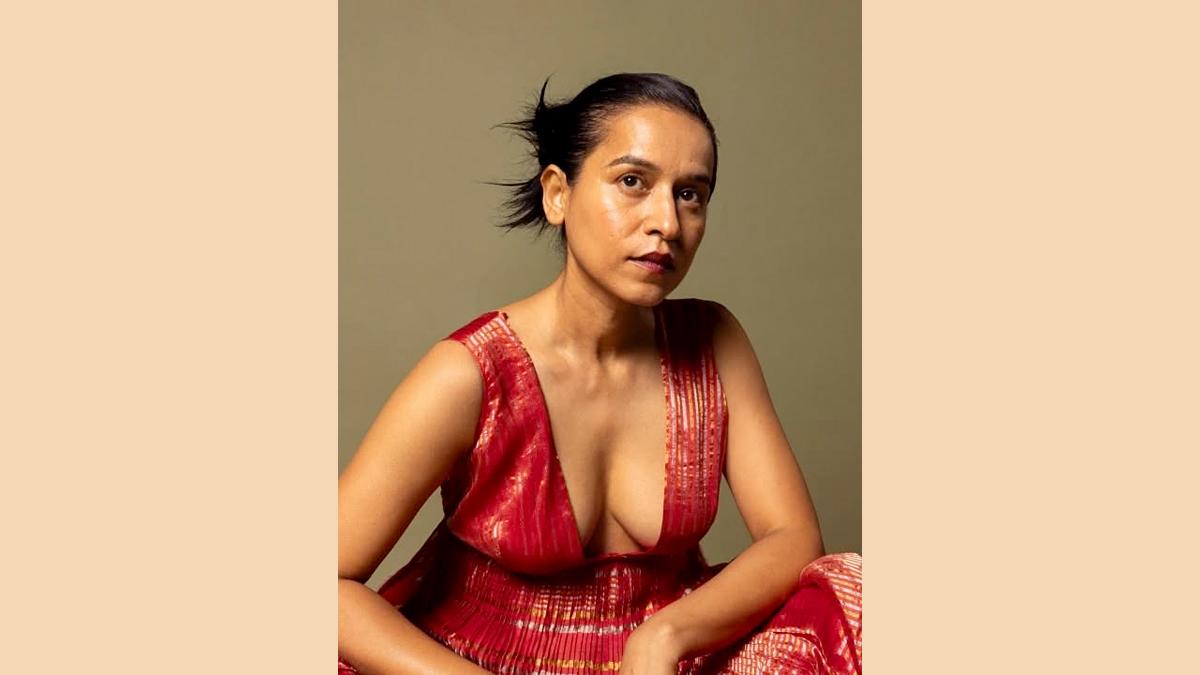
Photograph:
Kind
courtesy
Tillotama
Shome/Instagram
Nearly
25
years
ago,
Mira
Nair
made
a
joyful
film
celebrating
North
Indian
Punjabi
and
the
NRI
culture.
Monsoon
Wedding
won
the
Golden
Lion
at
the
Venice
Film
Festival
and
introduced
us
to
the
charming,
petite
actress
Tillotama
Shome.
She
played
Alice,
the
domestic
help
of
a
rich
Punjabi
family,
who
falls
in
love
with
the
street-smart
hustler
PK
Dubey
(Vijay
Raaz).
After
the
success
of
Monsoon
Wedding,
Tillotama
spent
a
few
years
in
New
York
honing
her
acting
skills
and
then
decided
to
return
to
India.
She
got
work
in
international
productions
like
Waiting
City
(2009),
Gangor
(2010)
and
Sold
(2014)
but
they
were
barely
seen
in
India.
During
her
years
of
struggle,
Shome
managed
to
get
some
challenging
roles
in
Shanghai
(2012),
Qissa:
A
Tale
of
the
Lonely
Ghost
(2013),
A
Death
in
the
Gunj
(2016)
and
Sir
(2018).
But
it
is
only
in
the
recent
years
that
she
has
finally
established
her
presence
in
films
and
OTT,
with
Web
series
like
Delhi
Crime
(2022),
The
Night
Manager
(2023),
Lust
Stories
(2023),
Kota
Factory
(2024),
Tribhuvan
Mishra
CA
Topper
(2024)
and
the
recent
Paatal
Lok
2
(2025).
In
February,
Shome
was
at
the
Berlinale
for
the
premiere
of
her
new
Bengali
film
Baksho
Bondi
(Shadowbox),
directed
by
the
couple
Tanushree
Das
and
Saumyananada
Sahi.
In
one
of
the
strongest
performances
of
her
career,
Shome
plays
Maya,
a
lower
middle-class
woman
struggling
to
keep
her
family,
including
husband
Sundar
afloat.
The
film
has
19
producers
attached
to
it,
including
Shome
herself.
She
tells
Aseem
Chhabra,
“I
had
to
be
in
my
40s
to
play
these
women
in
their
40s.
You
wouldn’t
have
managed
to
explain
that
to
me
in
my
20s
and
30s.
I
would
have
said,
‘Just
give
me
an
audition.
I
will
kill
it.
I
will
kill
it.
But
your
lived
experience
makes
the
deal
real.”
Tillotama,
in
this
complex
role,
you
often
just
use
your
facial
muscles
to
express
emotions.
How
did
you
prepare
for
this
role?
Tillotama:
I
find
it
very
difficult
to
speak
about
preparation
because
it’s
different
for
different
projects.
In
this
case,
when
I
met
Tanushree
and
Somu,
it
wasn’t
suggested
that
I
should
act
in
it.
They
said
they
wanted
my
feedback
with
the
script,
so
I
read
it
with
a
hawk’s
eye.
Then
they
said
they
wanted
me
to
act
in
it.
I
was
taken
aback.
But
then
they
came
home,
and
we
spent
five
hours
together.
In
my
mind,
I
still
didn’t
know
when
and
how
the
film
would
get
made.
In
my
career,
in
these
last
25
years,
it
can
take
a
long
time
from
when
I
read
a
script
to
when
the
film
gets
made
and
the
world
sees
it.
Often,
it
can
be
five
to
six
years
from
the
time
we
first
meet.
So
I
didn’t
know
if
this
film
would
get
made.
But
I
knew
I
liked
Didi
(Tanushree)
and
Somu,
and
I
wanted
to
be
friends
with
them.
I
could
learn
a
lot
from
them.
They
had
come
at
a
time
in
my
life,
where
I
was
thinking
about
what
next.
There
was
a
curiosity
in
me.
I
needed
to
understand
processes
in
making
a
film
that
are
invisible
to
actors
and
I
had
not
experienced
them.
I
had
worked
on
amazing
projects
but
never
had
this
kind
of
friendship
so
early
on
with
the
filmmakers.
It
took
us
six
years
to
make
this
film.
Tanushree:
We
had
prepared
so
much
for
Maya’s
character,
like
her
account
book,
her
watch,
Maya’s
playlist,
photographs
of
all
the
women
who
made
Maya,
love
letters
exchanged
between
Maya
and
Sundar.
Tillotama:
Kya
homework
karoge
tum?
Sara
homework
inhon
ne
kar
diya
tha.
Saumyananda:
We
prepped
for
so
many
years
that
when
we
started
shooting,
all
the
prep
was
done.
We
didn’t
have
to
discuss
too
much.
Tillotama:
I
finished
shooting
Paatal
Lok
2
and
within
a
few
days,
we
were
shooting
this
film.
It
was
in
February-March
2023.
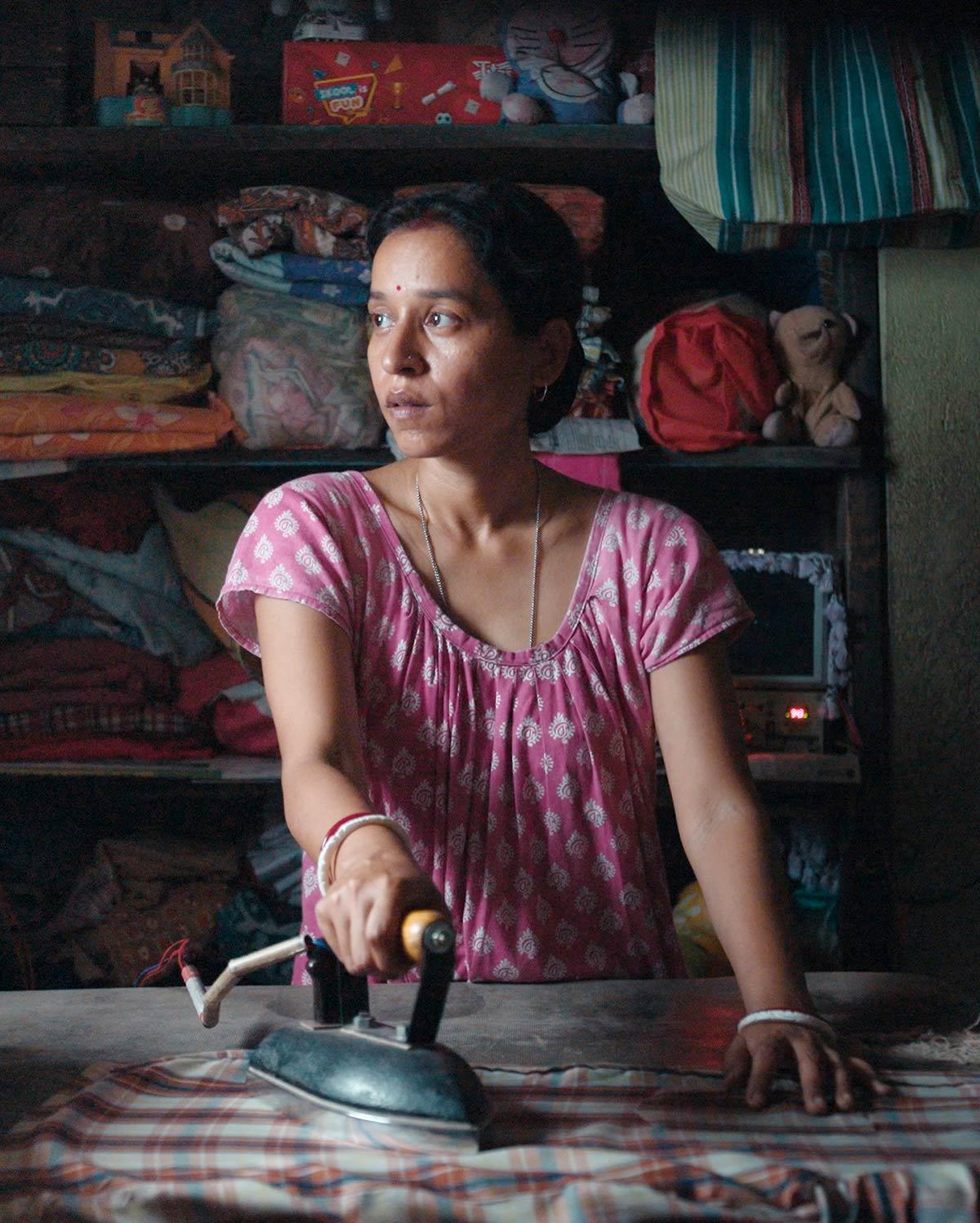
Tillotama
Shome
in
Baksho
Bondi.
When
did
they
bring
the
script
to
you?
Tillotama:
In
2018.
Then
the
pandemic
hit
us.
Tillotama:
It
was
actually
a
most
fertile
time
for
us
as
friends.
We
became
each
other’s
lifeline.
The
film
is
about
a
caregiver,
from
her
point
of
view.
I
was
caregiving
my
mother.
Tanushree
was
caregiving
her
father.
Like
Tanushree,
my
life
and
work
are
now
in
synch.
I
have
learnt
to
accept
that.
When
I
was
younger,
I
wanted
visibility,
more
and
more
work,
because
it
was
so
far
and
few.
I
thought
my
chances
were
dying
out
with
time.
Now,
I
feel
the
opposite.
What
is
the
result
of
six
years
of
knowing
somebody,
their
family,
their
thoughts,
their
parents,
where
they
came
from,
how
they
think,
how
they
behave
as
people
in
critical
moments?
All
the
drafts
they
wrote
of
their
screenplay
over
six
years,
to
have
the
privilege
to
read
them,
to
be
invited
into
a
room
with
the
producer.
And
they
were
so
secure
and
not
egoistic
that
they
give
me
a
chance
to
be
a
producer
as
well.
This
opportunity
to
develop
skills
is
important.
It
gave
me
a
chance
to
understand
what
it
takes
to
make
a
film.
Then
one
can
be
angry
about
the
right
things.
Otherwise,
often
you
are
angry
because
you
don’t
have
the
full
picture.
You
referred
to
a
time
when
work
wasn’t
very
frequent.
But
now
you
are
very
busy.
When
did
it
change?
Tillotama:
It
happened
when
the
viewership
changed
with
Sir
(2018)
coming
on
Netflix.
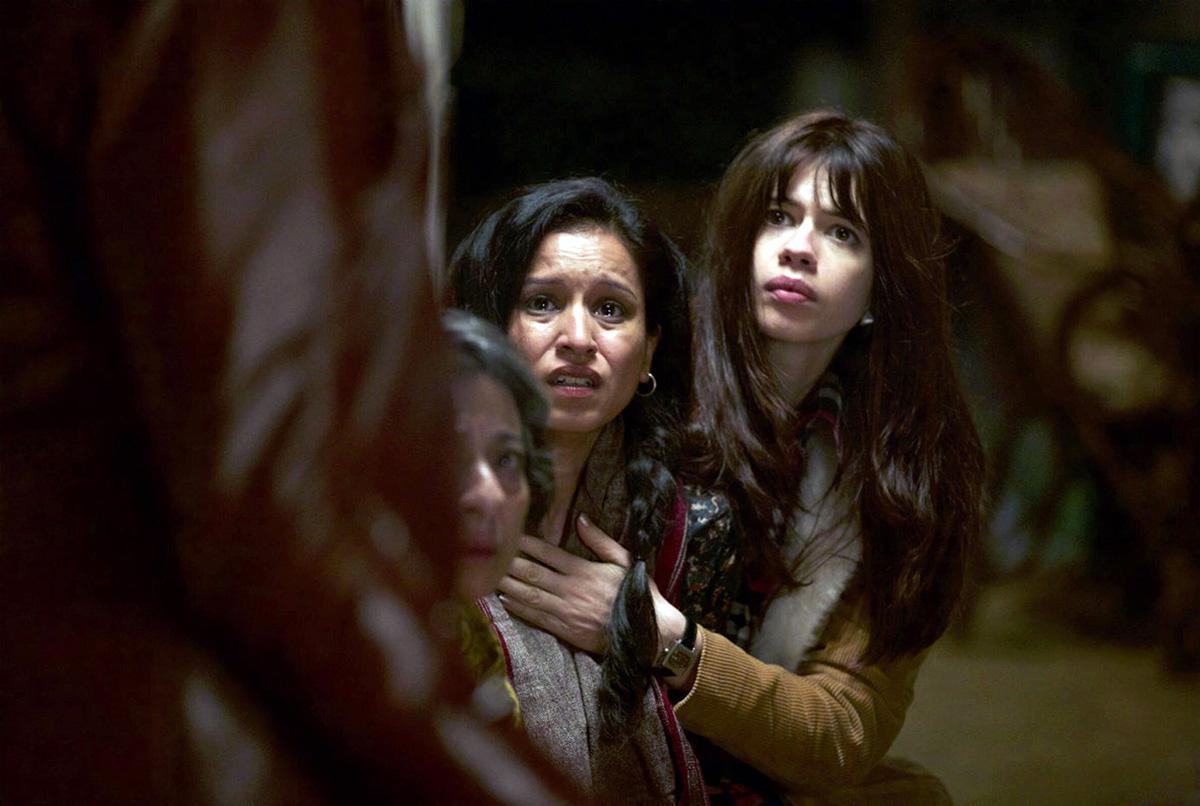
Tillotama
Shome
and
Kalki
Koechlin
in
A
Death
in
the
Gunj.
But
even
before
that
you
had
acted
in
Konkona
Sen
Sharma’s
A
Death
in
the
Gunj
(2016).
Tillotama:
A
Death
in
the
Gunj
came
on
Amazon
Prime
much
later,
even
though
it
was
made
before
Sir.
It
was
an
important
film
for
me
because
I
played
a
certain
class
I
don’t
usually
get
to
play.
Koko
(Konkona
Sen)
saw
me
as
who
I
am,
while
other
people
wanted
to
play
safe,
and
cast
me
in
a
certain
roles
based
on
what
they
have
seen.
I
remember
Sir
was
going
to
open
in
theatres
just
when
the
pandemic
hit,
but
you
got
a
bigger
audience
on
Netflix.
Tillotama:
Yes,
it
was
a
game-changer.
It
allowed
producers
and
TV
studios
to
feel
like
they
could
make
me
a
part
of
their
shows.
Hindi
Medium
got
made
in
2017.
You
had
a
small
role
but
you
were
hilarious
in
those
scenes
with
Irrfan.
Tillotama:
(Casting
director
and
filmmaker)
Honey
Trehan
cast
me
after
he
saw
me
in
A
Death
in
the
Gunj.
He
said
we
have
to
cast
this
woman
and
place
her
in
a
social
class
that
she
belongs
to.
He
told
me
it
might
help
me
break
my
image.
It
was
a
small
role
but
I
wanted
to
spend
a
day
with
Irrfan.
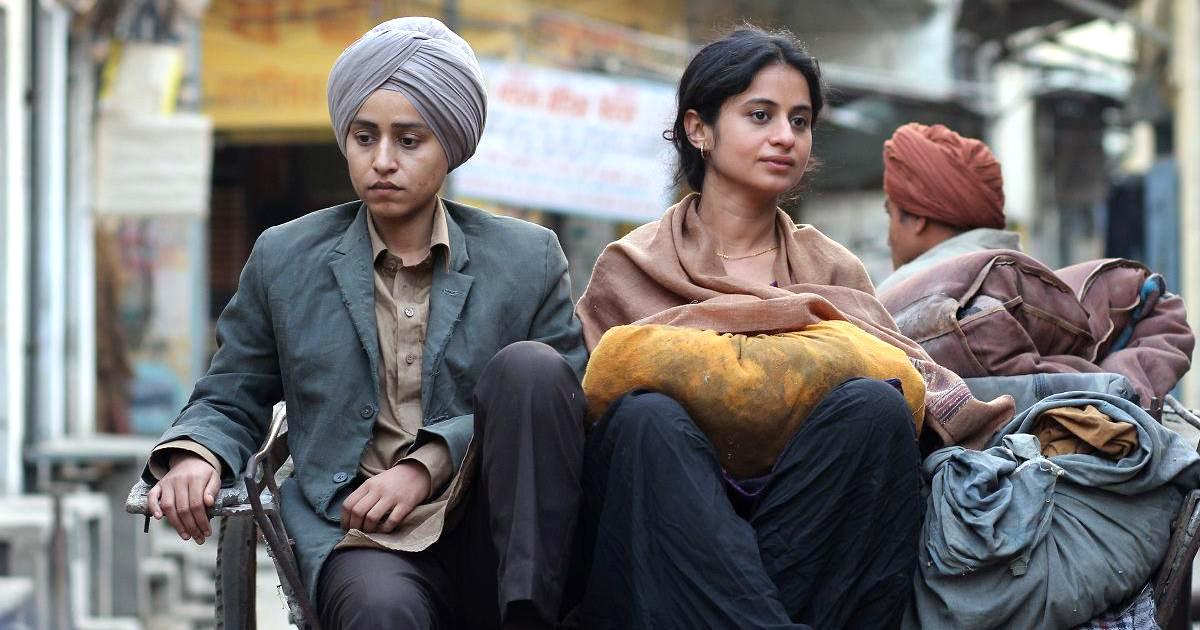
Tillotama
Shome
and
Rasika
Dugal
in
Qissa:
The
Tale
of
a
Lonely
Ghost.
Anup
Singh’s
Qissa:
The
Tale
of
a
Lonely
Ghost
(2013)
happened
before
but
not
many
people
saw
it.
It’s
such
a
beautiful
film
but
even
now,
not
too
many
people
have
seen
it.
Tillotama:
If
it
wasn’t
for
Qissa
I
wouldn’t
be
sitting
here.
For
me,
it
was
a
film
that
made
me
not
quit
acting.
You
were
thinking
of
quitting?
Tillotama:
Absolutely.
I
hadn’t
worked
for
three-and-a-half
years.
I
felt
the
industry
was
based
on
who
you
knew.
I
didn’t
go
to
FTII
(Film
and
Television
Institute
of
India)
and
didn’t
belong
to
a
network.
I
am
a
kind
of
person
who
keeps
to
myself.
Most
of
the
films
I
had
worked
on
were
international
co-productions,
small
parts
and
the
films
were
never
seen
or
released
in
India.
Anup
Singh
offered
me
Qissa.
We
did
the
film
that
we
wanted
to
make
and
it’s
irrelevant
how
many
theatres
it
opened
in.
He
taught
me
so
much.
He
gave
me
tools
I
could
use
in
every
project
after
that.
I
have
worked
with
other
directors
who
have
larger-than-life
personalities
but
Anup
introduced
me
to
Chinese
paintings,
music,
(Japanese
master
Yasujirō)
Ozu’s
films.
He
realised
I
hadn’t
gone
to
film
school
and
was
craving
for
a
sense
of
kinship.
He
became
a
library
that
you
can
walk
in
and
read
for
as
long
as
you
want.
I
think
that’s
what
gave
me
the
courage
to
be
able
to
look
at
every
woman
that
play,
through
the
various
lenses
that
Anup
created
for
me.
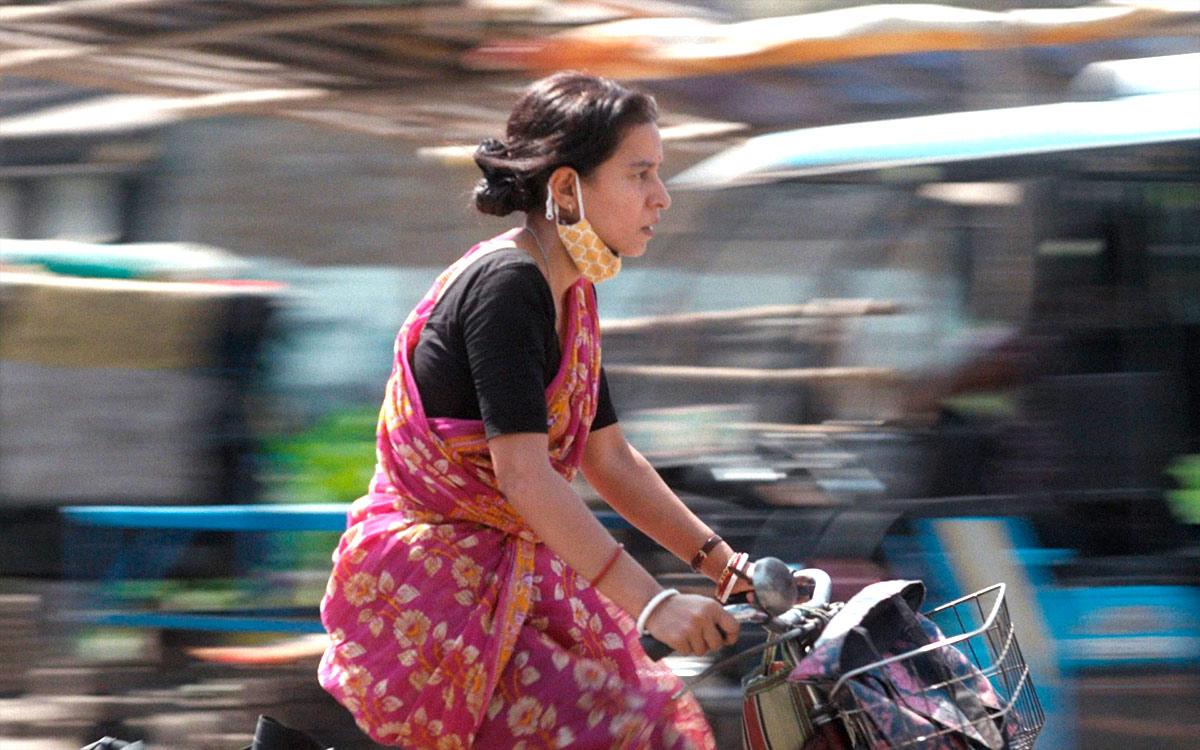
Tillotama
Shome
in
Baksho
Bondi.
You
said
you
had
no
network
when
you
returned
to
India
from
the
US.
But
you
have
a
nice
network
through
Konkona’s
film.
There
is
this
group
of
actors
(Kalki
Koechlin,
Vikram
Massey,
Gulshan
Devaiah
and
even
Baksho
Bondi
producer
Jim
Sarbh)
and
you
all
became
friends.
Tillotama:
We
were
already
friends
but
we
have
grown
up
since
then.
We
call
out
each
other
when
we
are
not
inspired
by
anyone’s
work.
There’s
a
lot
of
honesty
in
this
friendship.
A
form
of
support
which
has
been
very
vital
in
continuing.
But
I
think
Anup
actually
made
me.
It’s
like
a
dog
who
can
sniff
truffle;
he
gave
me
the
ability
to
smell.
So
as
an
actress
you
are
now
in
a
great
space.
Tillotama:
Yes,
for
sure.
Do
you
wear
saris
often?
You
were
so
comfortable
in
saris
in
Baksho
Bondi,
the
way
you
rode
bicycles
or
pushed
things
around.
Then
I
was
thinking
even
Ratna
(Sir)
and
Alice
(Monsoon
Wedding)
wore
saris.
Tillotama:
I
am
very
comfortable
and
also
because
Didi
had
aged
the
saris.
They
were
already
worn
by
women,
and
it
is
a
different
feeling.
When
a
woman
has
worn
a
sari,
she
leaves
an
imprint
on
it.
Tanushree:
The
pink
nightie
she
wears
in
the
film
is
actually
my
mother’s
nightie.
She
was
going
to
throw
it
and
turn
it
into
pocha
(rag).
I
kept
it
aside.
I
had
five-six
nighties
but
we
chose
this
to
go
with
the
palette.
So
even
though
it
is
from
real
life,
it
is
fitted
and
curated
to
work
for
cinema
and
the
visuals.
Tillotama:
I
felt
comfortable
because
the
sari
and
nightie
had
been
worn
100
times
before.
This
is
something
that
one
is
beginning
to
appreciate
as
one
gets
older.
You
are
lucky
enough
to
find
and
touch
something,
an
object,
a
costume,
a
prop
that
has
recorded
the
touch
of
many
people
before.
It’s
great
that
these
roles
are
being
written
for
a
woman
of
your
age
and
someone
who
has
had
life
experience.
I
feel
after
my
mother’s
illness
where
I
became
a
caregiver,
it
was
great
to
get
roles
like
in
Delhi
Crime,
playing
a
woman
who
didn’t
want
to
have
a
child;
Lust
Stories,a
woman
who
is
ashamed
of
her
desires;
Tribhuvan
Mishra
CA
Topper,
a
woman
whose
husband
doesn’t
have
time
to
listen
to
her
needs;
and
Paatal
Lok
2,
a
single
mother
who
has
to
constantly
deal
with
patriarchy.
So
I
feel,
thematically,
I
had
to
be
in
my
40s
to
play
these
women
in
their
40s.
You
wouldn’t
have
managed
to
explain
that
to
me
in
my
20s
and
30s.
I
would
have
said,
Just
give
me
an
audition.
I
will
kill
it.
I
will
kill
it.
But
your
lived
experience
makes
the
deal
real.