‘Social
media
managers,
bouncers,
their
catering
department
people…
they
tell
the
actor
whether
he
should
do
a
film
or
not.’

Salman
Khan’s
big
Eid
release
Sikandar
was
meant
to
give
the
Bollywood
box
office
the
hit
it
craves.
But
its
dwindling
collections
have
raised
serious
concern
and
trade
analysts
like
Taran
Adarsh
and
Komal
Nahta
speak
out.
“Today’s
actors
live
in
a
bubble,
disconnected
from
reality,”
Taran
Adarsh
tells
ANI.
“The
industry
needs
to
return
to
authentic
storytelling
and
audience
connection
if
it
wants
to
revive
its
golden
days.
“The
number
of
successful
films
was
much
higher
earlier.
Today,
for
every
one
successful
movie,
about
eight
to
10
films
fail
in
sequence.
This
is
a
concerning
trend
for
the
Hindi
film
industry,”
he
said.
The
state
of
the
Hindi
film
industry,
he
added,
is
bad
“because
films
often
fail
to
connect
with
the
common
audience.
This
is
why
cinema
halls
are
running
empty.
One
major
reason
is
that
the
industry
is
not
giving
audiences
what
they
truly
want.”/p>
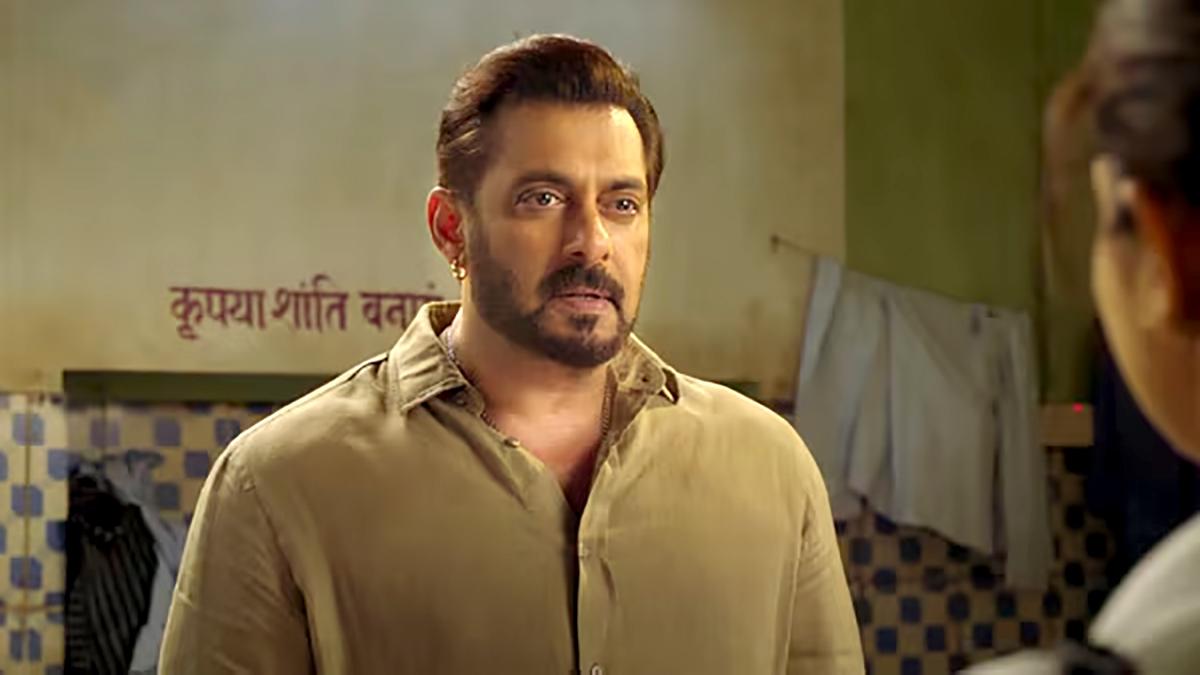
Taran
Adarsh
reflected
on
the
latest
pattern
of
Hindi
films
and
said
that
most
movies
are
flopping
because
they
are
metro-centric
in
nature
and
lack
entertainment
for
the
mass
audience.
“We
are
making
films
keeping
the
cities
in
mind.
Mumbai,
Delhi,
Kolkata,
Bangalore
and
Hyderabad.
What
should
the
majority
audience
see?
The
mass
belts,
the
Hindi
circuit,
what
should
they
see?
They
want
to
see
films
full
of
local
entertainment,”
said
Adarsh.
He
cited
the
example
of
the
Allu
Arjun
starrer
Pushpa
and
the
Rajkummar
Rao
starrer
Stree‘s
box
office
collections
to
attribute
the
location
factor
as
one
of
the
reasons
for
the
film’s
success
in
Bollywood.
“Pushpa,
why
did
you
do
so
much
business?
Why
did
Stree
do
so
much
business?
Before
that,
Jawan,
Pathan,
Animal
or
Gadar.
Why
were
they
so
successful?
Or
recently,
Chhaava.
It
is
going
close
to
Rs
600
crore
(Rs
6
billion
“The
main
reason
is
that
the
audience
is
happy
to
see
that
film.
But
if
you
don’t
make
good
films,
you
can’t
expect
the
audience
to
break
into
cinemas
and
your
film
to
be
successful,”
said
Adarsh.
He
also
highlighted
the
growing
influence
of
social
media
managers
and
other
staff
members
of
actors,
which
has
impacted
the
film
selection
by
celebrities.
“Earlier,
the
producer
or
director
would
tell
their
story
to
the
actors.
In
the
1970s
and
80s,
we
used
to
go
and
meet
people.
Today,
there
are
25
people
surrounded.
Social
media
managers,
bouncers,
their
entire
staff,
their
catering
department
people…
they
listen
to
these
stories
today
and
they
tell
the
actor
whether
he
should
do
it
or
not,”
said
Taran
Adarsh.
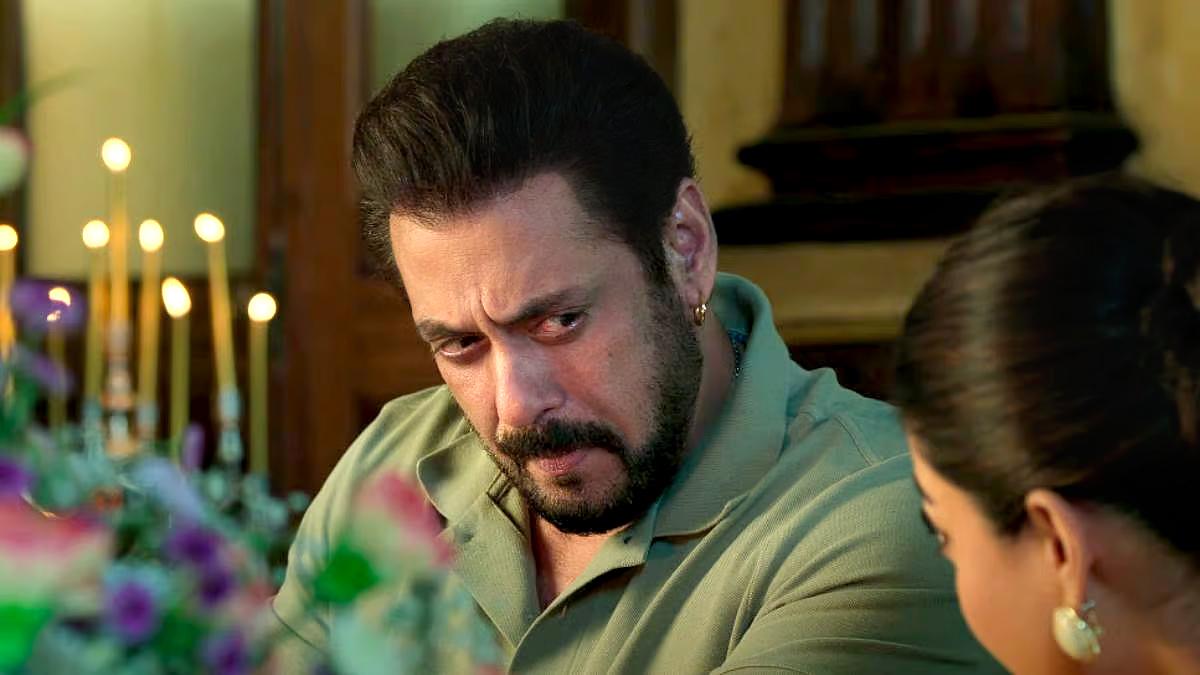
Komal
Nahta
attributes
another
reason
for
the
films’
poor
box
office
collections.
“The
laziness
of
scriptwriters
is
the
only
reason
for
the
series
of
Bollywood
films
flopping,”
he
says.
“The
lack
of
passion
among
scriptwriters
is
the
reason
for
the
downfall
of
good
stories
in
Bollywood.
Nowadays,
writers
don’t
revise
or
rehash
their
stories
as
they
expect
their
first
draft
to
be
accepted
as
the
final
draft.”
While
citing
the
example
of
Director
Rajkumar
Hirani
and
Writer
Abhijat
Joshi,
Nahta
highlighted
the
passion
for
writing
in
successful
filmmakers
to
produce
good
stories.
“Rajkumar
Hirani
and
Abhijat
Joshi,
their
writing
team,
they
said
that
how
many
times
we
have
written
80
percent
of
the
script
and
said
it
is
not
working,
let’s
cancel
it.”
“This
is
script
writing,
and
this
is
passionate
filmmaking.
If
you
think
that
what
I
have
written
is
right,
then
the
public
will
not
necessarily
accept
what
you
have
written
or
the
film
that
you
have
made;
they
will
like
it.
You
have
got
to
be
honest
to
yourself.”