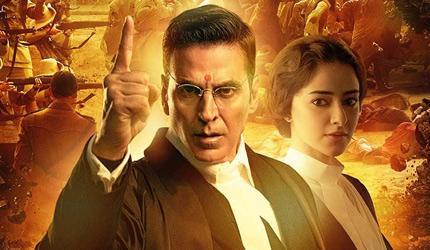
The
grilling
of
Brigadier
Dyer
by
Akshay
Kumar’s
Sir
C
Sankaran
Nair,
as
shown
in
Kesari
2,
is
an
imaginary
sequence,
proves
Utkarsh
Mishra.
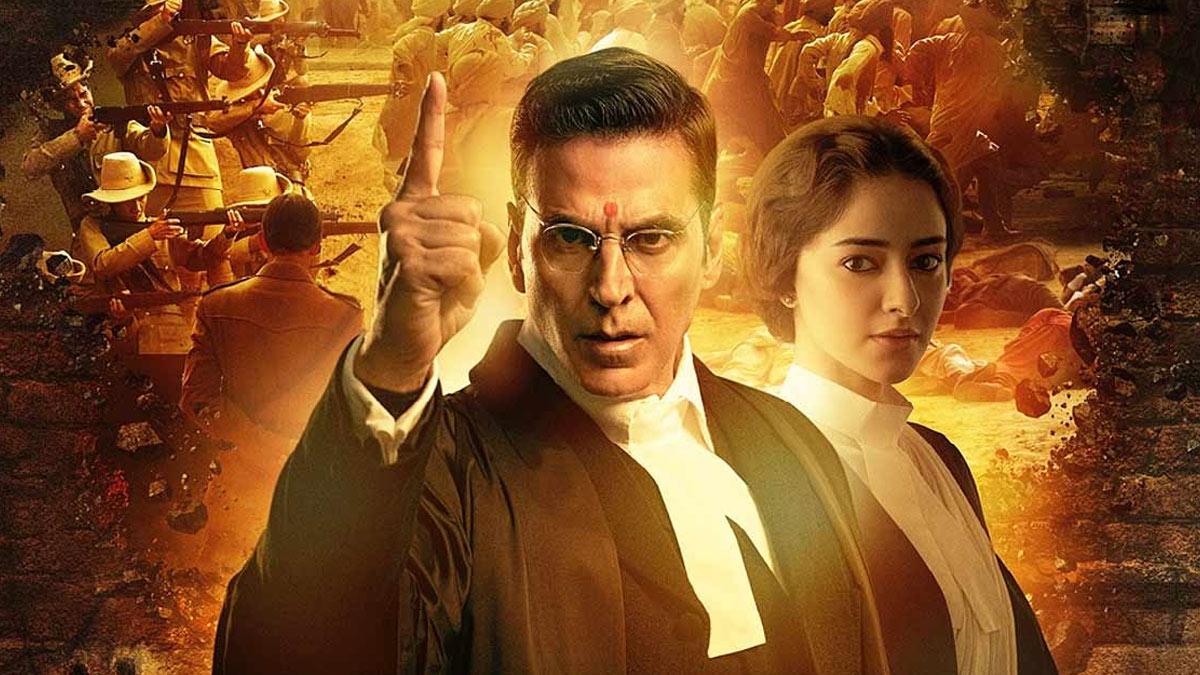
Akshay
Kumar
and
Ananya
Panday
in
Kesari
2.
Akshay
Kumar’s
Kesari
2
has
suddenly
invigorated
broader
interest
in
the
life
of
Sir
C
Sankaran
Nair,
eminent
jurist
and
former
president
of
the
Indian
National
Congress.
Even
before
its
release
on
April
18,
the
film
has
found
an
admirer
in
Prime
Minister
Narendra
Modi
who
hailed
Nair
in
a
recent
speech
and
chastised
the
Congress
for
‘keeping
his
contribution
in
the
dark.’
Congress
MP
Shashi
Tharoor
appreciated
the
fact
that
a
film
has
been
made
on
the
life
of
Sir
Shankaran.
The
film’s
trailer
was
released
on
April
3.
It
shows
Akshay
Kumar,
playing
Sir
Shankaran,
deciding
to
‘sue
the
Empire
for
genocide’
in
the
aftermath
of
the
Jallianwala
Bagh
massacre
of
1919.
The
trailer
goes
on
to
show
Kumar’s
Nair
grilling
Brigadier
General
Reginald
Dyer
in
the
courtroom
for
ordering
his
troops
to
open
fire
on
the
unarmed
crowd
gathered
at
Jallianwala
Bagh,
while
Dyer
defends
his
action,
calling
the
assembly
a
group
of
‘terrorists’.
R
Madhavan
plays
the
lawyer
‘defending
the
Empire’.
The
movie
is
based
on
the
book
The
Case
That
Shook
the
Empire
by
Raghu
Palat,
a
great-grandson
of
Sir
Shankaran,
and
Pushpa
Palat.
The
authors
have
been
actively
sharing
posts
related
to
the
movie
on
their
social
media.
(Other
grandchildren
include
Lieutenant
General
K
P
Candeth,
Western
Army
commander
during
the
1971
War,
former
foreign
secretaries
K
P
S
Menon
Jr
and
Shiv
Shankar
Menon.)
While
it
is
customary
for
Hindi
movies
to
offer
a
dramatised
or
alternative
view
of
history,
Kesari
2
goes
a
step
further.
Contrary
to
what
is
shown
in
the
trailer,
Sir
Sankaran
Nair
never
‘sued
the
Empire
for
genocide’.
The
case
he
fought
was
filed
against
him
by
Michael
O’Dwyer,
lieutenant
governor
of
Punjab
from
May
1913
to
May
1919.
It
was
a
defamation
suit
filed
by
O’Dwyer
against
Nair
in
1922,
over
the
latter’s
book
Gandhi
and
Anarchy,
in
which
he
held
the
lieutenant
governor
responsible
for
the
atrocities
in
Punjab.
The
case
went
on
for
two
years
in
the
King’s
Bench
Division
of
the
high
court
in
London
and
resulted
in
the
jury
deciding
against
Nair
by
an
11-1
verdict.
Although
General
Dyer’s
conduct
in
Punjab
in
April
1919
was
a
major
part
of
the
trial,
he
never
appeared
in
the
courtroom
on
account
of
his
health.
As
described
by
the
Palats
in
their
book,
although
Nair
lost
—
a
predetermined
outcome
given
the
odds
against
him
—
the
case
was
a
moral
victory
because
it
was
widely
reported
in
both
British
and
Indian
newspapers
and,
for
the
first
time,
brought
the
grotesque
details
of
the
Punjab
atrocities
into
the
public
eye.
Thus,
while
O’Dwyer
won
the
defamation
suit,
he
lost
his
reputation
among
the
people
at
large.
Who
Was
Sir
C
Sankaran
Nair?

Sir
C
Sankaran
Nair.
Photograph:
Kind
courtesy
National
Portrait
Gallery,
London/Wikimedia
Commons
Chettur
Sankaran
Nair
was
born
on
July
11,
1857,
during
India’s
First
War
of
Independence,
in
Mankara
village
of
Malabar
district,
which
was
then
part
of
the
Madras
Presidency
(now
in
Palakkad,
Kerala).
His
father
Ramuni
Panicker
was
a
tehsildar,
the
highest
post
open
to
an
Indian
at
the
time.
Sankaran
was
the
third
of
his
seven
children.
The
Panickers
provided
arms
and
athletic
training
to
the
Nair
youth
of
the
village.
After
completing
his
schooling
in
Angadipuram,
Cannanore
(Kannur)
and
Calicut
(Kozhikode),
Nair
joined
Presidency
College
in
Madras,
from
where
he
completed
his
BA
in
History
and
English
and
joined
the
Law
College.
He
became
a
lawyer
at
the
Madras
high
court
in
March
1880.
He
soon
became
involved
in
public
life
and
attended
the
1887
session
of
the
Indian
National
Congress
in
Madras.
A
decade
later,
he
presided
over
the
Amravati
Congress,
becoming
the
youngest
president
of
the
party,
a
record
he
held
until
1929,
when
Jawaharlal
Nehru
was
elected
president
at
the
Lahore
Congress.
Nair
was
the
first
Indian
to
be
permanently
appointed
as
the
Advocate
General
of
Madras
in
1906.
He
served
in
that
role
until
1908,
after
which
he
became
a
permanent
judge
at
the
high
court.
He
was
knighted
in
1912
and
in
1915
—
while
the
Great
War
was
underway
—
was
appointed
a
member
of
the
Viceroy’s
Executive
Council.
He
resigned
from
the
Council
in
1919
after
the
Jallianwala
Bagh
massacre.
Punjab
in
1919
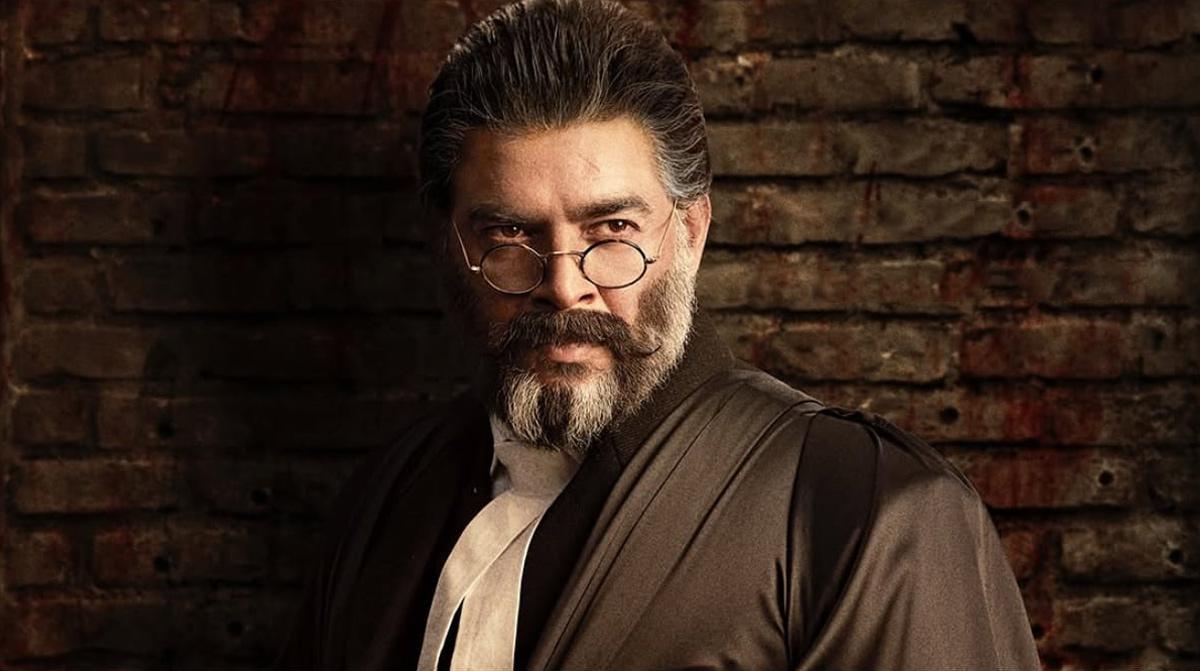
R
Madhavan
in
Kesari
2.
During
the
Great
War,
while
India
was
reeling
under
poverty
and
a
shortage
of
essential
goods,
forced
recruitment
into
the
British
Indian
Army
was
rampant.
In
Punjab,
this
effort
was
led
by
Lieutenant
Governor
O’Dwyer,
who
made
it
a
matter
of
prestige
to
provide
the
greatest
number
of
recruits
from
his
province.
His
overzealousness
resulted
in
horrific
atrocities
inflicted
on
village
after
village.
Those
who
resisted
were
punished
in
the
most
inhumane
manner.
While
Indians
were
hopeful
that
their
contributions
during
the
war
would
pave
the
way
for
self-government,
what
they
received
was
the
extension
of
the
government’s
emergency
powers
through
the
Rowlatt
Act
of
1919.
The
Act
led
to
widespread
protests
in
Punjab,
which
O’Dwyer
interpreted
as
a
‘conspiracy
to
overthrow
the
Empire’.
He
gagged
the
press
and
halted
the
circulation
of
newspapers.
On
April
10,
policemen
fired
upon
a
rally
of
unarmed
protesters,
killing
several.
This
led
to
angry
protests
across
the
town,
during
which
several
government
buildings
were
set
on
fire
and
Europeans
were
attacked.
O’Dwyer
promptly
declared
martial
law
in
the
province,
handing
over
control
to
the
military.
Thus,
Brigadier
General
Dyer
arrived
in
Amritsar.
What
happened
after
that
is
all
too
well
known.
Gandhi
and
Anarchy
As
the
news
of
events
in
Punjab
reached
him,
Nair
decided
to
resign
from
the
Viceroy’s
Executive
Council.
But
he
was
urged
by
Motilal
Nehru,
C
F
Andrews
and
Annie
Besant
to
continue
and
‘advance
India’s
cause
from
within
the
Council’.
He
remained
in
the
Council
until
July
1919.
On
learning
that
the
Viceroy,
Lord
Chelmsford,
had
approved
the
government’s
actions
in
Punjab
and
had
treated
Andrews
ignominiously,
Nair
finally
tendered
his
resignation.
In
1922,
Nair
published
his
book
Gandhi
and
Anarchy,
in
which
he
criticised
Mahatma
Gandhi’s
methods
of
non-cooperation,
arguing
that
one
should
resort
to
boycott
only
after
all
constitutional
methods
are
exhausted.
Calling
Gandhi
‘the
biggest
opponent
of
the
struggle
for
Indian
home
rule’,
Nair
declared
that
his
methods
would
lead
to
more
bloodshed
and
chaos,
making
peaceful
resolution
impossible.
However,
in
the
chapter
titled
The
Punjab
Atrocities,
he
wrote:
‘Before
the
reforms
(referring
to
the
Montagu-Chelmsford
Reforms
of
1919),
under
a
Lieutenant-Governor
—
a
single
individual
—
the
atrocities
in
the
Punjab
which
we
know
only
too
well
could
be
committed
almost
with
impunity.’
O’Dwyer
took
exception
to
this
passage
and,
claiming
it
was
libellous,
demanded
an
apology
from
Nair.
His
request
was
promptly
refused,
and
he
filed
a
defamation
suit
in
the
high
court
of
London.
The
Trial
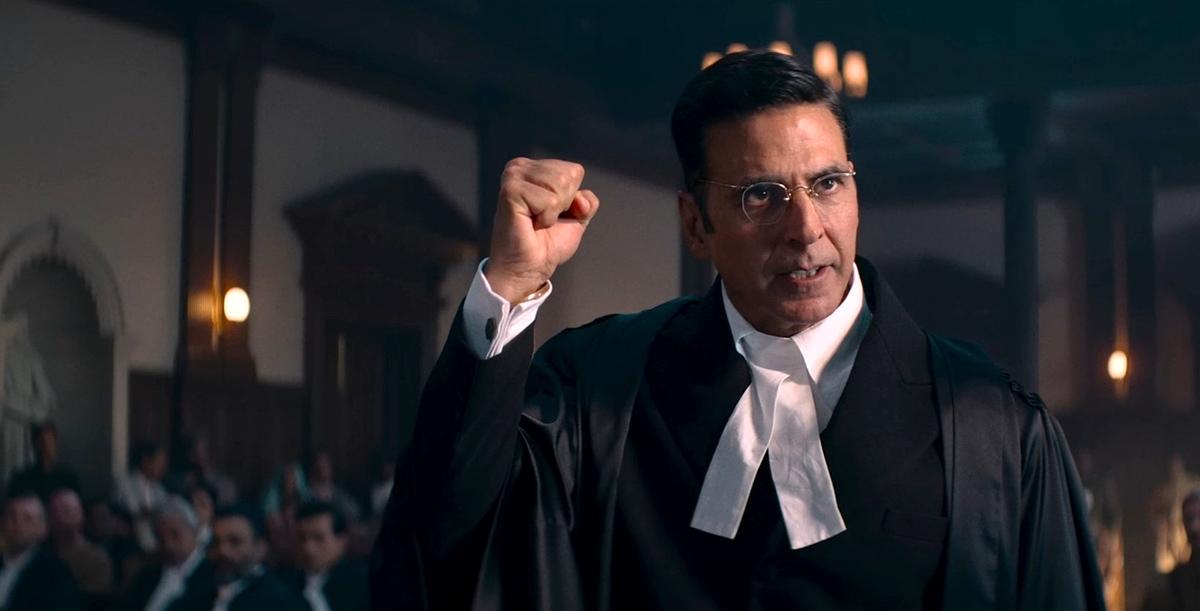
Akshay
Kumar
in
Kesari
2.
Nair
was
one
of
the
most
illustrious
Indian
jurists
of
his
time,
and
a
lawsuit
could
not
deter
him.
Contrary
to
what
is
shown
in
the
Kesari
2
trailer,
Nair
did
not
conduct
his
own
defence.
He
approached
three
acclaimed
barristers
to
represent
him
and
finally
settled
on
Sir
Walter
Schwabe,
a
former
chief
justice
of
the
Madras
high
court.
Nonetheless,
the
odds
were
heavily
stacked
against
him.
He
was
to
fight
an
Englishman
in
an
English
court,
where
an
all-English
jury
was
most
likely
to
favour
his
opponent.
To
make
matters
worse,
the
case
was
heard
by
a
highly
opinionated
judge
who
openly
defended
Dyer’s
conduct
in
Amritsar
and
repeatedly
interrupted
the
defence
counsel
to
assert
that
the
actions
of
O’Dwyer
and
Dyer
had
saved
European
lives
and
the
Empire.
He
even
said
that
the
action
taken
against
Dyer
was
unjust.
Dyer
had
been
relieved
of
service
following
the
report
by
the
Hunter
Commission,
which
had
investigated
the
events
in
Punjab.
He
was
also
rebuked
by
then
Secretary
of
State
for
India
Edwin
Montagu,
and
the
British
Parliament.
Even
a
man
like
Winston
Churchill
countered
Dyer’s
claim
that
he
was
confronted
by
a
revolutionary
army
at
Jallianwala
Bagh,
asking
sarcastically:
‘What
is
the
chief
characteristic
of
an
army?
Surely
it
is
that
it
is
armed.
This
crowd
was
unarmed.
It
was
not
attacking
anybody
or
anything.’
However,
Nair
writes
in
his
autobiography
—
quoted
by
the
Palats
in
their
book
—
that
‘Dyer’s
actions
were
completely
irrelevant
to
the
trial.’
Still,
the
judge’s
open
defence
of
Dyer’s
conduct
an
integral
part
of
the
proceedings.
That
notwithstanding,
while
senior
officials
—
from
former
Viceroy
Lord
Chelmsford
to
General
Sir
William
Beynon,
the
General
Officer
Commanding
the
16th
(Indian)
Division
in
Lahore
—
were
called
to
testify,
Dyer
was
excused
due
to
ill
health.
Thus,
the
grilling
of
Dyer
by
Nair,
as
shown
in
Kesari
2,
is
purely
an
imaginary
sequence.
Apart
from
a
hostile
judge
and
jury,
Nair’s
case
was
also
weakened
by
the
fact
that
most
of
his
witnesses
were
common
people
from
Punjab
who
could
not
appear
before
a
court
in
London.
Only
their
written
testimonies
were
read
out
to
the
jury.
Nair
was
thus
playing
a
game
heavily
rigged
against
him.
The
outcome
was
not
surprising.
All
but
one
member
of
the
jury
decided
in
O’Dwyer’s
favour,
and
Nair
was
held
guilty
of
defamation.
However,
since
the
verdict
was
not
unanimous,
it
fell
upon
the
parties
to
accept
the
majority
verdict
to
avoid
a
retrial.
Both
parties
were
exhausted
by
the
two-year-long
proceedings,
and
O’Dwyer
dropped
his
demand
for
an
apology.
He
also
limited
the
damages
to
500
pounds.
Nair
fought
this
battle
because
he
refused
to
apologise.
Now
that
the
demand
for
an
apology
was
dropped,
he
had
no
problem
accepting
a
majority
verdict,
even
if
it
went
against
him.
But
even
in
this
loss,
he
saw
a
moral
victory.
The
world
now
knew
what
had
happened
in
Punjab
in
1919,
details
that
had
remained
obscure
despite
the
publication
of
the
Hunter
Committee
report
and
the
one
by
the
Indian
National
Congress.