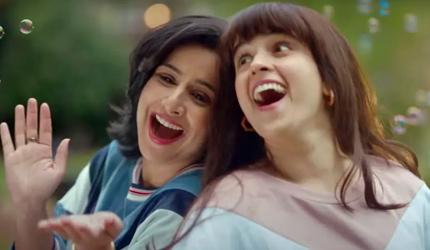
Today’s
Hindi
film
mothers
are
younger,
trendier,
more
mischievous.
But,
truth
be
told,
says
Dinesh
Raheja,
I
still
do
miss
sometimes
the
comforting
presence
of
the
trad
mother.
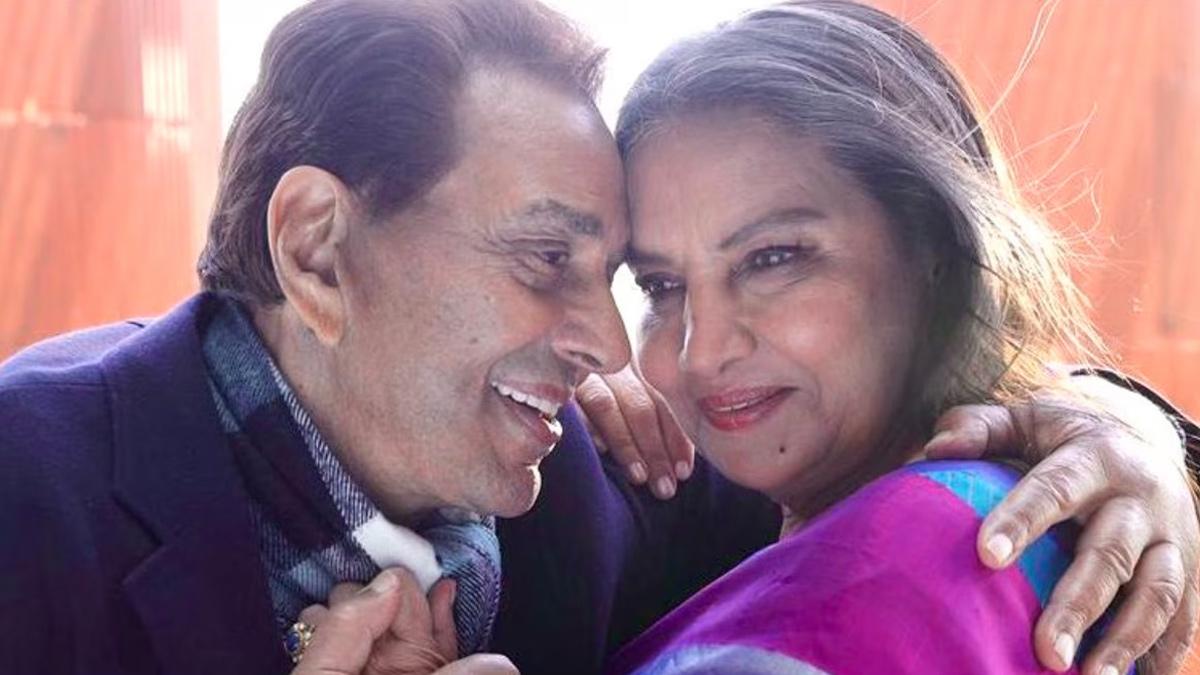
Dharmendra
and
Shabana
Azmi
in
Rocky
Aur
Rani
Ki
Prem
Kahani.
There
was
a
time
when
the
Hindi
screen
mother
was
an
adoring
and
adorable
symbol
of
love,
benevolence
and
sacrifice,
but
was
robbed
of
any
shade
or
semblance
of
romance.
If
her
husband
dared
make
the
slightest
amorous
move,
she
would
elbow
him
sharply
in
the
ribs
with
the
famous
admonition:
‘Chhodo.
Bachhe
dekh
lenge!’
Contrast
this
with
the
recent
Rocky
Aur
Rani
Ki
Prem
Kahani
in
which
the
leading
lady’s
grandmother
(played
by
Shabana
Azmi)
rekindles
her
extramarital
passion
for
the
leading
man’s
grandfather
(played
by
Dharmendra)
and
shares
a
kiss
with
him
too.
Also
consider
Badhaai
Ho,
whose
plot
pivots
around
the
middle-aged
pregnancy
of
the
protagonist’s
mother
(played
by
Neena
Gupta).
The
Hindi
screen
mom
has
evidently
witnessed
a
sea
change
in
recent
years.
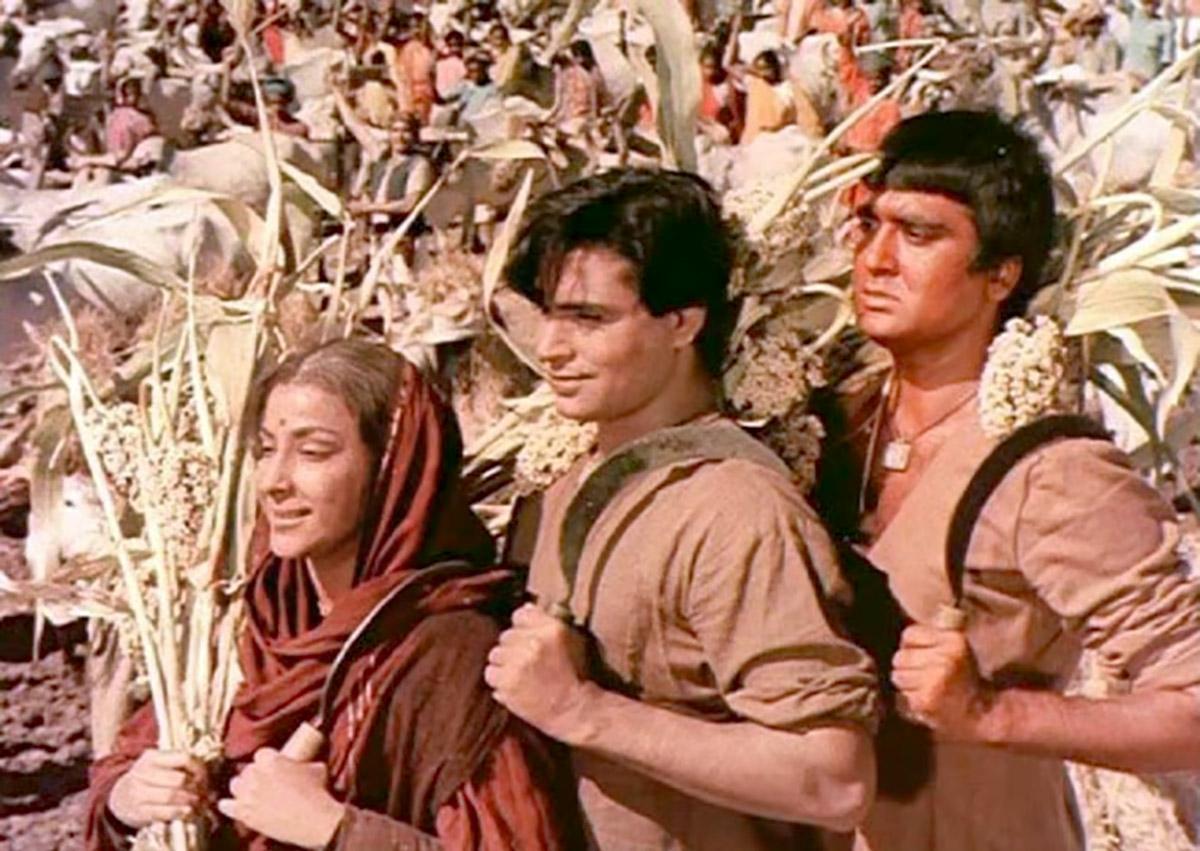
Nargis
with
Rajendra
Kumar
and
Sunil
Dutt
in
Mother
India.
For
years,
she
was
cast
in
the
doting
Mother
India
mould,
alternatively
stoic
and
teary-eyed
when
faced
with
inevitable
tragedy
in
the
plotline.
But
repeated
iterations
of
this
trope
led
to
it
tipping
into
melodrama
and
cliché.
The
screen
mother
became
well-known
for
spouting
platitudinous
dialogue
that
was
instantly
recognisable.
One
of
the
most
famous
being:
‘Beta,
haath
munh
dhokar
aaja,
maine
apne
haathon
se
gajar
ka
halwa
banaya
hai.’
The
mother
as
the
prime
provider
of
nourishment
is
a
strain
that
runs
through
our
classics.
In
Mehboob
Khan’s
Anmol
Ghadi
(1946),
Leela
Mishra
works
her
fingers
to
the
bone
but
feeds
her
romance-addled
adult
son
(Surendra)
with
her
own
hands
and
says,
‘Khana
kha
le,
beta.
Soch
kya
raha
hai?‘
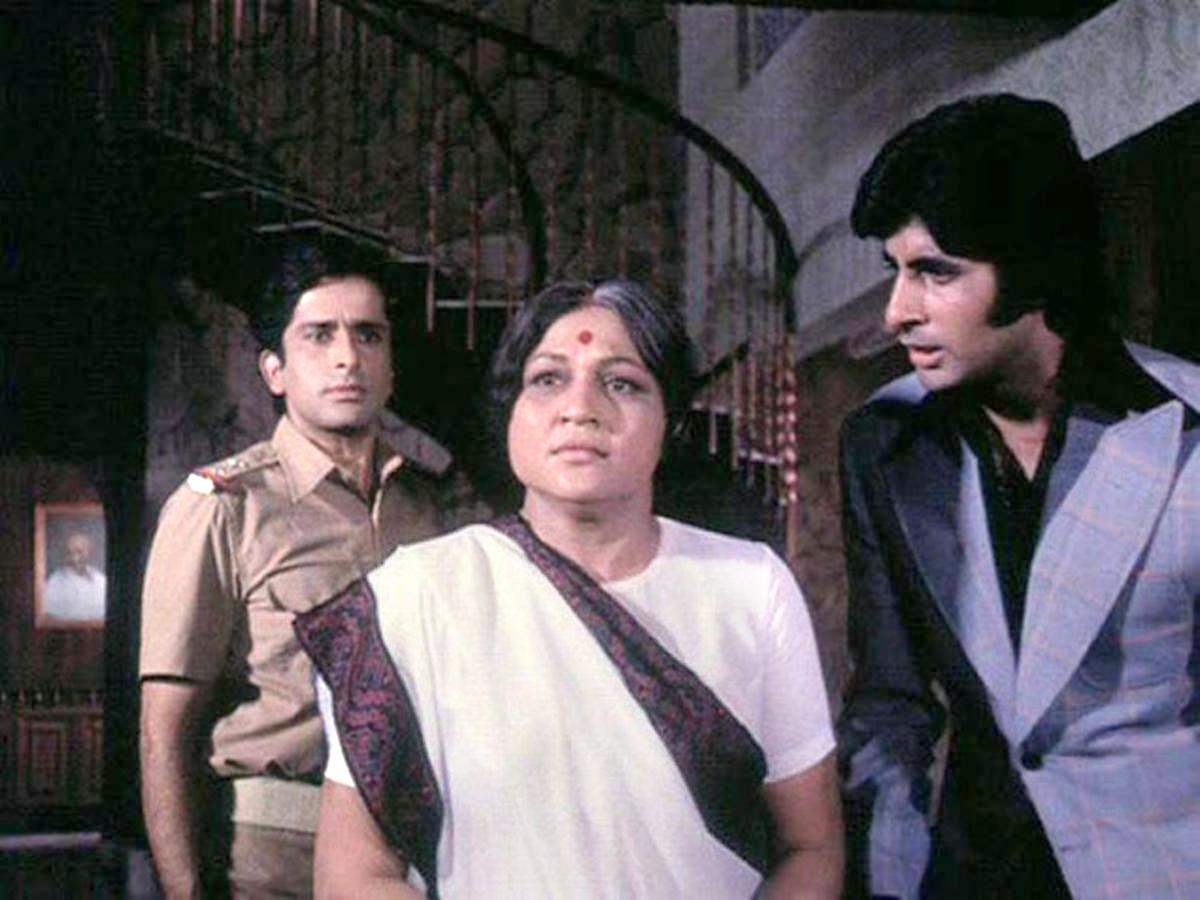
Shashi
Kapoor,
Amitabh
Bachchan
and
Nirupa
Roy
in
Deewar.
In
Guide
(1966),
Dev
Anand
is
adult
enough
to
have
a
live-in
relationship
with
a
married
dancer
but
after
a
spat
with
his
mother,
Leela
Chitnis,
spouts
the
familiar:
‘Maa,
bhookh
lagi
hai;
khana
do.’
Nirupa
Roy
became
the
screen
embodiment
of
the
mother
figure
thanks
to
roles
like
Deewar
(1975)
in
which
she
scolds
her
policeman
son,
Shashi
Kapoor,
with
‘Chal,
nahakar
kapde
badal
le‘
and
he
counters:
‘Maa,
khana
jaldi
milna
chahiye.’
Another
well-worn
dialogue
is
to
have
the
mother
preening:
‘Mera
beta
phir
first
class
first
aaya
hai!‘
Remember
Lalita
Pawar
in
Sangam
(1964)
exhorting
son
Rajendra
Kumar:
‘Apne
pita
ko
pranaam
kar.
Tum
magistrate
ho
gaye
ho‘
before
turning
to
a
portrait
of
a
ceremoniously
dressed
man:
‘Dekhiye
aaj
aap
ki
murad
puri
ho
gayee.’
Variations
in
other
films
would
have
the
mother
saying,
‘Aaj
tere
pita
zinda
hote
toh
kitna
khush
hote.’
The
traditional
screen
mother
was
always
a
paragon
of
virtue,
as
in
Waqt
(1965).
Son
Shashi
Kapoor
extolls
Achla
Sachdev’s
struggles
with:
‘Tumne
din-raat
mehnat
ki,
kapde
seeye.
Lekin
mujhe
padhaya
likhaya.’
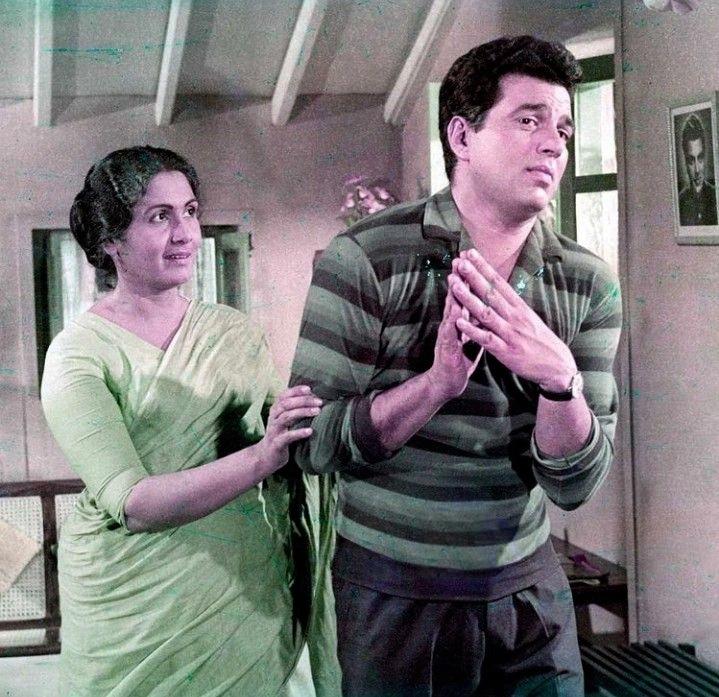
Dharmendra
and
Sulochana
in
Aaye
Din
Bahar
Ke.
Dharmendra
in
Aaye
Din
Bahar
Ke
(1966)
is
similarly
grateful
to
his
mother
Sulochana
and
says
the
familiar
‘Main
toh
tumhari
pooja
karoonga‘.
Which
inevitably
leads
to
Sulochana
telling
her
blushing
son,
‘Ek
sundar
si
bahu
le
aa.
Is
aangan
mein
ek
nanha
munna
khele.’
Screen
mothers
could
say
with
total
conviction:
‘Meri
umar
bhi
tujhe
lag
jaaye‘,
but
were
not
above
emotional
blackmail
too
with
the
much-dreaded:
‘Kya
issi
din
ke
liye
tujhe
paal-posh
ke
bada
kiya
tha?‘
Historically,
the
mother
was
exalted
to
the
skies
in
paeans
like
‘Meri
duniya
hai
maa
tere
anchal
mein‘
and
‘Aye
maa
teri
soorat
se
alag
Bhagwan
ki
surat
kya
hogi.’
A
more
down-to-earth
approach
to
the
mother’s
character
began
formulating
with
Raj
Kapoor’s
Bobby
(1973)
and
Dev
Anand’s
Hare
Rama
Hare
Krishna
(1972).
Sonia
Sahni
and
Achla
Sachdev
were
high-society
mothers
who
frequented
clubs
and
neglected
their
children
(Rishi
Kapoor,
Zeenat
Aman)
but
were
presented
as
victims
of
circumstances,
not
shaded
dark.
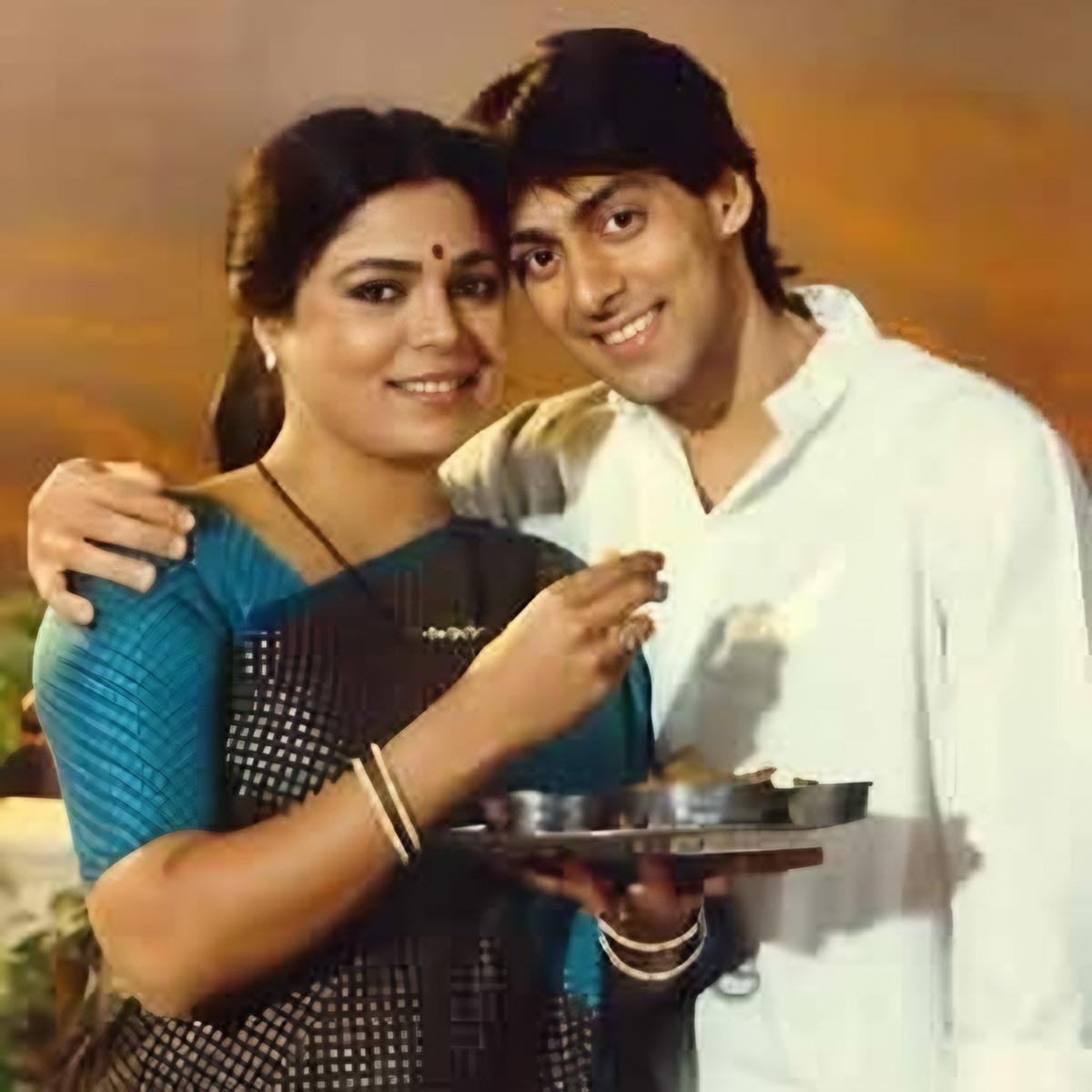
Reema
Lagoo
and
Salman
Khan
in
Maine
Pyar
Kiya.
Today,
the
cliches
uttered
by
old
world
mothers
have
all
gone
the
way
of
the
dodo.
They
would
appear
corny
to
the
audience
now.
Reema
Lagoo’s
roles
in
Sooraj
Barjatya’s
Maine
Pyar
Kiya
(1989)
and
Mahesh
Bhatt’s
Aashiqui
(1990)
brought
about
changes
which
run
deep.
This
still-youthful
mother
related
to
her
screen
sons
as
a
mother
and,
more
pertinently,
a
friend.
As
the
vengeful
matriarch
in
Ram
Lakhan
(1989)
and
Karan
Arjun
(1995),
Raakhee
tried
to
seek
more
agency
even
if
it
was
through
her
sons.
The
last
vestiges
of
the
trad
mom
was
seen
in
Kabhi
Khushi
Kabhie
Gham
(2001)
in
which
Jaya
Bachchan
has
a
prescient
sense
of
her
son
Shah
Rukh
Khan’s
presence.
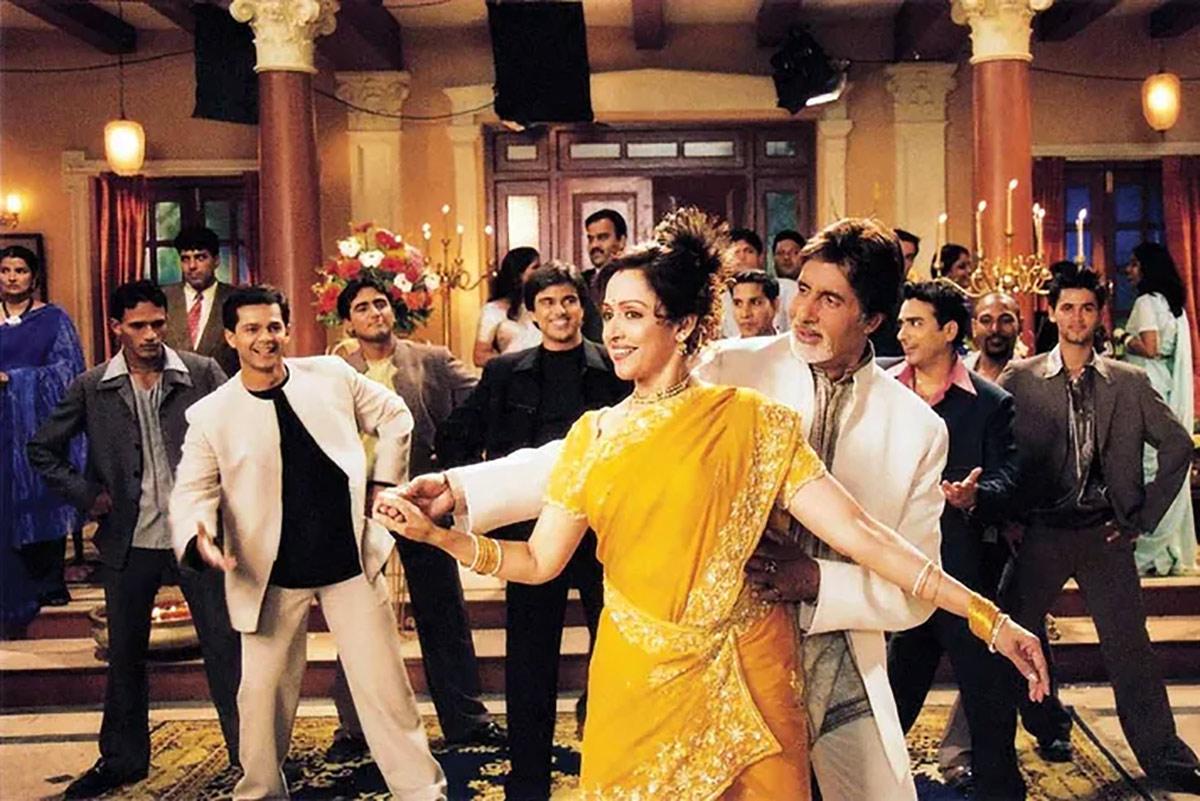
Nasir
Khan,
Samir
Soni,
Sahil
Chadha,
Hema
Malini
and
Amitabh
Bachchan
in
Baghban.
In
the
new
millennium,
the
mould
has
been
conclusively
broken,
most
glaringly
in
the
visual
department.
Mothers
are
no
longer
dressed
in
widow
whites
or
dowdy
cottons
but
strive
to
look
hip
and
happening.
When
Hema
Malini
looked
stunning
in
elegant
saris
while
playing
mother
to
four
grown
sons
in
Baghban
(2003),
people
woke
up
to
a
new
sartorial
reality.
It
has
become
a
common
sight
to
see
Jaya
Bachchan
wearing
western
outfits
as
Preity
Zinta’s
mother
in
Kal
Ho
Naa
Ho
(2003),
Neetu
Singh
outfitted
in
smart
casuals
as
Varun
Dhawan’s
‘mummy’
in
Jugg
Jugg
Jiyo
(2022)
and
Shefali
Shah
sport
designer
wear
as
Ranveer
Singh’s
‘mamma’
in
Dil
Dhadakne
Do
(2015).
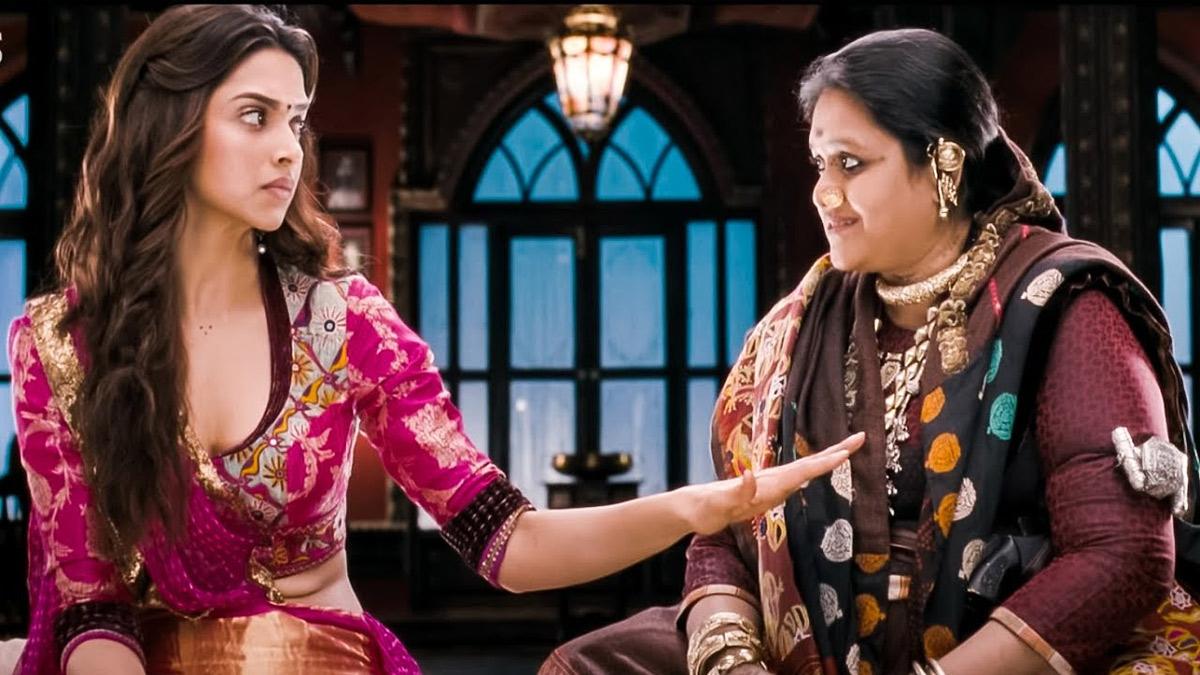
Deepika
Padukone
and
Supriya
Pathak
in
Goliyon
Ki
Raasleela
Ram-Leela.
Screen
mothers
can
also
spring
a
surprise
and
turn
out
to
be
toxic
nowadays.
In
Luck
By
Chance
(2009),
Dimple
Kapadia
plays
the
leading
lady’s
ambitious
mother
and
is
described
as
a
‘crocodile
in
a
chiffon
sari.’
In
Goliyon
Ki
Raasleela
Ram-Leela
(2013),
a
steely
Supriya
Pathak
chops
off
her
daughter
Deepika
Padukone’s
digit
to
enforce
a
point!
Nor
is
the
screen
mother
safe
from
being
spoofed.
3
Idiots
(2009)
presented
a
tragicomic
look
at
Sharman
Joshi’s
mother’s
travails,
and
Kirron
Kher
gleefully
spoofed
the
melodramatic
excesses
of
film
mothers
in
Om
Shanti
Om
(2007)
and
Dostana
(2008).
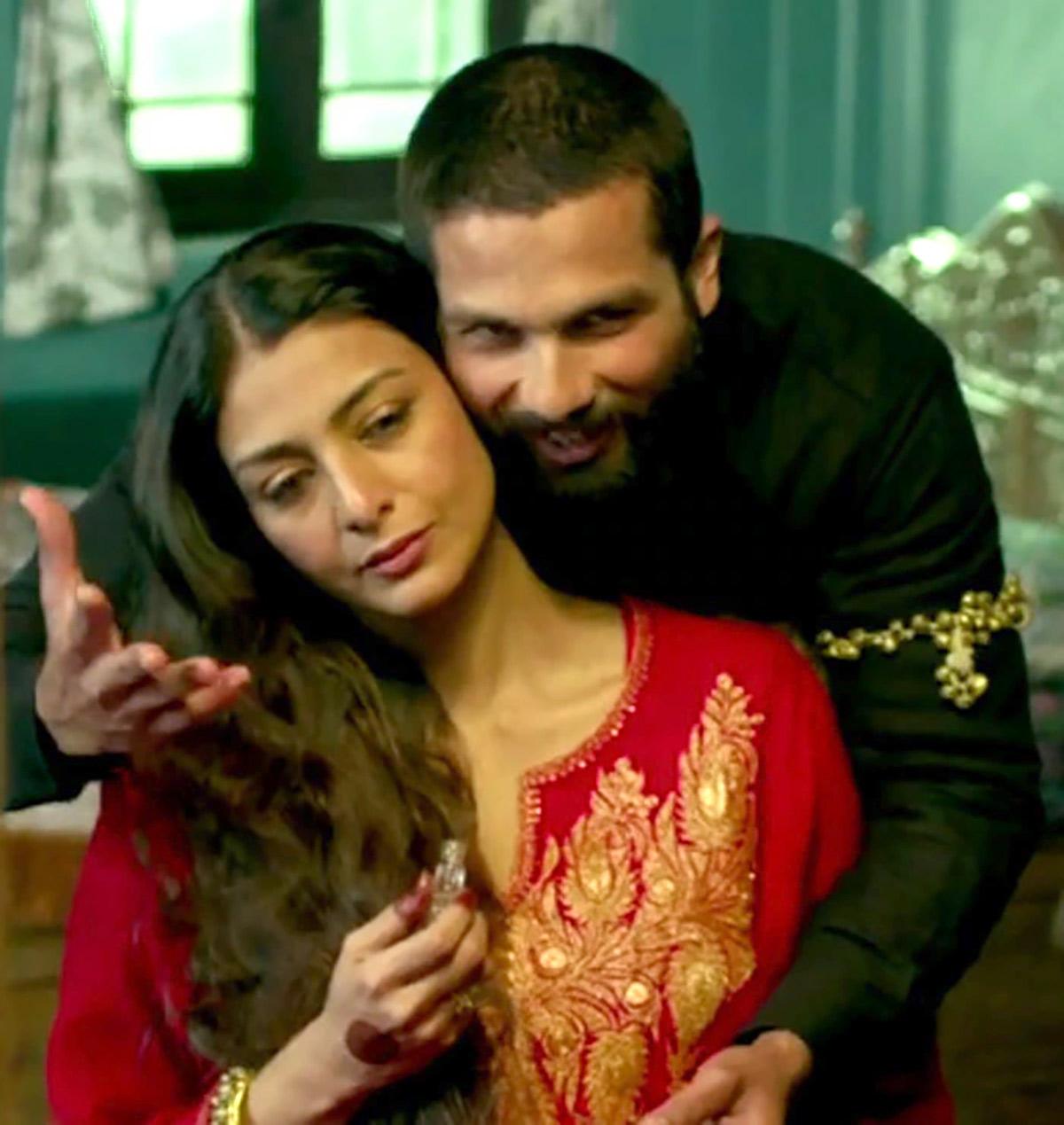
Shahid
Kapoor
and
Tabu
in
Haider.
Contemporaneous
screen
moms
can
have
their
own
romantic
lives.
Shahid
Kapoor
finally
makes
peace
with
his
mother’s
(Divya
Seth’s)
affair
in
Jab
We
Met
(2007)
but
is
unable
to
do
the
same
in
Haider
(2014)
when
his
mother
(Tabu)
remarries.
Amusingly,
they
can
also
come
up
with
toe-curlingly
embarrassing
sex
advice
as
Seema
Bhargava’s
cringe
conversation
with
daughter
Bhumi
Pednekar
in
Shubh
Mangal
Saavdhan
(2017)
proves.
Trying
her
best,
she
explains:
‘Yeh
rahasya
ka
khajana
hota
hai
aur
bandh
gufa
mein
rahata
hai.
Aur
yah
gufa
…
suhagraat
wale
din
khulti
hai.’
The
modern
attire
and
approach
of
today’s
film
mothers
is
matched
by
new-fangled
banter.
Ayushmann
Khurrana’s
mother
Dolly
Ahluwalia
in
Vicky
Donor
(2012)
throws
attitude
and
drinks
alcohol
but
the
maternal
instinct
still
rules.
After
haranguing
her
son
till
he
leaves,
she
shouts
out:
‘Chai
to
peeta
jaa‘
only
to
have
him
retort:
‘Phenyl
pila
do.’
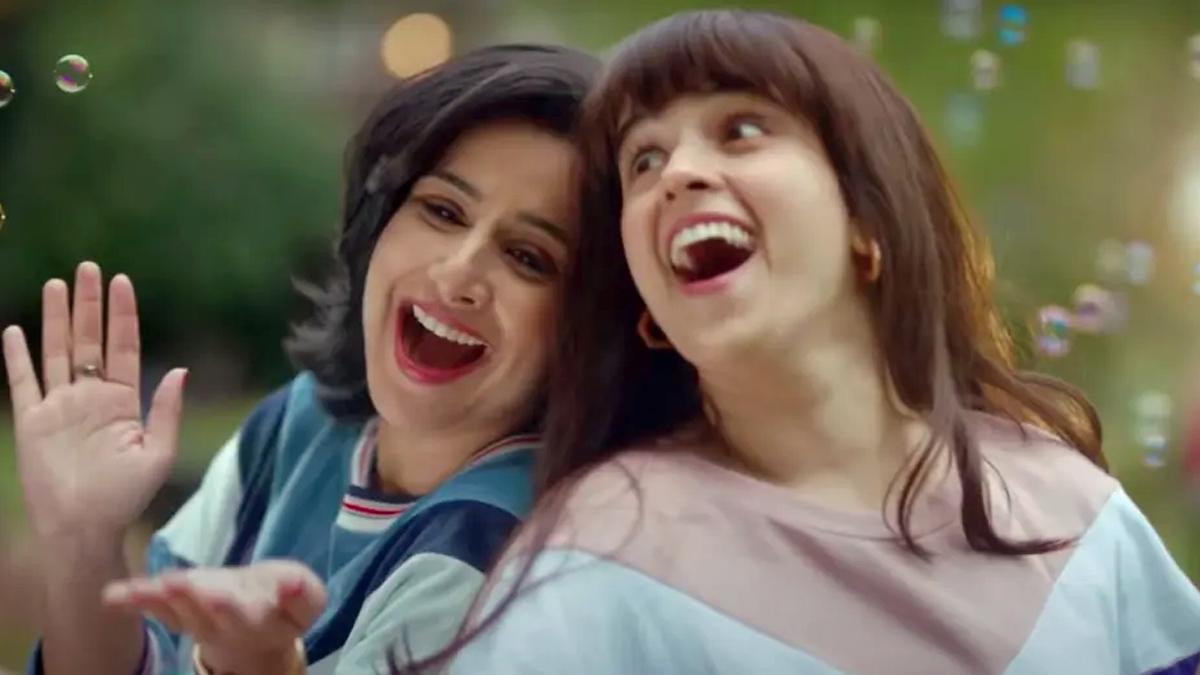
Vidya
Balan
plays
mom
to
Sanya
Malhotra
in
Shakuntala.
Modern
moms
can
be
ruthless
avenging
angels
—
witness
Sridevi
in
Mom,
Raveena
in
Maatr
and
Aishwarya
in
Jazbaa.
Yet,
they
are
not
defined
solely
by
being
a
mother.
Vidya
Balan
plays
mother
to
youthful
progeny
in
Shakuntala
and
Mission
Mangal
but
the
films
focus
on
her
career.
Today’s
Hindi
film
mothers
are
younger,
trendier,
more
mischievous.
They’re
less
venerated
and
have
more
rounded
personalities
as
multi-dimensional
humans.
But,
truth
be
told,
I
still
do
miss
sometimes
the
comforting
presence
of
the
trad
mother.
Maybe
because
the
mother
figure
was
central
to
many
a
film
story
then
while
today
she
is
often
peripheral.