‘…not
because
they
want
to
but
because
life
leaves
them
with
no
choice.’
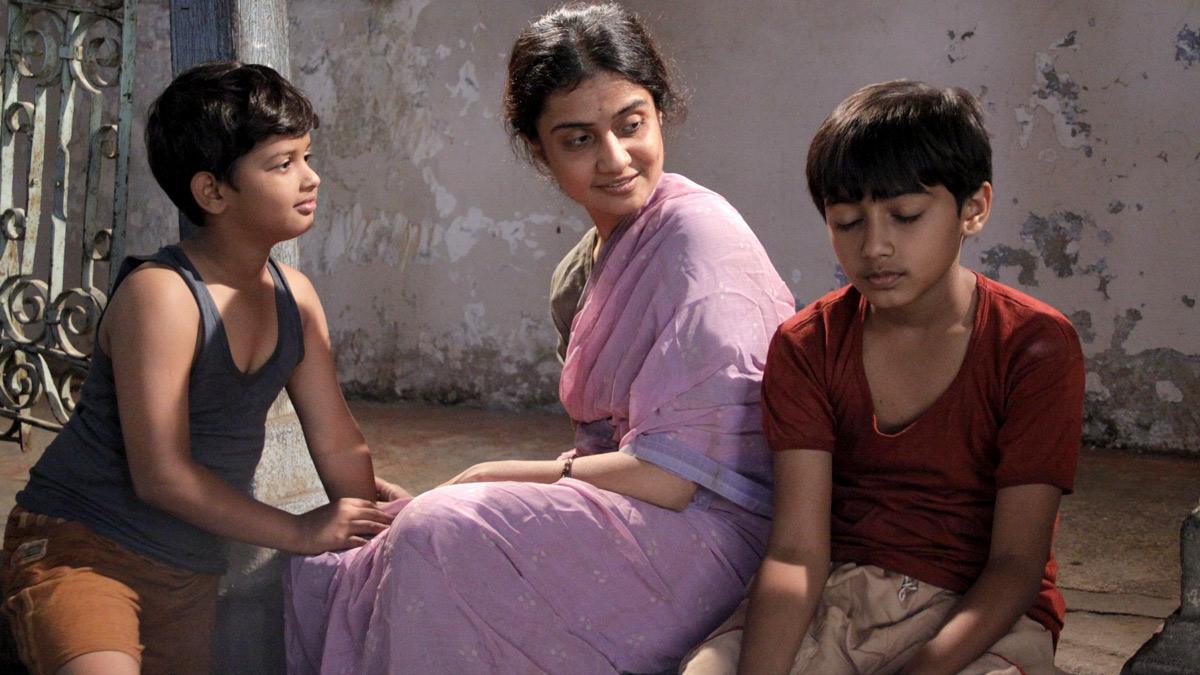
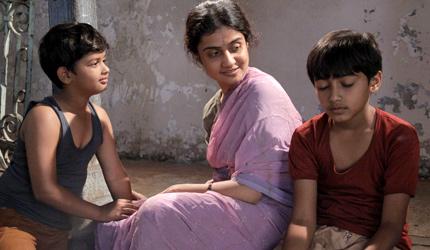
Amruta
Subhash
with
Svar
Kamble
and
Ayush
Pathak
in
Chidiya.
It
took
10
years
for
Writer-Director
Mehran
Amrohi‘s
Chidiya
to
get
made
and
find
a
theatre
release.
And
in
all
that
time,
he
held
on
to
the
hope,
a
hope
that
shines
in
the
film
as
well.
“I’m
nervous,
just
like
a
student
before
an
exam.
Your
steps
feel
unsure,
your
words
feel
jumbled.
But
somewhere
inside,
there’s
hope,”
Mehran
Amrohi
tells
Subhash
K
Jha.
What
are
your
feelings
as
Chidiya
finally
releases
after
a
10-year
wait?
I’m
very
emotional.
I
may
be
a
writer
but
I
don’t
think
I
have
the
words
to
express
it.
This
is
my
first
film,
and
I
shot
it
nearly
10
years
ago.
The
fact
that
it’s
finally
releasing
means
a
lot
to
me.
At
the
same
time,
I’m
also
nervous,
just
like
a
student
before
an
exam.
Your
steps
feel
unsure,
your
words
feel
jumbled.
But
somewhere
inside,
there’s
hope.
Child
labour
is
a
sensitive
subject.
How
did
you
handle
it
in
your
film?
Chidiya
isn’t
about
just
one
issue.
It’s
a
story
about
ordinary
lives,
the
kind
many
people
live
every
day,
especially
in
financially
weaker
sections.
Yes,
child
labour
exists
in
the
film
but
I
didn’t
treat
it
as
a
special
topic.
I
showed
it
as
part
of
a
daily
reality,
just
like
many
other
struggles
poor
families
quietly
face.
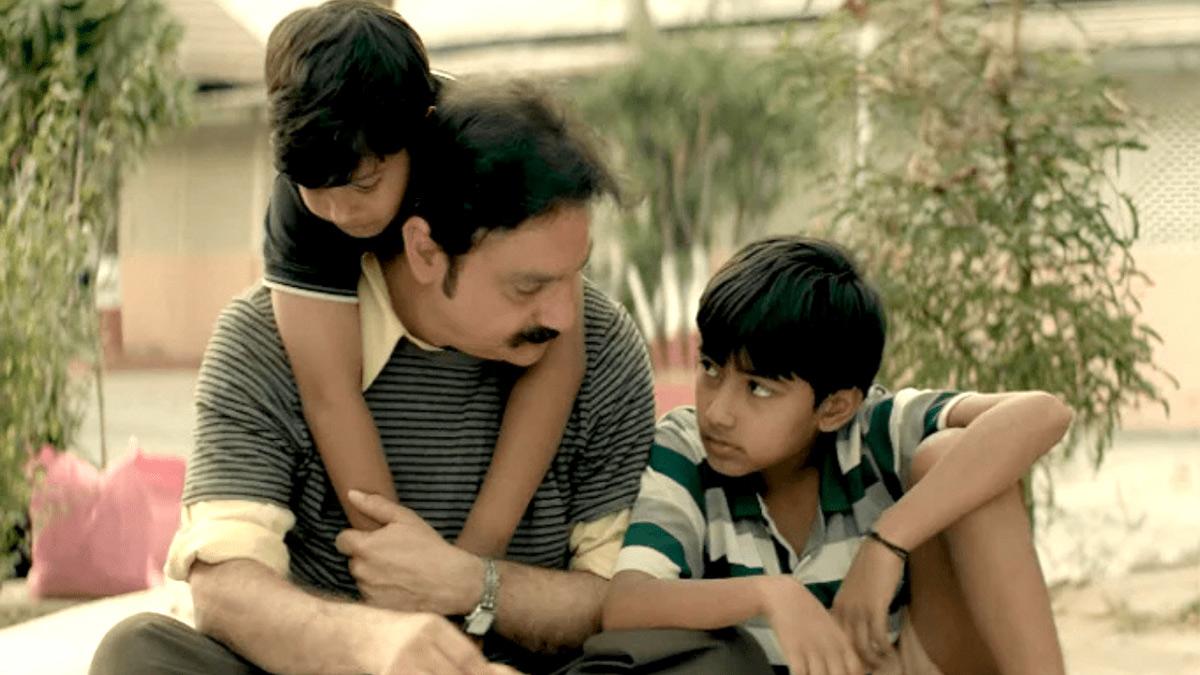
Vinay
Pathak
with
Svar
Kamble
and
Ayush
Pathak
in
Chidiya.
What
inspired
you
to
explore
the
lives
of
two
underprivileged
but
happy
boys?
I
have
always
noticed
how
some
kids
grow
up
too
fast,
not
because
they
want
to
but
because
life
leaves
them
with
no
choice.
I’ve
seen
such
kids
in
chawls
and
small
towns,
since
I
come
from
a
small
town
myself.
Even
with
their
struggles,
they
find
reasons
to
laugh,
play
and
dream.
That
balance,
between
hardship
and
hope,
really
moved
me.
Did
anyone
tell
you
that
this
was
a
risky
way
to
start
your
career
as
a
director?
Yes.
People
asked
why
I’d
make
my
first
film
without
stars
or
glamour,
or
any
commercial
formula.
Honestly,
it
never
felt
like
a
small
film
to
me.
It
felt
true.
I
wasn’t
trying
to
make
a
smart
career
move.
I
just
wanted
to
tell
a
story
that
mattered
to
me.
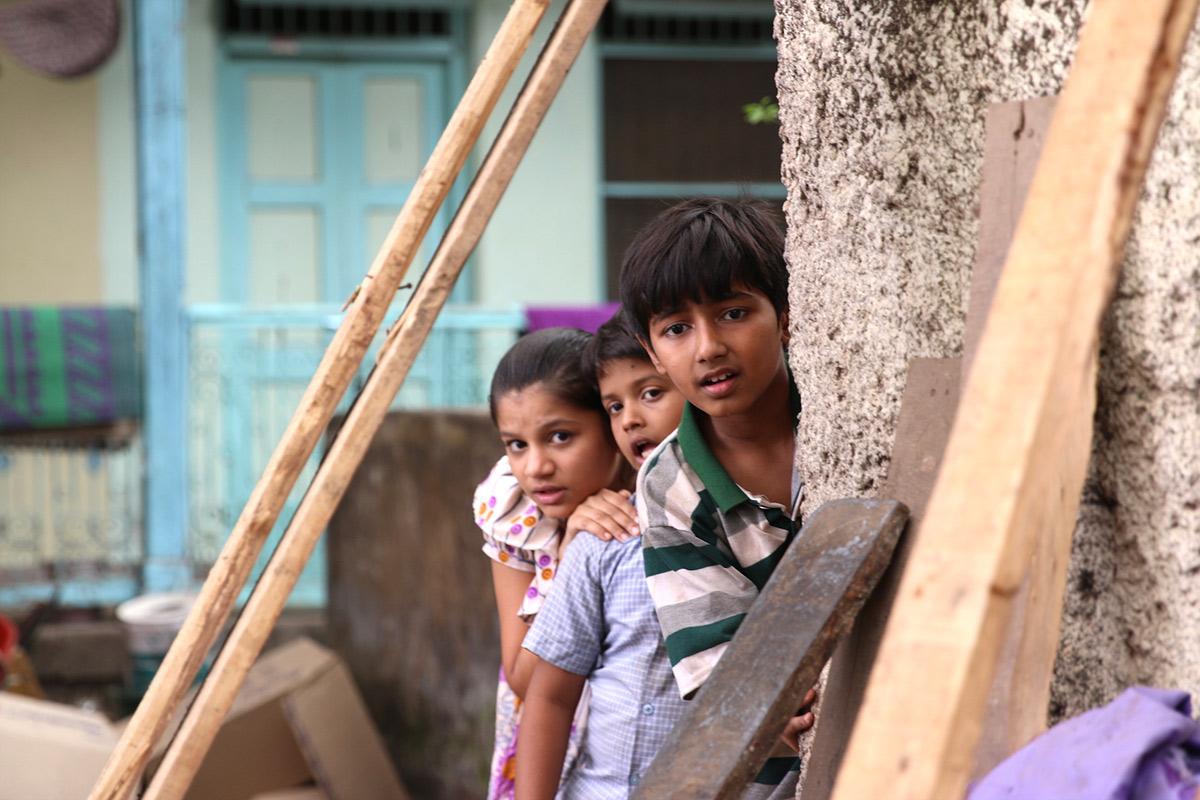
Hetal
Gada,
Svar
Kamble
and
Ayush
Pathak
in
Chidiya.
How
did
you
find
the
perfect
cast?
It
took
time,
and
a
lot
of
instinct.
I
auditioned
many
kids
but
when
I
saw
Svar
Kamble
and
Ayush
Pathak,
I
just
knew.
They
weren’t
acting;
they
were
living
those
moments
naturally.
For
the
adults,
I
was
fortunate.
Vinay
Pathak
and
Amruta
Subhash
brought
honesty
and
depth.
They
didn’t
‘perform’.
They
simply
became
part
of
the
world.
That
honesty
added
so
much
to
the
film.
Who
are
your
influences
apart
from
Satyajit
Ray
and
Vittorio
De
Sica?
I
have
been
deeply
influenced
by
Majid
Majidi;
the
way
he
finds
beauty
in
everyday
life
and
how
he
tells
stories
through
silence
and
small
gestures.
From
Ray,
especially
Charulata,
I
was
so
inspired
that
I
even
tried
to
recreate
one
of
his
shots
in
Chidiya.
It
was
my
tribute
to
a
great
filmmaker.
I
haven’t
gone
to
film
school
or
assisted
any
director.
My
understanding
of
cinema
has
come
from
watching
films,
listening
to
film
discussions
and
learning
slowly
on
my
own.
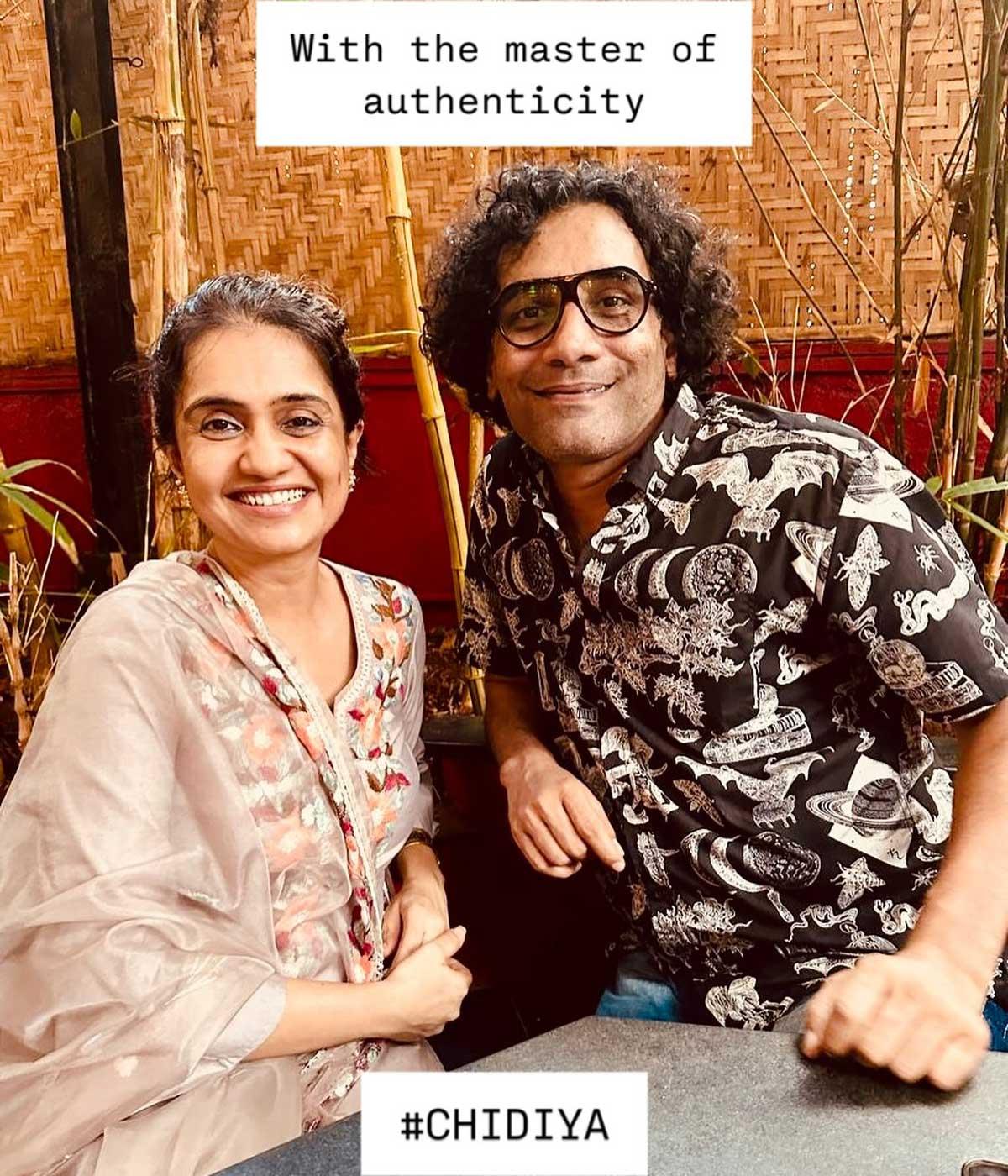
Mehran
Amrohi
with
Amruta
Subhash.
Photograph:
Kind
courtesy
Mehran
Amrohi/Instagram
How
has
your
connection
to
your
distant
kin
Kamal
Amrohi
influenced
you?
Kamal
Amrohi
isn’t
just
an
inspiration
for
me,
he’s
a
source
of
pride
for
every
aspiring
film-maker
from
Amroha
and
the
surrounding
region.
I
met
him
only
once
when
I
was
a
child,
maybe
five
or
six
years
old.
I
still
remember
how
graceful
he
was.
Later,
I
watched
his
films
like
Mahal,
Pakeezah.
To
this
day,
whenever
I
feel
low,
I
watch
his
work.
It
gives
me
strength.