‘The
entire
shoot
paused
after
that.’
‘There
was
a
heaviness
on
set
—
a
shared
recognition
of
the
horror
we
were
portraying.’
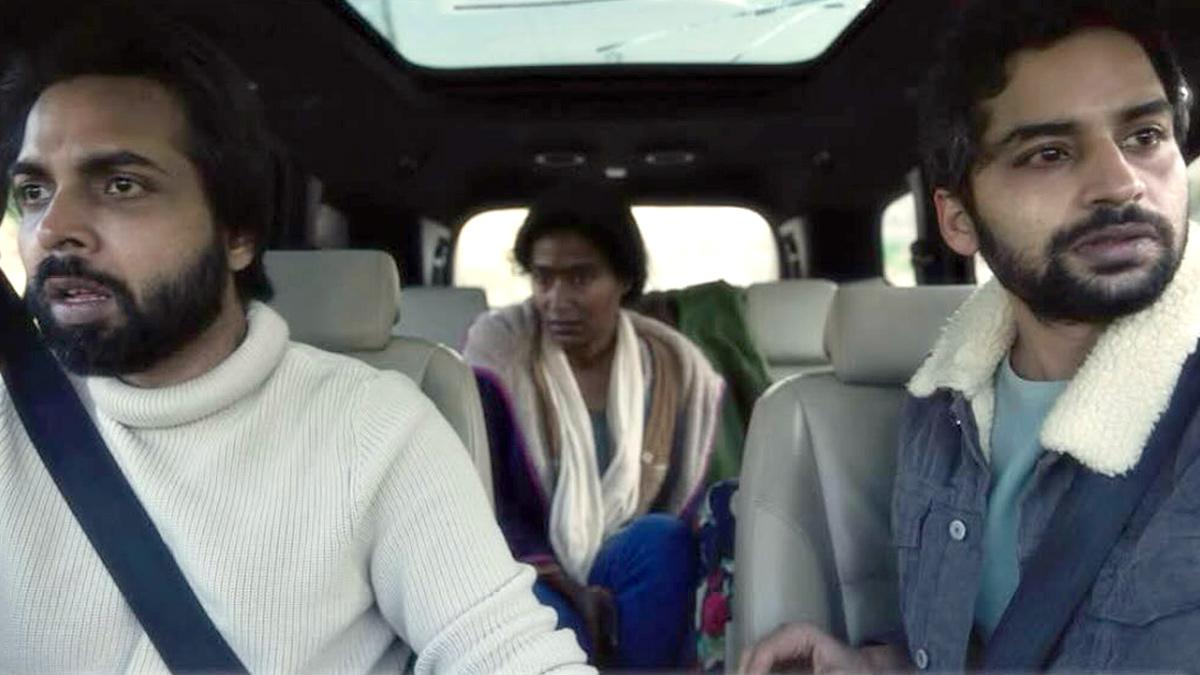
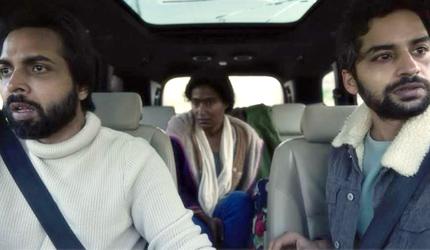
Abhishek
Banerjee,
Mia
Maelzar
and
Shubham
Vardhan
in
Stolen.
Photograph:
Kind
courtesy
Karan
Tejpal/Instagram
Amazon
Prime
Video’s
Stolen
has
been
getting
raves.
Vikramaditya
Motwane,
one
of
Bollywood’s
ace
directors,
who
has
made
films
like
CTRL,
Trapped,
Lootera
and
Udaan,
called
it
‘India’s
best
action
thriller
of
the
decade,
if
not
longer’.
“The
story
of
the
Bansal
brothers
grew
from
that
moment,
where
two
young
men
get
brutally
killed
by
a
mob
that
mistakenly
believed
they
were
child
kidnappers.
They
are
driven
by
panic,
misinformation
and
manipulated
videos
circulating
rapidly
on
WhatsApp,”
Stolen‘s
debutant
director
Karan
Tejpal
tells
Subhash
K
Jha.
“That
tragedy
became
the
seed
for
the
film’s
narrative
and
emotional
terrain.”
Where
did
you
get
the
idea
for
Stolen?
The
idea
began
with
a
video
I
saw
of
the
2018
Karbi
Anglong
lynching
in
Assam.
It
left
a
knot
of
fear
in
my
stomach
—
a
visceral,
physical
reaction
I
couldn’t
shake.
I
felt
disturbed,
and
the
only
way
I
knew
to
process
that
feeling
was
to
write.
The
story
of
the
Bansal
brothers
grew
from
that
moment,
where
two
young
men
get
brutally
killed
by
a
mob
that
mistakenly
believed
they
were
child
kidnappers.
They
are
driven
by
panic,
misinformation
and
manipulated
videos
circulating
rapidly
on
WhatsApp.
That
tragedy
became
the
seed
for
the
film’s
narrative
and
emotional
terrain.
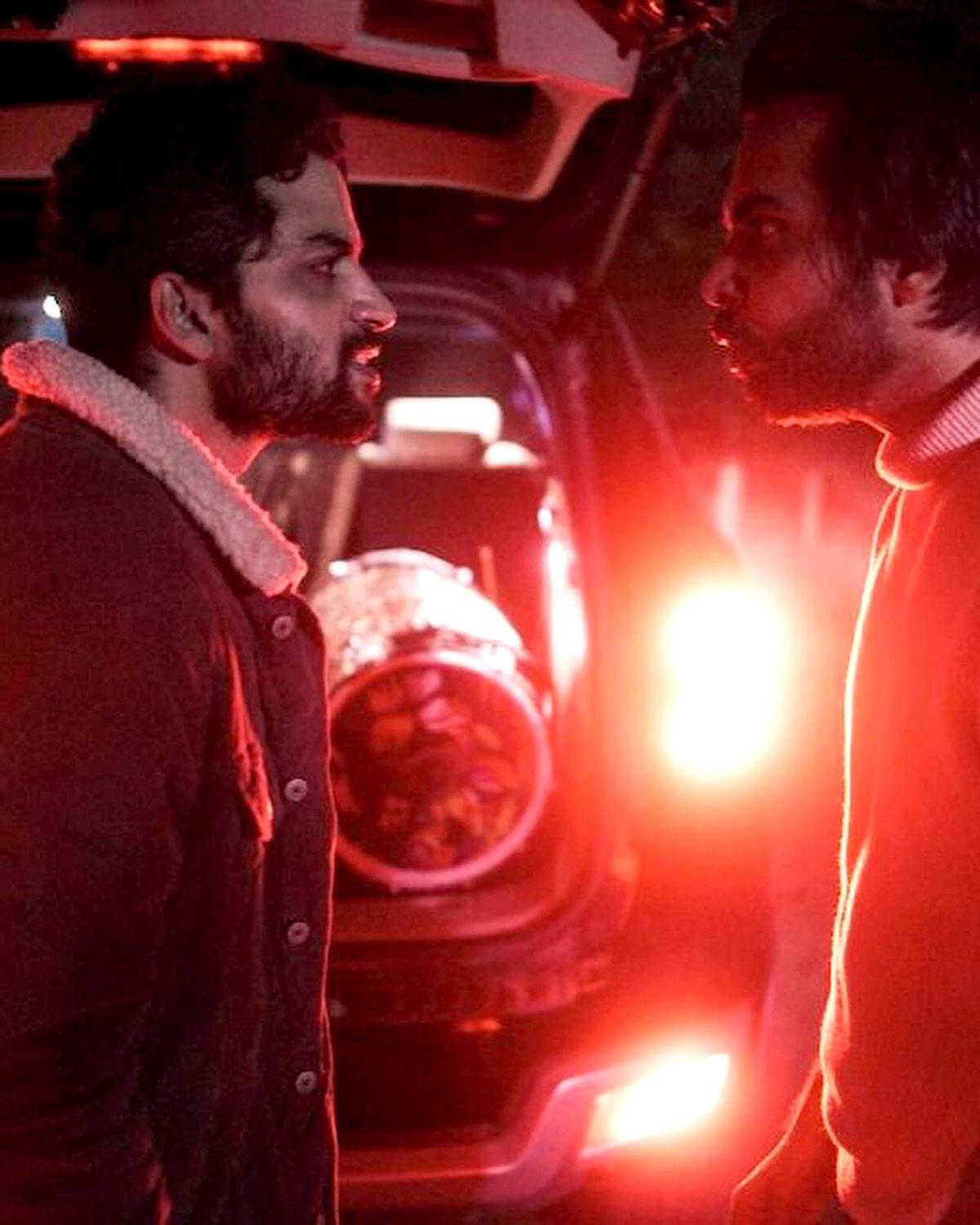
Shubham
Vardhan
and
Abhishek
Banerjee
in
Stolen.
Photograph:
Kind
courtesy
Karan
Tejpal/Instagram
How
much
research
did
you
do
on
mob
lynchings?
I
began
researching
what
is
known
as
‘WhatsApp
lynchings’.
I
uncovered
the
broader,
more
unsettling
social
crisis
behind
the
incident.
On
one
side,
there
is
the
collective
fear
within
disempowered
communities
to
protect
their
children.
On
the
other,
the
unimaginable
grief
of
parents
whose
children
become
victims
of
that
fear.
It
exposed
a
chilling
cycle
of
mistrust,
desperation
and
systemic
failure.
Each
element
of
the
story
—
child
trafficking,
vigilante
justice,
the
breakdown
of
law
enforcement
and
the
manipulation
of
truth
—
is
a
reflection
of
a
different
facet
of
the
larger
phenomenon
that
led
to
that
lynching.
Stolen
is
also
about
the
perils
of
privileged
do-gooding.
At
its
core,
Stolen
is
about
a
man
forced
out
of
his
bubble,
confronted
with
a
brutal,
unfamiliar
reality
and
compelled
to
see
the
world
through
new
eyes.
But
more
broadly,
the
film
is
a
mirror
to
a
fragmented
society.
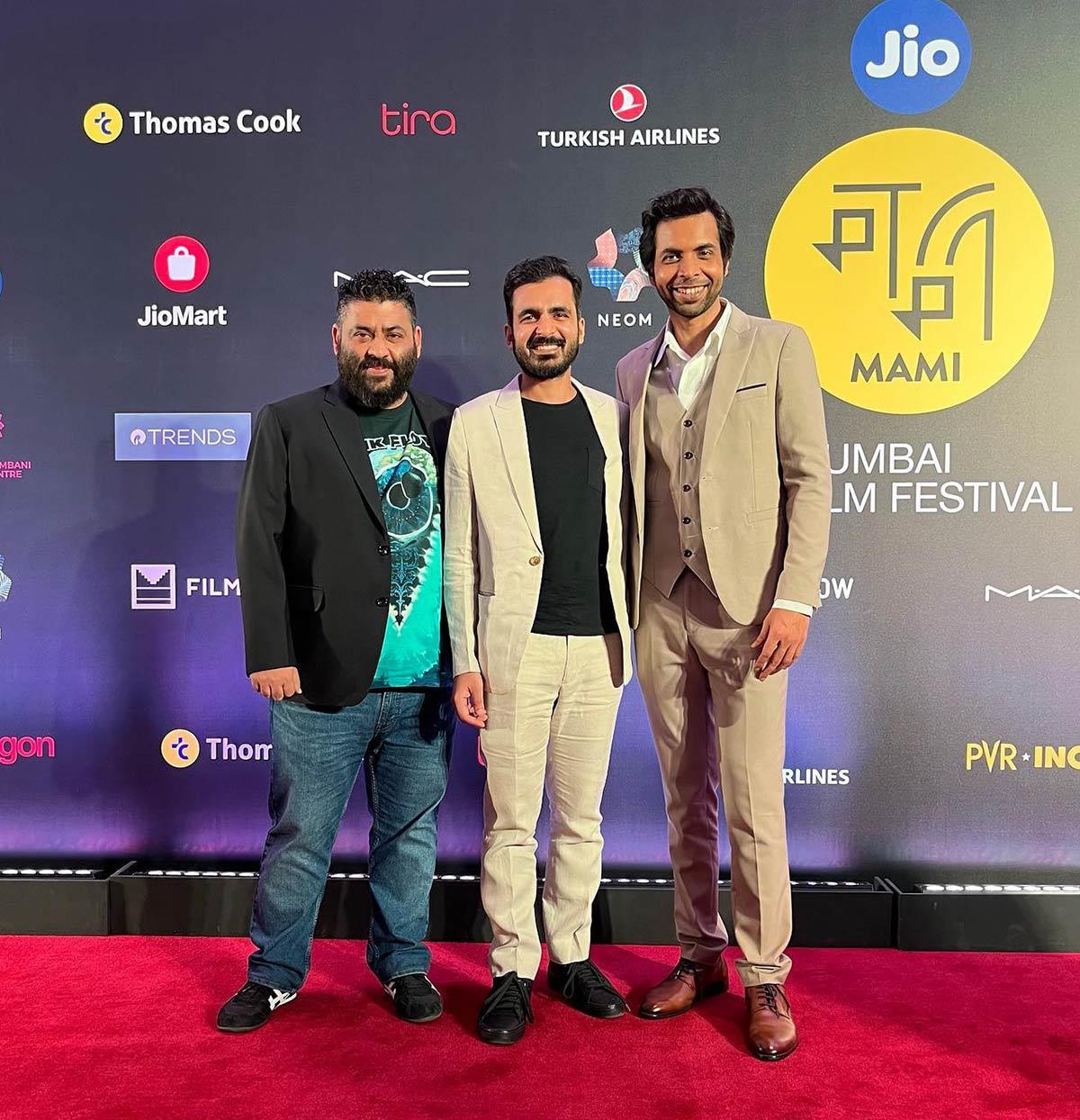
Producer
Gaurav
Dhingra,
Karan
Tejpal
and
Abhishek
Banerjee.
Photograph:
Kind
courtesy
Karan
Tejpal/Instagram
Was
this
inspired
by
any
specific
incident?
Stolen
is
not
a
reconstruction
of
a
single
event
but
a
fictionalised
emotional
truth
born
from
a
very
real
one.
It
attempts
to
understand
how
fear
travels,
how
empathy
erodes,
and
how
quickly
society
can
unravel
when
trust
in
its
institutions
collapses.
The
casting
features
relatively
unknown
actors
except
Abhishek
Banerjee.
The
casting
was
driven
by
the
strength
of
each
actor’s
craft.
I
couldn’t
have
asked
for
a
better
ensemble.
With
only
five
primary
characters,
every
role
had
to
carry
weight;
and
each
actor
brought
something
unique
to
the
table.
Abhishek
is
undoubtedly
one
of
the
finest
actors
today.
His
style
is
honest,
instinctive
and
deeply
rooted
in
spontaneity.
Casting
him
as
Gautam
Bansal
was
an
easy
decision.
A
consummate
professional,
he
read
the
script
within
days
and
came
on
board
without
hesitation.
It
was
a
very
straightforward
process.
The
chemistry
between
characters
was
crucial,
especially
for
the
dynamic
between
the
Bansal
brothers.
I
was
keen
to
cast
actors
with
a
real-life
connection,
and
Abhishek
suggested
his
friend
Shubham
Vardhan.
From
our
first
meeting,
I
wanted
to
work
with
him.
He’s
a
meticulous,
highly
trained
actor
who
can
inhabit
any
character.
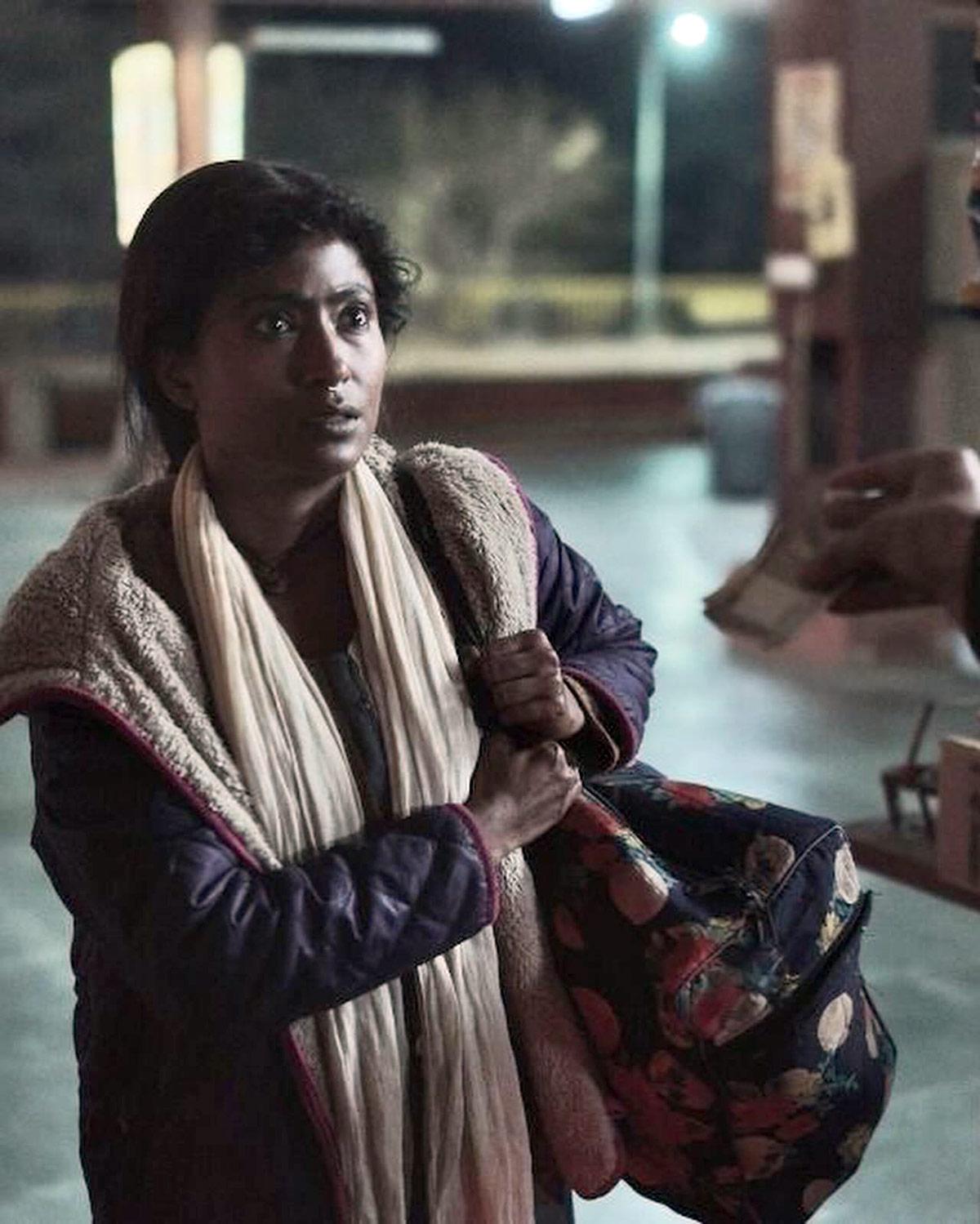
Mia
Maelzer
in
Stolen.
Photograph:
Kind
courtesy
Karan
Tejpal/Instagram
What
about
the
actress
who
plays
the
tribal?
Mia
Maelzer
was
recommended
to
us
by
the
incredible
casting
director,
Dilip
Shanker.
I
saw
Mia’s
short
film,
The
Field,
which
left
no
doubt
that
she
was
perfect
for
Jhumpa.
She’s
an
exceptional
collaborator:
Deeply
committed,
emotionally
present
and
willing
to
give
everything
to
the
work.
The
chase
sequences
in
the
village
have
a
feel
of
guerrilla
film-making.
Were
they
shot
with
a
secret
camera?
No.
The
chase
sequences
were
meticulously
planned
and
designed
to
look
as
real
and
immersive
as
possible,
to
give
the
audience
the
feeling
of
being
right
in
the
middle
of
the
action.
The
crew
brought
exceptional
skill
and
focus
to
the
shoot,
from
the
cinematographer
to
the
action
team,
from
sound
to
costume.
Everyone
was
aligned
with
the
same
vision,
and
it
is
truly
a
testament
to
their
craft
that
it
felt
so
raw
and
spontaneous.
The
goal
was
always
to
create
a
visceral,
lived-in
experience.
I’m
glad
that
came
through.
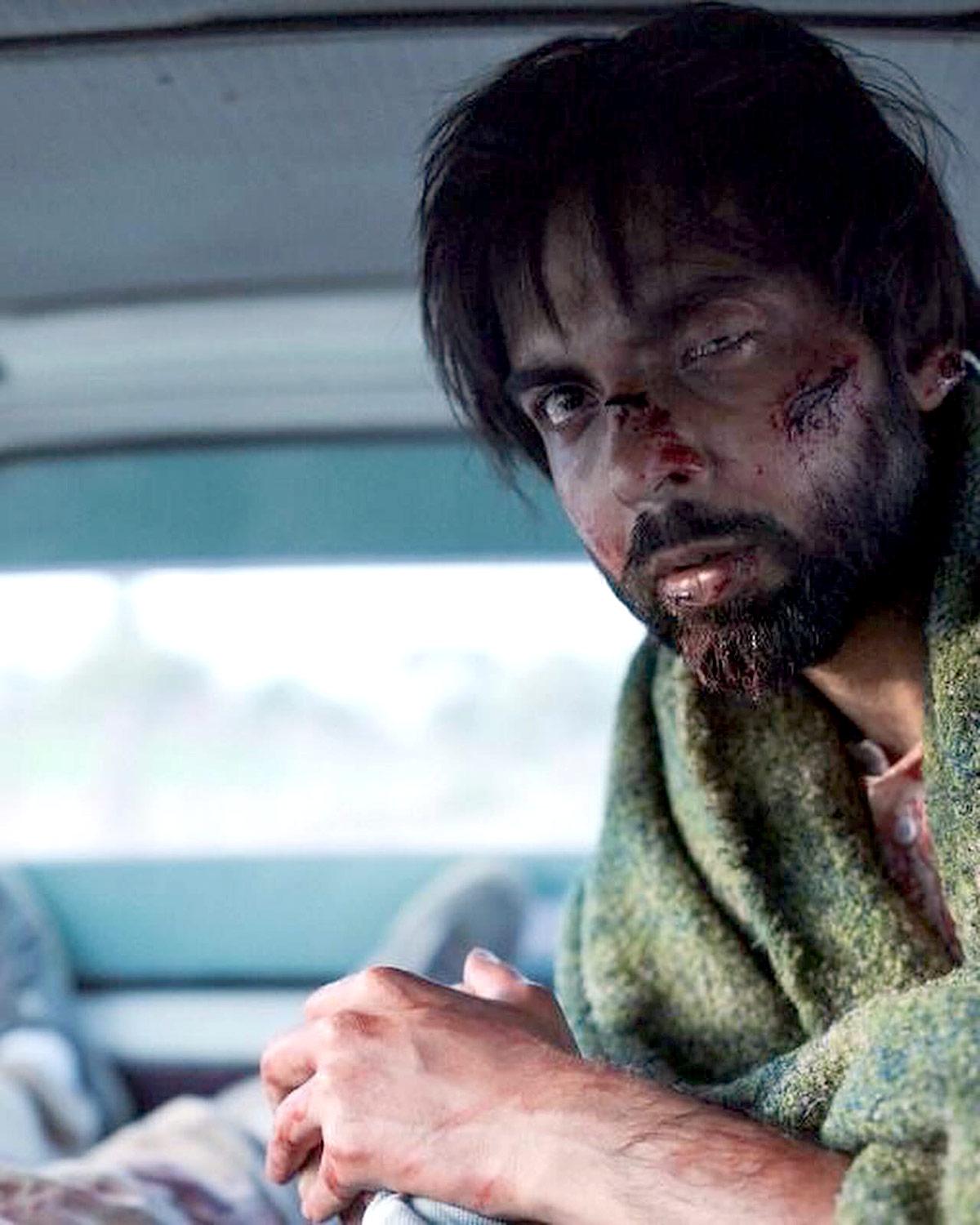
Abhishek
Banerjee
in
Stolen.
Photograph:
Kind
courtesy
Karan
Tejpal/Instagram
Abhishek’s
mob-lynching
sequence
is
severely
traumatic
to
watch.
How
traumatic
was
the
shoot?
It
was
an
incredibly
emotional
and
difficult
scene,
especially
for
Abhishek.
On
that
day,
the
boundaries
between
performance
and
reality
blurred.
He
fully
inhabited
the
pain
and
fear
of
those
who
have
suffered
such
violence.
After
the
scene,
he
broke
down
and
wept.
It
wasn’t
just
acting.
It
was
a
deep,
visceral
connection
to
the
truth
of
the
character
and
the
boys
whose
stories
inspired
the
film.
How
did
you
shoot
Abhishek’s
lynching?
We
shot
the
sequence
as
a
continuous
four-minute
take,
and
we
only
did
three
takes.
The
rest
of
the
crew
was
on
the
razor’s
edge
in
terms
of
preparation
and
precision.
For
most
of
us,
the
focus
was
technical
—
hitting
marks,
timing
movements.
For
Abhishek,
it
was
an
emotional
freefall.
His
response
after
the
take
reminded
all
of
us
of
the
weight
and
reality
behind
the
fiction
we
were
creating.
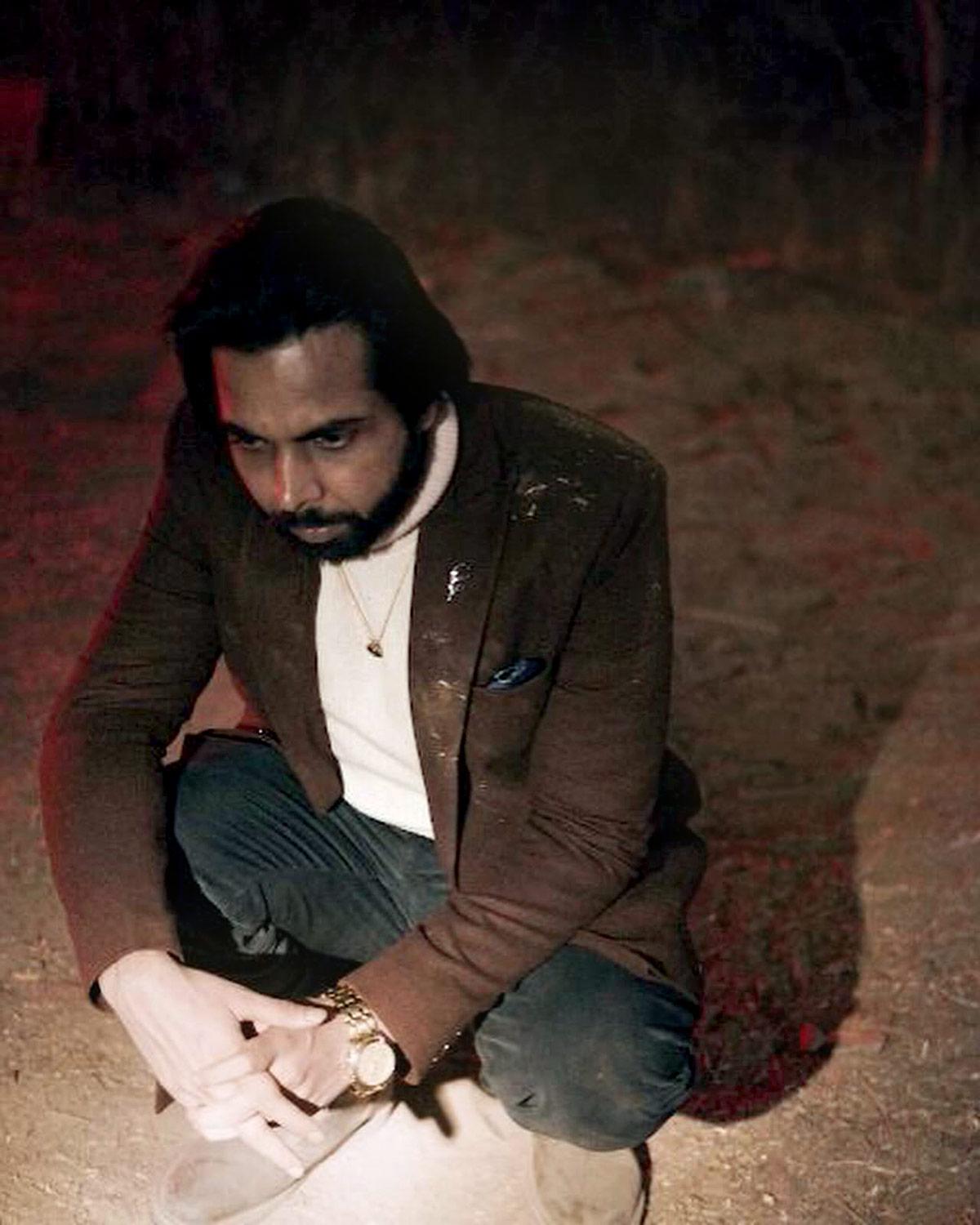
Abhishek
Banerjee
in
Stolen.
Photograph:
Kind
courtesy
Karan
Tejpal/Instagram
It
must
have
been
traumatising
for
the
entire
crew.
The
entire
shoot
paused
after
that.
There
was
a
heaviness
on
set
—
a
shared
recognition
of
the
horror
we
were
portraying.
It
was
a
sobering
moment
for
everyone
involved.
Your
film
questions
the
relationship
between
the
empowered
and
the
disempowered.
Are
you
saying
the
empowered
can
afford
the
luxury
of
a
conscience
at
their
own
peril?
With
Stolen,
I
wasn’t
trying
to
question
or
make
a
definitive
statement.
I
was
more
interested
in
placing
characters
from
different
ends
of
the
power
spectrum
in
situations
where
their
lives
intersect
and
collide,
and
then
dramatising
how
those
encounters
unfold.
In
my
view,
the
empowered
are
the
most
in
need
of
a
conscience.
They
hold
the
influence,
the
reach,
and
the
ability
to
effect
change.
Saying
it
comes
‘at
their
own
peril’
is
perhaps
a
narrative
device
used
for
dramatic
tension
in
cinema.
In
reality,
we’ve
seen
many
examples
of
the
empowered
using
their
position
to
do
remarkable,
transformative
work,
without
it
costing
them
everything.
More
than
anything,
Stolen
is
a
mirror
to
myself.
A
call
out
to
my
own
conscience.
A
reminder
to
act,
not
just
observe.
Which
of
the
two
brothers,
the
conscientious
Raman
or
the
escapist
Gautam,
is
more
you?
I
don’t
know
if
I
would
be
a
Raman
or
a
Gautam.
Most
likely,
a
Gautam.
But
having
made
this
film,
I
hope
I
have
the
courage
to
be
a
Raman.
Because
the
real
danger
is
not
in
having
a
conscience,
but
in
choosing
not
to
act
on
it.
You
had
to
struggle
for
three
years
for
a
release,
until
Amazon
Prime
Video
intervened.
Would
you
say
the
future
of
Indie
cinema
is
bleak?
It’s
the
opposite
of
bleak.
In
recent
years,
every
A-list
festival
has
featured
at
least
one
Indian
film
in
the
official
selection
—
many
of
them
going
on
to
win
top
awards.
Films
like
Girls
Will
Be
Girls,
The
Match,
Shadowbox,
Sabar
Bonda,
Homebound
and
others
are
part
of
a
growing
wave
of
bold,
diverse
storytelling.
The
crowning
moment,
of
course,
is
All
We
Imagine
As
Light
winning
the
Grand
Prix
at
Cannes.
It’s
an
extraordinary
achievement.
Indian
cinema
is
clearly
on
the
rise,
and
it
feels
like
we’re
on
the
cusp
of
a
new
chapter,
one
where
we’ll
be
exporting
more
cinematic
gems
to
the
world.
What
are
you
working
on
next?
Over
the
past
year,
I’ve
been
working
on
two
major
projects
as
a
screenwriter.
One
is
a
feature
film
for
Mira
Nair,
based
on
an
original
story
by
her.
It’s
challenged
me
in
the
best
possible
way
and
helped
me
grow
as
a
writer.
The
second
is
Dahaad
Season
2,
a
successful
Amazon
Prime
Video
series
created
by
Reema
Kagti
and
Zoya
Akhtar.
I’m
leading
the
writers’
room
for
this
season,
which
comes
with
a
larger
set
of
responsibilities.
It’s
a
thrilling
challenge
to
shape
a
story
that
lives
up
to
the
high
expectations
set
by
the
first
season.
I’m
fully
invested
in
delivering
a
compelling,
edge-of-your
seat
narrative.
I’m
also
developing
two
feature
films:
Nisaar
(Sacrifice)
is
a
romantic
thriller
and
a
deeply
personal
project.
It’s
being
produced
by
Dheer
Momaya
and
Jonathan
Charbit.
The
other
is
Ummeed,
a
horror
film
written
by
Abhishek
Banerjee
and
produced
by
Dimpy
Agarwal.
It
allows
me
to
delve
into
a
genre
that
has
fascinated
me
for
years.