‘If
you
look
around
the
world
at
people
of
colour,
religion,
caste,
sexuality
or
any
of
the
marginalised
communities,
we
are
always
talking
in
numbers.’
‘We
are
always
assigning
them
a
statistic.’
‘That
is
an
easy
way
to
assuage
your
urban
guilt.
Because
you
hide
your
apathy
with
hollow
sympathy.’
‘We
are,
in
a
way,
making
them
invisible.’
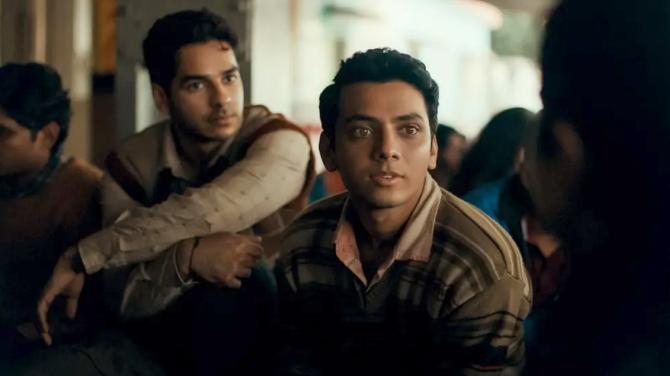
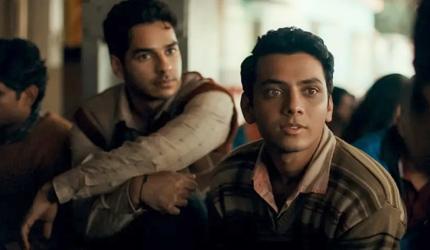
Vishal
Jethwa
and
Ishaan
Khatter
in
Homebound.
Director
Neeraj
Ghaywan‘s
Homebound
had
a
splashy
premiere
at
the
Cannes
film
festival,
where
he
walked
the
red
carpet
with
his
cast
members
Ishaan
Khatter,
Vishal
Jethwa
and
Janhvi
Kapoor
as
well
as
Producers
Karan
Johar,
Somen
Mishra
and
Natasha
Poonawalla.
The
film’s
executive
producer
Martin
Scorsese
was
not
able
to
attend
the
festival.
But
beneath
the
glamour
and
paparazzi
shots,
Homebound
is
a
heartbreaking
story
about
two
friends
from
a
village
in
Uttar
Pradesh
—
one
a
Muslim
and
the
other
a
Dalit,
and
their
dreams,
struggles
and
a
long
journey
they
take
during
the
peak
COVID
phase.
The
story
is
inspired
by
an
article
written
by
journalist
Basharat
Peer.
Ghaywan
discusses
his
film
and
its
backdrop
with
Aseem
Chhabra,
and
says,
“More
than
60
percent
of
our
population
lives
in
villages
but
we
never
talk
about
our
villages
in
our
films.
The
villages
are
absent.
We
only
talk
about
urban
or
small
towns.
Even
then,
there
is
an
urban
gaze.
Look
how
uncool,
how
funny,
how
uncultured
they
are.”
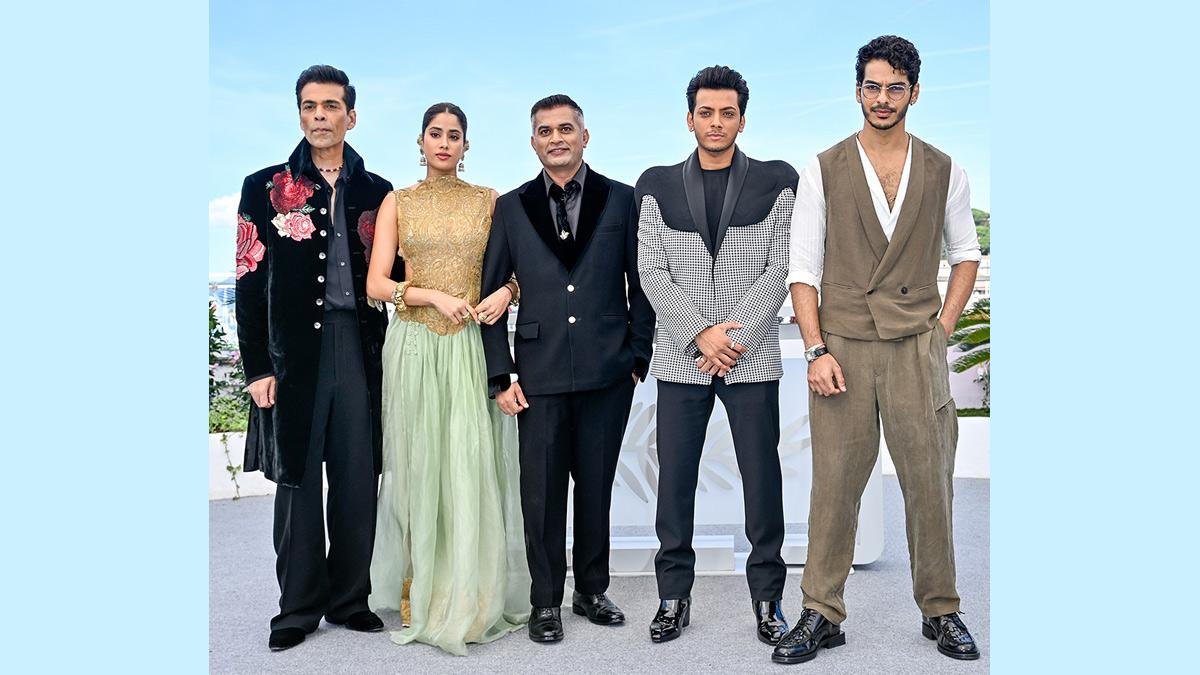
Karan
Johar,
Janhvi
Kapoor,
Director
Neeraj
Ghaywan,
Vishal
Jethwa
and
Ishaan
Khatter.
Photograph:
Kind
courtesy
Dharma
Productions/Instagram
Why
did
you
want
to
make
Homebound?
What
attracted
you
to
this
project?
Somen
Mishra
got
me
the
story.
I
knew
Basharat
earlier,
occasionally
exchanged
DMs
on
Twitter.
But
when
I
read
his
article
in
The
New
York
Times,
I
instantly
felt
a
connection
with
it.
While
reading
the
story
—
of
course,
it
shook
me
—
but
what
appealed
to
me
more
was
the
humanity
behind
it,
the
interpersonal
and
the
interiority
of
the
relationship.
It
took
me
on
a
journey.
Instantly,
I
went
back
to
Hyderabad,
my
growing
up
there,
and
my
neighbour,
Asghar.
We
used
to
hang
out
all
the
time.
Once
during
Eid,
I
couldn’t
wait
for
the
biryani
to
come
from
his
house.
So
I
snuck
into
his
house
and
stole
it!
So,
me
coming
from
a
marginalised
background,
it
helped
me
empathise
and
connect
more.
Which
is
also
one
of
the
reasons
why
I
got
on
board.
After
that,
I
think
there
were
two
things
that
I
wanted
to
do.
More
than
60
percent
of
our
population
lives
in
villages
but
we
never
talk
about
our
villages
in
our
films.
The
villages
are
absent.
We
only
talk
about
urban
or
small
towns.
Even
then,
there
is
an
urban
gaze.
Look
how
uncool,
how
funny,
how
uncultured
they
are.
While
making
Masaan.
I
did
attempt
to
tell
stories
from
India’s
rural
population
point
of
view
and
not
impose
our
gaze
there.
The
second
thing
was
that
if
you
actually
look
around
the
world
at
people
of
colour,
religion,
caste,
sexuality
or
any
of
the
marginalised
communities,
we
are
always
talking
in
numbers.
We
are
always
assigning
them
a
statistic.
That
is
an
easy
way
to
assuage
your
urban
guilt.
Because
you
hide
your
apathy
with
hollow
sympathy.
We
are,
in
a
way,
making
them
invisible.
I
thought
what
if
we
pick
up
one
or
two
persons
out
of
those
statistics
and
see
what
happened
in
their
lives.
How
did
they
get
to
this
point?
That
is
something
worth
telling.
So
I
fictionalised
the
story
of
these
two
friends,
until
their
journey
that
Basharat
documents
in
his
article.
I
am
thankful
to
Sumit
Roy,
who
was
the
consultant
on
script
and
story.
This
was
the
first
time
I
wrote
alone,
the
screenplay
and
dialogues
too.
Of
course,
I
needed
Varun
(Grover)
and
he
helped
me
polish
it.
As
you
know,
he
is
super
busy.
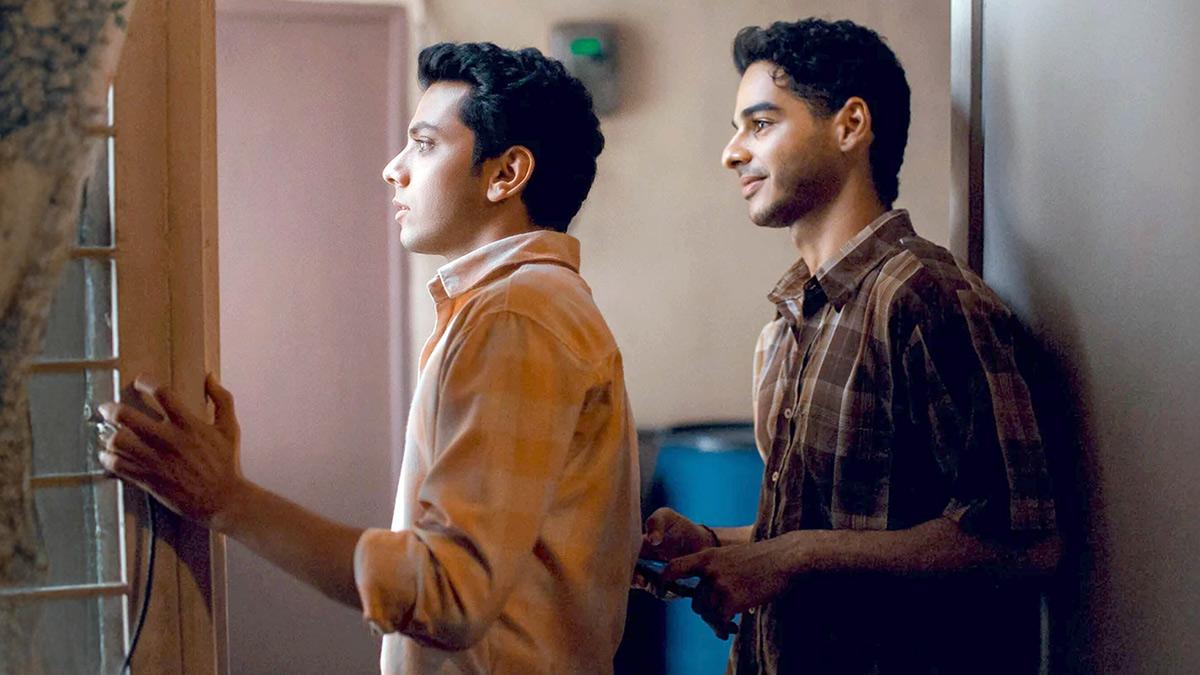
Vishal
Jethwa
and
Ishaan
Khatter
in
Homebound.
So
I
am
going
to
ask
a
question
which
feels
awkward.
Are
you
a
Dalit?
Yes,
and
I
understand
your
hesitation.
So
the
story
was
very
important
for
you
from
that
point
of
view
too,
right?
Definitely.
This
is
something
that
I
speak
about
on
panel
discussions.
In
order
to
explain
caste,
at
least
in
cinema
language,
you
can
compare
it
with
black
racial
history.
But
the
caste
system
dates
back
so
many
hundreds
of
years.
The
difference
between
race
and
caste
is
it
that
black
people
in
the
plantations,
when
they
were
slaves,
they
could
say
we
don’t
like
this.
They
could
sing
songs
about
it.
They
could
argue
about
it.
But
what
happens
with
caste
is
that
you
have
been
told
for
so
many
centuries
that
this
is
your
fate,
this
is
what
you
eventually
will
be.
It
has
been
passed
on
through
generations.
This
is
our
karma
and
this
is
how
it
should
be.
But
you
never
took
it
as
your
fate.
No,
but
the
trauma
passes
on.
Even
if
I
have
not
experienced
first-hand
casteism,
but
like
black
people,
you
inherit
the
trauma.
I
ask
people
to
give
me
names
of
great
black
artists,
including
directors,
writers,
actors,
singers,
whatever.
I
am
sure
hundreds
of
names
will
pop
into
your
head
right
now.
Right
now,
the
black
population
in
America
is
13
percent.
We
are
looking
at
19
percent
of
the
Dalit
population
in
India.
If
you
include
schedules
tribes,
that’s
25
percent.
Now,
out
of
the
25
percent
population,
I
am
the
only
acknowledged
person
from
the
community
in
all
of
Hindi
cinema
history.
That
is
the
kind
of
gap
we
are
living
with.
That’s
why
I
hate
when
people
try
to
compare
the
best
methods
in
America,
when
people
talk
about
inclusion
riders
in
contracts
in
the
US.
We
are
very
far
from
that.
That’s
the
problem.
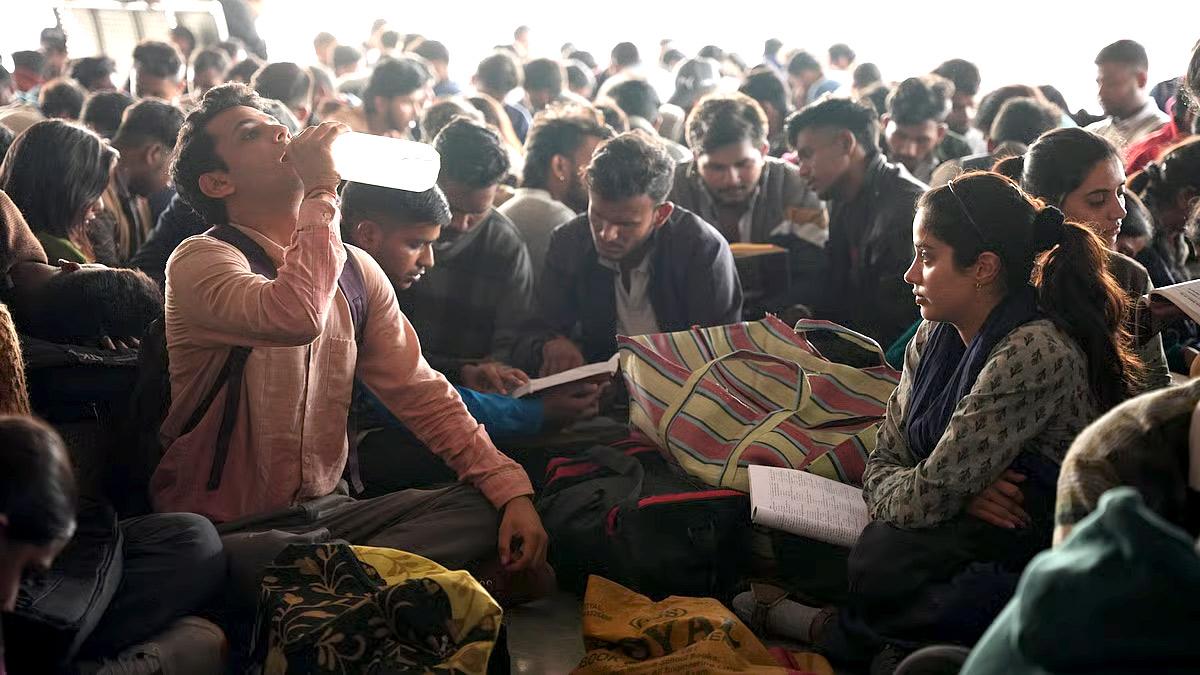
Vishal
Jethwa
and
Janhvi
Kapoor
in
Homebound.
I
love
the
way
you
have
taken
a
very
complex
article,
and
made
it
into
a
human
story
of
these
two
men
and
their
friendship.
And
the
fact
that
they
both
come
from
social
groups
that
are
discriminated
against.
I
have
a
lot
of
friends,
and
many
are
upper
caste
Brahmins.
But
somehow,
the
bonhomie
I
feel
with,
say,
a
Muslim
man
or
a
person
from
the
LGBTQ
community
is
different.
There
is
this
bonhomie
among
the
minorities
because
you
get
the
complexes.
You
will
understand
if
I
am
insecure,
or
if
I
am
having
an
impostor
syndrome.
People
often
ask
me
why
I
have
an
imposter
syndrome.
They
feel
I
am
the
best
thing
that
could
happen
to
indie
film-making
in
India,
I
have
the
best
of
the
world.
But
that’s
how
trauma
catches
up.
That’s
how
these
things
manifest.
You
mentioned
indie
film-making.
Masaan
was
10
years
ago.
You
made
that
lovely
short
with
Konkona
Sen
Sharma
(Geeli
Pucchi)
and
also
Juice.
I
am
sure
you
were
looking
for
some
subjects.
But
what
took
you
so
long?
Honestly,
that’s
question
I
asked
myself
also.
But
I
have
gone
through
a
huge
phase
of
life
experiencing
the
imposter
syndrome,
where
I
would
feel
inadequate.
I
would
feel
like
I
don’t
deserve
things.

Vishal
Jethwa
and
Ishaan
Khatter
in
Homebound.
You
made
an
amazing
film
called
Masaan.
But
I
think
after
that,
it
became
a
bigger
issue.
So
the
more
the
success,
the
more
it
amplifies
the
fear
of
being
seen.
In
fact,
after
Masaan,
I
went
through
a
difficult
chapter
of
not
being
able
to
get
out
of
my
house,
not
being
able
to
speak
to
people.
Somehow,
Anurag
(Kashyap)
and
Vikram
(Motwane)
pulled
me
out
of
it
and
that’s
when
I
directed
some
episodes
of
Sacred
Games.
Slowly,
slowly
I
pushed
myself.
As
I
mentioned
earlier,
I
wanted
to
make
something
on
the
villages,
so
I
thought
of
making
a
film
on
farmers.
But
each
time,
I
felt
politics
superseded
the
narrative.
I
didn’t
want
that.
I
was
even
considering
doing
a
biopic,
but
I
had
to
drop
that
idea
as
well.
Eventually,
this
film
felt
like
homecoming.
I
was
very
impressed
with
Ishaan
Khatter’s
performance.
How
did
you
work
with
him?
One
of
the
ways
that
I
approached
this
film
was
to
not
point
daggers
at
someone.
My
intent
is
to
bring
the
other
side,
make
him
sit
next
to
me
and
say,
‘Hey,
let’s
recalibrate.
Let’s
rethink.
Let’s
introspect
a
little
bit.
I
am
not
here
to
point
fingers.’
I
wanted
to
bring
out
empathy,
so
I
was
only
attaching
with
people
who
have
that
empathy,
be
it
Karan,
Ishaan
or
Jahnvi.
I
knew
both
Ishaan
and
Vishal
are
good
actors.
But
for
me,
a
good
performance
is
not
enough.
I
wanted
them
to
feel
the
characters.
If
you
are
a
good
actor,
you
can
wing
it.
But
I
feel
there’s
some
dishonesty
in
it,
unless
you
feel
from
within
what
the
character
goes
through.
So
I
did
emotional
exercises
with
the
boys.
We
toured
villages
and
stayed
in
huts.
Ishaan
had
never
done
this
kind
of
immersive
exercise
before.
Once
we
ate
at
a
villager’s
house.
And
something
changed
inside
the
two.
That
exercise
was
very
humbling
for
us.
Actually,
I
felt
insignificant
in
making
this
film
because
it
was
a
life
unfolding
in
front
of
you.
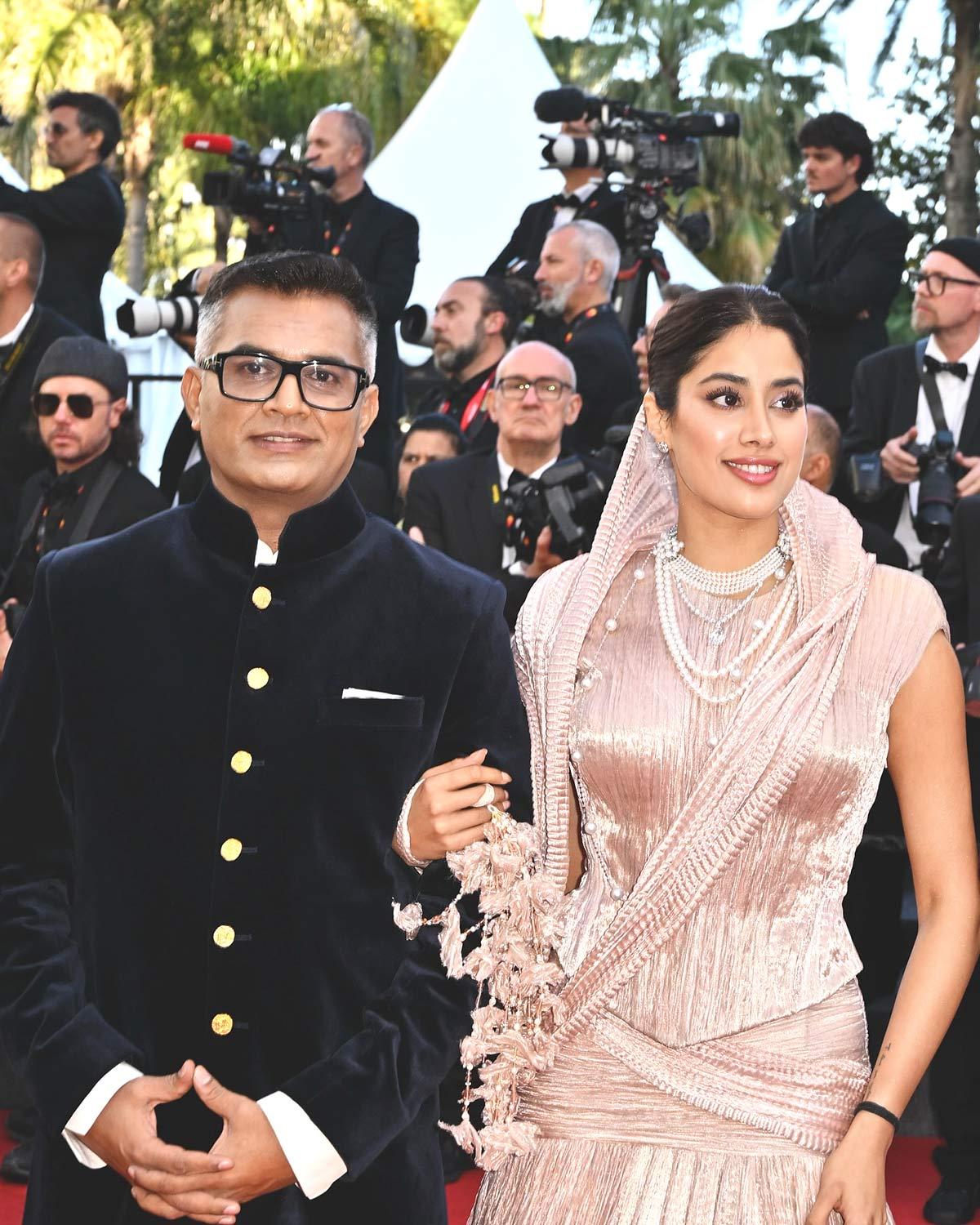
Janhvi
Kapoor
with
Director
Neeraj
Ghaywan.
Photograph:
Kind
courtesy
Dharma
Productions/Instagram
Did
you
cast
Janhvi
Kapoor
because
of
your
producer’s
recommendation?
No.
We
were
to
do
a
biopic
together,
and
that
never
got
made.
But
there
was
a
point
where
I
thought
I
know
of
Janhvi’s
public
image,
and
if
I
have
to
make
it
work,
I
will
have
to
audition
her.
I
trained
her,
workshopped
with
her
for
about
15
days
for
one
scene.
That
was
a
changing
point
for
both
of
us.
I
understood
how
deep
she
is,
how
hungry
she
is,
how
passionate
she
is
about
these
things.
I
am
so
happy
that
she’s
part
of
it.
She
took
a
whole
day
with
me
to
just
understand
how
the
caste
system
manages.
She
read
Annihilation
of
Caste
by
B
R
Ambedkar.
Then
she
went
into
her
own
rabbit
hole.
She
kept
reading
and
discovering
about
castes.
I
told
her
the
first
point
is
to
acknowledge
your
privilege,
your
social
capital
and
how
it
manifests
for
you.
The
last
day
of
the
shoot,
she
broke
down.
She
hugged
and
said,
I
don’t
want
to
go
back
to
what
I
was
doing.
She’s
like
the
moral
core
of
the
film
because
what
she
starts
is
what
the
two
boys
eventually
do,
that
is,
take
up
education.
She
says
that
if
you
want
a
seat
at
the
table,
you
have
got
to
get
up,
and
find
our
own
chair.