‘I
am
not
a
mother
and
never
had
an
abortion
either,
so
I
had
to
understand
motherhood
and
child
loss
from
anecdotal
experiences
of
others.’
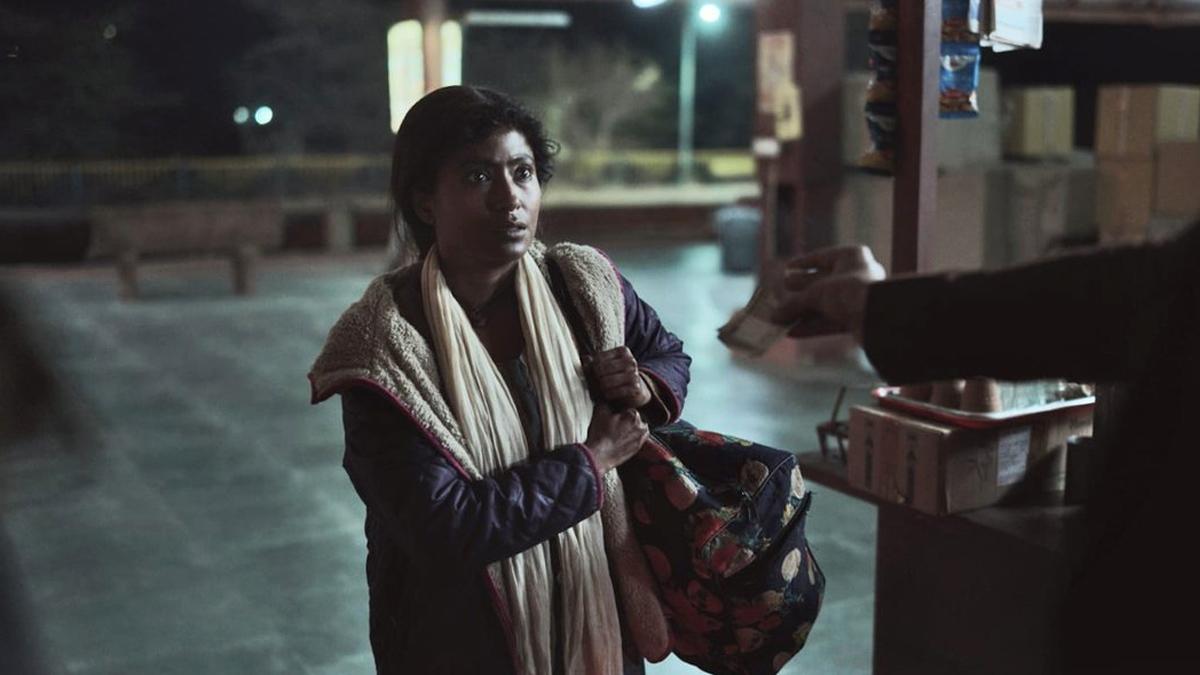
Mia
Maelzer
in
Stolen.
Mia
Maelzer
plays
Jhumpa,
the
disempowered
woman
on
the
run
in
Karan
Tejpal’s
well-reviewed
film
Stolen.
She
plays
a
woman,
who
loses
her
five-month-old
baby
at
a
railway
station.
“It
wasn’t
as
tough
physically
as
it
was
emotionally
for
me
to
shoot
Stolen,”
Mia
tells
Subhash
K
Jha.
Your
performance
as
a
tribal
woman
on
the
run
in
Stolen
is
quite
something.
How
did
someone
as
urban
play
such
a
role?
I
come
from
a
unique
family,
which
is
from
urban
and
rural
spaces.
My
father
comes
from
an
erudite,
reputed,
Bengali
family
of
people
in
sports,
science,
law,
cinema
and
arts.
My
mother
comes
from
a
family
in
a
tiny
Himalayan
village
of
Nepal.
I
was
brought
up
in
an
English
medium
school
in
a
town
called
Panihati
until
I
reached
the
University
of
Calcutta,
almost
unaware
of
our
family
history.
When
did
you
become
aware
of
the
fact
that
you
were
from
such
a
distinguished
family?
Everyone
was
casual
about
teaching
me
the
importance
of
their
contribution
to
society;
they
ensured
that
I
was
given
same
education
and
responsibility.
So
I
slowly
learnt
everything
without
any
pride
attached
to
my
craft.
I
also
ended
up
with
a
scholarship
at
the
National
School
of
Drama
and
once
you
become
part
of
an
institution
like
that,
where
most
of
your
batchmates
come
from
rural
India,
there
is
no
way
you
stay
super
urban
anymore.

Photograph:
Kind
courtesy
Mia
Maelzer/Instagram
When
did
you
become
interested
in
cinema?
I
grew
up
watching
great
world
cinema
and
took
part
in
national
sports
camps
as
an
athlete.
My
mother
ensured
that
I
learnt
Indian
classical
dance
along
with
basic
ballet.
Granny
exposed
me
to
folk
theatre,
music
and
dance.
My
nanny
Komoladi
passed
away
last
week.
She
was
from
Metiabruz.
Our
house
help
Bhagwan
was
from
Odisha.
One
of
my
aunts
was
married
into
a
family
in
a
village,
which
owned
huge
mango
and
lychee
orchards,
where
we
would
spend
hours
with
the
farmers.
My
brother
and
I
grew
up
with
a
lot
of
Anglo-Indian
family
influence
at
home.
So
there
was
no
particular
struggle
for
me
to
understand
the
class
spectrum
that
society
offered.
What
did
you
get
from
this
multi-cultural
upbringing?
What
I
discovered
is
that
we
are
essentially
human
beings
first.
The
rest
are
all
just
socially-constructed
boxes.
So
at
a
surface
level,
it
is
easy
for
me
to
play
any
role.
The
complex
part
is
to
play
through
the
situations
where
my
characters
make
extraordinary
choices.
Did
the
character
require
a
lot
of
preparation?
Yes.
My
teacher
Dilip
Shankar
sir
prepared
me
lightly
about
this
script,
as
did
the
team
that
visited
me
at
home
in
Jaipur.
I
knew
about
Gaurav
Dhingra
and
held
huge
respect
for
him
as
the
producer
of
Angry
Indian
Goddesses,
but
I
discovered
Director
Karan
Tejpal
only
after
we
met
three
years
before
we
shot
Stolen.
It
was
slightly
before
COVID
so
we
had
a
lot
of
time
to
prepare.
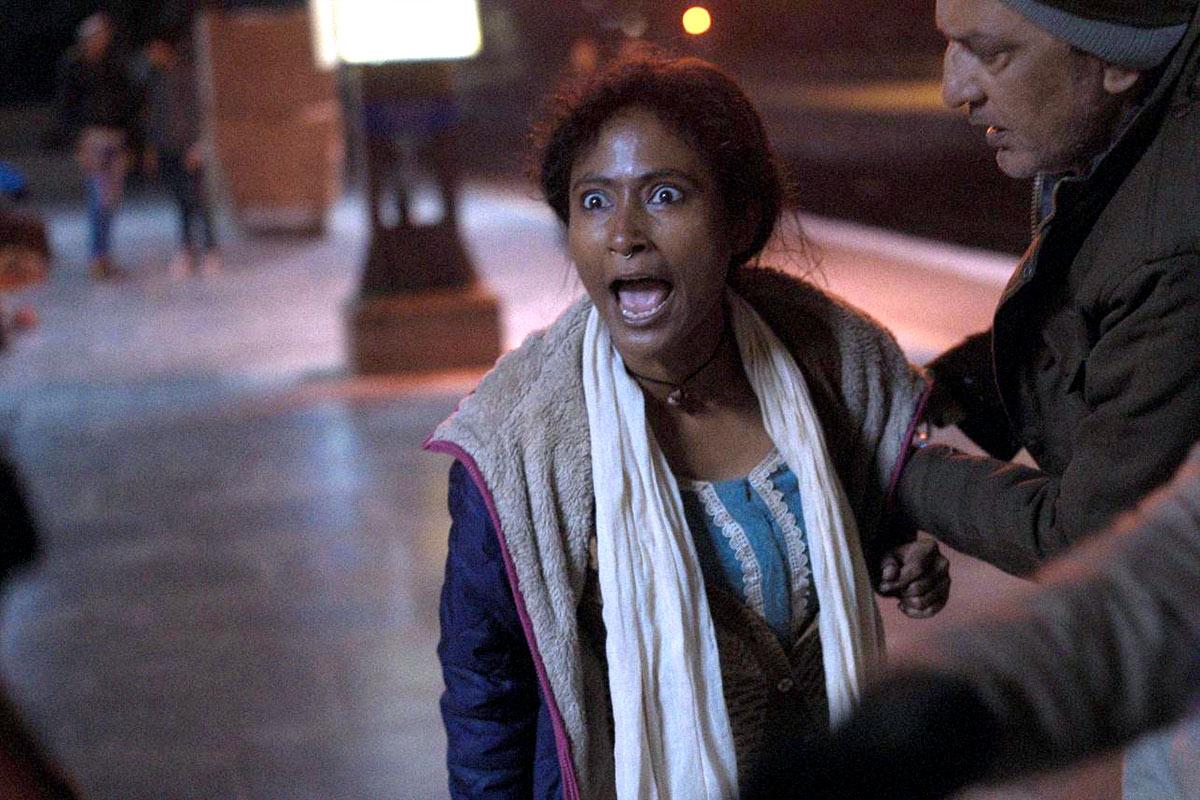
Mia
Maelzer
in
Stolen.
How
did
Karan
help
you
prepare
for
your
role?
He
would
make
me
study
films,
news
and
medical
history.
He
also
encouraged
me
when
I
went
to
meet
surrogate
mothers
in
Bengal.
It
was
a
life-risking
event
for
me
and
till
date,
I
don’t
know
the
exact
location
where
I
met
them.
We
had
to
change
the
dialect
of
the
role
based
on
the
women
I
found
there.
I
had
to
put
on
slight
weight
since
I
played
a
new
mother.
Yet,
we
had
action
sequences,
so
my
brother,
who
is
a
physical
performance
specialist,
worked
on
my
movement
literacy.
Even
the
prosthetic
cut
over
my
belly
had
to
be
different
from
the
regular
caesarean
birth
cases.
Unlike
a
horizontal
cut,
it
had
to
be
vertical
to
avoid
being
caught
as
it’s
not
a
very
straightforward
process
legally.
There
are
many
such
details
that
I
had
to
put
into
building
this
role.
Plus,
I
am
not
a
mother
and
never
had
an
abortion
either,
so
I
had
to
understand
motherhood
and
child
loss
from
anecdotal
experiences
of
others.
I
adopted
my
cat
during
this
making
just
to
understand
motherhood
in
a
better
way.
How
much
of
a
background
check
did
you
do
on
Jhumpa?
Karan
spoke
with
many
doctors
and
legal
experts,
as
did
I.
We
would
discuss
long
hours
about
the
journey
of
migrant
women
and
surrogate
mothers.
We
were
lucky
that
I
had
access
—
through
a
few
documentary
filmmakers
—
to
the
underbelly
of
Bengal,
who
knew
some
women
who
run
this
underground
business.
Since
I
didn’t
visit
with
a
video
camera,
they
opened
up
with
their
inner
thoughts
and
fears.
In
fact,
they
wanted
me
to
tell
their
stories.
I
loved
that
trust.
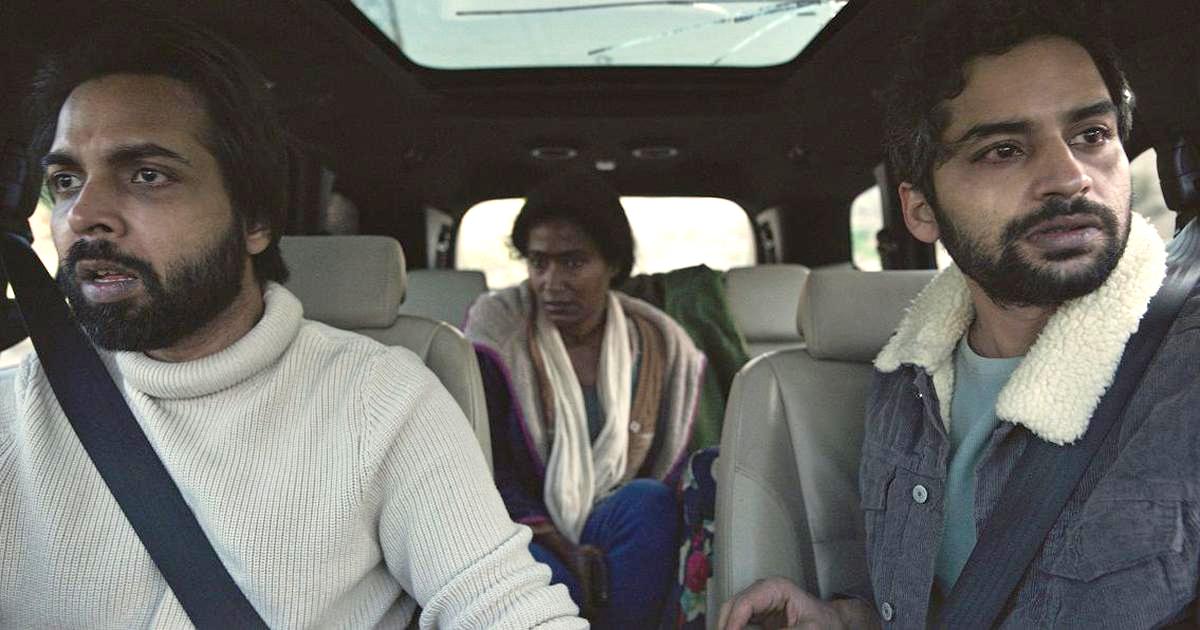
Mia
Maelzer
with
Abhishek
Banerjee
and
Shubham
Vardhan
in
Stolen.
A
lot
of
your
scenes
require
physical
exertion.
Was
that
tough
on
you?
Slightly,
yes,
because
the
geographical
terrain
was
not
easy.
The
heat,
dust,
cold
and
wind
in
the
jungle
made
me
sick
but
we
didn’t
stop
shooting,
as
we
had
a
small
budget.
Most
of
us,
including
actors,
the
DOP
(Director
of
Photography)
team,
Karan,
we
come
from
strong
sports
backgrounds
and
we
fought
with
full
endurance.
It
wasn’t
as
tough
physically
as
it
was
emotionally
for
me
to
shoot
Stolen.
What
are
Abhishek
Banerjee
and
Shubham
Vardhan
like
as
co-stars
and
friends?
They
are
lovely
boys.
But
during
the
process
of
our
film’s
making,
Karan
ensured
that
we
don’t
spend
too
much
time
together
for
the
sake
of
our
roles.
Since
we
all
come
from
theatre
backgrounds,
particularly
the
Delhi
stage,
we
got
along
smoothly,
creatively.
The
language
of
filmmaking
that
we
believe
in
is
also
the
same.
There
is
almost
no
age
gap
amongst
us
so
there
was
no
hierarchy
despite
the
fact
Abhishek
brought
in
his
commercial
cinema
experiences
and
Shubham
and
I
brought
in
film
and
drama
school
expertise.
We
were
all
learning
from
each
other
under
the
guidance
of
our
director,
as
if
it
was
the
first
time
we
were
shooting
a
film.
In
fact,
AB
taught
me
to
fight
for
my
own
rights.
Shubham
taught
me
patience.
They
are
both
magic.
We
are
a
perfect
team.
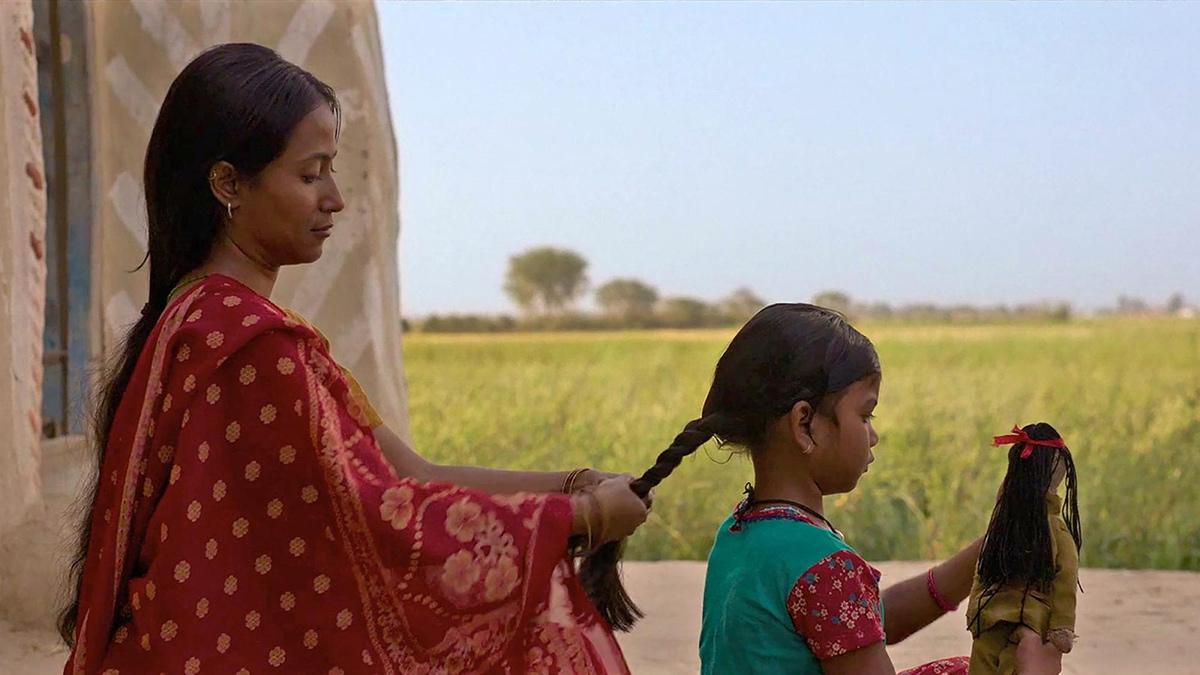
Mia
Maelzer
and
Sajda
Pathan
in
The
Braid.
Are
we
seeing
you
in
anything
else
soon?
My
upcoming
films
are
an
Indo-American
feature
film
in
Telugu
and
Khoya
language
shot
inside
the
forest
sharing
the
borders
of
four
Indian
states
—
Andhra
Pradesh,
Odisha,
Chhattisgarh
and
Telangana.
The
director
is
an
American-born
Indian
filmmaker,
Aditya
Vempaty.
Nandita
Das
and
Nassar
are
the
two
senior
actors
in
the
film
along
with
local
theatre
actors
from
Hyderabad
and
the
Adivasi
tribe
of
this
region.
It
is
the
last
film
that
the
late
Shyam
Benegal
sir
was
mentoring
at
its
writing
stage.
The
film
is
based
on
climate
impact
and
is
a
period
drama.
Stolen‘s
DOP
Ishaan
Ghosh
is
also
part
of
this
team.
The
other
film
is
a
short
film
based
out
of
the
Darbhanga
district
of
Bihar,
where
I
speak
the
Maithili
language.
The
story
is
based
on
a
child’s
sense
of
belonging
and
identity.
Actor
Gagandev
Riar
is
also
a
part
of
this
short
film
directed
by
Omi
Gupta.
I
also
continue
my
academic
career
as
a
theatre
and
film
coach
across
the
world
associated
with
various
schools
and
universities
and
film
projects.
My
focus
is
now
to
ensure
if
I
can
bring
my
internationally-released
criticality
acclaimed
work
The
Braid
by
Laetitia
Colombani
to
India
since
it’s
available
on
Netflix
France,
and
various
other
channels
across
Europe.