‘They
can’t
take
even
the
smallest
step.’
‘The
mental
abuse
is
so
insidious
that
sometimes
they
don’t
even
realise
it’s
happening.’
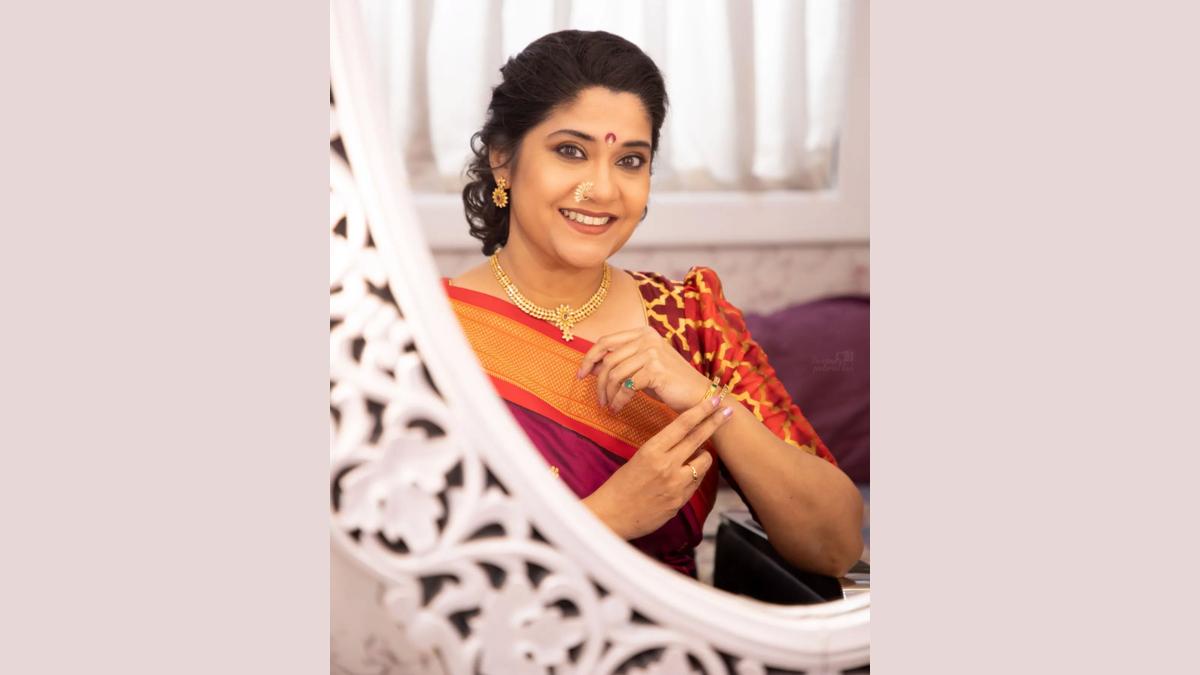
Photograph:
Kind
courtesy
Renuka
Shahane/Instagram
The
strains
of
Dev
Anand
and
Waheeda
Rehman’s
Tere
Mere
Sapne
from
Guide
ring
in
your
ear,
as
you
wait
for
Renuka
Shahane
to
answer
her
phone.
The
ringtone
is
a
pleasant
start
to
the
conversation,
which
starts
with
a
cheerful
voice,
sprinkled
with
a
lot
of
laughter.
But
Renuka
has
a
lot
of
say,
and
she
does
that
with
her
latest
directorial
called
Loop
Line,
or
Dhao
Patti.
The
Marathi
animated
film
is
under
10
minutes,
and
tells
a
story
we
are
familiar
with.
We
see
a
housewife,
who
goes
through
an
unending
day
of
drudgery
and
boring
housework
with
no
appreciation
from
her
emotionally-abusive
husband.
But
every
once
in
a
while,
she
takes
a
break
by
escaping
into
her
imagination.
This
is
not
Renuka’s
life,
but
many
women
have
lived
it
at
some
point.
“I
was
thinking
of
those
women
who
live
in
claustrophobic
lives
and
yet,
find
an
outlet,”
Renuka
tells
Rediff‘s
Ronjita
Kulkarni.
Perhaps
they
imagine
a
different
life
or
imagine
themselves
in
pleasant
situations.”
Loop
Line
is
about
the
emotional
abuse
women
face
in
their
domestic
lives.
Why
did
you
choose
to
explore
this
subject?
Whenever
I
think
of
novels
or
films
written
with
women-centric
characters,
whatever
the
problematic
areas
are
in
that
woman’s
life,
there
is
some
sort
of
step
that
the
woman
takes
at
the
end,
which
is
a
sort
of
resolution
or
it
gives
hope
for
something
better
in
her
life.
Like,
she
suddenly
finds
her
voice
or
does
something
different
to
solve
the
issue,
big
or
small.
But
a
lot
of
women,
especially
housewives,
don’t
have
the
guts
or
the
ability
to
go
away
from
the
situation
they
are
in.
They
can’t
take
even
the
smallest
step.
They
don’t
find
outlets
to
deal
with
their
drudgery.
The
mental
abuse
is
so
insidious
that
sometimes
they
don’t
even
realise
it’s
happening.
And
this
is
not
taken
seriously
because
the
questions
asked
are,
is
your
husband
physically
harming
you?
Is
it
very
serious?
But
it
is
serious
because
it
does
not
allow
you
to
lead
a
happy
life.
So
I
was
thinking
of
those
women
who
live
in
claustrophobic
lives
and
yet,
find
an
outlet.
Perhaps
they
imagine
a
different
life
or
imagine
themselves
in
pleasant
situations.

A
housewife
struggles
with
the
drudgery
of
housework
in
Loop
Line.
These
kinds
of
women
are
very
far
removed
from
you
and
your
life.
Totally.
It’s
not
a
lived
experience
at
all.
So
how
did
you
get
a
deeper
understanding?
The
drudgery
of
housework
is
not
alien
to
me,
even
though
I’m
a
working
woman.
One
feels
that,
oh,
empowered
women
can
outsource
work.
Yes,
of
course,
you
can,
but
there
are
so
many
things
one
has
to
look
into
to
keep
a
house
running
well,
and
you
have
to
do
that
yourself.
And
it’s
not
an
equal
job.
I
have
seen
people
who
have
worked
with
me,
observed
my
life
and
women
in
general.
I
have
seen
it
in
villages,
big
towns
and
big
cities.
It’s
very
common.
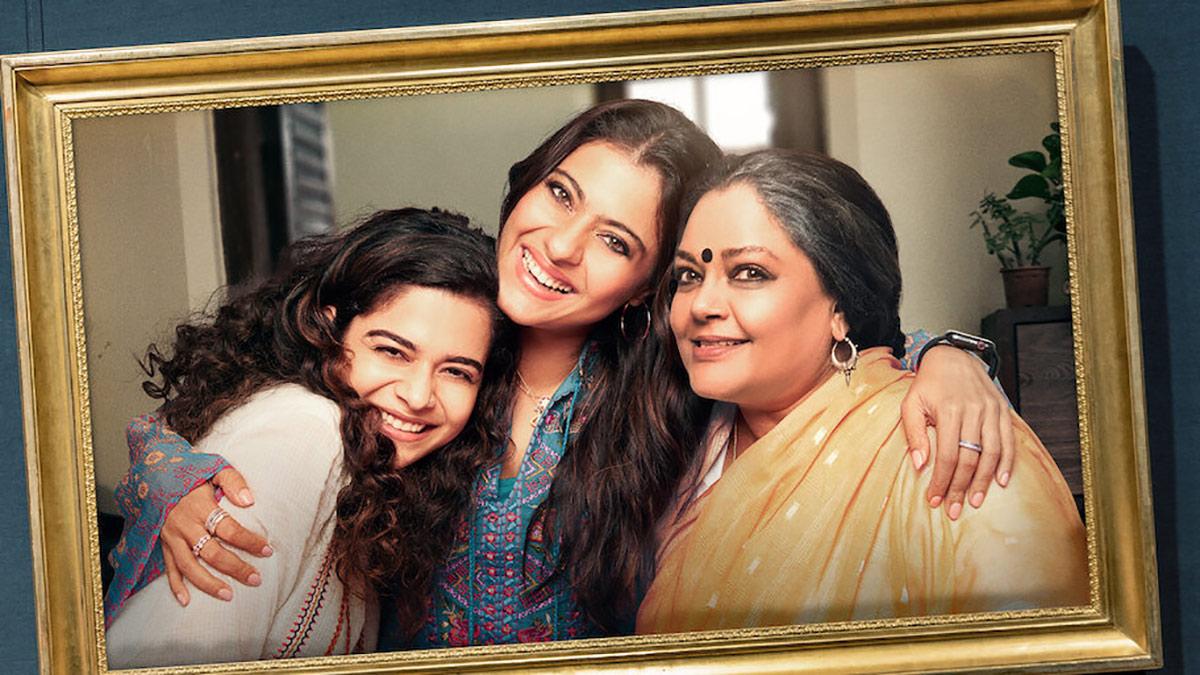
Mithila
Palkar,
Kajol
and
Tanvi
Azmi
in
Tribhanga.
All
your
directorials,
Rita,
Tribhanga
and
Loop
Line
have
strong
feminist
views.
Have
you
decided
to
use
the
medium
of
directorship
to
articulate
your
views
on
feminism?
You
know,
people
might
have
a
very
low
opinion
about
feminism
today.
It’s
bandied
around
in
a
very
derogatory
manner.
But
I
am
a
staunch
feminist.
It
was
an
extremely
important
movement
and
the
people
who
criticise
it,
including
women,
are
where
they
are
today
because
of
the
hard
work
the
early
feminists
have
put
in.
They
have
helped
women’s
voices
to
come
to
the
fore,
for
them
to
get
education,
the
right
to
vote,
basic
things
which
we
take
for
granted.
So,
when
you
say,
oh,
these
feminists,
you’re
talking
about
individuals
you
don’t
like,
basically.
Let’s
not
malign
the
term
or
the
importance
of
that
movement
just
because
you
don’t
like
certain
women
or
men
who
represent
feminism.
Will
you
ever
explore
a
different
theme?
As
a
director,
I
want
to
tell
stories
that
affect
me
and
amplify
my
authentic
voice.
In
Rita,
Tribhanga
and
Loop
Line,
we
are
talking
about
the
struggles
women
face
and
there
is
such
a
long
journey
still
ahead
of
us,
in
terms
of
equality
and
mindsets.
But
the
subjects
I
am
dealing
with
next
are
not
gender-related.
They
are
more
related
to
the
social
aspects.
Not
that
I
am
done
with
stories
related
to
women
but
I
want
to
delve
into
other
aspects.
My
next
Marathi
film
deals
with
racism
and
how
we
don’t
even
realise
how
racist
we
can
be.
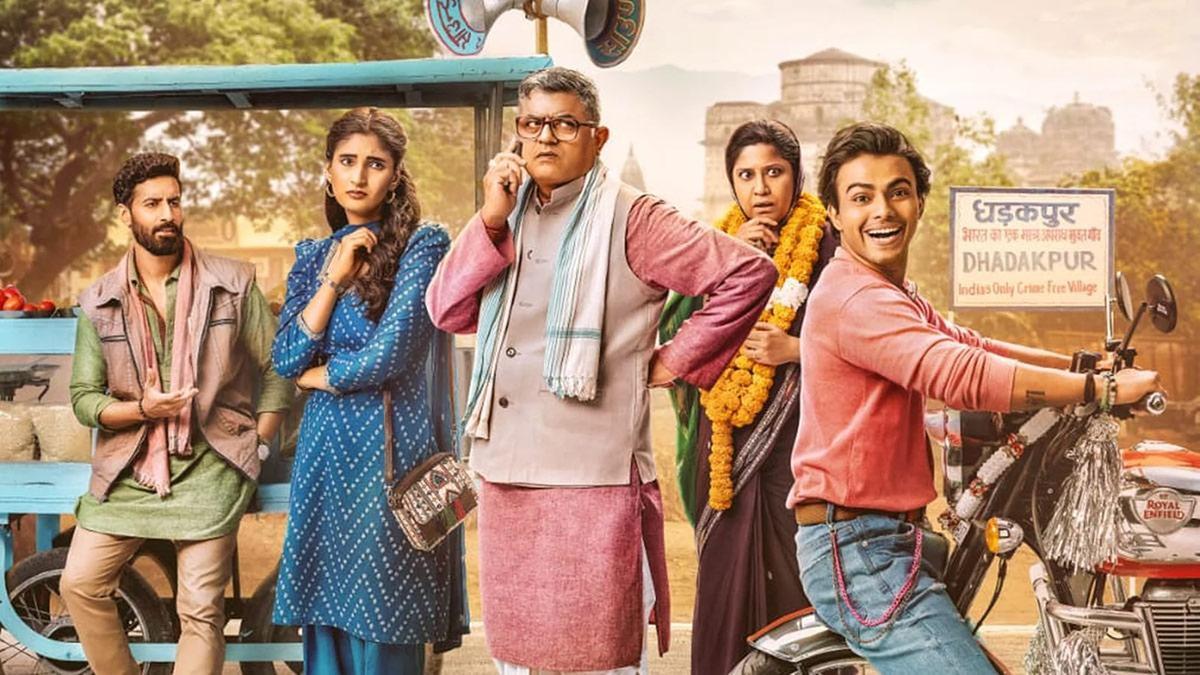
A
scene
from
Dupahiya.
In
Bollywood,
which
are
the
filmmakers
that
bring
out
the
woman’s
voice
the
best?
Gulzarsaab
writes
beautifully
for
women.
Bimal
Roy’s
films
are
so
sensitive
to
women.
Guru
Dutt
portrayed
women
in
such
a
sensitive
manner.
Sujoy
Ghosh
in
Kahaani.
Dupahiya
was
written
by
two
men
(Avinash
Dwivedi,
Chirag
Garg),
and
all
the
women
characters
were
so
sensitively
written.
Similarly,
some
women
are
so
good
with
men.
Take
Zoya
Akhtar,
Farah
Khan,
Mira
Nair.
As
an
actress
working
in
Bollywood
over
decades,
how
much
have
things
changed
for
women?
How
supportive
is
the
system
to
women
now?
Today,
things
are
so
much
better
in
terms
of
the
opportunities
for
women.
In
the
1990s,
usually,
the
only
women
on
the
sets
were
the
actors
and
their
hairdressers.
You
would
not
find
any
other
woman.
Of
course,
there
were
female
directors
like
Sai
Paranjpe,
Vijaya
Mehta,
and
Aparna
Sen,
but
the
set
was
predominantly
men.
Now,
there
are
women
in
front
of
the
camera
and
behind.
We
have
female
cinematographers,
something
you
would
have
never
imagined
in
the
’90s.
Also,
with
the
advent
of
OTT
platforms
and
corporates,
there’s
a
different
type
of
professionalism.
There
is
an
awareness
of
any
sort
of
bullying
or
sexual
abuse
or
innuendo.
These
things
are
handled
better,
more
gracefully.
Now
there
is
an
intimacy
coordinator
for
scenes
related
to
intimacy.
In
the
1990s,
there
weren/t
even
separate
loos
for
women!
Women
who
were
character
actors
had
to
deal
with
a
lot.
For
the
outdoors,
if
you
had
to
go
to
the
loo
and
there
were
none,
you
had
to
make
a
temporary
place
with
your
chunnis.
It
was
later,
maybe
sometime
in
the
2000s
that
things
got
better
and
there
were
separate
loos
for
women.
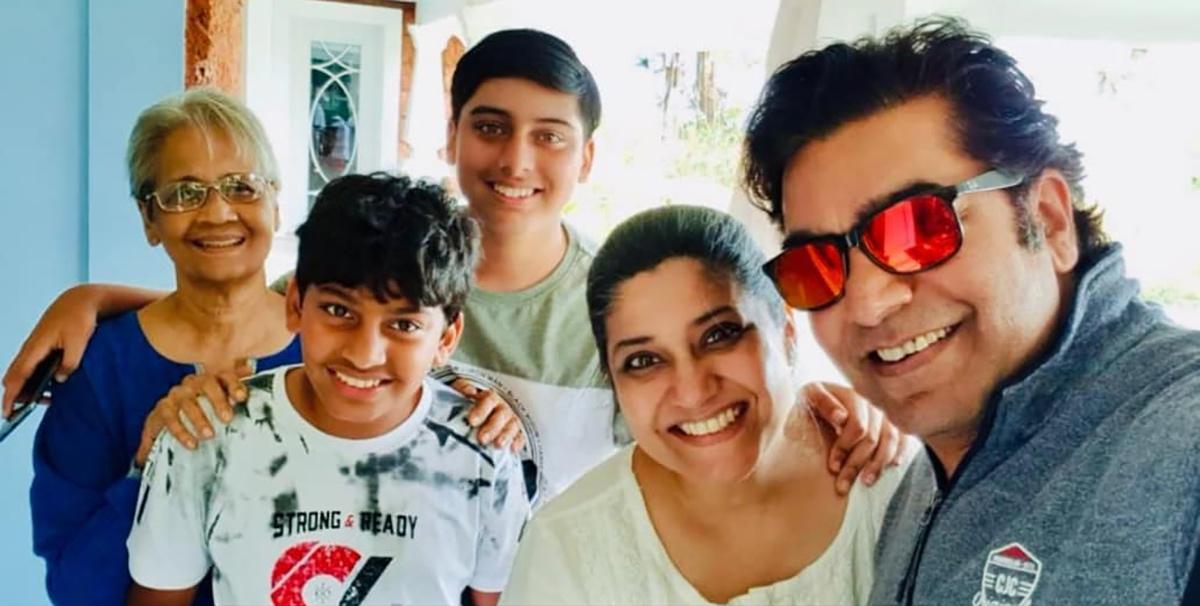
Renuka
with
her
family:
Mum
Shanta
Gokhale,
a
well-known
writer,
husband
Ashutosh
Rana
and
sons
Shouryaman
and
Satyandra.
Photograph:
Kind
courtesy
Renuka
Shahane/Instagram
Recently,
Deepika
Padukone
opted
out
of
a
film
because
of
a
better
work-life
balance
after
becoming
a
new
mom.
This
must
have
been
unheard
of
in
the
1990s.
What
were
the
choices
that
you
had
to
deal
with
as
an
actor,
when
you
had
your
children?
Yeah,
absolutely.
unheard
of.
At
that
time,
once
you
signed
a
film,
it
was
taken
for
granted
that
you’ve
signed
out
your
life
for
that
time.
But
I
chose
not
to
work
when
I
had
children
because
I
find
it
very
difficult
to
multitask.
It
confuses
me.
So
when
I
had
kids,
I
wanted
to
stay
with
them.
I
took
up
work
very
rarely
in
those
years.
And
I
never
did
outdoor
shoots.
Now
that
they
have
become
independent
(Renuka’s
sons
Shouryaman
and
Satyandra
are
23
and
20
respectively),
I
have
started
working
again.
Dupahiya
is
the
first
shoot
where
I
have
gone
outdoors
again.
But
everybody
has
the
right
to
decide
their
priorities,
if
they
want
to
balance
work
and
home.
They
have
a
right
to
say
that,
okay,
I’ll
work
only
these
many
hours.
If
it’s
not
suitable
to
the
producer
or
director,
then
you’re
not
there
in
that
project.
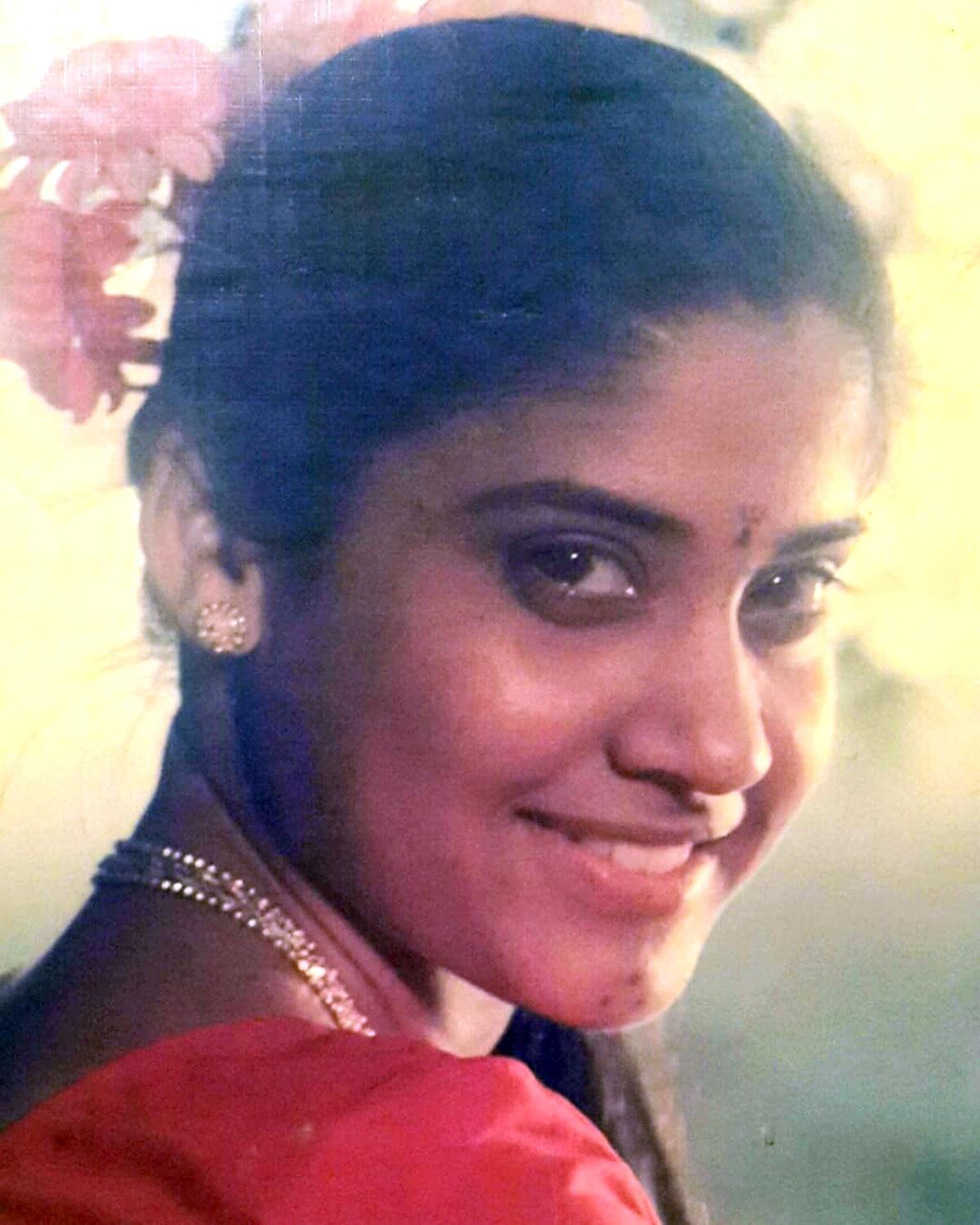
Renuka,
in
flashback.
Photograph:
Kind
courtesy
Renuka
Shahane/Instagram
There’s
a
film
like
Loop
Line,
which
is
trying
to
make
an
important
statement.
And
then
there’s
a
film
like
Housefull
5,
bigger
in
budget
and
scale,
about
sexism
and
racism,
and
it’s
even
doing
well.
Do
you
feel
discouraged
or
disappointed?
No,
I
don’t.
Who
am
I
to
judge?
People
are
paying
their
money
and
seeing
it.
In
fact,
I
would
like
it
if
films
work
because
that’s
very
important
for
the
industry.
If
the
commercial
entertainers
don’t
run,
then
the
out-of-the-box
films
have
no
chance.
Loop
Line
is
a
passion
project
for
me.
It’s
not
something
where
I’m
going
to
earn
a
lot
of
money.
I
knew
that,
in
fact,
I’m
not
going
to
possibly
earn
any
money.
I
was
told
that
there’s
no
distribution
network
for
animation
films,
especially
those
with
mature
content.
They
are
rarely
made
in
India,
so
they
don’t
have
that
kind
of
market.
Why
don’t
we
see
you
acting
more
often?
Are
the
roles
uninteresting
or
low-paying
or
are
you
choosing
to
direct
more
than
act?
I
have
to
balance
my
acting,
my
writing
and
my
direction.
I
also
have
to
balance
my
house.
So
whenever
I
feel
everything
is
conducive,
I
take
up
the
offer.
Of
course,
they
should
be
offers
that
one
feels
excited
about.
But
you
will
see
more
of
me
now
because
my
kids
have
grown
up.
Dupahiya
was
such
a
pleasant
watch.
Did
it
bring
you
more
offers?
Yes.
People
feel
that
sometimes
you
are
going
in
different
directions,
so
you
won’t
act.
So
now,
maybe
people
will
feel
that,
oh,
she’s
accepting
offers
now
that
she’s
done
Dupahiya.
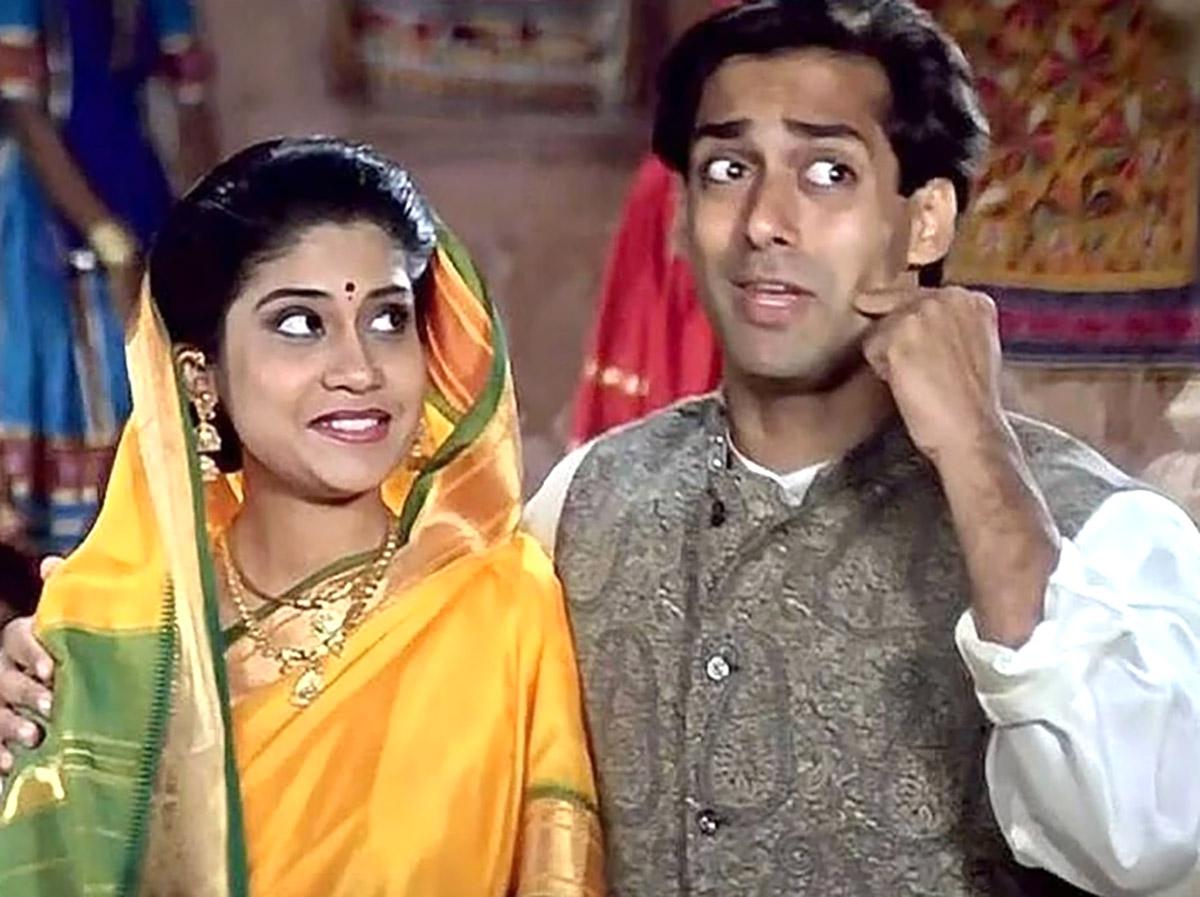
Renuka
with
Salman
Khan
in
Hum
Aapke
Hai
Koun…!
(1994).
How
do
you
look
back
at
your
career,
the
films
you
did?
Which
ones
were
memorable?
Some
things
stand
out
for
me
either
due
to
the
popularity
they
offered
me
or
because
I
loved
being
part
of
them.
I
loved
Circus (1989)
because
that
made
me
choose
this
profession
of
acting.
It
was
Aziz
uncle
(Mirza),
who
mentored
me
and
encouraged
me
to
become
an
actor.
During
Lifeline
(1991),
I
found
a
passion
for
direction.
I
had
assisted
Dr
Vijaya
Mehta
in
that
series,
and
it
was
an
institution
for
me.
My
Telugu
film
Money
(1993)
was
such
a
joyous
time.
I
was
new
to
the
field
of
cinema
and
the
language
was
not
mine.
Yet,
I
really
enjoyed
myself.
Surabhi
and
Hum
Aapke
Hai
Koun…!
have
stood
the
test
of
time.
When
I
go
anywhere
in
the
world,
people
recognise
me
because
of
Hum
Aapke
Hai
Koun..!.
I
loved
Imtihaan
(1995)
because
that
was
when
people
started
taking
notice
of
me
as
an
actor.
My
directorial
films,
Rita,
Tribhanga
and
Dhao
Patti
are
my
babies.
When
you
look
back,
how
much
have
you
changed
as
a
person?
What
were
you
like
in
those
days?
I’ve
changed
a
lot.
My
level
of
patience
has
increased
a
lot.
You
know,
as
a
young
person
who
is
very
popular,
there
is
a
certain
brashness
in
you.
There
is
a
certain
overconfidence,
which
has
mellowed
over
the
years.
But
I
am
still
very
self-critical.
I
have
to
be
kind
to
myself.
I
think
I
should
learn
to
do
that
more.
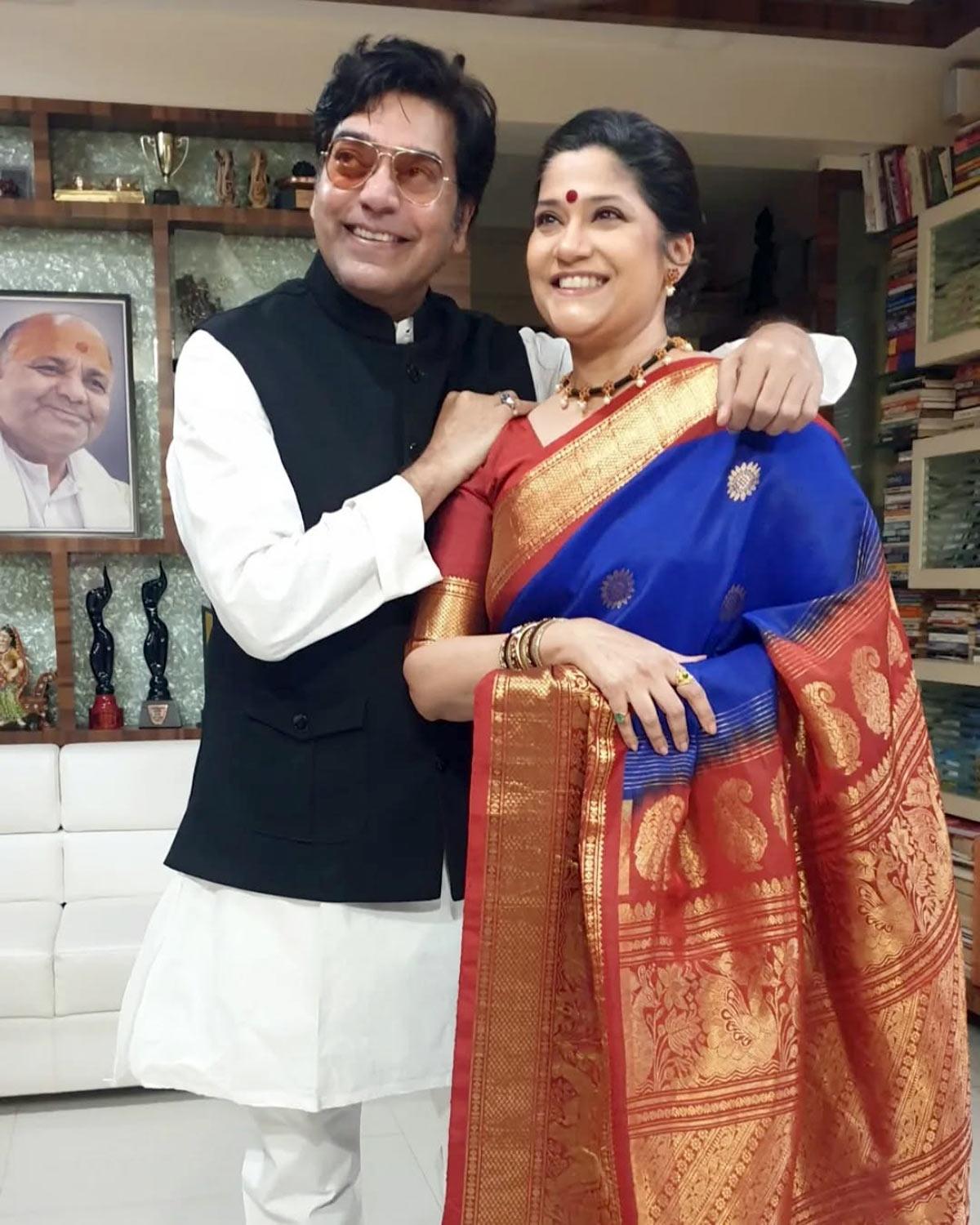
With
Ashutosh
Rana.
Photograph:
Kind
courtesy
Renuka
Shahane/Instagram
Bollywood’s
sweet
girl-next-door
got
married
to
one
of
the
scariest
villains
of
the
time,
Ashutosh
Rana.
But
we
want
to
know
your
scariest
quality.
Oh,
I
don’t
think
I
have,
I’ll
have
to
ask
Ranaji.
(“Ranaji,
what
is
my
scariest
quality?”)
(“Cockroach.”)
No,
no,
he
thought
what
I’m
scared
of,
and
he
said
cockroach.
(“Do
I
have
a
scary
quality?“)
He’s
saying
he
doesn’t
find
anything
scary
about
me.
But
I’ll
tell
you
what
my
scary
quality
is.
I
can
be
happy
being
a
recluse
and
that’s
not
a
good
thing.
What
is
Ranaji‘s
scary
quality?
He
has
very
few
scary
qualities.
But
his
anger
is
scary.
Even
my
anger
is
scary.
I
think
my
children
can
give
the
right
answer
to
this.
(She
asks
Shouryaman,
who’s
present
in
the
room)
My
eldest
son
says
that
I
get
irritated
randomly.
What’s
his
father’s
scariest
quality?
He’s
scared
to
even
say
it.
We
don’t
get
angry
very
often
but
when
we
do,
you
should
leave
us
alone.
What
ticks
you
off?
Dishonesty.
Incompetence.
Cruelty
to
children,
animals
or
anybody
who’s
underprivileged.
I
think
what
my
eldest
son
said,
being
irritable
randomly,
sometimes
the
pressure
of
being
everywhere
at
the
same
time
gets
to
me.