Kubera
is
a
well-intentioned
addition
to
Shekar
Kammula’s
cinematic
universe
that
drags
on
but
never
loses
its
prescient
quality,
notes
Arjun
Menon.
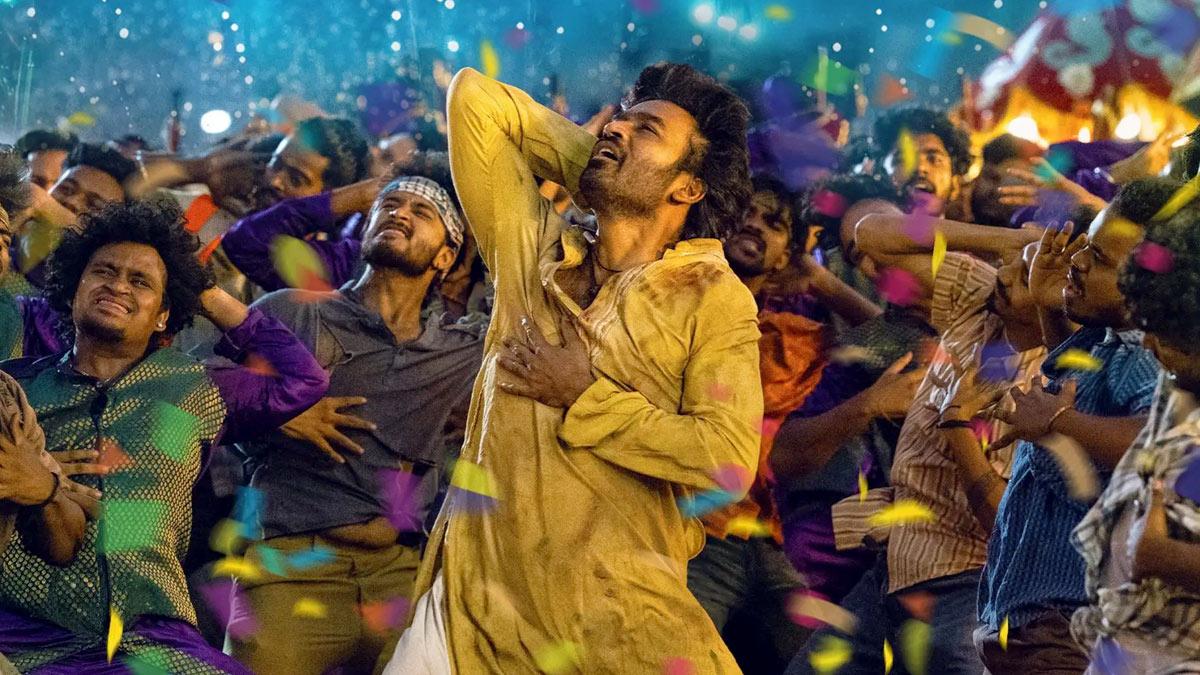
Kubera
is
the
latest
from
director
Shekar
Kammula,
who
is
known
for
his
social
entertainers.
The
film
is
a
startling
commentary
on
class,
a story
of
the
affluent
manipulating
the
disenfranchised,
and
how
the
wrong
move
by
one
of
the
players
in
the
pecking
order
upends
the
whole
cycle.
Kubera
tries
to
examine
two
worlds
that
are
mutually
exclusive:
the
affluent
and
the
exploited.
Industrialist
Neeraj’s
(Jim
Sarbh)
greedy
masterplan
for
a
nationwide
scheme
goes
wrong,
with
fatal
consequences
to
all
parties
involved.
Deepak
(Nagarjuna),
a
former
CBI
officer,
is
put
in
charge
of
recruiting
a
team
of
beggars
to
execute
a
plan
that
involves
a
lot
of
money,
ministerial
bribes
and
benami dealings.
The
film
finds
its
emotional
core
in
Deva
(Dhanush),
one
of
the
beggars
recruited
for
the
task.
But
he
has
a
change
in
heart.
Kubera
is
not
invested
in
the
intricacies
of
the
scam
and
sets
up
the
stakes
of
the
mega
capitalist
undertaking
that
can
make
or
break
the
economic
status
quo,
obviously
with
larger
implications
and
bigger
players
involved.
Deva’s
journey
upsets
the
plans,
and
we
see
Rashmika
Mandanna,
playing
the
female
lead,
who
lends
support
to
the
proceedings.
Kubera
is
held
together
by
Nagarjuna
and
Dhanush,
who
are
given
multi-dimensional,
well-sketched
out
parts
that
elevate
the
bland
social
commentary.
The
problem
with
Kubera
is
that
the
intentions
overpower
the
efficiency
of
its
philosophical
musings.
Dhanush
effortlessly
sidesteps
the
possibilities
of
caricaturist
impressions
and
insensitive
portrayal
of
a
particular
class
on
screen.
There
is
not
even
one
false
note
in
his
immersive
performance.
He
bares
it
all
out
emotionally
for
a
rapidly
evolving
arc
that
sees
him
glide
through
emotional
turmoil
and
moral
choices.
Nagarjuna
gets
to
revel
in
a
part
that
requires
him
to
underplay
the
moral
dilemma
of
a
man
with
a
dutiful
past,
who
has
long
given
up
the
ethical
considerations
that
earlier
held
him
back.
I
was
frequently
reminded
of
his
work
in
Mahesh
Bhatt’s
1998
Zakhm,
where
the
performer
in
him
got
a
showcase
for
his
talent
over
his
larger-than-life
screen
persona.
Even
here,
he
does
not
impose
his
star
persona
and
lends
ample
support
to
Dhanush.
Devi
Sri
Prasad’s
music
and
background
score
understands
the
story’s
milieu
that
unfolds
over
two
economic
worlds.
The
score
jumps
back
and
forth
between
soaring
melodrama
and
easygoing
rhythms
of
familiarity.
The
scenes
involving
Dhanush
and
his
personal
journey
have
a
thematic
identity
with
an
uplifting
spirit.
Cinematographer
Niketh
Bommireddy
captures
the
cityscape
and
the
duality
of
the
rich
vs
poor
with
a
visual
that
priorities
realism
over
glitz. Kubera thrives
in
its
simplistic
touches
and
never
oversteps
for
narrative
sleekness.
It
reigns
in
the
whole
experience
from
being
a
tonally
jarring
experience.
But
in
between
all
the
high
stakes
drama
and
umpteen
characters
lost
in
power
games,
Kubera
loses
its
focus
and
ends
on
a
bland
note.
The
film
has
too
much
on
its
mind
and
the
everyday
poetry
of
Kammula’s
usually
observant
jabs
at
societal
vices
becomes
stale
with
repetition.
Kubera
deserves
eyeballs
for
addressing
important
issues
of
class,
black
money
distribution
and
capitalistic
overdrive,
crushing
the
faceless
ones
caught
in
the
middle.
In
an
age
of
films
dominated
by
hyper
masculine
commercial
affairs,
this
is
a
welcome
departure
to
serious
musings
on
topical
issues
from
the
perspective
of
a
hero
belonging
to
the
lowest
possible
demography,
never
represented
in
our
films.
But
the
preachy
vibes
and
loud
commentary
takes
away
the
charm
of
the
trademark
‘Kammula’
finesse
in
some
points.
Still,
Kubera
is
a
worthwhile
swing
from
a
fascinating
film-making
voice
from
mainstream
Telugu
cinema.
Kubera
Review
Rediff
Rating: