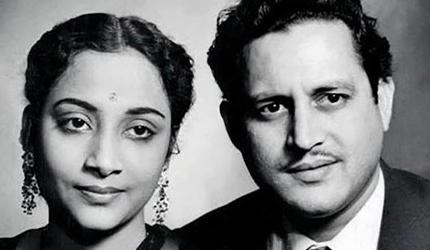
‘The
pain
of
not
having
a
home
is
bearable,
but
the
pain
of
having
one
—
and
not
finding
peace
in
it
—
is
far
worse.’
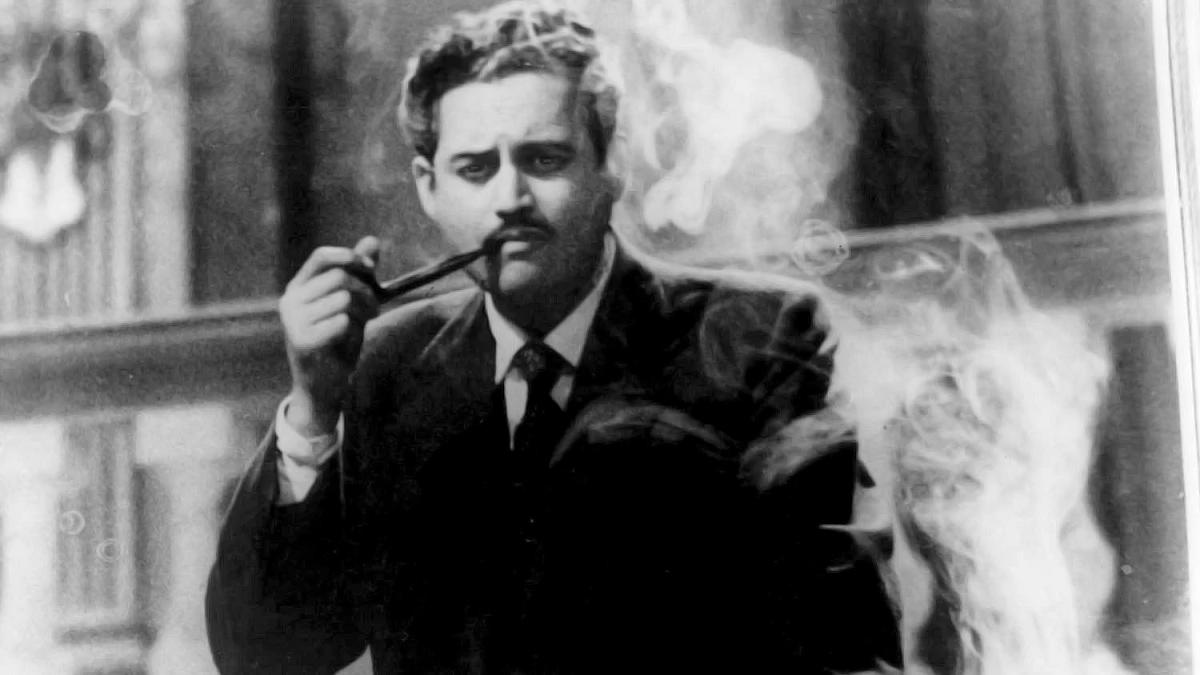
Guru
Dutt
in
Kaagaz
Ke
Phool.
Bungalow
No
48
in
Pali
Hill
was
a
dream
for
many
but
not
for
its
owner,
filmmaker
Guru
Dutt.
For
his
wife,
singer
Geeta
Dutt,
it
was
a
haunted
space,
for
him,
never
the
sanctuary
he
longed
for.
In
time,
he
had
it
demolished
—
that
too
on
his
birthday.
The
heartbreaking
story
of
the
palatial
house
that
never
became
a
home
for
the
celebrity
couple
has
been
vividly
captured
in
two
books,
Bimal
Mitra’s
Bichhde
Sabhi
Baari
Baari
and
Yasser
Usman’s
Guru
Dutt:
An
Unfinished
Story.
Purchased
for
Rs
1
lakh
—
and
razed
in
1963,
the
year
before
Guru
Dutt
was
found
dead
after
a
cocktail
of
alcohol
and
sleeping
pills
—
the
bungalow
was
the
filmmaker’s
prized
possession.
But
tragedy
soon
seeped
into
its
walls.
It’s
the
house
in
which
he
tried
to
end
his
life
twice.
‘I
always
wanted
to
be
happy
in
my
household.
My
house
is
the
most
beautiful
among
all
the
buildings
in
Pali
Hill.
Sitting
in
that
house,
it
does
not
look
like
you
are
in
Bombay.
That
garden,
that
ambience
—
where
else
can
I
find
it?
Despite
this,
I
could
not
stay
in
that
house
for
much
longer,’
Usman
quotes
Guru
Dutt
as
saying.
According
to
Lalitha
Lajmi,
Guru
Dutt’s
sister,
it
was
Geeta
Dutt
who
suggested
they
leave
the
house.
‘She
believed
that
the
bungalow
was
haunted.
There
was
a
particular
tree
in
the
house
and
she
said
there’s
a
ghost
who
lives
in
that
tree,
who
is
bringing
bad
omen
and
ruining
their
marriage.
She
also
had
something
against
a
Buddha
statue
that
was
kept
in
their
huge
drawing
room,’
Lajmi,
who
witnessed
the
relationship
from
the
early
days
of
courtship
till
the
end,
recalls
in
Usman’s
book.
Grappling
with
depression,
a
troubled
marriage
and
his
wife
calling
it
‘graveyard’,
the
director-actor
eventually
made
up
his
mind.
According
to
Usman’s
book,
on
the
morning
of
his
birthday,
the
man
who
once
dreamed
of
peace
in
his
expansive
bungalow
—
yet
often
found
resting
only
in
a
modest
7×7
foot
room
at
his
studio
—
called
in
workers
and
instructed
them
to
tear
it
down.
‘I
remember
it
was
his
birthday.
He
loved
that
house
and
he
was
heartbroken
when
it
was
demolished,’
says
Lajmi.
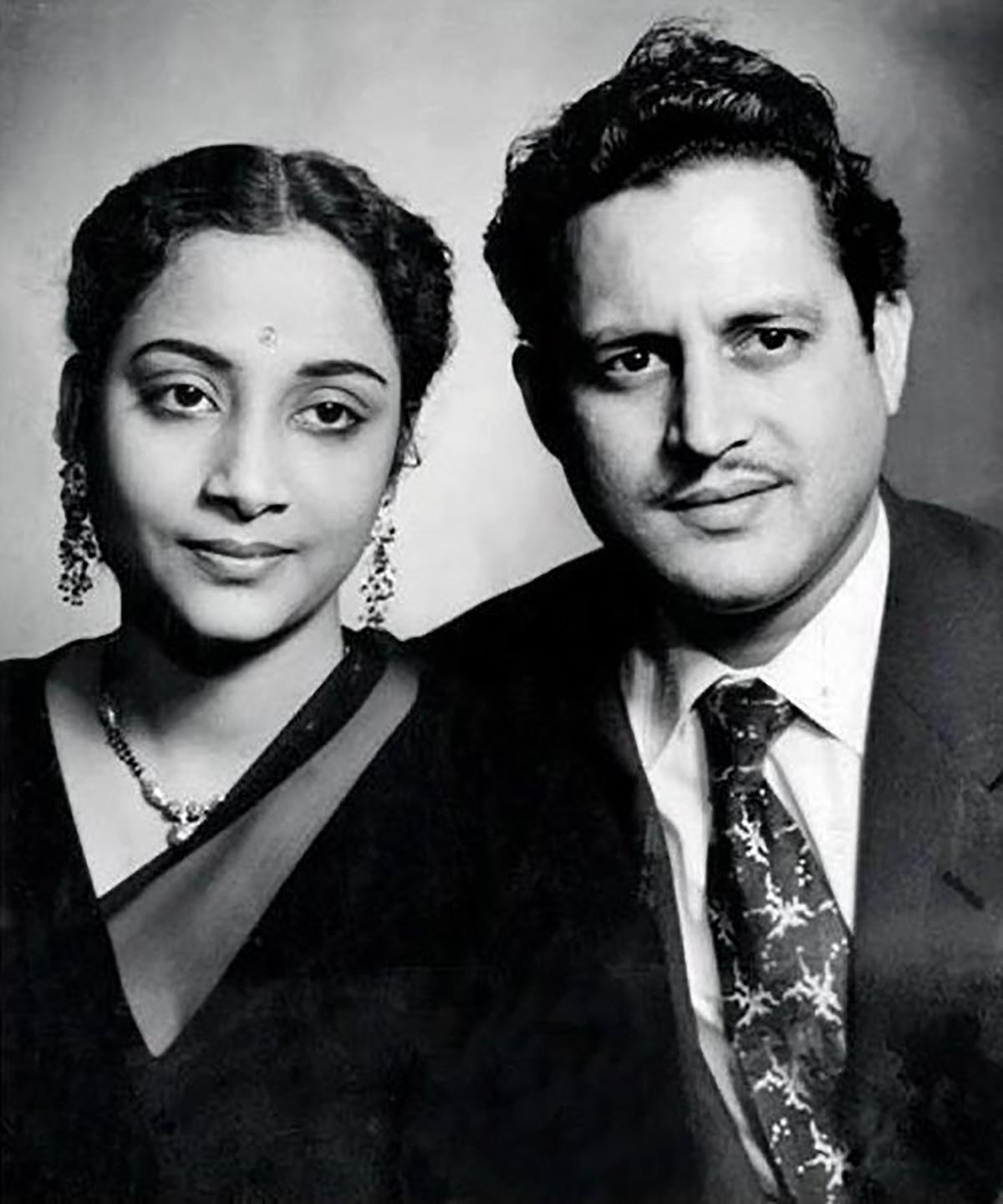
Geeta
Dutt
and
Guru
Dutt.
Photograph:
Kind
courtesy
Film
History
Pics/X
The
abrupt
demolition
of
the
house
is
also
recounted
by
writer
and
close
friend
Mitra,
who
held
many
fond
memories
of
time
spent
at
the
Pali
Hill
bungalow.
Mitra
was
the
author
of
the
Bengali
bestseller
Sahib,
Bibi
aur
Ghulam,
which
Guru
Dutt
famously
adapted
into
a
critically
acclaimed
film.
When
Mitra
visited
Bombay
(now
Mumbai)
at
Guru
Dutt’s
invitation,
he
was
surprised
to
be
taken
not
to
the
familiar
Pali
bungalow,
but
to
a
modest
rented
flat.
Bewildered,
he
soon
learned
that
the
house
had
been
demolished.
Later,
Guru
Dutt
drove
him
to
the
site
of
the
now
razed
Bungalow
No
48.
Nothing
looked
the
same.
‘I
felt
as
if
he
wasn’t
my
Guru
anymore,
as
if
this
wasn’t
Bombay
—
as
if
this
wasn’t
Pali
Hill…
Where
Guru
used
to
sleep,
there
was
now
a
pile
of
bricks…The
flower
garden
at
the
front
was
now
covered
with
thorny
shrubs,’
recounted
Mitra,
staring
at
the
ruins
of
what
was
once
a
majestic
bungalow
where
he
had
often
stayed
during
his
scriptwriting
visits.
Stunned,
Mitra
finally
asked
his
friend
why
he
had
taken
such
a
drastic
step.
Guru
Dutt’s
reply,
‘Because
of
Geeta…
Ghar
na
hone
ki
takleef
se,
ghar
hone
ki
takleef
aur
bhayanak
hoti
hai
(The
pain
of
not
having
a
home
is
bearable,
but
the
pain
of
having
one
—
and
not
finding
peace
in
it
—
is
far
worse).’
When
Mitra
posed
the
same
query
to
Geeta,
she
said
she
had
been
sleeping
in
the
guest
house
and,
upon
hearing
a
loud
noise
and
looking
out
the
window,
saw
that
the
workers
had
already
torn
down
the
entire
house.
‘I
immediately
called
up
Guru
who
was
in
the
studio
and
told
him
that
labourers
were
demolishing
the
house.
“Let
them
do
it!
I
have
asked
them
to
raze
it
to
the
ground,”
replied
Guru
Dutt.’
Guru
Dutt,
regarded
as
amongst
the
greats
of
Indian
cinema
would
have
been
100
on
July
9.
He
was
found
dead
in
1964
when
he
was
just
39.
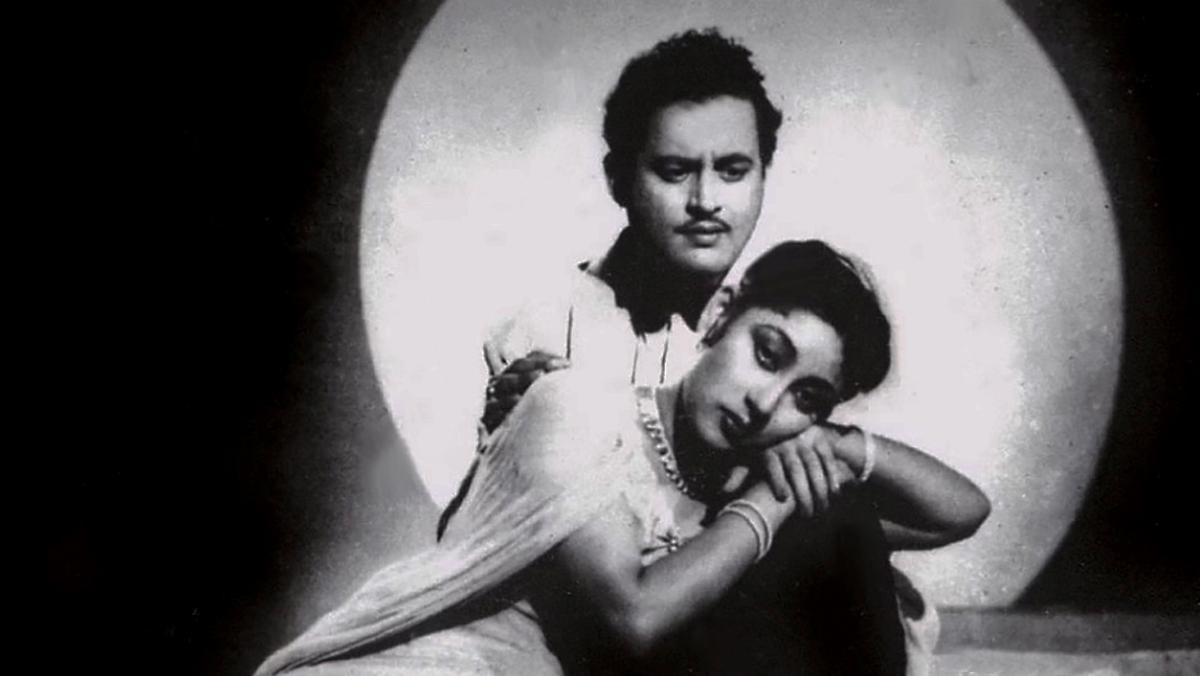
Guru
Dutt
and
Mala
Sinha
in
Pyaasa.
He
directed
just
eight
films
and
took
104
takes
for
that
searing
climax
shot
of
Pyaasa
where
the
poet
protagonist
stands
framed
in
light
and
shadow
as
he
asks
Ye
Duniya
Agar
Mil
Bhi
Jaaye
To
Kya
Hai?
Guru
Dutt’s
life
can
perhaps
be
summed
up
in
these
three
numbers
—
a
superbly
talented
filmmaker
and
actor
who
died
just
too
young
from
a
cocktail
of
alcohol
and
sleeping
pills
and
whose
films
went
from
being
easy-breezy
to
dark
and
personal,
reflecting
his
own
turmoil
and
struggles
with
self.
Never
perhaps
has
there
been
a
showbiz
personality
—
his
life
and
work
both
underscored
by
tragedy
—
who
has
left
such
a
profound
impact
and
so
many
unanswered
questions.
His
films,
some
which
he
produced
and
others
he
directed,
include
Baazi,
Aar
Paar,
Pyaasa,
Kagaaz
Ke
Phool,
Chaudhavin
Ka
Chand,
Sahib
Bibi
aur
Ghulam.
In
Pyaasa,
Dutt’s
role
as
Vijay,
the
anguished
poet,
epitomises
not
just
his
artistic
mastery
as
actor
and
director
but
also
the
man
he
probably
was
—
an
obsessive
and
uncompromising
artist
at
odds
with
society
and
its
rules.
In
Guru
Dutt:
An
Unfinished
Story,
author
Yasser
Usman
quotes
close
friend
Dev
Anand
as
saying
Dutt
would
reshoot
a
lot
and
scrap
most
of
it
if
he
did
not
find
it
perfect.
‘By
the
time
he
made
Pyaasa
in
1957,
the
indecisiveness
had
magnified
manifold.
He
would
shoot
and
shoot
and
was
unsure
about
what
he
really
wanted
in
a
particular
scene.
Even
with
himself,
for
the
famous
climax
sequence
in
Pyaasa,
he
shot
104
takes!’
Usman
writes.
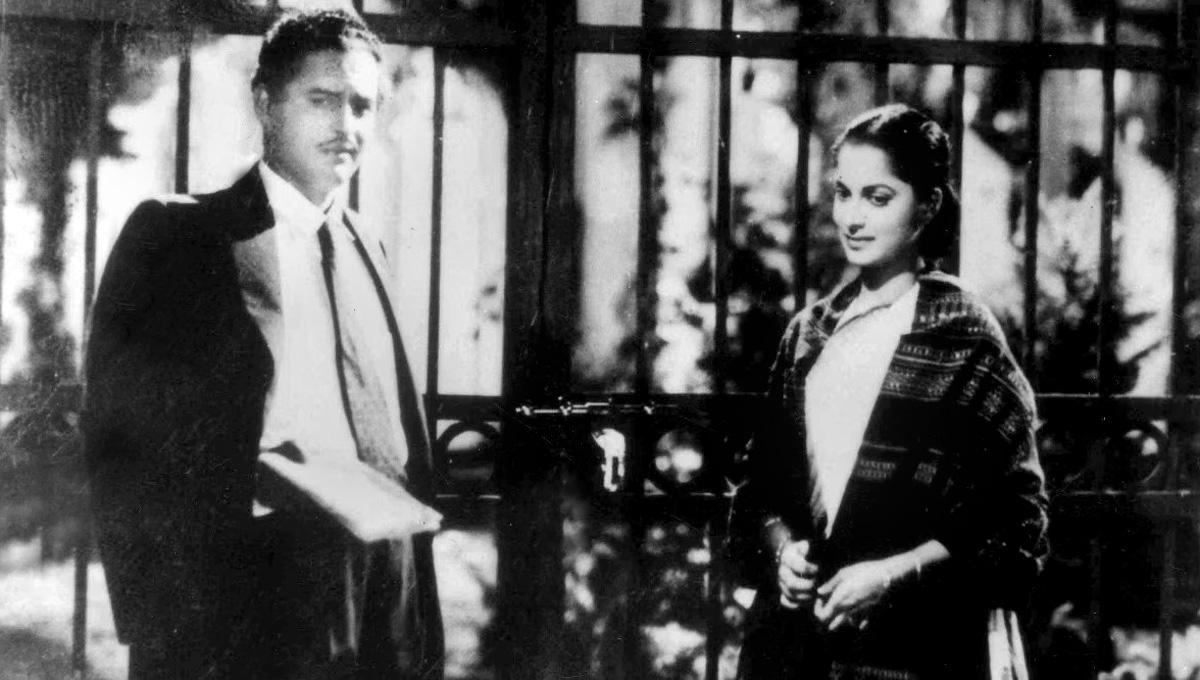
Guru
Dutt
and
Waheeda
Rehman
in
Kaagaz
Ke
Phool.
Pyaasa
carries
the
disillusionment
that
manifests
again
in
his
last
directorial
Kaagaz
Ke
Phool,
the
semi-autobiographical
story
about
a
director
unwilling
to
compromise.
He
made
it
when
his
relationship
with
wife
Geeta
Dutt
was
going
through
a
difficult
time
and
never
really
recovered
from
the
debacle
of
the
film
he
termed
a
‘still
born
child’.
He
sank
into
depression
after
that
and
told
friends
he
didn’t
have
it
in
him
to
direct
successful
films.
The
marriage
between
the
two
Dutts,
one
a
top
playback
singer
who
delivered
gem
after
gem
in
his
films
and
the
other
a
director
on
the
rise,
didn’t
have
the
fairytale
ending
that
people
thought
it
would.
It
took
its
inevitable
toll.
Guru
and
Geeta
Dutt
had
realised
that
their
marriage
was
not
working.
Geeta
Dutt,
too,
had
taken
to
alcohol
and
sleeping
pills
majorly,
Guru
Dutt’s
sister
Lalita
Lajmi
recalled
in
an
interview
with
Usman.
Guru
Dutt
tried
to
commit
suicide
twice.
Once,
during
the
making
of
Pyaasa,
and
again
a
few
years
later
when
Sahib,
Bibi
Aur
Ghulam
(1962)
was
in
production.
‘The
second
time,
it
was
an
overdose
of
sleeping
pills
He
was
unconscious
for
three
days.
Then,
on
the
fourth
day,
we
heard
his
scream.
The
first
person
he
asked
for
was
Geeta.
It
was
strange
because
their
relationship
was
going
through
hell,’
she
is
quoted
as
saying
in
Usman’s
article
for
The
Print.
Guru
Dutt
died
on
October
10,
1964.
Geeta
Dutt
died
eight
years
later
on
July
20,
1972
of
liver
cirrhosis
at
the
age
of
41.
The
personal
turmoil
seeped
into
the
director’s
works,
many
of
his
films
as
an
actor
and
filmmaker
seeped
in
fatalism
and
despair.
Their
son
Arun
Dutt
—
the
couple
had
three
children:
Tarun,
Arun
and
Nina
—
said
in
an
interview
with
WildFilmsIndia
that
his
father
was
a
mix
of
Vijay
from
Pyaasa
and
Suresh
Sinha
from
Kaagaz
Ke
Phool,
a
serious
and
melancholic
personality.
Before
his
death,
he
was
starring
and
producing
Baharen
Phir
Bhi
Aayengi,
which
finally
released
in
1966
and
was
reshot
with
Dharmendra
as
the
leading
man.
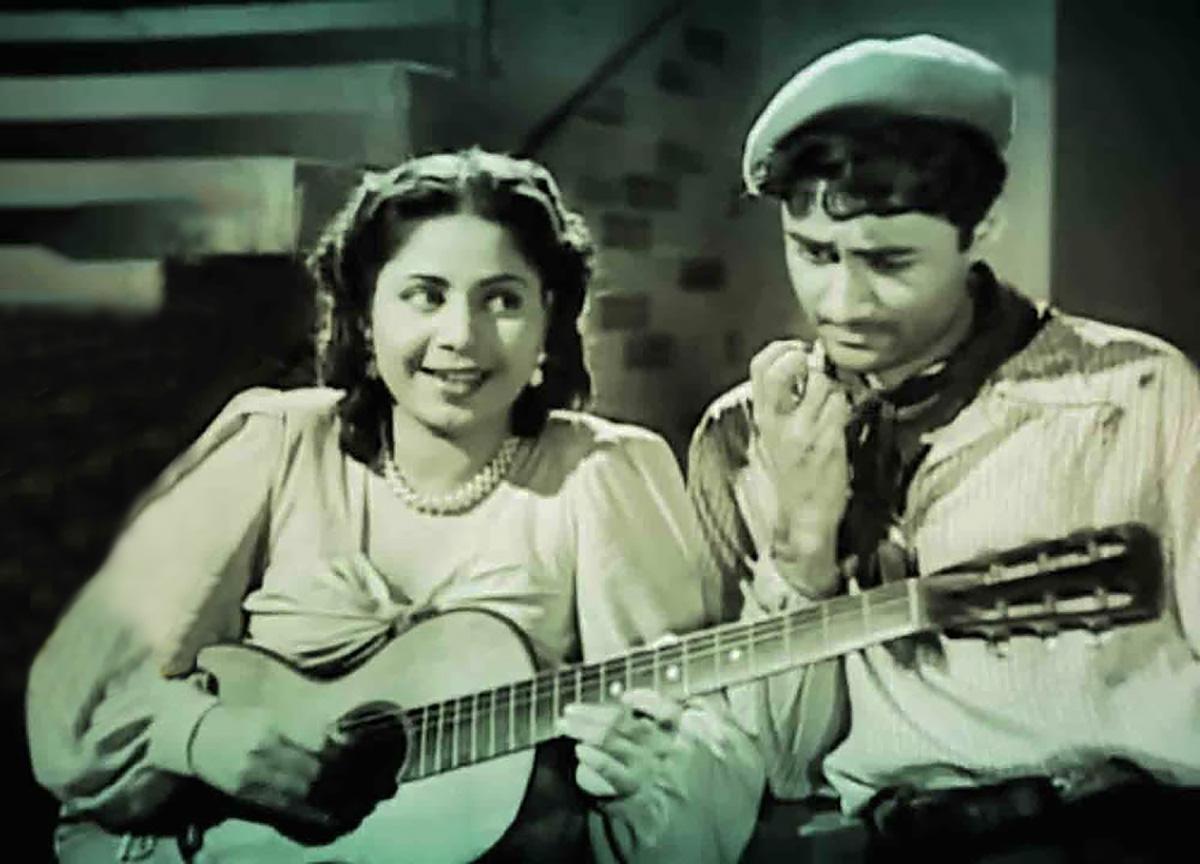
Geeta
Bali
and
Dev
Anand
in
the Tadbeer
Se
Bigdi
Hui
Taqdeer
Bana
Le
from
Jaal. This
is
where
Geeta
and
Guru
Dutt
met
and
fell
in
love.
Guru
Dutt
was
born
Vasanth
Kumar
Shivashankar
Padukone
and
Vasanthi
Padukone
on
July
9,
1925,
in
Bangalore
as
the
eldest
of
four
children
but
spent
his
formative
years
in
Kolkata
where
he
picked
up
not
just
the
language
but
a
close
affinity
to
its
culture.
It
was
a
disturbed
childhood,
his
sister
has
recalled
in
Usman’s
book.
As
a
young
child,
he
was
obsessed
with
shadow
play
on
the
wall
—
a
fascination
that
carried
into
his
films
which
stand
out
for
their
stark
interplay
of
light
and
dark
and
evocative
song
picturisation;
most
famously
perhaps
in
Sakhiya
Aaj
Mujhe
Neend
Nahi
Aayegi
in
Sahib,
Bibi
aur
Ghulam
and
Waqt
Ne
Kiya
Kya
Haseen
Sitam
in
Kaagaz
Ke
Phool.
When
he
was
just
16,
Guru
Dutt
had
to
discontinue
his
education
to
supplement
the
family’s
income.
He
first
worked
as
a
telephone
operator,
hated
the
job,
left
it
after
a
month
and
joined
Hindustan
Lever’s
Calcutta
office.
But
influenced
by
his
uncle
B
B
Benegal,
a
film
publicist
and
painter,
Guru
Dutt
started
to
nurture
a
different
dream.
That
was
around
the
time
he
decided
to
pursue
his
passion
for
dance
and
joined
Uday
Shankar
who
called
him
to
Almora
to
join
his
dance
academy.
Guru
Dutt
later
joined
Prabhat
Film
Company
in
Pune
as
a
choreographer
and
assistant
director.
It’s
here
that
he
met
Dev
Anand,
who
went
on
to
become
a
close
friend.
In
1951,
Dev
Anand
roped
him
in
to
direct
Baazi,
a
massive
success
at
the
time
and
one
that
set
the
tone
for
noir
style
filmmaking
in
Hindi
movies.
Written
by
actor-writer
Balraj
Sahni,
it
featured
Geeta
Dutt’s
voice
in
most
of
the
songs.
Remember
Tadbeer
Se
Bigdi
Hui
Taqdeer
Bana
Le.
This
is
where
Geeta
and
Guru
Dutt
met
and
fell
in
love.
They
married
two
years
later
in
1953.
Baazi
was
followed
by
Jaal,
again
starring
Dev
Anand
and
Geeta
Bali,
another
success
in
the
noir
tradition.
In
1954,
Guru
Dutt
starred
and
directed
Aar
Paar,
a
hit
with
classics
like
Ye
Lo
Main
Haari
Piya
and
Babuji
Dheere
Chalna
in
Geeta
Dutt’s
voice
and
the
often
remixed
Kabhi
Aar,
Kabhi
Paar
in
Shamshad
Begum’s
voice.
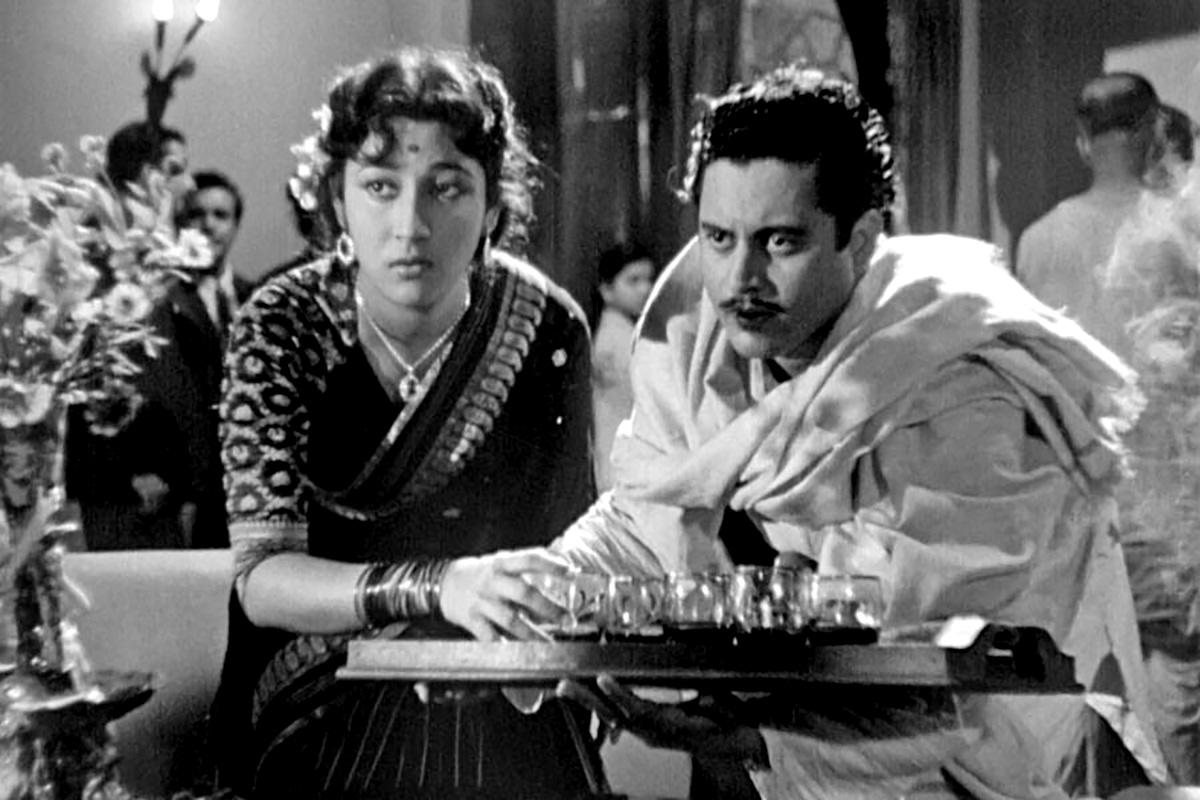
Mala
Sinha
and
Guru
Dutt
in
Pyaasa.
He
next
directed
and
acted
in
Mr
and
Mrs
55
with
Madhubala.
After
that
came
CID,
starring
Dev
Anand
and
directed
by
his
protege
Raj
Khosla.
Guru
Dutt’s
next
Sailaab
was
a
box
office
failure
the
same
year
and
led
to
Pyaasa,
a
story
he
had
written
years
ago
when
he
was
out
of
a
job.
Pyaasa
marks
a
change
in
Guru
Dutt’s
directorial
style
as
he
poured
everything
in
this
dream
project
and
brought
back
Waheeda
Rehman,
the
newcomer
he
had
discovered
for
CID
and
with
whom
he
formed
one
of
the
most
successful
pairings
of
Hindi
cinema.
Many
of
his
films,
whether
happy
or
sad,
centre
around
a
struggling
hero
caught
between
two
women.
In
Pyaasa,
poet
Vijay
is
torn
between
Meena
(Mala
Sinha)
who
chooses
money
over
love
and
self
sacrificing
sex
worker
Gulabo
(Rehman).
In
Kaagaz
Ke
Phool,
the
director
struggles
with
an
unhappy
marriage
while
he
finds
his
muse
in
his
leading
heroine
Shanti
(Rehman).
The
relationship
remains
unfulfilled
and
without
definition.
Through
his
career
and
many
ups
and
downs,
both
in
his
personal
and
professional
lives,
the
one
constant
was
the
core
team
he
built
painstakingly
after
his
first
hit
Baazi.
These
included
writer
Abrar
Alvi,
cinematographer
V
K
Murthy,
Waheeda
Rehman
and
comedian
Johny
Walker,
all
of
whom
rallied
around
him
in
his
moments
of
despair
and
encouraged
him
to
not
wallow
in
pity
but
look
ahead.
One
outcome
of
this
was
Chaudhvin
Ka
Chand
in
1960,
very
different
in
mood
and
tenor
from
Kaagaz
ke
Phool.
After
the
success
of
the
film,
Guru
Dutt
started
dreaming
again
and
convinced
writer
Bimal
Mitra
to
write
the
screenplay
of
Sahib
Bibi
Aur
Ghulam,
his
last
film.
By
then,
of
course,
the
artist
was
drowning
in
personal
tragedy.
Close
friends
and
family
have
gone
on
record
to
say
that
he
was
given
to
depressive
episodes
and
the
problem
was
further
compounded
by
alcoholism
and
reliance
on
sleeping
pills.