‘Abrar
uncle
said
he
had
started
drinking
from
the
afternoon
on
that
fateful
day.
And
he
continued
drinking
till
late
at
night.’
‘Thereafter,
he
must
have
consumed
some
sleeping
pills,
as
was
his
habit.’
‘I
think
that
combination
went
fatally
wrong.’
Celebrating
Guru
Dutt’s
birth
centenary
on
July
9
with
this
must
read
excerpt
from
Kagaz
Ke
Phool
and
Sahib
Bibi
Aur
Ghulam:
The
Original
Screenplay
by
Dinesh
Raheja
and
J
Kothari.
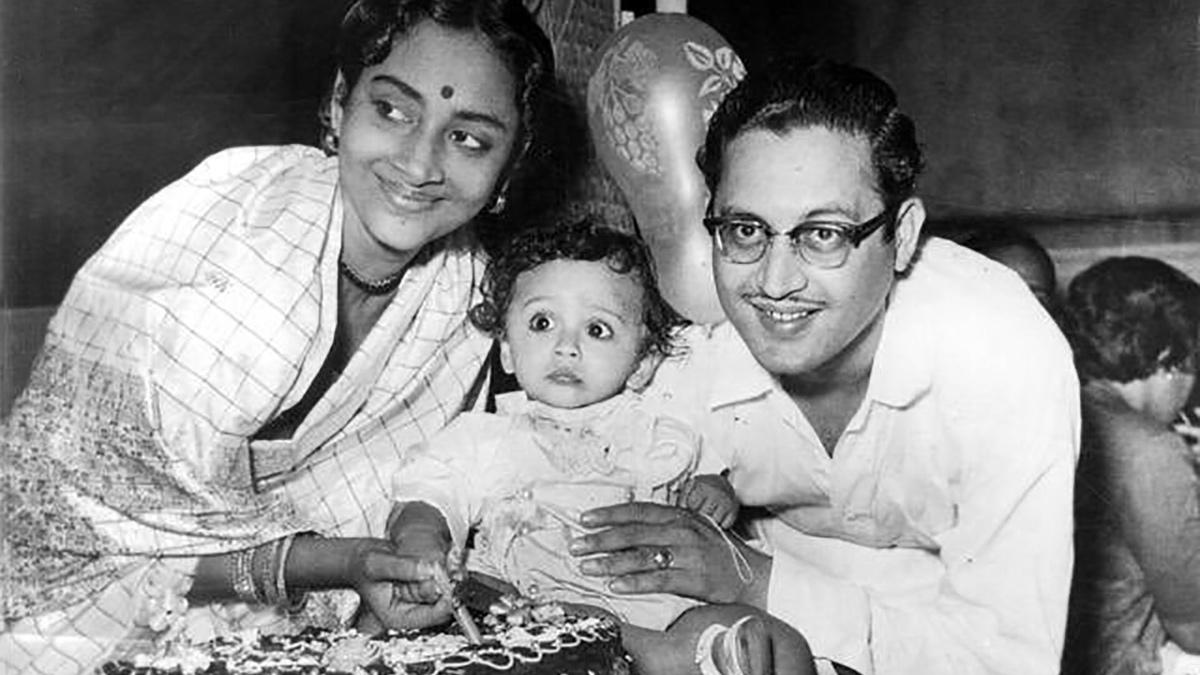
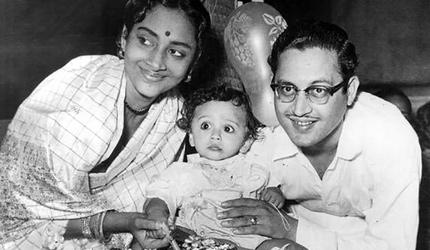
Guru
Dutt
and
Geeta
Dutt
with
their
son.
Photograph:
Kind
courtesy
Film
History
Pics/X
Arun
Dutt
was
only
eight
years
old
when
he
lost
his
father,
the
iconic
actor-film-maker
Guru
Dutt.
The
scion
grew
up
to
be
a
director
himself
(with
the
Dharmendra
starrer
Khule-aam),
and,
before
his
untimely
demise
at
the
age
of
58
in
2014,
was
passionately
involved
in
preserving
his
father’s
cinematic
legacy.
“Some
people
believe
that
Kaagaz
Ke
Phool
is
an
autobiographical
work
of
art.
I
do
not
agree.
People
feel
differently
because
the
film
depicted
a
troubled
marriage;
but
my
father
wrote
Kaagaz
Ke
Phool
five
years
before
it
was
made,
during
the
time
he
was
making
Aar
Paar.
And
he
was
happily
married
at
that
time,”
Arun
Dutt
said.
When
I
see
my
father’s
films
today,
I
recognise
my
father
in
a
smile,
or
in
a
mannerism.
But
I
also
see
his
films
as
a
part
of
the
audience.
I
am
intrigued
by
the
Kaagaz
Ke
Phool
song
Waqt
Ne
Kiya,
Kya
Haseen
Sitam.
I
have
learnt
that
when
my
father
happened
to
hear
S
D
Burman
dada‘s
tune,
he
liked
it
tremendously,
but
lamented,
‘I
don’t
have
any
place
for
this
song
in
my
script.’
Kaifi
Azmi
saab
wrote
the
lyrics
numerous
times
and
each
time
my
father
said,
‘No
this
doesn’t
work’,
until
the
poet
came
up
with
the
beautifully
written
final
version.
My
father
didn’t
want
to
lose
the
song
so
he
included
it
in
the
film
even
though
the
song
has
no
connection
with
the
scenes
that
precede
it.
Though
(the
film’s
lead
characters)
Suresh
Sinha
and
Shanti’s
relationship
has
not
splintered
when
the
song
is
played,
this
melancholic
song
complements
the
mood
of
the
film.
Kaagaz
Ke
Phool
speaks
of
my
father’s
acute
sensitivity.
He
was
easily
disappointed.
Suresh
Sinha
crumbles
under
the
strain
of
failure
and
heartbreak
in
the
film
and
this
gives
me
a
clue
about
why
my
father
was
devastated
by
the
box-office
collapse
of
Kaagaz
Ke
Phool.
Some
people
believe
that
Kaagaz
Ke
Phool
is
an
autobiographical
work
of
art.
I
do
not
agree.
People
feel
differently
because
the
film
depicted
a
troubled
marriage;
but
my
father
wrote
Kaagaz
Ke
Phool
five
years
before
it
was
made,
during
the
time
he
was
making
Aar
Paar.
And
he
was
happily
married
at
that
time.
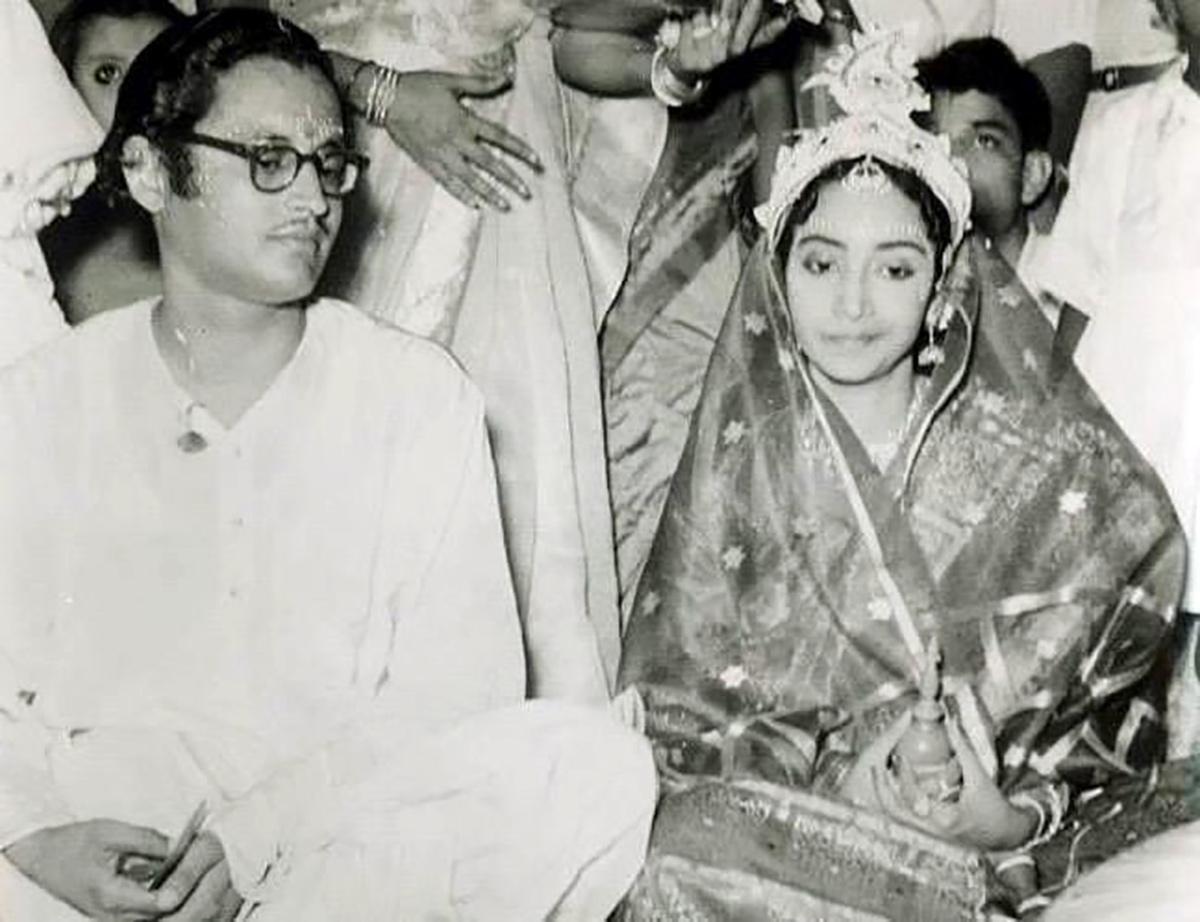
Guru
Dutt
and
Geeta
Roy’s
wedding.
Photograph:
Kind
courtesy
Film
History
Pics/X
He
narrated
the
Kaagaz
Ke
Phool
script
to
Shammi
Kapoor
and
Geeta
Bali
in
the
mid-1950s.
The
two
couples,
my
parents
and
Shammiji-Geetaji,
were
very
good
friends.
Shammiji
told
me
that
my
father
had
narrated
the
entire
concept
of
Kaagaz
Ke
Phool
while
sitting
on
the
steps
of
Famous
Studios.
Shammiji
and
Geetaji
had
said
that
it
would
be
a
brilliant
film
but
my
father
needed
to
establish
himself
as
a
filmmaker
before
making
this
film.
People
have
speculated
that
Suresh
Sinha’s
wife
in
Kaagaz
Ke
Phool
(played
by
the
actress
Veena)
was
based
on
my
mother.
Mummy
(noted
singer
Geeta
Dutt)
was
never
that
character
at
all.
She
was
a
fun-loving
person;
and
she
remained
so.
The
person
who
changed
with
time
was
my
father.
At
home,
the
predominant
ambience
was
Bengali.
My
father
was
very
influenced
by
Bengali
culture
because
though
he
was
born
in
Bangalore,
he
had
stayed
in
Kolkata
from
the
age
of
five
till
the
time
he
was
17.
Mummy’s
favourites
among
my
father’s
films
were
Pyaasa
and
Sahib
Bibi
Aur
Ghulam,
possibly
because
both
were
set
in
Bengal.
Sahib
Bibi
Aur
Ghulam
was
seeped
in
Bengali
culture
but
I
don’t
think
mummy
advised
my
father
on
any
aspect
of
filmmaking.
She
introduced
O
P
Nayyar
to
my
father.
As
a
playback
singer,
she
had
worked
with
Nayyar
on
his
first
film
Aasman,
which
had
flopped.
When
Nayyar
sahab
was
thinking
of
giving
up
the
industry,
my
mother
introduced
him
to
my
father,
who
was
just
starting
his
first
co-production,
Baaz.
Mummy
would
occasionally
talk
to
us
about
these
films.
Na
Jao
Aaiyaan,
which
she
sang
in
Sahib
Bibi
Aur
Ghulam,
was
her
favourite
song.
She
would
sing
it
at
every
stage
show.
Sahib
Bibi
Aur
Ghulam
marked
the
end
of
my
father’s
long
association
with
Waheedaji
(Waheeda
Rehman,
movie
legend).
Her
contract
with
my
father
had
expired.
And
she
wanted
to
work
in
outside
productions.
I
am
told
that
she
signed
Mujhe
Jeene
Do
without
informing
my
father.
My
father
was
very
annoyed
with
her.
Consequently,
there
were
a
lot
of
problems
in
the
completion
of
Sahib
Bibi
Aur
Ghulam.
In
fact,
the
last
shot
of
the
film,
in
which
she
is
seen
waiting
in
a
horse-drawn
carriage
for
my
father,
was
shot
at
a
time
when
they
were
not
on
talking
terms.
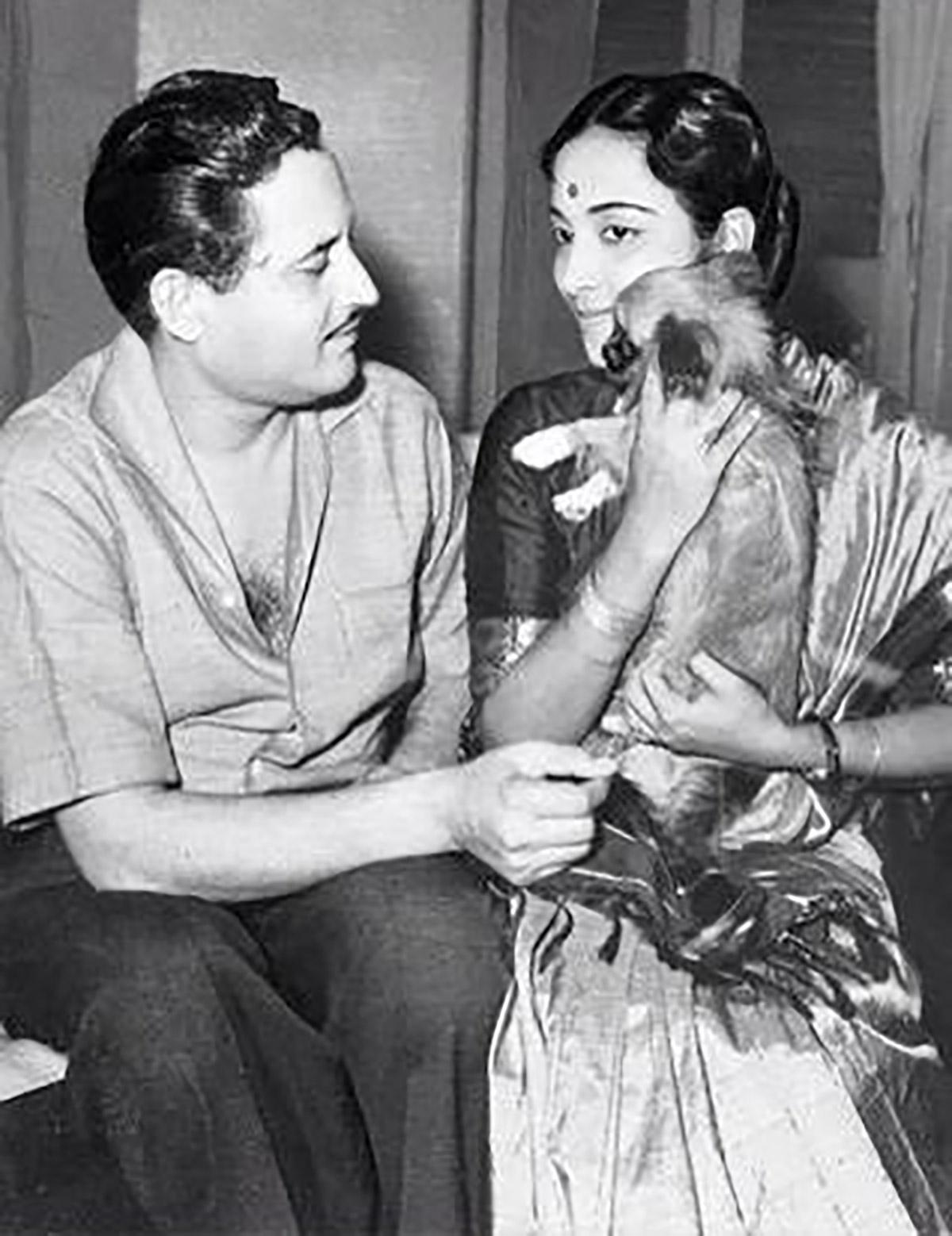
Guru
Dutt
and
Geeta
Dutt.
Photograph:
Kind
courtesy
Film
History
Pics/X
The
1960s
were
a
period
of
turmoil
for
my
father
as
he
agonised
over
his
next
project.
He
began
a
film
named
Raaz
which
was
directed
by
his
assistant,
Niranjan.
Sunil
Dutt
and
Waheeda
Rehman
headed
the
cast
of
this
film,
which
was
never
completed.
He
began
shooting
for
Gouri,
which
was
to
be
my
mother’s
debut
as
an
actress,
but
he
abandoned
this
film
too.
Later,
after
Sahib
Bibi
Aur
Ghulam,
he
began
work
on
his
first
colour
film,
Kaneez,
with
Simi
Garewal
in
the
lead.
However,
he
soon
dropped
the
film
because
it
wasn’t
working.
Simi
sued
him
and
he
had
to
compensate
her.
I
have
preserved
his
notes
on
a
film
for
which
he
wanted
Ravi
Shankar
to
compose
the
music.
My
father
had
worked
out
the
shot
division
for
a
complete
song,
which
was
not
used
subsequently
in
any
of
his
films.
He
was
very
confused
at
this
stage.
His
dejection
was
not
a
result
of
any
specific
event.
He
was
a
manic
depressive.
From
his
letters,
I
have
gathered
that
the
signs
of
this
ailment
were
present
from
the
year
1952,
in
the
early
stages
of
his
career.
My
parents
separated
many
times
but
would
eventually
reconcile.
Circa
1963,
my
father
demolished
our
Pali
Hill
bungalow
because
it
had
a
slanting
roof
while
he
wanted
a
terrace
where
he
could
fly
kites.
We
moved
to
a
bungalow
called
Ashish
in
Bandra.
It
was
here
that
my
parents
finally
parted.
My
mother
shifted
with
us
to
a
rented
flat
in
Hill
Road
and
my
father
started
living
by
himself
at
Ark
Royal,
Pedder
Road.
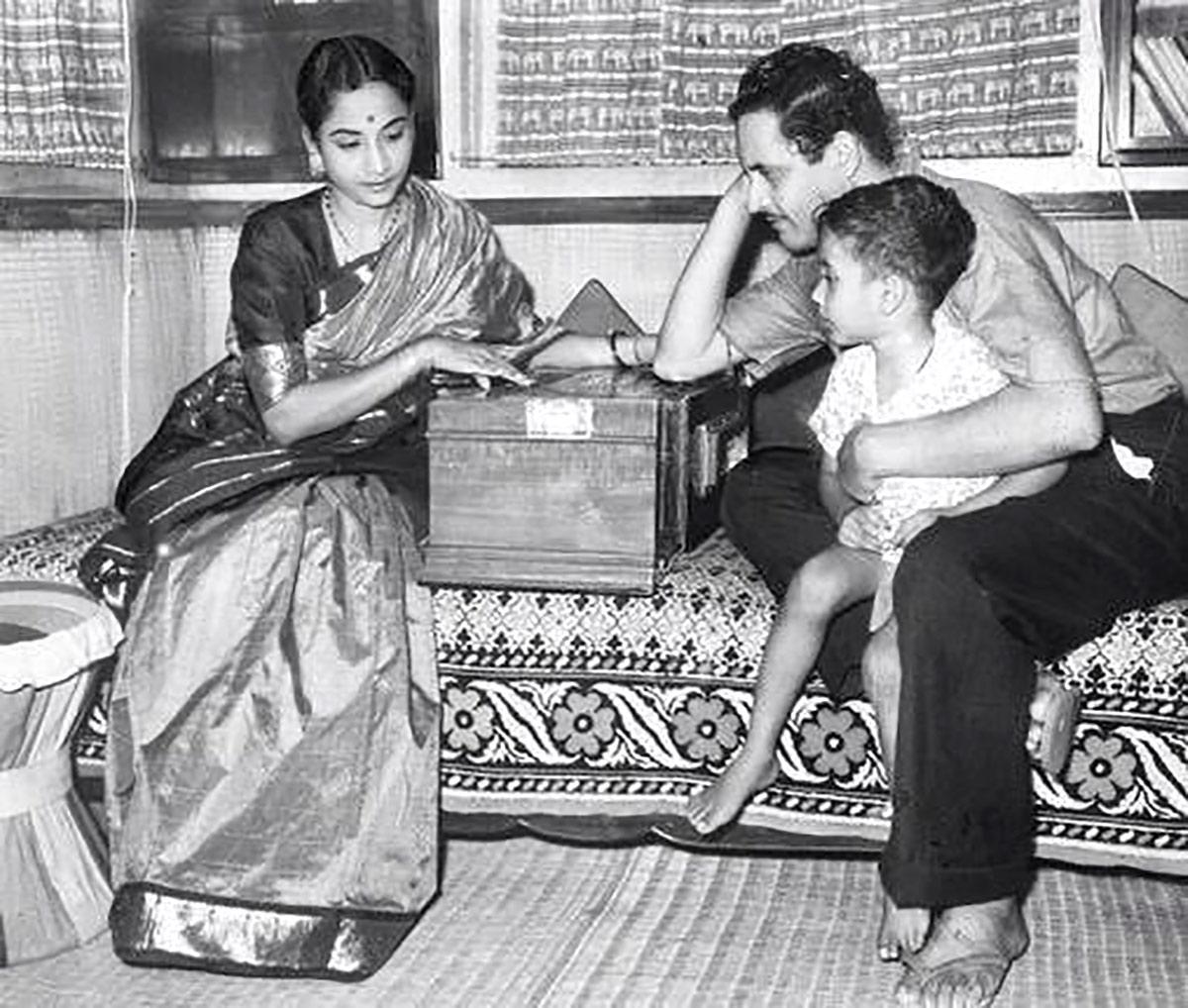
Geeta
Dutt,
Guru
Dutt
and
son
Arun.
Photograph:
Kind
courtesy
Film
History
Pics/X
In
Kaagaz
Ke
Phool,
the
protagonist
becomes
addicted
to
alcohol,
in
Sahib
Bibi
Aur
Ghulam
Meena
Kumari
grows
dependant
on
alcohol.
Unfortunately,
this
too
was
parallel
to
my
father’s
real
life.
He
drank
heavily,
and
also
smoked
continuously.
I
think
he
sought
relief,
a
sort
of
an
escape.
Many
people
say
that
he
committed
suicide
on
October
10,
1964.
They
found
him
dead
at
his
Pedder
Road
residence;
he
had
locked
his
bedroom
door
from
inside.
I
don’t
believe
it
was
a
suicide.
I
think
his
death
was
accidental.
Abrar
uncle
(Abrar
Alvi,
screenplay
writer,
director,
Sahib
Bibi
Aur
Ghulam)
said
that
he
had
started
drinking
from
the
afternoon
on
that
fateful
day.
And
he
continued
drinking
till
late
at
night.
Thereafter,
he
must
have
consumed
some
sleeping
pills,
as
was
his
habit.
I
think
that
combination
went
fatally
wrong.
My
father
had
scheduled
many
meetings
for
the
next
day.
He
had
a
meeting
with
Raj
Kapoor
on
October
11.
Rajsahab
was
a
great
admirer
of
my
father’s
work,
while
my
father
was
full
of
praise
for
Raj
sahab‘s
colourful
magnum
opus,
Sangam.
Since
my
father
was
thinking
of
making
a
colour
film,
he
wanted
to
seek
advice
from
Raj
sahab.
Yes,
my
father
had
attempted
suicide
two
or
three
times
earlier
and
at
one
time
he
was
very
ill
in
Nanavati
hospital.
But
the
family
didn’t
think
that
he
was
seriously
contemplating
suicide.
His
death
came
like
a
bolt
from
the
blue.
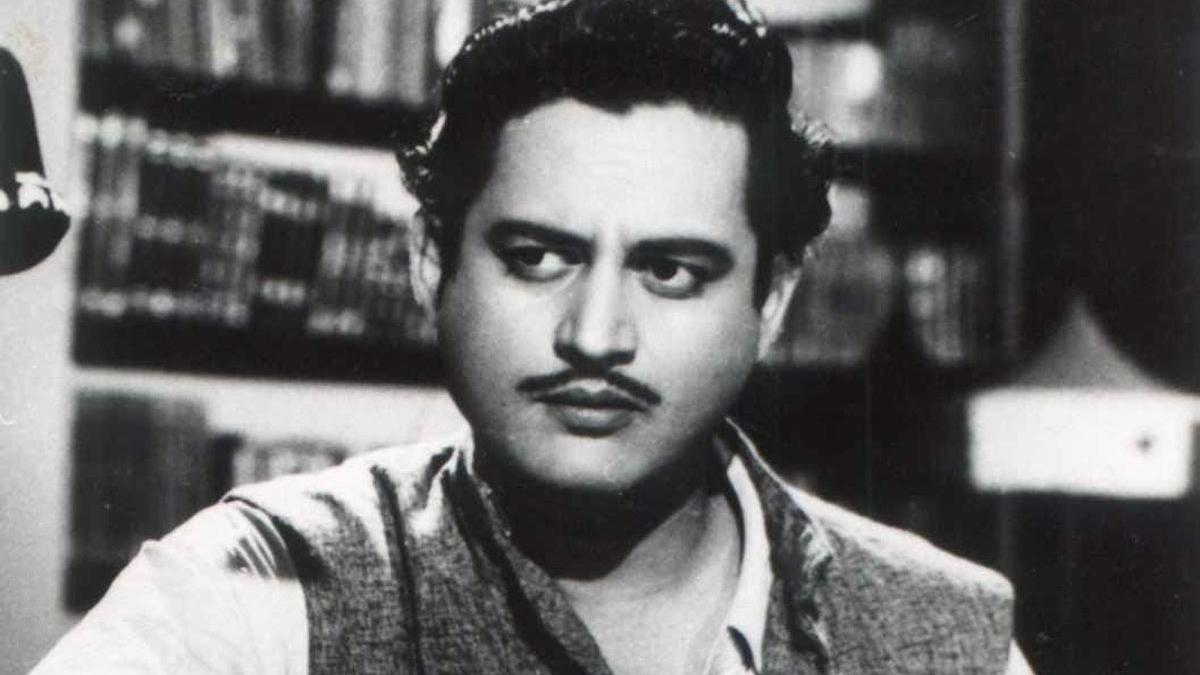
Guru
Dutt
in
Pyaasa.
Atma
uncle
(Atma
Ram,
Guru
Dutt’s
younger
brother)
lit
his
pyre.
Some
people
suggested
that
(elder
son)
Tarun
should
light
it
but
the
family
decided
that
he
was
far
too
young.
Raj
Kapoor
played
an
important
role
in
getting
the
necessary
permissions
after
the
post
mortem.
My
mother
was
devastated.
She
felt
very
let
down
by
him.
In
early
1965,
she
suffered
a
nervous
breakdown,
which
was
so
serious
that
she
couldn’t
recognise
her
children!
Thereafter,
any
discussion
about
my
father
became
a
sensitive
issue
because
we
were
terrified
that
she
may
suffer
a
relapse.
My
father
made
films
that
are
considered
classics
today
because
of
their
quality
and
their
insights
into
life.
I
wish
creative
success
could
have
ensured
a
happier
life
for
him.
Professional
success
is
followed
by
unhappiness
for
Kaagaz
Ke
Phool‘s
protagonists;
and
this
trajectory
stands
reflected
in
my
parents’
lives
too.
Kind
courtesy
Kagaz
Ke
Phool
and
Sahib
Bibi
Aur
Ghulam:
The
Original
Screenplay
by
Dinesh
Raheja
and
J
Kothari.
Published
by
Om
Books
International
in
association
with
Vinod
Chopra
Films.