‘Even if I had the backing of a big corporate house, which I don’t, in today’s market, I wouldn’t want the responsibility of making a Rs 300 crore-Rs 400 crore film.’
Even today, Tridev‘s Tirchi Topiwale and Vishwatma‘s Saat Samundar Paar have feet tapping and fingers snapping.
Mohra still reminds one of a ‘blind’ Naseeruddin Shah and among Kajol’s most applauded performances is Gupt, which earned her the distinction of being the first actress to bag a Filmfare Award for ‘Best Actor in a Negative Role’.
Rajiv Rai, the director of these films, along with Yudh, Pyaar Ishq Aur Mohabbat and Asambhav, and his producer-distributor father, Gulshan Rai, were among the biggest names in Bollywood, till he disappeared, following an attack on his life in July 1997.
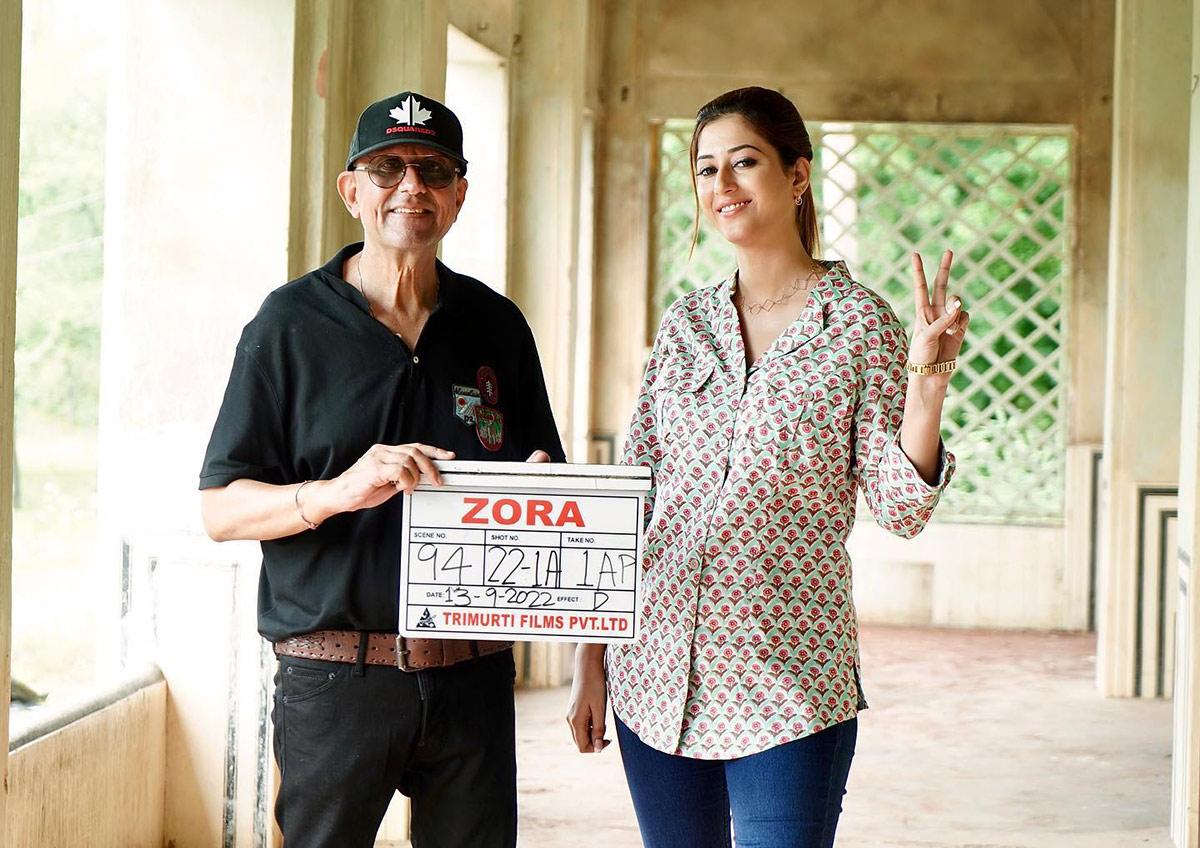
Now, 20 years later, his name, and that of the family banner, Trimurti Films, will light up the marque again as his eighth film, Zora, lined up for an August 8 release.
In the first part of an interview with Rediff Senior Contributor Roshmila Bhattacharya, Rajiv Rai says, “At 70, I’m excited to kick off my third innings.”
Why haven’t you made a film in 20 years?
When I look back, I realise that till Gupt I led a different life.
That changed after the assassination bid and even though I survived and got a second janam, the years that followed were the darkest period in my life.
We moved out of India and despite Gupt‘s super success, my career hit a roadblock.
My mother kept assuring me that nothing would happen to me.
I kept telling myself that everyone goes through ups and downs, I would get through this too.
I made two films, Pyaar Ishq Aur Mohabbat in 2001 and Asambhav in 2004, in what I call my second innings.
Then I lost my motivation.
What happened?
I’m a Punjabi guy, a family man.
I never had many friends.
I would return home from my shoots and share the excitement of making a film with my parents, who, no matter what I did, was confident it would be a hit.
Then, my only son was diagnosed as autistic, and my parents fell ill, and life got even more difficult.
After I lost my parents, I lost the motivation to make a film.
I wasn’t depressed.
I travelled around the world, enjoyed meeting new people and soaked in the different experiences.
It was in 2016-2017 that I started toying with seven-eight ideas and finally settled on a murder mystery as my comeback film, Zora.
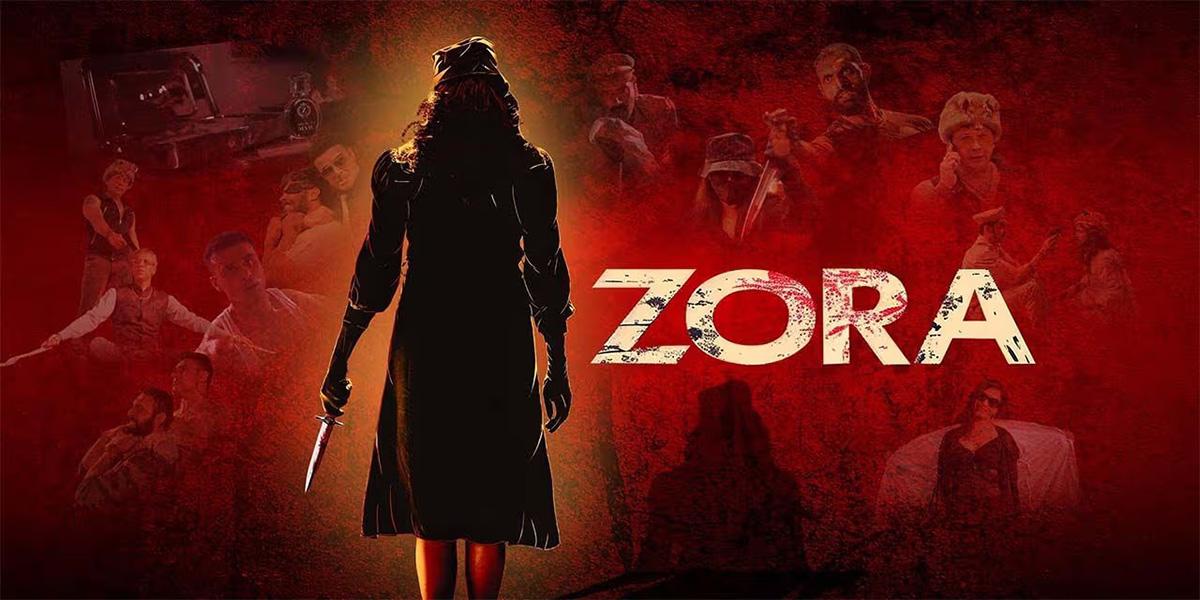
Zorais a unique title for a Hindi film.
I wanted a one-word title, a woman’s name.
We played around with around 20 titles, including Julia.
Then I remembered the Zorro stories which used to be a favourite when I was studying in boarding school.
Zorro is a fictional character, a vigilante in a black cape, Cordovan hat and a mask covering half his face, who fights for the commoners of California.
He appeared not only in books and comic strips, but in over 40 films, 10 TV series, including Disney’s Zorro in the late ’50s, audio/radio plays, stage productions and video games.
From Zorro, I derived Zora, which is not a familiar name in India, but popular in Syria.
And why the tagline ‘S(c)ent by the Devil’?
At 13, my hero, Ranjit Singh, is an eyewitness to the murder of his father, a cop who was investigating a money-laundering case.
Because it was pitch dark and the killer was wearing a cap, glares and a mask, he didn’t see her, in fact, no one ever has.
The murder was passed off as suicide, his father’s reputation tarnished, and the case closed.
Years later, Ranjit, now a cop too, reopens the case, determined to track down the mysterious Zora. The only clue to her identity is the distinctive perfume she wears.
(Chuckles) When watching a film, we usually use our eyes and ears, I wanted to activate the nose too.
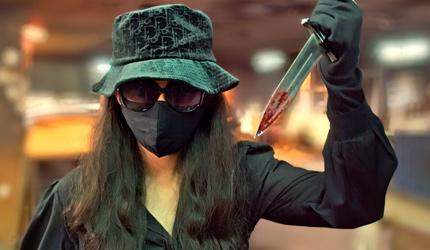
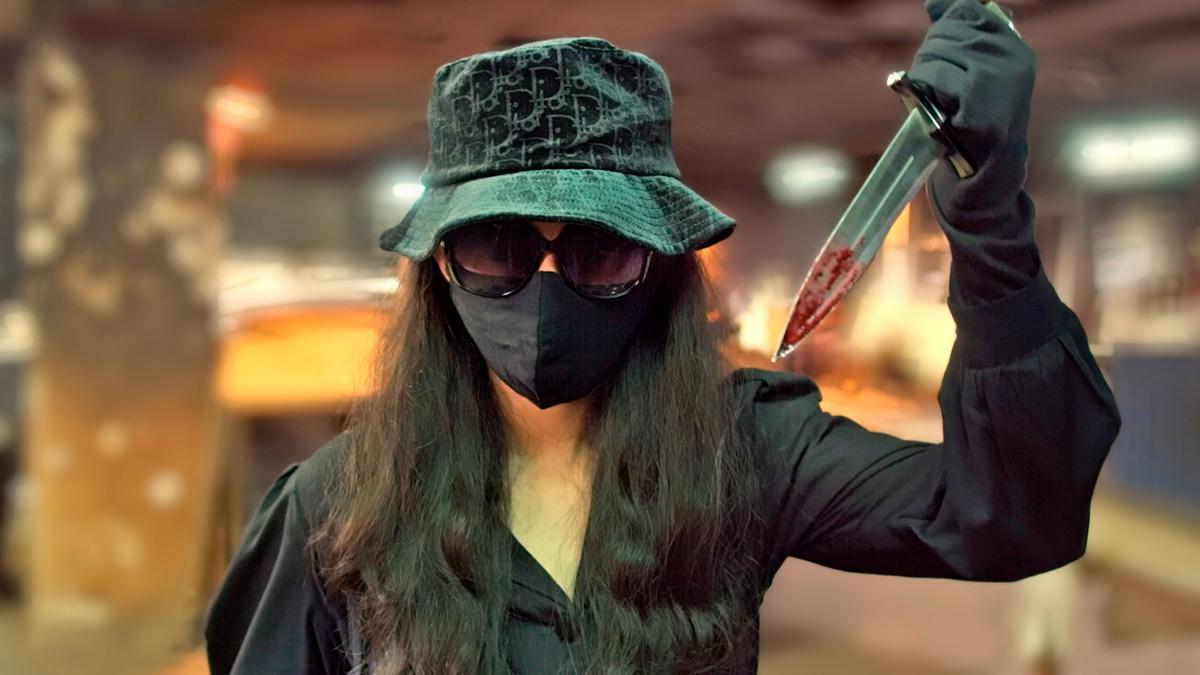
Going by the promotions, Zora brings back memories of your 1997 suspense thriller Gupt…
Comparisons are inevitable because there’s a lady in black, a lady with a knife, in Zora too.
But if you take the knife out, there’s nothing in common between the films.
When making a murder mystery, people generally tend to borrow from different muses.
As a kid, I was hooked on Enid Blyton’s mystery series, like Famous Five and Secret Seven before graduating to Sherlock Holmes and Agatha Christie’s investigative cases.
I’ve read Alfred Alfred Hitchcock’s Anthology (a seasonally printed collection of suspenseful and thrilling short stories reprinted from Hitchcock’s Mystery Magazine) and watched almost all his films.
I was also hooked to Brian De Palma’s crime and suspense thrillers and was completely bowled over by Martin Scorsese’s neo noir psychological thriller Shutter Island.
But Zora is not a copy of any book or film I’ve seen or read.
It’s a completely original story and screenplay I’ve penned while Raashid Rangrez, Zora‘s co-producer and associate director, has written the dialogues, lyrics and done the production design.
Why did you choose to return with a murder mystery?
I have always loved the genre and after Gupt I wanted to experiment with crime and suspense again because we don’t see many such films in Hindi cinema.
It’s a good space for me today because a murder mystery doesn’t require a big budget, top-ranking stars or visual effects, just a story that plays with the mind and creative treatment.
Even if I had the backing of a big corporate house or a production partner, which I don’t, in today’s market, I wouldn’t want the responsibility of making a Rs 300 crore-Rs 400 crore (Rs 3 billion to Rs 4 billion) film and earning back that investment.
I shot Zora in just Rs 2 crore (20 million). Even the landing cost of the film does not exceed Rs 5 crore (Rs 50 million).
That’s amazing given that your earlier films were so lavishly mounted. How did you do it?
As a child, I had watched Alfred Hitchcock’s Psycho and it has stayed on my mind.
It was made on an almost zero budget by Hollywood standards, yet it was a huge commercial success worldwide.
Almost 20 years later, I assisted Manmohan Krishna on the 1979 film, Noorie.
It was produced by Yash Chopra production, financed and distributed by my father.
A tragic love story starring Poonam Dhillon and Farooque Sheikh, Noorie, made on a budget within a budget of Rs 10 lakh, was a surprise hit.
With Psycho and Noorie on my mind, I had actually planned to return with a Rs 50 lakh Hindi film.
But Raashid pointed out that the film would then have to be wrapped up in 28 days for it to be commercially viable.
Since my script had 57 location changes, this meant we would have to move twice a day which looked difficult because we were shooting in Rajasthan and would be battling external factors like the weather.
Did you just say 57 locations?
(Laughs) Yes, the first draft of the script had 57 location changes.
When you are working with a modest budget, jumping from one location to another makes the film look buzzy and interesting.
We shot in and around Jaipur, but along with upping the budget and extending the shooting schedule, I had to cut down the locations to 40, with some getting left out while editing the three-hour film to a crisp two-hour narrative.
I know there would be film-makers who would have made films in Rs 10 lakh, but they would probably have used an IPhone camera. I have used five cameras and had to spend a year editing the footage.
Fortunately, since I’m the editor, and we did everything in-house, this did not add to the costs.
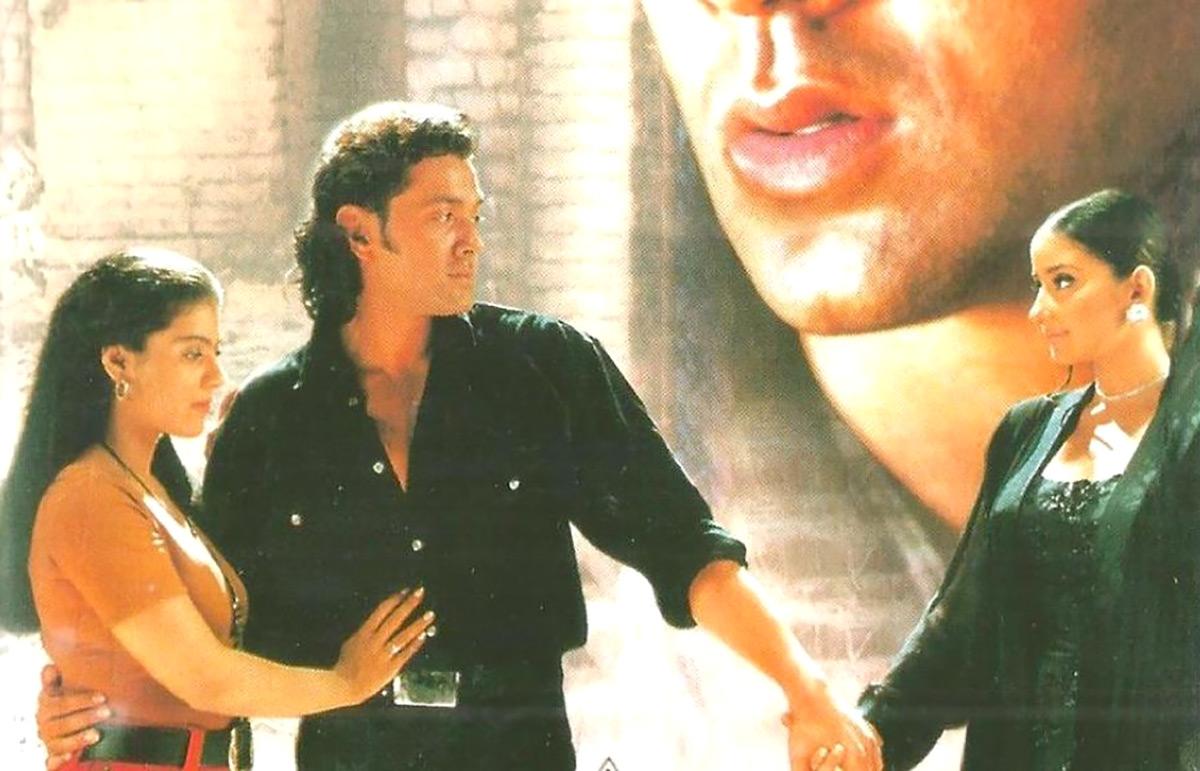
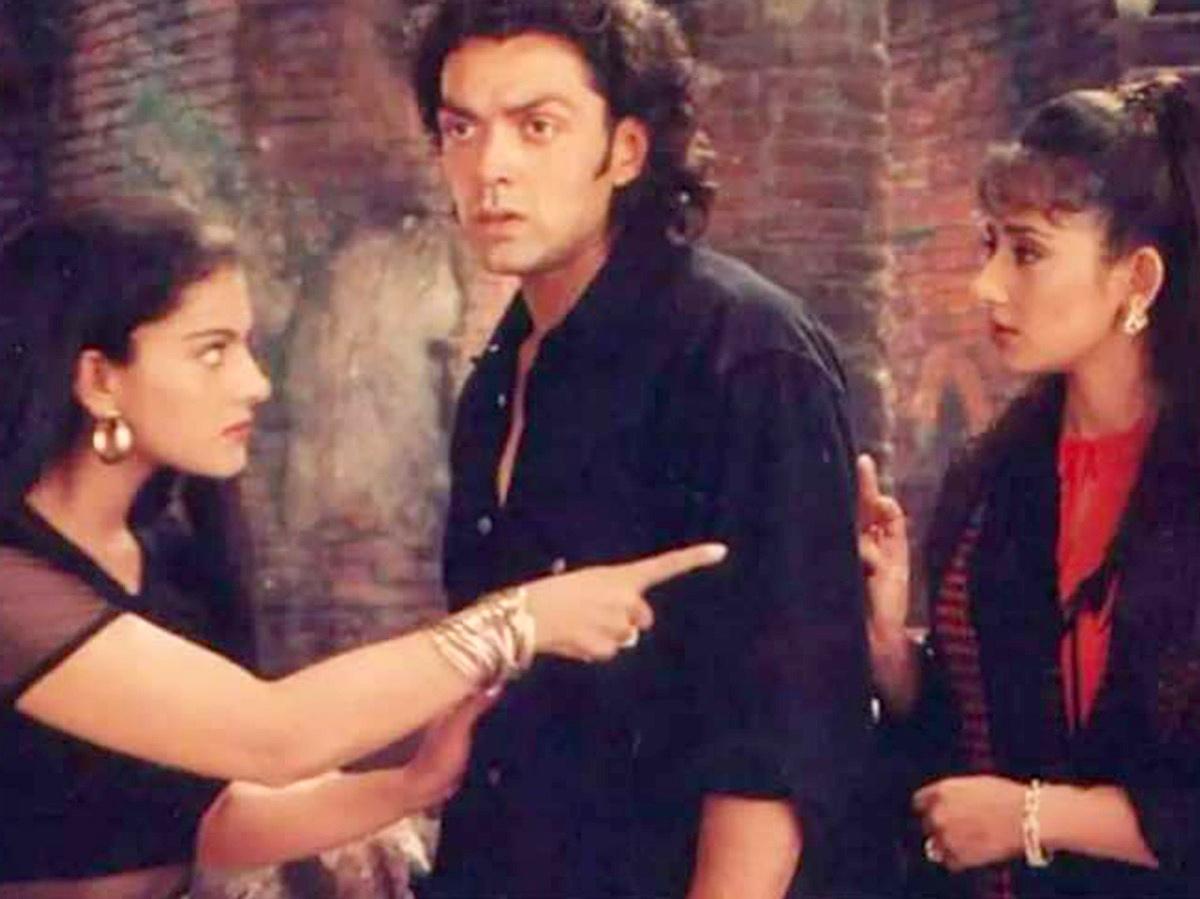
Kajol was the first actress to win Filmfare’s Best Actor in a Negative Role Award for her performance in Gupt.
(Cuts in) They should have given her the award for ‘Best Actress’ since her character, Isha Diwan, is the heroine of the film.
Back then, you saw women killers in Hollywood films, but in Hindi cinema, the villain was usually the man and there were no surprises there.
In Gupt, both my leading ladies, Manisha Koirala and Kajol, are among the many suspects for a string of murders and that gives the film its shock value.
The award got Kajol a lot of publicity. She’s a fabulous actress, so spontaneous and assured in front of the camera.
She didn’t ask any questions about camera angles etc, she just went out there and performed.
Kajol was a top-ranking star then. Didn’t she have any second thoughts about accepting a negative role?
I admit before going to her Mumbai residence for the narration, I was really nervous and anxious despite (ex-wife) Sonam assuring me that Kajol would not refuse the role.
Her sister was also present during the narration and both Tanisha and she were bowled over.
As soon as I finished the narration, Kajol jumped up, exclaiming, ‘There’s no way I’m not doing this film!’
At the door, her mother Tanuja caught me, asking worriedly, ‘Rajiv, what are you doing with my daughter’s career? By doing your film, uska naam to nahin kharab hoga (her name will not be tarnished)?’
My first innings ranged from Yudh in 1985 to Gupt in 1997.
Pyaar Ishq Aur Mohabbat in 2001 and Asambhav in 2004 came during my second innings.
Now, 20 years later, I’ve reinvented myself as a film-maker with Zora and at the age of 70, I am excited to kick off my third innings.