‘I love the institution of marriage.’
‘I love the idea of creating a family life, a unit that is yours, of having someone who’s on your team, of being devoted to them.’

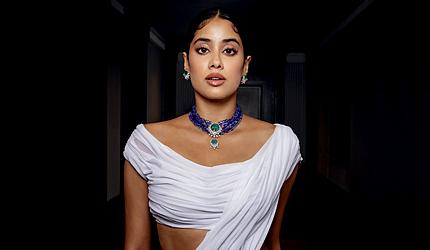
Janhvi Kapoor knows exactly how she wants her wedding to be.
In an interview to Vogue magazine, the Param Sundari actor revealed that she would like her wedding to be simple, traditional and quick, followed by a long honeymoon.
‘I want to get married in Tirupati. I don’t want too many people there. I want it to be quick. I want the honeymoon to be very long,’ Janhvi revealed in the interview.
For Janhvi, ‘comfort is key’ and her wedding outfit will ‘definitely’ be designed by Manish Malhotra, whom she considers family.
She opened up about her personal life, and spoke about navigating love in the age of instant gratification as well as the pain of losing her mother, Sridevi.
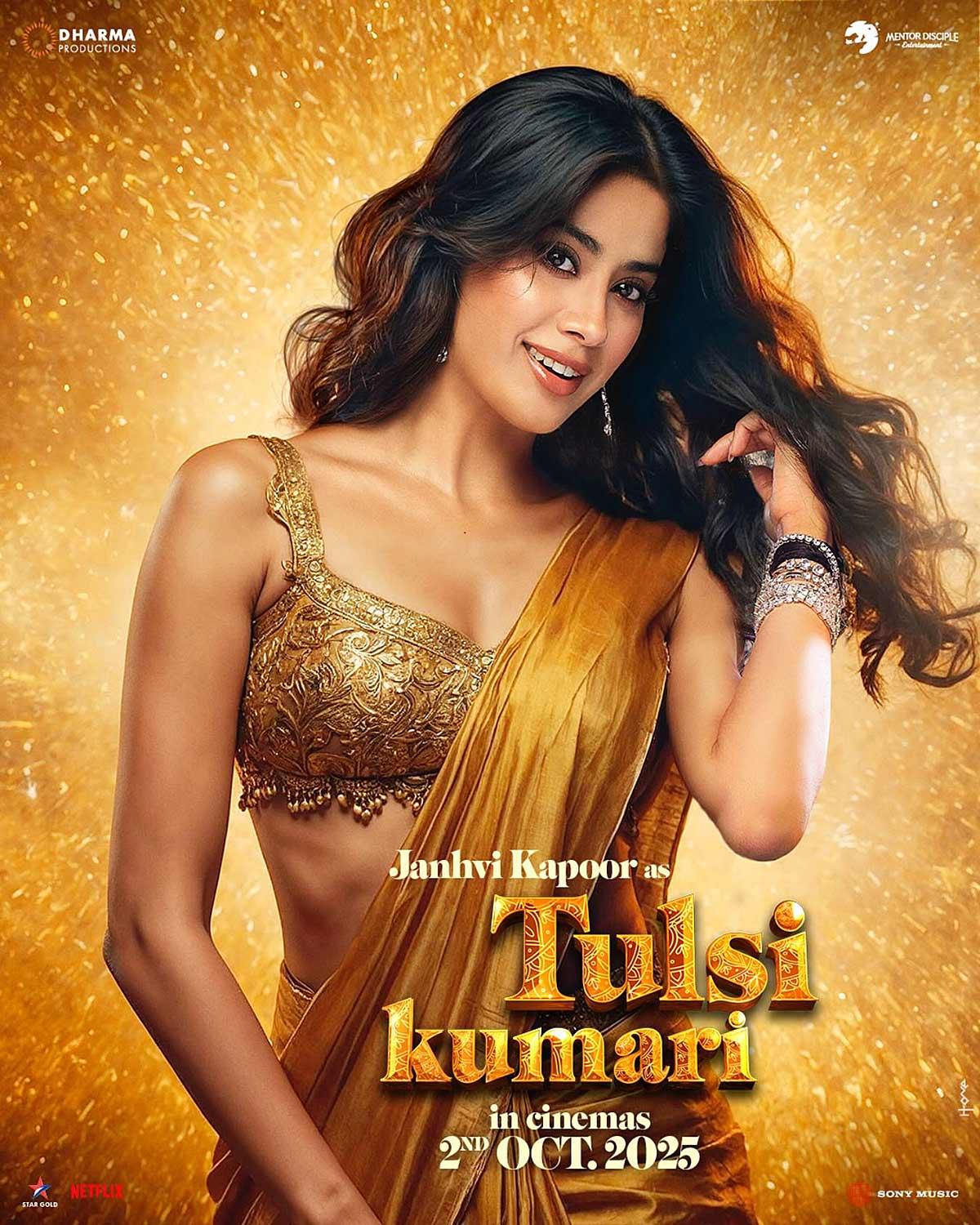
While Janhvi describes herself as a ‘hyper-romantic’, who cherishes the idea of marriage and building a family unit, she admits the modern dating landscape feels disillusioning.
‘I think it is almost impossible to fall in love now,’ she said.
‘If you’re from this generation and you’re navigating your way in this world of finding a partner, instant gratification has made the entire idea of romance so transactional that I don’t know if we have the patience, aptitude or openness for a real connection. We’ve also become so rigid in our ways that we judge people a lot more. It’s ironic, really — this entire woke culture is about judging people less, right?’
Janhvi reveals the sort of person she is: ‘I’m a hyper-romantic, devoted individual. But I also think that I’ve been extremely lucky in my personal life, so I value and cherish how rare what I’ve found is.
‘I love the institution of marriage. I love the idea of creating a family life, a unit that is yours, of having someone who’s on your team, of being devoted to them.’
Janhvi also spoke about the changing image of married actresses in Bollywood.
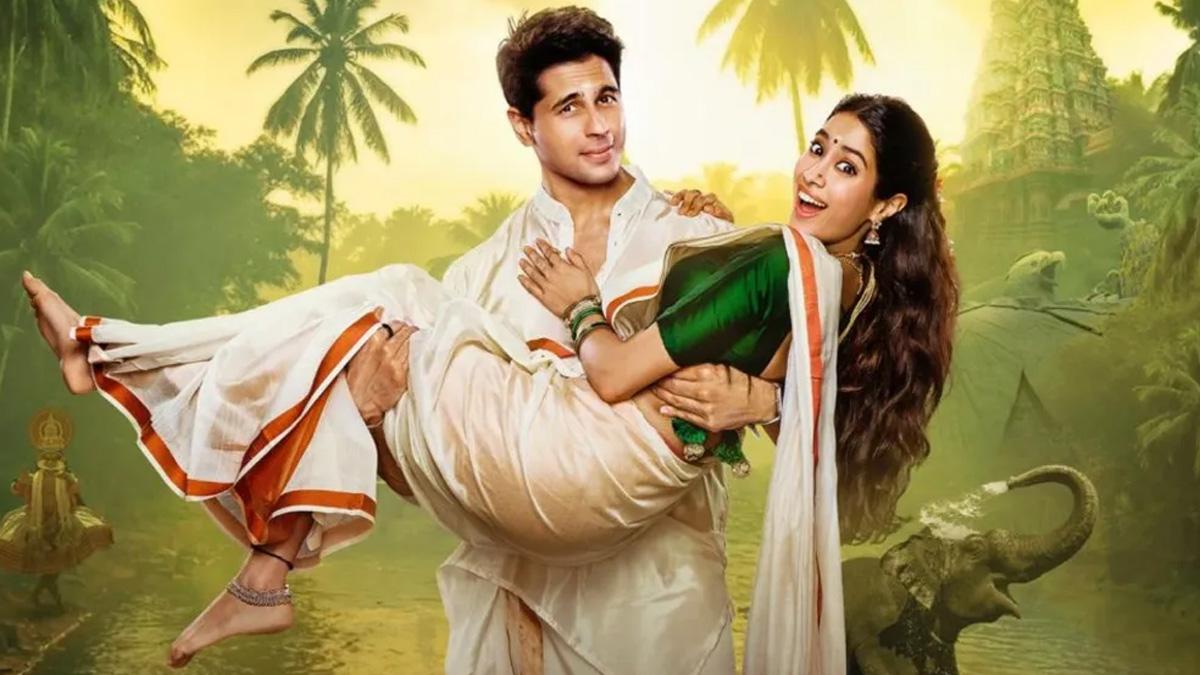
‘There was a big stigma in the industry, and in general, that if a female actor got married, it meant her career would end. But I’m so happy that the biggest heroines in our industry have changed what that means, from Kareena (Kapoor) to Deepika (Padukone) to Alia (Bhatt) and Kiara (Advani). I feel they’re doing some of their best work after getting married — and I don’t think the audience’s gaze toward them has changed.
‘I know that when I get married, I’ll want to give that my best. Right now, I’m not at the stage where I can lose focus from my career and shift my attention, or even divide my attention with anything else.’
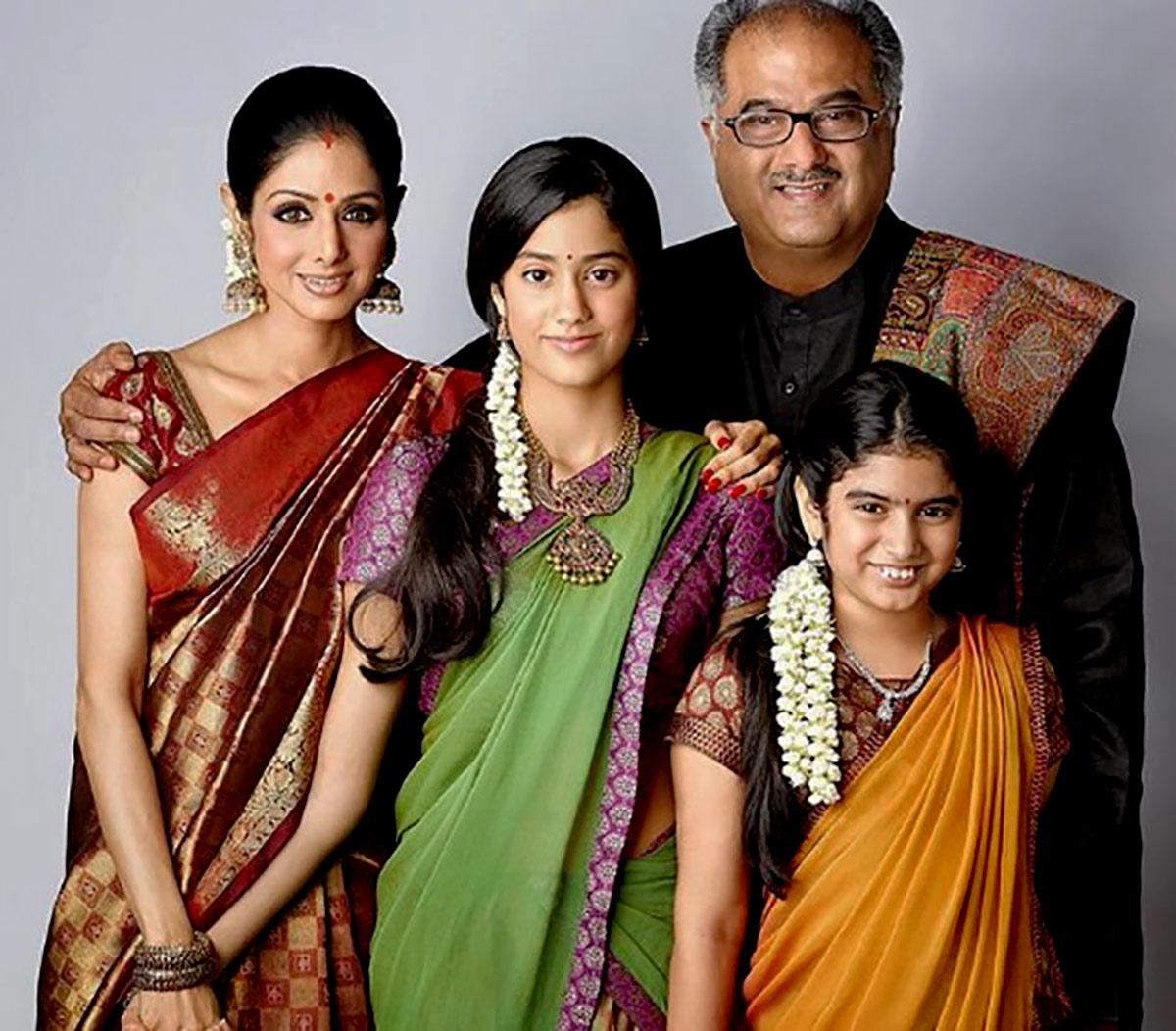
Janhvi also spoke about the weight of growing up in the public eye, as Sridevi’s daughter.
‘My first film wasn’t compared to my mother’s debut — it was compared to her 350th film, and that’s something she had warned me about,’ Janhvi said.
It was the loss of her mother in 2018 that left the deepest scars.
‘Where is this empathy? I want to see some of this empathy. Other people are cut a lot more slack. My sister and I have never let them see the cracks, and because of this, people have felt they can throw mud at us, that we are not really human. That took empathy and sympathy completely out of the question.
‘I don’t think anyone can understand what we went through. The loss is one thing but the damage that came after really made me cynical about human nature.
‘I would be hounded by the media and if I smiled to promote my film, I was criticised for seeming too okay. If I was quiet, then I was perceived as too cold. It’s unfathomable that it could become a meme. Imagine losing your mother and it’s entertainment for half the nation,’ Janhvi said.
Photographs curated by Manisha Kotian/Rediff