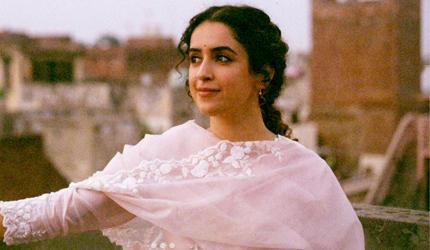
‘It
is,
in
a
way,
my
mother’s
story.’
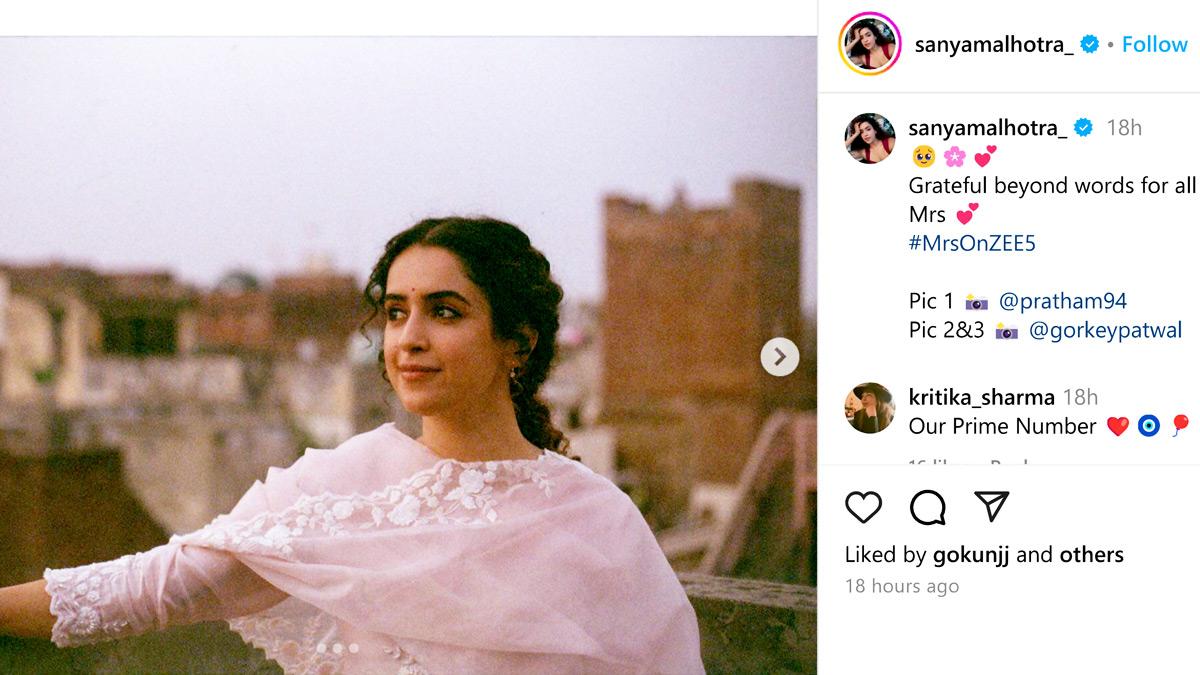
Photograph:
Kind
courtesy
Sanya
Malhotra/Instagram
Like
many
of
us,
Arati
Kadav
first
saw
Jeo
Baby’s
critically
acclaimed
Malayalam
film
The
Great
Indian
Kitchen
during
the
lockdown
in
2021.
The
movie
that
delves
into
the
unpleasant
realities
of
a
patriarchal
household
resonated
with
Kadav
and
reminded
her
of
her
mother’s
story
to
a
certain
extent.
When
the
opportunity
came,
she
helmed
the
Hindi
makeover
Mrs
with
Sanya
Malhotra,
even
though
the
remake
felt
like
a
‘very
challenging
task’.
Best
known
for
the
Vikrant
Massey
starrer
Cargo,
a
sublime
dark
comedy
currently
streaming
on
Netflix,
Kadav
says
crafting
the
feminist
tale
in
Mrs
was
her
own
kind
of
activism.
“Our
moms
make
food
day
in
and
out
and
are
never
appreciated
for
it.
It’s
sad,”
Kadav
tells
Mayur
Sanap/Rediff.com.
What
did
The
Great
Indian
Kitchen
make
you
feel
when
you
first
saw
it?
I
was
genuinely
moved.
That
was
the
first
time
a
film
spotlighted
the
invisible
labour
that
our
mothers
have
been
doing.
I
realised
that
we
don’t
realise
how
the
gender
roles
shape
us,
or
how
social
conditioning
shaped
me
also.
I
am
guilty
of
this.
I
am
also
guilty
of
treating
my
mother
as
a
function.
You
feel
it’s
a
small
work,
that
they
just
make
the
food,
but
it’s
a
lot
of
work
and
a
lot
of
physical
work.
I
have
seen
women
wanting
to
remain
invisible
because
they
themselves
want
to
disappear
in
those
roles.
It
must
have
felt
daunting
to
remake
such
a
hugely
acclaimed
film.
When
you
remake
a
cult
classic,
it’s
usually
a
tough
act
to
follow.
You’re
always
slightly
worried.
But
we
made
this
film
with
a
lot
of
sincerity
and
passion
and
love,
both
for
the
subject
and
our
intended
audience.
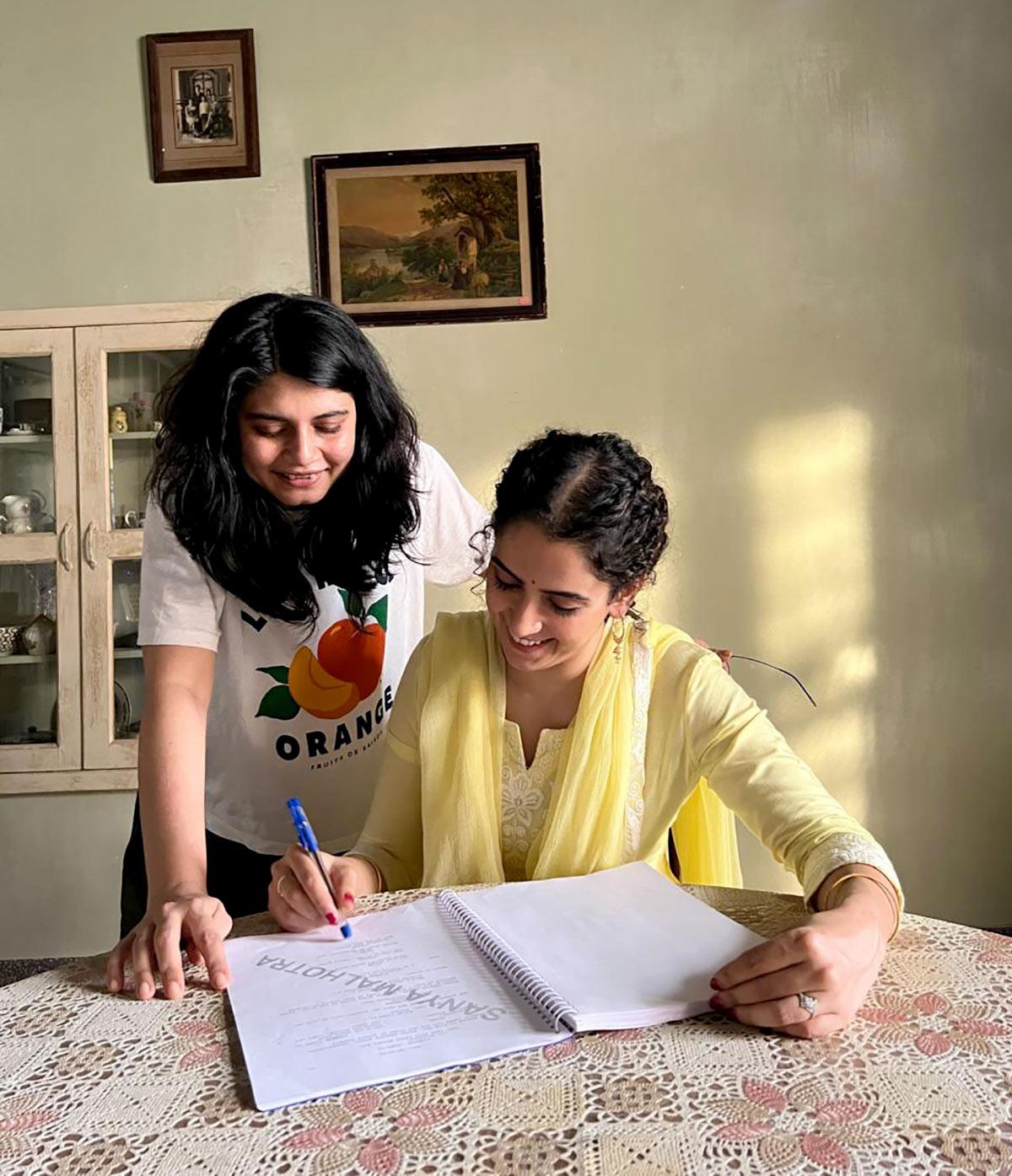
Arati
With
Sanya
Malhotra.
Photograph:
Kind
courtesy
Arati
Kadav
The
film
has
shots
of
scrumptious
cooking,
but
the
food
feels
repulsive
because
it
makes
you
feel
the
toil
someone
puts
into
it.
Yes,
that
was
the
idea.
We
take
so
much
for
granted.
I
don’t
think
my
father
has
ever
cooked.
But
if
he
did,
like
maybe
some
pakora
or
something,
it
would
become
such
a
huge
thing
that
oh
look,
he
did
that.
Our
moms
make
food
day
in
and
out
and
are
never
appreciated
for
it.
It’s
sad.
In
an
interview
you
once
said
you
didn’t
want
to
Bollywoodise
this
film.
What
do
you
mean
by
that?
See,
I
really
wanted
to
make
the
film
accessible
for
the
North
Indian
audience.
But
I
also
wanted
to
be
true
to
the
essence
of
the
original.
And
for
that,
I
cannot
add
the
classic
Bollywood
elements
like
the
song
and
dance.
Even
the
look
and
feel
of
how
the
houses
are
(needed
to
be
different).
We
had
to
make
the
house
look
realistic
and
yet
slightly
lovely
because
that’s
my
aesthetic.
It
was
also
the
house
of
the
mother-in-law.
I
thought
her
passion
has
come
inwards
into
the
house,
so
she
would
have
chosen
the
tea
cup,
the
tiles,
she
would
have
kept
her
house
nice.
That
was
the
idea.
I
wanted
to
have
good
shots
but
didn’t
want
it
too
much
jazzish.
The
music
had
to
be
subtle.
The
actors
shouldn’t
be
too
melodramatic.
I
wanted
to
arrive
with
the
right
tone
which
is
not
as
dark
as
original
because
the
sensibilities
of
the
Malayalam
film
audience
are
very
different
than
the
sensibilities
of
North
Indian
audience.
I
adapted
for
that,
without
going
all-out
masala.
Why
did
you
choose
Delhi
as
the
setting
for
this
story?
North
India
could
have
been
Bihar
also
but
I
thought
the
audience
would
feel
that
a
Delhi
doctor
(the
husband
character
played
by
Nishant
Dahiya)
might
be
an
open-minded
person
but
actually,
it
is
not
like
that.
Also,
the
region
lent
itself
well
with
the
whole
Kayastha
cuisine
that
we
show
in
the
film.
I
have
grown
up
in
Chhattisgarh,
which
is
close
to
those
kind
of
towns.
I
understand
that
lingo
well.
I
thought
I
could
do
good
justice
to
it.
With
Sanya
Malhotra
and
Nishant
Dahiya.
Photograph:
Kind
courtesy
Arati
Kadav/Instagram
How
much
of
your
own
experiences
and
observations
have
contributed
to
the
film?
A
lot.
The
husband
is
a
very
well
earning
man
and
the
wife
is
in
a
profession
like
dance,
which
might
not
feel
like
directly
contributing
to
society
or
feel
like
she
may
earn
enough.
That
was
the
kind
of
power
structure
I
was
in
during
the
early
years
of
my
marriage.
Richa
did
not
have
a
job
when
she
gets
married.
That
thing
of
finding
her
feet
came
from
my
personal
life.
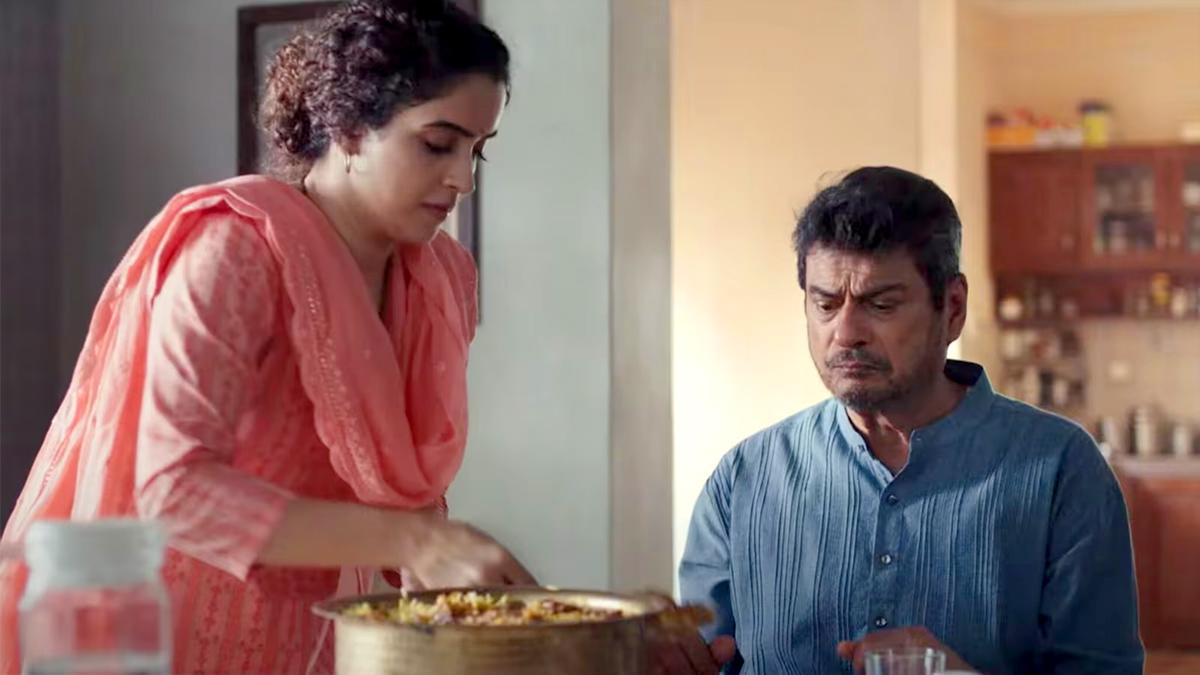
Sanya
Malhotra
and
Kanwaljit
Singh
in
Mrs.
The
men
in
this
film
are
a
product
of
their
social
conditioning.
How
did
your
male
actors
react
to
some
of
those
scenes?
Kanwaljitji
(Singh)
joked
that
his
wife
should
not
know
that
he
was
playing
this
role.
He
is
actually
a
very
well
read
person.
He
said
that
this
is
in
the
DNA
of
most
Indian
men.
They
don’t
realise
that
they
are
being
wrong
or
they
are
hurting.
He
said
that
in
their
head
they
are
just
being
right.
For
a
lot
of
men,
they
have
no
idea
that
how
entitled
they
are.
Nishant
(Dahiya),
who
plays
the
husband
Diwakar,
said
that
I
am
not
the
villain,
only
my
conditioning
is
wrong.
So
I
will
play
him
like
that.
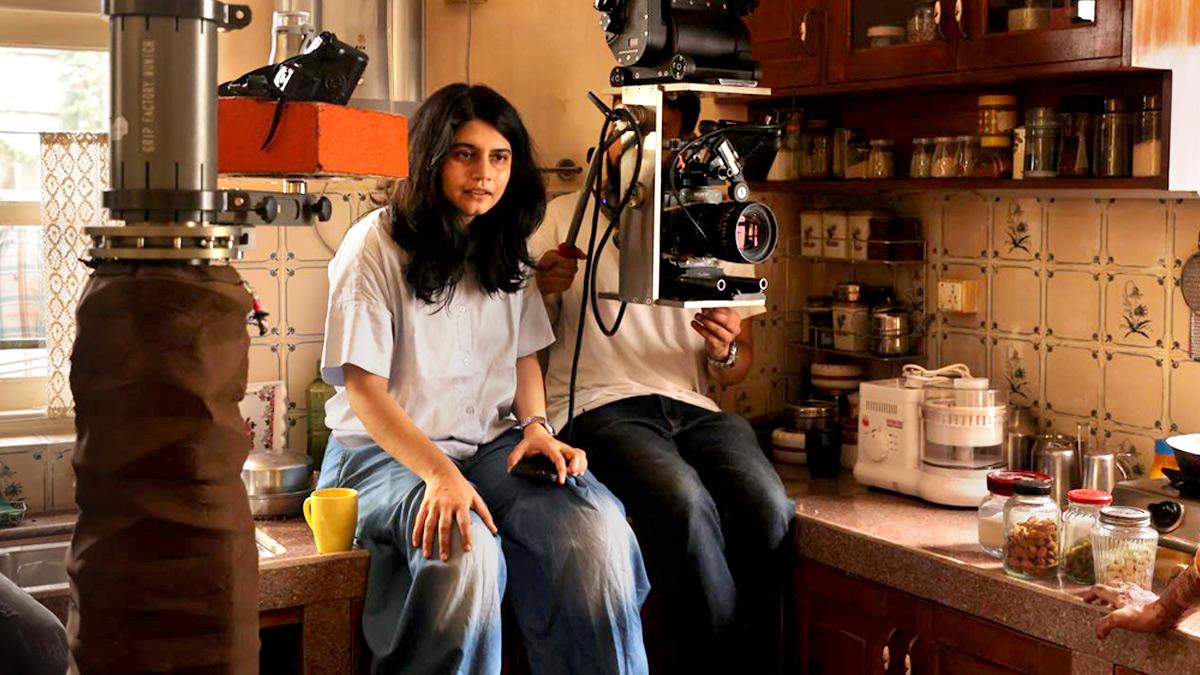
Arati
on
the
sets
of
Mrs.
Photograph:
Kind
courtesy
Arati
Kadav
How
did
Sanya
Malhotra
transform
into
Richa?
The
way
she
committed
herself
to
the
role,
I
have
not
seen
anyone
do
that.
She
had
a
diary
entry
for
every
scene.
She
did
a
sort
of
micro-surgery
on
Richa’s
psyche
about
her
gradual
erosion,
like
what
kind
of
person
she
is,
how
much
this
thing
is
hurting
her.
Richa
is
a
much
softer
person.
She’s
just
trying
to
adjust
because
she
just
got
married,
so
she’s
finding
her
bearings.
The
word
‘adjust’
is
very
complicated
and
loaded
in
women’s
culture.
Both
of
us
spoke
to
a
lot
of
women
and
that
kind
of
shaped
the
understanding
of
the
subject
very
well.
Did
you
have
any
discussions
with
Jeo
Baby
about
Mrs?
No.
I
really
wanted
to,
but
I
couldn’t.
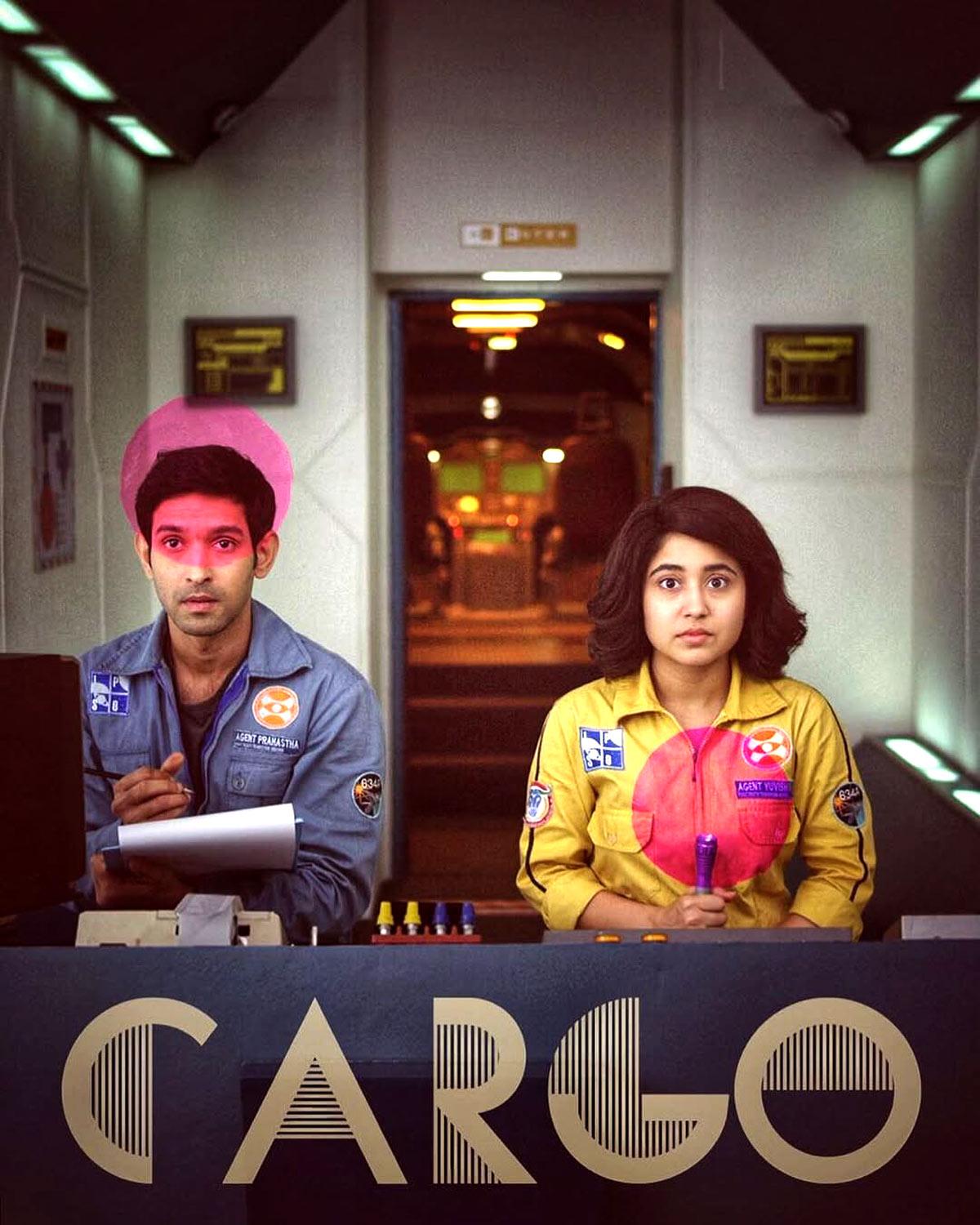
Vikrant
Massey
and
Shweta
Tripathi
in
Cargo.
Photograph:
Kind
courtesy
Arati
Kadav/Instagram
Your
earlier
films
Cargo,
Time
Machine,
Astro
&
Parrot
were
such
fiercely
original
films.
Did
you
have
any
apprehension
about
doing
a
remake?
I
had
a
lot
of
apprehensions
because
I
have
been
known
for
original
work.
When
you
do
a
remake
of
a
cult
classic,
people
already
have
a
very
strong
relationship
with
original
material.
I
felt
like
I
was
taking
up
a
very
challenging
task.
But
this
story
really
resonated
with
me.
It
was
very
close
to
home.
It
is,
in
a
way,
my
mother’s
story.
Sanya
had
once
said
a
very
nice
thing
to
me:
We
don’t
do
activism
in
terms
of
speeches
or
social
media
posts
but
through
work.
My
superpower
is
film-making.
I
wanted
to
make
this
film
to
start
a
conversation.
It
was
not
like
a
career
stride
or
anything.
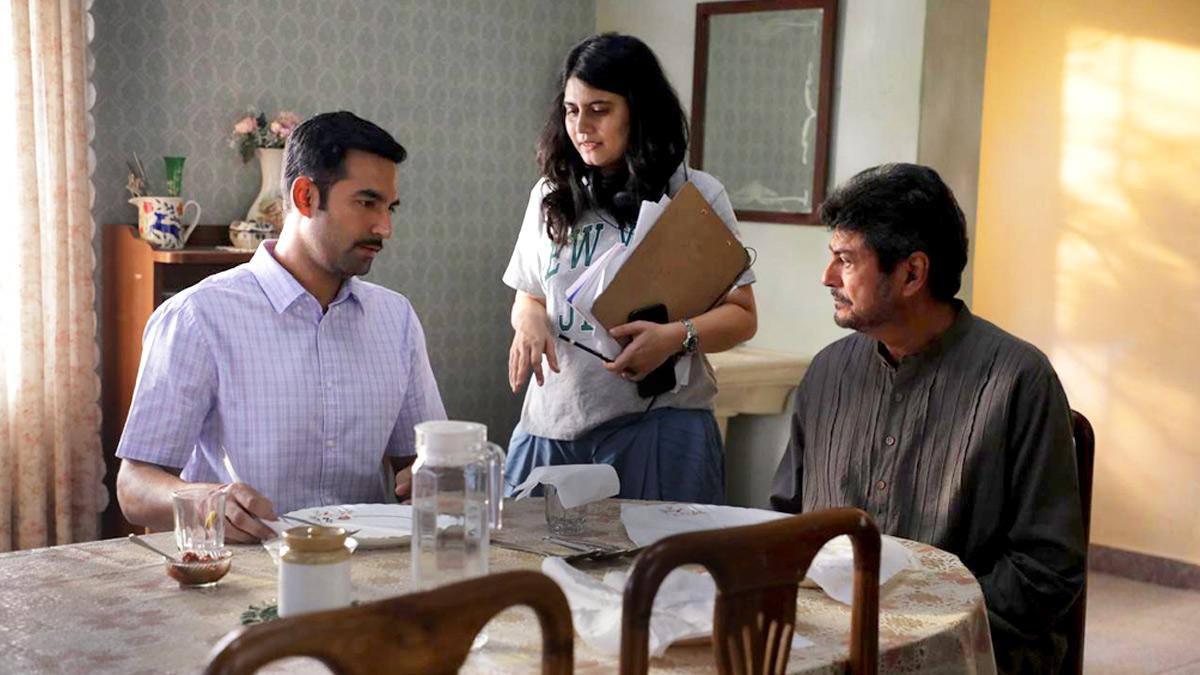
Arati
with
Nishant
Dahiya
and
Kanwaljeet
Singh
on
the
sets
of
Mrs.
Photograph:
Kind
courtesy
Arati
Kadav
Do
you
think
the
challenges
for
a
woman
filmmaker
are
different
than
that
of
a
male
counterpart?
Challenges
are
there
especially
in
your
early
years
because
nobody
takes
you
seriously.
It’s
very
easy
to
dismiss
you.
I’m
a
soft-spoken
filmmaker,
so
people
would
talk
over
you
sometimes.
I
went
through
that
phase.
But
I
learned
to
navigate
my
way.
It
was
important
for
me
to
build
my
team,
who
trusts
me
and
who
insulates
me
from
such
prejudices.
I
also
do
very
strong
prep.
I
know
10
times
more
than
everyone
else
on
my
sets
(Laughs).
How
do
you
look
at
the
change
that
the
likes
of
filmmakers
like
Payal
Kapadia
(All
We
Imagine
As
Light)
and
Shuchi
Talati
(Girls
Will
Be
Girls)
brought
in
with
their
incredible
work
last
year?
Oh,
I
am
a
huge
fan
of
both
their
films.
Both
films
deeply
moved
me.
I
have
so
much
admiration
for
their
journey.
They
made
such
wonderful
films
independently
that
won
a
lot
of
awards
and
recognitions
outside
India.
Just
a
year
ago,
everybody
was
saying
was
saying
that
the
independent
cinema
is
dead,
nobody
wants
to
see
that.
I
feel
these
two
women
filmmakers
revived
the
independent
cinema
so
much
that
I
am
talking
to
a
lot
of
people
who
say
it
is
okay
if
there’s
no
backing
from
the
studio,
we
will
make
a
film
independently.
What
new
opportunities
do
you
hope
Mrs
should
bring
to
you?
It
should
give
me
opportunities
to
make
my
own
films
effectively
with
a
good
budget.
This
is
a
sort
of
my
coming-of-age
also
like
the
way
it
is
Richa’s
coming-of-age.
It
is
slightly
more
mainstream
than
my
last
film
Cargo,
so
it
is
touching
a
lot
more
people.
Cargo
also
had
a
lovely
set
of
people
really
connecting
to
it.
But
with
Mrs,
I’m
going
to
a
different
set
of
audience.